Top Vídeos

? SUSCRIBETE A #BEBEMILO AQUÍ: https://goo.gl/mDu2Ad
? Aplicación Campanita de Bebe milo: https://bit.ly/2GKkqHH
? Contacto: bebemilocontacto@gmail.com
✅ Canales de los AMIWITOS
Vita: https://goo.gl/53Qtpv
Adri: https://goo.gl/qBMQzu
✅ Aplicación Bebe Milo Aventuras ? https://goo.gl/PzZEuv
✅ Juega en Bebe Milo Server: https://goo.gl/Wrx3ih
? Redes sociales de Bebe Milo:
? Instagram: https://www.instagram.com/bebemiloyt/
? Twitter: https://twitter.com/BebeMiloYT
? Facebook: https://www.facebook.com/bebemiloyt
======================================================
? MIS LISTAS DE REPRODUCCIÓN
✅ LO MEJOR de BEBE MILO y sus AMIGOS: https://goo.gl/9MgnWZ
✅ BEBE MILO AVENTURAS: https://goo.gl/VQhwNq
✅ LAS AVENTURAS DEL NOOB: https://goo.gl/gP8lwG
✅ CANCIONES DE BEBE MILO: https://goo.gl/swgdwg
✅ EL ESCONDITE: https://goo.gl/45L2yT
✅ ISLA VS ISLA: https://goo.gl/euAmDc
✅ BEBE MILO DIMENSIONES: https://goo.gl/rHVcU2
======================================================
El canal de Bebe milo es para publico infantil. Podrás encontrar canciones infantiles, música infantil para niños y niñas, chicos y chicas. También podrás ver jugar juegos como minecraft gratis, roleplay muy entretenido y en español latino, roblox y mucho mas.
Lo importante es divertirse y tener lo mejor de minecraft para bebes en 2018!
![Try Not To Like This Video - Animal Showing Love To Human [Happiness Kingdom]](https://i.ytimg.com/vi/JwuvWVgcJxc/maxresdefault.jpg)
Animals showing love to human , Try Not To Like This Video
-------------------------------------x-------------------------------------
★Don't forget subscribe Happiness Kingdom channel : https://www.youtube.com/HappinessKingdom
★Like Us on facebook :-
http://fb.me/HappinessKingdom17
--------------------------------------x-------------------------------------
★Other videos
-Best Scared Cats Compilation
https://youtu.be/VBLL0bZCSgE
-Funny Cats React To Kisses
https://youtu.be/0PZC7LWH4Y0
-Funny Raccoons! You Never Seen Like This
https://youtu.be/gTh93jZB7i8
-Little Baby Animals Will Fill Your Heart With Love, Joy & Happiness 2: https://youtu.be/9bHbFev-ib8
-Little Baby Animals Will Fill Your Heart With Love, Joy & Happiness 1: https://youtu.be/IiOu_Gh27rQ
-Funny Parrots videos awesome compilation #2: https://youtu.be/8D4-kaT6gWQ
- Husky puppies and babies too cute compilation: https://youtu.be/n88KjJUqRQE
-----------------------------------x----------------------------------------
We try to reach out to all creators to ask for permission to use their videos in our compilations. Did we miss you? Please contact us at contact4acme@gmail.com before filing a copyright claim.. we will do our best to come to an agreement!!
--------------------------------------x-------------------------------------
Thanks For Watching ! Please Like Share & Comment.
-----------------------------------x----------------------------------------

I feel the wind in my hair, and it's whispering, telling me things,
of the storm that is gathering near full of power I'm spreading my wings
Now I'm leaving my worries behind Feel the freedom of body
and mind I have started my journey,
I'm drifting away with the wind I go I am Hunting High and Low
diving from the sky above looking for, more and more, once again
I'm Hunting High and Low Sometimes I may win sometimes I'll lose
It's just a game that I play
After the storm there's a calm through the clouds shines a ray of the sun
I am carried from all of my harm there is no-one that I can't outrun
Now I'm leaving my worries behind Feel the freedom of body
and mind I have started my journey, I'm drifting away with the wind I fly...

❤ Puppy Surprise Reaction #36 ❤
❤ Tears Of Joy ❤
❤ Try Not To Cry ❤
★Don't forget subscribe Happiness Kingdom channel : https://www.youtube.com/HappinessKingdom
★Like Us on facebook :-
http://fb.me/HappinessKingdom17
--------------------------------------x-------------------------------------
Watch Other Videos
More Puppy Surprise Reaction: https://goo.gl/4EbiUx
Cute Babies Videos: https://goo.gl/yJoMSM
Funny Dogs Compilation : https://goo.gl/XihRrj
--------------------------------------x-------------------------------------
Credits:
Soon!
--------------------------------------x-------------------------------------
♫Intro MotionGraphic ♫
https://www.youtube.com/watch?v=L_5pV4PJV4c
♫IntroMusic By♫
★Axol x Alex Skrindo - You [NCS Release]
https://www.youtube.com/watch?v=sA_p0rQtDXE
--------------------------------------x-------------------------------------
Copyright Disclaimer:
If you see a clip that you own that you did not submit or give consent for use, we have likely received false permissions and would be happy to resolve this for you!
Feel free to contact us via Private Message. We will remove the clip, video. Thank you.
--------------------------------------x-------------------------------------
Feel free to leave a comment! Share this video with your friends!
Have a GREAT Day :)
Thanks For Watching ! Please Like Share & Comment.

? SUSCRIBETE A #BEBEMILO AQUÍ: https://goo.gl/mDu2Ad
? Aplicación Campanita de Bebe milo: https://bit.ly/2GKkqHH
? Contacto: bebemilocontacto@gmail.com
✅ Canales de los AMIWITOS
Vita: https://goo.gl/53Qtpv
Adri: https://goo.gl/qBMQzu
✅ Aplicación Bebe Milo Aventuras ? https://goo.gl/PzZEuv
✅ Juega en Bebe Milo Server: https://goo.gl/Wrx3ih
? Redes sociales de Bebe Milo:
? Instagram: https://www.instagram.com/bebemiloyt/
? Twitter: https://twitter.com/BebeMiloYT
? Facebook: https://www.facebook.com/bebemiloyt
======================================================
? MIS LISTAS DE REPRODUCCIÓN
✅ LO MEJOR de BEBE MILO y sus AMIGOS: https://goo.gl/9MgnWZ
✅ BEBE MILO AVENTURAS: https://goo.gl/VQhwNq
✅ LAS AVENTURAS DEL NOOB: https://goo.gl/gP8lwG
✅ CANCIONES DE BEBE MILO: https://goo.gl/swgdwg
✅ EL ESCONDITE: https://goo.gl/45L2yT
✅ ISLA VS ISLA: https://goo.gl/euAmDc
✅ BEBE MILO DIMENSIONES: https://goo.gl/rHVcU2
======================================================
El canal de Bebe milo es para publico infantil. Podrás encontrar canciones infantiles, música infantil para niños y niñas, chicos y chicas. También podrás ver jugar juegos como minecraft gratis, roleplay muy entretenido y en español latino, roblox y mucho mas.
Lo importante es divertirse y tener lo mejor de minecraft para bebes en 2018!
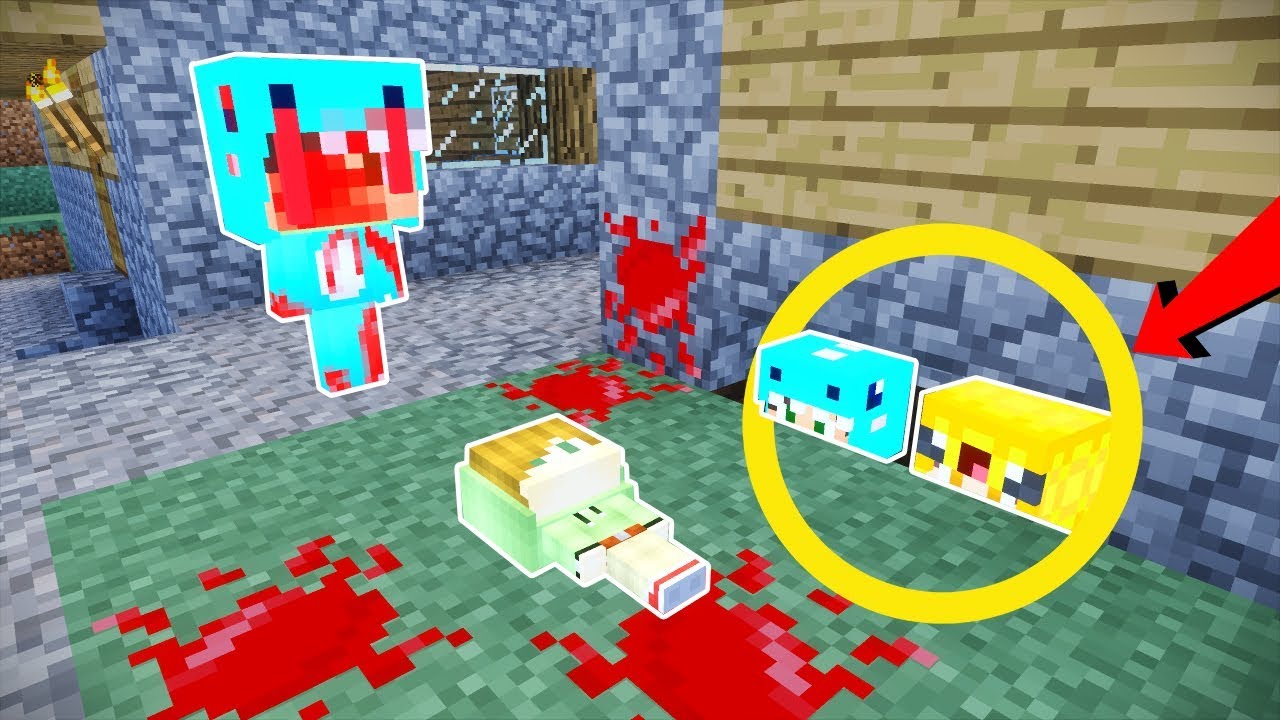
LA VENGANZA DE BEBE MILO.EXE EN MINECRAFT ? PUEBLO CHOCOLATE ESTA EN PELIGRO!
? SUSCRIBETE A BEBEMILO AQUÍ: https://goo.gl/mDu2Ad
? Aplicación Campanita de Bebe milo: https://bit.ly/2GKkqHH
? Contacto: bebemilocontacto@gmail.com
✅ Canales de los AMIWITOS
Vita: https://goo.gl/53Qtpv
Adri: https://goo.gl/qBMQzu
#BEBEMILO #JUEGOS #DIVERSION
✅ Aplicación Bebe Milo Aventuras ? https://goo.gl/PzZEuv
✅ Juega en Bebe Milo Server: https://goo.gl/Wrx3ih
? Redes sociales de Bebe Milo:
? Instagram: https://www.instagram.com/bebemiloyt/
? Twitter: https://twitter.com/BebeMiloYT
? Facebook: https://www.facebook.com/bebemiloyt
======================================================
? MIS LISTAS DE REPRODUCCIÓN
✅ LO MEJOR de BEBE MILO y sus AMIGOS: https://goo.gl/9MgnWZ
✅ BEBE MILO AVENTURAS: https://goo.gl/VQhwNq
✅ LAS AVENTURAS DEL NOOB: https://goo.gl/gP8lwG
✅ CANCIONES DE BEBE MILO: https://goo.gl/swgdwg
✅ EL ESCONDITE: https://goo.gl/45L2yT
✅ ISLA VS ISLA: https://goo.gl/euAmDc
✅ BEBE MILO DIMENSIONES: https://goo.gl/rHVcU2
======================================================
El canal de Bebe milo es para publico infantil. Podrás encontrar canciones infantiles, música infantil para niños y niñas, chicos y chicas. También podrás ver jugar juegos como minecraft gratis, roleplay muy entretenido y en español latino, roblox y mucho mas.
Lo importante es divertirse y tener lo mejor de minecraft para bebes en 2018!
? SUSCRIBETE AQUI: https://goo.gl/mDu2Ad
? Contacto: bebemilocontacto@gmail.com
✅ Canales de los #AMIWITOS
Vita: https://goo.gl/53Qtpv
Timo: https://goo.gl/rGEwgK
Mora: https://goo.gl/Ps65Vv
✅ Aplicación Bebe Milo Aventuras ? https://goo.gl/PzZEuv
✅ Juega en Bebe Milo Server: https://goo.gl/Wrx3ih
? Redes sociales de Bebe Milo:
? Instagram: https://www.instagram.com/bebemiloyt/
? Twitter: https://twitter.com/BebeMiloYT
? Facebook: https://www.facebook.com/bebemiloyt
======================================================
? MIS LISTAS DE REPRODUCCIÓN
✅ LO MEJOR de BEBE MILO y sus AMIGOS: https://goo.gl/9MgnWZ
✅ BEBE MILO AVENTURAS: https://goo.gl/VQhwNq
✅ LAS AVENTURAS DEL NOOB: https://goo.gl/gP8lwG
✅ CANCIONES DE BEBE MILO: https://goo.gl/swgdwg
✅ EL ESCONDITE: https://goo.gl/45L2yT
✅ ISLA VS ISLA: https://goo.gl/euAmDc
✅ BEBE MILO DIMENSIONES: https://goo.gl/rHVcU2
======================================================
El canal de Bebe milo es para publico infantil. Podrás encontrar canciones infantiles, música infantil para niños y niñas, chicos y chicas. También podrás ver jugar juegos como minecraft gratis, roleplay muy entretenido y en español latino.
Lo importante es divertirse y tener lo mejor de minecraft para bebes en 2018!
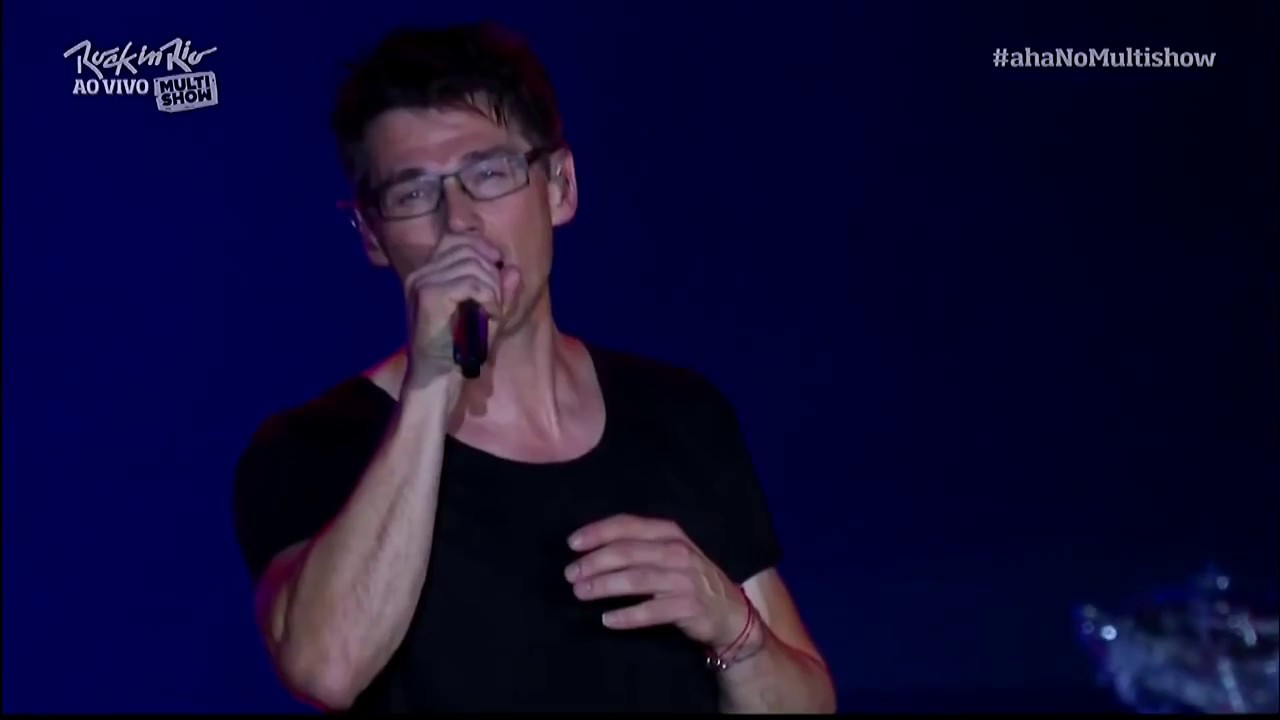

AHA Train Of Thought

❤ Puppy Surprise Reaction #27 ❤
❤ Tears Of Joy ❤
❤ Try Not To Cry ❤
★Don't forget subscribe Happiness Kingdom channel : https://www.youtube.com/HappinessKingdom
★Like Us on facebook :-
http://fb.me/HappinessKingdom17
--------------------------------------x-------------------------------------
Watch Other Videos
More Puppy Surprise Reaction: https://goo.gl/4EbiUx
Cute Babies Videos: https://goo.gl/yJoMSM
Funny Dogs Compilation : https://goo.gl/XihRrj
--------------------------------------x-------------------------------------
Credits:
N/A
--------------------------------------x-------------------------------------
♫Intro MotionGraphic ♫
https://www.youtube.com/watch?v=L_5pV4PJV4c
♫IntroMusic By♫
★Axol x Alex Skrindo - You [NCS Release]
https://www.youtube.com/watch?v=sA_p0rQtDXE
--------------------------------------x-------------------------------------
Copyright Disclaimer:
If you see a clip that you own that you did not submit or give consent for use, we have likely received false permissions and would be happy to resolve this for you!
Feel free to contact us via Private Message. We will remove the clip, video. Thank you.
--------------------------------------x-------------------------------------
Feel free to leave a comment! Share this video with your friends!
Have a GREAT Day :)
Thanks For Watching ! Please Like Share & Comment.

? SUSCRIBETE AQUÍ ? https://goo.gl/etnC25
======================================================
? Contacto:
? Negocios: miloidinegocios@gmail.com
? Dibujitos para Bebe Milo: bebemilocontacto@gmail.com
? Twitter: https://twitter.com/BebeMiloYT
======================================================
? Colaboradores del canal:
Walky & Vita: https://goo.gl/7ka4ss
Blexu https://goo.gl/QyYaSg (Dibujos)
? MIS LISTAS DE REPRODUCCIÓN
✅ LAS AVENTURAS DEL NOOB: https://goo.gl/gP8lwG
✅ BEBE MILO: https://goo.gl/3ceqj6
✅ CANCIONES DE BEBE MILO: https://goo.gl/swgdwg
✅ PACK DE TEXTURAS: https://goo.gl/2CqiYv
✅ LOS CAZAMOBS: https://goo.gl/FMEuLK
✅ TODAS MIS PARTIDAS DE SKYWARS: https://goo.gl/zoub8z
✅ LOCURACRAFT: https://goo.gl/JMvaPT
✅ COMANDOS: https://goo.gl/x1Egcp
✅ PARTICIPACION EN OTROS CANALES: https://goo.gl/vgsi2C
======================================================
▼ SERVER NO PREMIUM / SERVER PREMIUM DONDE JUEGO ▼
1. mc.hypixel.net (server Premium 1.8)
2. play.z-mc.net (server No premium 1.8)
======================================================
El canal de Bebe milo es para publico infantil. Podrás encontrar canciones infantiles, música infantil para niños y niñas, chicos y chicas. También podrás ver jugar juegos como minecraft gratis, roleplay muy entretenido y en español latino.
Lo importante es divertirse y tener lo mejor de minecraft para bebes en 2017 y 2018!

❤ Puppy Surprise Reaction #17 ❤
❤ Tears Of Joy ❤
❤ Try Not To Cry ❤
★Don't forget subscribe Happiness Kingdom channel : https://www.youtube.com/HappinessKingdom
★Like Us on facebook :-
http://fb.me/HappinessKingdom17
--------------------------------------x-------------------------------------
Watch Other Videos
More Puppy Surprise Reaction: https://goo.gl/4EbiUx
Cute Babies Videos: https://goo.gl/yJoMSM
Funny Dogs Compilation : https://goo.gl/XihRrj
--------------------------------------x-------------------------------------
Credits:
Soon!
--------------------------------------x-------------------------------------
♫Intro MotionGraphic ♫
https://www.youtube.com/watch?v=L_5pV4PJV4c
♫IntroMusic By♫
★Axol x Alex Skrindo - You [NCS Release]
https://www.youtube.com/watch?v=sA_p0rQtDXE
--------------------------------------x-------------------------------------
Copyright Disclaimer:
If you see a clip that you own that you did not submit or give consent for use, we have likely received false permissions and would be happy to resolve this for you!
Feel free to contact us at contact4acme@gmail.com. We will remove the clip, video. Thank you.
--------------------------------------x-------------------------------------
Feel free to leave a comment! Share this video with your friends!
Have a GREAT Day :)
Thanks For Watching ! Please Like Share & Comment.

Performing their first 2 albums accompanied by the Oslo Philharmonic Orchestra.
From a-ha's first album Hunting High and Low


1985 H.u.n.t.i.n.g High And Low
A pedido de alguns inscritos já está disponível para download ou envio pelo correio as coletâneas anos 70’s, com 27 discos e anos 80’s com 32 discos, ambas com sucessos que marcaram época.
Sem cortes ou direitos autorais. São aproximadamente 1200 músicas em formato mp3.
Maiores informações e valores entre em contato pelo e-mail: dozeinfocel@gmail.com
Quer ouvir estas e outras músicas do canal sem interrupção, 24 horas por dia? Acesse nossa rádio web: https://zeno.fm/radio-canal-rb
***Devido ao bloqueio de alguns álbuns do canal pelos direitos autorais não sendo possível a visualização dos mesmos como público, estaremos colocando a descrição e tempo das faixas nos comentários***
- Espero que curtam, gostem e compartilhem, pois, assim fazendo nos ajudará no crescimento do canal.
- Aproveito para agradecer, pois graças a vocês passamos dos 10 mil inscritos.
- Muito obrigado!
#10KCreator!
@R.B
- Que Deus abençoe a todos! Forte abraço.
*Talvez os direitos autorais, após a publicação do vídeo restrinja a publicação de alguma canção, por isto e se isto vier a acontecer, nos desculpem*.

A great song from the album 'Hunting high and low' released in 1985. This song was released as a single in 1986.
I DO NOT OWN THIS SONG!!! (C) 1985 WARNER MUSIC GROUP
Please visit http://memorial-beach.de (my a-ha Fansite) and like it on Facebook for the latest news on Magne, Paul and Morten!

Filme: Romeu + Julieta
Hunting High and Low é uma canção da banda norueguesa a-ha, lançada em 1986. Foi o quarto e último single de Hunting High and Low, álbum de estreia do grupo.
É uma das canções mais conhecidas da banda e também uma das músicas mais tocadas em várias emissoras de rádio em diversos países da Europa e também na América do Sul (principalmente no Brasil).
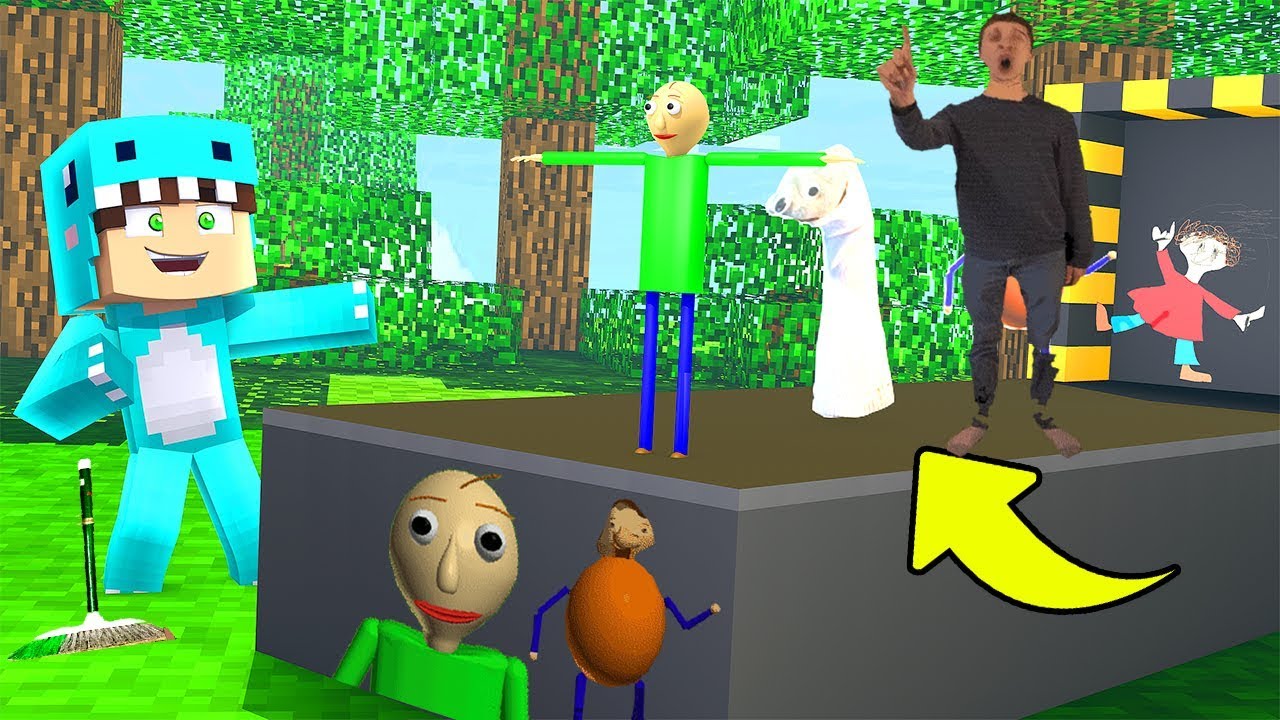
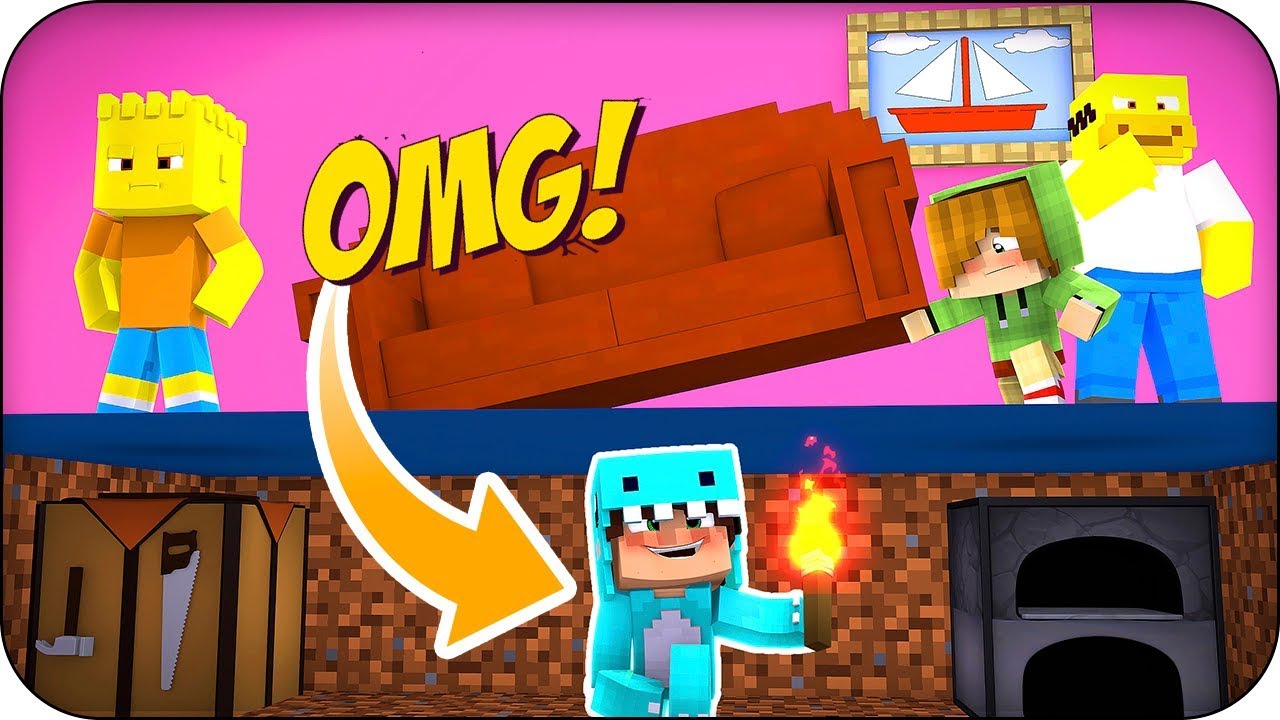
Bebe milo vita y adri van a la escuela como todos los días pero hoy van a tener una clase muy especial. Tendrán que ir a la escuela de baldi y aprender a la fuerza como portarse bien por un pepino!!
? SUSCRIBETE A BEBEMILO AQUÍ: https://goo.gl/mDu2Ad
? Aplicación Campanita de Bebe milo: https://bit.ly/2GKkqHH
? Contacto: bebemilocontacto@gmail.com
✅ Canales de los AMIWITOS
Vita: https://goo.gl/53Qtpv
Adri: https://goo.gl/qBMQzu
#BEBEMILO #JUEGOS #DIVERSION
✅ Aplicación Bebe Milo Aventuras ? https://goo.gl/PzZEuv
✅ Juega en Bebe Milo Server: https://goo.gl/Wrx3ih
? Redes sociales de Bebe Milo:
? Instagram: https://www.instagram.com/bebemiloyt/
? Twitter: https://twitter.com/BebeMiloYT
? Facebook: https://www.facebook.com/bebemiloyt
======================================================
? MIS LISTAS DE REPRODUCCIÓN
✅ LO MEJOR de BEBE MILO y sus AMIGOS: https://goo.gl/9MgnWZ
✅ BEBE MILO AVENTURAS: https://goo.gl/VQhwNq
✅ LAS AVENTURAS DEL NOOB: https://goo.gl/gP8lwG
✅ CANCIONES DE BEBE MILO: https://goo.gl/swgdwg
✅ EL ESCONDITE: https://goo.gl/45L2yT
✅ ISLA VS ISLA: https://goo.gl/euAmDc
✅ BEBE MILO DIMENSIONES: https://goo.gl/rHVcU2
Credits of the green screen animations: GreenScreen Brasil
http://www.youtube.com/c/GreenScreenBrasil
======================================================
El canal de Bebe milo es para publico infantil. Podrás encontrar canciones infantiles, música infantil para niños y niñas, chicos y chicas. También podrás ver jugar juegos como minecraft gratis, minecraft pe, minecraft online, minecraft pocket edition, roleplay muy entretenido y en español latino, roblox y mucho mas.
Lo importante es divertirse y tener los mejores videos de minecraft para niños en 2019!
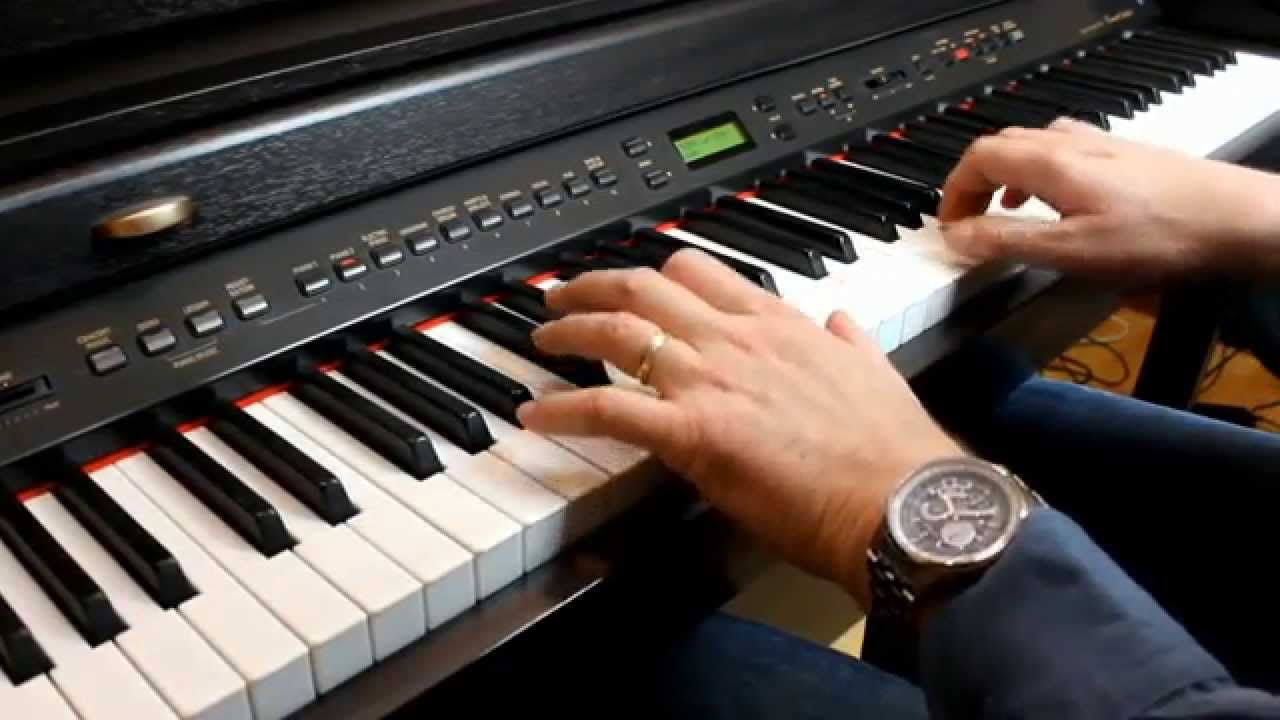
Here is another song by A-ha I like : "Hunting High and Low".
I hope you will enjoy my interpretation on the piano.
Voici une autre chanson de A-ha que j'apprécie : "Hunting High And Low". J'espère que mon interprétation au piano vous plaira.
#Aha #HuntingHighAndLow