Top Vídeos

Music video by Ultravox performing Passing Strangers (2009 Digital Remaster).
http://vevo.ly/c2r2mx
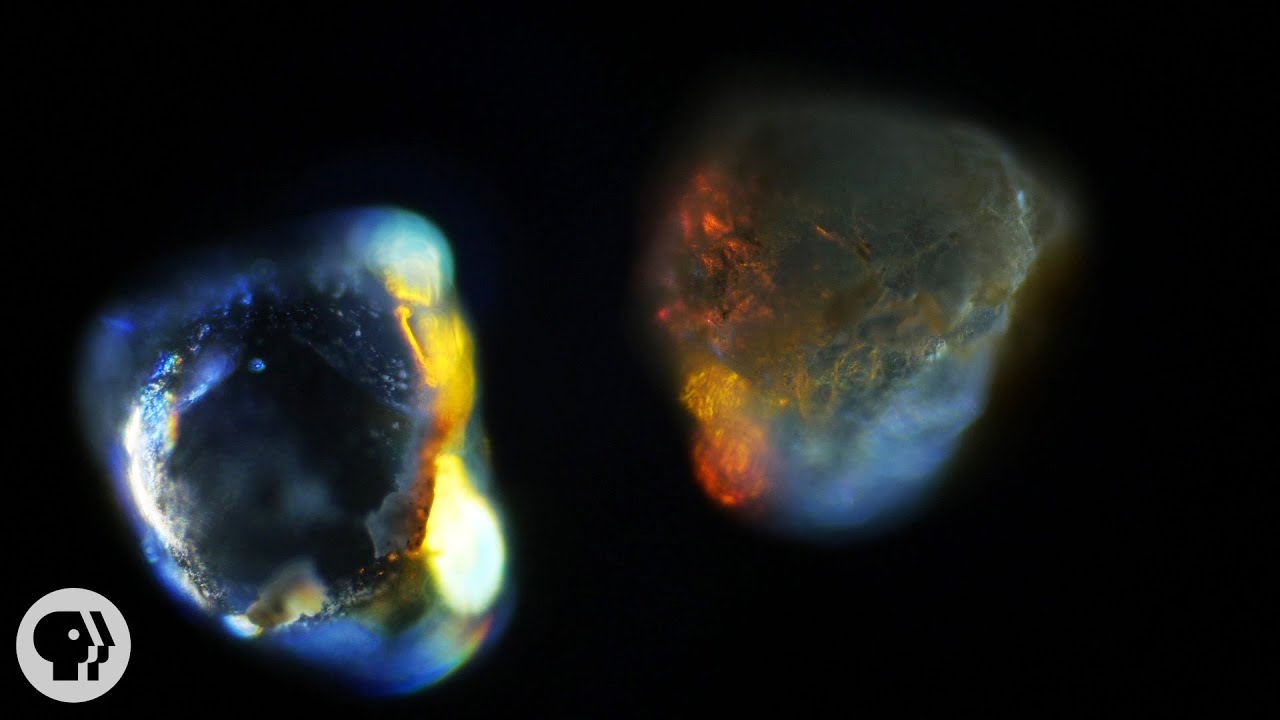
There's a story in every grain of sand: tales of life and death, fire and water. If you scooped up a handful of sand from every beach, you'd have a history of the world sifting through your fingers.
SUBSCRIBE to Deep Look! http://goo.gl/8NwXqt
DEEP LOOK: a new ultra-HD (4K) short video series created by KQED San Francisco and presented by PBS Digital Studios. See the unseen at the very edge of our visible world. Get a new perspective on our place in the universe and meet extraordinary new friends. Explore big scientific mysteries by going incredibly small.
* NEW VIDEOS EVERY OTHER TUESDAY! *
---+ How does sand form?
Sand can be anything that has been worn down until it’s reduced to some tiny, essential fragment of what it once was: a granite pebble from the mountains; coral from the sea; obsidian from a volcano; even skeletons of microscopic sea animals. It's also a technical term. Bigger than sand, that’s gravel, smaller? Silt.
By studying the composition and texture of sand, geologists can reconstruct its incredible life history. “There’s just a ton of information out there, and all of it is in the sand,” said Mary McGann, a geologist at the United States Geological Survey in Menlo Park, CA.
McGann recently took part in a comprehensive research project mapping sand’s journey into and throughout San Francisco Bay.
Patrick Barnard, another USGS geologist who helped oversee the project, said that it will help scientists understand how local beaches are changing over time. In particular, Barnard wants to understand why beaches just south of San Francisco Bay are among the most rapidly eroding beaches in the state.
From 2010-2012, Barnard and his team sampled beaches, outcrops, rivers and creeks to track sand’s journey around the bay. They even collected sand from the ocean floor. The researchers then carefully analyzed the samples to characterize the shapes, sizes, and chemical properties of the sand grains.
Barnard said the information provides a kind of fingerprint, or signature, for each sample that can then be matched to a potential source. For example, certain minerals may only come from the Sierra Mountains or the Marin Headlands.
“If we’ve covered all of the potential sources, and we know the unique signature of the sand from these different sources, and we find it on a beach somewhere, then we basically know where it came from,” explained Barnard.
And those species aren’t the only things finding their way into the sand. Manmade materials can show up there, too. McGann has found metal welding scraps and tiny glass spheres (commonly sprinkled on highways to make road stripes reflective) in sand samples from around the bay.
“All of these things can get washed into our rivers or our creeks, or washed off the road in storm drains,” explained McGann. “Eventually they end up in, for example, San Francisco Bay.”
By piecing together all of these clues – the information found in the minerals, biological material and man made objects that make up sand – the researchers ended up with a pretty clear picture of how sand travels around San Francisco Bay.
Some sands stay close to home. Rocky sand in the Marin Headlands comes from nearby bluffs, never straying far from its source.
Other sands travel hundreds of miles. Granite from the Sierra Nevada mountains careens down rivers and streams on a century-long sojourn to the coast.
In fact, much of the sand in the Bay Area comes from the Sacramento and San Joaquin rivers, with local watersheds also playing an important role in transporting sand to the beach.
Although this project focused on San Francisco Bay, the same techniques could be used to study other coastal systems, he added, revealing the incredible life stories of sand from around the world.
---+ More Deep Look episodes:
What Happens When You Zap Coral With The World's Most Powerful X-ray Laser?
https://youtu.be/aXmCU6IYnsA
These 'Resurrection Plants' Spring Back to Life in Seconds
https://youtu.be/eoFGKlZMo2g
--
Full article: http://blogs.kqed.org/science/....2014/11/04/the-amazi
---+ Follow KQED Science:
KQED Science: http://www.kqed.org/science
Tumblr: http://kqedscience.tumblr.com
Twitter: https://www.twitter.com/kqedscience
---+ About KQED
KQED, an NPR and PBS affiliate in San Francisco, CA, serves Northern California and beyond with a public-supported alternative to commercial TV, Radio and web media.
Funding for Deep Look is provided in part by PBS Digital Studios and the John S. and James L. Knight Foundation. Deep Look is a project of KQED Science, which is also supported by HopeLab, the David B. Gold Foundation, the S. D. Bechtel, Jr. Foundation, the Dirk and Charlene Kabcenell Foundation, the Vadasz Family Foundation, the Gordon and Betty Moore Foundation, the Smart Family Foundation and the members of KQED.
#deeplook
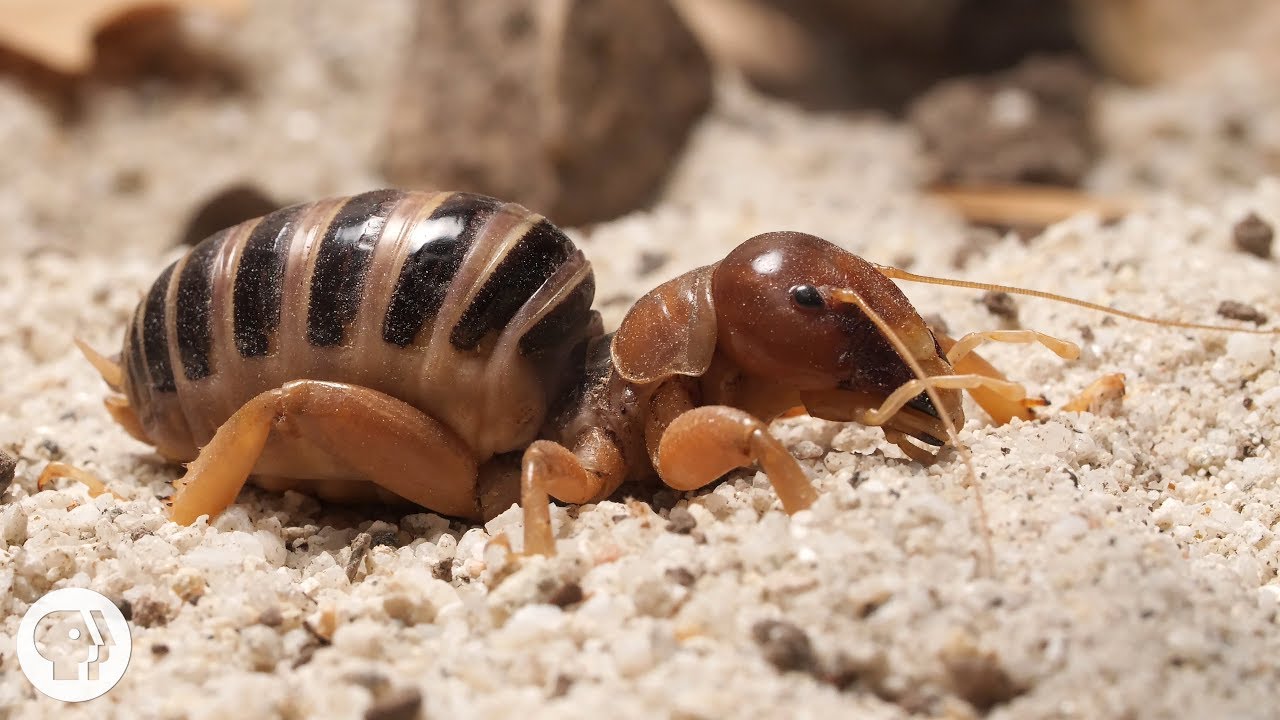
With their big heads and beady black eyes, Jerusalem crickets aren't winning any beauty contests. But that doesn't stop them from finding mates. They use their bulbous bellies to serenade each other with some furious drumming.
Support Deep Look on Patreon! https://www.patreon.com/deeplook
Come join us on our Deep Look Communty Tab: https://www.youtube.com/user/K....QEDDeepLook/communit
--
DEEP LOOK is an ultra-HD (4K) short video series created by KQED San Francisco and presented by PBS Digital Studios. See the unseen at the very edge of our visible world. Explore big scientific mysteries by going incredibly small.
Potato Bug. Child of the Earth. Old Bald-Headed Man. Skull Insects. Devil’s Baby. Spawn of Satan. There’s a fairly long list of imaginative nicknames that refer to Jerusalem crickets, those six-legged insects with eerily humanlike faces and prominent striped abdomens. And they can get quite large, too: Some measure over 3 inches long and weigh more than a mouse, so they can be quite unnerving if you see them crawling around in your backyard in summertime.
One individual who finds them compelling, and not creepy, has been studying Jerusalem crickets for over 40 years: David Weissman, a research associate in entomology affiliated with the California Academy of Sciences in San Francisco. He’s now considered the world’s foremost expert, since no one else has been as captivated or singlemindedly devoted to learning more about them.
While much of their general behavior is still not widely understood, Jerusalem crickets typically live solitary lives underground. They’ll emerge at night to scavenge for roots, tubers and smaller insects for their meals. And it’s also when they come out to serenade potential partners with a musical ritual: To attract a mate, adult crickets use their abdomens to drum the ground and generate low-frequency sound waves.
If a male begins drumming and a female senses the vibrations, she’ll respond with a longer drumming sequence so that he’ll have enough time to track her down. The drumming can vary between one beat every other second up to 40 beats per second.
---+ Read the entire article on KQED Science:
https://www.kqed.org/science/1....932923/jerusalem-cri
---+ For more information:
JERUSALEM! CRICKET? (Orthoptera: Stenopelmatidae: Stenopelmatus); Origins of a Common Name https://goo.gl/Y49GAK
---+ More Great Deep Look episodes:
The House Centipede is Fast, Furious, and Just So Extra | Deep Look
https://youtu.be/q2RtbP1d7Kg
Roly Polies Came From the Sea to Conquer the Earth | Deep Look
https://youtu.be/sj8pFX9SOXE
Turret Spiders Launch Sneak Attacks From Tiny Towers | Deep Look
https://youtu.be/9bEjYunwByw
---+ Shoutout!
?Congratulations ? to Piss Dog, Trent Geer, Mario Stankovski, Jelani Shillingford,
and Chaddydaddy who were the first to correctly 3 the species of Jerusalem Cricket relatives of the Stenopelmatoidea superfamily in our episode, over at the Deep Look Community Tab:
https://www.youtube.com/channe....l/UC-3SbfTPJsL8fJAPK
(hat tip to Antonio Garcia, who shared 3 full species names)
---+ Follow KQED Science and Deep Look:
Instagram: https://www.instagram.com/kqedscience/
Twitter: https://www.twitter.com/kqedscience
KQED Science on kqed.org: http://www.kqed.org/science
Facebook Watch: https://www.facebook.com/DeepLookPBS/
Patreon: https://www.patreon.com/deeplook
---+ About KQED
KQED, an NPR and PBS affiliate in San Francisco, CA, serves Northern California and beyond with a public-supported alternative to commercial TV, Radio and web media.
Funding for Deep Look is provided in part by PBS Digital Studios. Deep Look is a project of KQED Science, which is also supported by the National Science Foundation, the Templeton Religion Trust, the Templeton World Charity Foundation, the S. D. Bechtel, Jr. Foundation, the Dirk and Charlene Kabcenell Foundation, the Vadasz Family Foundation, the Gordon and Betty Moore Foundation, the Fuhs Family Foundation and the members of KQED. #deeplook #jerusalemcrickets #wildlife
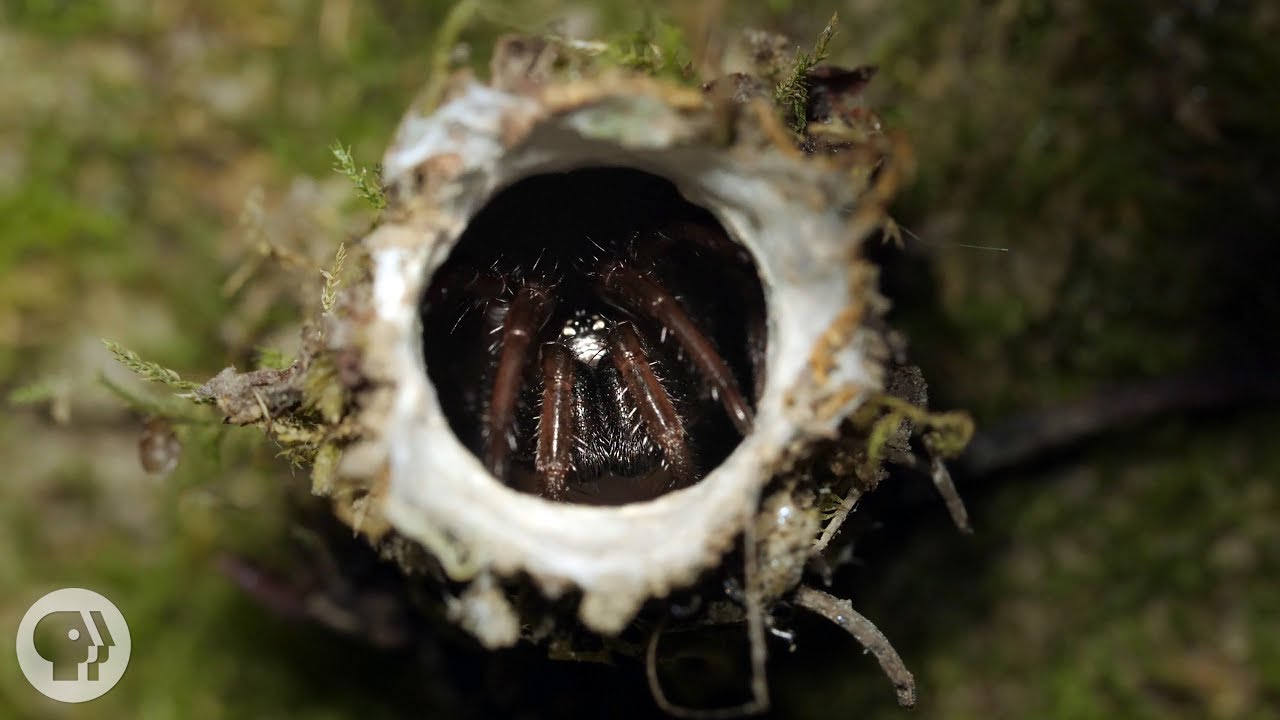
There are strange little towers on the forest floor. Neat, right? Nope. Inside hides a spider that's cunning, patient and ruthless.
SUBSCRIBE to Deep Look! http://goo.gl/8NwXqt
Please follow us on Patreon! https://www.patreon.com/deeplook
DEEP LOOK is a ultra-HD (4K) short video series created by KQED San Francisco and presented by PBS Digital Studios. See the unseen at the very edge of our visible world. Explore big scientific mysteries by going incredibly small.
Most Bay Area hikers pass right by without ever noticing, but a careful eye can spot tiny towers rising up from the forest floor. These mysterious little tubes, barely an inch high, are the homes of a particularly sneaky predator -- the California turret spider.
“To me, the turrets look just like the rook in a chess set,” said Trent Pearce, a naturalist for the East Bay Regional Park District, as he scanned the terrain at Briones Regional Park. “The spiders themselves are super burly – like a tiny tarantula the size of your pinky nail.”
Turret spiders build their towers along creek beds and under fallen trees in forested areas throughout Central and Northern California. They use whatever mud, moss, bark and leaves they can find nearby, making their turrets extremely well camouflaged.
They line the inside of their tiny castles with pearly white silk, which makes the structure supple and resilient
Each turret leads down to a burrow that can extend six inches underground. The spiders spend their days down there in the dark, protected from the sun and predators.
As night falls, they climb up to the entrance of the turrets to wait for unsuspecting prey like beetles to happen by.
Turret spiders are ambush hunters. While remaining hidden inside their turret, they’re able to sense the vibrations created by their prey’s footsteps.
That’s when the turret spider strikes, busting out of the hollow tower like an eight legged jack-in-the-box. With lightning speed the spider swings its fangs down like daggers, injecting venom into its prey before dragging it down into the burrow.
“It’s like the scene in a horror movie where the monster appears out of nowhere – you can’t not jump,” Pearce said.
--- What do turret spiders eat?
Turret spiders mostly ground-dwelling arthropods like beetles but they will also attack flying insects like moths that happen to land near their turrets.
--- Are turret spiders dangerous to people?
Turret spiders are nocturnal so it’s rare for them to interact with humans by accident. They tend to retreat into their underground burrow if they feel the vibrations of human footsteps. They do have fangs and venom but are not generally considered to be dangerous compared to other spiders. If you leave them alone, you shouldn’t have anything to fear from turret spiders.
---+ Read the entire article on KQED Science:
https://ww2.kqed.org/science/2....019/01/15/turret-spi
---+ For more information:
Learn to Look for Them, and California’s Unique “Turret Spiders” are Everywhere
https://baynature.org/article/....and-this-little-spid
---+ More Great Deep Look episodes:
For These Tiny Spiders, It's Sing or Get Served | Deep Look
https://youtu.be/y7qMqAgCqME
Praying Mantis Love is Waaay Weirder Than You Think | Deep Look
https://youtu.be/EHo_9wnnUTE
Why the Male Black Widow is a Real Home Wrecker | Deep Look
https://youtu.be/NpJNeGqExrc
---+ Follow KQED Science and Deep Look:
Instagram: https://www.instagram.com/kqedscience/
Twitter: https://www.twitter.com/kqedscience
KQED Science on kqed.org: http://www.kqed.org/science
Facebook Watch: https://www.facebook.com/DeepLookPBS/
Patreon: https://www.patreon.com/deeplook
---+ Shoutout!
Congratulations to ?Iset4, MidKnight Fall7,
jon pomeroy, Justin Felder3, and DrowsyTaurus26?, who were the first to correctly ID the species of spider in our episode - Antrodiaetus riversi (also known as Atypoides riversi) over at the Deep Look Community Tab:
https://www.youtube.com/channe....l/UC-3SbfTPJsL8fJAPK
(hat tip to Edison Lewis10 for posting the entire family tree!)
---+ About KQED
KQED, an NPR and PBS affiliate in San Francisco, CA, serves Northern California and beyond with a public-supported alternative to commercial TV, Radio and web media.
Funding for Deep Look is provided in part by PBS Digital Studios. Deep Look is a project of KQED Science, which is also supported by the National Science Foundation, the Templeton Religion Trust, the Templeton World Charity Foundation, the S. D. Bechtel, Jr. Foundation, the Dirk and Charlene Kabcenell Foundation, the Vadasz Family Foundation, the Gordon and Betty Moore Foundation, the Fuhs Family Foundation and the members of KQED. #deeplook #spiders #wildlife
Thanks to The Great Courses Plus for sponsoring this episode of Deep Look. Try a 30 day trial of The Great Course Plus at http://ow.ly/7QYH309wSOL. If you liked this episode, you might be interested in their course “Major Transitions in Evolution”.
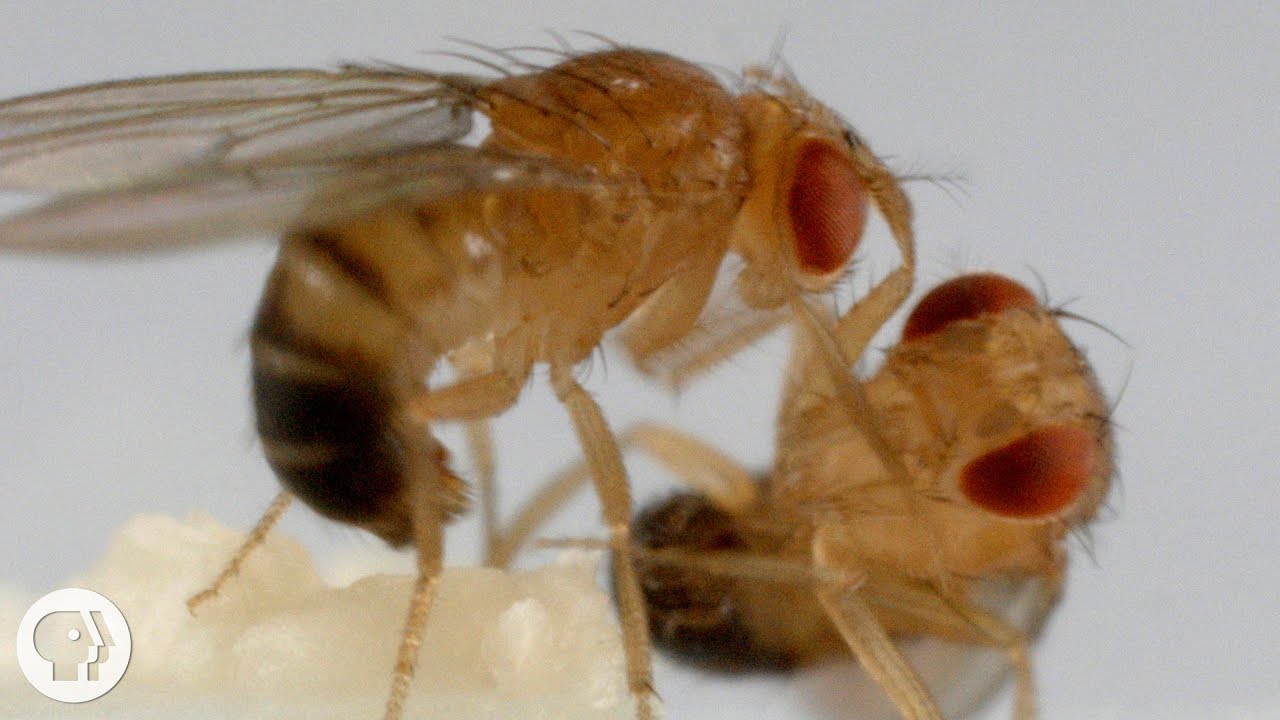
POW! BAM! Fruit flies battling like martial arts masters are helping scientists map brain circuits. This research could shed light on human aggression and depression.
SUBSCRIBE to Deep Look! http://goo.gl/8NwXqt
DEEP LOOK is a ultra-HD (4K) short video series created by KQED San Francisco and presented by PBS Digital Studios. Explore big scientific mysteries by going incredibly small.
* NEW VIDEOS EVERY OTHER TUESDAY! *
Neuroscientist Eric Hoopfer likes to watch animals fight. But these aren’t the kind of fights that could get him arrested – no roosters or pit bulls are involved.
Hoopfer watches fruit flies.
The tiny insects are the size of a pinhead, with big red eyes and iridescent wings. You’ve probably only seen them flying around an overripe piece of fruit.
At the California Institute of Technology, in Pasadena, Hoopfer places pairs of male fruit flies in tiny glass chambers. When they start fighting, they look like martial arts practitioners: They stand face to face and tip each other over; they lunge, roll around and even toss each other, sumo-wrestler style.
But this isn’t about entertainment. Hoopfer is trying to understand how the brain works.
When the aggressive fruit flies at Caltech fight, Hoopfer and his colleagues monitor what parts of their brains the flies are using. The researchers can see clusters of neurons lighting up. In the future, they hope this can help our understanding of conditions that tap into human emotional states, like depression or addiction.
“Flies when they fight, they fight at different intensities. And once they start fighting they continue fighting for a while; this state persists. These are all things that are similar to (human) emotional states,” said Hoopfer. “For example, there’s this scale of emotions where you can be a little bit annoyed and that can scale up to being very angry. If somebody cuts you off in traffic you might get angry and that lasts for a little while. So your emotion lasts longer than the initial stimulus.”
Circuits in our brains that make us stay mad, for example, could hold the key to developing better treatments for mental illness.
“All these neuro-psychiatric disorders, like depression, addiction, schizophrenia, the drugs that we have to treat them, we don’t really understand exactly how they are acting at the level of circuits in the brain,” said Hoopfer. “They help in some cases the symptoms that you want to treat. But they also cause a lot of side effects. So what we’d ideally like are drugs that can act on the specific neurons and circuits in the brain that are responsible for depression and for the symptoms of depression that we want to treat, and not ones that control other things.”
--- What do fruit flies eat?
In the lab, researchers feed fruit flies yeast and apple juice.
--- How do I get rid of fruit flies in my house?
Fruit flies are attracted to ripe fruit and vegetables.
---+ Read the entire article on KQED Science:
https://ww2.kqed.org/science/2....017/03/28/these-figh
---+ For more information:
The David Anderson Lab at Caltech:
https://davidandersonlab.caltech.edu/
---+ More Great Deep Look episodes:
How Mosquitoes Use Six Needles to Suck Your Blood
https://www.youtube.com/watch?v=rD8SmacBUcU
Meet the Dust Mites, Tiny Roommates That Feast On Your Skin
https://www.youtube.com/watch?v=ACrLMtPyRM0
---+ See some great videos and documentaries from the PBS Digital Studios!
It’s Okay To Be Smart: Why Your Brain Is In Your Head
https://www.youtube.com/watch?v=qdNE4WygyAk
BrainCraft: Can You Solve This Dilemma?
https://www.youtube.com/watch?v=9xHKxrc0PHg
---+ Follow KQED Science:
KQED Science: http://www.kqed.org/science
Tumblr: http://kqedscience.tumblr.com
Twitter: https://www.twitter.com/kqedscience
The Great Courses Plus is currently available to watch through a web browser to almost anyone in the world and optimized for the US market. The Great Courses Plus is currently working to both optimize the product globally and accept credit card payments globally.
---+ About KQED
KQED, an NPR and PBS affiliate in San Francisco, California, serves Northern California and beyond with a public-supported alternative to commercial TV, radio and web media.
Funding for Deep Look is provided in part by PBS Digital Studios and the John S. and James L. Knight Foundation. Deep Look is a project of KQED Science, which is also supported by HopeLab, the S. D. Bechtel, Jr. Foundation, the Dirk and Charlene Kabcenell Foundation, the Vadasz Family Foundation, the Gordon and Betty Moore Foundation, the Smart Family Foundation and the members of KQED.
#deeplook
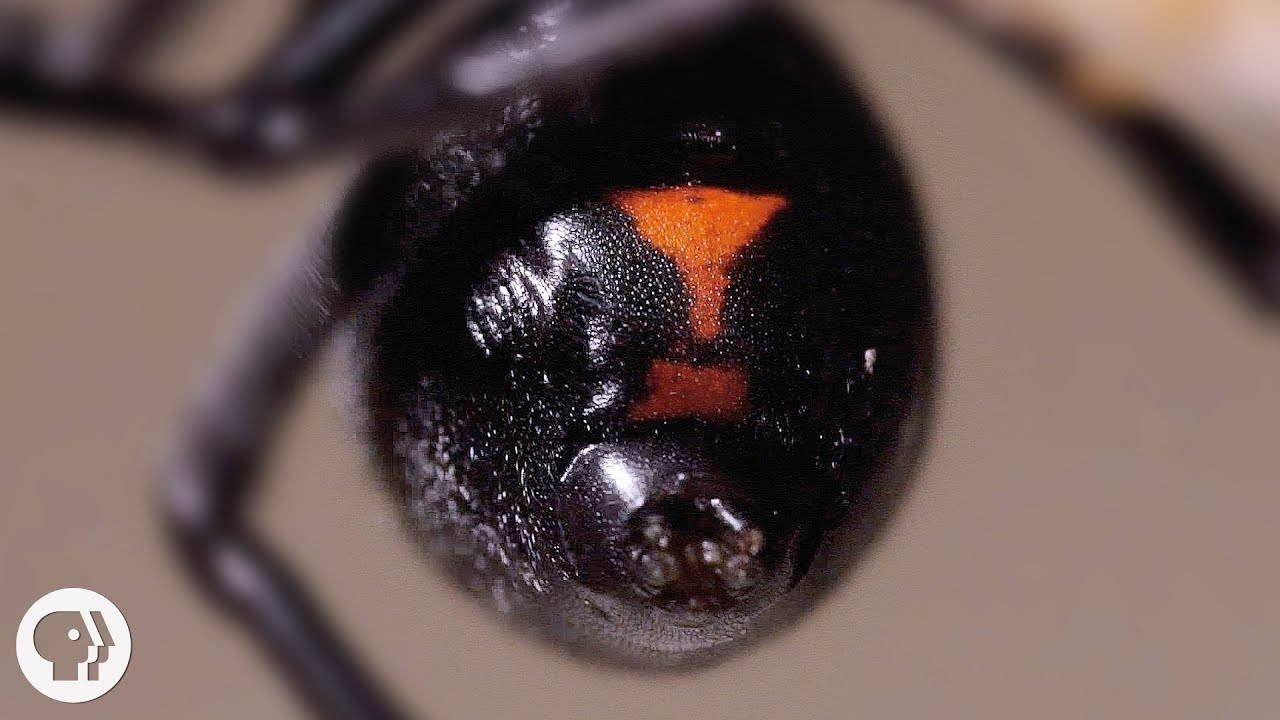
Sure, the female black widow has a terrible reputation. But who’s the real victim here? Her male counterpart is a total jerk — and might just be getting what he deserves.
Learn more about CuriosityStream at http://curiositystream.com/deeplook
SUBSCRIBE to Deep Look! http://goo.gl/8NwXqt
DEEP LOOK: a new ultra-HD (4K) short video series created by KQED San Francisco and presented by PBS Digital Studios. See the unseen at the very edge of our visible world. Get a new perspective on our place in the universe and meet extraordinary new friends. Explore big scientific mysteries by going incredibly small.
We’ve all heard the stories. She mates and then kills. Her venom is 15 times stronger than a rattlesnake’s. One bite could kill you. With a shiny black color and a glaring red hourglass stomach, she has long inspired fear and awe.
But most species of widow spider (there are 31), including the western black widow found in the U.S., don’t kill their mates at all. Only two widow spider species always eat their mate, the Australian redback and the brown widow, an invasive species in California.
And the male seems to be asking for it. In both of these species, he offers himself to her, somersaulting into her mouth after copulation.
He may even deserve it. During peak mating season, thousands of males will prowl around looking for females. Females set up their webs, stay put and wait.
Once the male arrives at her silken abode, he starts to wreck it, systematically disassembling her web one strand at a time. In a process scientists call web reduction, he bunches it into a little ball and wraps it up with his own silk.
Then, while mating, he will wrap her in fine strands that researchers refer to as the bridal veil. He drapes his silk over her legs, where her smell receptors are most concentrated.
After all of that, he is most likely to crawl away, alive and unscathed.
--- Why does the black widow spider eat her mate?
No one really knows, but scientists assume his body supplies her with nutrition for laying eggs. Sometimes she eats him by accident, not recognizing him as a mate.
--- How harmful are black widows to people?
We couldn’t find a documented case of a human death from a black widow spider in the U.S., but a bite will make you sick with extreme flu-like symptoms. Luckily, black widows aren’t aggressive to people.
--- Why do black widows have a red hourglass?
It’s a warning sign, a phenomenon common in nature that scientists call aposematicism, which is the use of color to ward off enemies.
---+ Read the entire article on KQED Science:
https://ww2.kqed.org/science/2....018/01/09/why-the-ma
---+ For more information:
Black widow researcher Catherine Scott’s website: http://spiderbytes.org/
---+ More Great Deep Look episodes:
Why Is The Very Hungry Caterpillar So Dang Hungry?
https://www.youtube.com/watch?v=el_lPd2oFV4
Everything You Never Wanted to Know About Snail Sex
https://www.youtube.com/watch?v=UOcLaI44TXA
---+ See some great videos and documentaries from the PBS Digital Studios!
Origin of Everything: Why Does Santa Wear Red?
https://www.youtube.com/watch?v=fajNM5OPVnA
PBS Eons: 'Living Fossils' Aren't Really a Thing
https://www.youtube.com/watch?v=mPvZj2KcjAY
---+ Follow KQED Science:
KQED Science: http://www.kqed.org/science
Tumblr: http://kqedscience.tumblr.com
Twitter: https://www.twitter.com/kqedscience
---+ About KQED
KQED, an NPR and PBS affiliate based in San Francisco, serves the people of Northern California and beyond with a public-supported alternative to commercial media. Home to one of the most listened-to public radio station in the nation, one of the highest-rated public television services and an award-winning education program, KQED is also a leader and innovator in interactive media and technology, taking people of all ages on journeys of exploration — exposing them to new people, places and ideas.
Funding for Deep Look is provided in part by PBS Digital Studios and the John S. and James L. Knight Foundation. Deep Look is a project of KQED Science, which is supported by HopeLab, The David B. Gold Foundation; S. D. Bechtel, Jr. Foundation; The Dirk and Charlene Kabcenell Foundation; The Vadasz Family Foundation; Smart Family Foundation and the members of KQED.
#deeplook #blackwidow #spiders

Every winter, California newts leave the safety of their forest burrows and travel as far as three miles to mate in the pond where they were born. Their mating ritual is a raucous affair that involves bulked-up males, writhing females and a little cannibalism.
SUBSCRIBE: http://goo.gl/8NwXqt
These amphibious creatures are about five to eight inches long, with rust-colored skin, except for their bright yellow eyes and belly. They began to arrive at the UC Botanical Garden around November, and will stay here for the duration of the rainy season, usually through the end of March.
While California newts (Taricha torosa) are only about six inches long, they might travel as far as three miles to return to their birthplace. That's the equivalent for a human of walking about a marathon and a half, without any signs or road maps. Scientists aren't sure exactly how they find their way, but they think it might be based on smell.
Why do newts live in a pond? California Newts live most of their time in the forest, but mate in the pond where they were born.
Funding for Deep Look is provided in part by PBS Digital Studios and the John S. and James L. Knight Foundation. Deep Look is a project of KQED Science, which is supported by HopeLab, The David B. Gold Foundation; S. D. Bechtel, Jr. Foundation; The Dirk and Charlene Kabcenell Foundation; The Vadasz Family Foundation; Smart Family Foundation and the members of KQED.
#deeplook

DEEP LOOK - see the unseen at the very edge of our visible world. Twice a month, get a new perspective on our place in the universe and meet extraordinary new friends. Explore big scientific mysteries by going incredibly small. DEEP LOOK is a ultra-HD (4K) short video series created by KQED San Francisco and presented by PBS Digital Studios.
SUBSCRIBE: http://goo.gl/8NwXqt
All-NEW EPISODES EVERY OTHER TUESDAY!
#deeplook

12 Mensajes del Apocalípsis revelados al Padre Pio de Petrelcina
Tekton es un canal de youtube católico nacido en Barcelona (España), puedes encontrar noticias relacionadas con la Iglesia Católica, y recursos de otro tipo como formación católica, oraciones, música católica, vídeos del Papa Francisco, curiosidades, vidas de Santos, el Evangelio del día, y otras muchas cosas más. No dudes en entrar y ver el contenido que sin duda te gustará
Web: http://www.tekton.info
Facebook: https://www.facebook.com/productoratekton/
Twitter: https://twitter.com/productoratekto?s=09
Instagram: https://www.instagram.com/productoratekton/
Google+: https://plus.google.com/u/1/+T....ektonTekton?hl=es-41
Hacer un donativo: https://www.tekton.info/hacer-caridad/

Qué es lo que sucede en el Purgatorio revelado a Sor María de La Cruz
https://twitter.com/JesusSellas
Tekton es un canal de youtube católico nacido en Barcelona (España), puedes encontrar noticias relacionadas con la Iglesia Católica, y recursos de otro tipo como formación católica, oraciones, música católica, vídeos del Papa Francisco, curiosidades, vidas de Santos, el Evangelio del día, y otras muchas cosas más. No dudes en entrar y ver el contenido que sin duda te gustará
Web: http://www.tekton.info
Facebook: https://www.facebook.com/productoratekton/
Twitter: https://twitter.com/productoratekto?s=09
Instagram: https://www.instagram.com/productoratekton/
Google+: https://plus.google.com/u/1/+T....ektonTekton?hl=es-41
Hacer un donativo: https://www.tekton.info/hacer-caridad/
#Tekton
#TektonCentroTelevisivo
#TektonYouTube
#CanalCatolicoYouTube

Las Profecías del Fin del Mundo por el Ángel del Apocalipsis
TEKTON NECESITA TU APOYO PARA CONTINUAR CON SU LABOR APOSTÓLICA Y CARITATIVA, SI PUEDES HACERNOS UN DONATIVO TIENES DOS FORMAS:
HAZTE PATROCINADOR: https://www.patreon.com/CTtekton
DONATIVO A TRAVÉS DE LA WEB: https://www.tekton.info/hacer-caridad/
OTRAS REDES SOCIALES
Web: https://www.tekton.info/
San José de tekton: https://www.youtube.com/channe....l/UCEy0tevPx3RayM5PA
Instagram Tekton: https://www.instagram.com/prod....uctoratekton/?hl=es-
Instagram Marcos: https://www.instagram.com/marcosveraperez/?hl=es
Twitter: https://twitter.com/productoratekto
Twitter Marcos: https://twitter.com/marcosveraprez1?lang=es
Tekton es un canal de youtube católico nacido en Barcelona (España), puedes encontrar noticias relacionadas con la Iglesia Católica, y recursos de otro tipo como formación católica, oraciones, música católica, vídeos del Papa Francisco, curiosidades, vidas de Santos, el Evangelio del día, y otras muchas cosas más. No dudes en entrar y ver el contenido que sin duda te gustará
Instagram de Marcos Vera: https://www.instagram.com/marcosveraperez/
Twitter de Marcos Vera: https://twitter.com/MarcosVeraPrez1
Twitter de Jesus Sellas: https://twitter.com/JesusSellas
Hacer un donativo: https://www.tekton.info/hacer-caridad/
Tienda de merchandising de Tekton: https://teespring.com/stores/t....ekton-centro-televis
Web: http://www.tekton.info
Facebook: https://www.facebook.com/productoratekton/
Twitter: https://twitter.com/productoratekto?s=09
Instagram: https://www.instagram.com/productoratekton/
Google+: https://plus.google.com/u/1/+T....ektonTekton?hl=es-41
#Tekton
#TektonCentroTelevisivo
#TektonYouTube
#CanalCatolicoYouTube

Tekton es un canal de youtube católico nacido en Barcelona (España), puedes encontrar noticias relacionadas con la Iglesia Católica, y recursos de otro tipo como formación católica, oraciones, música católica, vídeos del Papa Francisco, curiosidades, vidas de Santos, el Evangelio del día, y otras muchas cosas más. No dudes en entrar y ver el contenido que sin duda te gustará
Twitter de Marcos Vera: https://twitter.com/MarcosVeraPrez1
Twitter de Jesus Sellas: https://twitter.com/JesusSellas
Hacer un donativo: https://www.tekton.info/hacer-caridad/
Tienda de merchandising de Tekton: https://teespring.com/stores/t....ekton-centro-televis
Web: http://www.tekton.info
Facebook: https://www.facebook.com/productoratekton/
Twitter: https://twitter.com/productoratekto?s=09
Instagram: https://www.instagram.com/productoratekton/
Google+: https://plus.google.com/u/1/+T....ektonTekton?hl=es-41
#Tekton
#TektonCentroTelevisivo
#TektonYouTube
#CanalCatolicoYouTube

TEKTON NECESITA TU APOYO PARA CONTINUAR CON SU LABOR APOSTÓLICA Y CARITATIVA, SI PUEDES HACERNOS UN DONATIVO TIENES DOS FORMAS:
HAZTE PATROCINADOR: https://www.patreon.com/CTtekton
DONATIVO A TRAVÉS DE LA WEB: https://www.tekton.info/hacer-caridad/
OTRAS REDES SOCIALES
Web: https://www.tekton.info/
San José de tekton: https://www.youtube.com/channe....l/UCEy0tevPx3RayM5PA
Instagram Tekton: https://www.instagram.com/prod....uctoratekton/?hl=es-
Instagram Marcos: https://www.instagram.com/marcosveraperez/?hl=es
Twitter: https://twitter.com/productoratekto
Twitter Marcos: https://twitter.com/marcosveraprez1?lang=es
Tekton es un canal de youtube católico nacido en Barcelona (España), puedes encontrar noticias relacionadas con la Iglesia Católica, y recursos de otro tipo como formación católica, oraciones, música católica, vídeos del Papa Francisco, curiosidades, vidas de Santos, el Evangelio del día, y otras muchas cosas más. No dudes en entrar y ver el contenido que sin duda te gustará
Instagram de Marcos Vera: https://www.instagram.com/marcosveraperez/
Twitter de Marcos Vera: https://twitter.com/MarcosVeraPrez1
Twitter de Jesus Sellas: https://twitter.com/JesusSellas
Hacer un donativo: https://www.tekton.info/hacer-caridad/
Tienda de merchandising de Tekton: https://teespring.com/stores/t....ekton-centro-televis
Web: http://www.tekton.info
Facebook: https://www.facebook.com/productoratekton/
Twitter: https://twitter.com/productoratekto?s=09
Instagram: https://www.instagram.com/productoratekton/
Google+: https://plus.google.com/u/1/+T....ektonTekton?hl=es-41
#Tekton
#TektonCentroTelevisivo
#TektonYouTube
#CanalCatolicoYouTube

Versiones de canciones para orar, en Piano Solo
Suscribite a nuestro canal: https://goo.gl/2S2LQW
Escucha el álbum completo en:
iTunes/Apple Music: https://goo.gl/96C32s
Spotify: https://goo.gl/uEU1b6
Deezer: https://goo.gl/ENVoFv
Google Play: https://goo.gl/WzAuuT
Amazon: https://goo.gl/9WYi7f
CD Baby: https://goo.gl/A5RMWV
Seguinos en:
Facebook: https://goo.gl/ujjG5u
Instagram: https://goo.gl/Kis9je
Twitter: https://goo.gl/ZyVubm
"Cuando ores, retírate a tu habitación, cierra la puerta y ora a tu Padre que está en lo secreto; y tu Padre, que ve en lo secreto, te recompensará." (Mt. 6, 6)
1. Haz Tu Obra (Athenas)
2. Rey De Mi Vida (Joan Sánchez)
3. Yo Te Amo (Celinés)
4. Eucaristía (Kairy Marquez)
5. Adorador (Daniel Poli)
6. Hasta La Locura (Pablo Martínez)
7. Jesús Está Vivo (Marco López)
8. Lo Más Sublima (P. Juan Andrés Barrera)
9. Soplo De Dios (Maxi Larghi)
10. Eres La Luz (Grupo Emmanuel)
11. Santo (Athenas)
12. Te Necesito (Jon Carlo)

Desde el 23 de enero, Wuhan, epicentro del Covid-19 permanece en una cuarentena severa. Se han cerrado el aeropuerto internacional, las estaciones de tren y servicios de autobús.
Pero no es la única ciudad clausurada. Para finales de enero, las autoridades extendieron las restricciones de transporte y movimiento al menos a otras 15 ciudades de la provincia de Hubei. En conjunto, alrededor de 57 millones de personas fueron afectados por esta cuarentena que ya dura más de un mes. Como si se hubiera puesto en cuarentena a todo Italia o Corea del Sur.
Pero en Wuhan, el gran foco del coronavirus, las medidas han alcanzado niveles de ciencia ficción.
Es ya la mayor cuarentena de la historia de la humanidad. Y tras más de un mes, las preguntas se acumulan. ¿Cómo se impone a ese nivel? ¿Es eficaz? ¿Cuánto lo podrá soportar la población?
#covid19 #cuarentena #coronavirus
Suscríbete y sigue nuestros videos: https://goo.gl/AEQHst
Toda la información en: http://www.elconfidencial.com
Más vídeos en: https://www.elconfidencial.com/multim...
Y por supuesto en:
Twitter: https://twitter.com/elconfidencial
Facebook: https://www.facebook.com/elconfidencial/
Instagram: https://www.instagram.com/elconfidencial

Cosmic Voices from Bulgaria
Conductor - Nadezhda Ivanova
Shopska suite - authentic singing
30.09.2013 - Sofia
http://www.cosmicvoices.net/en/
https://www.facebook.com/cosmi....cvoices.frombulgaria

Музика, соло кавал и текст Теодосий Спасов
Хор "Космически гласове" с диригент Ваня Монева
Theodosii Spassov- music, kaval, lyrics
Cosmic Voices choir
Vanya Moneva- conductor
Vesselin Eko Vesselinov- bas
Peyo Peev- rebek
Krassimir Kondov- bulgarian bagpipe
Angel Dimitrov- guitar & tambura
Stoyan Yankulov- drums & tupane
Hristo Yotsov- percusions
Yulian Yanoushev- sax & clarinet
Angel Zaberski Jr.- piano
https://www.facebook.com/theodosii.spassov
https://www.facebook.com/Cosmi....c-voices-49327710069
https://www.facebook.com/moneva.vanya
https://www.facebook.com/peyo.peev.9
https://www.facebook.com/vesselineko.vesselinov
https://www.facebook.com/stoyan.yankulov.5
https://www.facebook.com/angel.v.dimitrov
https://www.facebook.com/HristoYotsov/
https://www.facebook.com/angelzaberskiband/
https://www.facebook.com/profi....le.php?id=1000010027
https://www.facebook.com/theodosii/
https://www.facebook.com/theodosii.spassov.7
Teodosii Spasov https://www.facebook.com/profi....le.php?id=1000112784
http://www.theodosiispassov.com/

Оркестър за Народна Музика на БНР, Хор "Космически гласове" и хор на ФА „Тракия" с диригент Димитър Христов - Празнична сюита.
Концерт, посветен на 70-годишнината от рождението на Стефан Мутафчиев, 22.04.2013, Студио 1 на БНР
Folklore Music Orchestra at the Bulgarian National Radio, Cosmic Voices choir and folklore ensemble Trakia's choir with conductor Dimitar Hristov perform Festive Suite.
A concert honouring Stefan Mutafchiev's 70th anniversary, 22 April 2013, Studio 1 of the Bulgarian National Radio

Музика и соло кавал Теодосий Спасов
Хор "Космически гласове" с диригент Ваня Монева
Theodosii Spassov- music, kaval
Cosmic Voices choir
Vanya Moneva- conductor
Yulian Yanoushev- sax & clarinet
Angel Zaberski Jr.- piano
Angel Dimitrov- guitar & tambura
Peyo Peev- rebek
Krassimir Kondov- bulgarian bagpipe
Vesselin Eko Vesselinov- bas
Stoyan Yankulov- drums & tupane
Hristo Yotsov- percusions
https://www.facebook.com/theodosii.spassov
https://www.facebook.com/Cosmi....c-voices-49327710069
https://www.facebook.com/moneva.vanya
https://www.facebook.com/peyo.peev.9
https://www.facebook.com/vesselineko.vesselinov
https://www.facebook.com/stoyan.yankulov.5
https://www.facebook.com/angel.v.dimitrov
https://www.facebook.com/HristoYotsov/
https://www.facebook.com/angelzaberskiband/
https://www.facebook.com/profi....le.php?id=1000010027
https://www.facebook.com/theodosii/
https://www.facebook.com/theodosii.spassov.7
Teodosii Spasov https://www.facebook.com/profi....le.php?id=1000112784
http://www.theodosiispassov.com/

Cosmic Voices, Bulgaria's most famous female acapella choir performed at the first ever Bulgarian Society for Animal Protection and Preservation (BSAPP) benefit concert. This concert was intended to bring about awareness of the homeless animal problem across Bulgaria.