Top Vídeos

El primer chiste es de un niño que es muy tonto y le pregunta a su papá por qué él es así, a que te ríes cuando veas qué le dice su padre. ¿Sabes por qué llora fideos? Si el escarabajo está cara arriba, ¿cómo le llamamos? ¡Jajajajaja! Y Memín sí que está bien tonto en este vídeo, se irá al sol de noche para no quemarse, qué bobo.
¿Por qué Memín no puede hacer una suma bien mientras estudia con su papá? ¿Sabes por qué a la niña le dicen jabón en polvo? ¿Y qué le pegan una piedra al señor cuando va pasando por la escuela? ¿Y cuál es el colmo de un jardinero? ¡LOL! Todas estas preguntas pueden ser contestadas una vez hayas visto toooodo este vídeo con 85 chistes para niños bien graciosos y de risa.
85 Chistes para niños súper graciosos! Compilación de todos mis chistes del mes de noviembre 2016. Chistes de Memín, mamá mamá, escuela, mexicanos, tontos, niños, bebés, gangosos, suegras y muchos más!
Estos son TODOS mis chistes del mes QUE PASÓ (NOVIEMBRE 2016). Más de 80 chistes para niños súper divertidos y chistosos
? SUSCRIBETE AQUI: https://goo.gl/mDu2Ad
? Contacto: bebemilocontacto@gmail.com
✅ Canales de los #AMIWITOS
Vita: https://goo.gl/53Qtpv
Timo: https://goo.gl/rGEwgK
Mora: https://goo.gl/Ps65Vv
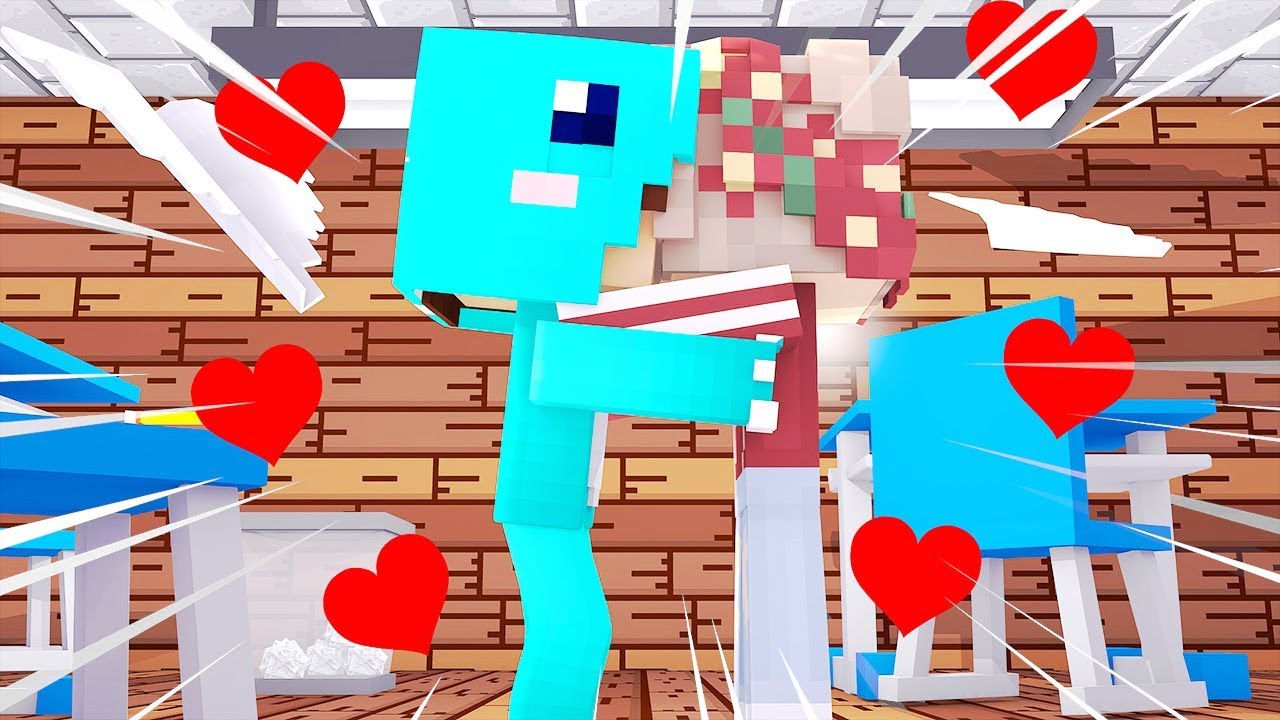
BEBE MILO DA SU PRIMER BESO DEL AÑO ? MINECRAFT ROLEPLAY CON TIMO MORA Y VITA
✅ Aplicación Bebe Milo Aventuras ? https://goo.gl/PzZEuv
✅ Juega en Bebe Milo Server: https://goo.gl/Wrx3ih
? Redes sociales de Bebe Milo:
? Instagram: https://www.instagram.com/bebemiloyt/
? Twitter: https://twitter.com/BebeMiloYT
? Facebook: https://www.facebook.com/bebemiloyt
======================================================
? MIS LISTAS DE REPRODUCCIÓN
✅ LO MEJOR de BEBE MILO y sus AMIGOS: https://goo.gl/9MgnWZ
✅ BEBE MILO AVENTURAS: https://goo.gl/VQhwNq
✅ LAS AVENTURAS DEL NOOB: https://goo.gl/gP8lwG
✅ CANCIONES DE BEBE MILO: https://goo.gl/swgdwg
✅ EL ESCONDITE: https://goo.gl/45L2yT
✅ ISLA VS ISLA: https://goo.gl/euAmDc
✅ BEBE MILO DIMENSIONES: https://goo.gl/rHVcU2
======================================================
El canal de Bebe milo es para publico infantil. Podrás encontrar canciones infantiles, música infantil para niños y niñas, chicos y chicas. También podrás ver jugar juegos como minecraft gratis, roleplay muy entretenido y en español latino.
Lo importante es divertirse y tener lo mejor de minecraft para bebes en 2018!

SUBSCRIBE to the OFFICIAL BBC YouTube channel: https://bit.ly/2IXqEIn
LAUNCH BBC iPlayer to access Live TV and Box Sets: https://bbc.in/2J18jYJ
More about this programme: http://www.bbc.co.uk/programmes/b013gp4t Performing live in Edinburgh, The Boy flies a plane, and orchestrates an elaborate disco dance.

Audio & Video Mix by DJ Crayfish, Czech Republic. Mix with 2 parts, "Cool Down" with Pop & Dance and "Throw Down" in Lower tempo. For Whitney in Memoriam and All Fans Around The World. For me.. absolutely Queen Of Pop from all woman´s voices! Enjoy this memories and story of big voice of Pop! Whitney! Rest in piece.. We Will Always Love You..
https://www.whitneyhouston.com/
https://www.facebook.com/WhitneyHouston/

Whitney Houston's official music video for 'Miracle'. Click to listen to Whitney Houston on Spotify: http://smarturl.it/WhitneyHSpo....tify?IQid=WhitneyHMI
As featured on I'm Your Baby Tonight. Click to buy the track or album via iTunes: http://smarturl.it/ImYourBabyT....onight?IQid=WhitneyH
Google Play: http://smarturl.it/MIRGPlay?IQid=WhitneyHMIR
Amazon: http://smarturl.it/IYBAmazon?IQid=WhitneyHMIR
More From Whitney Houston
I Will Always Love You: https://youtu.be/3JWTaaS7LdU
I Look To You: https://youtu.be/5Pze_mdbOK8
I Wanna Dance With Somebody: https://youtu.be/eH3giaIzONA
More great 90s videos here: http://smarturl.it/Ultimate90?IQid=WhitneyHMIR
Follow Whitney Houston
Website: http://www.whitneyhouston.com
Facebook: https://www.facebook.com/WhitneyHouston
Subscribe to Whitney Houston on YouTube: http://smarturl.it/WhitneyHous....tonSub?IQid=WhitneyH
---------
Lyrics:
How could I throw away a miracle?
How could I face another day?
It's all of my doing, I made a choice
And today, I pay
My heart is full of pain
How could you understand, the way I feel?
How could you relate to so much pain?
Seems as though nothing can comfort me
So today, I pray
That someone should listen, for...
Nothing should matter
Not when love grows inside you
The choice is yours
There's a miracle in store...
Nothing should matter
Not when love grows inside you
A voice of love is crying out
Don't throw love away
There's a miracle in store...
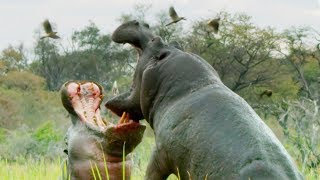
How do hippo calfs feed? How to hippos travel underwater. There's a lot more to hippos, beneath the surface.
Subscribe: http://bit.ly/BBCEarthSub
Natural World: Hippos https://bbc.in/2yfmBjI
Watch more:
Planet Earth http://bit.ly/PlanetEarthPlaylist
Blue Planet http://bit.ly/BluePlanetPlaylist
Planet Earth II http://bit.ly/PlanetEarthIIPlaylist
Planet Dinosaur http://bit.ly/PlanetDinoPlaylist
Natural World: Hippos
The hippo. A territorial beast that spends most of its time in water. An aquatic mammal that can't swim. A two-tonne hulk that can sprint faster than a human. And a seemingly placid oaf that guards its family with fierce cunning. Using specialist camera technology to get up close and personal with hippos for the very first time, this film follows these animals through the seasons in the Okavango Delta. It reveals that while hippos may be boisterous, aggressive and bold, they are also sensitive, sociable and often comical. An intimate, immersive portrayal revealing a side of hippos never seen – or heard – before.
Welcome to BBC EARTH! The world is an amazing place full of stories, beauty and natural wonder. Here you'll find 50 years worth of entertaining and thought-provoking natural history content. Dramatic, rare, and exclusive, nature doesn't get more exciting than this.
Want to share your views with the team? Join our BBC Studios Voice: https://www.bbcstudiosvoice.com/register
This is a page from BBC Studios who help fund new BBC programmes. Service information and feedback: http://bbcworldwide.com/vod-fe....edback--contact-deta

You might already know that octopuses are extremely smart invertebrates, but did you know about their lethal intelligence, venomous beak and masterful camouflage?
Watch more Natural World: The Octopus in My House - http://bit.ly/OctopusInMyHouse
Subscribe: http://bit.ly/BBCEarthSub
Watch more:
Planet Earth http://bit.ly/PlanetEarthPlaylist
Blue Planet http://bit.ly/BluePlanetPlaylist
Planet Earth II http://bit.ly/PlanetEarthIIPlaylist
Planet Dinosaur http://bit.ly/PlanetDinoPlaylist
Natural World: The Octopus In My House
With its three hearts, blue blood and boneless body, the octopus is the closest we may get to meeting an alien. They evolved from a common cousin more than 500 million years ago. But they're also intelligent creatures, with proven problem-solving abilities. So what happens when you invite an eight-legged alien into your living room? This film follows marine biologist David Scheel as he tracks his complex, evolving relationship with his own octopus. Using David’s first-person narrative, and linking his discoveries to octopus stories from all over the world, the film offers an insight into the extraordinary intelligence and behaviour of these incredible creatures.
Welcome to BBC EARTH! The world is an amazing place full of stories, beauty and natural wonder. Here you'll find 50 years worth of entertaining and thought-provoking natural history content. Dramatic, rare, and exclusive, nature doesn't get more exciting than this.
Want to share your views with the team? Join our BBC Studios Voice: https://www.bbcstudiosvoice.com/register
This is a page from BBC Studios who help fund new BBC programmes. Service information and feedback: http://bbcworldwide.com/vod-fe....edback--contact-deta

Although seemingly harmless, kittens at play demonstrate the journey from cute fluffball to mini predator.
Subscribe: http://bit.ly/BBCEarthSub
WATCH MORE:
New on Earth: https://bit.ly/2M3La96
Oceanscapes: https://bit.ly/2Hmd2kZ
Wild Thailand: https://bit.ly/2kR7lmh
Taken from 'Predators'.
Welcome to BBC EARTH! The world is an amazing place full of stories, beauty and natural wonder. Here you'll find 50 years worth of astounding, entertaining, thought-provoking and educational natural history content. Dramatic, rare, and exclusive, nature doesn't get more exciting than this.
Want to share your views with the team? Join our BBC Studios Voice: https://www.bbcstudiosvoice.com/register
This is a page from BBC Studios who help fund new BBC programmes. Service information and feedback: http://bbcworldwide.com/vod-fe....edback--contact-deta

How To Make Paper Butterfly - Origami Butterfly - Easy
All you will need is A4 paper plain or colorful
A pair of scissors or cutter
Playlists :

2017 Symphonic World Tour dates:
April 27th London
April 29th Istanbul
April 30th Ankara
May 2nd Sibiu (Romania)
May 4th Bucharest (Romania)
May 6th Amsterdam
May 8th Sofia

A lone elephant is hunted by an aggressive pack of lions - will it be able to escape in time?
Subscribe: http://bit.ly/BBCEarthSub
WATCH MORE: Planet Earth http://bit.ly/PlanetEarthPlaylist
Blue Planet http://bit.ly/BluePlanetPlaylist
Planet Earth II http://bit.ly/PlanetEarthIIPlaylist
Planet Dinosaur http://bit.ly/PlanetDinoPlaylist
Taken from 'Planet Earth':
In this harrowing clip from the award-winning BBC Planet Earth series, Sir David Attenborough explores the danger elephants face when sharing a water hole with desperate, starving lions.
Welcome to BBC EARTH! The world is an amazing place full of stories, beauty and natural wonder. Here you'll find 50 years worth of astounding, entertaining, thought-provoking and educational natural history content. Dramatic, rare, and exclusive, nature doesn't get more exciting than this.
Want to share your views with the team? Join our BBC Studios Voice: https://www.bbcstudiosvoice.com/register
This is a page from BBC Studios who help fund new BBC programmes. Service information and feedback: http://bbcworldwide.com/vod-fe....edback--contact-deta
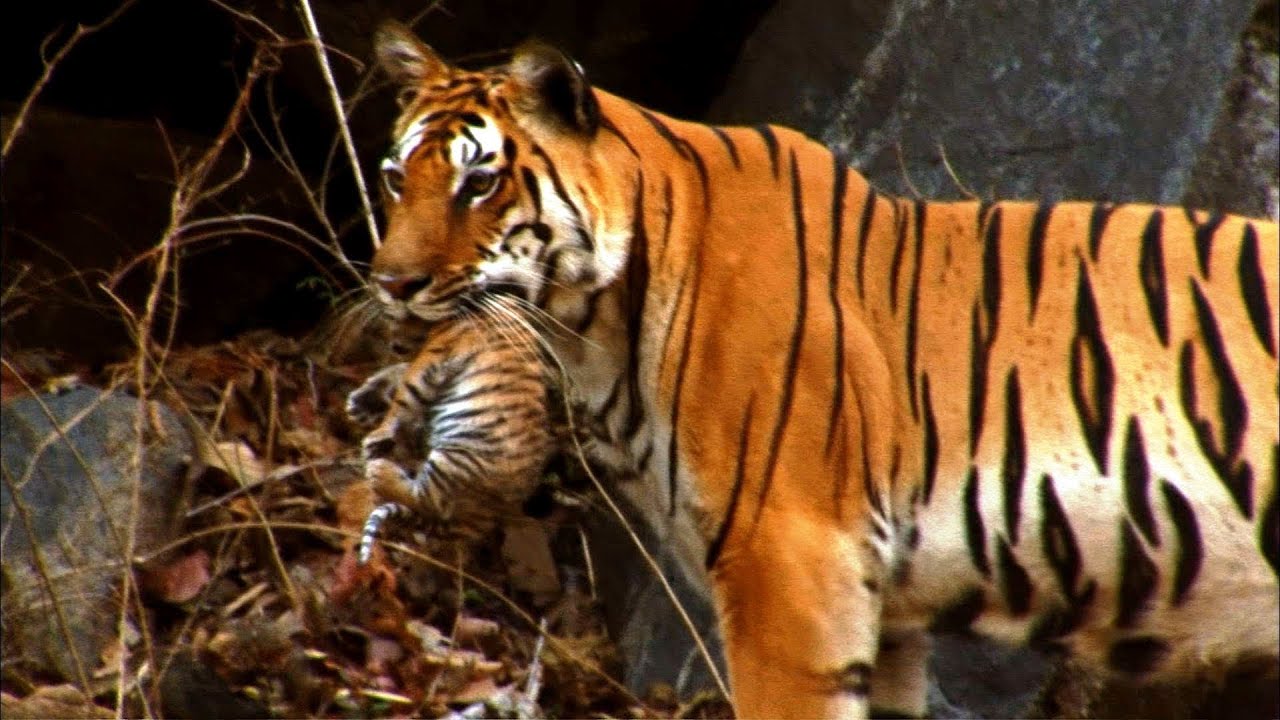
A young tiger cub - one of a littler of four - tumbles from the den, only to be carried back to safety in it's mother's massive jaws. Astonishing footage shot in the Indian jungle using cameras attached to elephants.
Visit http://www.bbcearth.com for all the latest animal news and wildlife videos
BBC Earth Facebook http://www.facebook.com/bbcearth (ex-UK only)
BBC Earth Twitter http://www.twitter.com/bbcearth
Subscribe to BBC Earth: http://bit.ly/ydxvrP
BBC Earth Channel: http://www.youtube.com/BBCEarth
Latest BBC Earth videos: http://bit.ly/y1wtbi

Quebrando o tabu de jogos baseados em filmes, experiência é divertida e agradável sem grandes pretensões; videoanálise
Disponível para Xbox 360, Playstation 3, Playstation 2, Computador. Nintendo Wii e DS.

Download & Streams:
https://brilliant-classics.lnk.to/MusicForCello
Physical Purchase:
https://www.brilliantclassics.....com/articles/k/kodal
Brilliant Classics’ Spotify:
https://brilliant-classics.lnk.to/Spotify
Spotify playlist: Brain Training – Classical Music
https://brilliant-classics.lnk.....to/BrainTrainingCla
Bartok’s assessment of Zoltán Kodály’s music as “the most perfect embodiment of the Hungarian spirit” will strike a chord with those familiar with the suite from his opera Háry János, the Dances of Galanta or indeed the works for cello which moved the instrument on from the Romantic idiom of Brahms, and at the same time looked backwards to the dancing elegance of Bach’s solo Suites.
He had taught himself to play the cello to a reasonable standard (also the violin and viola) and while, as he freely admitted, not a natural virtuoso, he had a feeling for the instrument which is obvious in his writing. The Adagio was his first published work, dating from 1905 and originally written for violin and piano: still broadly Romantic in idiom, and unaffected as yet by his work in collecting folk songs from the countries of south-eastern Europe which would decisively influence his mature idiom.
Composer: Zoltán Kodály
Artist: István Várdai (cello)
Klara Würtz (piano)
00:00:00 Sonata for Cello in B Minor, Op. 8: I. Allegro maestoso ma appassionato
00:09:16 Sonata for Cello in B Minor, Op. 8: II. Adagio con gran espressione
00:20:46 Sonata for Cello in B Minor, Op. 8: III. Allegro molto vivace
00:32:26 Sonatina for Cello and Piano
00:41:12 Capriccio for Cello Solo
00:46:07 Adagio for Cello and Piano
00:53:55 Sonata, Op. 4: I. Fantasia
01:01:31 Sonata, Op. 4: II. Allegro con spirit

Buy the DVD - The Kitaro Quintessential: http://www.domomusicgroup.com/....kitaro/albums/quinte
Buy at iTunes: http://ax.search.itunes.apple.com/WebObjects/MZSearch.woa/wa/search?entity=album&media=all&page=1&restrict=true&startIndex=0&term=kitaro?at=11lMDe
Kitaro Official Artist Page
http://www.domomusicgroup.com/kitaro/
喜多郎オフィシャルウェブサイト
http://www.diaa.net/kitaro/index.php
Revolutionary composer Kitaro is renowned for his ability to embody the spirituality of nature and humanity through his music, often using non-traditional instruments and extremely theatrical performance styles. As a winner of Best New Age Album at the 43rd Annual Grammy Awards (for "Thinking of You"), Kitaro continues to inspire and create music that captures the vital, earthy, as well as ethereal aspects of existence. Pioneer Entertainment is proud to present Best of Kitaro - the culmination of his most celebrated and bewitching performances: Kojiki: A Story in Concert, An Enchanted Evening, Light of the Spirit, and Tamayura.
Song List
01. Opening Credits
02. Kokoro
03. Silk Road
04. Magma
05. Matsuri
06. The Field
07. Heaven & Earth
08. Koi
09. Caravansary
10. Fire
11. Mercury
12. Cosmic Love
13. Dance Of The Sarasvati
14. End Credits
Approximate Running Time: 123 Minutes

On the rebound, the acceleration varies. The jumper is accelerating up but as the bungy recoils, the jumper starts accelerating down again due to the pull of gravity. This does not mean that he's moving down, however, only that his velocity upwards is decreasing.
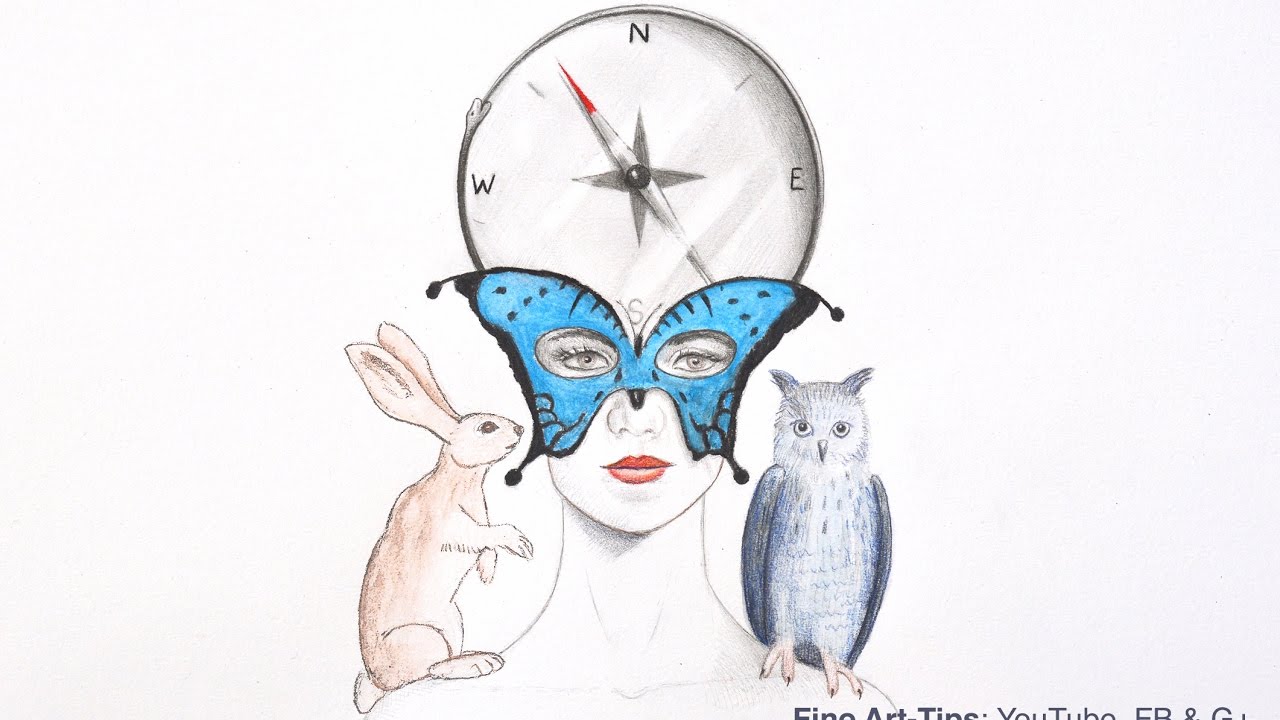
This video shows how to create art with a message, with a meaning, using symbolism. A meaningful drawing.
Subscribe on Patreon: https://www.patreon.com/artistleonardo
My drawing book: http://amzn.to/1K7L8Ed
Visit me on FB: https://www.facebook.com/LeonardoPereznieto
My website: http://www.ArtistLeonardo.com/
O Art Int: http://oartinternational.com/
Do you want to help me translating it into your language?
(Note: First check if it hasn´t been translated already by pressing the "CC" button on the lower part of the video).
All you need to do is to please go to the following link and translate. Thank you!:
http://www.youtube.com/timedtext_video?ref=share&v=bZ_G7FXdL7Q
If you would like to invest in a drawing, painting or sculpture by Leonardo Pereznieto, or to hire him for workshops or lectures, please write to: info@artistleonardo.com (Business only, not for personal messages.)
List of materials:
- Mechanical pencil: ArtistLeonardo Tutto3, with 0.3mm 2H lead, 0.5 HB and 0.7 mm 2B lead
- Kneaded eraser Prismacolor - See it here: http://amzn.to/2cvi6G7
- Tombow Mono Zero Eraser Square Tip: http://amzn.to/2lAMh5b
Color pencils: Cretacolor Marino - See it here: http://amzn.to/2nZK7JN
- Fabriano Ecowhite Drawing Pad 11.7X16.5 Inches - See it here: http://amzn.to/2krS9xp
The book I mentioned: Symbols and Allegories in Art http://amzn.to/2ps4PDy
If you would like to see photos and brands of my tools, please go to my blog about materials with the following link:
http://fineart-tips.blogspot.m....x/2015/07/my-drawing
Download Fine Art-Tips mobile app:
On the Apple Store:
For iPhone/iPad free: https://itunes.apple.com/us/ap....p/fine-art-tips-draw
For iPhone/iPad, Premium: https://itunes.apple.com/us/ap....p/fine-art-tips-prem
On Google Play:
For Android free: https://play.google.com/store/apps/details?id=allmax.fine.art.tips.free2&hl=en
For Android, Premium: https://play.google.com/store/apps/details?id=allmax.fine.art.tips2&hl=en
You may also follow me on:
My Blog: http://fineart-tips.blogspot.mx/
My Twitter: https://twitter.com/#!/ArtistLeonardo
Fine Art Tips on Google+: http://goo.gl/TqsmiJ
My Instagram: http://instagram.com/artistleonardo
My LinkedIn: http://www.linkedin.com/profile/view?id=89957576&trk=tab_pro
My Pinterest: http://pinterest.com/ArtistLeonardo/
My VK: http://vk.com/leonardopereznieto
My website: http://www.artistleonardo.com/
I wish you great creations!
Audio file(s) provided by http://www.audiomicro.com
This tutorial shows How to Draw Something With Meaning - With a Message - Symbolism
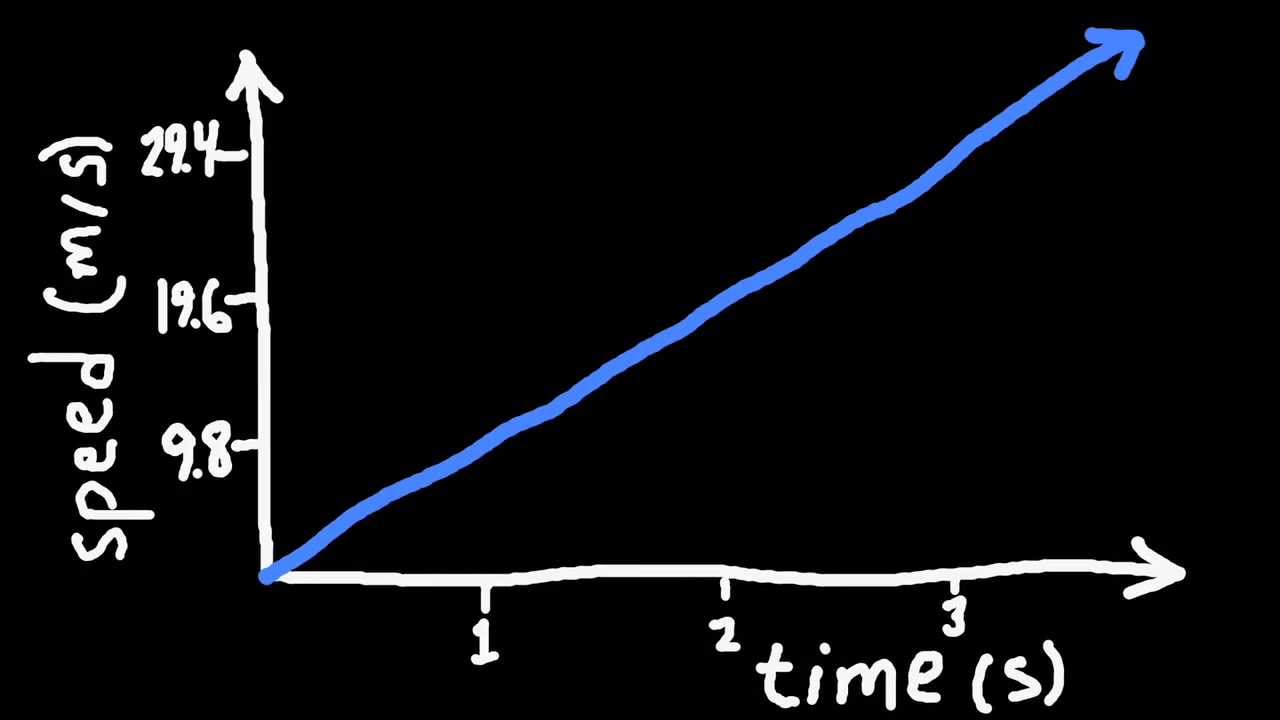
When the rope becomes taut, the force on the jumper is mainly his weight downwards, plus a bit of air resistance up. Therefore his speed is increasing nearly as much as it did when he leapt off the platform. So this is not the greatest acceleration of the jump.
From Episode 13 - After their bush walk, the Bananas find the secret lake!
B1, B2 and their adorable friends the Teddies and the ever mischievous Rat in a Hat romp their way through the magical world of Cuddletown. There are new friends to meet too; Topsy the kangaroo, Charlie the inventive monkey and Bernard the wise old dog.

Like this video about how NASA is preparing to stop an asteroid headed for earth, and subscribe here: https://freeth.ink/youtube-subscribe-asteroids
Watch the next video in our series on Guardians of the Apocalypse: https://youtu.be/eHMdzWEU_c4
Estimates say that a vehicle-sized asteroid explodes in our atmosphere about once per year, often too high to make a noticeable impact.
But in 2013, a small meteor exploded just 20 miles above Chelyabinsk, Russia that sent over 1,200 people to the hospital.
Today, a team of experts from NASA’s Planetary Defense Coordination Office works diligently to find asteroids that travel near Earth’s orbit.
They’ve released a plan in order to prevent a large-scale asteroid impact, and part of this plan is the DART mission.
DART aims to travel to the asteroid Didymos in 2021 to demonstrate the tech that could be used to redirect an asteroid headed for Earth.
See the full article on NASA's plans to stop an asteroid headed for earth, here: https://www.freethink.com/show....s/guardians-of-the-a
Check out our other popular videos:
-NASA Will Use AR to Travel to Saturn in 2026: https://youtu.be/peNm2bgS7oM
-How NASA Will Feed the Farthest Journey in History: https://youtu.be/vTgnCaBVaj8
Follow Freethink.
-Facebook: https://www.facebook.com/freethinkmedia
-Twitter: https://twitter.com/freethinkmedia
-Instagram: https://www.instagram.com/freethink
-Website: http://www.freethink.com
Join the Freethink forum: http://www.facebook.com/groups/freethinkforum