Top Vídeos

When Rat promises the Bananas he can make their pumpkin grow big in time for Halloween - you can be sure he's about to play one of his sneaky tricks again.
Join The Bananas In Pyjamas and all of their friends in the fantastic special compilation of full episode for Halloween. In this volume see B1 & B2 in Halloween, The Bernard Mystery, The Mystery Noise and The Sneaky Shadows.
Never miss a Bananas Episode - click here to subscribe https://www.youtube.com/channe....l/UCug61OHMkz5GgJkey
Bananas in Pyjamas Theme Song : https://youtu.be/6hPsXh5k0d8
Welcome to the Official Bananas in Pyjamas Channel.
On this channel you will find classic and animated full episodes! Your favourite clips and compilations and much more! Tune in every week and see the antics of B1, B2 and their many friends!

Join the Bananas in a compilation of full episodes including:
Banana Hiccups - B1 has a bad case of the hiccups. The Teddies try all sorts of remedies. Morgan finally scares away B1's hiccups but then B2 catches them!
Surf's Up - When the Bananas discover a surfboard in Rat's shop, they set off for a day at the beach to learn how to master those waves!
Showbusiness - The Bananas have a cold and are miserable so the Teddies decide to put on show. The show is a disaster but the Bananas laugh so much they feel better. Everyone agrees that laughter is the best medicine of all.
Doctor Bananas - Morgan hurts his arm playing on the beach. Luckily the "Doctor Bananas" are nearby and come to the rescue. Amy is jealous of the attention Morgan is getting and pretends to hurt herself too. But she soon gets tired of resting and goes outside to play. The Doctor Bananas congratulate themselves - their patients get well so quickly.
Cafe Rat - Rat-in-a-Hat has opened a new cafe in Cuddles Avenue. All is nearly perfect. There are tables, chairs, napkins, candles and music... But Rat has forgotten one important thing - the food.
Never miss a Bananas Episode - click here to subscribe https://www.youtube.com/channe....l/UCug61OHMkz5GgJkey
Bananas in Pyjamas Theme Song : https://youtu.be/6hPsXh5k0d8
Welcome to the Official Bananas in Pyjamas Channel.
On this channel you will find classic and animated full episodes.
Your favourite clips and compilations and much more! Tune in every week and see the antics of B1, B2 and their many friends.

Welcome to the Official Bananas in Pyjamas Channel.
On this channel you will find classic and animated full episodes.
Lyrics:
Bananas in pyjamas
Are coming down the stairs
Bananas in pyjamas
Are coming down in pairs
Bananas in pyjamas
Are chasing teddy bears
'Cause on Tuesdays
They all try to
Catch them unawares!
Never miss a Bananas Episode - click here to subscribe https://www.youtube.com/channe....l/UCug61OHMkz5GgJkey
Bananas in Pyjamas Theme Song : https://youtu.be/6hPsXh5k0d8
Your favourite clips and compilations and much more! Tune in every week and see the antics of B1, B2 and their many friends.
Welcome to the Official Bananas in Pyjamas Channel.
On this channel you will find classic and animated full episodes.
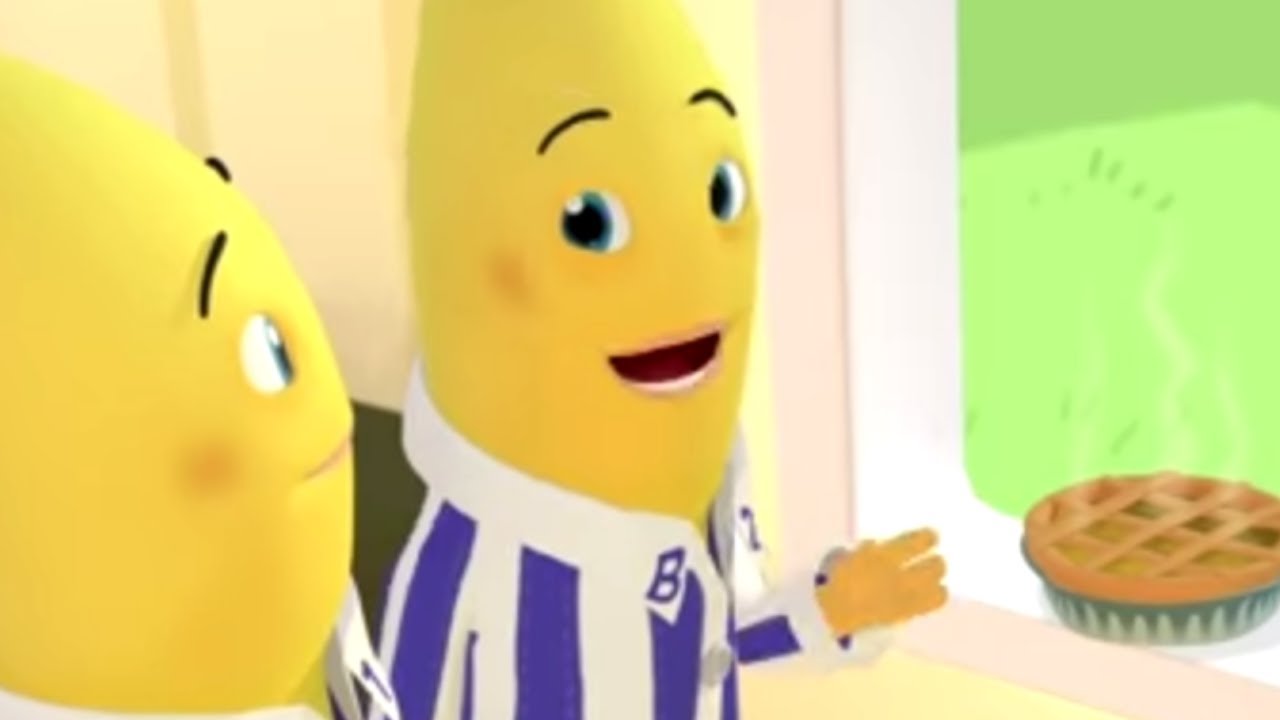
The Pie - Topsy’s having a 'Shake and Bake' party and the Bananas have made her favourite apple pie. But Pedro the pig loves apple pie too and when he sees it cooling on the Bananas' window sill, he can't resist having just a little taste. Before he knows it though, he's eaten the whole thing! Pedro tries replacing the apple pie with a mud pie but one taste and the Bananas know it's not the real thing. Now they have to find out who ate their pie and make another one in time for the party.
Morgans Cafe - When the ever-helpful Bananas accidentally ruin a cafe's grand opening, they must find a way to make amends.
Beach Carnival - It's Beach Carnival Day at Cuddlestown and Rat is determined to win a prize - no matter what sneaky tricks he has to use. The Bananas are on lifeguard duty to make sure everyone stays safe. Rat is determined to win at least one of the prizes on offer, but the Bananas always manage to come out on top.
Games - The Bananas get into trouble when they realise that they've promised to play different games with different friends all at the same time. Amy loves football and wants to play it all the time. But everyone else is tired of football and wants to play other games. Amy decides that if they don't want to play football, she'll just play by herself. She learns that playing football by herself just isn't much fun.
Never miss a Bananas Episode - click here to subscribe https://www.youtube.com/channe....l/UCug61OHMkz5GgJkey
Bananas in Pyjamas Theme Song : https://youtu.be/6hPsXh5k0d8
Your favourite clips and compilations and much more! Tune in every week and see the antics of B1, B2 and their many friends.

#Bananas #BananasinPyjamas #BananasinPyjamasEnglish
☆ Never miss a Bananas Episode - click here to subscribe https://www.youtube.com/channe....l/UCug61OHMkz5GgJkey
☆ Bananas in Pyjamas Theme Song : https://youtu.be/6hPsXh5k0d8
Welcome to the Official Bananas in Pyjamas Channel.
On this channel you will find classic and animated full episodes.
Your favourite clips and compilations and much more! Tune in every week and see the antics of B1, B2 and their many friends.

Members of the Dark Energy Survey collaboration explain what they hope to learn by studying the southern sky with the world's most advanced digital camera, mounted on a telescope in Chile. For further information on the project: http://www.darkenergysurvey.org
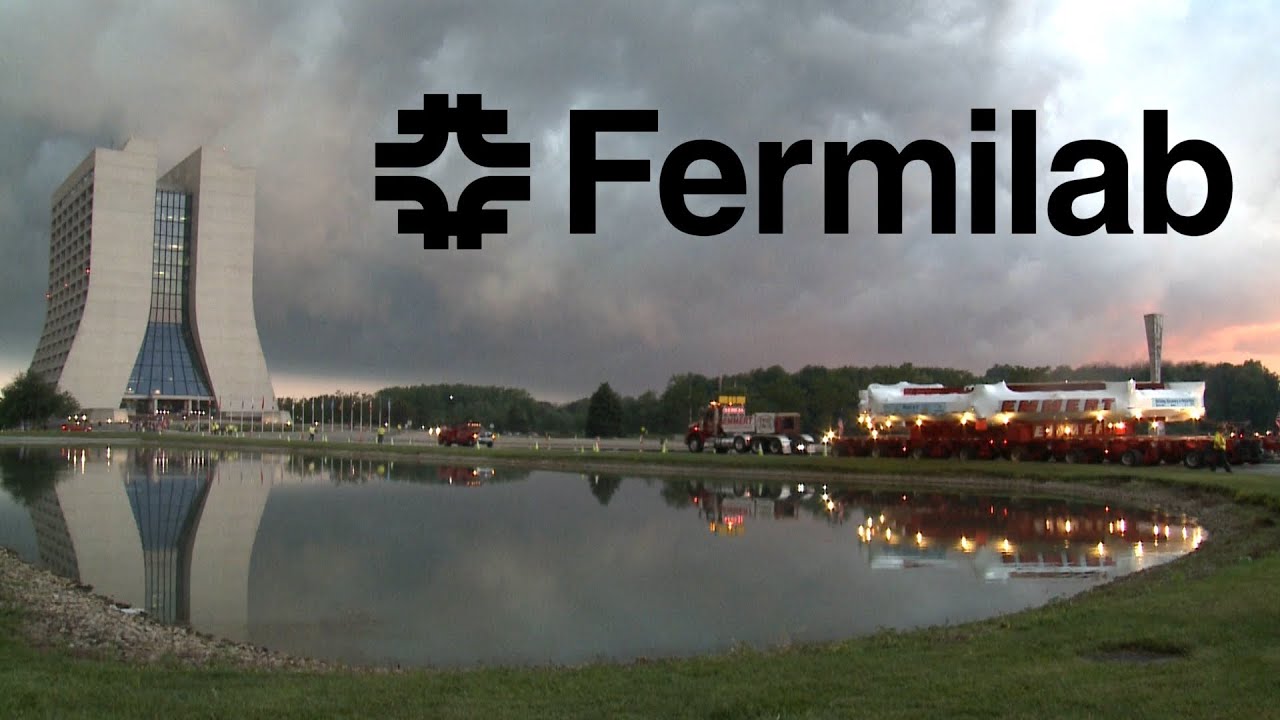
A very large group of people gathered to watch the muon g-2 ring on its last leg of the big move from Brookhaven National Laboratory in Long Island, NY to Fermilab in Batavia, IL.

Fermilab recently hosted more than 300 middle school students from 13 schools for a special showing of Hidden Figures and a panel discussion with four Fermilab scientists, including Karl Warburton. This video was played as part of the panel introductions.
The goal of the program was to show fifth- to eighth-grade students that entering a STEM field was possible for them – no matter their background. You can read more about the event here:
http://news.fnal.gov/2018/02/f....ermilab-organizes-hi
Karl Warburton discusses how every physicist always adds something to the field since every individual approaches the study in a new way. A scientist on the Deep Underground Neutrino Experiment, Warburton draws new information from pictures of simulated events, and each piece, collaboratively sewn together, contributes to our understanding of the universe.

On Jan. 23, 2012, Fermilab broke ground for a one-of-its-kind research facility to develop and operate particle detectors that use liquid-argon technology to explore the mysteries of energy, matter, space and time. The new generation of liquid-argon detectors will allow scientists to observe neutrino interactions with greater precision and resolution than ever before. The MicroBooNE experiment (URL: http://www.fnal.gov/pub/today/....archive_2011/today11 ), which comprises a 170-ton neutrino detector, will be the first to move into the new facility. Reposted 12/30.

An international group of scientists are designing an accelerator-driven system that could produce energy and recycle nuclear waste. Fermilab recently hosted physicists and engineers from around the world at a workshop on the applications of high-intensity proton accelerators to consider this idea and others. In this video, three attendees from Fermilab's workshop discuss accelerator-driven systems.
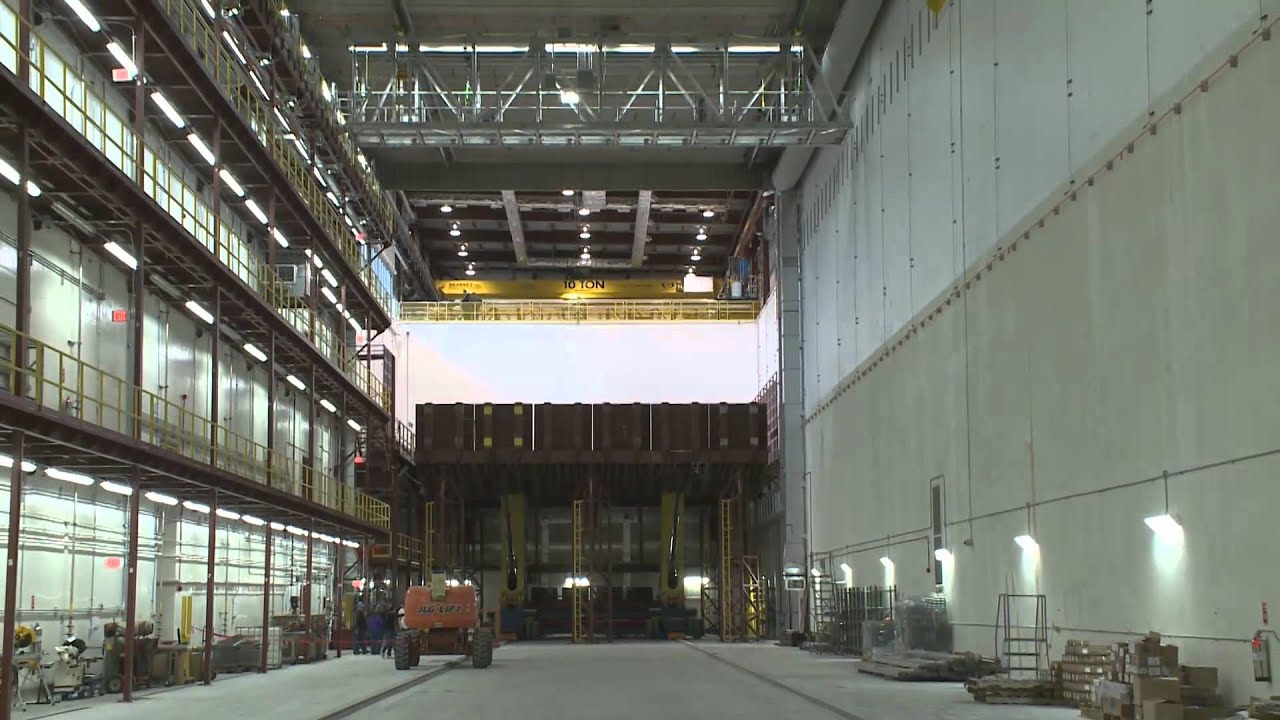
The Ash River faciility in Minnesota will house the detector for the NOvA neutrino experiment. It will receive the beam of neutrinos from Fermilab. The NOvA far detector, when complete, will be the largest plastic structure in the world. Sixteen-meter-long PVC tubes will form planes nearly 50 feet by 50 feet square. The planes will be stacked and glued 32 layers at a time and then pivoted to their final vertical position in the detector hall. Nearly 10,000 kilometers of wave-shifting fiber will be threaded through the 368,000 individual tubes, and finally the detector will be filled with 3,200,000 gallons of mineral oil loaded with scintillator.
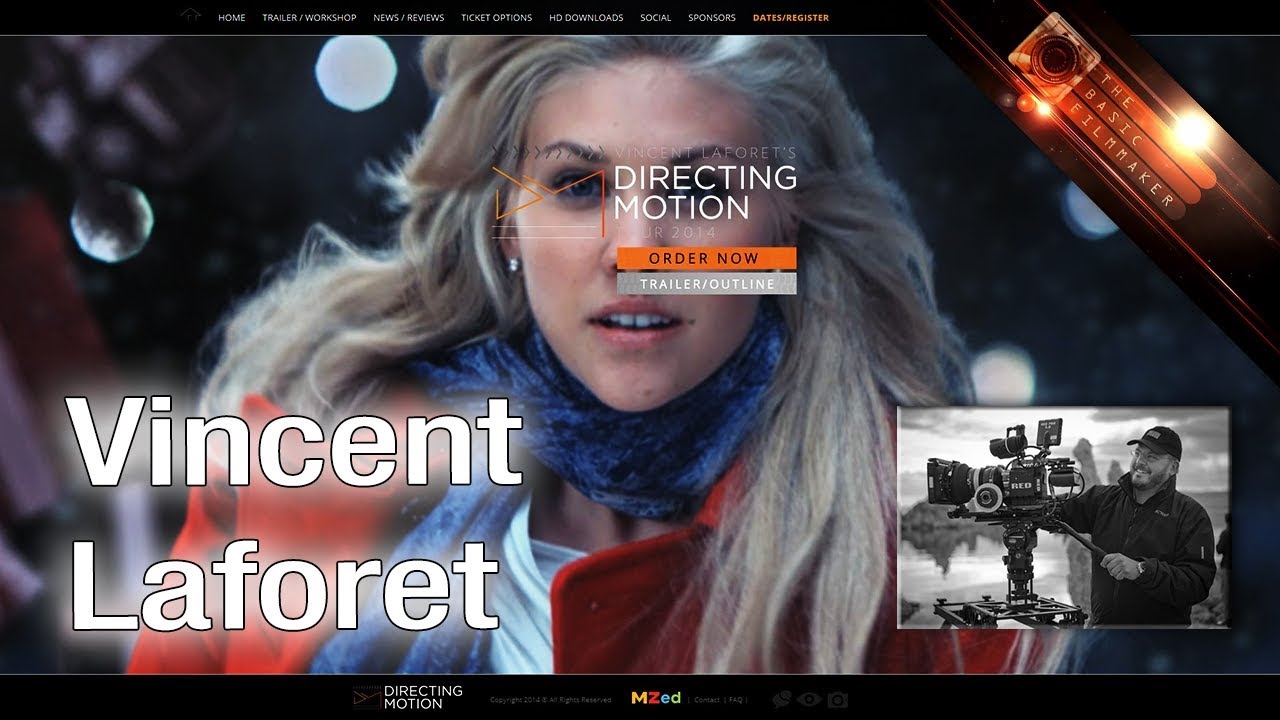
Let's say you wanted Vincent Laforet to come to your house and personally train you on filmmaking. That would be the coolest thing ever, right? Well, here's the next best thing. Check out the Directing Motion Tour Videos - priceless.
UPDATE 04 SEP 2014: To answer the many questions, the $279 video package includes 5.5 hours and the evening workshop video is 1.5 hours long. The Full Directing Motion bundle includes both Daytime and Evening for $349.
Vincent Laforet Links:
Directing Motion Tour: http://directingmotion.mzed.com/
Directing Motion Tour Dates: http://directingmotion.mzed.com/dates-cities-and-register
Directing Motion Videos: http://directingmotion.mzed.com/streaming
Vincent Laforet Blog: http://blog.vincentlaforet.com/
Vincent Laforet Web Site: http://www.laforetvisuals.com/
Vincent Laforet on Vimeo: https://vimeo.com/laforet/
REACH THE BASIC FILMMAKER:
Email: thebasicfilmmaker@gmail.com
Blog: http://www.thebasicfilmmaker.com
Facebook: http://www.facebook.com/TheBasicFilmmaker
Twitter: http://www.twitter.com/basicfilmmaker
YouTube: http://www.youtube.com/thebasicfilmmaker
Vimeo: https://vimeo.com/channels/thebasicfilmmaker
ABOUT THE BASIC FILMMAKER:
I post videos, short films, DIY build projects you've never seen before, After Effects tutorials, and cover cameras, gear, sliders, makeup, DSLRs, cranes, jibs, dolly's, stabilizers, shoulder rigs, rail systems, green screen tutorials, and answer any question you ask about filming.
ETHICS STATEMENT (these seem to be all the rage, so here's mine):
Any product I review is because I want to, because I like it, because I think it would be useful to someone, and is something I would use and buy. I am not paid by anyone for doing product reviews. In other words, no one owns me, and I cannot be bought.
GEAR USED.
Canon DSLRs and lenses. Rode mics and Zoom recorders. Edited in Premier Pro CC.
MUSIC, FOOTAGE AND GRAPHICS LEGAL:
Some music licensed from Footage Firm. All music, footage and graphics are either created or licensed by me. Don't steal! It kills your brains! :)
BUY STUFF HERE: If you use these links it throws a few pennies my way, and costs you absolutely nothing. I know you're a filmmaker, so you buy stuff. We all do! :)
AMAZON YOURSELF HERE:
http://tinyurl.com/ntxn4y8
ADORAMA GEAR HERE:
http://adorama.evyy.net/c/72663/37879/1036
TRAINING HERE:
7 DAYS UNLIMITED FREE ACCESS:
Lynda.com training: http://tinyurl.com/l32tfwz
RENT GEAR HERE:
Borrow Lenses: http://www.borrowlenses.com/?blpid=bfmborrowlenses
GET FOOTAGE AND SOUND HERE:
http://videoblocks.evyy.net/c/69880/72779/1928
GET 50% OFF VIMEO
Vimeo: http://www.jdoqocy.com/click-7168208-11319345
GET GRAPHICS HERE:
http://GraphicStock.evyy.net/c/69880/91712/2238
THANKS.
To YouTube and Vimeo for giving filmmakers a home and to Andrew Kramer, Freddie Wong, Film Riot, The Frugal Filmmaker, Knoptop, Indy Mogul and Corridor Digital for trail blazing.
#vincent #laforet #filmmaking #directing #motion #basicfilmmaker #filmmaking #videos

Really freaking long!!! BUT - I got tired of everyone making green screen work so complicated and wanted all this info in one place! I even show how I shoot a green screen episode from start to finish, then edit and render it in under 3 minutes!
HERE'S ALL THE PRODUCTS USED, MENTIONED, OR HINTED AT:
Remote Control Outlets: http://bit.ly/WirelessOutletsAmazon
Green Screen Kit: http://bit.ly/ePhotoGreenScreenKitAmazon
Green/Blue Screen: http://bit.ly/FotoDiox5x7GreenBlueScreenAmazon
Adobe CC: http://bit.ly/AdobeCCAmazon
Green Screener: http://bit.ly/GreenScreenerAppAppleStore
Expensive Bank Lights: http://bit.ly/FilmGear4-LightBank
Backgrounds (VideoBlocks): http://bit.ly/VideoBlocksSubscription
Portable Steamer: http://bit.ly/PortableSteamerAmazon
Green Screen Clamps: http://bit.ly/GreenScreenClampsAmazon
Large Binderclips: http://bit.ly/BinderclipsAmazon
Gaffer Tape (for floor marks): http://bit.ly/GaffersTapePremiumAmazon
Magenta Gel: http://bit.ly/GelMinusGreenAmazon
EPISODES MENTIONED:
DIY Bank Lights: http://bit.ly/BFM114DIYBankLights
YouTube Render Settings: http://bit.ly/BFM104YouTubeRenderSettings
GREEN SCREEN EXAMPLES IN HOLLYWOOD:
Stargate Studios Virtual Backlot Reel 2012: http://youtu.be/WhN1STep_zk
Stargate Studios Virtual Backlot Reel 2009: http://youtu.be/clnozSXyF4k
Stargate Studios Las Vegas Virtual Backlot: http://youtu.be/2FOcsHZQdHE
IF YOU'RE IMPATIENT (YOU WILL MISS ALL MY EXCELLENT BLAH-BLAH) HERE'S THE TIME LINKS TO EACH SEGMENT IN THE VIDEO INCLUDING TIPS AND TRICKS:
Intro: 0:10
First Failure: 2:53
Shutter Speed Trick: 4:54
Green Screener: 5:24
Second failure: 6:12
Bank Lights Setup: 6:50
Adjusting Lights: 7:11
One CLick Test: 7:43
Shadows and Bumps: 9:09
Backlight: 10:42
Magenta Gel: 10:58
Lighting blast: 11:14
Green in Shot: 12:02
Blue Screen: 12:31
Pulling any color: 12:40
Aperture: 12:56
Motion blur: 13:08
Noise and ISO: 13:37
Framing: 14:03
Fixing Goofs Editing Example: 14:29
Lighting/Backgrounds: 14:53
Front Spill: 15:28
Adding in shadows: 16:08
Backgrounds: 16:27
Use a Pro: 16:36
Basics: 17:05
Start to Finish Episode Shoot: 17:53
Start to finish editing: 19:38
Ending: 22:40
Outtakes: 23:03
SOCIAL:
YouTube: http://www.youtube.com/thebasicfilmmaker
Vimeo: https://vimeo.com/channels/thebasicfilmmaker
Facebook: http://www.facebook.com/TheBasicFilmmaker
Twitter: http://www.twitter.com/basicfilmmaker
Instagram: http://instagram.com/thebasicfilmmaker
Blog: http://www.thebasicfilmmaker.com
Email: thebasicfilmmaker@gmail.com
Famebit Sponsorships: https://famebit.com/u/BasicFilmmaker
BUY STUFF: Throws me few pennies and costs you nothing.
AMAZON: http://bit.ly/AmazonYourself
B&H: http://bit.ly/BandHPhotoMain
ADORAMA: http://bit.ly/AdoramaGear
TRAINING: http://bit.ly/LyndaDotComTraining
RENTING: http://bit.ly/BorrowLensesRentals
FOOTAGE: http://bit.ly/VideoBlocksSubscription
VIMEO: http://bit.ly/VimeoPlusSubscrption
GRAPHICS: http://bit.ly/GraphicStockSubscription
ETHICS: I am not paid for product reviews.
CREATED: Using Canon, Rode, and Adobe products.
LEGAL: All music, footage and graphics are created or licensed. #basicfilmmaker #filmmaking #videos

Andrew Jones from Deity (owned by Aputure) discusses the new Deity microphones coming out soon from their new company. You may be familiar with the original Deity mic which is a much lower cost microphone than the high-end comparable Rode mics. These newer mics are lower in cost, all metal build, and have dial features right in the microphone so you don't have to go through menus in your DSLR to control the input volume. I was lucky enough to catch Andrew talking to Caleb Pike at DSLR Video Shooter about some of the new features.
Check out the free and paid filmmaker training courses here at Basic Filmmaker University here: https://www.bascifilmmakeruniversity.com
You can check out the original Deity microphone (which is still awesome), and the comparable Rode NTG-3 microphones here:
——————————————————————————————————
Aputure Deity Microphone
Amazon: https://amzn.to/2JJqemk
B&H: https://bhpho.to/2HzYAYC
——————————————————————————————————
Rode NTG-3 Microphone
Amazon: https://amzn.to/2JH3F1M
B&H: https://bhpho.to/2HxxL75
——————————————————————————————————
INTRO/OUTRO:
By Kevin Anson. Please visit him here:
▶ http://bit.ly/EmoticonToolkktKevinAnson
MUSIC:
▶ http://bit.ly/PremiumBeatMusic
CONNECT WITH ME:
http://bit.ly/BFM-YOUTUBE
http://bit.ly/BFM-SUBSCRIBE
http://bit.ly/BFM-UNIVERSITY
http://bit.ly/BFM-TWITTER
http://bit.ly/BFM-FB
http://bit.ly/BFM-INSTAGRAM
http://bit.ly/BFM-WEB
http://bit.ly/BFM-GPLUS
http://bit.ly/BFM-KIT
http://bit.ly/BFM-PINTEREST
http://bit.ly/BFM-TUMBLR
http://bit.ly/BFM-STUMBLE
http://bit.ly/BFM-VIMEO
Copyright (c) 2018 by The Basic Filmmaker
Note that some of these links are affiliate links and help keep the channel going. Thanks for your support, as it really helps offset the costs!
What I shoot my episodes with:
----------------------------------------
Amazon:
Canon 5D: https://amzn.to/2HA1zQC
Canon 50mm: https://amzn.to/2vgPcq4
Rode NTG-3: https://amzn.to/2GY9cPO
Zoom H6: https://amzn.to/2HxHcn3
B&H:
Canon 5D: https://bhpho.to/2GXbUoz
Canon 50mm: https://bhpho.to/2HzkoDE
Rode NTG-3: https://bhpho.to/2HxxL75
Zoom H6: https://bhpho.to/2Hz3nJx
---------------------------------------- #basicfilmmaker #filmmaking #videos

Mini aventuras de Winnie the Pooh - El globo de Tigger
¿Listo para escuchar una historia ? Viaja al bosque de los Cien Acres, para vivir otra divertida aventura junto a Winnie the Pooh y sus amigos! Las Mini aventuras de Winnie the Pooh, en Disney Junior!
Sitio Oficial: http://www.disneylatino.com/disneyjunior/
Síguenos en Facebook: http://www.facebook.com/DisneyJuniorLatinoamerica
¡Haz click en el botón SUSCRIBIR y entérate de los nuevos videos de Disney Junior en Youtube!

Mr. Misterio y el Capitán Topa tienen que resolver el misterio más misterioso de todos: ¡La aparición de un dragón en la ruta del monorriel! ¿Crees que se asustarán o podrán solucionarlo?
Sitio Oficial: http://www.disneylatino.com/disneyjunior/
Síguenos en Facebook: http://www.facebook.com/DisneyJuniorLatinoamerica
¡Haz click en el botón SUSCRIBIR y entérate de los nuevos videos de Disney Junior en Youtube!

.
Sitio Oficial: http://www.disneylatino.com/disneyjunior/
Síguenos en Facebook: http://www.facebook.com/DisneyJuniorLatinoamerica
¡Haz click en el botón SUSCRIBIR y entérate de los nuevos videos de Disney Junior en Youtube!

Topa desafía a Josefina y a Harmony a una Prueba Express. Josefina deberá ponerle 10 prendas a Harmony lo más rápido posible!
¡Anímate a desafiar a tus amigos a una Prueba Express!
Sigue viendo más de Junior Express en Disney Junior.
Sitio Oficial: http://www.disneylatino.com/disneyjunior/
Síguenos en Facebook: http://www.facebook.com/DisneyJuniorLatinoamerica
¡Haz click en el botón SUSCRIBIR y entérate de los nuevos videos de Disney Junior en Youtube!

Tenemos una misión muy importante para ti: ¡encontrar a Pluto! ¡Hoy parece que nuestro amiguito se escondió en un jardín! ¡Te estamos esperando para empezar la búsqueda! Mira ¿Dónde Está Pluto? en Disney Junior.
Sitio Oficial: http://www.disneylatino.com/disneyjunior/
Síguenos en Facebook: http://www.facebook.com/DisneyJuniorLatinoamerica
¡Haz click en el botón SUSCRIBIR y entérate de los nuevos videos de Disney Junior en Youtube!
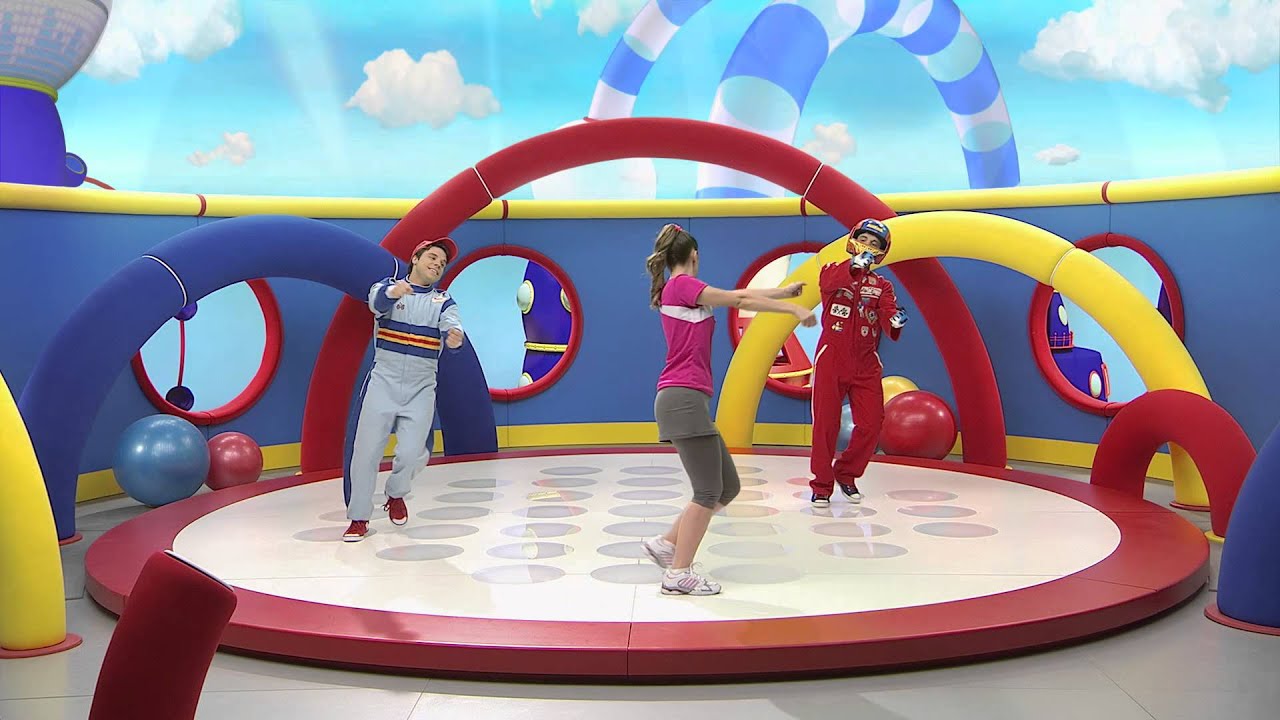
¡Video alerta! Entra y mira.
Sitio Oficial: http://www.disneylatino.com/disneyjunior/
Síguenos en Facebook: http://www.facebook.com/DisneyJuniorLatinoamerica
¡Haz click en el botón SUSCRIBIR y entérate de los nuevos videos de Disney Junior en Youtube!