Top Vídeos
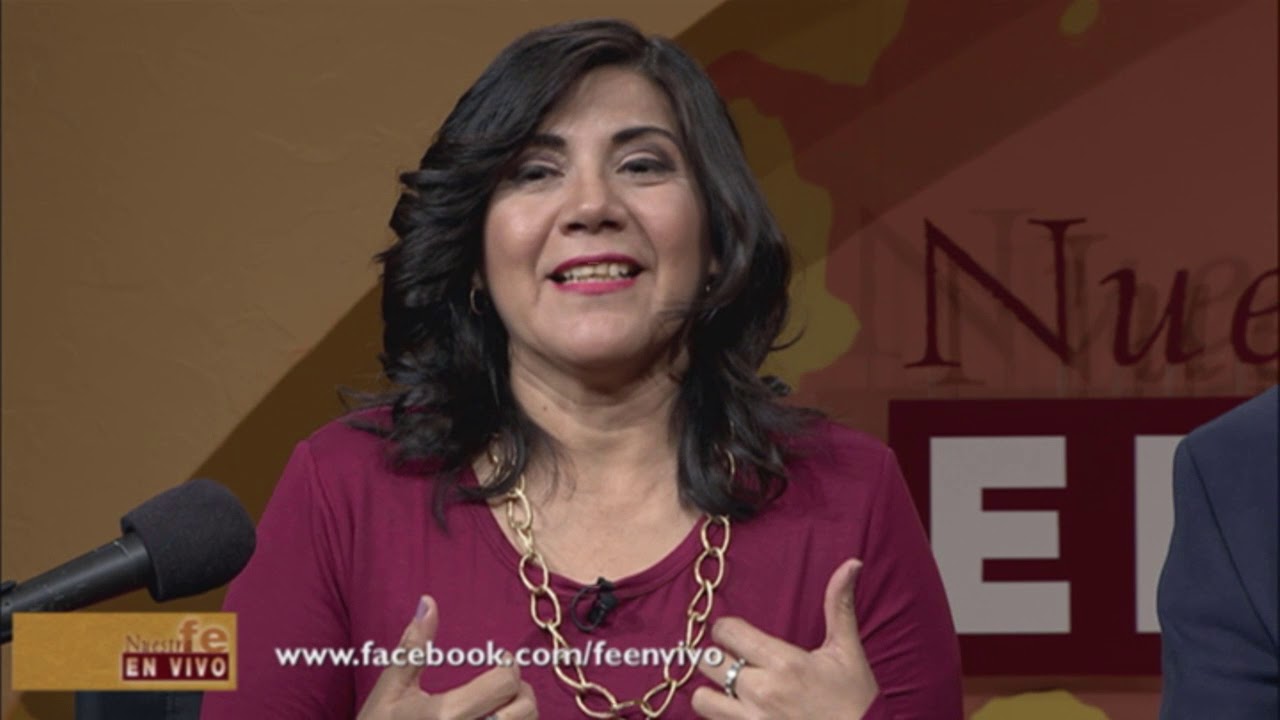
Carlos Canseco, empresario, capacitador y evangelizador, y su esposa Elsy Acatitla, cantante, productora de audio y video, empresaria y evangelizadora, nos visitan desde Mérida, Yucatán, México. Ellos lanzarán su nuevo disco llamado “Vamos a Su Encuentro”. Además nos hablarán de los nuevos programas en Radio Católica, uno de hombres y otro de mujeres, todos profesionales y personas de fe y de iglesia donde tocan temas desde ambas ópticas. Finalmente, presentarán su ministerio al encuentro de familias hispanas en diferentes lugares de Estados Unidos a través de encuentros de evangelización y formación.

It's story night and the Teddies are going to read 'The Hare and the Tortoise' to the Bananas and Rat. Rat has never heard the story before, so Tolstoy the turtle tells him. Rat can't believe that a slow tortoise could ever beat a speedy hare. In fact, Rat thinks the idea is so silly that he'll even prove it to everyone, so he challenges Tolstoy to a race!
Never miss a Bananas Episode - click here to subscribe https://www.youtube.com/channe....l/UCug61OHMkz5GgJkey
Bananas in Pyjamas Theme Song : https://youtu.be/6hPsXh5k0d8
Welcome to the Official Bananas in Pyjamas Channel.
On this channel you will find classic and animated full episodes! Your favourite clips and compilations and much more! Tune in every week and see the antics of B1, B2 and their many friends!

? SUSCRIBETE AQUÍ: https://goo.gl/mDu2Ad
? Aplicación Campanita de Bebe milo: https://bit.ly/2GKkqHH
? Contacto: bebemilocontacto@gmail.com
✅ Canales de los #AMIWITOS
Vita: https://goo.gl/53Qtpv
Timo: https://goo.gl/rGEwgK
Mora: https://goo.gl/Ps65Vv
✅ Aplicación Bebe Milo Aventuras ? https://goo.gl/PzZEuv
✅ Juega en Bebe Milo Server: https://goo.gl/Wrx3ih
? Redes sociales de Bebe Milo:
? Instagram: https://www.instagram.com/bebemiloyt/
? Twitter: https://twitter.com/BebeMiloYT
? Facebook: https://www.facebook.com/bebemiloyt
======================================================
? MIS LISTAS DE REPRODUCCIÓN
✅ LO MEJOR de BEBE MILO y sus AMIGOS: https://goo.gl/9MgnWZ
✅ BEBE MILO AVENTURAS: https://goo.gl/VQhwNq
✅ LAS AVENTURAS DEL NOOB: https://goo.gl/gP8lwG
✅ CANCIONES DE BEBE MILO: https://goo.gl/swgdwg
✅ EL ESCONDITE: https://goo.gl/45L2yT
✅ ISLA VS ISLA: https://goo.gl/euAmDc
✅ BEBE MILO DIMENSIONES: https://goo.gl/rHVcU2
======================================================
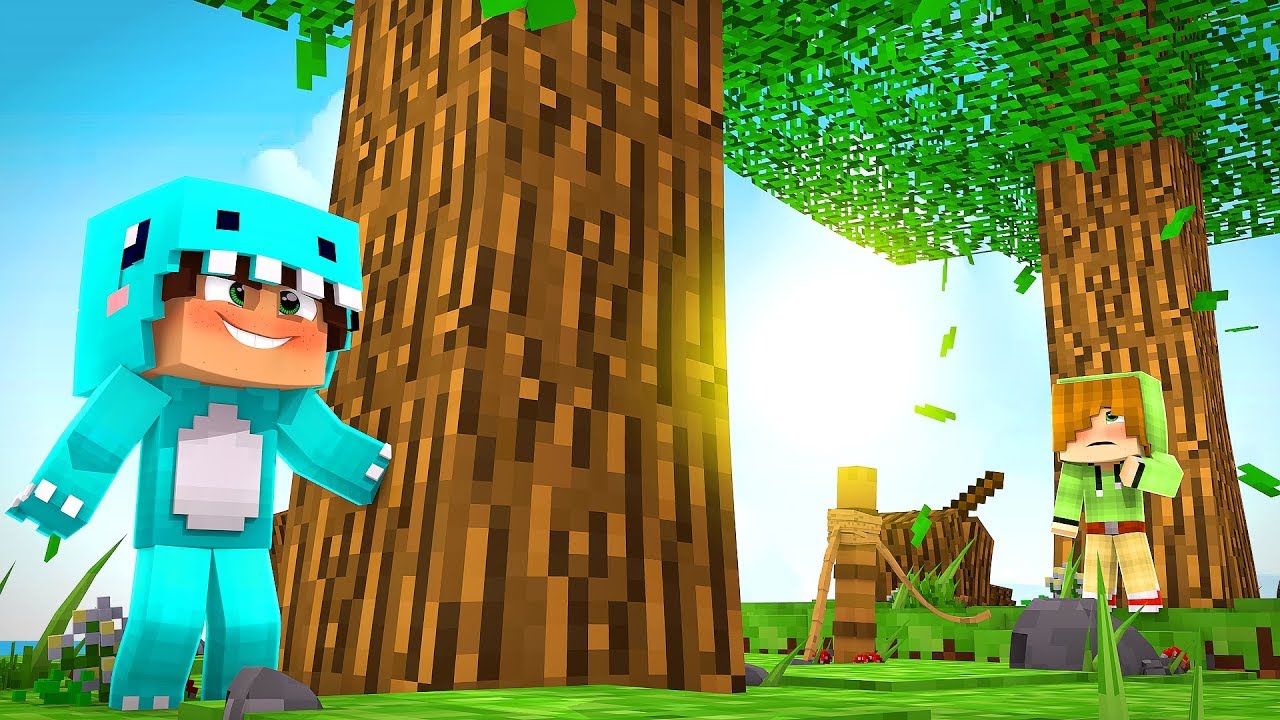
El canal de Bebe milo es para publico infantil. Podrás encontrar canciones infantiles, música infantil para niños y niñas, chicos y chicas. También podrás ver jugar juegos como minecraft gratis, roleplay muy entretenido y en español latino, roblox y mucho mas.
Lo importante es divertirse y tener lo mejor de minecraft para bebes en 2018!
✅ Aplicación Bebe Milo Aventuras ? https://goo.gl/PzZEuv
✅ Juega en Bebe Milo Server: https://goo.gl/Wrx3ih
? Contacto: bebemilocontacto@gmail.com
? Redes sociales de Bebe Milo:
? Instagram: https://www.instagram.com/bebemiloyt/
? Twitter: https://twitter.com/BebeMiloYT
? Facebook: https://www.facebook.com/bebemiloyt
======================================================
? Colaboradores del canal:
Walky & Vita: https://goo.gl/7ka4ss
? MIS LISTAS DE REPRODUCCIÓN
✅ LO MEJOR de BEBE MILO y sus AMIGOS: https://goo.gl/9MgnWZ
✅ BEBE MILO AVENTURAS: https://goo.gl/VQhwNq
✅ LAS AVENTURAS DEL NOOB: https://goo.gl/gP8lwG
✅ CANCIONES DE BEBE MILO: https://goo.gl/swgdwg
✅ EL ESCONDITE: https://goo.gl/45L2yT
✅ ISLA VS ISLA: https://goo.gl/euAmDc
✅ BEBE MILO DIMENSIONES: https://goo.gl/rHVcU2
======================================================
El canal de Bebe milo es para publico infantil. Podrás encontrar canciones infantiles, música infantil para niños y niñas, chicos y chicas. También podrás ver jugar juegos como minecraft gratis, roleplay muy entretenido y en español latino.
Lo importante es divertirse y tener lo mejor de minecraft para bebes en 2017 y 2018!
? SUSCRIBETE A BEBEMILO AQUÍ: https://goo.gl/mDu2Ad
? Aplicación Campanita de Bebe milo: https://bit.ly/2GKkqHH
? Contacto: bebemilocontacto@gmail.com
✅ Canales de los AMIWITOS
Vita: https://goo.gl/53Qtpv
Adri: https://goo.gl/qBMQzu
#BEBEMILO #JUEGOS #DIVERSION
✅ Aplicación Bebe Milo Aventuras ? https://goo.gl/PzZEuv
✅ Juega en Bebe Milo Server: https://goo.gl/Wrx3ih
? Redes sociales de Bebe Milo:
? Instagram: https://www.instagram.com/bebemiloyt/
? Twitter: https://twitter.com/BebeMiloYT
? Facebook: https://www.facebook.com/bebemiloyt
======================================================
? MIS LISTAS DE REPRODUCCIÓN
✅ LO MEJOR de BEBE MILO y sus AMIGOS: https://goo.gl/9MgnWZ
✅ BEBE MILO AVENTURAS: https://goo.gl/VQhwNq
✅ LAS AVENTURAS DEL NOOB: https://goo.gl/gP8lwG
✅ CANCIONES DE BEBE MILO: https://goo.gl/swgdwg
✅ EL ESCONDITE: https://goo.gl/45L2yT
✅ ISLA VS ISLA: https://goo.gl/euAmDc
✅ BEBE MILO DIMENSIONES: https://goo.gl/rHVcU2
======================================================
El canal de Bebe milo es para publico infantil. Podrás encontrar canciones infantiles, música infantil para niños y niñas, chicos y chicas. También podrás ver jugar juegos como minecraft gratis, roleplay muy entretenido y en español latino, roblox y mucho mas.
Lo importante es divertirse y tener lo mejor de minecraft para bebes en 2018!

Welcome to the Official Bananas in Pyjamas Channel.
On this channel you will find classic and animated full episodes.
The Mystery Noise - B1 and B2 go in search of the source of a loud noise that wakes them from their sleep. Eventually the Bananas are lead to Camembert's barn. But now they've found the source of the noise keeping them awake, how do they stop it?
Morgan's Smelly Sneakers - Morgan's trainers really pong. When Amy and Lulu complain, he moves in with the Bananas rather than get rid of them. Can B1 and B2 find a way to reunite the Teddies?
Bubbles - When the Bananas accidentally put too much soap in their washing machine, it looks like Cuddlestown will be overrun by millions of soap bubbles. The situation becomes even worse when Rat gets too close to one giant bubble and gets trapped inside it and starts to float away. Now the Bananas have to find a way to pop the bubble and set Rat free. But they have to act fast – otherwise poor Rat might float away forever!
Banana Day - How can B1 and B2 find and keep presents a surprise from each other when they always do everything together? Perhaps the Teddies can help?
Never miss a Bananas Episode - click here to subscribe https://www.youtube.com/channe....l/UCug61OHMkz5GgJkey
Bananas in Pyjamas Theme Song : https://youtu.be/6hPsXh5k0d8
Your favourite clips and compilations and much more! Tune in every week and see the antics of B1, B2 and their many friends.
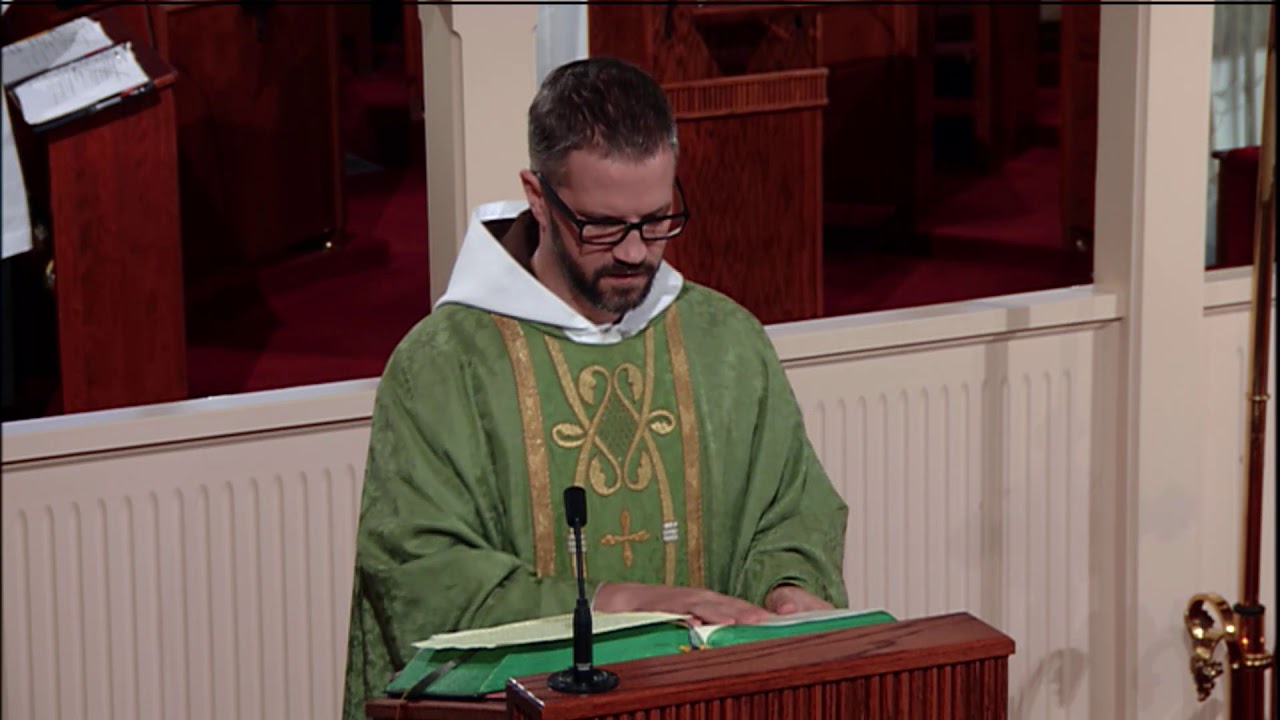
Feria

El Profesor Fernando Toller explica en que consiste y como podemos ejercer el derecho a la objeción de conciencia
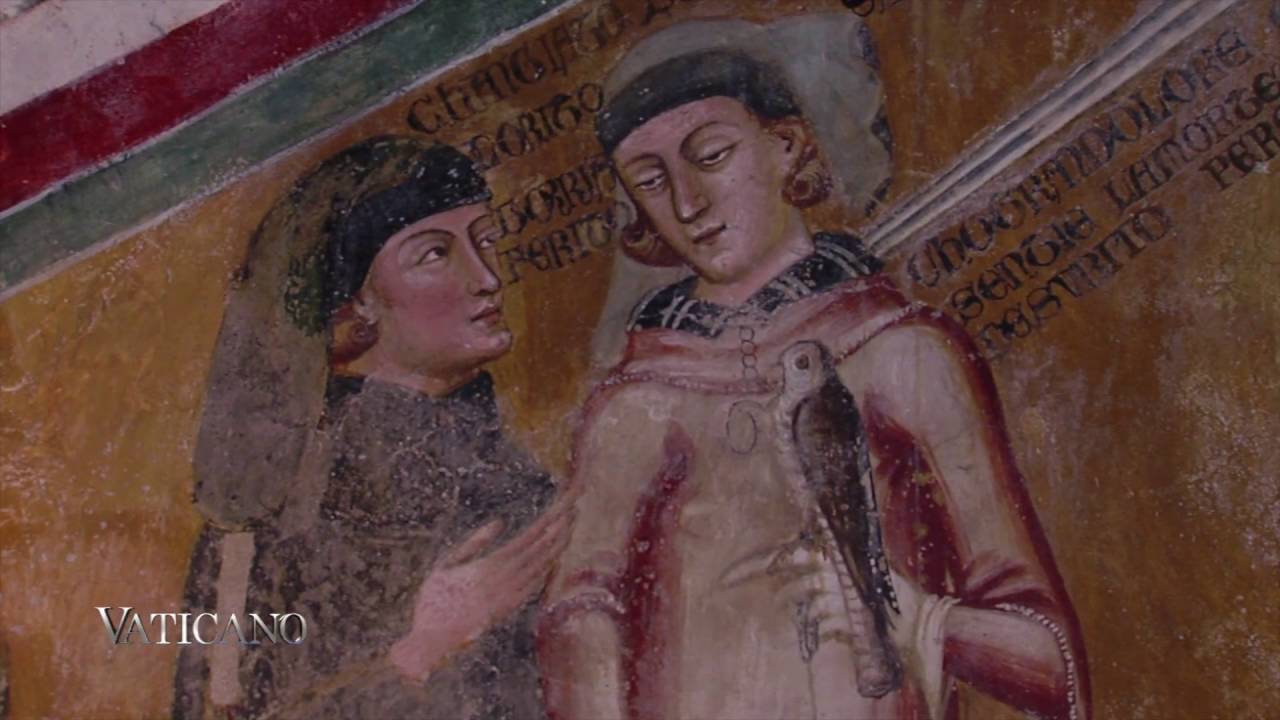
Esta semana en Vaticano,
descubriremos algunos de los tesoros que custodia el Monasterio de San Benito de Nursia en Subiaco y visitaremos la gruta santa, donde el Santo permaneció 3 años de su vida dedicado completamente a la oración.
Además, un monje benedictino nos explicara en qué consiste la Santa Regla de San Benito y cual es su función. Y para terminar, les revelaremos el nombre de uno de los principales devotos del Santo de Nursia.
Todo esto y mucho más, a continuación, en Vaticano.

? SUSCRIBETE AQUÍ: https://goo.gl/mDu2Ad
? Aplicación Campanita de Bebe milo: https://bit.ly/2GKkqHH
? Contacto: bebemilocontacto@gmail.com
✅ Canales de los #AMIWITOS
Vita: https://goo.gl/53Qtpv
Timo: https://goo.gl/rGEwgK
Mora: https://goo.gl/Ps65Vv
✅ Aplicación Bebe Milo Aventuras ? https://goo.gl/PzZEuv
✅ Juega en Bebe Milo Server: https://goo.gl/Wrx3ih
? Redes sociales de Bebe Milo:
? Instagram: https://www.instagram.com/bebemiloyt/
? Twitter: https://twitter.com/BebeMiloYT
? Facebook: https://www.facebook.com/bebemiloyt
======================================================
? MIS LISTAS DE REPRODUCCIÓN
✅ LO MEJOR de BEBE MILO y sus AMIGOS: https://goo.gl/9MgnWZ
✅ BEBE MILO AVENTURAS: https://goo.gl/VQhwNq
✅ LAS AVENTURAS DEL NOOB: https://goo.gl/gP8lwG
✅ CANCIONES DE BEBE MILO: https://goo.gl/swgdwg
✅ EL ESCONDITE: https://goo.gl/45L2yT
✅ ISLA VS ISLA: https://goo.gl/euAmDc
✅ BEBE MILO DIMENSIONES: https://goo.gl/rHVcU2
======================================================
El canal de Bebe milo es para publico infantil. Podrás encontrar canciones infantiles, música infantil para niños y niñas, chicos y chicas. También podrás ver jugar juegos como minecraft gratis, roleplay muy entretenido y en español latino, roblox y mucho mas.
Lo importante es divertirse y tener lo mejor de minecraft para bebes en 2018!

Somos una comunidad especializada en rescatar material del recuerdo.
Puedes disfrutar nuestros contenidos en:
Nuestra Web: http://www.generacionretro.net
Nuestro Twitter: https://twitter.com/gretrocool
Nuestro Facebook: http://www.facebook.com/generacionretro.latino/
Copyright Disclaimer Under Section 107 of the Copyright Act 1976, allowance is made for "fair use" for purposes such as criticism, comment, news reporting, teaching, scholarship, and research. Fair use is a use permitted by copyright statute that might otherwise be infringing. Non-profit, educational or personal use tips the balance in favor of fair use

BY VIEWER REQUEST, here's the LONG version with some comments on setting lights and white balance for your DSLR or Camcorder and getting it balanced. Short Version? Use your eyes! http://bit.ly/SubscribeToBasicFilmmaker
----------------------------------------------
LINKS MENTIONED:
----------------------------------------------
Aputure Tri-8 Kit:
https://amzn.to/2HyvE2U
https://bhpho.to/2H0IHJk
White Balance Handheld Filter Disc:
https://amzn.to/2SgkJzo
----------------------------------------------
THE CAMERA SIDE:
----------------------------------------------
Canon 5D:
https://amzn.to/2HA1zQC
https://bhpho.to/2GXbUoz
Cheap Camera Remote:
https://amzn.to/2SeO0Lf
Camera Cage:
https://amzn.to/2R8LDZ0
Aputure Monitor:
https://amzn.to/2CZRg97
https://bhpho.to/2JgFJ5E
Pro Batteries:
https://amzn.to/2CdhL9L
https://bhpho.to/2A9lfZv
Tripod (replaced head):
https://amzn.to/2yr8ZSU
https://bhpho.to/2PpdG9E
Replaced Head With:
https://amzn.to/2RaAMOy
https://bhpho.to/2JhjUmd
Alternative Tripod:
https://amzn.to/2qdpttt
Quick Release Plates:
https://amzn.to/2qh7eTX
https://bhpho.to/2PpuNbb
----------------------------------------------
LENSES:
----------------------------------------------
Canon 50mm:
https://amzn.to/2vgPcq4
https://bhpho.to/2HzkoDE
28mm f/1.8:
https://amzn.to/2L6gwKd
https://bhpho.to/2BovVWQ
50mm f/1.4:
https://amzn.to/2vUmBoD
https://bhpho.to/2nVe6W1
85mm f/1.8:
https://amzn.to/2MWElWB
https://bhpho.to/2BmRiHY
24-70mm f2.8:
https://amzn.to/2MlJw6l
https://bhpho.to/2nLOJ8W
24-105mm f/4.0:
https://amzn.to/2PkAhRC
https://bhpho.to/2N3X2aU
70-200mm f/2.8:
https://amzn.to/2PlNKJ1
https://bhpho.to/2MGJ7Ln
----------------------------------------------
AUDIO:
----------------------------------------------
Rode NTG-3:
https://amzn.to/2GY9cPO
https://bhpho.to/2HxxL75
Deity Mic:
https://amzn.to/2xlgeKW
https://bhpho.to/2OqwGkf
Zoom H6 Recorder:
https://amzn.to/2MjiOdL
https://bhpho.to/2AWDfsB
SR VRM1 Recorder:
https://amzn.to/2KWMQjS
https://bhpho.to/2Hzr8RY
SD Card:
https://amzn.to/2CZVv4n
https://bhpho.to/2Pk7q30
Lapel Mic:
https://amzn.to/2R8KGzU
https://bhpho.to/2JkDXAA
Headphones:
https://amzn.to/2CYEZ4E
https://bhpho.to/2Pu1hBr
Sound Blankets:
https://amzn.to/2R9Y7Qa
Colored Acoustic Foam:
https://amzn.to/2R89CrC
----------------------------------------------
LIGHTING:
----------------------------------------------
Aputure Tri-8 Kit:
https://amzn.to/2HyvE2U
https://bhpho.to/2H0IHJk
Aputure L/S 1/2:
https://amzn.to/2Sb8oNn
https://bhpho.to/2JfrNZp
Pulsar Spotlight:
https://amzn.to/2q85wEr
Light Stands:
https://amzn.to/2yuk9GH
Cheap Can Light:
https://amzn.to/2R9XF4q
Wall Mounting Brackets:
https://amzn.to/2CYpzxz
C-Stand:
https://amzn.to/2D0WWzv
Sandbags:
https://amzn.to/2Sdpiew
----------------------------------------------
BACKGROUND:
----------------------------------------------
Fake Brick Tapestry:
https://amzn.to/2RcrzoZ
Backdrop Mounting Unit:
https://amzn.to/2CYFQlS
Portable Green/Blue/White/Gray Screen:
https://amzn.to/2Opnb5m
----------------------------------------------
EDITING:
----------------------------------------------
Adobe Premiere Pro:
http://bit.ly/AdobeCCFull
----------------------------------------------
OTHER:
----------------------------------------------
Mavic 2 Pro:
https://amzn.to/2yDkeqM
https://bhpho.to/2QNoGdS
Smooth 4:
https://amzn.to/2xZfw9M
https://bhpho.to/2HBLcDc
Color Checker:
http://bit.ly/X-RiteAmazon
http://bit.ly/X-RiteBandH
Teleprompter:
https://amzn.to/2pR4HzB
https://bhpho.to/2QMhvmj
Captions:
https://www.rev.com/blog/coupo....n/?ref=basicfilmmake
Blackout Window Shades:
https://amzn.to/2PV8w2h
Clicker for Lights:
https://amzn.to/2R5tNpU
Gaffer Tape:
https://amzn.to/2JbMQMJ
Up and Down Desk:
https://amzn.to/2q7aYap
Worktable:
https://amzn.to/2RfBEl5
Analyzing YouTube Videos:
VidIQ: https://vidiq.com/#_l_gc
TubeBuddy: https://www.tubebuddy.com/thebasicfilmmaker
See gear at https://www.kit.com/basicfilmmaker
----------------------------------------------
Training:
----------------------------------------------
https://www.basicfilmmakeruniversity.com
----------------------------------------------
Credits
----------------------------------------------
Bumper Kevin Anson: http://bit.ly/EmoticonToolkktKevinAnson
Music by Premium Beat: http://bit.ly/PremiumBeatMusic
----------------------------------------------
Connect with me here:
----------------------------------------------
http://bit.ly/BFM-YOUTUBE
http://bit.ly/BFM-FB
http://bit.ly/BFM-TWITTER
http://bit.ly/BFM-INSTAGRAM
http://bit.ly/BFM-UNIVERSITY
----------------------------------------------
Copyright (c) 2018 Basic Filmmaker
All rights reserved.
----------------------------------------------
Note that some of these links are affiliate links and help keep the channel going. Thanks for your support, as it really helps offset the costs! #basicfilmmaker #filmmaking #videos
Provided to YouTube by Believe SAS
Bulgarian Voice · sound of congas
Afro Dance
℗ Afro
Released on: 2015-06-15
Music Publisher: D.R
Composer: Voice of Bulgaria
Auto-generated by YouTube.

? SUSCRIBETE AQUÍ: https://goo.gl/mDu2Ad
? Aplicación Campanita de Bebe milo: https://bit.ly/2GKkqHH
? Contacto: bebemilocontacto@gmail.com
✅ Canales de los #AMIWITOS
Vita: https://goo.gl/53Qtpv
Timo: https://goo.gl/rGEwgK
Mora: https://goo.gl/Ps65Vv
✅ Aplicación Bebe Milo Aventuras ? https://goo.gl/PzZEuv
✅ Juega en Bebe Milo Server: https://goo.gl/Wrx3ih
? Redes sociales de Bebe Milo:
? Instagram: https://www.instagram.com/bebemiloyt/
? Twitter: https://twitter.com/BebeMiloYT
? Facebook: https://www.facebook.com/bebemiloyt
======================================================
? MIS LISTAS DE REPRODUCCIÓN
✅ LO MEJOR de BEBE MILO y sus AMIGOS: https://goo.gl/9MgnWZ
✅ BEBE MILO AVENTURAS: https://goo.gl/VQhwNq
✅ LAS AVENTURAS DEL NOOB: https://goo.gl/gP8lwG
✅ CANCIONES DE BEBE MILO: https://goo.gl/swgdwg
✅ EL ESCONDITE: https://goo.gl/45L2yT
✅ ISLA VS ISLA: https://goo.gl/euAmDc
✅ BEBE MILO DIMENSIONES: https://goo.gl/rHVcU2
======================================================
El canal de Bebe milo es para publico infantil. Podrás encontrar canciones infantiles, música infantil para niños y niñas, chicos y chicas. También podrás ver jugar juegos como minecraft gratis, roleplay muy entretenido y en español latino, roblox y mucho mas.
Lo importante es divertirse y tener lo mejor de minecraft para bebes en 2018!
![Ellas Lo Dicen—Por que eres Soltera? [Ep.5 2018-T4]](https://i.ytimg.com/vi/MBnNF9fMqes/maxresdefault.jpg)
Por que eres Soltera?

The Banana's borrow Bernard's camera so they can take epicures, but the Possum has disappeared, quick follow it!
This Clip is from season 1 episode 18 called "The Camera".
B1, B2 and their adorable friends the Teddies and the ever mischievous Rat in a Hat romp their way through the magical world of Cuddletown. There are new friends to meet too; Topsy the kangaroo, Charlie the inventive monkey and Bernard the wise old dog.
Stay Tuned! https://www.youtube.com/channe....l/UCug61OHMkz5GgJkey
Bananas in Pyjamas Theme Song : https://youtu.be/6hPsXh5k0d8
Welcome to the Official Bananas in Pyjamas Channel.
On this channel you will find classic and animated full episodes! Your favourite clips and compilations and much more! Tune in every week and see the antics of B1, B2 and there many friends!

Links de descarga GAMEE:
iOS: https://itunes.apple.com/app/id945638210
Android: https://play.google.com/store/....apps/details?id=com.
-MI PATREON: https://patreon.com/WineXD
-TWITTER: https://twitter.com/wineMFN
CANCIONES: Aqua - Barbie Girl
Jean Claude Borelly - 'Melodía Feliz'
MorenitoHD y su perro Chop son dos nuevos personajes para el canal, espero que os gusten sus aventuras, si es así no dudaré en subir más ;D

El P. Willlie nos recuerda que la cuaresma un tiempo de gracia especial para que formemos y establezcamos una mejor relación con Dios. Solo es tentado quien está en los caminos de Dios. La gente distanciada de Dios ya está en su contra. Este es un tiempo de preparación. No debemos crear situaciones en las que podamos ser tentados. Jesús en su naturaleza humana fue tentado tres veces. El Padre Willie ahonda un poco más en estas tentaciones, muy actuales, y que nos permiten prepararnos para tan importante tiempo litúrgico.

The preparations continue: Lulu fills party bags, Morgan organises games. The Teddies act very strangely when the Bananas visit - they want to keep the party a surprise. The Bananas decide to have a birthday party on Friday too.
Never miss a Bananas Episode - click here to subscribe https://www.youtube.com/channe....l/UCug61OHMkz5GgJkey
Bananas in Pyjamas Theme Song : https://youtu.be/6hPsXh5k0d8
Welcome to the Official Bananas in Pyjamas Channel.
On this channel you will find classic and animated full episodes.
Your favourite clips and compilations and much more! Tune in every week and see the antics of B1, B2 and their many friends.