Top Vídeos

Om bhur bhuvah svah
tat savitur varenyam
bhargo devasya dhimahi
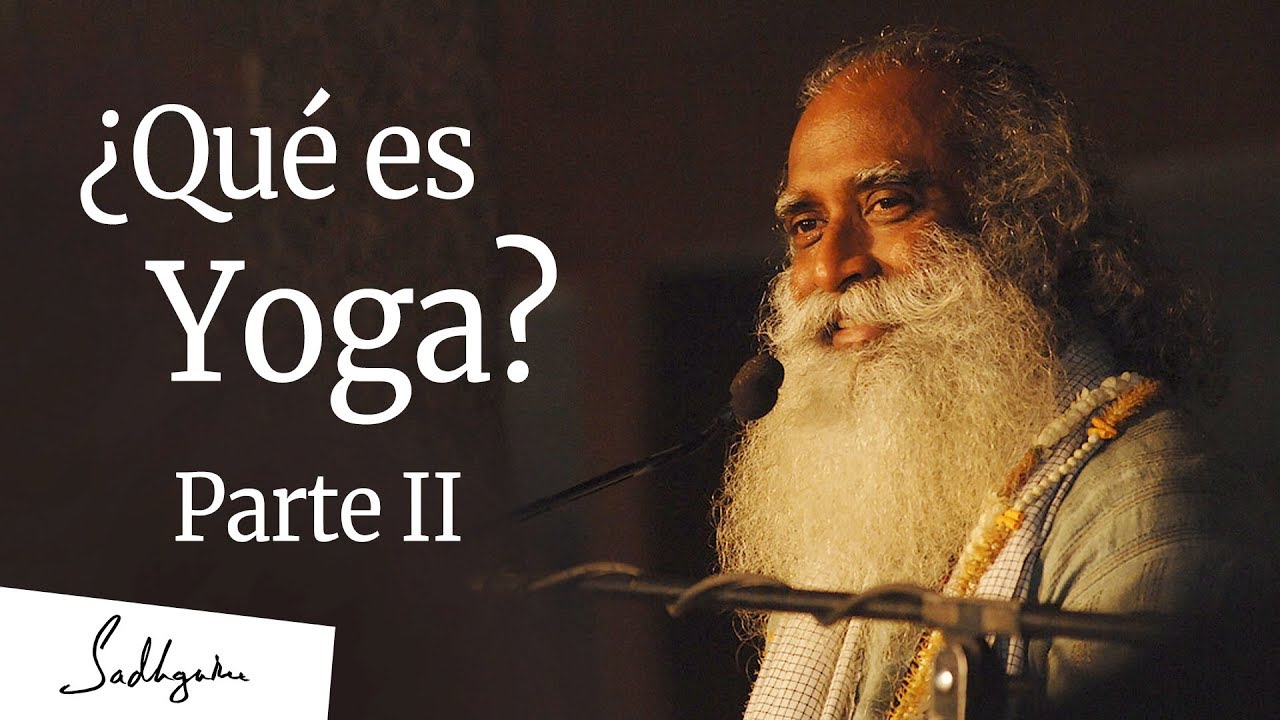
La palabra yoga literalmente significa «unión» o «fusionarse». Más que un conjunto de posturas físicas o ejercicios, Sadhguru define yoga como una ciencia para determinar la naturaleza de quién eres y qué quieres ser. Hoy en día, estudios científicos han demostrado que los fundamentos mismos de la actividad cerebral, la química interna y las predisposiciones genéticas, pueden ser modificadas practicando ciertos sistemas de yoga. Yoga es, esencialmente, una tecnología para cambiar la forma de quién eres tú.
******************************************
Suscríbete a nuestro canal aquí: www.youtube.com/channel/UCJoOIj9Yu71wklP3EFzL8-A
Aprende la meditación guiada gratuita de Sadhguru
https://www.ishafoundation.org..../es/Isha-Kriya/home.
Yogui, místico y visionario, Sadhguru es un maestro espiritual con una diferencia. Una notable combinación de profundidad y pragmatismo, su vida y su trabajo sirven como recordatorio de que el yoga es una ciencia contemporánea, de vital relevancia en nuestro tiempo.
Más videos y blogs en la página
http://www.sadhguru.org
Meditación gratuita guiada por Sadhguru
https://www.ishafoundation.org..../es/Isha-Kriya/home.
Página oficial de Facebook de Sadhguru
https://www.facebook.com/sadhguru
Perfil oficial de Twitter de Sadhguru
https://twitter.com/SadhguruJV
Descarga la app de Sadhguru
http://onelink.to/sadhguru__app

La palabra yoga literalmente significa «unión» o «fusionarse». Más que un conjunto de posturas físicas o ejercicios, Sadhguru define yoga como una ciencia para determinar la naturaleza de quién eres y qué quieres ser. Hoy en día, estudios científicos han demostrado que los fundamentos mismos de la actividad cerebral, la química interna y las predisposiciones genéticas, pueden ser modificadas practicando ciertos sistemas de yoga. Yoga es, esencialmente, una tecnología para cambiar la forma de quién eres tú.
********************************************************************
Suscríbete a nuestro canal aquí: www.youtube.com/channel/UCJoOIj9Yu71wklP3EFzL8-A
Aprende la meditación guiada gratuita de Sadhguru
https://www.ishafoundation.org..../es/Isha-Kriya/home.
Yogui, místico y visionario, Sadhguru es un maestro espiritual con una diferencia. Una notable combinación de profundidad y pragmatismo, su vida y su trabajo sirven como recordatorio de que el yoga es una ciencia contemporánea, de vital relevancia en nuestro tiempo.
Más videos y blogs en la página
http://www.sadhguru.org
Meditación gratuita guiada por Sadhguru
https://www.ishafoundation.org..../es/Isha-Kriya/home.
Página oficial de Facebook de Sadhguru
https://www.facebook.com/sadhguru
Perfil oficial de Twitter de Sadhguru
https://twitter.com/SadhguruJV
Descarga la app de Sadhguru
http://onelink.to/sadhguru__app

Sadhguru responde una pregunta sobre el propósito de la vida y explica por qué tener un propósito «dado por Dios» solo restringirá la vida.
**************************************************
Suscríbete a nuestro canal aquí: www.youtube.com/channel/UCJoOIj9Yu71wklP3EFzL8-A
Aprende la meditación guiada gratuita de Sadhguru
https://www.ishafoundation.org..../es/Isha-Kriya/home.
Yogui, místico y visionario, Sadhguru es un maestro espiritual con una diferencia. Una notable combinación de profundidad y pragmatismo, su vida y su trabajo sirven como recordatorio de que el yoga es una ciencia contemporánea, de vital relevancia en nuestro tiempo.
Más videos y blogs en la página
http://www.sadhguru.org
Meditación gratuita guiada por Sadhguru
https://www.ishafoundation.org..../es/Isha-Kriya/home.
Página oficial de Facebook de Sadhguru
https://www.facebook.com/sadhguru
Perfil oficial de Twitter de Sadhguru
https://twitter.com/SadhguruJV
Descarga la app de Sadhguru
http://onelink.to/sadhguru__ap

Sadhguru indaga sobre por qué la gente sufre tanto estrés en el mundo actual. Si tú le preguntas a las personas por qué están estresadas, la respuesta de muchos sería que es a causa su trabajo. Pero, incluso si te ocuparas de su proceso de superviviencia y dejasen de trabajar, ellos no encontrarían contento en la vida.
Con la historia de un obispo de la Iglesia Ortodoxa que busca a un Yogui de la India, Sadhguru explica que la vida es, esencialmente, nuestra creación. Si hacemos las cosas correctas, la dicha será nuestra manera natural de estar. Pero si manejamos las cosas de forma inconsciente, nuestra situación interna podría volverse una absoluta confusión.
**************************************************
Suscríbete a nuestro canal aquí: www.youtube.com/channel/UCJoOIj9Yu71wklP3EFzL8-A
Aprende la meditación guiada gratuita de Sadhguru
https://www.ishafoundation.org..../es/Isha-Kriya/home.
Yogui, místico y visionario, Sadhguru es un maestro espiritual con una diferencia. Una notable combinación de profundidad y pragmatismo, su vida y su trabajo sirven como recordatorio de que el yoga es una ciencia contemporánea, de vital relevancia en nuestro tiempo.
Más videos y blogs en la página
http://www.sadhguru.org
Meditación gratuita guiada por Sadhguru
https://www.ishafoundation.org..../es/Isha-Kriya/home.
Página oficial de Facebook de Sadhguru
https://www.facebook.com/sadhguru
Perfil oficial de Twitter de Sadhguru
https://twitter.com/SadhguruJV
Descarga la app de Sadhguru
http://onelink.to/sadhguru__app

Nada Yoga ─el yoga del sonido o la reverberación─ te permite pronunciar los sonidos que crean la atmósfera interior para la alegría, haciendola una forma natural de ser.
********************************************************************
Explorar Herramientas para la Transformación en
https://isha.sadhguru.org/global/en/y...
Suscríbete a nuestro canal aquí: www.youtube.com/channel/UCJoOIj9Yu71wklP3EFzL8-A
Aprende la meditación guiada gratuita de Sadhguru
https://www.ishafoundation.org..../es/Isha-Kriya/home.
Yogui, místico y visionario, Sadhguru es un maestro espiritual con una diferencia. Una notable combinación de profundidad y pragmatismo, su vida y su trabajo sirven como recordatorio de que el yoga es una ciencia contemporánea, de vital relevancia en nuestro tiempo.
Más videos y blogs en la página
http://www.sadhguru.org
Meditación gratuita guiada por Sadhguru
https://www.ishafoundation.org..../es/Isha-Kriya/home.
Página oficial de Facebook de Sadhguru
https://www.facebook.com/sadhguru
Perfil oficial de Twitter de Sadhguru
https://twitter.com/SadhguruJV
Descarga la app de Sadhguru
http://onelink.to/sadhguru__app

Respondiendo a una pregunta sobre cómo controlar la ira, Sadhguru clarifica que la ira no es una entidad externa que tenemos que controlar o evadir.
La razón fundamental por la cual la ira es un problema es porque nuestras mentes no están en nuestro control, y es precisamente eso lo que necesita ser atendido.
**************************************************
Suscríbete a nuestro canal aquí: www.youtube.com/channel/UCJoOIj9Yu71wklP3EFzL8-A
Aprende la meditación guiada gratuita de Sadhguru
https://www.ishafoundation.org..../es/Isha-Kriya/home.
Yogui, místico y visionario, Sadhguru es un maestro espiritual con una diferencia. Una notable combinación de profundidad y pragmatismo, su vida y su trabajo sirven como recordatorio de que el yoga es una ciencia contemporánea, de vital relevancia en nuestro tiempo.
Más videos y blogs en la página
http://www.sadhguru.org
Meditación gratuita guiada por Sadhguru
https://www.ishafoundation.org..../es/Isha-Kriya/home.
Página oficial de Facebook de Sadhguru
https://www.facebook.com/sadhguru
Perfil oficial de Twitter de Sadhguru
https://twitter.com/SadhguruJV
Descarga la app de Sadhguru
http://onelink.to/sadhguru__app

Suscríbete al canal: http://smarturl.it/RomeReportsESP
Visita nuestra web: http://es.romereports.com/
Explicó que el noviazgo es un tiempo de conocimiento y no se pueden quemar etapas.
---------------------
ROME REPORTS es una Agencia de Noticias para TV, internacional e independiente, especializada en la actividad del Papa, la vida del Vaticano y los debates de actualidad sobre temas sociales, culturales o religiosos. Informar sobre la Iglesia Católica requiere cercanía a las fuentes, conocimiento en profundidad de la Institución, y elevados niveles de creatividad y competencia técnica.
ROME REPORTS informa directamente al público y cubre las necesidades de las emisoras mediante noticias diarias, programas informativos semanales y documentales especializados.
---------------------
Visítanos en...
Nuestra WEB http://es.romereports.com/
FACEBOOK https://www.facebook.com/RomeReportsESP
TWITTER https://twitter.com/romereports

Suscríbete al canal: http://smarturl.it/RomeReportsESP
Visita nuestra web: http://www.romereports.com/es
Suscríbete a nuestra newsletter: http://bit.ly/1RLUQBz
Síguenos en Facebook https://www.facebook.com/RomeReportsESP
[DESCRIPCIÓN DE LA NOTICIA]
---------------------
Para difusión del vídeo: sales@romereports.com
ROME REPORTS es una Agencia de Noticias para TV, internacional e independiente, especializada en la actividad del Papa, la vida del Vaticano y los debates de actualidad sobre temas sociales, culturales o religiosos. Informar sobre la Iglesia Católica requiere cercanía a las fuentes, conocimiento en profundidad de la Institución, y elevados niveles de creatividad y competencia técnica.
ROME REPORTS informa directamente al público y cubre las necesidades de las emisoras mediante noticias diarias, programas informativos semanales y documentales especializados.
---------------------
Visítanos en...
Nuestra WEB http://es.romereports.com/
FACEBOOK https://www.facebook.com/RomeReportsESP
TWITTER https://twitter.com/romereports


Suscríbete al canal: http://smarturl.it/RomeReportsESP
Visita nuestra web: http://www.romereports.com/es
Suscríbete a nuestra newsletter: http://bit.ly/1RLUQBz
Síguenos en Facebook https://www.facebook.com/RomeReportsESP
[DESCRIPCIÓN DE LA NOTICIA]
---------------------
Para difusión del vídeo: sales@romereports.com
ROME REPORTS es una Agencia de Noticias para TV, internacional e independiente, especializada en la actividad del Papa, la vida del Vaticano y los debates de actualidad sobre temas sociales, culturales o religiosos. Informar sobre la Iglesia Católica requiere cercanía a las fuentes, conocimiento en profundidad de la Institución, y elevados niveles de creatividad y competencia técnica.
ROME REPORTS informa directamente al público y cubre las necesidades de las emisoras mediante noticias diarias, programas informativos semanales y documentales especializados.
---------------------
Visítanos en...
Nuestra WEB http://es.romereports.com/
FACEBOOK https://www.facebook.com/RomeReportsESP
TWITTER https://twitter.com/romereports

http://es.romereports.com Gran complicidad y algunas sorpresas durante el encuentro del "presidente más pobre del mundo", el uruguayo José Mújica, y el Papa Francisco.

Cesta de Halloween - Art Attack
¡Golpearemos a la puerta para encontrarnos con dulces inesperados!
Sitio Oficial: http://www.disneylatino.com/disneyjunior/
Síguenos en Facebook: http://www.facebook.com/DisneyJuniorLatinoamerica
¡Haz click en el botón SUSCRIBIR y entérate de los nuevos videos de Disney Junior en Youtube!

Síguenos en Facebook: http://www.facebook.com/DisneyPrincesa
Sitio Oficial de Disney Princesa: http://www.disneylatino.com/princesas/
Disney Junior Latinoamérica: http://www.disneylatino.com/disneyjunior/
No te pierdas este video de la maravillosa película de Disney: Blanca Nieves y los siete enanos. ¡Míralo aquí!
¡Haz click en el botón SUSCRIBIR y entérate de los nuevos videos de Disney Junior en Youtube!

Disney On Ice: Ariel
¡Descubre nuevos mundos con Ariel! Sal a explorar el exterior y disfruta de maravillosas canciones.
Sitio Oficial: http://www.disneylatino.com/disneyjunior/
Síguenos en Facebook: http://www.facebook.com/DisneyJuniorLatinoamerica
¡Haz click en el botón SUSCRIBIR y entérate de los nuevos videos de Disney Junior en Youtube!

Sitio Oficial: http://www.disneylatino.com/disneyjunior/
Síguenos en Facebook: http://www.facebook.com/DisneyJuniorLatinoamerica
¡Haz click en el botón SUSCRIBIR y entérate de los nuevos videos de Disney Junior en Youtube!

Mini aventuras de Winnie the Pooh - El globo de Pooh
¿Listo para escuchar una historia ? Viaja al bosque de los Cien Acres, para vivir otra divertida aventura junto a Winnie the Pooh y sus amigos! Las Mini aventuras de Winnie the Pooh, en Disney Junior!
Sitio Oficial: http://www.disneylatino.com/disneyjunior/
Síguenos en Facebook: http://www.facebook.com/DisneyJuniorLatinoamerica
¡Haz click en el botón SUSCRIBIR y entérate de los nuevos videos de Disney Junior en Youtube!

Este video de Junior Express te encantará.
Sitio Oficial: http://www.disneylatino.com/disneyjunior/
Síguenos en Facebook: http://www.facebook.com/DisneyJuniorLatinoamerica
¡Haz click en el botón SUSCRIBIR y entérate de los nuevos videos de Disney Junior en Youtube!

Pueden escuchar Esto es una Fiesta, la nueva canción de Junior Express, aquí: http://disneymusic.co/DJMFiesta
Sitio Oficial: http://www.disneylatino.com/disneyjunior/
Síguenos en Facebook: http://www.facebook.com/DisneyJuniorLatinoamerica
¡Haz click en el botón SUSCRIBIR y entérate de los nuevos videos de Disney Junior en Youtube!

Pueden escuchar Esto es una Fiesta, la nueva canción de Junior Express, aquí: http://disneymusic.co/DJMFiesta
¡Este video de Junior Express es genial! Entra.
Sitio Oficial: http://www.disneylatino.com/disneyjunior/
Síguenos en Facebook: http://www.facebook.com/DisneyJuniorLatinoamerica
¡Haz click en el botón SUSCRIBIR y entérate de los nuevos videos de Disney Junior en Youtube!