Top Vídeos

10 NO ME FALTES NUNCA
(Letra &Musica A.Vargas/Junior Cabrera)
Uhhh tururtutu X2 ( Vargas)
No me faltes nunca
No me faltes nunca
Porque eres mi fuerza y mi razón
Porque eres mi amigo, mi bastón
X2
Mi corazón afligido
Mi corazón lastimado
Solo tu Señor lo has levantado
Solo tu
Mi corazón afligido
Mi corazón lastimado
Solo tu Señor lo has sanado
Solo tú
Tú eres el poder (tú eres el poder)
Que me da la vida (junto a ti está mi vida)
Tú eres el amor (tú eres el amor)
Que a mi me inspira (el amor que a mi me inspira)
Oh
No me faltes nunca
Porque eres mi fuerza y mi razón
Porque eres mi fuerza mi Señor
No me faltes nunca
No me faltes nunca
Porque eres mi fuerza y mi razón
Porque eres mi amigo, mi bastón
X2
Uhhh tururtutu
Jesús (tú eres grande)
Jesús (tú eres digno)
Jesús (oh Jesús) oh Jesús (te amo)
Jesús (tú eres bello)
Jesús (tú eres digno)
Jesús (oh Jesús) mi Jesús
Y mientras tanto yo estaré
ArrodilladA ante tus pies
Deleitándome en tu presencia
Siempre (siempre) siempre
Y yo postradA ante tu altar
No cabe en mi tanta felicidad
Por el amor que me tienes
No me faltes nunca
Ohhh
No me faltes nunca
Ohhh
Ohhh x2
No me faltes nunca
No me faltes nunca
Porque eres mi fuerza y mi razón
Porque eres mi amigo, mi bastón
X2
Ohhh x2

"Your journey nears its end." See Star Wars: The Rise of Skywalker in theaters December 20.
#ign

Par ses blessures, nous sommes guéris (réponse, Semaine sainte)
By his stripes we were healed (response, Holy Week)
Per le sue piaghe noi siamo stati guariti (responso, Settimana Santa)
Por sus heridas fuimos sanados (respuesta, Semana Santa)
Njegove nas rane iscijeliše (otpjev, Veliki tjedan)
Video from Lumen Christi DVD
© Ateliers et Presses de Taizé

Online purchase or streaming (Spotify, iTunes, Amazon Music, Deezer, Google Play):
https://brilliant-classics.lnk.to/Russianmini
Physical purchase:
http://www.brilliantclassics.c....om/articles/r/russia
Composers: Dmitri Shostakovich, Piotr Ilyich Tchaikovsky, Sergei Prokofiev. Artists: Rimma Bobritskaïa (piano)
It was Robert Schumann’s Kinderszenen and Album fur die Jugend that inspired Tchaikovsky to start composition on his Children’s Album in 1878. He dedicated the set to his nephew Vladimir Davidoff (Bobik) who was 7 years old. ‘For a long time I have been saying to myself that it would be a good thing to contribute, within the limits of my powers, to the enrichment of the piano literature for children, which is rather poor. I would like to compose a series of very easy little pieces with attractive titles like Schumann did’ he wrote to his patron Mme von Meck. In less than a week of writing these words he had completed the 24 pieces of his Children’s Album.
Tchaikovsky’s Op.39 proved so popular that later Russian composers also composed works for children. In the Soviet period Prokofiev composed his Music for Children (1935). In 1947 Shostakovich composed his Children’s Pieces for his daughter Galina. Rather more closely related to traditional teaching pieces that Prokofiev’s Music for Children, they nonetheless instil rather charmingly the academic notion of a happy ‘major’ and a sad ‘minor’ by inverting it in A Merry Story in E minor, and a Sad Story in G major.
00:00:00 Tchaikovsky: A children’s album, Op. 39: No. 1 Prière du matin
00:01:15 Tchaikovsky: A children’s album, Op. 39: No. 2 Matin d’hiver
00:02:20 Tchaikovsky: A children’s album, Op. 39: No. 3 Jouons à dada!
00:03:00 Tchaikovsky: A children’s album, Op. 39: No. 4 Maman
00:03:58 Tchaikovsky: A children’s album, Op. 39: No. 5 Marche des soldats de bois
00:04:51 Tchaikovsky: A children’s album, Op. 39: No. 6 La poupée malade
00:06:38 Tchaikovsky: A children’s album, Op. 39: No. 7 Enterrement de la poupée
00:08:20 Tchaikovsky: A children’s album, Op. 39: No. 8 Valse
00:09:26 Tchaikovsky: A children’s album, Op. 39: No. 9 La nouvelle poupée
00:09:55 Tchaikovsky: A children’s album, Op. 39: No. 10 Mazurka
00:11:02 Tchaikovsky: A children’s album, Op. 39: No. 11 Chanson russe
00:11:29 Tchaikovsky: A children’s album, Op. 39: No. 12 La paysan joue de l’harmonica
00:12:14 Tchaikovsky: A children’s album, Op. 39: No. 13 Kamarinskaïa
00:12:44 Tchaikovsky: A children’s album, Op. 39: No. 14 Polka
00:13:58 Tchaikovsky: A children’s album, Op. 39: No. 15 Chanson italienne
00:14:58 Tchaikovsky: A children’s album, Op. 39: No. 16 Ancienne chanson Française
00:16:11 Tchaikovsky: A children’s album, Op. 39: No. 17 Chanson allemande
00:17:08 Tchaikovsky: A children’s album, Op. 39: No. 18 Chanson napolitaine
00:18:12 Tchaikovsky: A children’s album, Op. 39: No. 19 Conte de la nourrice
00:18:57 Tchaikovsky: A children’s album, Op. 39: No. 20 Baba-Yaga
00:19:35 Tchaikovsky: A children’s album, Op. 39: No. 21 Rêve délicieux
00:21:50 Tchaikovsky: A children’s album, Op. 39: No. 22 Chant de l’alouette
00:22:43 Tchaikovsky: A children’s album, Op. 39: No. 23 Chanson de joueur d’orgue de Barbarie
00:24:37 Tchaikovsky: A children’s album, Op. 39: No. 24 A l’eglise
00:25:30 Prokofiev: Music for children, Op. 65: No. 1 Le matin
00:27:24 Prokofiev: Music for children, Op. 65: No. 2 Promenade
00:28:17 Prokofiev: Music for children, Op. 65: No. 3 Historiette
00:30:30 Prokofiev: Music for children, Op. 65: No. 4 Tarentelle
00:31:27 Prokofiev: Music for children, Op. 65: No. 5 Repentir
00:33:19 Prokofiev: Music for children, Op. 65: No. 6 Valse
00:34:28 Prokofiev: Music for children, Op. 65: No. 7 Cortège des sauterelles
00:35:31 Prokofiev: Music for children, Op. 65: No. 8 La pluie et l’arc-en-ciel
00:36:47 Prokofiev: Music for children, Op. 65: No. 9 Attrape-qui-peut
00:37:44 Prokofiev: Music for children, Op. 65: No. 10 Marche
00:39:12 Prokofiev: Music for children, Op. 65: No. 11 Les oir
00:41:32 Prokofiev: Music for children, Op. 65: No. 12 Sur les prés la lune se promène
00:43:14 Shostakovich: Five pieces for children: No. 1 Berceuse
00:46:20 Shostakovich: Five pieces for children: No. 2 Danse
00:46:58 Shostakovich: Five pieces for children: No. 3 Contredanse
00:49:14 Shostakovich: Five pieces for children: No. 4 Danse Espagnole
00:51:20 Shostakovich: Five pieces for children: No. 5 Nocturne
00:54:00 Shostakovich: A child’s excercise book, Op. 69: No. 1 Marche
00:54:40 Shostakovich: A child’s excercise book, Op. 69: No. 2 Valse
00:55:20 Shostakovich: A child’s excercise book, Op. 69: No. 3 L’ours
00:56:03 Shostakovich: A child’s excercise book, Op. 69: No. 4 Histoire gaie
00:56:35 Shostakovich: A child’s excercise book, Op. 69: No. 5 Histoire triste
00:58:09 Shostakovich: A child’s excercise book, Op. 69: No. 6 La poupée mécanique
00:59:08 Shostakovich: A child’s excercise book, Op. 69: No. 7 L’anniversaire
Online purchase or streaming (Spotify, iTunes, Amazon Music, Deezer, Google Play and more):
https://brilliant-classics.lnk.to/Locatellilarte
Physical purchase:
http://www.brilliantclassics.c....om/articles/l/locate
Artist: Mela Tenenbaum (violin)
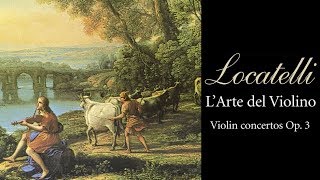
Pietro Locatelli was a fellow countryman and contemporary of Vivaldi’s. He was also both a composer and a virtuoso violinist. During his lifetime and long afterwards his works found their way all over Europe.
Some of his compositions make exceptional demands on the solo violinist. There is testimony of Locatelli playing them himself. But looking at the sheet music one wonders how. Especially the capriccii which the composer inserted in all outer movements of his 12 concertos for solo violin and orchestra opus 3, L’arte del violino.
Such a capriccio - literally “whim” - is a more or less independent, inserted showpiece for the soloist. It needs an interpreter who is not only technically more than capable, but who is able to approach the piece still as music as well. If Locatelli could perform these capriccii they must be playable without alterations or simplifications.
Violinist Mela Tenenbaum - originally from the Ukraine, now resident in the U.S.A. - set herself this very task: She recorded these concertos with several ensembles in a most convincing way proving that there is more to L’arte del violino than meets the ear. This release contains all 12 concertos of Locatelli’s Opus 3.
00:00:00 Concerto No. 1 in D Major: Andante
00:07:42 Concerto No. 1 in D Major: Largo
00:13:41 Concerto No. 1 in D Major: Andante
00:22:45 Concerto No. 2 in C Minor: Andante
00:32:09 Concerto No. 2 in C Minor: Largo
00:36:47 Concerto No. 2 in C Minor: Andante
00:44:03 Concerto No. 3 in F Major: Andante
00:53:27 Concerto No. 3 in F Major: Largo
00:59:34 Concerto No. 3 in F Major: Vivace
01:05:43 Concerto No. 4 in E Major: Largo-andante
01:13:05 Concerto No. 4 in E Major: Largo
01:17:19 Concerto No. 4 in E Major: Andante
01:24:59 Concerto No. 5 in C Major: Largo-andante
01:33:24 Concerto No. 5 in C Major: Adagio
01:35:18 Concerto No. 5 in C Major: Allegro
01:41:29 Concerto No. 6 in G Minor: Largo-andante
01:49:39 Concerto No. 6 in G Minor: Adagio
01:51:51 Concerto No. 6 in G Minor: Vivace
01:56:45 Concerto No. 7 in B-Flat Major: Andante
02:04:27 Concerto No. 7 in B-Flat Major: Largo
02:09:33 Concerto No. 7 in B-Flat Major: Allegro
02:15:51 Concerto No. 8 in E Minor: Andante
02:22:23 Concerto No. 8 in E Minor: Largo
02:26:44 Concerto No. 8 in E Minor: Allegro
02:34:28 Concerto No. 9 in G Major: Allegro
02:42:42 Concerto No. 9 in G Major: Largo
02:46:25 Concerto No. 9 in G Major: Allegro
02:53:14 Concerto No. 10 in F Major: Allegro
02:59:36 Concerto No. 10 in F Major: Largo-andante
03:04:32 Concerto No. 10 in F Major: Andante
03:11:07 Concerto No. 11 in D Major: Allegro
03:17:48 Concerto No. 11 in D Major: Largo
03:21:58 Concerto No. 11 in D Major: Andante
03:28:31 Concerto No. 12 in D Major, “The Labyrinth”: Allegro
03:35:24 Concerto No. 12 in D Major, “The Labyrinth”: Largo
03:38:43 Concerto No. 12 in D Major, “The Labyrinth”: Allegro
Download & Streams (Spotify, iTunes, Amazon Music, Deezer, Google Play and more): https://brilliant-classics.lnk.....to/MozartCompleteSo
More information: https://www.brilliantclassics.....com/articles/m/mozar
Facebook: https://facebook.com/Brilliantclassics
Mozart’s piano sonatas date from 1773 until 1788 – a period in which his style matured at a truly remarkable rate. The earliest sonatas are very much in the galant style of W.F and CPE Bach, and in places Scarlatti’s influence can be detected. However, the late sonatas, such as K457 are full of surprises, and here the influence of Haydn is to the fore – even predicting Beethoven in passages. The years from 1773 to the late 80s saw the rapid development of the piano from a novelty and experimental instrument, to the stage where it’s power and range provided composers with a hitherto undreamed palate of colours and expression. Mozart exploited the new instruments to maximum effect in his concertos and his sonatas.
Composer: Wolfgang Amadeus Mozart
Artist: Klara Würtz (piano)
00:00:00 Piano Sonata No.1 in C, K279: I. Allegro
00:04:56 Piano Sonata No.1 in C, K279: II. Andante
00:10:09 Piano Sonata No.1 in C, K279: III. Allegro
00:13:31 Piano Sonata No.2 in F, K280: I. Allegro assai
00:18:02 Piano Sonata No.2 in F, K280: II. Adagio
00:24:04 Piano Sonata No.2 in F, K280: III. Presto
00:26:59 Piano Sonata No.3 in B flat, K281: I. Allegro
00:33:47 Piano Sonata No.3 in B flat, K281: II. Andante amoroso
00:39:19 Piano Sonata No.3 in B flat, K281: III. Rondeau: Allegro
00:43:56 Piano Sonata No.4 in E flat, K282: I. Adagio
00:50:57 Piano Sonata No.4 in E flat, K282: II. Menuetto
00:55:02 Piano Sonata No.4 in E flat, K282: III. Allegro
00:58:06 Piano Sonata No.5 in G, K283: I. Allegro
01:03:32 Piano Sonata No.5 in G, K283: II. Andante
01:09:14 Piano Sonata No.5 in G, K283: III. Presto
01:13:02 Piano Sonata No.6 in D, K284: I. Allegro
01:18:32 Piano Sonata No.6 in D, K284: II. Rondeau en polonaise: Andante
01:22:38 Piano Sonata No.6 in D, K284: III. Andante (Tema con variazioni)
01:38:15 Piano Sonata No.7 in C, K309: I. Allegro con spirito
01:44:13 Piano Sonata No.7 in C, K309: II. Andante un poco adagio
01:49:21 Piano Sonata No.7 in C, K309: III. Rondeau: Allegretto grazioso
01:55:23 Piano Sonata No.8 in A Minor, K310: I. Allegro maestoso
02:01:24 Piano Sonata No.8 in A Minor, K310: II. Andante cantabile con espressione
02:08:31 Piano Sonata No.8 in A Minor, K310: III. Presto
02:11:14 Piano Sonata No.9 In D, K311: I. Allegro con spirito
02:15:41 Piano Sonata No.9 In D, K311: II. Andante con espressione
02:20:33 Piano Sonata No.9 In D, K311: III. Rondeau: Allegro
02:26:39 Piano Sonata No.10 In C, KV330: I. Allegro moderato
02:33:20 Piano Sonata No.10 In C, KV330: II. Andante cantabile
02:39:53 Piano Sonata No.10 In C, KV330: III. Allegretto
02:45:36 Piano Sonata No.11 In A, K331: I. Andante grazioso
02:58:30 Piano Sonata No.11 In A, K331: II. Menuetto
03:04:25 Piano Sonata No.11 In A, K331: III. Alla Turca: Allegretto
03:07:50 Piano Sonata No.12 in F, K332: I. Allegro
03:14:24 Piano Sonata No.12 in F, K332: II. Adagio
03:19:07 Piano Sonata No.12 in F, K332:III. Allegro assai
03:25:58 Piano Sonata No.13 in B flat, K333: I. Allegro
03:33:20 Piano Sonata No.13 in B flat, K333: II. Andante cantabile
03:38:53 Piano Sonata No.13 in B flat, K333: III. Allegretto grazioso
03:45:30 Piano Sonata No.14 in C Minor, K457: I. Allegro molto
03:50:59 Piano Sonata No.14 in C Minor, K457: II. Adagio
03:58:42 Piano Sonata No.14 in C Minor, K457: III. Allegro assai
04:03:02 Piano Sonata No.15 in F, K533: Allegro
04:10:39 Piano Sonata No.15 in F, K533: Andante
04:17:14 Piano Sonata No.15 in F, K533: Rondeau: Allegretto
04:23:42 Piano Sonata No.16 in C, K545: I. Allegro
04:27:02 Piano Sonata No.16 in C, K545: II. Andante
04:31:12 Piano Sonata No.16 in C, K545: III. Rondo
04:32:58 Piano Sonata No.17 in B flat, K570: I. Allegro
04:38:32 Piano Sonata No.17 in B flat, K570: II. Adagio
04:46:07 Piano Sonata No.17 in B flat, K570: III. Allegretto
04:49:38 Piano Sonata No.18 in D, K576: I. Allegro
04:54:50 Piano Sonata No.18 in D, K576: II. Adagio
05:00:23 Piano Sonata No.18 in D, K576: III. Allegretto
Entra en nuestra web: https://www.bbvaaprendemosjuntos.com/es
Suscríbete a nuestro canal de youtube: https://www.youtube.com/channe....l/UCI6QcXatdaEAaRTRj
Síguenos en Facebook: http://fb.com/aprendemosjuntosBBVA
Síguenos en Twitter: http://twitter.com/aprenderjuntos_
Escucha nuestros podcasts en Spotify: https://open.spotify.com/show/....07rXxtOlzNI0NuB8vpAg
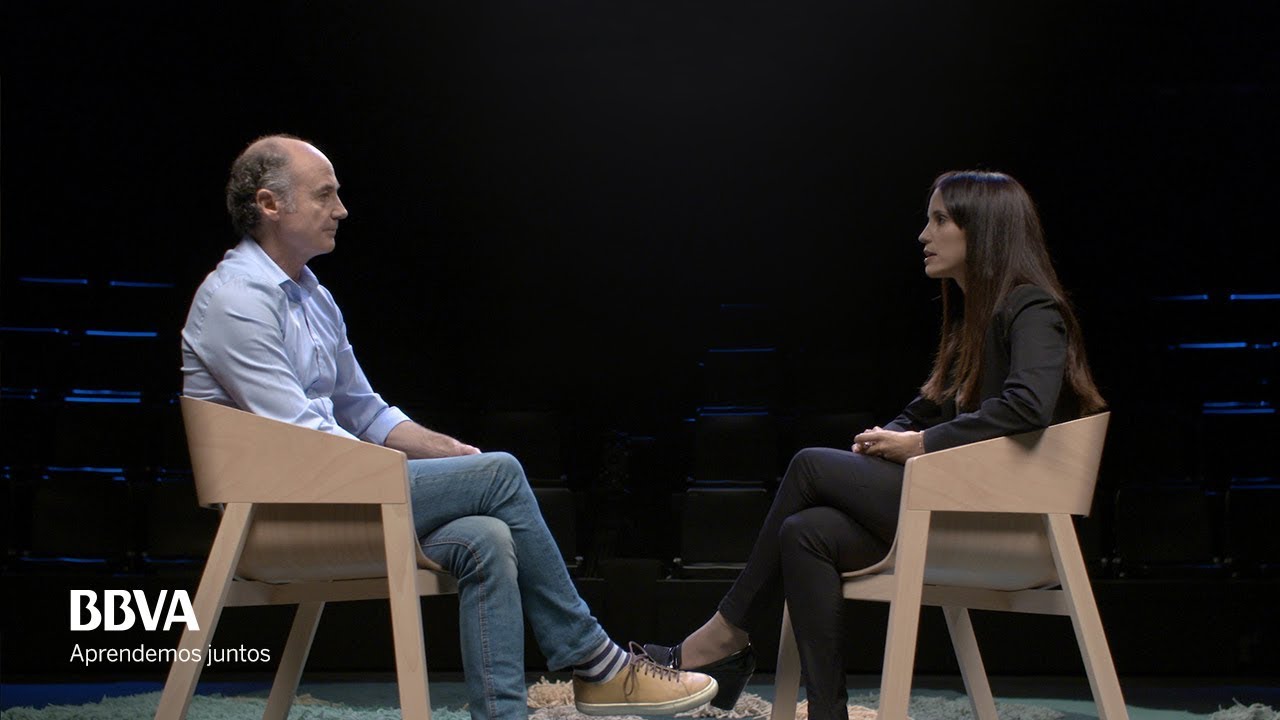
José Antonio Luengo, psicólogo especialista en acoso escolar y ciberacoso, explica en este vídeo cómo combatir este fenómeno y las nuevas formas de violencia a través de las nuevas tecnologías. Asegura que la solución está en la implicación de aquellos que hasta ahora permanecían callados: “Si se levantan voces de defensa de los vulnerables, los violentos quedarán arrinconados”. También analiza de forma crítica los modelos de comportamiento que promueve la sociedad actual, y advierte de que son el referente para las nuevas generaciones.
José Antonio Luengo es Licenciado en Psicología y Experto en Intervención en centros educativos. Durante doce años, desarrolló su actividad profesional en el Defensor del Menor. En la actualidad, forma parte del Equipo para la Prevención del Acoso escolar de la Comunidad de Madrid.
Entra en nuestra web: http://aprendemosjuntos.elpais.com
Suscríbete a nuestro canal de youtube: https://www.youtube.com/channel/UCI6Q...
Síguenos en Facebook: http://fb.com/aprendemosjuntosBBVA
Síguenos en Twitter: http://twitter.com/aprenderjuntos_
Entra en nuestra web: https://www.bbvaaprendemosjuntos.com/es
Suscríbete a nuestro canal de youtube: https://www.youtube.com/channe....l/UCI6QcXatdaEAaRTRj
Síguenos en Facebook: http://fb.com/aprendemosjuntosBBVA
Síguenos en Twitter: http://twitter.com/aprenderjuntos_
Escucha nuestros podcasts en Spotify: https://open.spotify.com/show/....07rXxtOlzNI0NuB8vpAg
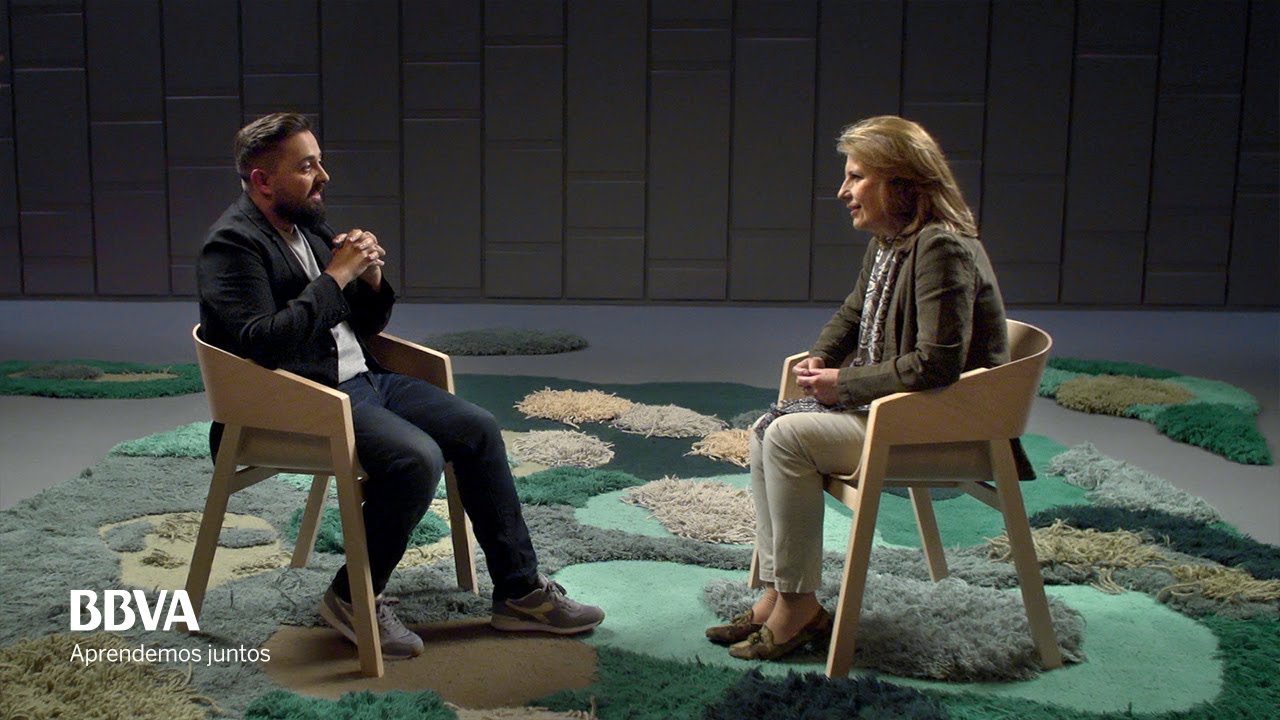
Santiago Moll, el autor del libro 'Empantallados. Cómo convivir con hijos digitales', proporciona en este video algunas pautas, orientaciones y recomendaciones a padres y educadores para que las nuevas tecnologías y el buen uso de dispositivos electrónicos se conviertan en un aliado para el desarrollo de los más jóvenes. Las posibilidades del aprendizaje electrónico, la gestión del tiempo o las técnicas de estudio en esta era de la dispersión de la atención y la infoxicación, son algunos de los temas que Moll trata con espíritu divulgativo.
Profesor de Secundaria durante casi 20 años, Santiago Moll se define como un apasionado de las nuevas tecnologías. Actualmente compagina la docencia y la formación presencial y online con su faceta de bloguero en 'Justifica tu respuesta', un espacio web educativo. Santiago Moll promueve una educación digital efectiva y afectiva para "un mundo seguro e incierto, sí, pero también desafiante y apasionante".
#AprendemosJuntos

Entra en nuestra web: https://www.bbvaaprendemosjuntos.com/es
Suscríbete a nuestro canal de youtube: https://www.youtube.com/channe....l/UCI6QcXatdaEAaRTRj
Síguenos en Facebook: http://fb.com/aprendemosjuntosBBVA
Síguenos en Twitter: http://twitter.com/aprenderjuntos_
Escucha nuestros podcasts en Spotify: https://open.spotify.com/show/....07rXxtOlzNI0NuB8vpAg
¿Cómo pueden ayudarnos las matemáticas en nuestro día a día?, ¿cuál es el poder que nos da las matemáticas?
A través de historias, retos y enigmas, en el siguiente vídeo, Adrián Paenza logra despertar nuestra curiosidad, desafiar nuestra imaginación y contagiarnos su entusiasmo por el conocimiento y el aprendizaje, demostrando que las matemáticas además de muy útiles son tremendamente divertidas.
Doctor en matemáticas y profesor en la Universidad de Buenos Aires durante más de 20 años, Paenza está considerado como uno de los grandes divulgadores matemáticos del mundo, recibiendo, entre otros, el prestigioso premio Leelavati en 2014 otorgado por la Unión Matemática Internacional, por su contribución y labor divulgativa.
Su pasión por ciencia, la política y el deporte le llevó, a compaginar su faceta como matemático con el periodismo. Profesión que ha desarrollado con éxito durante más de cuarenta años en los grandes medios argentinos de prensa, radio y televisión en la que destacaron los populares programas: Científicos Industria Argentina y especialmente Alterados por Pi, programa que se mantuvo en antena durante más de diez años.
Es autor de numerosos libros, entre los que destacan la exitosa serie: Matemática, ¿estás ahí?, Matemagia (2015), Matemáticas para todos (2017) y La puerta equivocada (2018). A través de historias, retos y enigmas, Adrián Paenza logra despertar nuestra curiosidad, desafiar nuestra imaginación y contagiarnos su entusiasmo por el conocimiento y el aprendizaje, demostrando que las matemáticas además de muy útiles son tremendamente divertidas.
#AprendemosJuntos
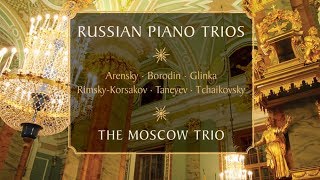
Tracklist below.
Online purchase or streaming (Spotify, iTunes, Amazon Music, Deezer, Google Play): https://brilliant-classics.lnk.....to/RussianPianoTrio
More Information: https://www.brilliantclassics.....com/articles/r/russi
Brilliant Classics Spotify: https://open.spotify.com/user/....brilliantclassics?si
Brilliant Classics Facebook: https://www.facebook.com/brilliantclassics
Composers: Anton Stepanovich Arensky, Alexander Borodin, Nikolai Andreyevich Rimsky-Korsakov, Piotr Ilyich Tchaikovsky, Sergei Ivanovich Taneyev
Artist: The Moscow Trio, Vladimir Ivanov (violin), Mikhail Utkin (cello), Alexander Bonduriansky (piano)
This 3-disc collection showcases Russian piano trios from the mid-nineteenth to early-twentieth centuries. Piano trios were unheard of for Russian composers until Mikhail Glinka wrote one in 1832; it earned the epithet ‘Pathétique’ as it seemed to be a reflection of Glinka’s general sadness at the time of writing, the piece alternating between caustic tension and attempts at light-hearted optimism. A mournful, melancholic influence then became characteristic of the Russian piano trio: Tchaikovsky unknowingly created a tradition when he composed his offering in 1882 – one of his greatest chamber works and which he dedicated to his recently deceased and much-missed friend Nikolay Rubinstein. On several subsequent occasions, piano trios were written as memorials.
The collection also includes the mathematically-governed trio of Sergey Taneyev, who had gained a reputation as a cerebral composer, and the trio of Rimsky-Korsakov, whose mastery of opera and vocal writing can be seen in the final movement as each instrument takes on its own ‘voice’ and emotion – thus resembling an interaction between characters. Alexander Borodin used the Classical model for his trio, although it contains surprising chromaticism as well as dramatic changes of temperament, including the tragic hymn in the second movement. Anton Arensky’s take on the genre completes the collection.
The Moscow Piano Trio was formed in 1976 and has achieved huge success in international competitions, notably winning the Maurice Ravel Gold Medal at the Bordeaux ‘Mai Musical’. The trio is comprised of pianist Alexander Bonduriansky, violinist Vladimir Ivanov and cellist Mikhail Utkin.
00:00:00 Piano Trio in A Minor, Op. 50: I. Pezzo elegiaco
00:22:40 Piano Trio in A Minor, Op. 50: IIa. Tema con variazione: Andante con moto
00:43:05 Piano Trio in A Minor, Op. 50: IIb. Variazione finale e coda
00:55:52 Trio pathétique in D Minor: I. Allegro moderato
01:01:08 Trio pathétique in D Minor: II. Scherzo: Vivacissimo
01:04:40 Trio pathétique in D Minor: III. Largo
01:09:42 Trio pathétique in D Minor: IV. Allegro con spirito
01:11:53 Piano Trio No. 1 in D Minor, Op. 32: I. Allegro moderato
01:25:18 Piano Trio No. 1 in D Minor, Op. 32: II. Scherzo: Allegro molto
01:31:27 Piano Trio No. 1 in D Minor, Op. 32: III. Élégie: Adagio
01:38:14 Piano Trio No. 1 in D Minor, Op. 32: IV. Finale: Allegro non troppo
01:44:53 Piano Trio in D Major, Op. 22: I. Allegro
01:57:07 Piano Trio in D Major, Op. 22: II. Allegro molto
02:09:29 Piano Trio in D Major, Op. 22: III. Andante espressivo
02:16:06 Piano Trio in D Major, Op. 22: IV. Finale
02:27:23 Piano Trio in C Minor: I. Allegro assai
02:42:48 Piano Trio in C Minor: II. Allegro
02:47:30 Piano Trio in C Minor: III. Adagio
02:56:54 Piano Trio in C Minor: IV. Allegro assai
03:12:25 Piano Trio in D Major (Unfinished): I. Allegro con brio
03:18:44 Piano Trio in D Major (Unfinished): II. Romance: Andante
03:26:29 Piano Trio in D Major (Unfinished): III. Intermezzo: Tempo di minuetto

RECUENTO PARTICIPACION DE ALFAREROS CONCIERTO HOSANNA 2008
COLEGIO DON BOSCO 26 OCTUBRE
Online purchase or streaming (Spotify, iTunes, Amazon Music, Deezer, Tidal, Google Play):
https://brilliant-classics.lnk.to/AChoralChristmas
Spotify Playlists:
Brilliant Classics Spotify: https://brilliant-classics.lnk.to/Spotify
The best of Liszt: https://brilliant-classics.lnk.to/Playliszt
The best of Bach: https://brilliant-classics.lnk.....to/BestOfBachPlayli
Most popular piano music: https://brilliant-classics.lnk.to/MostPopularPiano
Beautiful classical Music: https://brilliant-classics.lnk.....to/BeautifulClassic
Classical music for dinnertime: https://brilliant-classics.lnk.....to/ClassicalMusicfo
Composer & Artist: Various
About this Album:
A selection of beautifull classical pieces, traditional Christmas music and beautiful Christmas carols to help you get in the holiday spirit! Enjoy
Tracklist:
00:00:00 Once in royals David’s city
00:04:41 Christmas Oratorio, BWV 248, PT1 ; I. Chorus. Jauchzet. Frohlocket!(Chorus)
00:12:42 Messiah, HWV 56, Pt 1:IV., And the glory of the lord shall be revealed
00:15:34 Messiah. HWV 56, Pt 1: XII. For unto us a child is born
00:19:38 Messiah. HWV 56, Pt 1: XVII. Glory to god in the highest
00:21:31 Rejoice and be Merry
00:23:01 Christmas Oratorio, bwv 248, Pt. 3: XIII. Chorus, da capo. Herrscher des himmels
00:25:24 Messiah, HWV 56, Pt 2: XXVI. All we like sheep have gone Astray
00:29:08 Messiah, HWV 56, Pt 3: LIII. Worthy is the Lamb…Amen
00:35:57 Ding Dong , Merrily on high
00:38:05 Christmas oratorio, BWV 248, Pt. 4: I Chorus. Fallt mit danken, Fallt mit loben (Chorus)
00:43:44 What sweeter music
00:48:03 Christmas Oratorio, BWV 248, Pt. 5: I. Chorus. Ehre sei dir, Gott, gesungen (Chorus)
00:55:04 O Little Town of Bethlehem
00:58:44 A Spotless Rose
01:03:01 King Jesus Hath a Garden
01:06:09 The Lamb
01:11:37 Bogoróditse Dyévo
01:12:16 Infant Holy, Infant Lowly
01:15:42 Dazu ist erschienen der Sohn Gottes, BWV 40 for the Second Day of Christmas: I. Coro. Dazu
01:21:06 Nun komm der Heiden Heiland, BWV 62 for the First Sunday of Advent: I. Coro. Nun Komm, der Heiden Heilan
01:24:36 Gelobet Seist Du, Jesu Christ, BWV 91: VI. Choral (Coro). Das hat er alles uns getan
01:28:35 Preise, Jerusalem, den Herrn, BWV 119: I. Coro. Preise, Jerusalem, den Herrn
01:30:11 Ich freue mich in dir, BWV 133: I. Coro. Ich freue mich in dir
01:31:59 While Shepherds Watched
01:34:41 Quittez, Pasteurs
01:37:52 In Dulci Jubilo
01:41:30 The First Nowell
01:45:54 Coventry Carol
#Christmasmusic #Choralmusic #Choral #Classical #Classicalmusic #Christmas
(22 Aug 2016) LEAD IN:
A unique traditional cosmic ritual has taken place on a wide plateau of Bulgaria's blustery Rila Mountain.
The White Brotherhood was founded in the late 19th century and, according to the teachings of its founder, mid-August marks the beginning of the New Year.
STORY-LINE:
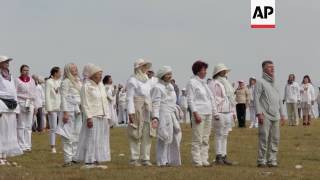
On the windy surfaces of Bulgaria's Rila Mountain, followers of the White Brotherhood gather for a unique, annual cosmic ritual.
According to the teachings of Petar Danov, the founder of the brotherhood, the 19 August marks the beginning of the New Year.
That leads these followers to converge on this wide mountain plateau, around 2,100 metres (6,900 feet) above sea level.
Through a mixture of rhythmic meditation exercises and spiritual songs, they celebrate the passing of the summer season and the beginning of a new year.
The highlight of the day is this so-called "paneurhythmy" dance, a ritual which sees thousands of pilgrims form large concentric circles.
It's intended to symbolise the movement of the stars and planets.
In groups of two, performers move in circles, following the rhythm of the music.
One participant, 45-year-old professional dance instructor Nantika Verkooijen Lopez from Peru, is attending the "paneurhythmy" for the first time.
Having performed the dance in her native country for years, she's delighted to finally take part in Bulgaria.
"Well, this is a cosmic celebration for me. It's (the) first time I'm here and I danced the Paneurytmya already for five years in Peru. I teach the Paneurythmya in Peru," says Nantika.
"It is a very precious dance. It's a light dance and it means a lot for the world, for the humanity, for the new world. So, for me it is a combination of meditation and dance and happiness and singing and altogether it's marvellous."
Sometimes - such as this year - followers can face unpleasant weather at these altitudes, but they must ignore the sweeping wind and rain to complete the ritual.
Followers believe mountains are a symbol of the divine world, and Rila Mountain in southern Bulgaria is said to energise worshippers with spiritual powers.
White Brotherhood followers place a heavy emphasis on brotherly love, a healthy diet and living in harmony with nature.
"Happy Holidays to everyone. Today we celebrate the new divine year," says Angela Angelova, a German language teacher and Paneurhythmy instructor.
"We celebrate it with this wonderful divine dance of light - Paneurhythmy. Paneurhythmy is sacred.
"In the circle of Paneurhythmy we step in with a sacred awe, because we know that Paneurhythmy means higher cosmic rhythm.
"Playing Paneurhythmy helps us to enter into harmony with that supreme cosmic rhythm and becoming fellow workers, God's servants and workers of light."
The "paneurhythmy" - which means universal cosmic rhythm - lasts for around one hour and takes place at sun rise.
Music is played on various instruments, but priority is given to the violin.
"We play Paneurhythmy here, this is a sacred dance, a meditation in a motion," explains a 65-year-old musician, Petar Ganev.
"You can see it here, the way we formed concentric circles, symbolising the Sun. Our aim is to reach to the cosmic rhythm of our Solar system."
Now over 100-years-old, the White Brotherhood movement has survived challenging times. It was banned under Bulgaria's communist regime.
You can license this story through AP Archive: http://www.aparchive.com/metad....ata/youtube/5869c292
Find out more about AP Archive: http://www.aparchive.com/HowWeWork
Provided to YouTube by Nonesuch
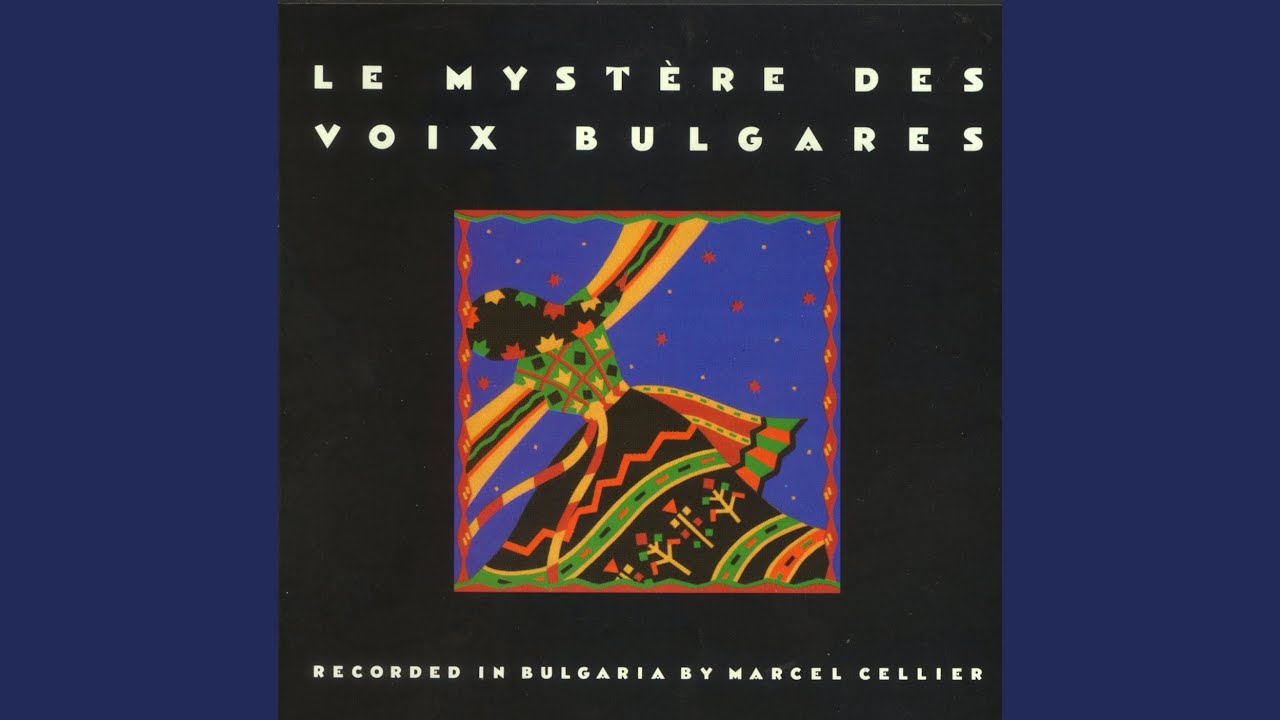
Messetschinko lio Gre_livko (Love Song from the Mountains) · Bulgarian State Television Female Choir
Le Mystere Des Voix Bulgares
℗ 1987 Nonesuch Records
Vocals: Bulgarian State Radio and Television Female Choir
Producer: Marcel Cellier
Auto-generated by YouTube.
![The Mystery Of The Bulgarian Voices [Video Trailer/EPK]](https://i.ytimg.com/vi/UlONQcQNatE/mqdefault.jpg)
More info: http://en.prophecy.de/news-oxi....d/prophecy-productio
purchase:
World: http://en.prophecy.de/artists/....the-mystery-of-the-b
USA/CAN: http://us.prophecy.de/artists/....the-mystery-of-the-b
Video edited by Costin Chioreanu - www.twilight13media.com
https://www.facebook.com/lemysteredesvoixbulgares/
https://www.facebook.com/prophecyproductions
Pre-order Enya's new album Dark Sky Island, out Nov. 20, 2015.
iTunes: http://bit.ly/darkskyityt
Amazon: http://bit.ly/darkskyazyt
© 2006 WMG
On My Way Home (video)

Provided to YouTube by CDBaby
Siromasi, Blago Vam · Zbor Taizé - Mostar
Tvoja Riječ Je Svjetlo: Pjesme Iz Taizéa
℗ 2019 Akademski Zbor Pro Musica
Released on: 2019-08-16
Auto-generated by YouTube.

Music: Jacques Berthier
Text / solos: Liturgy
Veni Sancte Spiritus
Taizé - Evening prayer on 5 July 2014

This album comes from the French Harpsichord Music box-set, containing the first 7 CD's out of 29.
Download & Streams:https://brilliant-classics.lnk.....to/FrenchHarpsichor
Physical sale:https://www.brilliantclassics.....com/articles/f/frenc
Follow our newest Classical Piano Playlist on Spotify: https://brilliant-classics.lnk.....to/ClassicalPianoPl
Follow Brilliant classics on Facebook: https://www.facebook.com/brilliantclassics
Composer: Jacques Champion de Chambonnières, Jean-Henry d’Anglebert, Gaspard Le Roux
Artists: Pieter-Jan Belder (harpsichord), Michael Borgstede (harpsichord), Yago Mahúgo (harpsichord), Francesco Cera (harpsichord), Franz Silvestri (harpsichord)
Brilliant Classics is proud to have released a number of harpsichord music of the highest quality over the past few years. This collection brings these works together, as well as never before published recordings, allowing the listener to soak up the sounds of 17th- and 18th-century France in its most intimate, domestic setting.
The release starts with Jean Henri d’Anglebert, featuring four of his extensive suites. Each begins with a precisely notated prelude, followed by various dance movements of lively gigues and slow sarabandes. Anglebert’s complex ornamentation system was so admired that it would later be copied by J.S. Bach. Francesco Cera, described as ‘one of the most promising talents in Italy’, performs the works. Jacques Champion de Chambonnières comes next; known as the ‘founding father’ of the French harpsichord tradition, he worked in the courts of both Louis XIII and XIV as a dancer and musician. Franz Silvestri plays on a modern-day harpsichord after Vaudry, Chambonnières’ suites reflect the regal French court at its peak. Pieter-Jan Belder, whose recordings span keyboard music from across Europe during this period, chooses to put the spotlight on Le Roux, a shadowy figure about whom not much is known. He has left us with a beguiling set of harpsichord suites, unusually printed twice: once for one harpsichord and one as an alternative setting for two harpsichords.
Tracklist can be found in the comment section!

Taizé Roma - Prayer with Pope Benedict XVI - Our Father
Taizé - Un Pellegrinaggio di Fiducia a Roma
Preghiera presieduta dal Santo Padre Benedetto XVI
Piazza San Pietro, 29 dicembre 2012
Taizé - Pilgrimage of Trust in Rome
Prayer presided by Holy Father Benedict XVI
St Peter's square, 29 December 2012
La communauté de Taizé - Rencontre européenne à Rome
La Comunità di Taizé - Incontro europeo di Roma
The Taizé Community - European Meeting in Rome
Die Communauté de Taizé - Europäisches Jugendtreffen in Rom
La comunidad de Taizé - Encuentro en Roma
Zajednica iz Taizéa - Europski susret mladih u Rimu
Wspólnota z Taizé - Spotkanie w Rzymie
A Comunidade de Taizé - Encontro Europeu de Roma