Top Vídeos

Suscríbete ► http://bit.ly/SuscribeteElReinoInfantil
Síguenos/Follow us:
Facebook ► https://www.facebook.com/ElReinoInfantil
Instagram► https://www.instagram.com/reino_infantil/
Twitter ► https://twitter.com/Reino_Infantil
La serie animada “Papelitos” les contará a los espectadores sobre las aventuras de unos personajes de papel: Un alce llamado Aristóteles y un pájaro carpintero llamado Tuc -Tuc.
Cada capítulo es una divertida aventura que se desarrolla alrededor de una nueva manualidad de papel. En el capítulo de hoy nuestros amigos tendrán que averiguar cómo funciona un teléfono y llegar a felicitar por su nacimiento a los polluelos de la paloma Paola a tiempo.
El proyecto “Papelitos” es una divertida y didáctica alternativa en lugar de pasar tiempo con la computadora.
¿Quieres más videos? ¡Mirá esta divertida playlist de Papelitos!
►http://bit.ly/PlaylistMaderitasYPapelitos
¡Encuentra todos nuestros productos exclusivos aquí!
►http://bit.ly/ElReinoInfantilWEB
Feliz nacimiento, ¡Pichones! - Papelitos | El Reino Infantil

Suscríbete ► http://bit.ly/SuscribeteElReinoInfantil
Síguenos/Follow us:
Facebook ► https://www.facebook.com/ElReinoInfantil
Instagram► https://www.instagram.com/reino_infantil/
Twitter ► https://twitter.com/Reino_Infantil
¡Encuentra todos nuestros productos exclusivos aquí!
►http://bit.ly/ElReinoInfantilWEB
Michi-guau - Mix Enganchado | El Reino Infantil

Suscríbete ► http://bit.ly/SuscribeteElReinoInfantil
Síguenos/Follow us:
Facebook ► https://www.facebook.com/ElReinoInfantil
Instagram► https://www.instagram.com/reino_infantil/
Twitter ► https://twitter.com/Reino_Infantil
¿Quieres más videos de Bubu y La Lechucitas? ¡Escucha esta divertida playlist!
►http://bit.ly/BubuyLasLechucitas
¡Encuentra todos nuestros productos exclusivos aquí!
►http://bit.ly/ElReinoInfantilWEB
La tortuga, el caimán, el lagarto, el cocodrilo... todos ellos son reptiles. Bubu y las Lechucitas cantan sobre esos animales y sus curiosidades.
¡Reptíles! - Bubu y Las Lechucitas | El Reino Infantil

Suscríbete ► http://bit.ly/SuscribeteElReinoInfantil
Síguenos/Follow us:
Facebook ► https://www.facebook.com/ElReinoInfantil
Instagram► https://www.instagram.com/reino_infantil/
Twitter ► https://twitter.com/Reino_Infantil
¡Encuentra todos nuestros productos exclusivos aquí!
►http://bit.ly/ElReinoInfantilWEB

Suscríbete ► http://bit.ly/SuscribeteElReinoInfantil
Síguenos/Follow us:
Facebook ► https://www.facebook.com/ElReinoInfantil
Instagram► https://www.instagram.com/reino_infantil/
Twitter ► https://twitter.com/Reino_Infantil
¿Quieres más videos? ¡Escucha esta divertida playlist de Dino Aventuras!
►http://bit.ly/Dinoaventuras
¡Encuentra todos nuestros productos exclusivos aquí!
►http://bit.ly/ElReinoInfantilWEB
¡Dino tiene un secreto! Kika, Lip y Cacau son muy, muy curiosos y harán todo lo posible por descubrirlo. ¿Cuál será el secreto de Dino?
El Secreto - Dino Aventuras | El Reino Infantil

Suscríbete ► http://bit.ly/SuscribeteElReinoInfantil
Síguenos/Follow us:
Facebook ► https://www.facebook.com/ElReinoInfantil
Instagram► https://www.instagram.com/reino_infantil/
Twitter ► https://twitter.com/Reino_Infantil
¡Encuentra todos nuestros productos exclusivos aquí!
►http://bit.ly/ElReinoInfantilWEB

Suscríbete ► http://bit.ly/SuscribeteElReinoInfantil
Síguenos/Follow us:
Facebook ► https://www.facebook.com/ElReinoInfantil
Instagram► https://www.instagram.com/reino_infantil/
Twitter ► https://twitter.com/Reino_Infantil
¿Quieres más videos? ¡Escucha esta divertida playlist!
►http://bit.ly/ElReinoInfantilPlaylist
¡Encuentra todos nuestros productos exclusivos aquí!
►http://bit.ly/ElReinoInfantilWEB
El Hormigo Momo y Más Canciones Infantiles | El Reino Infantil
►TRACKLIST
El Hormigo Momo
Ronda Redonda
Medio Peso
Soy una taza
Tomaditos en parejas
El Twist de los Ratoncitos
Allá En El Campo
Ronda Alrededor de las Flores
La Mancha Loca - Las Canciones del Zoo 4
Con la A A A
Soy un Osito
Súbete al Tren de la Alegría

Suscríbete ► http://bit.ly/SuscribeteElReinoInfantil
Síguenos/Follow us:
Facebook ► https://www.facebook.com/ElReinoInfantil
Instagram► https://www.instagram.com/reino_infantil/
Twitter ► https://twitter.com/Reino_Infantil
¡Encuentra todos nuestros productos exclusivos aquí!
►http://bit.ly/ElReinoInfantilWEB


Suscríbete ► http://bit.ly/SuscribeteElReinoInfantil
Síguenos/Follow us:
Facebook ► https://www.facebook.com/ElReinoInfantil
Instagram► https://www.instagram.com/reino_infantil/
Twitter ► https://twitter.com/Reino_Infantil
¿Quieres más videos? ¡Escucha esta divertida playlist!
►http://bit.ly/ElReinoInfantilPlaylist
¡Encuentra todos nuestros productos exclusivos aquí!
►http://bit.ly/ElReinoInfantilWEB
Medio Peso y Más Canciones Infantiles | El Reino Infantil

Suscríbete ► http://bit.ly/SuscribeteElReinoInfantil
Síguenos/Follow us:
Facebook ► https://www.facebook.com/ElReinoInfantil
Instagram► https://www.instagram.com/reino_infantil/
Twitter ► https://twitter.com/Reino_Infantil
¿Quieres más videos? ¡Escucha esta divertida playlist de canciones del Reino Infantil!
►http://bit.ly/ElReinoInfantilPlaylist
¡Encuentra todos nuestros productos exclusivos aquí!
►http://bit.ly/ElReinoInfantilWEB
Las Manos Hacia Arriba y más Canciones Infantiles | El Reino Infantil
►TRACKLIST
Las Manos Hacia Arriba
Soy Una Taza
A Ver A ver
Medio Peso
El Hormigo Momo
El Oso Iván
Ronda Redonda
Súbete al Tren de la Alegría
Con la A A A
El Reino Infantil
El Gato Tom
El Mono Chulo

Suscríbete ► http://bit.ly/SuscribeteElReinoInfantil
Síguenos/Follow us:
Facebook ► https://www.facebook.com/ElReinoInfantil
Instagram► https://www.instagram.com/reino_infantil/
Twitter ► https://twitter.com/Reino_Infantil
¡Encuentra todos nuestros productos exclusivos aquí!
►http://bit.ly/ElReinoInfantilWEB
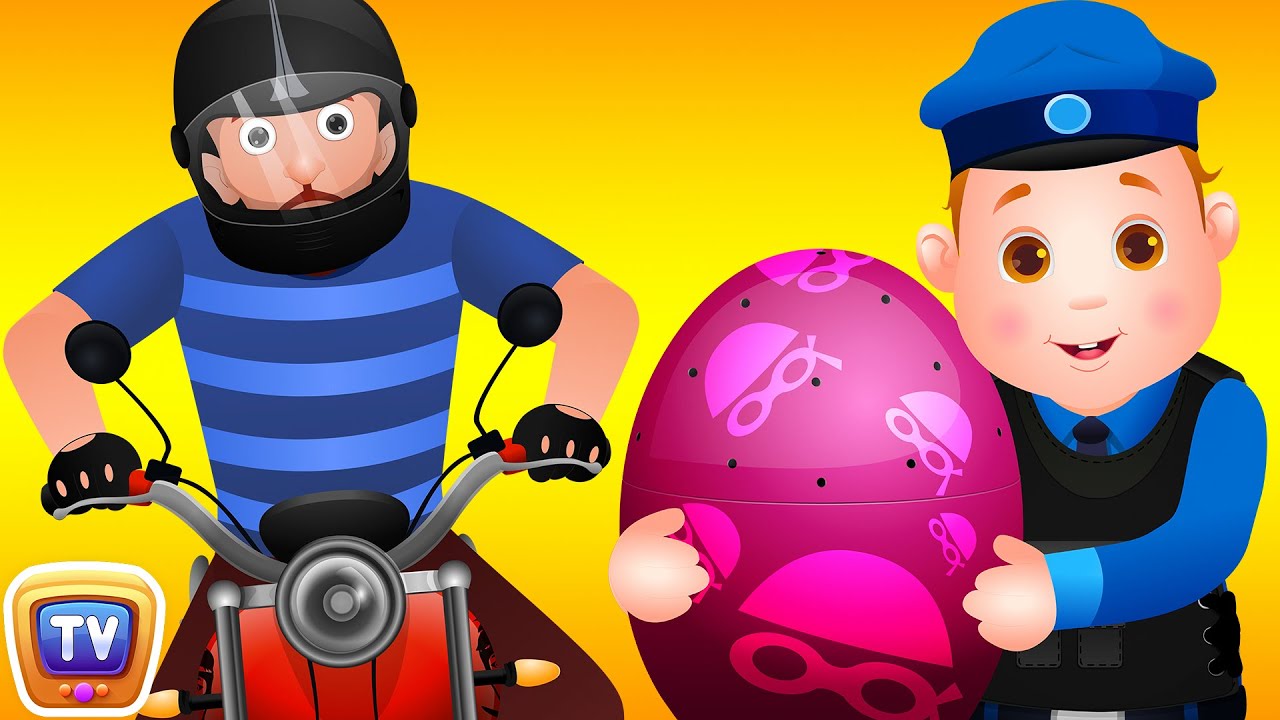
ChuChu TV Police Chase Thief in Police Helicopter & Save Kids Pet Animals hidden in Giant Surprise Eggs by the thieves in motorcycle. The families & kids thank ChuChu TV Police for saving their pets.

Surprise Eggs Learning Space - Planets Of The Solar System – Sun, Moon, Earth & Stars - ChuChu TV
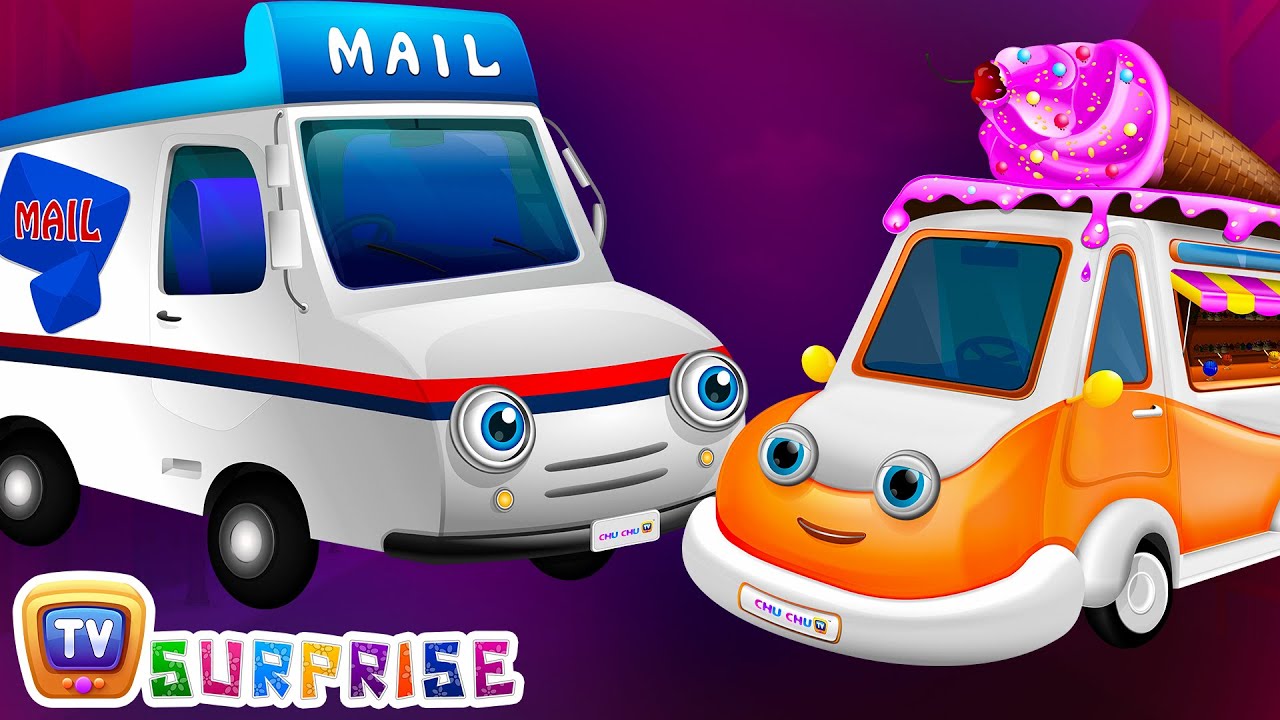
ChuChu TV Surprise eggs toy unboxing for learning UTILITY Vehicles. Make your kids learn different types of UTILITY vehicles like ice cream van, garbage truck and more...
Subscribe to ChuChu TV Surprise Channel for more upcoming Surprise Eggs Learning Fun
https://www.youtube.com/channe....l/UCKcQ7Jo2VAGHiPMfD
ChuChu TV Police Chase Thief in Police Car Save Huge Birthday Egg Surprise Toys Gifts for Twin Kids
https://www.youtube.com/watch?v=WxJuZ5g_ZaA
Surprise Eggs Wildlife Toys | Learn Wild Animals & Animal Sounds - https://www.youtube.com/watch?v=rKk9uJqi4hY
Magical Surprise Eggs Ball Pit Show For Kids | Learn Colours & Shapes
https://www.youtube.com/watch?v=JXkTKnwCdMw
Chuchu TV Surprise Eggs Street Vehicles For Kids | Baby Vehicles, Public Transport Vehicles, Utility Vehicles & more
https://www.youtube.com/watch?v=XIf--aDHmpc
Chuchu TV Surprise Eggs Toys for kids to Learn Fruits & Vegetables
https://www.youtube.com/watch?v=eITDZ2AYCck
Chuchu TV Surprise Eggs Toys for Learning Numbers - Learn To Count 1 to 10
https://www.youtube.com/watch?v=DwvZJfF-Psw
Learn Baby Wild Animals & Animal Sounds | Chuchu TV Surprise for Kids
https://www.youtube.com/watch?v=aegTfHA1e48
Learn Baby Farm Animals & Animal Sounds | Chuchu TV Kids Surprise
https://www.youtube.com/watch?v=7FJBI5GUkaA
Learn Colours with Surprise Nesting Eggs Nursery Rhymes Toys - Chuchu TV Field Trip!
https://www.youtube.com/watch?v=OiTK24q5uD4
Christmas Surprise Eggs | Christmas Gifts & Decorations
https://www.youtube.com/watch?v=7vWHj_raLIg
Surprise Eggs Farm Animals Toys | Learn Farm Animals & Animal Sounds
https://www.youtube.com/watch?v=6RSpB3Glu_Q
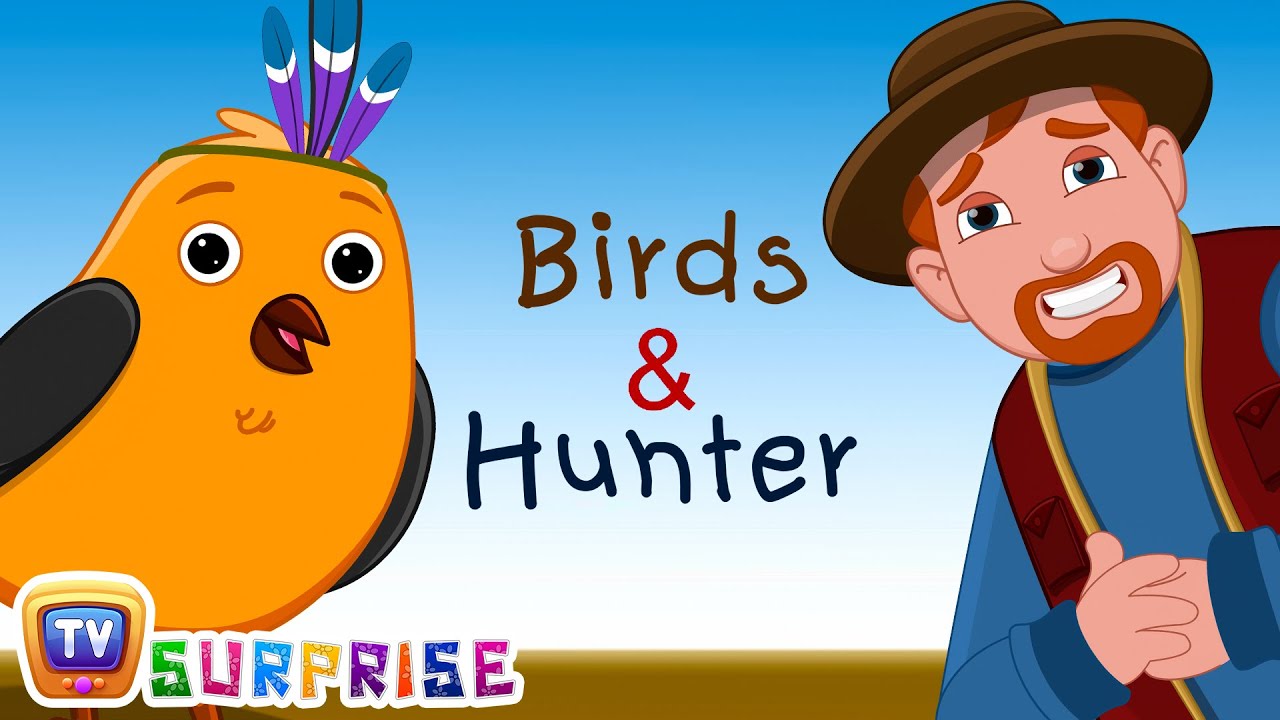
Here comes an inspirational bed time story for your children which explains the universal moral "Unity is Strength". Enjoy telling this story to your kid during bedtime.
Subscribe to ChuChu TV Surprise Channel for more upcoming Surprise Eggs Learning Fun
https://www.youtube.com/channe....l/UCKcQ7Jo2VAGHiPMfD
Surprise Eggs Wildlife Toys | Learn Wild Animals & Animal Sounds - https://www.youtube.com/watch?v=rKk9uJqi4hY
Magical Surprise Eggs Ball Pit Show For Kids | Learn Colours & Shapes
https://www.youtube.com/watch?v=JXkTKnwCdMw
Chuchu TV Surprise Eggs Street Vehicles For Kids | Baby Vehicles, Public Transport Vehicles, Utility Vehicles & more
https://www.youtube.com/watch?v=XIf--aDHmpc
Chuchu TV Surprise Eggs Toys for kids to Learn Fruits & Vegetables
https://www.youtube.com/watch?v=eITDZ2AYCck
Chuchu TV Surprise Eggs Toys for Learning Numbers - Learn To Count 1 to 10
https://www.youtube.com/watch?v=DwvZJfF-Psw
Learn Baby Wild Animals & Animal Sounds | Chuchu TV Surprise for Kids
https://www.youtube.com/watch?v=aegTfHA1e48
Learn Baby Farm Animals & Animal Sounds | Chuchu TV Kids Surprise
https://www.youtube.com/watch?v=7FJBI5GUkaA
Learn Colours with Surprise Nesting Eggs Nursery Rhymes Toys - Chuchu TV Field Trip!
https://www.youtube.com/watch?v=OiTK24q5uD4
Christmas Surprise Eggs | Christmas Gifts & Decorations
https://www.youtube.com/watch?v=7vWHj_raLIg
Surprise Eggs Farm Animals Toys | Learn Farm Animals & Animal Sounds
https://www.youtube.com/watch?v=6RSpB3Glu_Q

ChuChu TV Surprise Eggs Toys - Learn Fruits with Watermelon Song - Learn Colours and Objects

Learn Sizes & Farm Animals for Kids | ChuChu TV Surprise Eggs
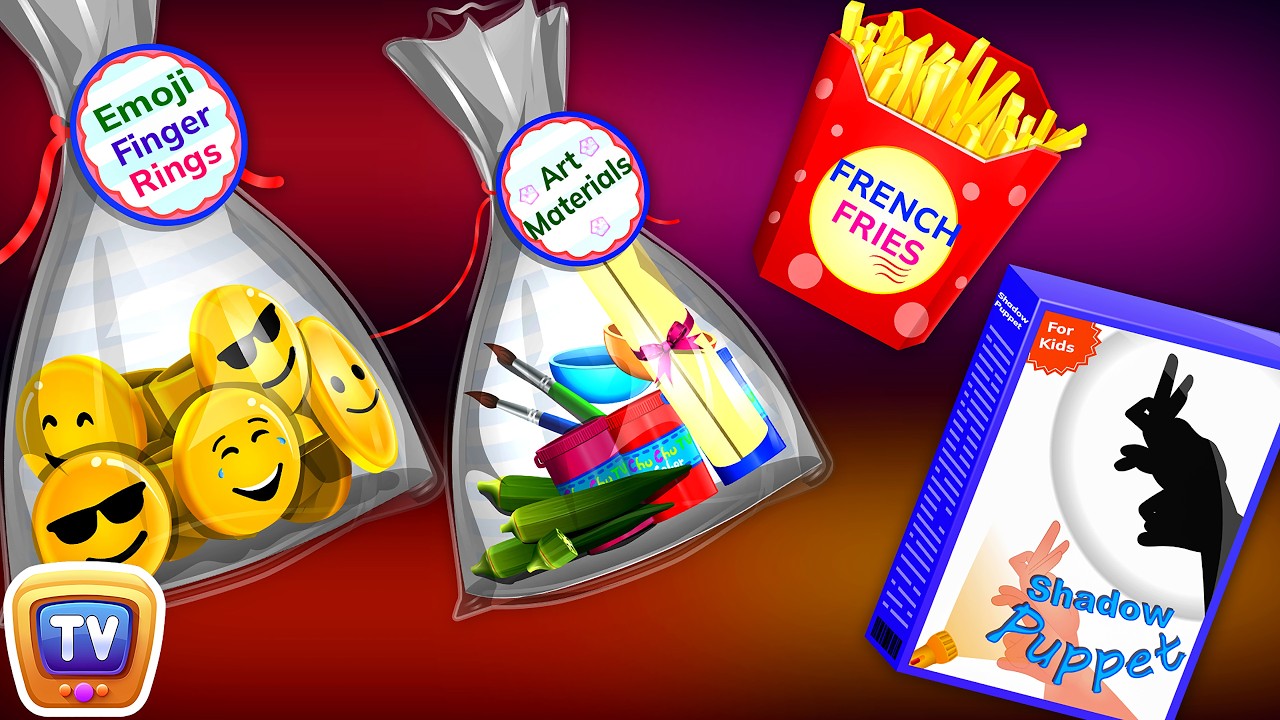
Kids Learn New Gift Objects with Egg Finger Family Song - ChuChu TV Surprise Eggs Learning Videos

Surprise Eggs Nursery Rhymes Toys | Hickory Dickory Dock | Learn Colours | ChuChu TV