Top Vídeos

Suscríbete al canal: http://smarturl.it/RomeReportsESP
Visita nuestra web: http://www.romereports.com/es
Suscríbete a nuestra newsletter: http://bit.ly/1RLUQBz
Síguenos en Facebook https://www.facebook.com/RomeReportsESP
Insistió en que las parroquias deben ser lugares de oración y no mercados.
---------------------
Para difusión del vídeo: sales@romereports.com
ROME REPORTS es una Agencia de Noticias para TV, internacional e independiente, especializada en la actividad del Papa, la vida del Vaticano y los debates de actualidad sobre temas sociales, culturales o religiosos. Informar sobre la Iglesia Católica requiere cercanía a las fuentes, conocimiento en profundidad de la Institución, y elevados niveles de creatividad y competencia técnica.
ROME REPORTS informa directamente al público y cubre las necesidades de las emisoras mediante noticias diarias, programas informativos semanales y documentales especializados.
---------------------
Visítanos en...
Nuestra WEB http://es.romereports.com/
FACEBOOK https://www.facebook.com/RomeReportsESP
TWITTER https://twitter.com/romereports

".... donde a Dios se le paso la mano."
Visite http://kiskeya.life para mas vídeos y artículos en Ingles y Español sobre Quisqueya!
¡Duda, investiga y aprende!
Patreon: https://www.patreon.com/user?u=877947
Instagram: http://instagram.com/kiskeya.life/
Facebook: http://facebook.com/kiskeyalife
Twitter: http://twitter.com/aleccorday
Las cámaras y equipo nuestro:
http://amzn.to/1VD2vSJ
#lagunadeoviedo #kiskeyalife
------------------------------------------------
Créditos:
Escrito, dirigido y producido por Alec Corday
http://www.aleccorday.com
Productor Ejecutivo Lola Mendez
http://instagram.com/uh.lola
http://instagram.com/lolamendezphotography
http://www.uhlola.com
http://www.lolamendezphotography.com
Tema musical principal por SENNA
https://sennamusic.bandcamp.com/

"La historia del velero más lujoso y romántico del mundo."
Para reservaciones en oferta especial:
https://www.seacloud.com/en/cr....uises/special-offers
Para ver el velero en 360 grados:
http://seacloud.com/en/yachts/virtual-tours/
Visite http://kiskeya.life para mas vídeos y artículos en Inglés y Español sobre Quisqueya!
¡Duda, investiga y aprende!
Patreon: https://www.patreon.com/user?u=877947
Instagram: http://instagram.com/kiskeya.life/
Facebook: http://facebook.com/kiskeyalife
Twitter: http://twitter.com/aleccorday
Las cámaras y equipo nuestro:
http://amzn.to/1VD2vSJ
#rubirosa #kiskeyalife
------------------------------------------------
Créditos:
Escrito, dirigido y producido por Alec Corday
http://www.aleccorday.com
Productor Ejecutivo Lola Mendez
http://instagram.com/uh.lola
http://instagram.com/lolamendezphotography
http://www.uhlola.com
http://www.lolamendezphotography.com
Tema musical principal por SENNA
https://sennamusic.bandcamp.com/

"Un problema pato-lógico.. ;-)"
Visite http://kiskeya.life para mas vídeos y artículos en Ingles y Español sobre Quisqueya!
¡Duda, investiga y aprende!
Patreon: https://www.patreon.com/user?u=877947
Instagram: http://instagram.com/kiskeya.life/
Facebook: http://facebook.com/kiskeyalife
Twitter: http://twitter.com/aleccorday
Las cámaras y equipo nuestro:
http://amzn.to/1VD2vSJ
#lospatos #kiskeyalife
------------------------------------------------
Créditos:
Escrito, dirigido y producido por Alec Corday
http://www.aleccorday.com
Productor Ejecutivo Lola Mendez
http://instagram.com/uh.lola
http://instagram.com/lolamendezphotography
http://www.uhlola.com
http://www.lolamendezphotography.com
Tema musical principal por SENNA
https://sennamusic.bandcamp.com/

"...murieron del hambre por mal humor."
Visite la pagina http://kiskeya.life/escorbuto para una lista de fuentes de este episodio.
Visite http://kiskeya.life para mas vídeos y artículos en Ingles y Español sobre Quisqueya!
¡Duda, investiga y aprende!
Patreon: https://www.patreon.com/user?u=877947
Instagram: http://instagram.com/kiskeya.life/
Facebook: http://facebook.com/kiskeyalife
Twitter: http://twitter.com/aleccorday
Las cameras y equipo nuestro:
http://amzn.to/1VD2vSJ
------------------------------------------------
Créditos:
Escrito, dirigido y producido por Alec Corday
http://www.aleccorday.com
Productor Ejecutivo Lola Mendez
http://www.uhlola.com
Tema musical principal por SENNA
http://sennamusic.tumblr.com/
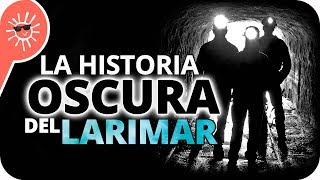
"...su precio no refleja los sacrificios..."
Visite http://kiskeya.life para mas vídeos y artículos en Ingles y Español sobre Quisqueya!
¡Duda, investiga y aprende!
Patreon: https://www.patreon.com/user?u=877947
Instagram: http://instagram.com/kiskeya.life/
Facebook: http://facebook.com/kiskeyalife
Twitter: http://twitter.com/aleccorday
Las cámaras y equipo nuestro:
http://amzn.to/1VD2vSJ
#larimar #mineria #kiskeyalife
------------------------------------------------
Créditos:
Escrito, dirigido y producido por Alec Corday
http://www.aleccorday.com
Productor Ejecutivo Lola Mendez
http://instagram.com/uh.lola
http://instagram.com/lolamendezphotography
http://www.uhlola.com
http://www.lolamendezphotography.com
Tema musical principal por SENNA
https://sennamusic.bandcamp.com/

"It's a biblical prophesy!"
Visit http://kiskeya.life For more videos and articles about the Kiskeya island, also known as the Dominican Republic and Haiti!
Patreon: https://www.patreon.com/user?u=877947
Instagram: http://instagram.com/kiskeya.life/
Facebook: http://facebook.com/kiskeyalife
Twitter: http://twitter.com/aleccorday
See here the camera and equipment we used:
http://amzn.to/1VD2vSJ
------------------------------------------------
Credits:
Written, directed, edited and produced by Alec Corday
http://www.aleccorday.com
Executive Producer Lola Mendez
http://www.uhlola.com
Theme Music by SENNA
http://sennamusic.tumblr.com/
Music in this Episode:
"Lowrider" by Joakim Karud
Earth animation by NASA GMS
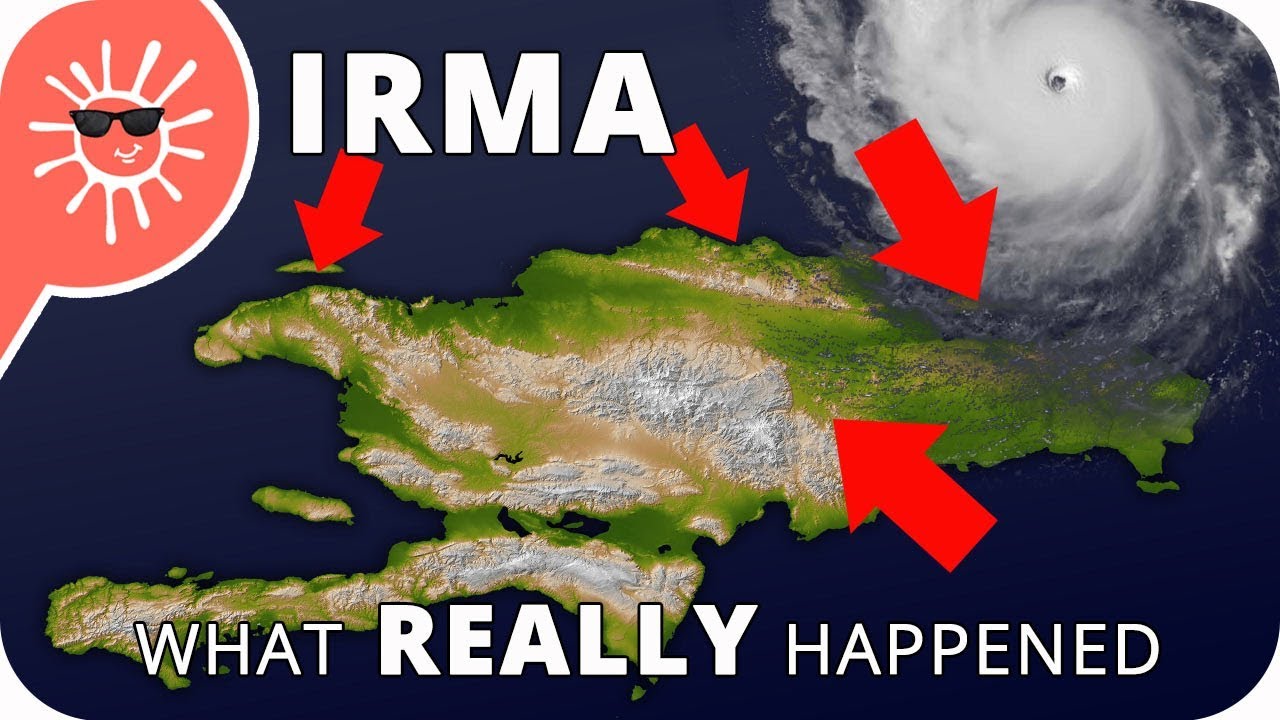
"We WHERE hit..."
All videos not shot by us are owned by their respective owners, as indicated in the video footnotes.
Check out Mr. T's awesome channel 'Educated Traveler":
https://www.youtube.com/channe....l/UCYFl7TT8ZFzjPwV5o
For more random Haiti news check out "Anatomi Sosyal":
https://www.youtube.com/channe....l/UCNTQ-9uUbrHK_X-q6
Beato has his own Dembow!
https://www.youtube.com/watch?v=3FxLQRm2x9U
Visit http://kiskeya.life For more videos and articles about the Kiskeya island, also known as the Dominican Republic and Haiti!
Patreon: https://www.patreon.com/user?u=877947
Instagram: http://instagram.com/kiskeya.life/
Facebook: http://facebook.com/kiskeyalife
Twitter: http://twitter.com/aleccorday
See here the camera and equipment we used:
http://amzn.to/1VD2vSJ
------------------------------------------------
Credits:
Written, directed, edited and produced by Alec Corday
http://www.aleccorday.com
Executive Producer Lola Mendez
http://www.uhlola.com
Theme Music by SENNA
http://sennamusic.tumblr.com/

And then there were only two. Not able to complete the journey due to a technical stupidity, Alec returned home. Mike and Jared finished the trip without him, visiting The Pyramide, a monument marking the geographic center of the island. Their journey had ended, but their adventures had only just begun...

A reality docu web series. Three guys decided to throw everything down and take a dirtbiking trip around the Dominican Republic. These are their adventures.
Episode 1: The trip begins. Not 25 minutes later the first flat tire.
See more details and additional videos on our site http://www.dustangels.org
starring
Jared
Mike
Alec
narrated by
Alec
written by
Alexander Dittrich
Michael Dittrich
music by
Sascha
"Rubberside Down" Theme written and performed by
SENNA
directed/edited by
Alec Corday
http://www.aleccorday.com
produced by
Alexander Dittrich
http://www.sensoryoverloadentertainment.com
executive producers
Michael Dittrich
Jared Peralta
associated producer
Hermann Dittrich
Justin Schwarz
Additional music provided by
PODSHOW PODSAFE
MUSIC NETWORK
http://www.music.podshow.com
The music is copyright by the respective artists.
ALL I EVER NEED
Performed by
27 Years
http://www.27yearsrock.com
BIKE RIDE
Performed by
Scanlan
http://www.myspace.com/scanlanmusic
SUBSONICO
Performed by
Origen
http://www.origen.ning.com

"I'm not afraid of bats, I'm not afraid of bats..."
Visit http://kiskeya.life For more videos and articles about the Quisqueya island, also known as the Dominican Republic and Haiti!
Patreon: https://www.patreon.com/user?u=877947
Instagram: http://instagram.com/kiskeya.life/
Facebook: http://facebook.com/kiskeyalife
Twitter: http://twitter.com/aleccorday
See here the camera and equipment we used:
http://amzn.to/1VD2vSJ
------------------------------------------------
Credits:
Written, directed, edited and produced by Alec Corday
http://www.aleccorday.com
Executive Producer Lola Mendez
http://www.uhlola.com
Theme Music by SENNA
http://sennamusic.tumblr.com/
Take It Easy by MBB https://soundcloud.com/mbbofficial
Creative Commons — Attribution-ShareAlike 3.0 Unported— CC BY-SA 3.0
http://creativecommons.org/licenses/b...
Music promoted by Audio Library https://youtu.be/8DAL4muQUC8
-------------------------------------------------
Research on the Los Patos cave:
http://fossilmatter.blogspot.c....om/2016/01/dominican
https://par.nsf.gov/servlets/purl/10025973
Bat images from Wikipedia

A quick beach break was all we had time for, then it was off again into the mountains into territority fit only for mules. It was no surprise then that we had difficulties getting through on dirt-bikes. But we had a goal, and that was solving the mystery of the so-called Magnetic Pole known for attracting metal object, and making them move. Everything from magnetic ore deposits and aliens have been proposed. But could we bust this myth?

Driving from Punta Cana through Santo Domingo to Azua. What a rush!
Part of the Rubberside Down web series. See more and the credits on http://www.dustangels.org
starring
Jared
Mike
Alec
narrated by
Alec
written by
Alexander Dittrich
Michael Dittrich
music by
Sascha
"Rubberside Down" Theme written and performed by
SENNA
http://senna.virb.com/
directed/edited by
Alec Corday
http://www.aleccorday.com
produced by
Alexander Dittrich
http://www.sensoryoverloadentertainment.com
executive producers
Michael Dittrich
Jared Peralta
associated producer
Hermann Dittrich
Justin Schwarz
Additional music provided by
PODSHOW PODSAFE
MUSIC NETWORK
http://www.music.podshow.com
The music is copyright by the respective artists.
LA SALSA
Performed by
Don Betto
http://www.donbetto.com/
SANTO DOMINGO
Performed by
Por Tu Valentino

We hit up Verona and meet my old friend Arielle. We also got to see the location where Romeo and Juliette lived. You know, the real ones. 'cause they really existed...

Escucha su más reciente sencilo en:
Spotify: https://goo.gl/9tAHRF
Deezer: http://goo.gl/cgScaC
iTunes: https://goo.gl/jcHqxu
Guvera: https://goo.gl/gx8B22
Google: https://goo.gl/dSAmJk
Apple Music: https://goo.gl/ObLiXb
Claro: http://goo.gl/l7q5AM
TIDAL: http://goo.gl/UAUqxH
Groove: https://goo.gl/UG0LBW
www.laleysite.com
https://www.facebook.com/laleyoficial
https://twitter.com/LaLeyOficial
@warnermusicmex
https://www.facebook.com/WarnerMusicMexico
www.warnermusic.com.mx

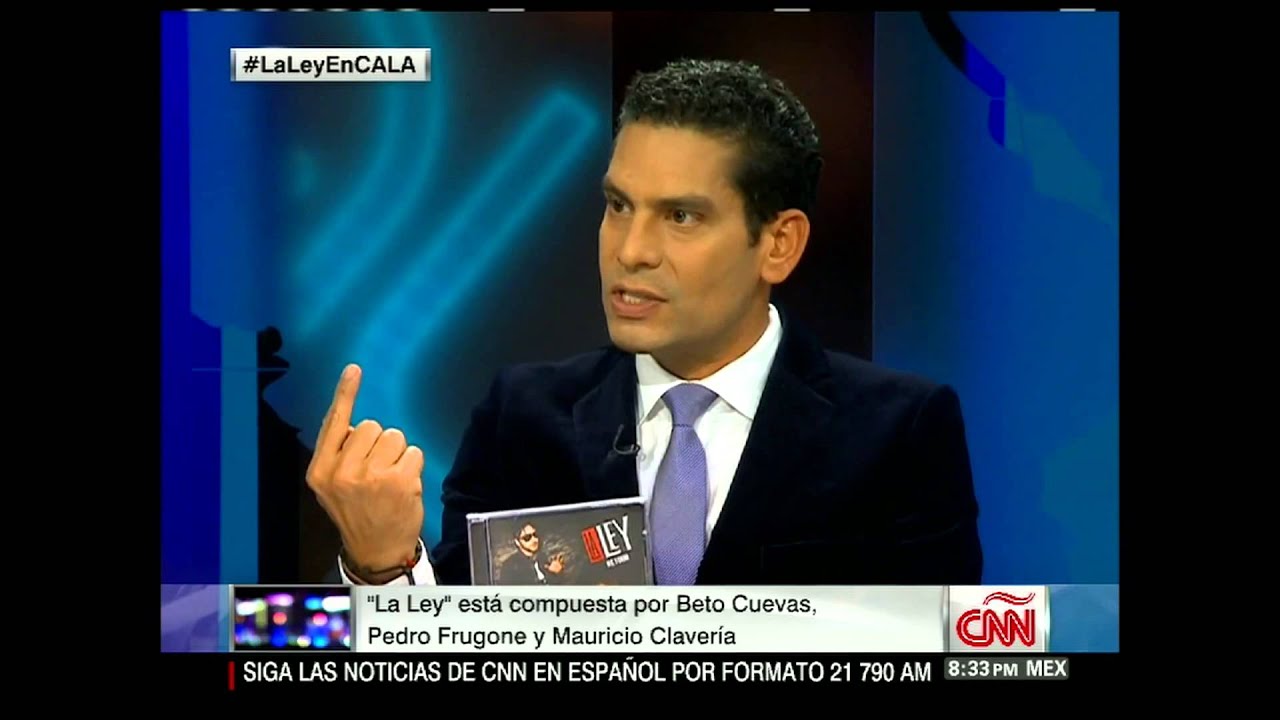

Soundcheck que realizamos en San Felipe previo a nuestra presentación el día 19 de febrero.