Top Vídeos

Un nuevo caso para Doc. Un nuevo misterio para resolver e incluir en El Gran Libro de Pupas. Sigue mirando Doctora Juguetes en Disney Junior.
Sitio Oficial: http://www.disneylatino.com/disneyjunior/
Síguenos en Facebook: http://www.facebook.com/DisneyJuniorLatinoamerica
¡Haz click en el botón SUSCRIBIR y entérate de los nuevos videos de Disney Junior en Youtube!

Goldie y Osito vienieron a Disney Junior a cantarte sus mejores canciones. Porque en el bosque de los cuentos mágicos siempre hay música, alegría y amigos. Mira todas las canciones que podrás cantar y bailar: Es un gran día , Va a fascinarle, Un oso gigantoso, Magia en mis zapatos, Agradar es fácil, Brincolín y yo, Pequeñita es mayor, Así queremos ser.
Sitio Oficial: http://www.disneylatino.com/disneyjunior/
Síguenos en Facebook: http://www.facebook.com/DisneyJuniorLatinoamerica
¡Haz click en el botón SUSCRIBIR y entérate de los nuevos videos de Disney Junior en Youtube!

El barco de Jake debe navegar y alcanzar un tesoro escondido. ¿Cómo lo hará?
Sitio Oficial: http://www.disneylatino.com/disneyjunior
Síguenos en Facebook: http://www.facebook.com/DisneyJuniorLA
¡Haz click en el botón SUSCRIBIR y entérate de los nuevos videos de Disney Junior en Youtube!

¡Ven a cantar tus canciones favoritas con tus amiguitos Bingo y Rolly!
Y mira más Puppy Dog Pals, en Disney Junior.
Sitio Oficial: http://www.disneylatino.com/disneyjunior/
Síguenos en Facebook: http://www.facebook.com/DisneyJuniorLatinoamerica
¡Haz click en el botón SUSCRIBIR y entérate de los nuevos videos de Disney Junior en Youtube!

Usa tu instinto para descubrír los sonidos de los animales de la selva, reconocer sus huellas o identificar al personaje escondido. Será muy divertido ¿Estás listo? ¡Vamos a jugar!
Sitio Oficial: http://www.disneylatino.com/disneyjunior/
Síguenos en Facebook: http://www.facebook.com/DisneyJuniorLatinoamerica
¡Haz click en el botón SUSCRIBIR y entérate de los nuevos videos de Disney Junior en Youtube!

Garfio no sabe qué garfio usar para colgarse de una soga. ¡Ayúdalo!
Sitio Oficial: http://www.disneylatino.com/disneyjunior/
Síguenos en Facebook: http://www.facebook.com/DisneyJuniorLatinoamerica
¡Haz click en el botón SUSCRIBIR y entérate de los nuevos videos de Disney Junior en Youtube!
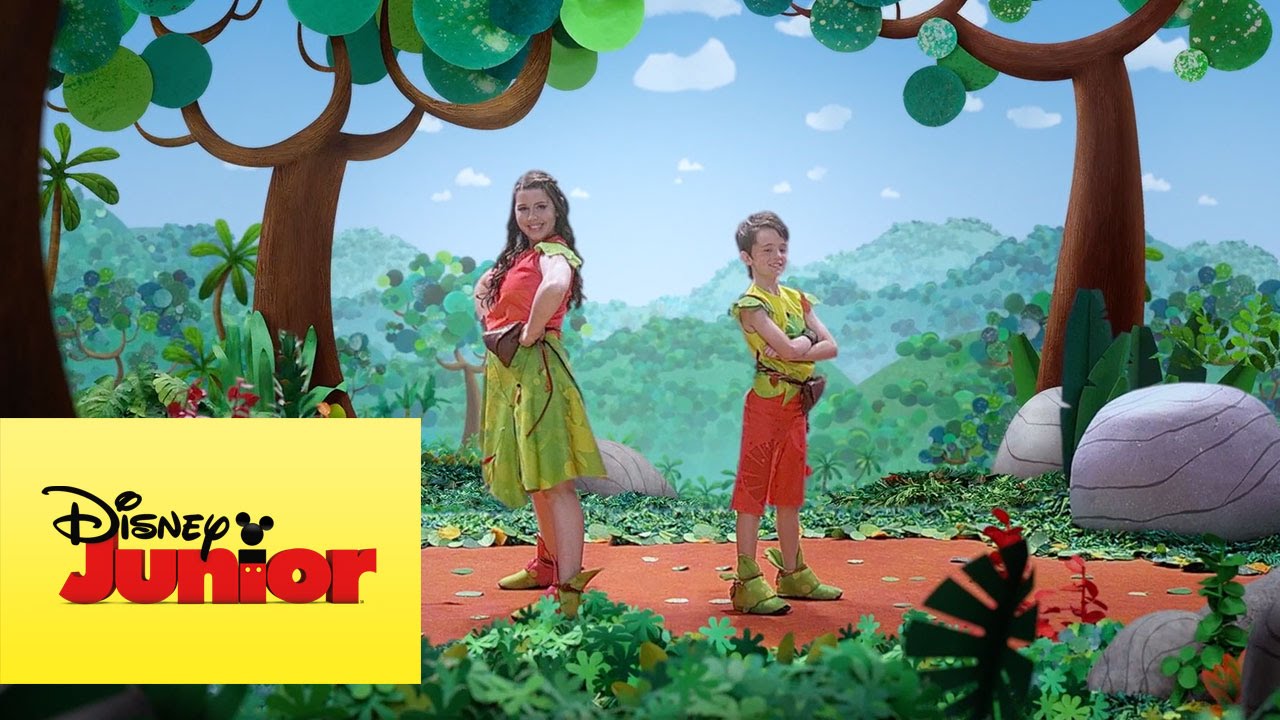
Ven a conocer esta selva llena de aventuras, donde nada es imposible y la aventura es un placer junto a nuestros amigos de Morko y Mali
Sitio Oficial: http://www.disneylatino.com/disneyjunior/
Síguenos en Facebook: http://www.facebook.com/DisneyJuniorLatinoamerica
¡Haz click en el botón SUSCRIBIR y entérate de los nuevos videos de Disney Junior en Youtube!
Todos los días en Disney Junior.
Sitio Oficial: http://www.disneylatino.com/disneyjunior/
Síguenos en Facebook: http://www.facebook.com/DisneyJuniorLatinoamerica
¡Haz click en el botón SUSCRIBIR y entérate de los nuevos videos de Disney Junior en Youtube!

¿Qué piensan los chicos sobre los superhéroes?
Sitio Oficial: http://www.disneylatino.com/disneyjunior/
Síguenos en Facebook: http://www.facebook.com/DisneyJuniorLatinoamerica
¡Haz click en el botón SUSCRIBIR y entérate de los nuevos videos de Disney Junior en Youtube!
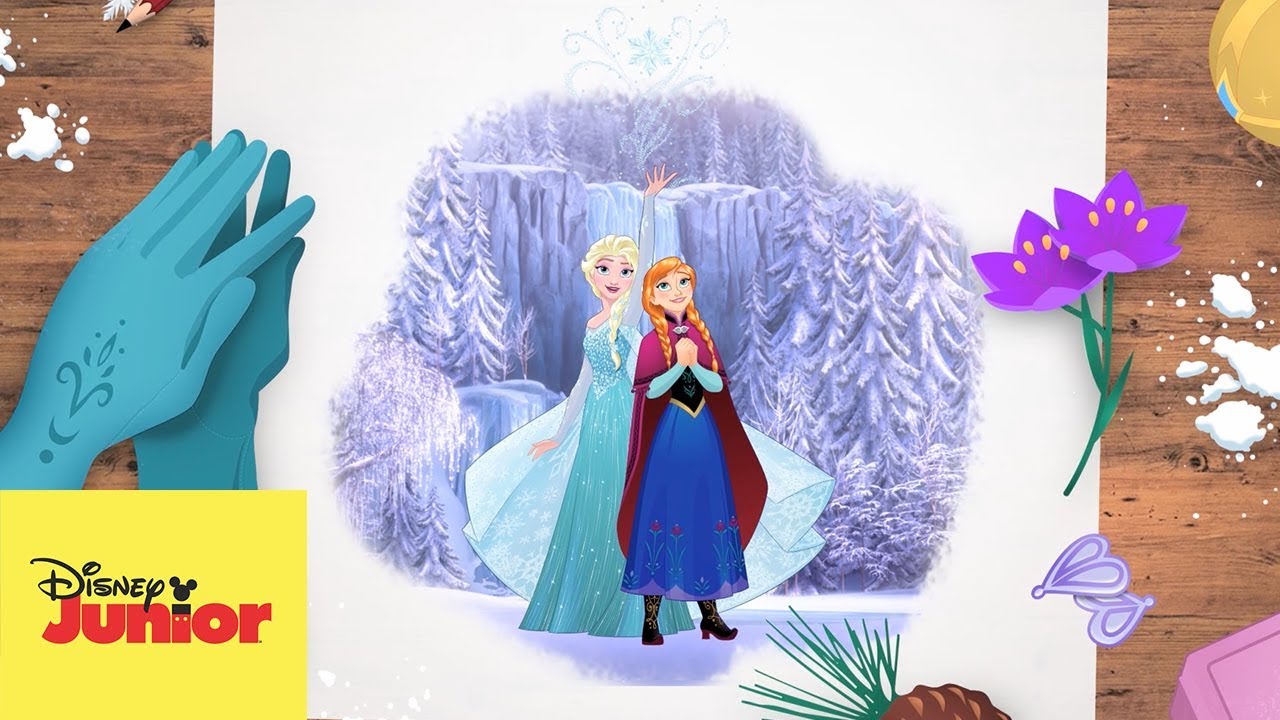
A los personajes de Frozen les falta un poco de color, ¿nos ayudan a colorearlos?
Sitio Oficial: http://www.disneylatino.com/disneyjunior/
Síguenos en Facebook: http://www.facebook.com/DisneyJuniorLatinoamerica
¡Haz click en el botón SUSCRIBIR y entérate de los nuevos videos de Disney Junior en Youtube!

Este video de Jake y la Princesita Sofía te encantará.
Sitio Oficial: http://www.disneylatino.com/disneyjunior/
Síguenos en Facebook: http://www.facebook.com/DisneyJuniorLatinoamerica
¡Haz click en el botón SUSCRIBIR y entérate de los nuevos videos de Disney Junior en Youtube!

Disney Junior te invita a volar junto a tus programas y personajes favoritos. ¡Mickey Mouse, Princesita Sofía, Capitán Jake, la Doctora Juguetes, Topa y la tripulación del Junior Express, Playground, Art Attack, la Sheriff Callie, Henry Monstruito y Miles del Mañana te acompañan a despegar!
Sitio Oficial: http://www.disneylatino.com/disneyjunior/
Síguenos en Facebook: http://www.facebook.com/DisneyJuniorLatinoamerica
¡Haz click en el botón SUSCRIBIR y entérate de los nuevos videos de Disney Junior en Youtube!

¡Mira a Henry Monstruito rebotar y rebotar!
Sitio Oficial: http://www.disneylatino.com/disneyjunior/
Síguenos en Facebook: http://www.facebook.com/DisneyJuniorLatinoamerica
¡Haz click en el botón SUSCRIBIR y entérate de los nuevos videos de Disney Junior en Youtube!

Escuela de Sustos - Las Clases de Monstruos
Tú puedes ser un asustador profesional. En este Halloween únete a la Escuela de Sustos de Disney Junior.
Sitio Oficial: http://www.disneylatino.com/disneyjunior/
Síguenos en Facebook: http://www.facebook.com/DisneyJuniorLatinoamerica
¡Haz click en el botón SUSCRIBIR y entérate de los nuevos videos de Disney Junior en Youtube!

"Se viven muchas emociones en la pista. Mickey y sus amigos se divierten a toda velocidad dando saltos y piruetas en sus increíbles bólidos. Sigue mirando Mickey: Aventuras sobre ruedas, en Disney Junior.
Sitio Oficial: http://www.disneylatino.com/disneyjunior/
Síguenos en Facebook: http://www.facebook.com/DisneyJuniorLatinoamerica
¡Haz click en el botón SUSCRIBIR y entérate de los nuevos videos de Disney Junior en Youtube!

Todos los días en Disney Junior
Sitio Oficial: http://www.disneylatino.com/disneyjunior/
Síguenos en Facebook: http://www.facebook.com/DisneyJuniorLatinoamerica
¡Haz click en el botón SUSCRIBIR y entérate de los nuevos videos de Disney Junior en Youtube!

¡Ven a cantar tus canciones favoritas con tus amiguitos Bingo y Rolly!
Y mira más Puppy Dog Pals, en Disney Junior.
Sitio Oficial: http://www.disneylatino.com/disneyjunior/
Síguenos en Facebook: http://www.facebook.com/DisneyJuniorLatinoamerica
¡Haz click en el botón SUSCRIBIR y entérate de los nuevos videos de Disney Junior en Youtube!

Cuando visites la playa tira los residuos antes de irte.
Sitio Oficial: http://www.disneylatino.com/disneyjun...
Síguenos en Facebook: http://www.facebook.com/DisneyJuniorL...
¡Haz click en el botón SUSCRIBIR y entérate de los nuevos videos de Disney Junior en Youtube!

Te vas de vacaciones, planeaste cada detalle, vas en busca de tranquilidad pero tus hijos tienen otro plan.
Sitio Oficial: http://www.disneylatino.com/disneyjunior/
Síguenos en Facebook: http://www.facebook.com/DisneyJuniorLatinoamerica
¡Haz click en el botón SUSCRIBIR y entérate de los nuevos videos de Disney Junior en Youtube!

A explorar nuevos mundos como Jasmín, saltar, como Rapunzel a nuevas aventuras, o abrir un restaurante como el de Tiana.
Cualquier cosa es posible, sólo tienes que imaginarlo.
#SoyPrincesaSiendoYo #DisneyPrincesa
Sitio Oficial: http://www.disneylatino.com/disneyjunior/
Síguenos en Facebook: http://www.facebook.com/DisneyJuniorLatinoamerica
¡Haz click en el botón SUSCRIBIR y entérate de los nuevos videos de Disney Junior en Youtube!