Top Vídeos

Концерт A-ha. Санкт-Петербург. Ледовый дворец. 20.11.2019
![A-ha - scoundrel days[30.11.10]](https://i.ytimg.com/vi/pkg20qOUCp0/maxresdefault.jpg)
A-ha - scoundrel days. 30.11.10 Oslo Spektrum
subscribe for more!

From the last concert in Oslo 2010
"The Swing Of Things"
You say the world's an eventful place
You give me news
I don't want to know
You say that I should care
That I should speak my mind
Oh, but how can I speak of the world
Rushing by
With a lump in my throat
And tears in my eyes
Oh, have we come to the point of no turning back
Or is it still time to get into
The swing of things
Let us walk through this windless city
I'll go on till the winter gets me
Oh, "sleep..." you wrote "sleep, my dear"
In a letter somewhere
Oh, but how can I sleep with your
voice in my head
With an ocean between us
And room in my bed
Oh, have I come to the point where I'm losing the grip
Or is it still time to get into
The swing of things
Oh, when she glows in the dark
And I'm weak by the sight
Of this breathtaking beauty
In which I can hide
Oh, there's a worldful out there
Of people I fear
But given time I'll get into
The swing of things
Yes, when she glows in the dark and
I'm struck by the sight
I know that I'll need this for the rest of my life
What have I done
What lies I have told
I've played games with the ones that
rescued my soul
Oh, have I come to the point where I'm losing the grip
Or is it still time to get into
The swing of things


The brilliant Pal Waaktaar-Savoy guitar solo

I do not own The swing of things by AHA
I do not own the lion king
Lyrics
You say the world's an eventful place
You give me news I don't want to know
You say that I should care
That I should speak my mind
Oh, but how can I speak of the world rushing by
With a lump in my throat and tears in my eyes
Oh, have we come to the point of no turning back
Or is it still time to get into the swing of things
Let us walk through this windless city
I'll go on till the winter gets me
Oh, sleep you wrote sleep, my dear
In a letter somewhere
Oh, but how can I sleep with your voice in my head
With an ocean between us and room in my bed
Oh, have I come to the point where I'm losing the grip
Or is it still time to get into the swing of things
Oh, when she glows in the dark and I'm weak by the sight
Of this breathtaking beauty in which I can hide
Oh, there's a world full out there of people I fear
But given time I'll get into the swing of things
Yes, when she glows in the dark and I'm struck by the sight
I know that I'll need this for the rest of my life
Oh, I know that I'll need this
For the rest of my life
You know that I need
You know that I need
Oh, have I come to the point where I'm losing the grip
Or is it still time to get into the swing of things
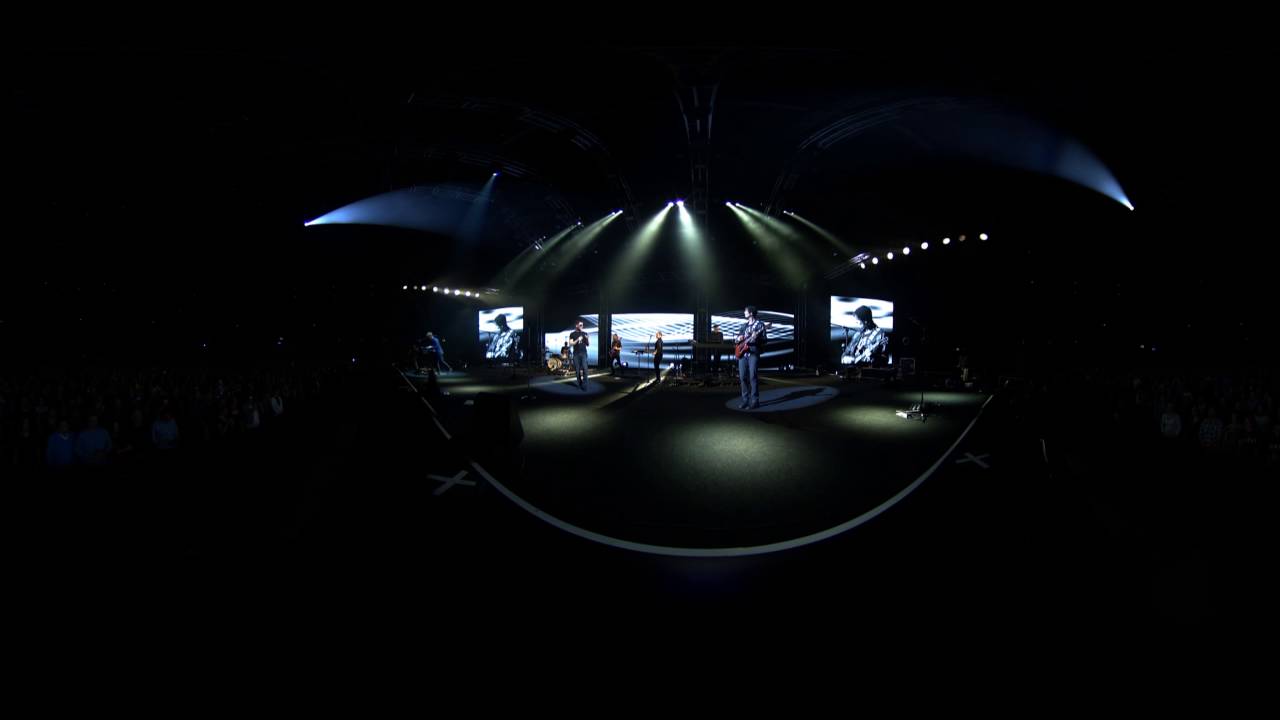
The Swing of Things by a-ha, eternalized by Hydro in 360 virtual reality (VR).
Aluminium company Hydro has eternalized a-ha through VR, recording the final leg of their tour in Oslo Spektrum.
The stereoscopic VR-experience is available for Android users directly through the Youtube app. Before you start the video, click the settings icon on the video and select the highest quality for the best VR experience.
A dedicated app for all platforms is available for free download on: http://renewbyhydro.com/en/hyd....ro-immortalizes-a-ha
---
Hydro is a global supplier of infinite aluminium with activities throughout the value chain, from bauxite to finished aluminium products. www.hydro.com Follow Hydro on FACEBOOK
https://www.facebook.com/norskhydroasa
Follow Hydro on INSTAGRAM
https://www.instagram.com/norskhydroasa/
Follow Hydro on TWITTER
https://twitter.com/NorskHydroASA
This is the newer of the two Swing of things demos and it is more like the final version of the song
![A-Ha - I've Been Losing You (1987) [1080p]](https://i.ytimg.com/vi/YLe_SJkrCnM/maxresdefault.jpg)
HD. Playlist: https://www.youtube.com/playli....st?list=PLrKjfHIq1Vc

Provided to YouTube by Rhino/Warner Records
I've Been Losing You · a-ha
Scoundrel Days
℗ 1986 Warner Records Inc.
Composer: Pal Waaktaar
Auto-generated by YouTube.

Provided to YouTube by Universal Music Group
I've Been Losing You (MTV Unplugged) · a-ha · Lissie
MTV Unplugged - Summer Solstice
℗ 2017 Swinglong Ltd. /We Love Music, under exclusive licence to Polydor/Island, a division of Universal Music GmbH
Released on: 2017-10-06
Producer, Associated Performer, Acoustic Guitar, Steel Guitar, Vibraphone, Bass Clarinet, Soprano Saxophone, Recording Arranger: Lars Horntveth
Studio Personnel, Recording Engineer: Henning Svoren
Studio Personnel, Recording Engineer, Mixer: John O'Mahoney
Studio Personnel, Recording Engineer: Marcus Forsgren
Studio Personnel, Mastering Engineer: Greg Calbi
Associated Performer, Vocals: Morten Harket
Associated Performer, Piano, Harpsichord, Celesta, Acoustic Guitar, Flute, Background Vocalist: Magne Furuholmen
Associated Performer, Acoustic Guitar, Background Vocalist: Paul Waaktaar-Savoy
Associated Performer, Piano, Harpsichord, Harmonium, Dulcimer, Mandolin, Harp: Morten Qvenild
Associated Performer, Bass: Even Enersen Ormestad
Associated Performer, Drums, Bells, Xylophone, Percussion: Karl Oluf Wenneberg
Associated Performer, Violin, Background Vocalist: Madeleine Ossum
Associated Performer, Viola, Background Vocalist: Emilie Heldal Lidsheim
Associated Performer, Cello, Background Vocalist: Tove Margrethe Erikstad
Associated Performer, Co- Arranger: Anders Tjore
Associated Performer, Vocals: Lissie
Associated Performer, Recording Arranger: a-ha
Composer Lyricist: Paul Waaktaar-Savoy
Author: Not Applicable
Auto-generated by YouTube.

Provided to YouTube by Rhino/Warner Records
I've Been Losing You (Dub) · a-ha
Scoundrel Days
℗ 1987 Warner Records Inc.
Composer: Pal Waaktaar
Auto-generated by YouTube.

A-ha I've been losing you (Lyrics)
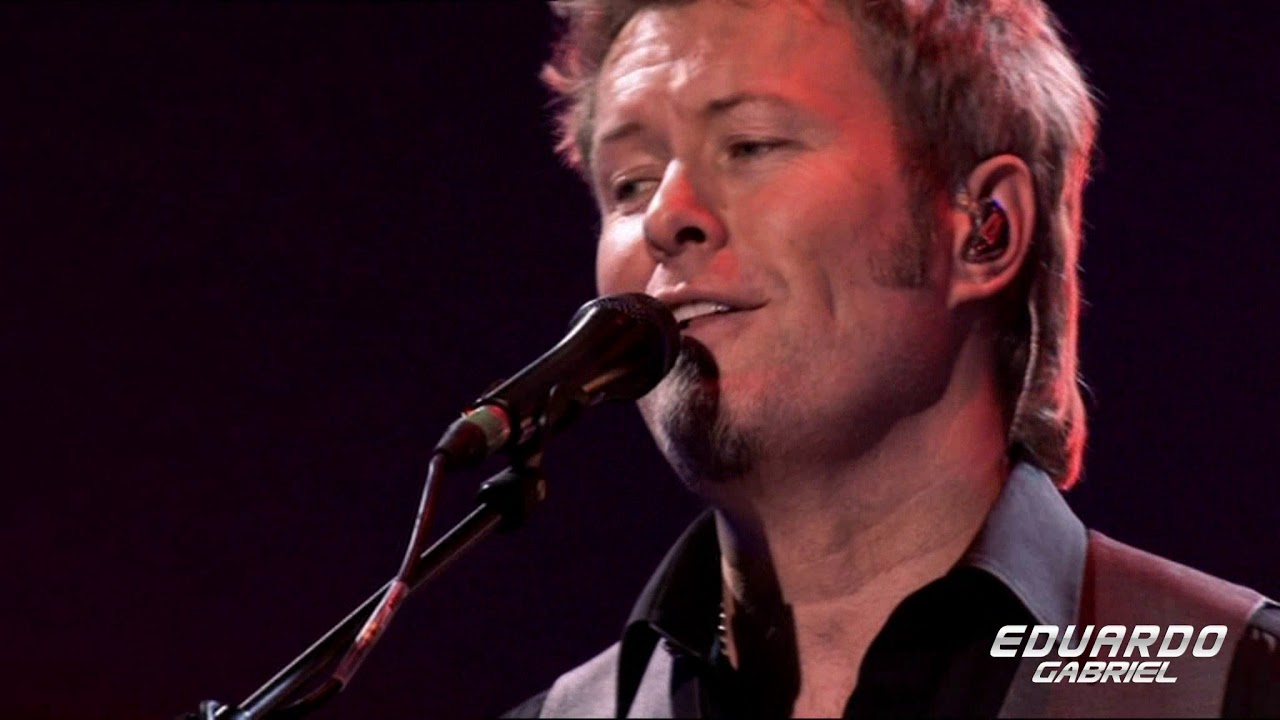


Provided to YouTube by Warner Records
The Weight of the Wind · a-ha
Scoundrel Days
℗ 1986 Warner Records Inc.
Mixer, Producer: Alan Tarney
Engineer: Gerry Kitchingham
Mixer: John Hudson
Composer, Writer: Pal Waaktaar
Auto-generated by YouTube.

synthpop 1986

a-ha
"The Weight Of The Wind"
Session Basel
Suíça, 2005

THE WEIGHT OF THE WIND ▲ (Pål Waaktaar)
Canción numero 8 perteneciente al 2º álbum de estudio de A-ha "Scroundrel Days"editado en 1986.
a-ha - the weight of the wind - an extended version montage video