Top Vídeos

Emperor Penguins return from the seas to feed their young, and dramatic scenes unfold as they hesitate at the edge of the Antarctic sea ice when they see a Leopard Seal is on the prowl. Brilliant wildlife short from BBC natural history show, Blue Planet. Subscribe: http://bit.ly/BBCEarthSub
WATCH MORE:
New on Earth: https://bit.ly/2M3La96
Oceanscapes: https://bit.ly/2Hmd2kZ
Wild Thailand: https://bit.ly/2kR7lmh
Welcome to BBC EARTH! The world is an amazing place full of stories, beauty and natural wonder. Here you'll find 50 years worth of astounding, entertaining, thought-provoking and educational natural history content. Dramatic, rare, and exclusive, nature doesn't get more exciting than this.
Want to share your views? Join our BBC Studios Voice: https://www.bbcstudiosvoice.com/register
This is a channel from BBC Studios who help fund new BBC programmes. Service information and feedback: http://bbcworldwide.com/vod-fe....edback--contact-deta

We explore the question of what really killed the dinosaurs.
Subscribe: http://bit.ly/BBCEarthSub
WATCH MORE:
New on Earth: https://bit.ly/2M3La96
Oceanscapes: https://bit.ly/2Hmd2kZ
Wild Thailand: https://bit.ly/2kR7lmh"
Welcome to BBC EARTH! The world is an amazing place full of stories, beauty and natural wonder. Here you'll find 50 years worth of astounding, entertaining, thought-provoking and educational natural history content. Dramatic, rare, and exclusive, nature doesn't get more exciting than this.
Want to share your views with the team behind BBC Earth and win prizes? Join our BBC Studios Voice: https://www.bbcstudiosvoice.com/register
This is a channel from BBC Worldwide who help fund new BBC programmes.Service information and feedback: http://bbcworldwide.com/vod-fe....edback--contact-deta
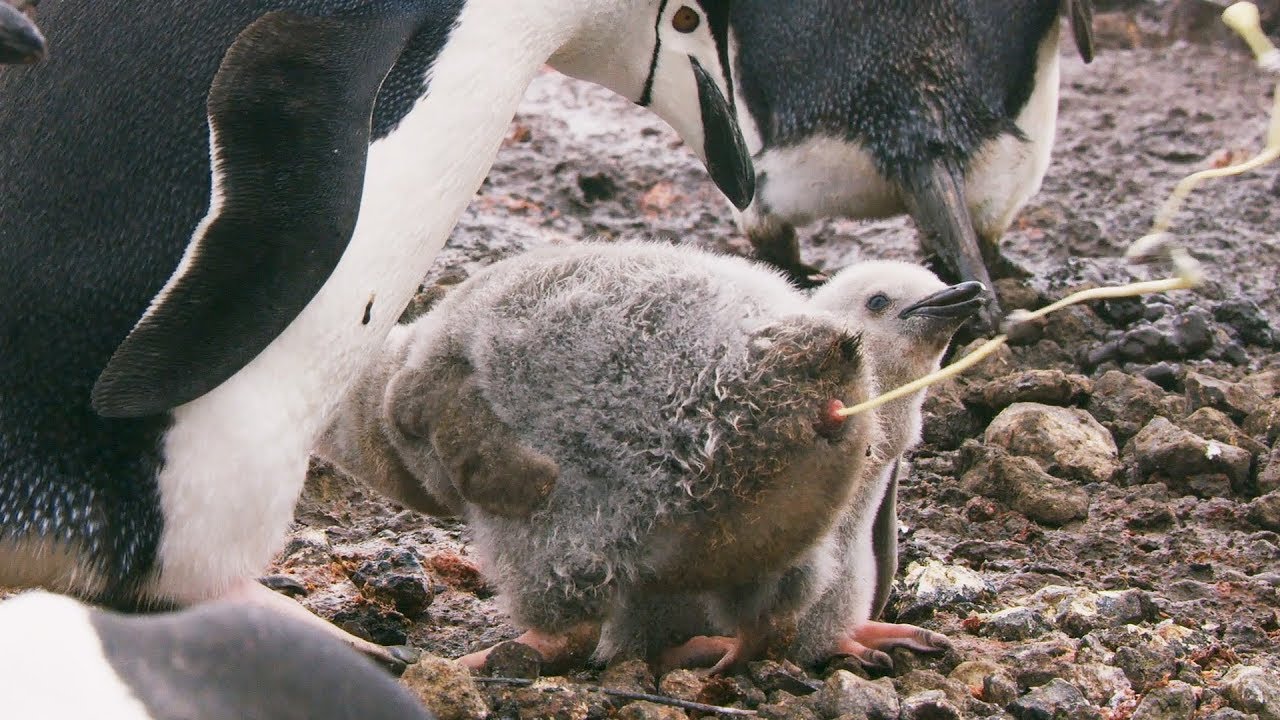
Penguins poo... a lot. These chinstraps have a hard time trying to keep their nests clean in a colony with thousands of neighbours.
Additional behind the scenes footage
Subscribe: http://bit.ly/BBCEarthSub
Watch more:
Planet Earth http://bit.ly/PlanetEarthPlaylist
Blue Planet http://bit.ly/BluePlanetPlaylist
Planet Earth II http://bit.ly/PlanetEarthIIPlaylist
Planet Dinosaur http://bit.ly/PlanetDinoPlaylist
Episode 1 | Antarctica | Seven Worlds, One Planet
Millions of years ago incredible forces ripped apart the Earth’s crust creating seven extraordinary continents. Seven Worlds, One Planet, narrated by Sir David Attenborough, will reveal how each distinct continent has shaped the unique animal life found there.
Welcome to BBC EARTH! The world is an amazing place full of stories, beauty and natural wonder. Here you'll find 50 years worth of entertaining and thought-provoking natural history content. Dramatic, rare, and exclusive, nature doesn't get more exciting than this.
Want to share your views with the team? Join our BBC Studios Voice: https://www.bbcstudiosvoice.com/register
This is a page from BBC Studios who help fund new BBC programmes. Service information and feedback: http://bbcworldwide.com/vod-fe....edback--contact-deta

Sir David Attenborough looks at how Ugandan chimpanzees hunt in the rainforest.
Subscribe: http://bit.ly/BBCEarthSub
WATCH MORE:
New on Earth: https://bit.ly/2M3La96
Oceanscapes: https://bit.ly/2Hmd2kZ
Wild Thailand: https://bit.ly/2kR7lmh
Welcome to BBC EARTH! The world is an amazing place full of stories, beauty and natural wonder. Here you'll find 50 years worth of astounding, entertaining, thought-provoking and educational natural history content. Dramatic, rare, and exclusive, nature doesn't get more exciting than this.
Want to share your views? Join our BBC Studios Voice: https://www.bbcstudiosvoice.com/register
This is a channel from BBC Studios who help fund new BBC programmes. Service information and feedback: http://bbcworldwide.com/vod-fe....edback--contact-deta

Snub-nose monkeys are pretty strange looking creatures, but their short noses and blue skin help them survive some of the harshest conditions on Earth.
Subscribe: http://bit.ly/BBCEarthSub
Watch more:
Planet Earth http://bit.ly/PlanetEarthPlaylist
Blue Planet http://bit.ly/BluePlanetPlaylist
Planet Earth II http://bit.ly/PlanetEarthIIPlaylist
Planet Dinosaur http://bit.ly/PlanetDinoPlaylist
Seven Worlds, One Planet Episode 2 'Asia'
Millions of years ago incredible forces ripped apart the Earth’s crust creating seven extraordinary continents. Seven Worlds, One Planet, narrated by Sir David Attenborough, will reveal how each distinct continent has shaped the unique animal life found there.
Welcome to BBC EARTH! The world is an amazing place full of stories, beauty and natural wonder. Here you'll find 50 years worth of entertaining and thought-provoking natural history content. Dramatic, rare, and exclusive, nature doesn't get more exciting than this.
Want to share your views with the team? Join our BBC Studios Voice: https://www.bbcstudiosvoice.com/register
This is a page from BBC Studios who help fund new BBC programmes. Service information and feedback: http://bbcworldwide.com/vod-fe....edback--contact-deta

How exactly do homing pigeons find their way back to their lofts? A couple of bird enthusiasts share their theories.
Subscribe: http://bit.ly/BBCEarthSub
Taken from Extraordinary Animals Series 2.
WATCH MORE:
New on Earth: https://bit.ly/2M3La96
Oceanscapes: https://bit.ly/2Hmd2kZ
Wild Thailand: https://bit.ly/2kR7lmh
Welcome to BBC EARTH! The world is an amazing place full of stories, beauty and natural wonder. Here you'll find 50 years worth of astounding, entertaining, thought-provoking and educational natural history content. Dramatic, rare, and exclusive, nature doesn't get more exciting than this.
Want to share your views? Join our BBC Studios Voice: https://www.bbcstudiosvoice.com/register
This is a channel from BBC Studios who help fund new BBC programmes. Service information and feedback: http://bbcworldwide.com/vod-fe....edback--contact-deta

Witness a lion attacking an elephant. Taken from Planet Earth.
Subscribe: http://bit.ly/BBCEarthSub
WATCH MORE:
New on Earth: https://bit.ly/2M3La96
Oceanscapes: https://bit.ly/2Hmd2kZ
Wild Thailand: https://bit.ly/2kR7lmh"
Welcome to BBC EARTH! The world is an amazing place full of stories, beauty and natural wonder. Here you'll find 50 years worth of astounding, entertaining, thought-provoking and educational natural history content. Dramatic, rare, and exclusive, nature doesn't get more exciting than this.
Want to share your views with the team? Join our BBC Studios Voice: https://www.bbcstudiosvoice.com/register
This is a channel from BBC Worldwide who help fund new BBC programmes.Service information and feedback: http://bbcworldwide.com/vod-fe....edback--contact-deta
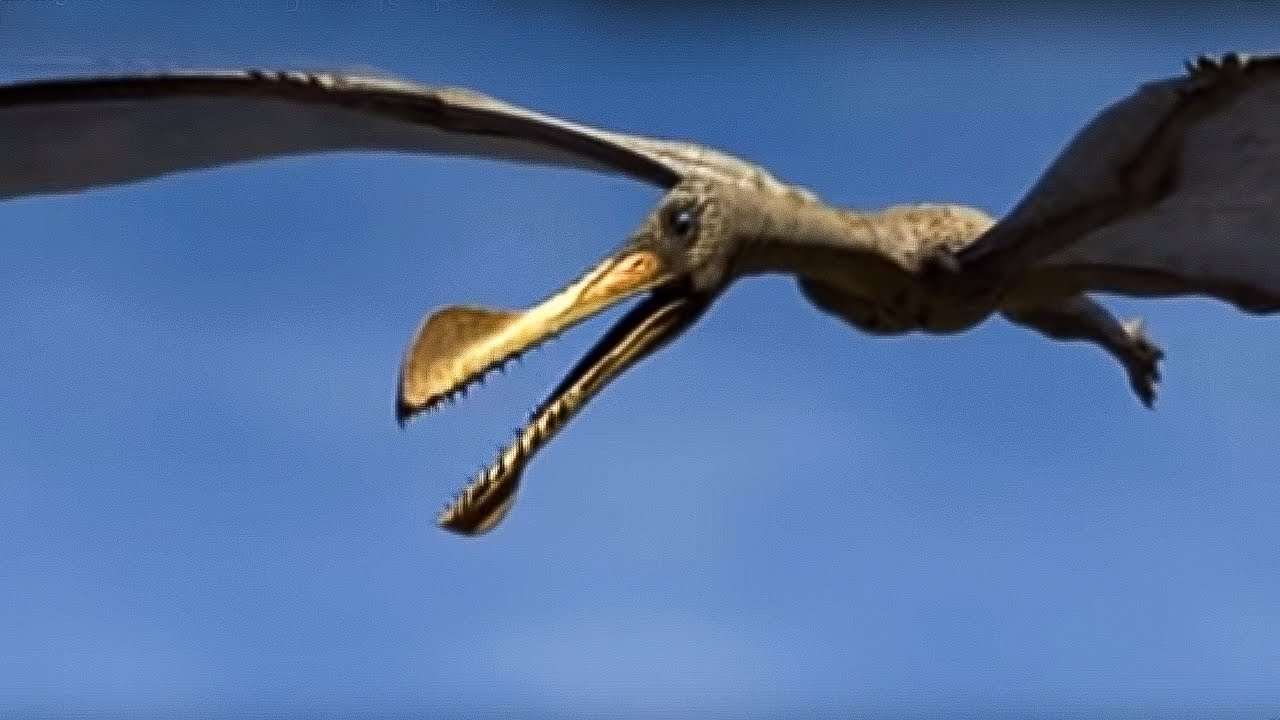
The Cretaceous period saw the breaking up of the northern and southern landmasses. Flying dinosaurs like Tapejara would master the air and the new coast lines of prehistoric Earth. The largest flying dinosaur Ornithocheirus prepares for a long flight to breeding grounds.
Broadcast in 1999, Walking with Dinosaurs set out to create the most accurate portrayal of prehistoric animals ever seen on the screen. Combining fact and informed speculation with cutting-edge computer graphics and animatronics effects, the series took two years to make.
Visit http://www.bbcearth.com for all the latest animal news and wildlife videos
BBC Earth Facebook http://www.facebook.com/bbcearth (ex-UK only)
BBC Earth Twitter http://www.twitter.com/bbcearth
Subscribe to BBC Earth: http://bit.ly/ydxvrP
BBC Earth Channel: http://www.youtube.com/BBCEarth
Latest BBC Earth videos: http://bit.ly/y1wtbi

An elephant calf just a few days old has her first bath in the waterhole with her helpful nanny elephants - but climbing out is harder than getting in.
Subscribe: http://bit.ly/BBCEarthSub
Watch more videos from BBC Earth:
Planet Earth http://bit.ly/PlanetEarthPlaylist
Blue Planet http://bit.ly/BluePlanetPlaylist
Planet Earth II http://bit.ly/PlanetEarthIIPlaylist
Planet Dinosaur http://bit.ly/PlanetDinoPlaylist
Elephant Family and Me
Wildlife cameraman Gordon Buchanan travels to the spectacular Tsavo wilderness in Kenya to try to get closer than ever before to a wild elephant family. African elephants are one of the most dangerous animals in the world, killing more people than lions or any other predator. But Gordon believes that elephants become dangerous only because of our actions towards them.
Welcome to BBC EARTH! The world is an amazing place full of stories, beauty and natural wonder. Here you'll find 50 years worth of astounding, entertaining, thought-provoking and educational natural history content.
Want to share your views with the team behind BBC Earth and win prizes? Join our fan panel here: http://tinyurl.com/YouTube-BBCEarth-FanPanel
This is a channel from BBC Worldwide who help fund new BBC programmes
Service information and feedback: http://bbcworldwide.com/vod-fe....edback--contact-deta

A snow leopard is tagged and followed deep into the Pakistan mountain range in the hope of filming a wild animal kill. Fascinating video from the BBC wildlife show 'Snow Leopard- Beyond the Myth'. Watch more high quality videos on the new BBC America YouTube channel here: http://www.youtube.com/bbcamericatv
Subscribe: http://bit.ly/BBCEarthSub
WATCH MORE:
New on Earth: https://bit.ly/2M3La96
Oceanscapes: https://bit.ly/2Hmd2kZ
Wild Thailand: https://bit.ly/2kR7lmh
Welcome to BBC EARTH! The world is an amazing place full of stories, beauty and natural wonder. Here you'll find 50 years worth of astounding, entertaining, thought-provoking and educational natural history content.
Want to share your views with the team behind BBC Earth and win prizes? Join our BBC Studios Voice: https://www.bbcstudiosvoice.com/register
This is a channel from BBC Worldwide who help fund new BBC programmes. Service information and feedback: http://bbcworldwide.com/vod-fe....edback--contact-deta

Sir David Attenborough takes the Pyramid stage at Glastonbury to introduce new natural history show Seven Worlds: One Planet. Premiere for the trailer, with music by Sia and Hans Zimmer.
Subscribe: http://bit.ly/BBCEarthSub
Watch more:
Planet Earth http://bit.ly/PlanetEarthPlaylist
Blue Planet http://bit.ly/BluePlanetPlaylist
Planet Earth II http://bit.ly/PlanetEarthIIPlaylist
Planet Dinosaur http://bit.ly/PlanetDinoPlaylist
Welcome to BBC EARTH! The world is an amazing place full of stories, beauty and natural wonder. Here you'll find 50 years worth of entertaining and thought-provoking natural history content. Dramatic, rare, and exclusive, nature doesn't get more exciting than this.
Want to share your views with the team? Join our BBC Studios Voice: https://www.bbcstudiosvoice.com/register
This is a page from BBC Studios who help fund new BBC programmes. Service information and feedback: http://bbcworldwide.com/vod-fe....edback--contact-deta

An insight into the food chain hierarchy with footage of baboons hunting newly hatched chicks. Great video short from BBC wildlife show Elephant Nomads of the Namib Desert. Subscribe: http://bit.ly/BBCEarthSub
WATCH MORE:
New on Earth: https://bit.ly/2M3La96
Oceanscapes: https://bit.ly/2Hmd2kZ
Wild Thailand: https://bit.ly/2kR7lmh
Welcome to BBC EARTH! The world is an amazing place full of stories, beauty and natural wonder. Here you'll find 50 years worth of astounding, entertaining, thought-provoking and educational natural history content. Dramatic, rare, and exclusive, nature doesn't get more exciting than this.
Want to share your views? Join our BBC Studios Voice: https://www.bbcstudiosvoice.com/register
This is a channel from BBC Studios who help fund new BBC programmes. Service information and feedback: http://bbcworldwide.com/vod-fe....edback--contact-deta
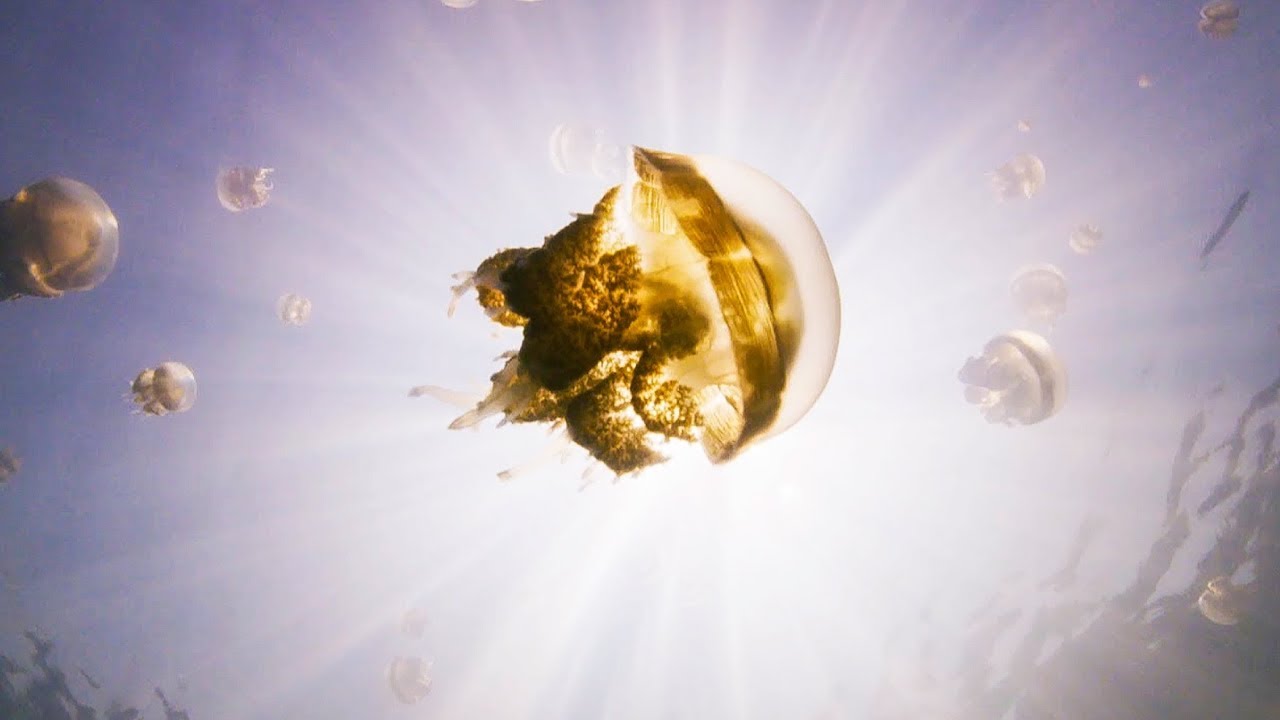
There is a lake in Borneo that is home to over one million jellyfish. They've evolved to photosynthesise using algae, providing them with an unlimited supply of food.
Subscribe: http://bit.ly/BBCEarthSub
#Jellyfish #OceanSounds #SoundsToRelax
Watch more:
Planet Earth http://bit.ly/PlanetEarthPlaylist
Blue Planet http://bit.ly/BluePlanetPlaylist
Planet Earth II http://bit.ly/PlanetEarthIIPlaylist
Planet Dinosaur http://bit.ly/PlanetDinoPlaylist
Extra content from Earth's Tropical Islands
Three iconic islands. Madagascar. Borneo. Hawaii. Each a contained ecosystem, cut off from the mainland. Rich in extraordinary wildlife and human cultures, these islands are also some of the most fragile places on Earth.
Welcome to BBC EARTH! The world is an amazing place full of stories, beauty and natural wonder. Here you'll find 50 years worth of entertaining and thought-provoking natural history content. Dramatic, rare, and exclusive, nature doesn't get more exciting than this.
Want to share your views with the team? Join our BBC Studios Voice: https://www.bbcstudiosvoice.com/register
This is a page from BBC Studios who help fund new BBC programmes. Service information and feedback: http://bbcworldwide.com/vod-fe....edback--contact-deta

See this amazing clip of an understandably terrified Steve Leonard walking into a Lion's Den before the Lion changes its mind and goes for the attack! Would you be brave enough to attempt to cuddle a creature with powerufl paws, razor sharp claws and gnashing teeth? Watch more high quality videos on the BBC Earth YouTube channel here: http://www.youtube.com/BBCEarth and visit http://www.BBCEarth.com for all the latest natural history exclusives and fantastic new wildlife videos.
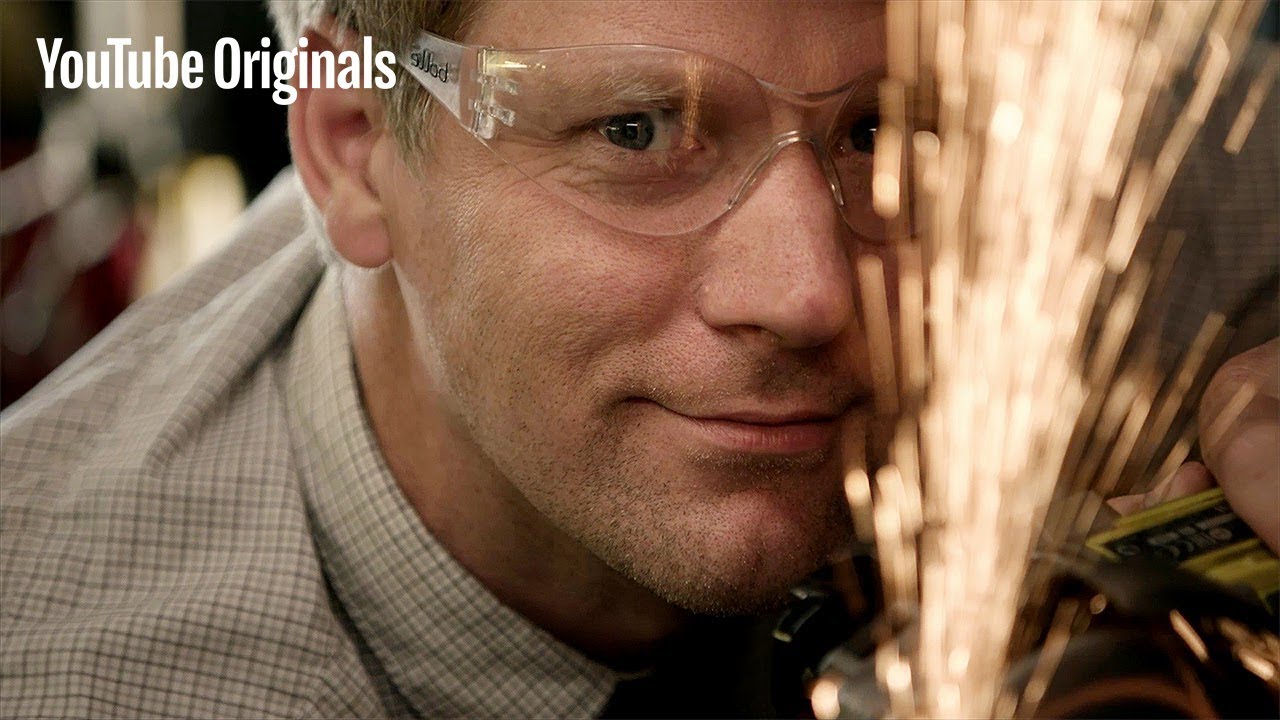
Launching December 10th
Is levitation possible? YouTube Originals and BBC Studios bring you The Edge of Science, a scientific dive into the outer reaches of our understanding. Follow host and science enthusiast, Rick Edwards as he taps into the scientific community of YouTube to help him fulfill a lifetime's ambition - to levitate himself. Physics girl (Dianna Cowern) and science inventor, Colin Furze, join Rick and together, they will experiment their way into getting Rick off the ground, by physics alone. Can they do it?
Love learning on YouTube? Check out YouTube's new and improved learning hub (youtube.com/learning) for everything from well-being to history to how tos and all of the things in between. You'll also find more great YouTube Originals content full of your favourite YouTube Creators.

The largest land mammal, elephants have super-sized brains and display incredible emotional intelligence. In this episode of Wild Files, we get an intimate glimpse at elephants' social ties and unique character.
ubscribe: http://bit.ly/BBCEarthSub
Watch more:
Planet Earth http://bit.ly/PlanetEarthPlaylist
Blue Planet http://bit.ly/BluePlanetPlaylist
Planet Earth II http://bit.ly/PlanetEarthIIPlaylist
Planet Dinosaur http://bit.ly/PlanetDinoPlaylist
(ARCHIVE VIDEO TITLE + DESCRIPTION)
Welcome to BBC EARTH! The world is an amazing place full of stories, beauty and natural wonder. Here you'll find 50 years worth of entertaining and thought-provoking natural history content. Dramatic, rare, and exclusive, nature doesn't get more exciting than this.
Want to share your views with the team? Join our BBC Studios Voice: https://www.bbcstudiosvoice.com/register
This is a page from BBC Studios who help fund new BBC programmes. Service information and feedback: http://bbcworldwide.com/vod-fe....edback--contact-deta
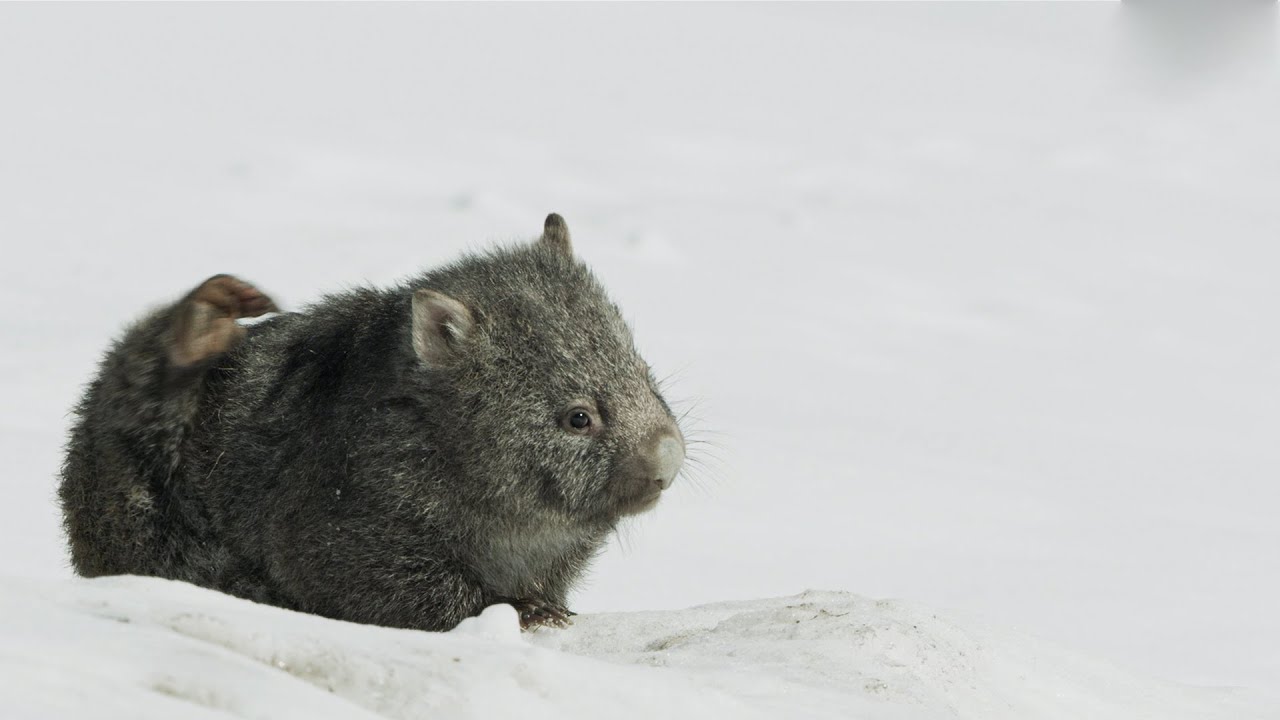
These brave wombats scour the snowy slopes in search of something tasty to nibble on.
Subscribe: http://bit.ly/BBCEarthSub
Watch more:
Planet Earth http://bit.ly/PlanetEarthPlaylist
Blue Planet http://bit.ly/BluePlanetPlaylist
Planet Earth II http://bit.ly/PlanetEarthIIPlaylist
Planet Dinosaur http://bit.ly/PlanetDinoPlaylist
Seven Worlds, One Planet Episode 4 'Australia'
Millions of years ago incredible forces ripped apart the Earth’s crust creating seven extraordinary continents. Seven Worlds, One Planet, narrated by Sir David Attenborough, will reveal how each distinct continent has shaped the unique animal life found there.
Welcome to BBC EARTH! The world is an amazing place full of stories, beauty and natural wonder. Here you'll find 50 years worth of entertaining and thought-provoking natural history content. Dramatic, rare, and exclusive, nature doesn't get more exciting than this.
Want to share your views with the team? Join our BBC Studios Voice: https://www.bbcstudiosvoice.com/register
This is a page from BBC Studios who help fund new BBC programmes. Service information and feedback: http://bbcworldwide.com/vod-fe....edback--contact-deta
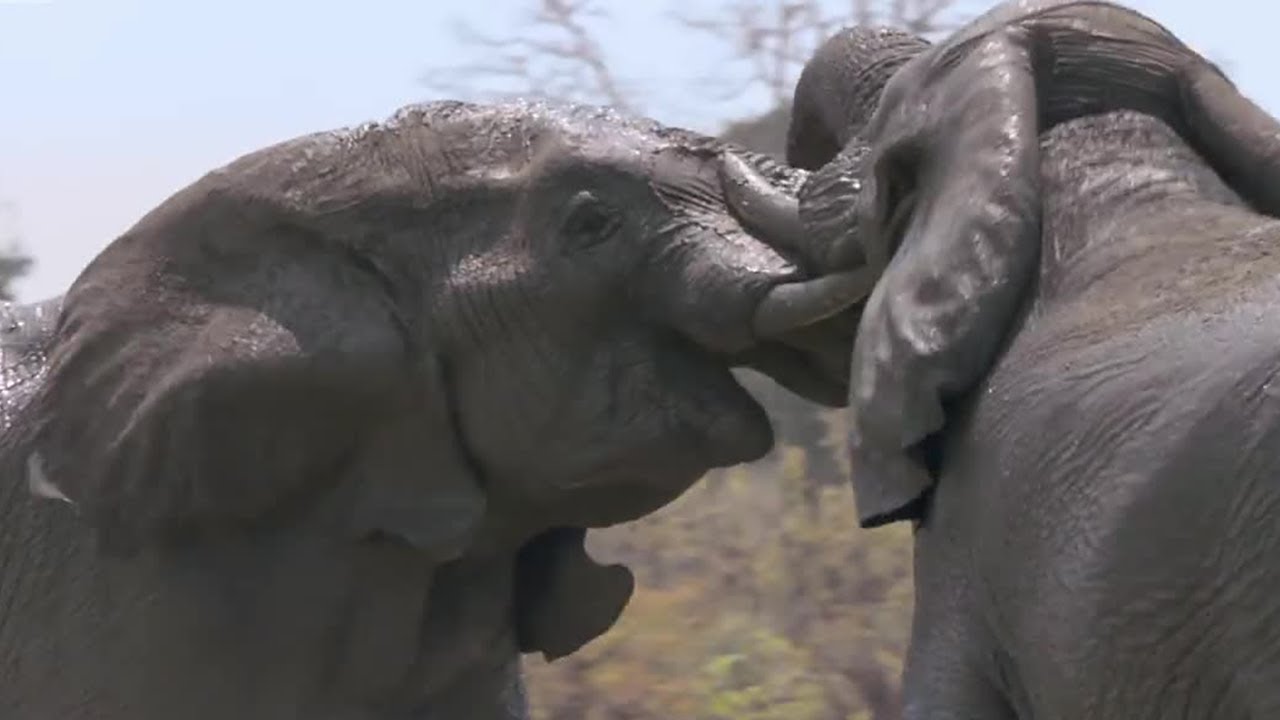
Coming across a rare pool of water, the elephant heard knows that its stagnant. Luckily, they know a trick which will still allow them to take a well needed drink.
Subscribe to BBC Earth: http://bit.ly/BBCEarthSubBBC Earth YouTube Channel: http://www.youtube.com/BBCEarth
BBC Earth Facebook http://www.facebook.com/bbcearth (ex-UK only)
BBC Earth Twitter http://www.twitter.com/bbcearth
Visit http://www.bbc.com/earth/world for all the latest animal news and wildlife videos
This is a channel from BBC Studios who help fund new BBC programmes.
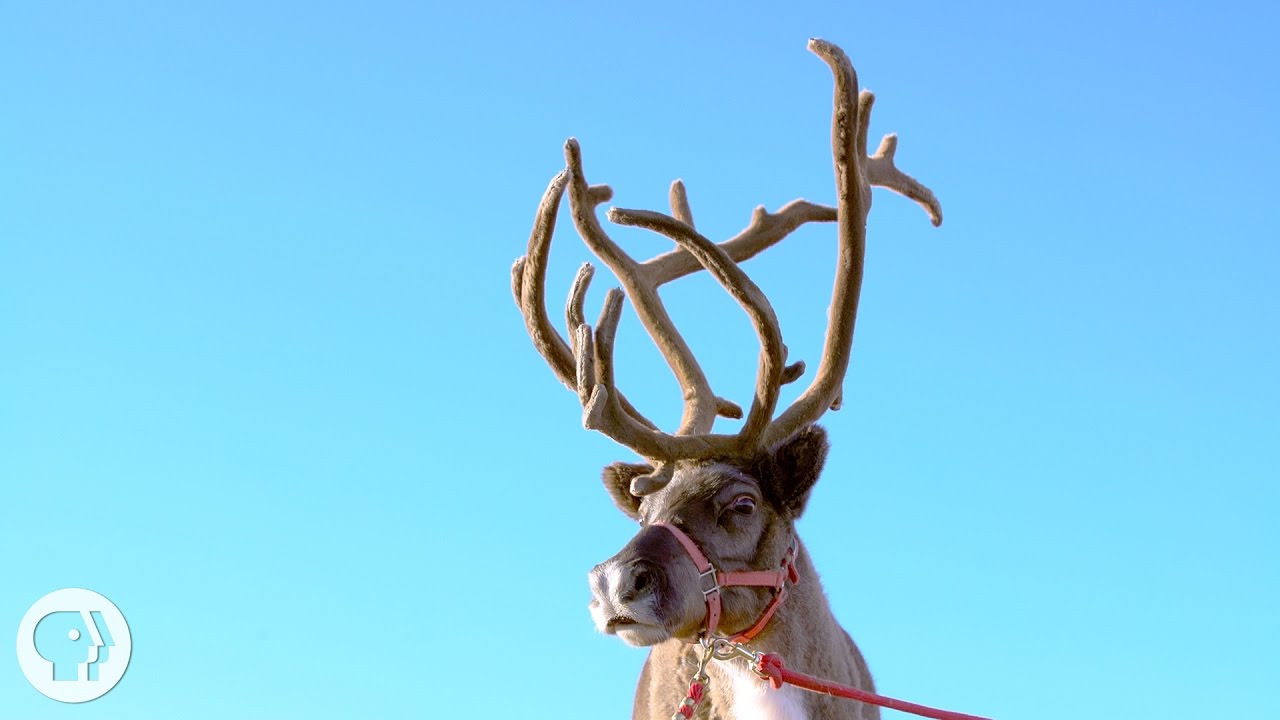
What if you had to grow 20 pounds of bone on your forehead each year just to find a mate? In a bloody, itchy process, males of the deer family grow a new set of antlers every year, use them to fend off the competition, and lose their impressive crowns when breeding season ends.
SUBSCRIBE to Deep Look! http://goo.gl/8NwXqt
DEEP LOOK is a ultra-HD (4K) short video series created by KQED San Francisco and presented by PBS Digital Studios. See the unseen at the very edge of our visible world. Get a new perspective on our place in the universe. Explore big scientific mysteries by going incredibly small.
* WE’RE TAKING A BREAK FOR THE HOLIDAYS. WATCH OUR NEXT EPISODE ON JAN. 17, 2017. *
Antlers are bones that grow right out of an animal’s head. It all starts with little knobs called pedicles. Reindeer, elk, and their relatives in the cervid family, like moose and deer, are born with them. But in most species pedicles only sprout antlers in males, because antlers require testosterone.
The little antlers of a young tule elk, or a reindeer, are called spikes. Every year, a male grows a slightly larger set of antlers, until he becomes a “senior” and the antlers start to shrink.
While it’s growing, the bone is hidden by a fuzzy layer of skin and fur called velvet that carries blood rich in calcium and phosphorous to build up the bone inside.
When the antlers get hard, the blood stops flowing and the velvet cracks. It gets itchy and males scratch like crazy to get it off. From underneath emerges a clean, smooth antler.
Males use their antlers during the mating season as a warning to other males to stay away from females, or to woo the females. When their warnings aren’t heeded, they use them to fight the competition.
Once the mating season is over and the male no longer needs its antlers, the testosterone in its body drops and the antlers fall off. A new set starts growing almost right away.
--- What are antlers made of?
Antlers are made of bone.
--- What is antler velvet?
Velvet is the skin that covers a developing antler.
--- What animals have antlers?
Male members of the cervid, or deer, family grow antlers. The only species of deer in which females also grow antlers are reindeer.
--- Are antlers horns?
No. Horns, which are made of keratin (the same material our nails are made from), stay on an animal its entire life. Antlers fall off and grow back again each year.
---+ Read an article on KQED Science about how neuroscientists are investigating the potential of the nerves in antler velvet to return mobility to damaged human limbs, and perhaps one day even help paralyzed people:
https://ww2.kqed.org/science/2....016/12/06/rudolphs-a
---+ For more information on tule elk
https://www.nps.gov/pore/learn/nature/tule_elk.htm
---+ More Great Deep Look episodes:
The Sex Lives of Christmas Trees
https://www.youtube.com/watch?v=xEji9I4Tcjo
Watch These Frustrated Squirrels Go Nuts!
https://www.youtube.com/watch?v=ZUjQtJGaSpk
This Mushroom Starts Killing You Before You Even Realize It
https://www.youtube.com/watch?v=bl9aCH2QaQY
---+ See some great videos and documentaries from PBS Digital Studios!
The REAL Rudolph Has Bloody Antlers and Super Vision - Gross Science
https://www.youtube.com/watch?v=gB6ND8nXgjA
Global Weirding with Katharine Hayhoe: Texans don't care about climate change, right?
https://www.youtube.com/watch?v=P_r_6D2LXVs&list=PL1mtdjDVOoOqJzeaJAV15Tq0tZ1vKj7ZV&index=25
It’s Okay To Be Smart: Why Don’t Woodpeckers Get Concussions?
https://www.youtube.com/watch?v=bqBxbMWd8O0
---+ Follow KQED Science:
KQED Science: http://www.kqed.org/science
Tumblr: http://kqedscience.tumblr.com
Twitter: https://www.twitter.com/kqedscience
---+ About KQED
KQED, an NPR and PBS affiliate in San Francisco, CA, serves Northern California and beyond with a public-supported alternative to commercial TV, Radio and web media.
Funding for Deep Look is provided in part by PBS Digital Studios and the John S. and James L. Knight Foundation. Deep Look is a project of KQED Science, which is also supported by HopeLab, the S. D. Bechtel, Jr. Foundation, the Dirk and Charlene Kabcenell Foundation, the Vadasz Family Foundation, the Gordon and Betty Moore Foundation, the Smart Family Foundation and the members of KQED.
#deeplook
Support Deep Look on Patreon!! https://www.patreon.com/deeplook
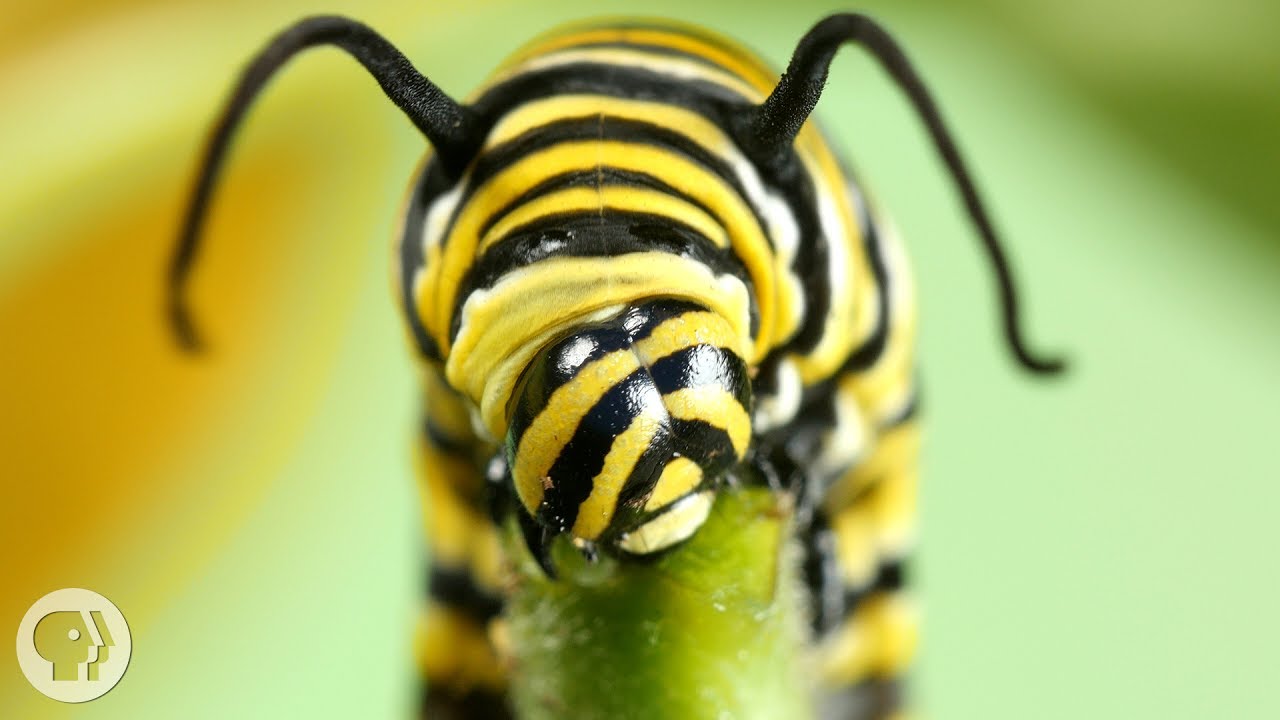
Because it's hoarding protein. Not just for itself, but for the butterfly it will become and every egg that butterfly will lay. And it's about to lose its mouth... as it wriggles out of its skin during metamorphosis.
DEEP LOOK is a ultra-HD (4K) short video series created by KQED San Francisco and presented by PBS Digital Studios. See the unseen at the very edge of our visible world. Get a new perspective on our place in the universe and meet extraordinary new friends. Explore big scientific mysteries by going incredibly small.
* NEW VIDEOS EVERY OTHER TUESDAY! *
That caterpillar in your backyard is chewing through your best leaves for a good reason.
“Caterpillars have to store up incredible reserves of proteins,” said Carol Boggs, an ecologist at the University of South Carolina. “Nectar doesn’t have much protein. Most of the protein that goes to making eggs has to come from larval feeding.”
Caterpillars are the larval stage of a butterfly. Their complete transformation to pupa and then to butterfly is a strategy called holometaboly. Humans are in the minority among animals in that we don’t go through these very distinct, almost separate, lives. We start out as a smaller version of ourselves and grow bigger.
But from an evolutionary point of view, the way butterflies transform make sense.
“You have a larva that is an eating machine,” said Boggs. “It’s very well-suited to that. Then you’re turning it into a reproduction machine, the butterfly.”
Once it becomes a butterfly it will lose its mouth, grow a straw in its place and go on a liquid diet of sugary nectar and rotten fruit juices. Its main job will be to mate and lay eggs. Those eggs started to develop while it was a pupa, using protein that the caterpillar stored by gorging on leaves. We think of leaves as carbohydrates, but the nitrogen they contain makes them more than one quarter protein, said Boggs.
-- What are the stages of a butterfly?
Insects such as butterflies undergo a complete transformation, referred to by scientists as holometaboly. A holometabolous insect has a morphology in the juvenile state which is different from that in the adult and which undergoes a period of reorganization between the two, said Boggs. The four life stages are egg, larva (caterpillar), pupa (also known as chrysalis) and butterfly.
-- What if humans developed like butterflies?
“We’d go into a quiescent period when we developed different kind of eating organs and sensory organs,” said Boggs. “It would be as if we went into a pupa and developed straws as mouths and developed more elaborate morphology for smelling and developed wings. It brings up science fiction images.”
---+ Read the entire article on KQED Science:
https://ww2.kqed.org/science/2....017/07/11/why-is-the
---+ For more information:
Monarch Watch: http://www.monarchwatch.org
California Pipevine Swallowtail Project:
https://www.facebook.com/Calif....orniaPipevineSwallow
A forum organized by Tim Wong, who cares for the butterflies in the California Academy of Sciences’ rainforest exhibit. Wong’s page has beautiful photos and videos of California pipevine swallowtail butterflies at every stage – caterpillar, pupa and butterfly – and tips to create native butterfly habitat.
---+ More Great Deep Look episodes:
What Gives the Morpho Butterfly Its Magnificent Blue?
https://www.youtube.com/watch?v=29Ts7CsJDpg
This Vibrating Bumblebee Unlocks a Flower's Hidden Treasure
https://www.youtube.com/watch?v=SZrTndD1H10
Roly Polies Came From the Sea to Conquer the Earth
https://www.youtube.com/watch?v=sj8pFX9SOXE
In the Race for Life, Which Human Embryos Make It?
https://www.youtube.com/watch?v=9mv_kuwQvoc
---+ See some great videos and documentaries from the PBS Digital Studios!
PBS Eons: When Did the First Flower Bloom?
https://www.youtube.com/watch?v=13aUo5fEjNY
CrashCourse: The History of Life on Earth - Crash Course Ecology #1
https://www.youtube.com/watch?v=sjE-Pkjp3u4
---+ Follow KQED Science:
KQED Science: http://www.kqed.org/science
Tumblr: http://kqedscience.tumblr.com
Twitter: https://www.twitter.com/kqedscience
---+ About KQED
KQED, an NPR and PBS affiliate in San Francisco, CA, serves Northern California and beyond with a public-supported alternative to commercial TV, Radio and web media.
Funding for Deep Look is provided in part by PBS Digital Studios and the John S. and James L. Knight Foundation. Deep Look is a project of KQED Science, which is also supported by HopeLab, the S. D. Bechtel, Jr. Foundation, the Dirk and Charlene Kabcenell Foundation, the Vadasz Family Foundation, the Gordon and Betty Moore Foundation, the Smart Family Foundation and the members of KQED.
#deeplook #caterpillars #butterflies
