Top Vídeos

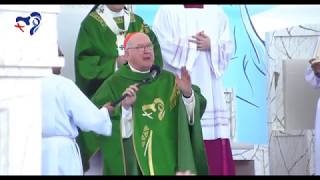
Este domingo 27 de enero, al término de la Misa de Clausura de la Jornada Mundial de la Juventud, Kevin Joseph Farrell, Prefecto del Dicasterio para los Laicos, La Familia y la Vida anunció que la sede del evento internacional del 2022 será la ciudad de Lisboa (Portugal), provocando el grito jubiloso de los peregrinos de este país.
Más información en:
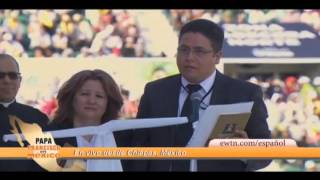
En el multitudinario Encuentro con las Familias en Tuxtla Gutiérrez, una pareja de divorciados en nueva unión compartió su testimonio ante el Papa Francisco. Visiblemente emocionados reconocieron que no pueden acceder a la Eucaristía, pero no por eso dejan de participar activamente de la Iglesia.
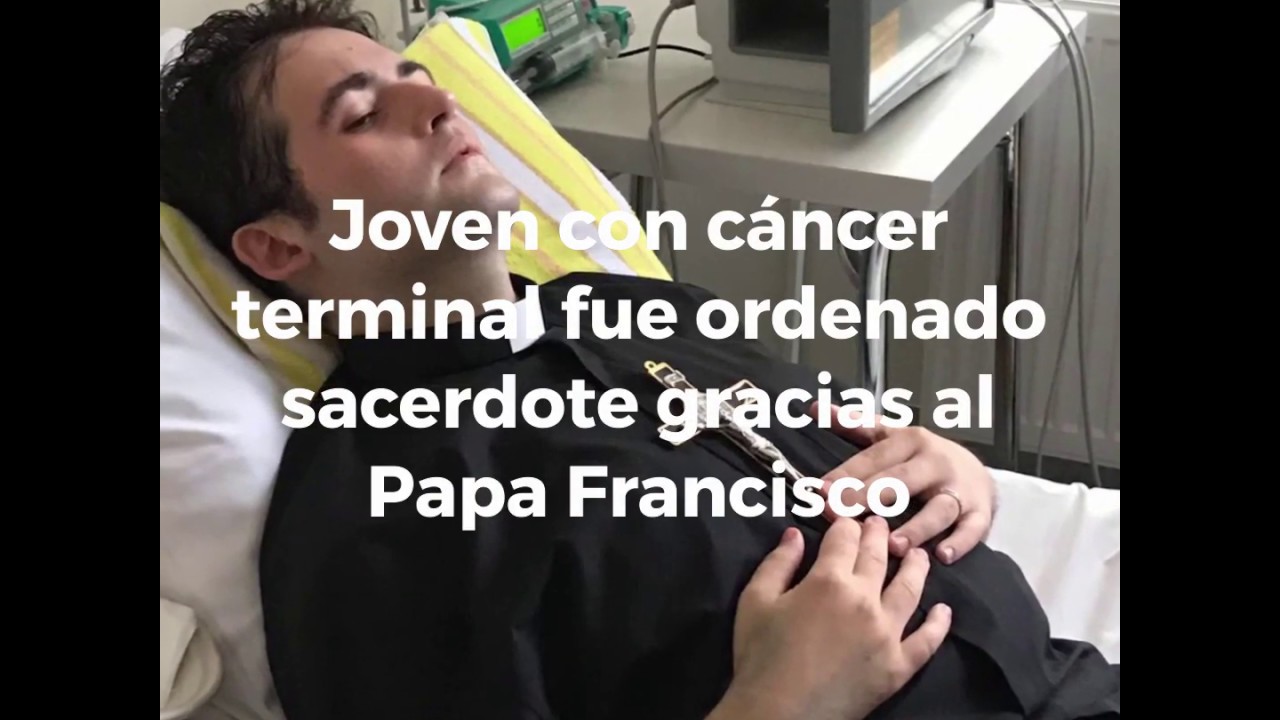
El joven seminarista polaco Michal Los, diagnosticado con cáncer terminal, fue ordenado diácono y sacerdote de la Iglesia Católica en una cama de hospital gracias al permiso y la dispensa concedida por el Papa Francisco.
Más información en: https://www.aciprensa.com/noti....cias/ordenan-a-joven
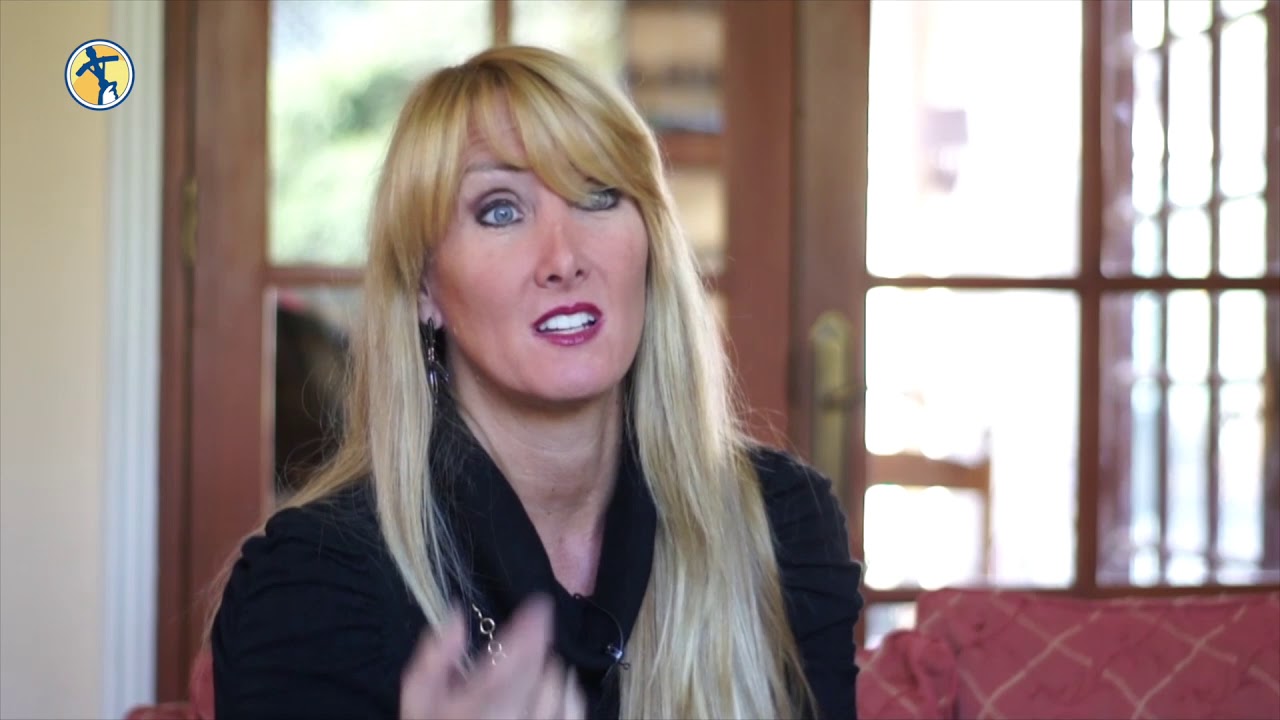
“Si realmente te importa una víctima de violación, deberías querer protegerla del violador y del aborto”, afirmó Rebecca Kiessling, una activista provida que fue concebida en una brutal violación.
La abogada estadounidense conversó con ACI Prensa durante su visita a Chile, en septiembre, invitada por la organización ISFEM (Investigación, Estudios y Formación sobre la Mujer).

El Papa Francisco presidió, desde el altar de la Cátedra de la Basílica de San Pedro del Vaticano, la Misa por la Solemnidad de Pentecostés este domingo 31 de mayo. En su homilía, el Santo Padre reflexionó sobre la enseñanza contenida en los Evangelios y en la predicación de San Pablo en la que se explica que “el Espíritu Santo es la unidad que reúne a la diversidad; y que la Iglesia nació así: nosotros, diversos, unidos por el Espíritu Santo.
Más información: https://www.aciprensa.com/noti....cias/homilia-del-pap

Más de 1200 fieles de Estados Unidos llegaron al lago Michigan para caminar sobre el agua congelada y venerar la imagen de un Cristo crucificado que se encuentra debajo del hielo, a 8 metros por debajo de la superficie y a más de 200 metros de la costa.
Más información en:
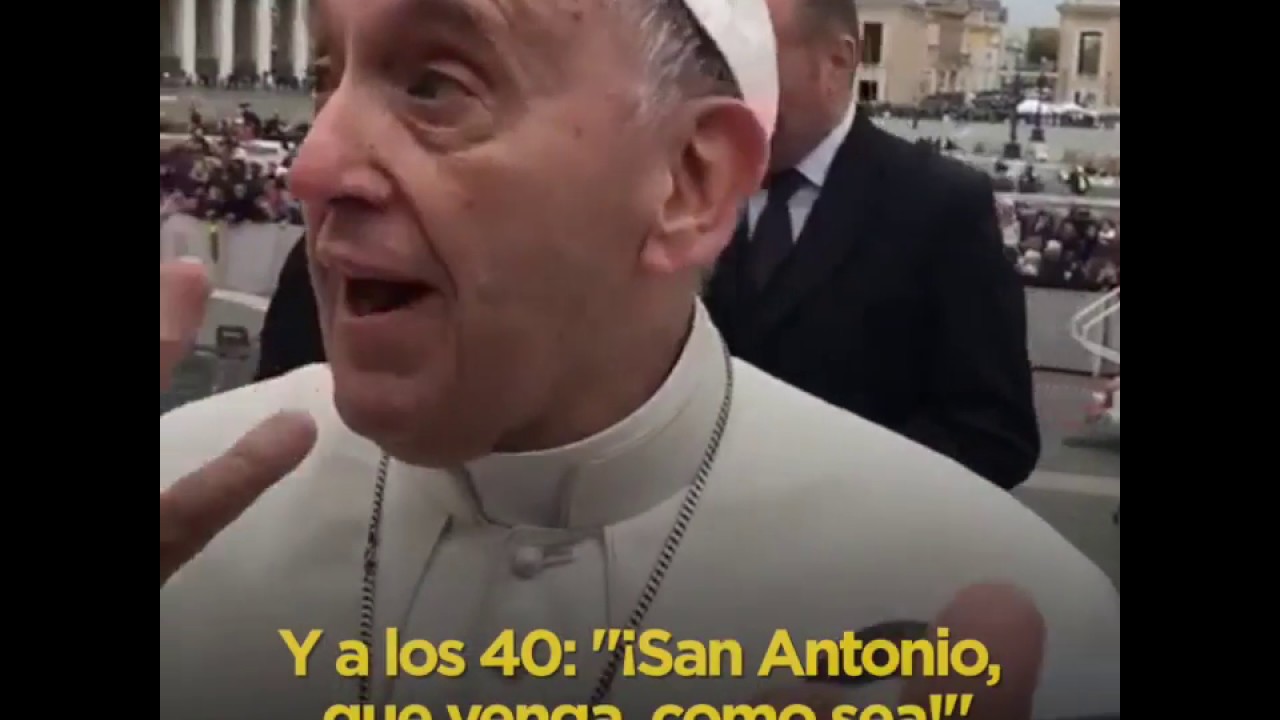
Haciendo gala de su buen humor, el Papa Francisco bromeó con un grupo de jóvenes sobre las solteras que le rezan a San Antonio para pedirle novio.
Más información en: https://www.aciprensa.com/noti....cias/el-papa-francis

El director del Grupo ACI, Alejandro Bermúdez, nos ofrece a diario reflexiones en audio y vídeo sobre temas de actualidad en los que los católicos necesitamos tener una posición clara e informada. Compártelo con tus amigos, tu comunidad o en tu medio de comunicación católico.
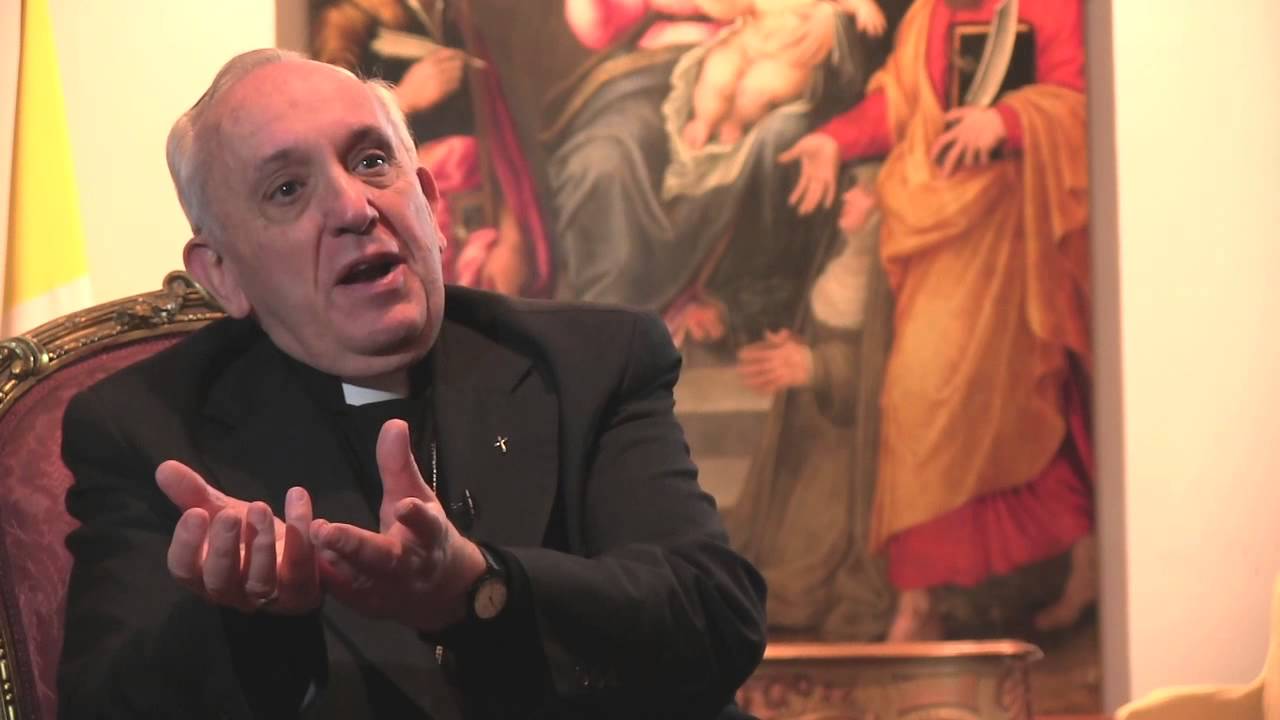
En una entrevista exclusiva para Eternal World Television Network, EWTN, la cadena de radio y televisión católica más grande del mundo, el entonces Cardenal Jorge Mario Bergoglio, hoy Papa Francisco, compartió algunas reflexiones sobre el Año de la Fe, convocado por Benedicto XVI, la Iglesia en América Latina y las virtudes teologales: la fe, la esperanza y la caridad.
Más información: http://www.aciprensa.com/notic....ias/entrevista-exclu

El Cardenal Newman ya es santo. San John Henry Newman fue inscrito en el libro de los santos en una multitudinaria Misa celebrada este domingo 13 de octubre en la Plaza de San Pedro del Vaticano presidida por el Papa Francisco en la que también se canonizó a Santa Giuseppina Vanni, Santa Mariam Thresia Chiramel Mankidiyan, Santa Dulce Lopes Pontes y a Santa Marguerite Bays.
Más información en: https://www.aciprensa.com/noti....cias/fiesta-en-el-ci

El director del Grupo ACI, Alejandro Bermúdez, nos ofrece a diario reflexiones en audio y vídeo sobre temas de actualidad en los que los católicos necesitamos tener una posición clara e informada. Compártelo con tus amigos, tu comunidad o en tu medio de comunicación católico.
El catecismo de la Iglesia católica contiene la fe esencial del Pueblo de Dios recogida de las Sagradas Escrituras y del Magisterio de la Iglesia

JMJ Cracovia 2016: La Cruz de la Jornada Mundial de la Juventud

Ictys.org / Todos los derechos reservados
Hoy se enciende una llama
en la corona de Adviento
que arda nuestra esperanza
en el corazón despierto
y al calor de la Madre
caminemos este tiempo
Un primer lucero se enciende
anunciando al Rey que viene
preparad corazones
allánense los senderos
Hoy se enciende una llama
en la corona de Adviento
que arda nuestra esperanza
en el corazón despierto
y al calor de la Madre
caminemos este tiempo
Crecen nuestros anhelos al ver
la segunda llama nacer
como dulce rocío vendrá
el Mesías hecho Niño
Hoy se enciende una llama
en la corona de Adviento
que arda nuestra esperanza
en el corazón despierto
y al calor de la Madre
caminemos este tiempo
Nuestro gozo hoy quiere cantar
por ver tres luceros brillar
con María esperamos al Niño
con alegría
Hoy se enciende una llama
en la corona de Adviento
que arda nuestra esperanza
en el corazón despierto
y al calor de la Madre
caminemos este tiempo
Huyen las tinieblas al ver
cuatro llamas resplandecer
ya la gloria está cerca
levanten los corazones
Hoy se enciende una llama
en la corona de Adviento
que arda nuestra esperanza
en el corazón despierto
y al calor de la Madre
caminemos este tiempo
Recursos sobre Adviento en:http://www.aciprensa.com/fiestas/Adviento
El director del Grupo ACI, Alejandro Bermúdez, nos ofrece a diario reflexiones en audio y vídeo sobre temas de actualidad en los que los católicos necesitamos tener una posición clara e informada. Compártelo con tus amigos, tu comunidad o en tu medio de comunicación católico.
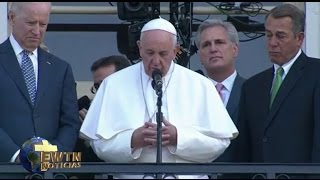
http://www.aciprensa.com/puntodevista
El director del Grupo ACI, Alejandro Bermúdez, nos ofrece a diario reflexiones en audio y vídeo sobre temas de actualidad en los que los católicos necesitamos tener una posición clara e informada. Compártelo con tus amigos, tu comunidad o en tu medio de comunicación católico.
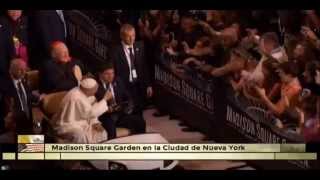
El Papa Francisco pronunció la homilía de la Misa ante miles de personas en el emblemático Madison Square Garden en Nueva York.
Más infornación en: https://www.aciprensa.com/noti....cias/misa-del-papa-f