Top Vídeos

Follow Ultravox:
Ultravox's Music Online: https://Ultravox.lnk.to/Listen
Subscribe: https://Ultravox.lnk.to/Subscribe
Website: https://Ultravox.lnk.to/Web
Facebook: https://Ultravox.lnk.to/FB
Instagram: https://Ultravox.lnk.to/IN
Twitter: https://Ultravox.lnk.to/TW
Lyrics:
Dancing with tears in my eyes
Weeping for the memory of a life gone by
Dancing with tears in my eyes
Living out a memory of a love that died
It's five and I'm driving home again
It's hard to believe that it's my last time
The man on the wireless cries again
It's over, it's over
Dancing with tears in my eyes
Weeping for the memory of a life gone by
Dancing with tears in my eyes
Living out a memory of a love that died
It's late and I'm with my love alone
We drink to forget the coming storm
We love to the sound of our favourite song
Over and over
Dancing with tears in my eyes
Living out a memory of a love that died
It's time and we're in each other's arms
It's time but I don't think we really care
Dancing with tears in my eyes
Weeping for the memory of a life gone by
Dancing with tears in my eyes
Weeping for the memory of a life gone by
Dancing with tears in my eyes

Follow Ultravox:
Ultravox's Music Online: https://Ultravox.lnk.to/Listen
Subscribe: https://Ultravox.lnk.to/Subscribe
Website: https://Ultravox.lnk.to/Web
Facebook: https://Ultravox.lnk.to/FB
Instagram: https://Ultravox.lnk.to/IN
Twitter: https://Ultravox.lnk.to/TW
Lyrics:
Standing on my own
It didn't mean that much to me
I thought I had it all
I didn't see the mystery
I stood the test of time
I took the step to find
Love's great adventure
I spoke a million words
They didn't mean that much to me
They rang around my head
Like empty tuneless harmonies
Love's great adventure mine
Lying side by side
It didn't mean that much to me
I started to enjoy
The poetry and symphonies
I took it in my stride
I hailed the Day i tried
Love's great adventure
A fool who couldn't see
It didn't mean that much to me
I couldn't understand
That's how the game is meant to be
Love's great adventure mine
Standing on my own
It didn't mean that much to me
I thought I had it all
I didn't see the mystery
I stood the test of time
I took the step to find
Love's great adventure

A great Rocking Show from the Voice of Ultravox , Midge Ure
for me it was the best gig on the Festival this Year.
for more look at: http://www.midgeure.co.uk/

Ultravox live on the tube, November 4th 1984, recorded in Newcastle England. Recorded by me on Sony C6 betamax vcr, using Scotch video tape.

Most firefly flashes are pure romance, a sexy form of skywriting. But one variety copies the mating signals of others to lure them to their demise.
SUBSCRIBE to Deep Look! http://goo.gl/8NwXqt
DEEP LOOK: a new ultra-HD (4K) short video series created by KQED San Francisco and presented by PBS Digital Studios. See the unseen at the very edge of our visible world. Get a new perspective on our place in the universe and meet extraordinary new friends. Explore big scientific mysteries by going incredibly small.
Most of the blinking signals that fireflies send out are intended to attract mates. But researchers are finding out that in some cases, these romantic overtures are not all wine and roses.
Females of one firefly group, the genus Photuris, have learned to copy other fireflies’ flashes to attract the males of those species. When one arrives, she pounces, first sucking his blood, then devouring his insides.
These “femme fatale” fireflies live throughout the Eastern U.S alongside the fireflies they target. They can develop widely varying light shows to target whatever species are in the area.
The predatory habits of Photuris are just one example of how much individual firefly signals can differ from one another.
The male Common Eastern Firefly, for example, is known for his fish hook-shaped aerial maneuver, which he repeats at six-second intervals. That characteristic move has earned the species the nickname “Big Dipper.”
The male Big Dipper hopes this bit of skywriting will get him noticed by females hiding in the grass. If the female likes what she sees, her reply comes as a single pulse from her smaller, heart-shaped lantern. That’s his invitation to land and mate.
Most firefly interactions follow the same pattern, with roving males advertising themselves to concealed females. Within a species, the back-and-forth signals are so reliable that it’s easy to attract the male fireflies with even a simple decoy.
Firefly light is biochemical. But fireflies like the Big Dippers do much more with chemistry than just make light. They can mix together an array of other compounds, including invisible pheromones for mating, and others called lucibufagins (“loosa-BOOF-ajins”) that ward off predators like spiders and birds.
At some point, the Photuris “femme fatale” fireflies lost the ability to make their own lucibufagins. So instead of chemistry, these bigger, stronger fireflies became adept at imitation, and evolved to turn into insect vampires to take these valuable compounds from other fireflies to boost their own defenses.
And it works. In experiments, predators avoided Photuris fireflies that had recently preyed on other fireflies.
--- Where do fireflies live?
There are fireflies worldwide, but in the U.S., you’ll find them in the Midwest and Eastern U.S. There are a few species in the West, including the California Pink Glow-worm.
--- Why do fireflies flash?
Mostly, it’s to attract mates. One sex, usually the male, uses a more elaborate flash pattern to get the attention of the opposite sex. Then the female signals her interest with a simpler flash.
--- Why do fireflies glow after they die?
The chemicals in the firefly that make light, luciferin and luciferase, remain viable after it dies, and the reaction that creates the light thrives on oxygen, which is of course plentiful in the air.
---+ Read the entire article on KQED Science:
https://ww2.kqed.org/2018/02/2....7/so-sometimes-firef
---+ For more information:
Join Fireflyers International: https://fireflyersinternational.net/
---+ More Great Deep Look episodes:
Everything You Never Wanted to Know About Snail Sex
https://youtu.be/UOcLaI44TXA
Why the Male Black Widow is a Real Home Wrecker
https://youtu.be/NpJNeGqExrc
---+ See some great videos and documentaries from the PBS Digital Studios!
PBS Eons: When Giant Fungi Ruled
https://www.youtube.com/watch?v=-G64DagHuOg
Origin Of Everything: Why Do We Eat Artificial Flavors?
https://www.youtube.com/watch?v=iNaJ31EV13U
---+ Follow KQED Science:
KQED Science: http://www.kqed.org/science
Tumblr: http://kqedscience.tumblr.com
Twitter: https://www.twitter.com/kqedscience
---+ About KQED
KQED, an NPR and PBS affiliate in San Francisco, CA, serves Northern California and beyond with a public-supported alternative to commercial TV, Radio and web media.
Funding for Deep Look is provided in part by PBS Digital Studios. Deep Look is a project of KQED Science, which is supported by the S. D. Bechtel, Jr. Foundation, the Dirk and Charlene Kabcenell Foundation, the Vadasz Family Foundation, the Gordon and Betty Moore Foundation, the Fuhs Family Foundation Fund and the members of KQED.
#deeplook

It's not vanity. For cats, staying clean is a matter of life and death. And their tongue, specially equipped for the job, is just one of the things that makes cats such successful predators.
SUBSCRIBE to Deep Look! http://goo.gl/8NwXqt
DEEP LOOK is a ultra-HD (4K) short video series created by KQED San Francisco and presented by PBS Digital Studios. See the unseen at the very edge of our visible world. Get a new perspective on our place in the universe. Explore big scientific mysteries by going incredibly small.
* NEW VIDEOS EVERY OTHER TUESDAY! *
Even after thousands of years sharing our homes, cats still remain mysterious. For one thing, they spend an inordinate amount of time grooming themselves, up to half of their waking hours.
But all of that primping isn’t about vanity. For ambush predators like cats, staying clean is a matter of life and death.
In this episode of Deep Look we get up close and personal with these fastidious felines. By looking closely at cat tongues, research at MIT and Georgia Tech reveals clues to cats’ predatory prowess and finds inspiration for new technologies.
--- Why do cat’s tongues feel like sandpaper?
Cats’ tongues are covered in little spines called “papillae” that look like tiny hooks. Cats use their tongues to groom and the spines do a great job of detangling knots.
--- Why do cats spend so much time grooming?
Cat’s spend much of their day cleaning themselves- up to half of their waking hours! Cats are ambush predators and they need to stay clean in order to remain hidden from their prey. Prey species tend to be on the lookout for danger, and one whiff of the wrong odor can give the cat away.
--- Why do cats drink with their tongues?
Like most other mammals that are predators, cats have wide mouths to help them sink their teeth deep into their prey. The large opening on the sides of their mouth helps them get a better bite, but it makes it hard for them to create suction in order to drink. Instead they use their tongue to draw water up from the surface into a column. They then bite the column to get the water. They usually lap about four times per second.
---+ Read the entire article on KQED Science:
https://ww2.kqed.org/science/2....017/02/28/why-does-y
---+ For more information:
How Cats Lap: Water Uptake by Felis catus
http://science.sciencemag.org/....content/330/6008/123
---+ More Great Deep Look episodes:
If Your Hands Could Smell, You’d Be an Octopus | Deep Look
https://www.youtube.com/watch?v=XXMxihOh8ps
Archerfish Says..."I Spit in Your Face!" | Deep Look
https://www.youtube.com/watch?v=gN81dtxilhE
Roly Polies Came From the Sea to Conquer the Earth | Deep Look
https://www.youtube.com/watch?v=sj8pFX9SOXE
---+ See some great videos and documentaries from the PBS Digital Studios!
Pigeon Story: How the Rock Dove Became the Sky Rat | It’s OK to be Smart
https://www.youtube.com/watch?v=L8Y7Q1eja-E
Everything is Trying to Kill You
https://www.youtube.com/watch?v=LB8SqTwT93E
---+ Follow KQED Science:
KQED Science: http://www.kqed.org/science
Tumblr: http://kqedscience.tumblr.com
Twitter: https://www.twitter.com/kqedscience
---+ About KQED
KQED, an NPR and PBS affiliate in San Francisco, CA, serves Northern California and beyond with a public-supported alternative to commercial TV, Radio and web media.
Funding for Deep Look is provided in part by PBS Digital Studios and the John S. and James L. Knight Foundation. Deep Look is a project of KQED Science, which is also supported by HopeLab, the S. D. Bechtel, Jr. Foundation, the Dirk and Charlene Kabcenell Foundation, the Vadasz Family Foundation, the Gordon and Betty Moore Foundation, the Smart Family Foundation and the members of KQED.
#deeplook
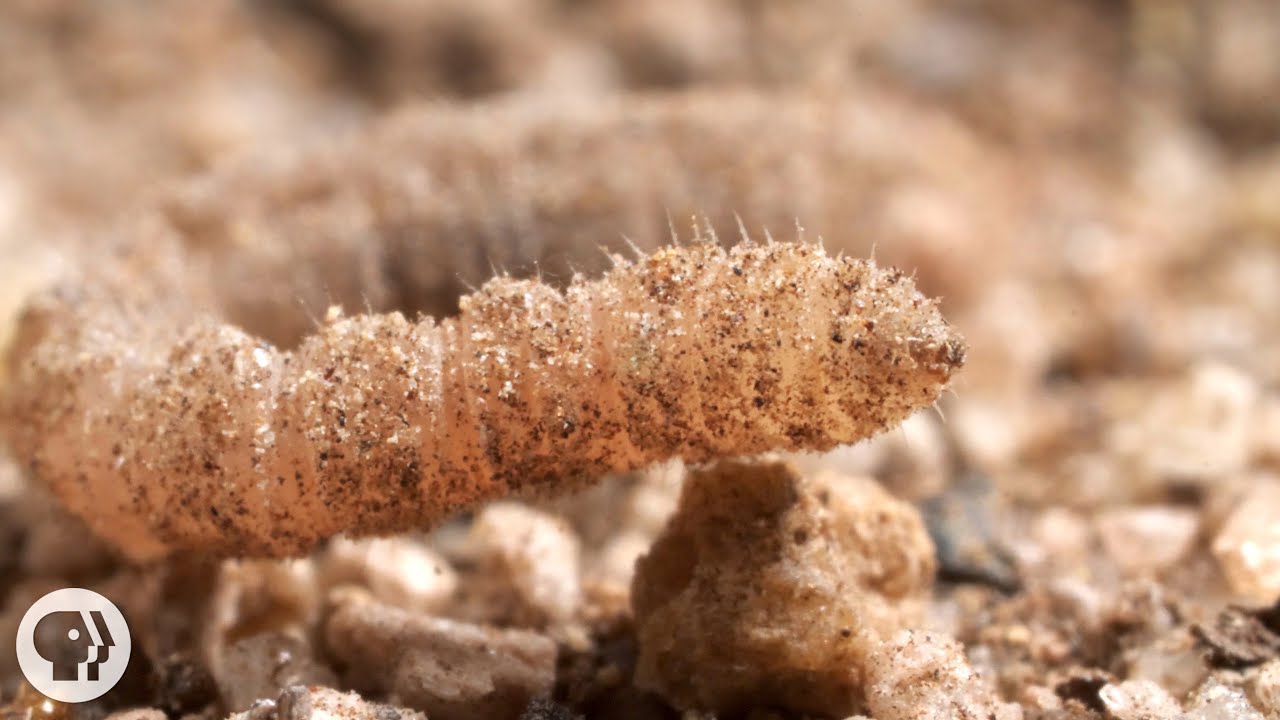
Straight out of science fiction, the fearsome wormlion ambushes prey at the bottom of a tidy - and terrifying - sand pit, then flicks their carcasses out. These meals fuel its transformation into something unexpected.
SUBSCRIBE to Deep Look! http://goo.gl/8NwXqt
Join our community on Patreon! https://www.patreon.com/deeplook
DEEP LOOK is a ultra-HD (4K) short video series created by KQED San Francisco and presented by PBS Digital Studios. See the unseen at the very edge of our visible world. Explore big scientific mysteries by going incredibly small.
---
Ominous creatures that lurk deep underground in the desert, like the sandworms in the classic science fiction novel "Dune," aren’t just make-believe. For ants and other prey, wormlions are a terrifying reality.
While quite small—they can grow up to an inch—wormlions are fly larvae that curl up their bodies like slingshots. Usually found under rock or log overhangs in dry, sandy landscapes, they’ll energetically fling soil, sand and pebbles out of the way to dig pit traps.
Once an unlucky critter falls in, wormlions move at lightning speed and quickly wrap their bodies around their victims. Squeezing them like boa constrictors, they also inject them with a paralyzing venom. They feed this way for several years, until they transform into adults.
Joyce Gross, a computer programmer for the UC Berkeley Natural History Museums, is fascinated by their unique hunting behavior.
“They have such a weird life history," she said. "They're the only flies that dig pits like this, and wait for prey to fall in, just like antlions.”
---+ Read the entire article on KQED Science:
https://www.kqed.org/science/1....941850/meeting-a-wor
--- Are antlions and wormlions related?
While they use a similar hunting technique with pitfall traps, they’re actually two separate species.
--- How are antlions and wormlions different from each other?
Antlions have big jaws, while wormlions have tiny mouthparts typical of other flies. They also dig pits differently. Antlions (genus Myrmeleon) create deeper pits by digging backwards in a spiral-shaped path.
---+ For more information:
Read "Demons of the Dust" (1930) by William Morton Wheeler: https://books.google.com/books..../about/Demons_of_the
---+ More Great Deep Look episodes:
Creepy Crawly Videos: https://www.youtube.com/watch?v=Yb26BBvAAWU&list=PLdKlciEDdCQBYF3x2RYLhPH0-tP_u2nRX
---+ Shoutout!
?Congratulations ?to the following fans for correctly identifying the creature's genus in our community tab challenge: Gar Báge, Phil Conti, Pikaia Battaile, Trinidadmax, and BorderLander .
---+ Thank you to our Top Patreon Supporters ($10+ per month)!
ThePeaceOfBread, Jeremy Gutierrez, Bill Cass, Justin Bull, Daniel Weinstein, Chris B Emrick, Karen Reynolds, Tea Torvinen, m_drunk, David Deshpande, Noah Hess, Daisuke Goto, Companion Cube, WhatzGames, Edwin, ThePeaceOfBread, Richard Shalumov, Elizabeth Ann Ditz, pearsryummy, Samuel Bean, Shirley Washburn, Kristell Esquivel , Jiayang Li, Jeremy Gutierrez, Carlos Zepeda, KW, johanna reis, Robert Warner, Monica Albe, Elizabeth Wolden, Cindy McGill, Sayantan Dasgupta, Robert Amling, Kilillith, Shelley Pearson Cranshaw, Pamela Parker, Kendall Rasmussen, Joshua Murallon Robertson, Kenia Villegas, Breanna Tarnawsky, Sonia Tanlimco, Bluapex, Ivan Alexander, Allen, Michele Wong, Johnnyonnyful, Tommy Tran, Rick Wong, Dean Skoglund, Laurel Przybylski, Levi Cai, Beckie, Jane Orbuch, Nathan Wright, Nathan Padilla, Jason Buberel, Sean Tucker, Carl, Mark Joshua Bernardo, Titania Juang, Daniel Voisine, Michael Mieczkowski, Kyle Fisher, Kirtan Patel, Jeanine Womble, JanetFromAnotherPlanet, Kallie Moore, SueEllen McCann, Jeanne Sommer, Edwin Rivas, Geidi Rodriguez, Benjamin Ip, Willy Nursalim, Katherine Schick, Aurora Mitchell, Two Box Fish, Daisy Trevino , Ricardo Martinez, Marjorie D Miller, Ben Espey, Cory, Eric Carter, PM Daeley, Ahegao Comics, Iver Soto, Chris Murphy, Joao Ascensao, Nicolette Ray, Yvan Mostaza, TierZoo, Gerzon
---+ Follow KQED Science and Deep Look:
Patreon: https://www.patreon.com/deeplook
Instagram: https://www.instagram.com/kqedscience/
Twitter: https://www.twitter.com/kqedscience
KQED Science on kqed.org: http://www.kqed.org/science
Facebook Watch: https://www.facebook.com/DeepLookPBS/
---+ About KQED
KQED, an NPR and PBS affiliate in San Francisco, CA, serves Northern California and beyond with a public-supported alternative to commercial TV, Radio and web media.
Funding for Deep Look is provided in part by PBS Digital Studios. Deep Look is a project of KQED Science, which is also supported by the National Science Foundation, the Templeton Religion Trust, the Templeton World Charity Foundation, the S. D. Bechtel, Jr. Foundation, the Dirk and Charlene Kabcenell Foundation, the Vadasz Family Foundation, the Gordon and Betty Moore Foundation, the Fuhs Family Foundation and the members of KQED.
#wormlion #insect #deeplook
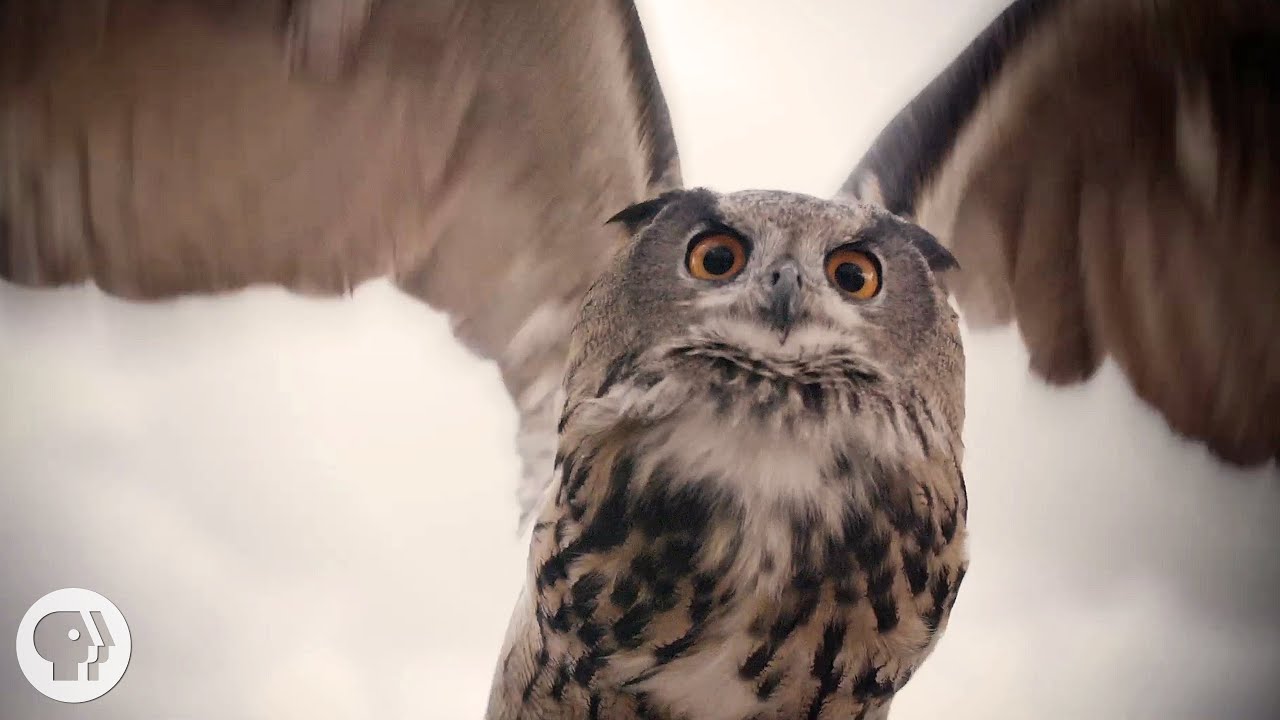
It's stealth, not speed that makes owls such exceptional hunters. Zoom way in on their phenomenal feathers to see what makes them whisper-quiet.
SUBSCRIBE to Deep Look! http://goo.gl/8NwXqt
DEEP LOOK: a new ultra-HD (4K) short video series created by KQED San Francisco and presented by PBS Digital Studios. See the unseen at the very edge of our visible world. Get a new perspective on our place in the universe and meet extraordinary new friends. Explore big scientific mysteries by going incredibly small.
--- How do owls hunt silently?
When birds flap their wings it creates turbulences in the air as it rushes over their wings. In general, the larger a bird is and the faster it flies, the larger the turbulence created and that means more sound.
The feathers at the leading edge of an owl’s wings have an unusual serrated appearance, referred to as a comb or fringe. The tiny hooked projections stick out and break up the wind as it flows over the owl’s wings reducing the size and sound of the turbulences.
Owl feathers go one step further to control sound. When viewed up-close, owl feathers appear velvety. The furry texture absorbs and dampens sound like a sound blanket. It also allows the feathers to quietly slide past each other in flight, reducing rusting sounds.
--- Why do owls hunt at night?
Owls belong to a group called raptors which also so includes with hawks, eagles and falcons. Most of these birds of prey hunt during the day and rely on. But unlike most other raptors, the roughly 200 species of owl are generally nocturnal while others are crepuscular, meaning that they’re active around dawn and dusk.
They have extremely powerful low-light vision, and finely tuned hearing which allows them to locate the source of even the smallest sound. Owls simply hide and wait for their prey to betray its own location. As ambush hunters, owls tend to rely on surprise more often than their ability to give chase.
--- Why do owls hoot?
With Halloween around the corner, you might have noticed a familiar sound in the night. It’s mating season for owls and the sound of their hooting fills the darkness.
According to Chris Clark, an an assistant professor of biology at UC Riverside,, “The reason why owls are getting ready to breed right now in the late fall is because they breed earlier than most birds. The bigger the bird the longer it takes for them to incubate their eggs and for the nestlings to hatch out and or the fledglings to leave the nest. Owls try to breed really early because they want their babies to be leaving the nest and practicing hunting right when there are lots of baby animals around like baby rabbits that are easy prey.”
--- More great DEEP LOOK episodes:
Halloween Special: Watch Flesh-Eating Beetles Strip Bodies to the Bone
https://www.youtube.com/watch?v=Np0hJGKrIWg
What Happens When You Put a Hummingbird in a Wind Tunnel?
https://www.youtube.com/watch?v=JyqY64ovjfY
You're Not Hallucinating. That's Just Squid Skin.
https://www.youtube.com/watch?v=0wtLrlIKvJE
--- Super videos from the PBS Digital Studios Network!
Did Dinosaurs Really Go Extinct? - It's Okay to be Smart
https://www.youtube.com/watch?v=3_RLz0whDv4
The Surprising Ways Death Shapes Our Lives - BrainCraft
https://www.youtube.com/watch?v=Joalg73L_gw
Crazy pool vortex - Physics Girl
https://www.youtube.com/watch?v=pnbJEg9r1o8
--- More KQED SCIENCE:
Tumblr: http://kqedscience.tumblr.com
Twitter: https://www.twitter.com/kqedscience
KQED Science: http://www.kqed.org/science
Funding for Deep Look is provided in part by PBS Digital Studios and the John S. and James L. Knight Foundation. Deep Look is a project of KQED Science, which is supported by HopeLab, The David B. Gold Foundation; S. D. Bechtel, Jr. Foundation; The Dirk and Charlene Kabcenell Foundation; The Vadasz Family Foundation; Smart Family Foundation and the members of KQED.
#deeplook

The males test the air, picking up the scent of a female who might be ready to mate but with so much competition around how do you deal with that? Taken from Animal Attraction.
Subscribe to BBC Earth: http://bit.ly/BBCEarthSubBBC Earth YouTube Channel: http://www.youtube.com/BBCEarth
BBC Earth Facebook http://www.facebook.com/bbcearth (ex-UK only)
BBC Earth Twitter http://www.twitter.com/bbcearth
Visit http://www.bbc.com/earth/world for all the latest animal news and wildlife videos
This is a channel from BBC Studios who help fund new BBC programmes.
Subscribe: http://bit.ly/BBCEarthSub
WATCH MORE:
New on Earth: https://bit.ly/2M3La96
Oceanscapes: https://bit.ly/2Hmd2kZ
Wild Thailand: https://bit.ly/2kR7lmh
Welcome to BBC EARTH! The world is an amazing place full of stories, beauty and natural wonder. Here you'll find 50 years worth of astounding, entertaining, thought-provoking and educational natural history content.
Want to share your views with the team behind BBC Earth and win prizes? Join our BBC Studios Voice: https://www.bbcstudiosvoice.com/register
This is a channel from BBC Worldwide who help fund new BBC programmes. Service information and feedback: http://bbcworldwide.com/vod-fe....edback--contact-deta

With the grass gone all the elephants can scratch from the dust is withered twigs. The adults might last on this but it will not support a calf for long...
Taken from Africa.
Subscribe to BBC Earth: http://bit.ly/BBCEarthSubBBC Earth YouTube Channel: http://www.youtube.com/BBCEarth
BBC Earth Facebook http://www.facebook.com/bbcearth (ex-UK only)
BBC Earth Twitter http://www.twitter.com/bbcearth
Visit http://www.bbc.com/earth/world for all the latest animal news and wildlife videos
This is a channel from BBC Studios who help fund new BBC programmes.

Footage of a tiger hunting a boar is rare, as they rarely attack such a strong prey.
Subscribe to BBC Earth for more amazing animal videos - http://bit.ly/BBCEarthSub
Watch more videos from BBC Earth:
Planet Earth http://bit.ly/PlanetEarthPlaylist
Blue Planet http://bit.ly/BluePlanetPlaylist
Planet Earth II http://bit.ly/PlanetEarthIIPlaylist
Planet Dinosaur http://bit.ly/PlanetDinoPlaylist
Five years ago the tigers of Sariska Reserve, India, were completely wiped out by poachers. It was a huge setback in the war to save this treasured species from extinction - but now conservationists are fighting back. This beautiful film follows a female tiger and a hot-blooded male over 18 months as they try to establish their new territory, learn to hunt their prey and dodge the ever-present threat of poachers.
Welcome to BBC EARTH! The world is an amazing place full of stories, beauty and natural wonder. Here you'll find 50 years worth of astounding, entertaining, thought-provoking and educational natural history content. Dramatic, rare, and exclusive, nature doesn't get more exciting than this.
Want to share your views with the team behind BBC Earth and win prizes? Join our fan panel here: http://tinyurl.com/YouTube-BBCEarth-FanPanel
This is a channel from BBC Worldwide who help fund new BBC programmes
Service information and feedback: http://bbcworldwide.com/vod-fe....edback--contact-deta

Dolphins beach themselves to easily catch prey, this way helping opportunistic birds to easily catch fish on the shore.
Subscribe: http://bit.ly/BBCEarthSub
Watch more videos from BBC Earth:
Planet Earth http://bit.ly/PlanetEarthPlaylist
Blue Planet http://bit.ly/BluePlanetPlaylist
Planet Earth II http://bit.ly/PlanetEarthIIPlaylist
Planet Dinosaur http://bit.ly/PlanetDinoPlaylist
Check out the other two channels in our BBC Earth network:
BBC Earth Unplugged: http://bit.ly/BBCEarthUnplugged
BBC Earth Lab: http://bit.ly/BBCEarthLabYouTubeChannel
Earthflight
On fantastic journeys across the globe, this film lets us fly wing-tip to wing-tip with charismatic birds in spectacular locations. Exploring the seasonal lives of these amazing avians with the latest technology, and plunging the audience into the heart of these amazing moments.
Welcome to BBC EARTH! The world is an amazing place full of stories, beauty and natural wonder. Here you'll find 50 years worth of astounding, entertaining, thought-provoking and educational natural history content. Dramatic, rare, and exclusive, nature doesn't get more exciting than this.
Want to share your views with the team behind BBC Earth and win prizes? Join our BBC Studios Voice: https://www.bbcstudiosvoice.com/register
This is a channel from BBC Studios who help fund new BBC programmes. Service information and feedback: http://bbcworldwide.com/vod-fe....edback--contact-deta
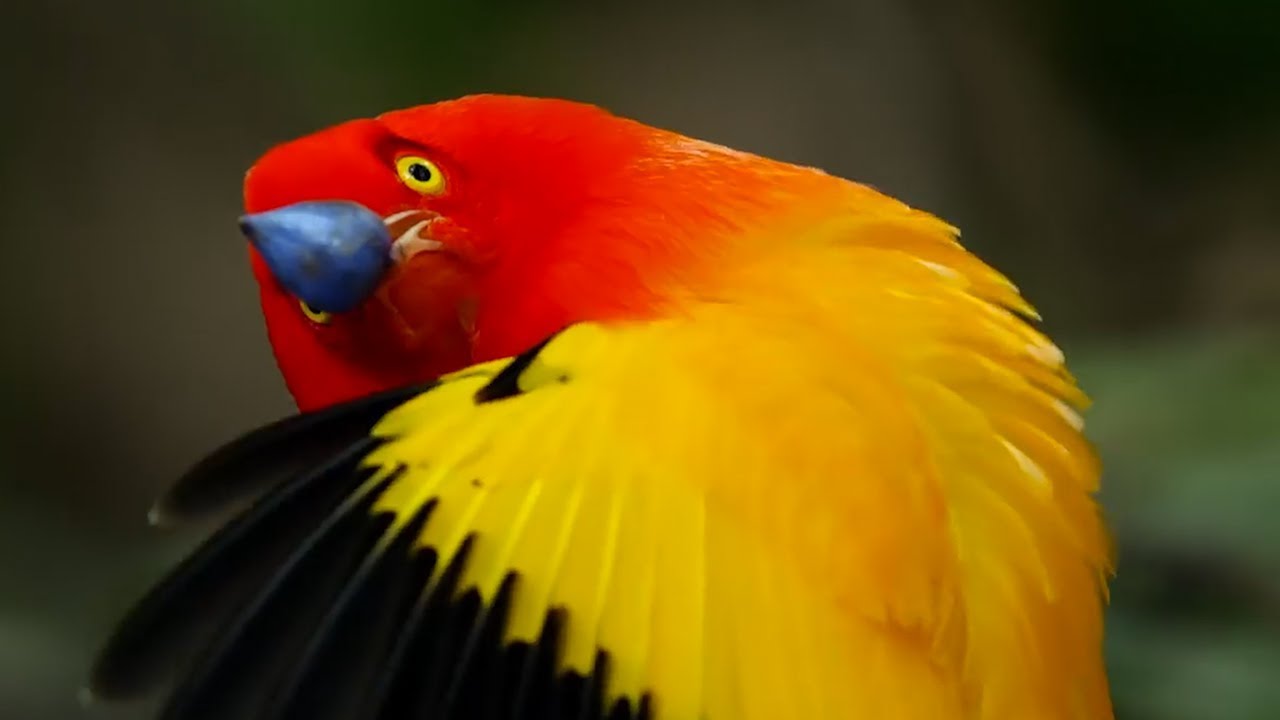
Ever felt unsure of how to approach a date? You're not alone. Watch as we share the most unusual mating rituals from the BBC Earth YouTube Channel.
Subscribe: http://bit.ly/BBCEarthSub
Watch more:
Planet Earth http://bit.ly/PlanetEarthPlaylist
Blue Planet http://bit.ly/BluePlanetPlaylist
Planet Earth II http://bit.ly/PlanetEarthIIPlaylist
Planet Dinosaur http://bit.ly/PlanetDinoPlaylist
Welcome to BBC EARTH! The world is an amazing place full of stories, beauty and natural wonder. Here you'll find 50 years worth of entertaining and thought-provoking natural history content. Dramatic, rare, and exclusive, nature doesn't get more exciting than this.
Want to share your views with the team? Join our BBC Studios Voice: https://www.bbcstudiosvoice.com/register
This is a page from BBC Studios who help fund new BBC programmes. Service information and feedback: http://bbcworldwide.com/vod-fe....edback--contact-deta

Check out BBC Earth on BBC online - http://www.bbc.com/earth/world
For more brilliant natural history shows, exclusive to YouTube, head over to our brand-new channel Earth Unplugged! http://www.youtube.com/earthunplugged
Sir David Attenborough presents this epic wildlife documentary, exploring the world of cold blooded animals. Watch this phenomenal video to see a fully grown python kill and eat a deer. Brilliant high quality images from BBC natural history masterpiece, Life in Cold Blood. Watch more high quality videos on the BBC Earth YouTube channel here: http://www.youtube.com/BBCEarth and visit http://www.BBCEarth.com for all the latest natural history exclusives and fantastic new wildlife videos.

Some viewers may find the following clip upsetting.
The natural world can be a cruel place - as these adult gentoo penguins mercilessly attack a stray chick.
Subscribe: http://bit.ly/BBCEarthSub
Watch more:
Planet Earth http://bit.ly/PlanetEarthPlaylist
Blue Planet http://bit.ly/BluePlanetPlaylist
Planet Earth II http://bit.ly/PlanetEarthIIPlaylist
Planet Dinosaur http://bit.ly/PlanetDinoPlaylist
Natural World: Penguin Post Office
On a tiny island in Antarctica, there's a post office surrounded by jaw-dropping scenery and 4,000 Gentoo penguins... Every summer, as tourists turn up in their hundreds to see the penguins and to send a postcard, the birds rush to find a partner and raise their young. This extraordinary four-month drama starts when the first penguin hops onto the island and continues until the last one leaves and the post office closes its doors for winter.
Welcome to BBC EARTH! The world is an amazing place full of stories, beauty and natural wonder. Here you'll find 50 years worth of entertaining and thought-provoking natural history content. Dramatic, rare, and exclusive, nature doesn't get more exciting than this.
Want to share your views with the team? Join our BBC Studios Voice: https://www.bbcstudiosvoice.com/register
This is a page from BBC Studios who help fund new BBC programmes. Service information and feedback: http://bbcworldwide.com/vod-fe....edback--contact-deta

Habitat loss and poaching has caused conflicts between tigers and humans to increase in frequency.
Subscribe to BBC Earth for more amazing animal videos - http://bit.ly/BBCEarthSub
Watch more videos from BBC Earth:
Planet Earth http://bit.ly/PlanetEarthPlaylist
Blue Planet http://bit.ly/BluePlanetPlaylist
Planet Earth II http://bit.ly/PlanetEarthIIPlaylist
Planet Dinosaur http://bit.ly/PlanetDinoPlaylist
Check out the other two channels in our BBC Earth network:
BBC Earth Unplugged: http://bit.ly/BBCEarthUnplugged
BBC Earth Lab: http://bit.ly/BBCEarthLabYouTubeChannel
(ARCHIVE VIDEO TITLE)
(ARCHIVE VIDEO DESCRIPTION)
Welcome to BBC EARTH! The world is an amazing place full of stories, beauty and natural wonder. Here you'll find 50 years worth of astounding, entertaining, thought-provoking and educational natural history content. Dramatic, rare, and exclusive, nature doesn't get more exciting than this.
Want to share your views with the team behind BBC Earth and win prizes? Join our BBC Studios Voice: https://www.bbcstudiosvoice.com/register
This is a page from BBC Studios who help fund new BBC programmes. Service information and feedback: http://bbcworldwide.com/vod-fe....edback--contact-deta

It is believed that reindeer once roamed the land in the Scottish Highlands, and that wild populations were wiped out 10,000 years ago. Could they be brought back to their native range?
Subscribe: http://bit.ly/BBCEarthSub
Episode 5 of BBC Earth original 'The Science of Cute'
Watch more:
Planet Earth http://bit.ly/PlanetEarthPlaylist
Blue Planet http://bit.ly/BluePlanetPlaylist
Planet Earth II http://bit.ly/PlanetEarthIIPlaylist
Planet Dinosaur http://bit.ly/PlanetDinoPlaylist
Welcome to BBC EARTH! The world is an amazing place full of stories, beauty and natural wonder. Here you'll find 50 years worth of entertaining and thought-provoking natural history content. Dramatic, rare, and exclusive, nature doesn't get more exciting than this.
Want to share your views with the team? Join our BBC Studios Voice: https://www.bbcstudiosvoice.com/register
This is a page from BBC Studios who help fund new BBC programmes. Service information and feedback: http://bbcworldwide.com/vod-fe....edback--contact-deta

In the last 15 years Camel racing has transformed into one of the richest sports in the world, with some races having a grand prize of one million dollars...
Subscribe to BBC Earth: http://bit.ly/BBCEarthSubBBC Earth YouTube Channel: http://www.youtube.com/BBCEarth
BBC Earth Facebook http://www.facebook.com/bbcearth (ex-UK only)
BBC Earth Twitter http://www.twitter.com/bbcearth
Visit http://www.bbc.com/earth/world for all the latest animal news and wildlife videos
This is a channel from BBC Studios who help fund new BBC programmes.
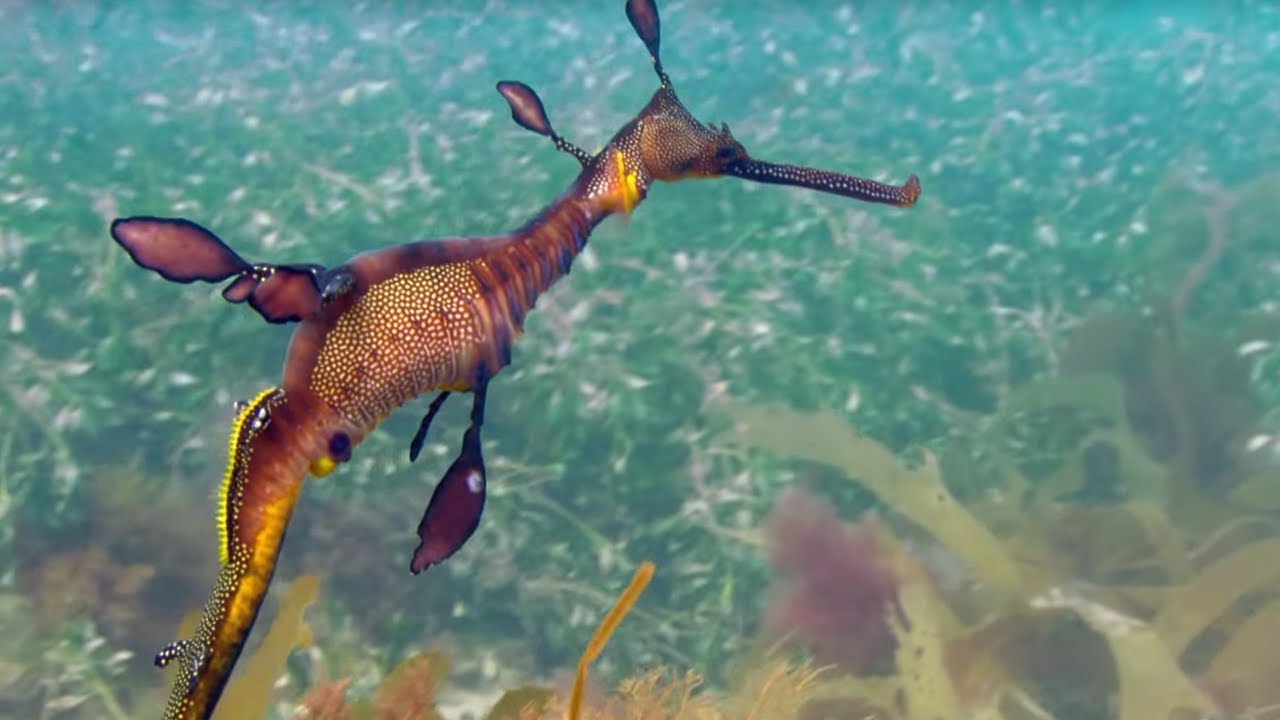
Enjoy the beautiful greens of mangroves, seagrasses and kelp forests as we take you on a journey through some of the prettiest green hues of our blue planet with this 10 hour loop. Subscribe: http://bit.ly/BBCEarthSub
#OurBluePlanet is a digital collaboration between BBC Earth and Ocean X Media with featured media from both companies. Join the conversation over on Twitter @OurBluePlanet.
Ocean X Media are a team of scientists, explorers and filmmakers driven to discover what lies beneath the waves and to document untold ocean stories. You can find out more here: http://www.oceanx.org
WATCH MORE:
New on Earth: https://bit.ly/2M3La96
Oceanscapes: https://bit.ly/2Hmd2kZ
Wild Thailand: https://bit.ly/2kR7lmh
Welcome to BBC EARTH! The world is an amazing place full of stories, beauty and natural wonder.
Want to share your views with the team? Join our BBC Studios Voice: https://www.bbcstudiosvoice.com/register
This is a page from BBC Studios who help fund new BBC programmes. Service information and feedback: http://bbcworldwide.com/vod-fe....edback--contact-deta

When neighbouring chimpanzees break into his territory, alpha male Nick needs to rally his own community to defend it.
Subscribe to BBC Earth for more amazing animal videos - http://bit.ly/BBCEarthSub
Watch more:
Planet Earth http://bit.ly/PlanetEarthPlaylist
Blue Planet http://bit.ly/BluePlanetPlaylist
Planet Earth II http://bit.ly/PlanetEarthIIPlaylist
Planet Dinosaur http://bit.ly/PlanetDinoPlaylist
The Secret Life Of Primates: Chimps
Zoologist Charlotte Uhlenbroek travels to jungles and mountains to infiltrate some of the greatest wild primate groups, getting closer to them than anyone before. She unravels the complex social dynamics of gorillas, orang-utans, chimpanzees and baboons to bring viewers every detail of these magnificent animals' existence.
Welcome to BBC EARTH! The world is an amazing place full of stories, beauty and natural wonder.
Want to share your views with the team behind BBC Earth and win prizes? Join our fan panel here: http://tinyurl.com/YouTube-BBCEarth-FanPanel
This is a channel from BBC Studios who help fund new BBC programmes
Service information and feedback: http://bbcworldwide.com/vod-fe....edback--contact-deta
