Top Vídeos
Suscríbete al canal: http://smarturl.it/RomeReportsESP
Visita nuestra web: http://www.romereports.com/es
Suscríbete a nuestra newsletter: http://bit.ly/1RLUQBz
Síguenos en Facebook https://www.facebook.com/RomeReportsESP
[DESCRIPCIÓN DE LA NOTICIA]
---------------------
Para difusión del vídeo: sales@romereports.com
ROME REPORTS es una Agencia de Noticias para TV, internacional e independiente, especializada en la actividad del Papa, la vida del Vaticano y los debates de actualidad sobre temas sociales, culturales o religiosos. Informar sobre la Iglesia Católica requiere cercanía a las fuentes, conocimiento en profundidad de la Institución, y elevados niveles de creatividad y competencia técnica.
ROME REPORTS informa directamente al público y cubre las necesidades de las emisoras mediante noticias diarias, programas informativos semanales y documentales especializados.
---------------------
Visítanos en...
Nuestra WEB http://es.romereports.com/
FACEBOOK https://www.facebook.com/RomeReportsESP
TWITTER https://twitter.com/romereports

http://es.romereports.com Benedicto XVI está "descansado, tiene la memoria ágil y los ojos brillantes y alegres". Así lo ve el padre Stephan Otto Horn, presidente del Circulo de Antiguos Alumnos de Ratzinger que lo visitó a principios de junio.
Suscríbete al canal: http://smarturl.it/RomeReportsESP
Visita nuestra web: http://es.romereports.com/
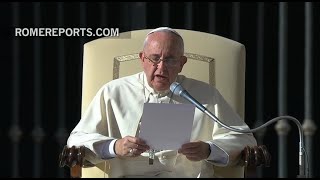
(SÓLO VÍDEO) El Papa Francisco explicó en la audiencia general que la santidad no es un estado reservado para los obispos o religiosos. Dijo que es un don que da Dios y que todo bautizado puede ser santo.
---------------------
ROME REPORTS es una Agencia de Noticias para TV, internacional e independiente, especializada en la actividad del Papa, la vida del Vaticano y los debates de actualidad sobre temas sociales, culturales o religiosos. Informar sobre la Iglesia Católica requiere cercanía a las fuentes, conocimiento en profundidad de la Institución, y elevados niveles de creatividad y competencia técnica.
ROME REPORTS informa directamente al público y cubre las necesidades de las emisoras mediante noticias diarias, programas informativos semanales y documentales especializados.
---------------------
Visítanos en...
Nuestra WEB http://es.romereports.com/
FACEBOOK https://www.facebook.com/RomeReportsESP
TWITTER https://twitter.com/romereports
PINTEREST http://www.pinterest.com/romereports/
Suscríbete al canal: http://smarturl.it/RomeReportsESP
Visita nuestra web: http://www.romereports.com/es
Suscríbete a nuestra newsletter: http://bit.ly/1RLUQBz
Síguenos en Facebook https://www.facebook.com/RomeReportsESP
[DESCRIPCIÓN DE LA NOTICIA]
---------------------
Para difusión del vídeo: sales@romereports.com
ROME REPORTS es una Agencia de Noticias para TV, internacional e independiente, especializada en la actividad del Papa, la vida del Vaticano y los debates de actualidad sobre temas sociales, culturales o religiosos. Informar sobre la Iglesia Católica requiere cercanía a las fuentes, conocimiento en profundidad de la Institución, y elevados niveles de creatividad y competencia técnica.
ROME REPORTS informa directamente al público y cubre las necesidades de las emisoras mediante noticias diarias, programas informativos semanales y documentales especializados.
---------------------
Visítanos en...
Nuestra WEB http://es.romereports.com/
FACEBOOK https://www.facebook.com/RomeReportsESP
TWITTER https://twitter.com/romereports

Suscríbete al canal: http://smarturl.it/RomeReportsESP
Visita nuestra web: http://es.romereports.com/
Durante su homilía en Casa Santa Marta, Francisco pidió a los cristianos que no finjan ser buenos. El Papa explicó que Jesús rechazaba a quienes lo hacían en su tiempo.
---------------------
ROME REPORTS es una Agencia de Noticias para TV, internacional e independiente, especializada en la actividad del Papa, la vida del Vaticano y los debates de actualidad sobre temas sociales, culturales o religiosos. Informar sobre la Iglesia Católica requiere cercanía a las fuentes, conocimiento en profundidad de la Institución, y elevados niveles de creatividad y competencia técnica.
ROME REPORTS informa directamente al público y cubre las necesidades de las emisoras mediante noticias diarias, programas informativos semanales y documentales especializados.
---------------------
Visítanos en...
Nuestra WEB http://es.romereports.com/
FACEBOOK https://www.facebook.com/RomeReportsESP
TWITTER https://twitter.com/romereports
PINTEREST http://www.pinterest.com/romereports/

Suscríbete al canal: http://smarturl.it/RomeReportsESP
Visita nuestra web: http://es.romereports.com/
La guerra civil se ha cobrado la vida de 220.000 personas, la mayoría de ellas civiles y niños.
---------------------
ROME REPORTS es una Agencia de Noticias para TV, internacional e independiente, especializada en la actividad del Papa, la vida del Vaticano y los debates de actualidad sobre temas sociales, culturales o religiosos. Informar sobre la Iglesia Católica requiere cercanía a las fuentes, conocimiento en profundidad de la Institución, y elevados niveles de creatividad y competencia técnica.
ROME REPORTS informa directamente al público y cubre las necesidades de las emisoras mediante noticias diarias, programas informativos semanales y documentales especializados.
---------------------
Visítanos en...
Nuestra WEB http://es.romereports.com/
FACEBOOK https://www.facebook.com/RomeReportsESP
TWITTER https://twitter.com/romereports

Suscríbete al canal: http://smarturl.it/RomeReportsESP
Visita nuestra web: http://www.romereports.com/es
Suscríbete a nuestra newsletter: http://bit.ly/1RLUQBz
Síguenos en Facebook https://www.facebook.com/RomeReportsESP
Se celebrará en 2019. Es la primera vez que tendrá lugar en un país de Centroamérica.
---------------------
Para difusión del vídeo: sales@romereports.com
ROME REPORTS es una Agencia de Noticias para TV, internacional e independiente, especializada en la actividad del Papa, la vida del Vaticano y los debates de actualidad sobre temas sociales, culturales o religiosos. Informar sobre la Iglesia Católica requiere cercanía a las fuentes, conocimiento en profundidad de la Institución, y elevados niveles de creatividad y competencia técnica.
ROME REPORTS informa directamente al público y cubre las necesidades de las emisoras mediante noticias diarias, programas informativos semanales y documentales especializados.
---------------------
Visítanos en...
Nuestra WEB http://es.romereports.com/
FACEBOOK https://www.facebook.com/RomeReportsESP
TWITTER https://twitter.com/romereports

Suscríbete al canal: http://smarturl.it/RomeReportsESP
Visita nuestra web: http://es.romereports.com/
Cuando se dice que el Nacimiento es una tradición italiana, pocos imaginan esto. Un portal de Belén, pastores incluidos, hecho con pasta.
---------------------
ROME REPORTS es una Agencia de Noticias para TV, internacional e independiente, especializada en la actividad del Papa, la vida del Vaticano y los debates de actualidad sobre temas sociales, culturales o religiosos. Informar sobre la Iglesia Católica requiere cercanía a las fuentes, conocimiento en profundidad de la Institución, y elevados niveles de creatividad y competencia técnica.
ROME REPORTS informa directamente al público y cubre las necesidades de las emisoras mediante noticias diarias, programas informativos semanales y documentales especializados.
---------------------
Visítanos en...
Nuestra WEB http://es.romereports.com/
FACEBOOK https://www.facebook.com/RomeReportsESP
TWITTER https://twitter.com/romereports
PINTEREST http://www.pinterest.com/romereports/

Suscríbete al canal: http://smarturl.it/RomeReportsESP
Visita nuestra web: http://www.romereports.com/es
Suscríbete a nuestra newsletter: http://bit.ly/1RLUQBz
Síguenos en Facebook https://www.facebook.com/RomeReportsESP
[DESCRIPCIÓN DE LA NOTICIA]
---------------------
Para difusión del vídeo: sales@romereports.com
ROME REPORTS es una Agencia de Noticias para TV, internacional e independiente, especializada en la actividad del Papa, la vida del Vaticano y los debates de actualidad sobre temas sociales, culturales o religiosos. Informar sobre la Iglesia Católica requiere cercanía a las fuentes, conocimiento en profundidad de la Institución, y elevados niveles de creatividad y competencia técnica.
ROME REPORTS informa directamente al público y cubre las necesidades de las emisoras mediante noticias diarias, programas informativos semanales y documentales especializados.
---------------------
Visítanos en...
Nuestra WEB http://es.romereports.com/
FACEBOOK https://www.facebook.com/RomeReportsESP
TWITTER https://twitter.com/romereports

Suscríbete al canal: http://smarturl.it/RomeReportsESP
Visita nuestra web: http://www.romereports.com/es
Suscríbete a nuestra newsletter: http://bit.ly/1RLUQBz
Síguenos en Facebook https://www.facebook.com/RomeReportsESP
“Pero no se puede adoctrinar en la escuela la ideología de género, para cambiar mentalidad”, dijo.
---------------------
Para difusión del vídeo: sales@romereports.com
ROME REPORTS es una Agencia de Noticias para TV, internacional e independiente, especializada en la actividad del Papa, la vida del Vaticano y los debates de actualidad sobre temas sociales, culturales o religiosos. Informar sobre la Iglesia Católica requiere cercanía a las fuentes, conocimiento en profundidad de la Institución, y elevados niveles de creatividad y competencia técnica.
ROME REPORTS informa directamente al público y cubre las necesidades de las emisoras mediante noticias diarias, programas informativos semanales y documentales especializados.
---------------------
Visítanos en...
Nuestra WEB http://es.romereports.com/
FACEBOOK https://www.facebook.com/RomeReportsESP
TWITTER https://twitter.com/romereports

PUEDES VER EL DOCUMENTAL EN : https://www.romereportsespanol.....tv/documentales/vid
Suscríbete al canal: http://smarturl.it/RomeReportsESP
Visita nuestra web: http://www.romereports.com/es
Suscríbete a nuestra newsletter: http://bit.ly/1RLUQBz
Síguenos en Facebook https://www.facebook.com/RomeReportsESP
Rome Reports presenta en el Vaticano un documental que incluye a personalidades internacionales.
---------------------
Para difusión del vídeo: sales@romereports.com
ROME REPORTS es una Agencia de Noticias para TV, internacional e independiente, especializada en la actividad del Papa, la vida del Vaticano y los debates de actualidad sobre temas sociales, culturales o religiosos. Informar sobre la Iglesia Católica requiere cercanía a las fuentes, conocimiento en profundidad de la Institución, y elevados niveles de creatividad y competencia técnica.
ROME REPORTS informa directamente al público y cubre las necesidades de las emisoras mediante noticias diarias, programas informativos semanales y documentales especializados.
---------------------
Visítanos en...
Nuestra WEB http://es.romereports.com/
FACEBOOK https://www.facebook.com/RomeReportsESP
TWITTER https://twitter.com/romereports
¡La nueva app Rome Reports ya está disponible! Descarga la app:
Android: https://bit.ly/2taaX7f
Iphone: https://apple.co/2UHOtpK
Suscríbete al canal: http://smarturl.it/RomeReportsESP
Visita nuestra web: http://www.romereports.com/es
Suscríbete a nuestra newsletter: http://bit.ly/1RLUQBz
Síguenos en Facebook https://www.facebook.com/RomeReportsESP
[DESCRIPCIÓN DE LA NOTICIA]
---------------------
Para difusión del vídeo: sales@romereports.com
ROME REPORTS es una Agencia de Noticias para TV, internacional e independiente, especializada en la actividad del Papa, la vida del Vaticano y los debates de actualidad sobre temas sociales, culturales o religiosos. Informar sobre la Iglesia Católica requiere cercanía a las fuentes, conocimiento en profundidad de la Institución, y elevados niveles de creatividad y competencia técnica.
ROME REPORTS informa directamente al público y cubre las necesidades de las emisoras mediante noticias diarias, programas informativos semanales y documentales especializados.
---------------------
Visítanos en...
Nuestra WEB http://es.romereports.com/
FACEBOOK https://www.facebook.com/RomeReportsESP
TWITTER https://twitter.com/romereports
Suscríbete al canal: http://smarturl.it/RomeReportsESP
Visita nuestra web: http://www.romereports.com/es
Suscríbete a nuestra newsletter: http://bit.ly/1RLUQBz
Síguenos en Facebook https://www.facebook.com/RomeReportsESP
[DESCRIPCIÓN DE LA NOTICIA]
---------------------
Para difusión del vídeo: sales@romereports.com
ROME REPORTS es una Agencia de Noticias para TV, internacional e independiente, especializada en la actividad del Papa, la vida del Vaticano y los debates de actualidad sobre temas sociales, culturales o religiosos. Informar sobre la Iglesia Católica requiere cercanía a las fuentes, conocimiento en profundidad de la Institución, y elevados niveles de creatividad y competencia técnica.
ROME REPORTS informa directamente al público y cubre las necesidades de las emisoras mediante noticias diarias, programas informativos semanales y documentales especializados.
---------------------
Visítanos en...
Nuestra WEB http://es.romereports.com/
FACEBOOK https://www.facebook.com/RomeReportsESP
TWITTER https://twitter.com/romereports

Suscríbete al canal: http://smarturl.it/RomeReportsESP
Visita nuestra web: http://www.romereports.com/es
Suscríbete a nuestra newsletter: http://bit.ly/1RLUQBz
Síguenos en Facebook https://www.facebook.com/RomeReportsESP
[DESCRIPCIÓN DE LA NOTICIA]
---------------------
Para difusión del vídeo: sales@romereports.com
ROME REPORTS es una Agencia de Noticias para TV, internacional e independiente, especializada en la actividad del Papa, la vida del Vaticano y los debates de actualidad sobre temas sociales, culturales o religiosos. Informar sobre la Iglesia Católica requiere cercanía a las fuentes, conocimiento en profundidad de la Institución, y elevados niveles de creatividad y competencia técnica.
ROME REPORTS informa directamente al público y cubre las necesidades de las emisoras mediante noticias diarias, programas informativos semanales y documentales especializados.
---------------------
Visítanos en...
Nuestra WEB http://es.romereports.com/
FACEBOOK https://www.facebook.com/RomeReportsESP
TWITTER https://twitter.com/romereports

Suscríbete al canal: http://smarturl.it/RomeReportsESP
Visita nuestra web: http://www.romereports.com/es
Suscríbete a nuestra newsletter: http://bit.ly/1RLUQBz
Síguenos en Facebook https://www.facebook.com/RomeReportsESP
Más de 2.100 millones de personas no tienen acceso a agua potable, según la Organización Mundial de la Salud.
---------------------
Para difusión del vídeo: sales@romereports.com
ROME REPORTS es una Agencia de Noticias para TV, internacional e independiente, especializada en la actividad del Papa, la vida del Vaticano y los debates de actualidad sobre temas sociales, culturales o religiosos. Informar sobre la Iglesia Católica requiere cercanía a las fuentes, conocimiento en profundidad de la Institución, y elevados niveles de creatividad y competencia técnica.
ROME REPORTS informa directamente al público y cubre las necesidades de las emisoras mediante noticias diarias, programas informativos semanales y documentales especializados.
---------------------
Visítanos en...
Nuestra WEB http://es.romereports.com/
FACEBOOK https://www.facebook.com/RomeReportsESP
TWITTER https://twitter.com/romereports

Frank Sinatra-Killing me softly

"La historia de las especies invasoras"
Visita http://kiskeya.life para mas vídeos y artículos en Inglés y Español sobre Quisqueya!
¡Duda, investiga y aprende!
Patreon: https://www.patreon.com/user?u=877947
Instagram: http://instagram.com/kiskeya.life/
Facebook: http://facebook.com/kiskeyalife
Twitter: http://twitter.com/aleccorday
Nuestras cámaras y equipo:
http://amzn.to/1VD2vSJ
------------------------------------------------
Créditos:
Escrito, dirigido y producido por Alec Corday
http://www.aleccorday.com
Productor Ejecutivo Lola Mendez
http://instagram.com/uh.lola
http://www.uhlola.com
Tema musical principal por SENNA
https://sennamusic.bandcamp.com/
#FaunaDominicana #CuriosidadesDominicanas #RepublicaDominicana

"... de vez en cuando."
Según los mapas antiguos, la península de Samaná es en realidad la isla Samaná ... excepto que no lo es. ¿O si?
Visite http://kiskeya.life para mas vídeos y artículos!
Patreon: https://www.patreon.com/user?u=877947
Instagram: http://instagram.com/kiskeya.life/
Facebook: http://facebook.com/kiskeyalife
Twitter: http://twitter.com/aleccorday
El equipo que usamos:
http://amzn.to/1VD2vSJ
------------------------------------------------
Creditos:
Written, directed, edited and produced by Alec Corday
http://www.aleccorday.com
Executive Producer Lola Mendez
http://www.uhlola.com
Theme Music by SENNA
http://sennamusic.tumblr.com/
All videos/pictures by
Alec Corday

"El primer avion llego... en barco."
Visita nuestro canal para mas video sobre la isla Quisqueya, la República Dominicana y Haiti!
Patreon: https://www.patreon.com/user?u=877947
Instagram: http://instagram.com/kiskeya.life/
Facebook: http://facebook.com/kiskeyalife
Twitter: http://twitter.com/aleccorday
See here the camera and equipment we used:
http://amzn.to/1VD2vSJ
------------------------------------------------
Credits:
Written, directed, edited and produced by Alec Corday
http://www.aleccorday.com
Executive Producer Lola Mendez
http://www.uhlola.com
Theme Music by SENNA
http://sennamusic.tumblr.com/
All videos/pictures by
Alec Corday

"But did it fly?"
Visit http://kiskeya.life For more videos and articles about the Kiskeya island, also known as the Dominican Republic and Haiti!
Patreon: https://www.patreon.com/user?u=877947
Instagram: http://instagram.com/kiskeya.life/
Facebook: http://facebook.com/kiskeyalife
Twitter: http://twitter.com/aleccorday
See here the camera and equipment we used:
http://amzn.to/1VD2vSJ
------------------------------------------------
Credits:
Written, directed, edited and produced by Alec Corday
http://www.aleccorday.com
Research provided by
LUIS P. PUESAN
Executive Producer Lola Mendez
http://www.uhlola.com
Theme Music by SENNA
http://sennamusic.tumblr.com/