Top Vídeos

Online purchase or streaming (Spotify, iTunes, Amazon Music, Deezer, Tidal, Google Play):
https://brilliant-classics.lnk.to/JoyeuxNoel
Physical Purchase:
https://www.brilliantclassics.....com/articles/j/joyeu
Spotify Playlists:
Brilliant Classics Spotify: https://brilliant-classics.lnk.to/Spotify
The best of Liszt: https://brilliant-classics.lnk.to/Playliszt
The best of Bach: https://brilliant-classics.lnk.....to/BestOfBachPlayli
Most popular piano music: https://brilliant-classics.lnk.to/MostPopularPiano
Beautiful classical Music: https://brilliant-classics.lnk.....to/BeautifulClassic
Composer & Artist:
Composer: Michel Corrette, Pierre Dandrieu
Artists: Christian Lambour organ,
La Fantasia,
Rien Voskuilen conductor,
Aradia Ensemble,
Kevin Mallon conductor
About this Album:
A compilation of popular music written for Christmas time by French Baroque and Romantic composers.
Tracklist:
00:00:00 Te deum in D Major, H. 146
00:22:07 Dixit dominus, H. 204
00:31:06 Messe de minuit pour noël, H. 9: I. Kyrie
00:39:04 Messe de minuit pour noël, H. 9: II. Gloria
00:43:33 Messe de minuit pour noël, H. 9: III. Credo
00:52:41 Messe de minuit pour noël, H. 9: IV. Noël. Laissez paître vor bêtes
00:54:22 Messe de minuit pour noël, H. 9: VI. Agnus dei
00:56:42 Sinfonia I: I. À la venue de noël. Moderato
00:59:05 Sinfonia I: II. Le roy des cieux vient de naître. Andante
01:01:06 Sinfonia I: III. Voici le jour solennel. Moderato
01:03:10 Sinfonia I: IV. Adam fut un pauvre homme. Allegro
01:05:20 Sinfonia II: I. Où s’en vont ces gais bergers. Allegro
01:07:52 Sinfonia II: II. Noël polonaise. Largo
01:09:43 Sinfonia II: III. Laissez paître vos bêtes. Allegro
01:13:03 Sinfonia III: I. Quand je m’éveillai et eus assez dormi. Moderato
01:15:05 Sinfonia III: II. Vous qui désirez sans fin. Andante
01:17:43 Sinfonia III: III. Noël allemande. Largo
01:18:48 Sinfonia III: IV. Noël de St. Cyr. Allegro
01:20:50 Sinfonia III: V. Cette journée. Allegro
01:22:26 Sinfonia III: VI. Puer nobis nascitur. Moderato
01:24:41 Sinfonia III: VII. Chantons je vous prie. Allegro
01:25:34 Sinfonia III: VIII. Joseph est un bon compagnon. Allegro
01:26:58 Sinfonia IV: I. Une jeune pucelle. Moderato
01:28:49 Sinfonia IV: II. Je me suis levé par un matinet. Allegro
01:30:04 Sinfonia IV: III. Chrétiens qui suivez l’église. Adagio
01:32:00 Sinfonia IV: IV. Nous sommes en voie. Allegro
01:32:48 Sinfonia IV: V. Noël allemande. Largo
01:34:31 Sinfonia IV: VI. Noël américain. Allegro
01:35:25 Sinfonia IV: VII. Nouveau noël sur un ancient air de M. Lully. Allegro
01:37:39 Sinfonia V: I. Chantons je vous prie noël hautement. Moderato
01:39:13 Sinfonia V: II. Bergers allons voir dans ce lieu. Andante
01:40:19 Sinfonia V: III. Joseph est bien marié. Allegro
01:41:35 Sinfonia V: IV. Un jour dieu se résolut
01:42:12 Sinfonia V: V. Michau qui causoit ce grand bruit. Allegro
01:42:54 Sinfonia V: VI. Or, nous dites, Marie. Adagio
01:46:33 Sinfonia V: VII. Chantons de voix hautaine. Vivace
01:48:40 Sinfonia V: VIII. Noël Suisse. Allegro
01:51:55 Sinfonia VI: I. Tous les bourgeois de Chartres. Allegro
01:54:05 Sinfonia VI: II. Quoy ma voisine es-tu fâchée. Amorozo
01:56:27 Sinfonia VI: III. Noël de Saintonge. Allegro
01:57:57 Sinfonia VI: IV. Bon Joseph écoutez-moi
01:59:16 Livre de noëls pour l’orgue et le clavecin: I. Puer nobis nascitur
02:03:39 Livre de noels: I. Nous sommes en voie
02:05:42 Nouveau livre de noels: I. Chantons je vous prie noël hautement
02:08:42 Recueil de noëls – Suite No. 1: I. Joseph est bien marié
02:13:11 9 Offertoires de caractères gradués pour l’avent et le temps de noël: I Sur un noël
02:16:111 9 Offertoires de caractères gradués pour l’avent et le temps de noël: II. Pour le deuxième dimanche de l’avent
02:20:08 9 Offertoires de caractères gradués pour l’avent et le temps de noël: III. Or, dites nous Marie
02:23:27 9 Offertoires de caractères gradués pour l’avent et le temps de noël: IV. Vous qui désirez sans fin
02:26:28 9 Offertoires de caractères gradués pour l’avent et le temps de noël: V. Chantons de voix humaine
02:30:47 9 Offertoires de caractères gradués pour l’avent et le temps de noël: VI. Noël, cette journée
02:34:24 Livre de noels, Op. 60, Vol.1: VI. Noël écossais
02:37:10 Offertoire sur un Noël Breton in A Minor
02:43:24 Noël angevin
02:44:42 Vieux noël
02:46:50 Noël angevin, quasi allegro
02:48:05 ièces nouvelles pour orgue ou piano-pédalier: VII. Noël
02:53:22 Messe du jour de noël, Op. 11: V. Dernier kyrie
02:54:35 Messe du jour de noël, Op. 11: VI. Domine deus, rex coelestis
02:55:51 Messe du jour de noël, Op. 11: VII. Domine deus, agnus dei
02:57:51 Messe du jour de noël, Op. 11: VIII. Quoniam
02:59:56 Messe du jour de noël, Op. 11: IX. Tu solus latissimus
#Joyeuxnoel #french #Classical #BrilliantClassics #Music #Composer #ChristmasMusic #Holidays #Complete
Online purchase or streaming (Spotify, iTunes, Amazon Music, Deezer, Tidal, Google Play):
https://brilliant-classics.lnk.....to/TunderCompleteOr
Physical Purchase:
https://www.brilliantclassics.....com/articles/t/tunde
Spotify Playlists:
Brilliant Classics Spotify: https://brilliant-classics.lnk.to/Spotify
The best of Liszt: https://brilliant-classics.lnk.to/Playliszt
The best of Bach: https://brilliant-classics.lnk.....to/BestOfBachPlayli
Most popular piano music: https://brilliant-classics.lnk.to/MostPopularPiano
Beautiful classical Music: https://brilliant-classics.lnk.....to/BeautifulClassic
Classical music for dinnertime: https://brilliant-classics.lnk.....to/ClassicalMusicfo
Composer & Artist:
Composer: Franz Tunder
Artist: Emanuele Cardi organ
About this Album:
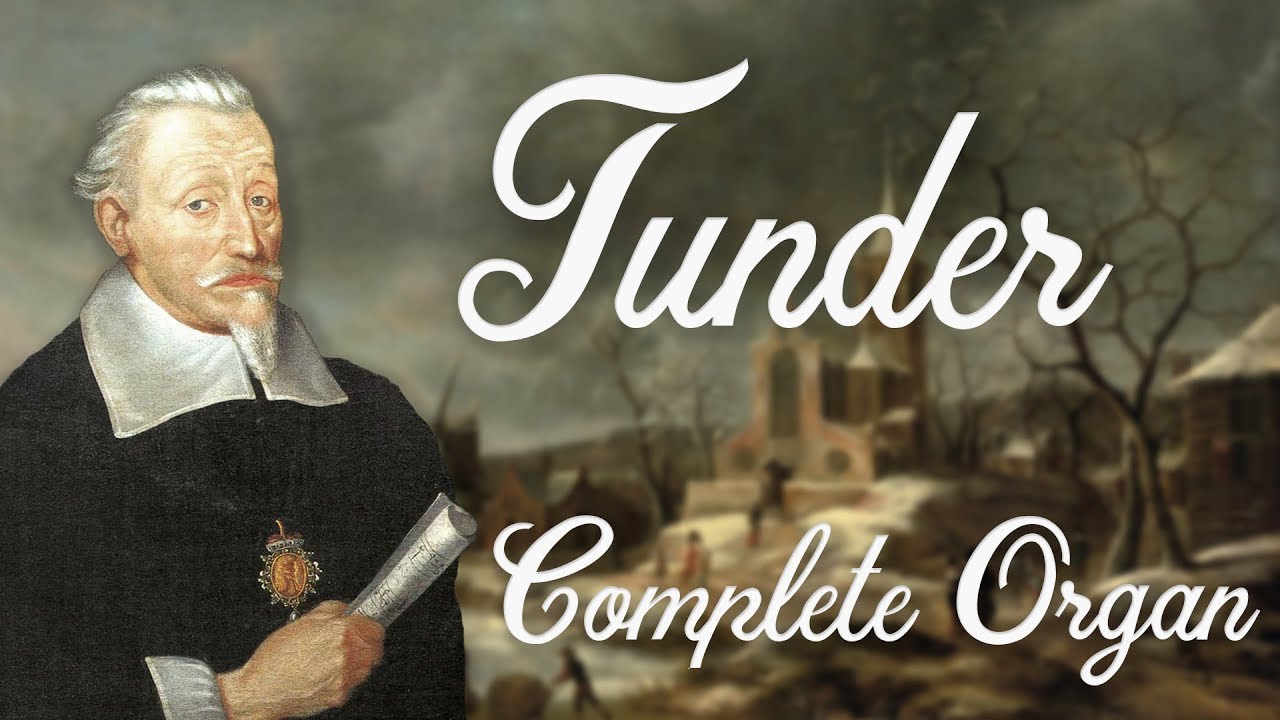
ranz Tunder (1614-1667) was born in the German city of Lübeck, where he stayed his whole life as organist and treasurer of the St. Marienkirche.
Tunder is one of the cornerstones of the North German organ school. His style is the “Stylus Phantasticus”, in which the emotional content of the text is the basis of the musical expression, using sudden harmonic changes, dissonances and tone painting.
Tunder left an oeuvre consisting of Chorale Preludes on Lutheran hymns, as well as several separate organ preludes.
Emanuele Cardi is one of the foremost Italian organists, specialized in early organs and the restoration of Baroque instruments. On this recording he plays a magnificent Ghilardi organ built in 1996, inspired by the 17th century German Arp Schnitger instruments.
Excellent liner notes written by a musicologist, as well as the complete disposition and photo of the organ are included in the booklet. Another fine issue in the Brilliant Classics series of Pre-Bachian organ masters
Tracklist:
00:00:00 Præludium in G minor (I)
00:03:09 In dich hab ich gehoffet, Herr
00:08:37 Auf meinen lieben Gott
00:16:03 Præludium in F Major
00:19:43 Herr Gott, dich loben wir
00:27:25 Canzona in G Major
00:29:08 Christ lag in Todes Banden
00:41:05 Jesus Christus, wahr’ Gottes Sohn
00:46:25 Præludium in G Minor (III)
00:50:27 Jesus Christus, unser Heiland: I. Primus versus
00:52:45 Jesus Christus, unser Heiland: II. Secundus versus
00:54:18 Jesus Christus, unser Heiland: III. Tertius versus
00:56:29 Was kann uns kommen an für Not (vers.1)
01:10:46 Komm, Heiliger Geist, Herre Gott
01:18:07 Was kann uns kommen an für Not (vers.2)
01:27:53 Præludium in G Minor (II)
#ClassicalOrganMusic #OrganMusic #Classical #BrilliantClassics #Music #Composer #ClassicalMusic

Online purchase or streaming (Spotify, iTunes, Amazon Music, Deezer, Google Play): https://brilliant-classics.lnk.....to/SauguetCompleteG
More Information: https://www.brilliantclassics.....com/articles/s/saugu
Brilliant Classics Facebook: https://www.facebook.com/brilliantclassics
Spotify Playlists:
Brilliant Classics Spotify: https://brilliant-classics.lnk.to/Spotify
The best of Liszt: https://brilliant-classics.lnk.to/Playliszt
The best of Bach: https://brilliant-classics.lnk.....to/BestOfBachPlayli
Most popular piano music: https://brilliant-classics.lnk.to/MostPopularPiano
Beautiful classical Music: https://brilliant-classics.lnk.....to/BeautifulClassic
Classical music for dinnertime: https://brilliant-classics.lnk.....to/ClassicalMusicfo
Composer & Artist:
Composer: Henri Sauguet
Artists: Alfonso Baschiera (guitar), Federica Lotti (flute), Nicola Boscaro (cello)
About this Album:
Henri Sauguet composed for many solo instruments, but writing for the guitar was where his passion lay, describing the instrument as ‘very noble’ and ‘one of the great instruments that belong to all ages’. An eclectic, prolific and original composer, Sauguet’s great gift lay in his ability to construct with just a few notes sound sketches that transcend genres, taking inspiration from a wide pool of trends. Sauguet began composing music for the guitar in 1958 with Soliloque, a vibrant, emotionally charged piece in which tonality and modality intermingle with chromaticism, and continued with the elegant harmonic solutions of Trois Préludes in 1970 and the subtle and expressive neo-modality of Musiques pour Claudel in 1973. These two suites, written to celebrate the French writer Paul Claudel, were followed by Six Pièces faciles in 1975, which was more frivolous in nature but nevertheless evocative, with memorable melodic themes. The crowning note in his guitar music writing career came with Révérence à Johann Sebastian Bach, written in 1985 to celebrate the 300th anniversary of the great German composer’s birth, and Cadence, his final piece for the solo guitar written at the age of 84 and published posthumously in 1990, containing two distinct sections that intertwine, the first part mechanical and regular, the second contemplative and lyrical.
Tracklist:
00:00:00 Cadence
00:03:52 Trois préludes: I. Prélude à la mélancolie
00:07:30 Trois préludes: II. Prélude au souvenir
00:10:17 Trois préludes: III. Prélude aux gestes
00:14:43 Six pièces faciles: I. Petit air doux
00:15:58 Six pièces faciles: II. Un bout de valse
00:17:18 Six pièces faciles: III. La roue tourney
00:18:36 Six pièces faciles: IV. Le sommeil du pâtre
00:20:25 Six pièces faciles: V. La barque chinoise 1’27
00:21:55 Six pièces faciles: VI. Pas à pas
00:23:25 Musique pour Claudel No. 1: I. En forme d’ouverture
00:24:29 Musique pour Claudel No. 1: II. Images
00:25:18 Musique pour Claudel No. 1: III. Le temps qui passe
00:27:26 Musique pour Claudel No. 1: IV. Caquetage
00:28:15 Musique pour Claudel No. 2: I. Cantabile
00:30:02 Musique pour Claudel No. 2: II. Les couleurs. A. Le bleu
00:31:25 Musique pour Claudel No. 2: II. Les couleurs. B. Le rouge
00:32:32 Musique pour Claudel No. 2: II. Les couleurs. C. Le jaune
00:33:17 Musique pour Claudel No. 2: II. Les couleurs. D. Le vert
00:35:05 Musique pour Claudel No. 2: III. Contrastes
00:36:43 Soliloque
00:42:09 Révérence à Johann Sebastian Bach
#Classical #BrilliantClassics #Music #Composer #ClassicalMusic #Sauguet #Guitar #guitarMusic

A worthy tribute to Beethoven, the genius, the human, whose motto was:
“Vom Herzen, möge es wieder zu Herzen gehn!”(From the heart, may it go into the hearts again!).
The first 27 tracks of the Beethoven Edition! For the complete 104 tracks (13 hours of Music!), check the following links:
Online purchase or streaming (Spotify, iTunes, Amazon Music, Deezer, Google Play): https://brilliant-classics.lnk.....to/BeethovenEdition
Physicale Sale: https://www.brilliantclassics.....com/articles/b/beeth
iTunes: https://itunes.apple.com/album/id1251894120?ls=1&app=itunes
Composer: Ludwig van Beethoven
Artist: Staatskapelle Dresden & Herbert Blomstedt
00:00:00 Symphony No. 1 in C Major, Op. 21: I. Adagio molto - Allegro con brio
00:09:03 Symphony No. 1 in C Major, Op. 21: II. Andante cantabile con moto
00:17:36 Symphony No. 1 in C Major, Op. 21: III. Menuetto & Trio. Allegro molto e vivace
00:21:02 Symphony No. 1 in C Major, Op. 21: IV. Finale. Adagio - Allegro molto e vivace
00:27:21 Symphony No. 3 in E-Flat Major, Op. 55: I. Allegro con brio
00:42:24 Symphony No. 3 in E-Flat Major, Op. 55: II. Marcia funebre. Adagio assai
00:59:12 Symphony No. 3 in E-Flat Major, Op. 55: III. Scherzo & Trio. Allegro vivace
01:05:01 Symphony No. 3 in E-Flat Major, Op. 55: IV. Allegro molto - Poco andante – Presto
01:16:50 Symphony No. 5 in C Minor, Op. 67: I. Allegro con brio
01:24:56 Symphony No. 5 in C Minor, Op. 67: II. Andante con moto
01:36:18 Symphony No. 5 in C Minor, Op. 67: III. Allegro
01:45:11 Symphony No. 5 in C Minor, Op. 67: IV. Allegro – Presto
01:54:14 Symphony No. 6 in F Major, Op. 68: I. Allegro ma non troppo
02:03:45 Symphony No. 6 in F Major, Op. 68: II. Andante molto mosso
02:16:26 Symphony No. 6 in F Major, Op. 68: III. Allegro - Sempre più stretto - In tempo d'allegro - Tempo I – Presto
02:03:45 Symphony No. 6 in F Major, Op. 68: IV. Allegro
02:22:10 Symphony No. 6 in F Major, Op. 68: V. Allegretto
02:25:23 Symphony No. 9 in D Minor, Op. 125: I. Allegro ma non troppo, un poco maestoso
02:35:44 Symphony No. 9 in D Minor, Op. 125: II. Molto vivace – Presto
02:52:39 Symphony No. 9 in D Minor, Op. 125: III. Adagio molto e cantabile - Andante moderato - Tempo I - Andante moderato - Adagio - Lo stesso tempo
03:06:27 Symphony No. 9 in D Minor, Op. 125: IV. Presto - Allegro assai - Presto - Recitativo - Allegro assai
Artist:
Brendel Alfred
03:48:01 Piano Concerto No. 3 in C Minor, Op. 37: I. Allegro con brio
04:03:06 Piano Concerto No. 3 in C Minor, Op. 37: II. Largo
04:13:18 Piano Concerto No. 3 in C Minor, Op. 37: III. Rondo
04:22:33 Piano Concerto No. 5 in E-Flat Major, Op. 73 "Emperor": I. Allegro moderato
04:42:32 Piano Concerto No. 5 in E-Flat Major, Op. 73 "Emperor": II. Adagio un poco mosso
04:51:05 Piano Concerto No. 5 in E-Flat Major, Op. 73 "Emperor": III. Rondo. Allegro

This is part 1 of the first and only Complete Locatelli Edition ever!
Locatelli, like many of his contemporaries, moved abroad and settled in Amsterdam/The Netherlands, concertising as a violinist (and a “devil” he was as a performer!), and founding a flourishing publishing house.
Locatelli composed in the tradition of the Italian Baroque, in the well known forms of the Concerto Grosso, Solo Concerto and Trio Sonata. His style is inventive, flamboyant, and extremely virtuoso. His violin sonatas and concertos still present a daunting challenge even to today’s violinists.
Pietro Antonio Locatelli was one of the most important composers of the Baroque period, being a particularly celebrated composer of violin repertoire. His collection L’arte del violino contains 12 violin concertos with 24 caprices in the first and last movement of each, allowing for astonishing displays of virtuosity.
Composer: Pietro Antonio Locatelli
Artist: Various artists
Download & Streams: https://brilliant-classics.lnk.....to/LocatelliComplet
More information: https://www.brilliantclassics.....com/articles/l/locat
Brilliant Classics’ Spotify: https://brilliant-classics.lnk.to/Spotify
Spotify playlist: Most Popular Piano Music: https://brilliant-classics.lnk.to/MostPopularPiano
The tracklist can be found in the comments!

Online purchase or streaming (Spotify, iTunes, Amazon Music, Deezer, Tidal, Google Play):
https://brilliant-classics.lnk.....to/CorelliViolinSon
Physical Purchase:
https://www.brilliantclassics.....com/articles/c/corel
Social media:
Facebook: https://www.facebook.com/brilliantclassics
Instagram: https://www.instagram.com/brilliantclassics
Spotify: https://brilliant-classics.lnk.to/Spotify
Spotify Playlists:
New Classical Releases: https://brilliant-classics.lnk.to/NewReleases
The Best of Bach: https://brilliant-classics.lnk.....to/BestOfBachPlayli
Most Popular Piano Music: https://brilliant-classics.lnk.to/MostPopularPiano
Beautiful classical Melodies: https://brilliant-classics.lnk.....to/BeautifulClassic
Composer: Arcangelo Corelli
Artists: Rémy Baudet violin
Jaap ter Linden cello
Mike Fentross theorbo & guitar
Pieter-Jan Belder harpsichord
Tracklist:
00:00:00 Violin Sonata No. 1 in D Major, Op. 5: I. Grave – Allegro
00:03:08 Violin Sonata No. 1 in D Major, Op. 5: II. Allegro
00:05:31 Violin Sonata No. 1 in D Major, Op. 5: III. Allegro
00:06:36 Violin Sonata No. 1 in D Major, Op. 5: IV. Adagio
00:09:10 Violin Sonata No. 1 in D Major, Op. 5: V. Allegro
00:10:49 Violin Sonata No. 2 in B-Flat Major, Op. 5: I. Grave
00:13:32 Violin Sonata No. 2 in B-Flat Major, Op. 5: II. Allegro
00:15:49 Violin Sonata No. 2 in B-Flat Major, Op. 5: III. Vivace
00:17:04 Violin Sonata No. 2 in B-Flat Major, Op. 5: IV. Adagio
00:19:43 Violin Sonata No. 2 in B-Flat Major, Op. 5: V. Vivace
00:21:04 Violin Sonata No. 3 in C Major, Op. 5: I. Adagio
00:23:39 Violin Sonata No. 3 in C Major, Op. 5: II. Allegro
00:25:48 Violin Sonata No. 3 in C Major, Op. 5: III. Adagio
00:28:43 Violin Sonata No. 3 in C Major, Op. 5: IV. Allegro
00:29:46 Violin Sonata No. 3 in C Major, Op. 5: V. Allegro
00:32:19 Violin Sonata No. 4 in F Major, Op. 5: I. Adagio
00:34:18 Violin Sonata No. 4 in F Major, Op. 5: II. Allegro
00:36:46 Violin Sonata No. 4 in F Major, Op. 5: III. Vivace
00:38:00 Violin Sonata No. 4 in F Major, Op. 5: IV. Adagio
00:40:09 Violin Sonata No. 4 in F Major, Op. 5: V. Allegro
00:42:40 Violin Sonata No. 5 in G Minor, Op. 5: I. Adagio
00:45:23 Violin Sonata No. 5 in G Minor, Op. 5: II. Vivace
00:47:29 Violin Sonata No. 5 in G Minor, Op. 5: III. Adagio
00:49:36 Violin Sonata No. 5 in G Minor, Op. 5: IV. Vivace
00:51:15 Violin Sonata No. 5 in G Minor, Op. 5: V. Giga. Allegro
00:53:07 Violin Sonata No. 6 in A Major, Op. 5: I. Grave
00:55:41 Violin Sonata No. 6 in A Major, Op. 5: II. Allegro
00:58:03 Violin Sonata No. 6 in A Major, Op. 5: III. Allegro
00:59:10 Violin Sonata No. 6 in A Major, Op. 5: IV. Adagio
01:01:16 Violin Sonata No. 6 in A Major, Op. 5: V. Allegro
01:03:34 Violin Sonata No. 7 in D Minor, Op. 5: I. Preludio. Vivace
01:05:30 Violin Sonata No. 7 in D Minor, Op. 5: II. Corrente. Allegro
01:08:13 Violin Sonata No. 7 in D Minor, Op. 5: III. Sarabande. Largo
01:10:01 Violin Sonata No. 7 in D Minor, Op. 5: IV. Giga. Allegro
01:12:07 Violin Sonata No. 8 in E Minor, Op. 5: I. Preludio. Largo
01:15:47 Violin Sonata No. 8 in E Minor, Op. 5: II. Allemanda. Allegro
01:17:47 Violin Sonata No. 8 in E Minor, Op. 5: III. Sarabanda. Largo
01:20:22 Violin Sonata No. 8 in E Minor, Op. 5: IV. Giga. Allegro
01:22:24 Violin Sonata No. 9 in A Major, Op. 5: I. Preludio. Largo
01:26:10 Violin Sonata No. 9 in A Major, Op. 5: II. Giga. Allegro
01:29:10 Violin Sonata No. 9 in A Major, Op. 5: III. Adagio
01:29:41 Violin Sonata No. 9 in A Major, Op. 5: IV. Tempo di gavotte. Allegro
01:32:04 Violin Sonata No. 10 in F Major, Op. 5: I. Preludio. Adagio
01:33:48 Violin Sonata No. 10 in F Major, Op. 5: II. Allemanda. Allegro
01:36:01 Violin Sonata No. 10 in F Major, Op. 5: III. Sarabanda. Largo
01:38:02 Violin Sonata No. 10 in F Major, Op. 5: IV. Gavotta. Allegro
01:38:48 Violin Sonata No. 10 in F Major, Op. 5: V. Giga. Allegro
01:41:00 Violin Sonata No. 11 in E Major, Op. 5: I. Preludio. Adagio
01:42:51 Violin Sonata No. 11 in E Major, Op. 5: II. Allegro
01:45:37 Violin Sonata No. 11 in E Major, Op. 5: III. Adagio
01:46:16 Violin Sonata No. 11 in E Major, Op. 5: IV. Vivace
01:48:12 Violin Sonata No. 11 in E Major, Op. 5: V. Gavotta. Allegro
01:48:54 Violin Sonata No. 12 in D Minor, Op. 5 la folia
#Classical #BrilliantClassics #Music #Composer #ClassicalMusic #corelli

This album contains a unique collection of American romantic piano music, presented by Piano Classics, a label of Brilliant Classics. Make sure to follow Piano Classics on Youtube!
Subscribe to Piano Classics: https://PianoClassics.lnk.to/YouTube
Piano Classics Facebook: https://PianoClassics.lnk.to/Facebook
Piano Classics Spotify: https://PianoClassics.lnk.to/Spotify
Online purchase or streaming (Spotify, iTunes, Amazon Music, Deezer, Google Play): https://PianoClassics.lnk.to/AmericanRomantics
More Information: https://www.piano-classics.com..../articles/a/american
Spotify Playlists:
Brilliant Classics Spotify: https://brilliant-classics.lnk.to/Spotify
The best of Liszt: https://brilliant-classics.lnk.to/Playliszt
The best of Bach: https://brilliant-classics.lnk.....to/BestOfBachPlayli
Most popular piano music: https://brilliant-classics.lnk.to/MostPopularPiano
Beautiful classical Music: https://brilliant-classics.lnk.....to/BeautifulClassic
Classical music for dinnertime: https://brilliant-classics.lnk.....to/ClassicalMusicfo
Composer: Arthur Foote
Artist: Artem Belogurov piano
A unique collection of American romantic piano music, written largely in the last third of the 19th century, by Foote, Whiting, Paine, Chadwick and Nevin. In a period where in Europe piano music was in the hands of towering virtuosos like Liszt, Anton Rubinstein and later Rachmaninoff, the American scene was notably less tormented, focusing on tone painting idyllic landscapes, rural scenes and charming dance forms.
These genre pieces share the same delightful characteristics as their European pendants by Dvorak, Mendelssohn, Grieg, Gade, Sinding and others.
Track list:
00:00:00 Suite No. 1 in D Minor, Op. 15: I. Prelude
00:02:48 Suite No. 1 in D Minor, Op. 15: II. Fugue
00:05:09 Suite No. 1 in D Minor, Op. 15: III. Romance
00:10:10 Suite No. 1 in D Minor, Op. 15: IV. Capriccio
00:13:37 Bagatelles: I. Caprice
00:16:21 Bagatelles: II. Humoreske
00:19:15 Bagatelles: III. Bagatelle
00:20:59 Bagatelles: IV. Idylle
00:23:44 3 Piano Pieces, Op. 41: III. Fuga giocosa
00:25:36 In the Country, Op. 26: I. Woodnotes
00:27:04 In the Country, Op. 26: II. Wayside Flowers
00:29:28 In the Country, Op. 26: IV. The Shepherd’s Lament
00:31:13 In the Country, Op. 26: V. Village Dance
00:32:38 In the Country, Op. 26: VII. The Mill
00:34:14 In the Country, Op. 26: X. Welcome Home
00:36:05 Five Pieces, F. 43: II. Dans le canot
00:39:58 Five Pieces, F. 43: V. Les grenouilles
00:46:20 Water Scenes, Op. 13: I. Dragon Fly
00:47:47 Water Scenes, Op. 13: II. Ophelia
00:51:12 Water Scenes, Op. 13: III. Water Nymph
00:53:54 Water Scenes, Op. 13: IV. Narcissus
00:56:44 Water Scenes, Op. 13: V. Barcarolle
01:01:10 Rhapsody in E Minor, Op. 21
Online purchase or streaming (Spotify, iTunes, Amazon Music, Deezer, Tidal, Google Play): https://brilliant-classics.lnk.....to/BartokViolinConc
Physical Purchase: https://www.brilliantclassics.....com/articles/b/bart%
Spotify Playlists:
Brilliant Classics Spotify: https://brilliant-classics.lnk.to/Spotify
The best of Liszt: https://brilliant-classics.lnk.to/Playliszt
The best of Bach: https://brilliant-classics.lnk.....to/BestOfBachPlayli
Most popular piano music: https://brilliant-classics.lnk.to/MostPopularPiano
Beautiful classical Music: https://brilliant-classics.lnk.....to/BeautifulClassic
Classical music for dinnertime: https://brilliant-classics.lnk.....to/ClassicalMusicfo
Composer: Béla Bartók
Artists: Thomas Zehetmair (violin) , Budapest Festival Orchestra, Ivan Fischer (conductor)
About this Album:
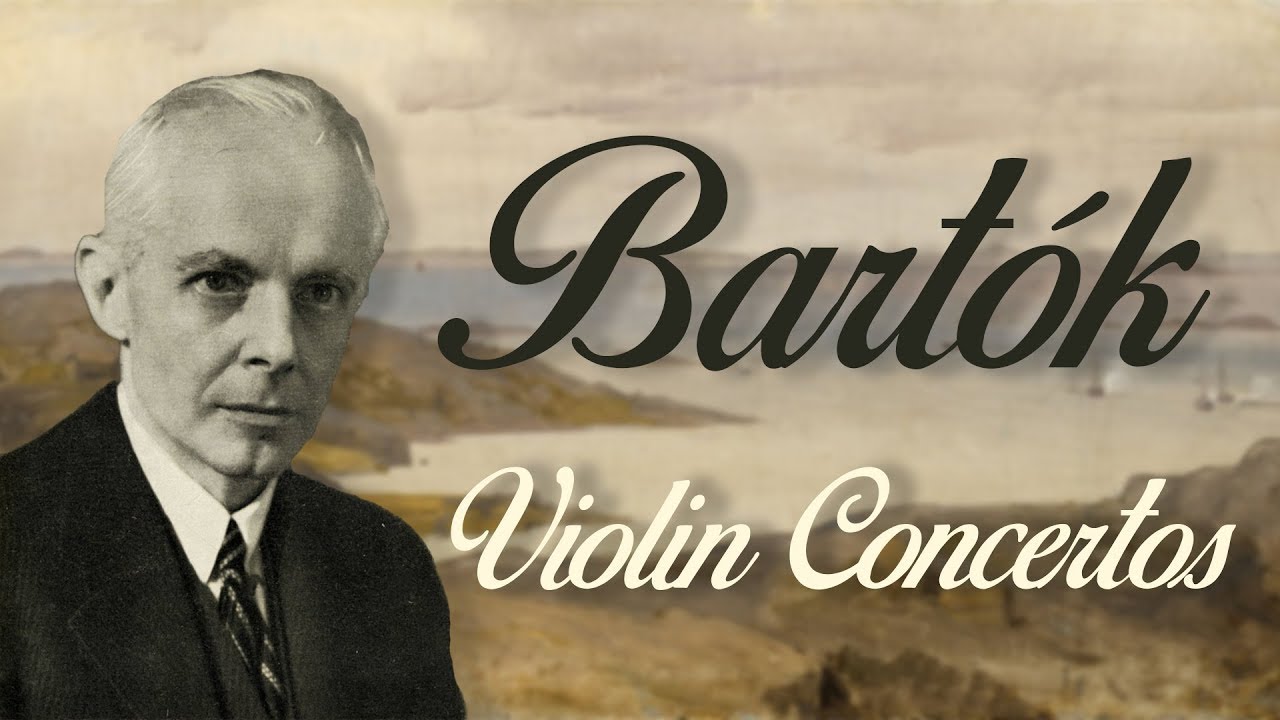
The composition dates of the two violin concertos by Hungarian composer, pianist and ethnomusicologist Béla Bartók are separated by thirty years and provide a snapshot of his creative process at vastly different points in his life.
The first concerto (1907–8) had a rare emotional relevance: it was dedicated to the violinist Stefi Geyer, the object of Bartók’s affections, and showcases different aspects of her personality. This two-movement work is reminiscent of the works of Strauss and Liszt. The lamenting theme of the first movement represents Bartók’s unrequited love for Stefi, whose theme is repeated with tonal variation. This is followed by a lively second movement, with brilliant sections of arpeggios and scales, as well as whimsical leaps.
The second concerto (1937) is from a time in the composer’s life when folk music had become a firm characteristic of his works, and explores more adventurous harmonies than the first. One of the great Classical and Romantic works, the neo-Classical concerto also contains elements of Baroque and Renaissance music, giving it an historical dimension. Highlights are the beautiful canon of the second-movement theme and the reappearance in the third movement of the theme from the first, this time in a rousing triple-time dance.
Internationally acclaimed violinist Thomas Zehetmair has enjoyed a remarkable career, performing and recording all over the world. He has also become equally sought-after as a conductor and is currently Musical Director of the Northern Sinfonia.
Tracklist:
00:00:00 Violin Concerto No. 1, BB 48a: I. Andante sostenuto
00:09:23 Violin Concerto No. 1, BB 48a: II. Allegro giocoso
00:21:34 Violin Concerto No. 2, BB 117: I. Allegro non troppo
00:36:35 Violin Concerto No. 2, BB 117: II. Andante tranquillo
00:45:56 Violin Concerto No. 2, BB 117: III. Allegro molto
Thanks for watching! Feel free to subscribe and visit our channel for the best classical music from the greatest composers like: Bach, Satie, Mozart, Tchaikovsky, Beethoven, Chopin, Haydn, Ravel, Debussy, Verdi, Vivaldi, Handel, Brahms, Liszt, Schubert, Mendelssohn, Rachmaninoff, Wagner, Strauss, Handel, Dvorak, Schubert and many more! We upload complete albums, music for relaxing, working, studying, meditating, concentrating, instrumental music, opera, violin, classical piano music, sonatas and more!
#Classical #BrilliantClassics #bartok #Music #Composer #ClassicalMusic #Violin #violinconcerto
Valentina Levko was another in the glorious line of Russian 20th-century contraltos who in some ways defined the sound of Russian opera for ears, both Eastern and Western, which were often discovering the rich tradition of Russian opera for the first time through recordings. Levko's name, however, unlike compatriots such as Elena Obratzova, never travelled as far or as well. Committed to her contract at the Bolshoi, she spurned several opportunities to make a name for herself in the West, with the lucrative recording contracts that would surely have followed. And yet hers was, as this important set reveals, a voice and dramatic presence firmly in the mould of greats of the past such as Zara Dolukhanova.
This video contains the 7th volume of the complete Valentina Levko: Star of the Bolshoi box-set. To download and stream the complete album click here: https://brilliant-classics.lnk.to/StaroftheBolshoi
00:00:00 Alexei Verstovsky - The Little Bell (F. Glinka)
00:03:11 Mili Balakirev - Embrace me, kiss me (Koltsov)
00:05:47 Alexander Varlamov - I feel sorry for you
00:08:57 Alexander Varlamov - Oh, do not kiss me
00:10:30 Alexander Gurilyov - Girl’s Sorrow (Koltsov)
00:15:01 Pyotr Bulakhov - And this world has no eyes
00:17:15 Pyotr Bulakhov - Do not stir up memories (Davidov)
00:21:39 Alexander Diubiuk - Do not scold me (Razorenov)
00:25:34 Alexei Verstovsky - The Old Husband (Gipsy song after Pushkin)
00:27:56 Pyotr Bulakhov - Russian Carriage-and-Three (Viazemsky)
00:30:32 Alexander Varlamov - Red Sarafan (Tsyganov)
00:34:04 Song of Ilinichna (Music for a Tragedy by Nestor Kukolnik ‘Count Kholmski’)
00:35:57 Oh, if I had known (Gypsy Song – Dmitriev)
00:40:55 I loved him (Koltsov)
00:43:52 Reminder
00:49:48 I loved you (Pushkin)

Online purchase or streaming (Spotify, iTunes, Amazon Music, Deezer, Tidal, Google Play):
https://brilliant-classics.lnk.....to/BoccheriniString
Physical Purchase:
https://www.brilliantclassics.....com/articles/b/bocch
Social media:
Facebook: https://www.facebook.com/brilliantclassics
Instagram: https://www.instagram.com/brilliantclassics
Spotify: https://brilliant-classics.lnk.to/Spotify
Spotify Playlists:
New Classical Releases: https://brilliant-classics.lnk.to/NewReleases
The Best of Bach: https://brilliant-classics.lnk.....to/BestOfBachPlayli
Most Popular Piano Music: https://brilliant-classics.lnk.to/MostPopularPiano
Beautiful classical Melodies: https://brilliant-classics.lnk.....to/BeautifulClassic
Composer: Luigi Boccherini
Artists: La Magnifica Comunità
Enrico Casazza violin and concert master
About this Album:
Luigi Boccherini (1743–1805) is one of the major figures in 18th century music, and was close to both Haydn and Mozart. The young Austrian admired Boccherini’s music, and his string quintets in particular. Throughout his long career, Boccherini’s style was influenced by composers such as Nardini, Sammartini in his native Italy, Wagenseil and Monn from the Mannheim school, and forward looking composers from France such as Gossec. However, Boccherini was to base himself in Spain at the royal court, and found himself rather cut off from mainstream European musical trends. This caused him to develop his individual style – a mix of Spanish dance influences, and a smooth ‘Latin’ charm that led some commentators to remark that his music was effeminate, and in the words of one violinist Giuseppe Puppo, that he was ‘Haydn’s wife’. This is to miss the point of Boccherini’s style. Although less dramatic than either Haydn or Mozart, his music does have moments of explosive drama that appear all the more effective when bursting fortissimo from an otherwise calm movement. The harmonic shifts are also surprising and used to great effect. His music is sensuous, passionate and dramatic. The Op.39 Quintets date from 1787 when he was at the court of Friederich Wilhelm II in Berlin. These are important works that rank alongside the chamber music of his great Austrian contemporaries, and Boccherini deserves to be in their company.
Tracklist:
00:00:00 String Quintets Op.39, Quintet in B flat G337: I. Andante lento
00:04:32 String Quintets Op.39, Quintet in B flat G337: II. Allegro vivo – Tempo di minuetto – Tempo I
00:08:06 String Quintets Op.39, Quintet in B flat G337: III. Rondeau: Allegro ma non tanto – Tempo di minuetto – Tempo I
00:14:44 String Quintets Op.39, Quintet in F G338: I. Allegro vivo non presto
00:21:28 String Quintets Op.39, Quintet in F G338: II. Adagio non tanto
00:26:06 String Quintets Op.39, Quintet in F G338: III. Minuetto, Trio
00:29:24 String Quintets Op.39, Quintet in F G338: IV. Finale: Allegro vivo
00:34:38 String Quintets Op.39, Quintet in D G339: I. Allegro vivo
00:42:32 String Quintets Op.39, Quintet in D G339: II. Pastorale: Amoroso ma non lento
00:48:28 String Quintets Op.39, Quintet in D G339: III. Finale: Presto
Thanks for watching! Feel free to subscribe and visit our channel for the best classical music from the greatest composers like: Bach, Satie, Mozart, Tchaikovsky, Beethoven, Chopin, Haydn, Ravel, Debussy, Verdi, Vivaldi, Handel, Brahms, Liszt, Schubert, Mendelssohn, Rachmaninoff, Wagner, Strauss, Handel, Dvorak, Schubert and many more! We upload complete albums, music for relaxing, working, studying, meditating, concentrating, instrumental music, opera, violin, classical piano music, sonatas and more!
#Classical #BrilliantClassics #Music #Composer #ClassicalMusic #Boccherini
![Johann Nepomuk Hummel Edition Trailer [OUT NOW]](https://i.ytimg.com/vi/0zL5gMDOU9o/mqdefault.jpg)
Online purchase or streaming (Spotify, iTunes, Amazon Music, Deezer, Google Play): https://brilliant-classics.lnk.to/HummelEdition
More Information: https://www.brilliantclassics.....com/articles/h/humme
Brilliant Classics Spotify: https://brilliant-classics.lnk.to/Spotify
Brilliant Classics Facebook: https://www.facebook.com/brilliantclassics
Johann Nepomuk Hummel (1778–1837) was a pupil of Mozart, a protégé of Haydn, a friendly rival of Beethoven, and renowned throughout Europe as one of the greatest pianists of his day, a sought-after teacher who instructed some of the most distinguished 19th-century virtuosi, the author of an influential treatise on the art of pianism, and himself the composer of over three hundred works covering all musical genres (apart from the symphony).
This 20CD Edition provides a cross-section of Hummel’s excellent, prolific and unjustly neglected output, with a large section of solo piano music including the complete sonatas and etudes and a rich selection of chamber music featuring violin, viola, cello, flute, and guitar with piano, as well as larger ensembles from piano trios to septets.
This Edition contains a generous selection of his works: the complete piano sonatas and other piano works, several piano concertos, violin concerto, bassoon concerto, trumpet concerto, mandolin concerto, violin/piano concerto, chamber music, masses, an oratorio and the opera Mathilde.
Played by leading musicians of our time: fortepianists Costantino Mastroprimiano and Alessandro Commellato, Solamente Naturali conducted by Hummel-specialist Didier Talpain, and many others.
Composer: Johann Nepomuk Hummel
Artist: Various artists

Online purchase or streaming (Spotify, iTunes, Amazon Music, Deezer, Google Play): https://brilliant-classics.lnk.....to/NielsenCompleteS
More Information: https://www.brilliantclassics.....com/articles/n/niels
Brilliant Classics Spotify: https://open.spotify.com/user/....brilliantclassics?si
Brilliant Classics Facebook: https://www.facebook.com/brilliantclassics
Half a bar of Carl Nielsen and you know it’s him; a characteristic of great composers down the ages, to be sure, but one peculiarly concentrated around nationalist composers of the late 19th and early 20th centuries. Nationalist, not necessarily through any political affiliation but because they sought to renew both the standard musical forms and genres, and their own country’s culture, with bold and fresh attempts to marry the two. So successful was Nielsen at this (like Sibelius in Finland), indeed, that for decades afterwards he seemed to cast a shadow over those who came after.
The symphonies lie at the centre of Nielsen’s achievement. They develop as he did, from exuberant Romanticism (No.1), through rangy melodies and ‘visionary’ slow movements (Nos. 2 and 3), to an unquenchable embrace of the heroic struggle that places Man at the centre of his world (Nos. 4 and 5), finally to rest in a quizzical re-examination of all that we hold worthwhile in mind and music (No.6, the ‘Sinfonia semplice’: never was a symphony more ironically named.)
Each symphony sets off on its own exciting journey, and the demands Nielsen makes on his participants are extreme; he was a fine violinist himself, and he used his extensive knowledge to turn string players inside out with ferocious fugues and precipitous runs. Many great orchestras have tackled this music, and some have ended up making it into little more than concertos for orchestra in all but name. Not however, this apparently less glittering ensemble. David Hurwitz, famously hard to please, is unequivocal in his Classics Today review: ‘Theodore Kuchar leads what is without question the most exciting complete Nielsen symphony cycle available, making this the set to get for Nielsen newcomers.
Composer: Carl Nielsen
Artist:
Janacek Philharmonic Orchestra
Theodore Kuchar (conductor)
00:00:00 Symphony No. 1 in G Minor, Op. 7: Allegro orgoglioso
00:09:09 Symphony No. 1 in G Minor, Op. 7: Andante
00:17:16 Symphony No. 1 in G Minor, Op. 7: Allegro comodo
00:24:59 Symphony No. 1 in G Minor, Op. 7: Finale, allegro con fuoco
00:33:10 Symphony No. 2, Op. 16 “The Four Temperaments”: Allegro collerico
00:41:58 Symphony No. 2, Op. 16 “The Four Temperaments”: Allegro comodo e flemmatico
00:46:00 Symphony No. 2, Op. 16 “The Four Temperaments”: Andante malincolico
00:58:33 Symphony No. 2, Op. 16 “The Four Temperaments”: Allegro sanguinoso
01:05:15 Symphony No. 3, Op. 27 “Sinfonia espansiva”: Allegro espansivo
01:16:36 Symphony No. 3, Op. 27 “Sinfonia espansiva”: Andante pastorale
01:26:16 Symphony No. 3, Op. 27 “Sinfonia espansiva”: Allegretto un poco
01:32:50 Symphony No. 3, Op. 27 “Sinfonia espansiva”: Finale, allegro
01:42:07 Symphony No. 4, Op. 29 “The Inextinguishable”: Allegro
01:53:17 Symphony No. 4, Op. 29 “The Inextinguishable”: Poco allegretto
01:57:48 Symphony No. 4, Op. 29 “The Inextinguishable”: Poco adagio quasi andante
02:07:23 Symphony No. 4, Op. 29 “The Inextinguishable”: Allegro
02:16:11 Symphony No. 5, Op. 50: Tempo giusto
02:34:32 Symphony No. 5, Op. 50: Allegro
02:50:52 Symphony No. 6 “Sinfonia semplice”: Tempo giusto
03:04:33 Symphony No. 6 “Sinfonia semplice”: Humoreske, allegretto
03:08:41 Symphony No. 6 “Sinfonia semplice”: Proposta seria, adagio
03:14:47 Symphony No. 6 “Sinfonia semplice”: Theme & variations
Online purchase or streaming (Spotify, iTunes, Amazon Music, Deezer, Google Play): https://brilliant-classics.lnk.to/CelloSuitesBach
More Information: https://www.brilliantclassics.....com/articles/j/js-ba
Brilliant Classics’ Spotify: https://brilliant-classics.lnk.to/Spotify
Spotify playlist: Most Popular Piano Music: https://brilliant-classics.lnk.to/MostPopularPiano
Brilliant Classics Facebook: https://www.facebook.com/brilliantclassics
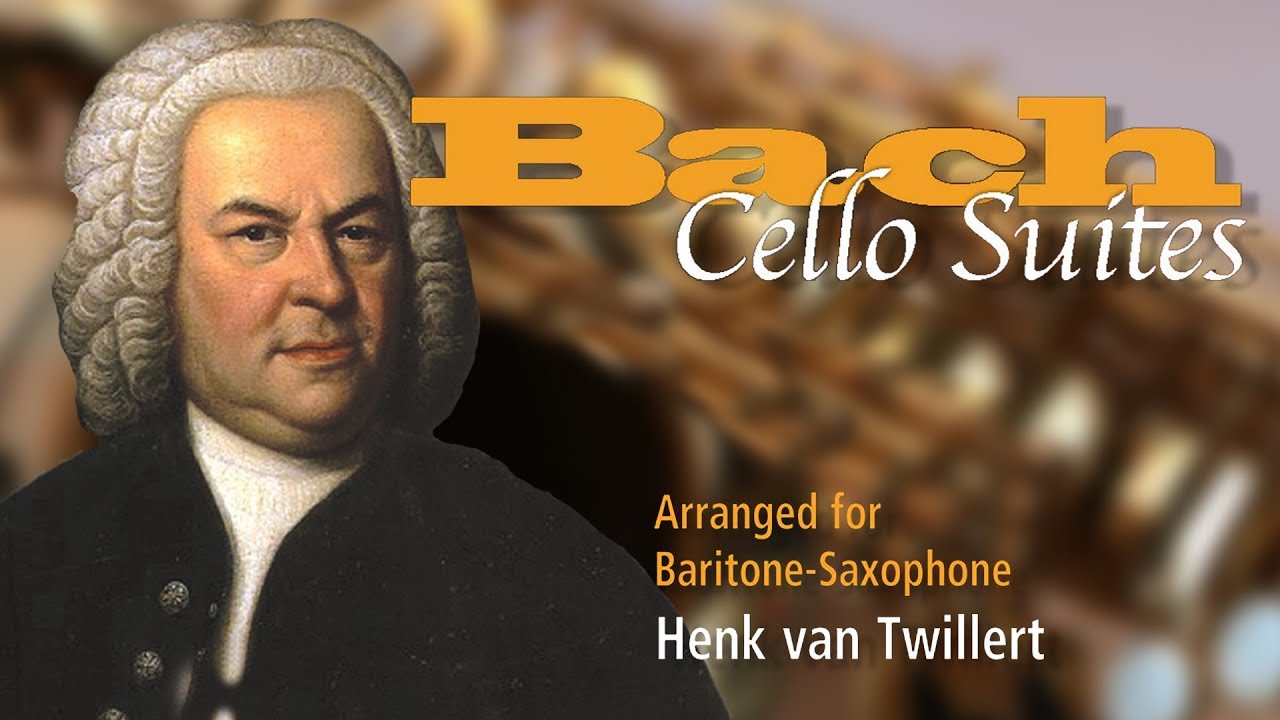
Bach on a saxophone? What next? Of course J.S. Bach’s music is indestructible. But some arrangements turn out far better than others and manage to do justice to the original. The transition of music for a string instrument to wind does not seem obvious, especially when a saxophone is part of the equation, but Henk van Twillert pulls it off. The baritone saxophone proves itself to be an ideal replacement of the cello. It is not only a similarity in timbre but when played by this most skilful and imaginative Dutch saxophonist the instrument becomes totally adaptable to baroque music.
So should Bach be played on a saxophone? Listen to this release and you will know the answer. It may vary from ‘why not’ to ‘definitely’!
Composer: Johann Sebastian Bach
Artist: Henk van Twillert (Baritone-Saxophone)
00:00:00 Suite No. 1 in G Major, BWV 1007: Prélude
00:02:34 Suite No. 1 in G Major, BWV 1007: Allemande
00:07:11 Suite No. 1 in G Major, BWV 1007: Courante
00:09:59 Suite No. 1 in G Major, BWV 1007: Sarabande
00:12:32 Suite No. 1 in G Major, BWV 1007: Minuet I & II
00:15:49 Suite No. 1 in G Major, BWV 1007: Gigue
00:17:19 Suite No. 2 in D Minor, BWV 1008: Prelude
00:20:02 Suite No. 2 in D Minor, BWV 1008: Allemande
00:23:30 Suite No. 2 in D Minor, BWV 1008: Courante
00:25:49 Suite No. 2 in D Minor, BWV 1008: Sarabande
00:29:57 Suite No. 2 in D Minor, BWV 1008: Minuet I & II
00:33:10 Suite No. 2 in D Minor, BWV 1008: Gigue
00:35:42 Suite No. 3 in C Major, BWV 1009: Prelude
00:39:11 Suite No. 3 in C Major, BWV 1009: Allemande
00:43:17 Suite No. 3 in C Major, BWV 1009: Courante
00:46:43 Suite No. 3 in C Major, BWV 1009: Sarabande
00:51:12 Suite No. 3 in C Major, BWV 1009: Bourrée I & II
00:55:00 Suite No. 3 in C Major, BWV 1009: Gigue
00:56:33 Suite No. 4 in E-Flat Major, BWV 1010: Prelude
01:00:05 Suite No. 4 in E-Flat Major, BWV 1010: Allemande
01:04:07 Suite No. 4 in E-Flat Major, BWV 1010: Courante
01:08:02 Suite No. 4 in E-Flat Major, BWV 1010: Sarabande
01:12:51 Suite No. 4 in E-Flat Major, BWV 1010: Bourrée I & II
01:17:45 Suite No. 4 in E-Flat Major, BWV 1010: Gigue
01:20:42 Suite No. 5 in C Minor, BWV 1011: Prelude
01:26:34 Suite No. 5 in C Minor, BWV 1011: Allemande
01:32:39 Suite No. 5 in C Minor, BWV 1011: Courante
01:35:05 Suite No. 5 in C Minor, BWV 1011: Sarabande
01:38:34 Suite No. 5 in C Minor, BWV 1011: Gavotte I & II
01:43:12 Suite No. 5 in C Minor, BWV 1011: Gigue
01:45:34 Suite No. 6 in D Major, BWV 1012: Prelude
01:50:26 Suite No. 6 in D Major, BWV 1012: Allemande
01:59:10 Suite No. 6 in D Major, BWV 1012: Courante
02:01:55 Suite No. 6 in D Major, BWV 1012: Sarabande
02:05:28 Suite No. 6 in D Major, BWV 1012: Gavotte I & II
02:09:48 Suite No. 6 in D Major, BWV 1012: Gigue
#Classical #BrilliantClassics #Music #Composer #ClassicalMusic #Bach #bachmusic
Online purchase or streaming (Spotify, iTunes, Amazon Music, Deezer, Tidal, Google Play):
https://brilliant-classics.lnk.to/Esposito
Physical Purchase:
https://www.brilliantclassics.....com/articles/e/espos
Spotify Playlists:
Brilliant Classics Spotify: https://brilliant-classics.lnk.to/Spotify
The best of Liszt: https://brilliant-classics.lnk.to/Playliszt
The best of Bach: https://brilliant-classics.lnk.....to/BestOfBachPlayli
Most popular piano music: https://brilliant-classics.lnk.to/MostPopularPiano
Beautiful classical Music: https://brilliant-classics.lnk.....to/BeautifulClassic
Classical music for dinnertime: https://brilliant-classics.lnk.....to/ClassicalMusicfo
Composer & Artist:
Composer: Michele Esposito
Artists: Carmelo Andriani (violin), Vincenzo Maltempo (piano)
About this Album:
It might be unusual to find classical music that manages to imbibe the spirit of Irish folk music; it must be even more unusual for that ‘Irish’ music to actually be by an Italian. But Michele Esposito was an unusual composer. Born in southern Italy, financial circumstances led him to settle abroad, and, after a brief spell in Paris, he arrived in Dublin in 1882, making Ireland his homeland for the next 46 years. His time there coincided with the Irish cultural revival that was taking place during the latter half of the 19th century, leading Esposito to find a place at the heart of several prominent cultural institutions.
One of these institutions was the Feis Ceoil, the Irish competitive music festival, at which Esposito won first prize for his Irish Rhapsody No.2 Op.54 in 1902. Folk music also inspired his Irish symphonies, for which he is well known, as well as the simple yet highly effective airs and melodies featured on this release. The three violin sonatas all stem from very different periods of the composer’s life; the first contains elements of Schumannesque piano writing in the third movement, as well as clear echoes of Saint-Saëns, whereas the second – more technically advanced – is more akin to the music of Brahms. Esposito’s last violin sonata, composed in 1913, is tonally much more experimental, and structured in a highly unconventional manner, with the Scherzo movement a slow and solemn minuet, concluding in an unusual sonata form.
Tracklist:
00:00:00 Violin Sonata No. 1 in G Major, Op. 32: I. Moderato
00:06:37 Violin Sonata No. 1 in G Major, Op .32: II. Lento
00:14:24 Violin Sonata No. 1 in G Major, Op. 32: III. Allegro vivace
00:19:42 Irish Rhapsody No. 1 for Violin and Piano, Op. 51
00:34:36 Five Irish Melodies for Violin and Piano, Op. 56: No. 3 “Silent, O Moyle”
00:38:46 Five Irish Melodies for Violin and Piano, Op. 56: No. 5 “When through life”
00:41:43 Two Irish Airs for Violin and Piano, Op. 57: No. 2 “The silver tip” (Irish reel)
00:43:20 Five Irish Melodies for Violin and Piano, Op. 56: No. 2 “The Coulin”
00:46:38 Violin Sonata No. 2 in E Minor, Op. 46: I. Allegro moderato
00:54:09 Violin Sonata No. 2 in E Minor, Op. 46: II. Andantino
00:58:55 Violin Sonata No. 2 in E Minor, Op. 46: III. Allegro con fuoco
01:04:50 Violin Sonata No. 3 in A Major, Op. 67: I. Affettuosamente
01:13:55 Violin Sonata No. 3 in A Major, Op. 67: II. Allegretto moderato
01:17:17 Violin Sonata No. 3 in A Major, Op. 67: III. Andante cantabile
01:21:55 Violin Sonata No. 3 in A Major, Op. 67: IV. Allegretto grazioso
01:27:08 Irish Rhapsody No. 2 for Violin and Piano, Op. 54
Thanks for watching! Feel free to subscribe and visit our channel for the best classical music from the greatest composers like: Bach, Satie, Mozart, Tchaikovsky, Beethoven, Chopin, Haydn, Ravel, Debussy, Verdi, Vivaldi, Handel, Brahms, Liszt, Schubert, Mendelssohn, Rachmaninoff, Wagner, Strauss, Handel, Dvorak, Schubert and many more! We upload complete albums, music for relaxing, working, studying, meditating, concentrating, instrumental music, opera, violin, classical piano music, sonatas and more!
#VincenzoMaltempo #CarmeloAndriani #MicheleEsposito #Violin #ClassicalViolin #Violinmsuic #PianoMusic #ClassicalPiano #Classical #BrilliantClassics #Music #Composer #ClassicalMusic

Download & Streaming:
https://brilliant-classics.lnk.....to/BalakirevComplet
Physical Purchase:
https://www.brilliantclassics.....com/articles/b/balak
Brilliant Classics’ Spotify:
https://brilliant-classics.lnk.to/Spotify
Spotify playlist: Brain Training – Classical Music
https://brilliant-classics.lnk.....to/BrainTrainingCla
Composer: Mily Balakirev
Artist: Alexander Paley (piano)
Mily Balakirev (1837-1910) was the founder of the group of Russian composers called ‘The Mighty Handful’. Together with Borodin, Rimsky Korsakov, Cui and Mussorgsky he helped create a distinctive Russian school of music that was not reliant on the influence of the Austro German school.
Studying at the St Petersburg Conservatoire, he won the praise of Glinka, and had an influence on the young Tchaikovsky. He wrote two symphonies, two piano concertos, several symphonic poems and many piano works.
On these 6CDs his entire output for piano can be found. A superb pianist, he produced one of the most taxing works ever written for the instrument, his Oriental Fantasy Islamey. His piano sonata is no less impressive, and the Seven Mazurkas are wonderfully melodic works. There is much to discover on these discs.
Sadly, Balakirev suffered a complete nervous breakdown in 1871, and he withdrew from life, eventually emerging to take up a minor management role on the railways. In 1876 he began to compose again, and in 1883 was appointed as director of the Imperial Chapel. He retired in 1895, and continued composing, but by now considered old fashioned and was forgotten even by his old friends. However, one young composer, Igor Stravinsky had a soft spot for him, and pitied him as he suffered from bouts of depression.
00:00:00 Islamey, Oriental Fantasy
00:08:53 Fantasia, On Themes from Glinka’s A Life For The Tsar
00:22:39 Fantasiestück
00:26:51 Nocturne No. 1 in B-Flat Minor
00:33:39 Nocturne No. 2 in B Minor
00:43:33 Nocturne No. 3 in D Minor
00:50:32 Capriccio
01:01:02 Piano Sonata in B-Flat Minor, Op. 5: Andante
01:13:10 Piano Sonata in B-Flat Minor, Op. 5: Mazurka
01:17:45 Piano Sonata in B-Flat Minor, Op. 5: Andante
01:25:30 Sonatina (Esquisses): Allegro moderato
01:27:38 Sonatina (Esquisses): L’Istesso tempo
01:29:40 Sonatina (Esquisses): Coda-poco a poco piu agitato
01:31:06 Piano Sonata in B-Flat Minor: Andantino
01:39:52 Piano Sonata in B-Flat Minor: Mazurka-moderato
01:46:40 Piano Sonata in B-Flat Minor: Intermezzo-larghetto
01:51:17 Piano Sonata in B-Flat Minor: Finale-allegro non troppo ma con fuoco
02:00:44 Transcription: Glinka: Kamarinskaya
02:10:14 Transcription: Glinka: Ne govori
02:15:47 Transcription: Chopin: Romance from Piano Concerto No. 1 in E Minor, Op. 11
02:26:41 Transcription: Beethoven: Cavatina from String Quartet No. 13 in B-flat Major, Op. 130
02:32:00 Transcription: Beethoven: Allegretto from String Quartet No.8 in E Minor,Op.59 No.2
02:41:33 Transcription: Zapolsky: Réverie
02:47:53 Transcription: Balakirev: Pustinya
02:50:53 Transcription: Berlioz: Introduction to La Fuite en Egypte
02:57:42 Transcription: Balakirev: Impromptu on the themes of Two Preludes by Chopin
03:03:12 Transcription: Glinka: Jota Aragonesca
03:13:51 Valse di bravura (No. 1) in G Major
03:22:10 Valse mélancholique (No. 2) in F Minor
03:27:22 Valse-Impromptu (No. 3) in D Major
03:32:29 Waltz No. 4 in B-Flat Major (Valse de Concert)
03:39:32 Waltz No. 5 in D-flat Major Waltz No. 6 in F-Sharp Minor
03:46:50 Waltz No. 7 in G-Sharp Minor
03:53:01 Polka
04:00:27 Tarantella
04:03:46 Valse-Caprice No. 1 in A-Flat Major (after A.S. Taneyev)
04:09:31 Valse-Caprice No. 2 in D-Flat Major (after A.S. Taneyev)
04:15:36 Mazurka No. 1 in A-Flat Major (2nd version)
04:22:06 Mazurka No. 2 in C-Sharp Minor (2nd version)
04:26:32 Mazurka No. 3 in B Minor
04:29:32 Mazurka No. 4 in G-Flat Major
04:35:02 Mazurka No. 5 in D Major
04:47:35 Mazurka No. 6 in A-Flat Major
04:53:43 Mazurka No. 7 in E-Flat Minor
05:01:55 Scherzo No. 1 in B Minor
05:09:47 Scherzo No. 2 in B-Flat Minor
05:17:48 Scherzo No. 3 in F-Sharp Major
05:23:58 Miscellaneous: Dumka
05:28:30 Miscellaneous: Au jardin
05:32:54 Miscellaneous: Gondollied
05:40:37 Miscellaneous: Berceuse
05:46:55 Miscellaneous: The Lark
05:52:34 Miscellaneous: Spanish Melody
05:56:44 Miscellaneous: Spanish Serenade
06:02:44 Miscellaneous: La fileuse
06:05:53 Miscellaneous: Tyrolienne
06:11:30 Miscellaneous: Chant du pêcheur
06:15:31 Miscellaneous: Humoresque
06:20:00 Miscellaneous: Réverie
06:25:24Miscellaneous: Novelette
06:31:18 Miscellaneous: Toccata

Tracklist in the comment section:
Online purchase or streaming (Spotify, iTunes, Amazon Music, Deezer, Google Play): https://brilliant-classics.lnk.....to/KoechlinComplete
More Information: https://www.brilliantclassics.....com/articles/k/koech
Brilliant Classics Spotify: https://open.spotify.com/user/....brilliantclassics?si
Brilliant Classics Facebook: https://www.facebook.com/brilliantclassics
Composer: Charles Koechlin
Artists:
David Brutti (saxophones)
Filippo Farinelli (piano)
Mario Caroli (flute)
Duo Disecheis
Atem Saxophone Quartet
Orchestra Città Aperta
Charles Koechlin, music theorist as well as composer, was a significant figure in the vibrant early 20th century whirl of Parisian culture. After studying under as Jules Massenet and Gabriel Fauré, the latter being an enormous influence on his music, Koechlin co-founded the Société musicale indépendante in 1909 and many years later became president of the Féderation Musicale Populaire. Starstruck by Hollywood, Koechlin often found inspiration in its legendary figures and dedicated many pieces to actresses such as Greta Garbo, Jean Harlow and Lilian Harvey.
Koechlin’s compositional style contains elements of impressionism, and his developing interest in the saxophone can be closely linked to his enthusiasm for 1930s cinema. Twenty years later, the publication of his Traité de l’orchestration, in which he praised the saxophone for its sonority and agility, coincided with that of a set of 15 studies for the instrument. These studies, of varying length and character, feature in this collection, alongside works such as the Deux Sonatinas, Septuor pour instruments à Vent, and the celebrated Epitaphe pour Jean Harlow.
Formed in 2001 by David Brutti and Filippo Farinelli, the Duo Disecheis explores 20th-century and contemporary chamber music. Having performed at many prestigious festivals and venues throughout Europe, the duo has achieved enormous success in international competitions and has collaborated with composers such as Paolo Baioni, Stefano Trevisi and Dimitri Nicolau. Joining the duo on this recording is the Atem Saxophone Quartet, which has received critical acclaim for its performances at numerous chamber music and jazz festivals.
Other information (physical release):
- Contains notes on the composer and works

Tracklist below.
Online purchase or streaming (Spotify, iTunes, Amazon Music, Deezer, Google Play): https://brilliant-classics.lnk.to/MozartMagicFlute
More Information: https://www.brilliantclassics.....com/articles/m/mozar
Brilliant Classics Spotify: https://open.spotify.com/user/....brilliantclassics?si
Brilliant Classics Facebook: https://www.facebook.com/brilliantclassics
One of the giants of the historically informed performance world needs little introduction; nor indeed his sympathy to Mozart’s oeuvre as already demonstrated in recordings of the three da Ponte operas that have met with wide acclaim and many awards for their closely observed intimacy, their sense of fun and drama and their well-chosen casts, at one with Kuijken’s vision of these jewels of human and music drama.
His recording of Mozart’s magical last opera, however, has not received wide availability until now, in its appearance as part of Brilliant Classics’s comprehensive Opera Collection. The recording was made live at the Notre-Dame Church in Beaune, in France, in 2004. The cast is highly recognisable from many other fine productions of Baroque and early music, including Suzie LeBlanc (Pamina); Cornelius Hauptmann (Tamino); Stephan Genz (Papageno) and Isolde Siebert (Queen of Night).
Of course the orchestral contribution to this recording is no less distinguished: La Petite Bande features the cream of Continental period-instrument musicians, and is led by Kuijken himself, a violinist as much at home in Mozart’s world as he is in Bach’s.
00:00:00 Die Zauberflöte: Act 2: No. 9. March of the Priests (Orchestra)
00:02:40 Die Zauberflöte: Act 2: Dialogue: Ihr, in dem Weisheitstempel eingeweihten Diener (Sarastro/Priests/Speaker)
00:06:53 Die Zauberflöte: Act 2: No. 10. Aria and Chorus: O Isis und Osiris (Sarastro/Chorus)
00:09:26 Die Zauberflöte: Act 2: Dialogue: Eine schreckliche Nacht! (Tamino/Papageno/Speaker/Second Priest)
00:13:28 Die Zauberflöte: Act 2: No. 11. Duet: Bewahret euch vor Weibertücken (Priests)
00:14:22 Die Zauberflöte: Act 2: Dialogue: He, Lichter her! Lichter her! (Papageno/Tamino)
00:14:43 Die Zauberflöte: Act 2: No. 12. Quintet: Wie, wie, wie? Ihr an diesem Schreckensort? (Three Ladies/Papageno/Tamino)
00:17:41 Die Zauberflöte: Act 2: Dialogue: Heil dir, Jüngling! (Speaker/Second Priest/Papageno/Monostatos)
00:19:39 Die Zauberflöte: Act 2: No. 13. Aria: Alles fühlt der Liebe Freuden (Monostatos)
00:20:58 Die Zauberflöte: Act 2: Dialogue: Zurücke! (Queen of the Night/Pamina/Monostatos)
00:24:35 Die Zauberflöte: Act 2: No. 14. Aria: Der Hölle Rache kocht in meinem Herzen (Queen of the Night)
00:27:45 Die Zauberflöte: Act 2: Dialogue: Götter, das kann ich nicht! (Pamina/Monostatos/Sarastro)
00:30:02 Die Zauberflöte: Act 2: No. 15. Aria: In diesen heil’gen Hallen (Sarastro)
00:33:01 Die Zauberflöte: Act 2: Dialogue: Hier seid ihr euch beide allein überlassen (Speaker/SecondPriest/Papageno/Tamino/Old Woman)
00:35:47 Die Zauberflöte: Act 2: No. 16. Trio: Seid uns zum zweiten Mal willkommen (Three Boys)
00:37:35 Die Zauberflöte: Act 2: Dialogue: Tamino, wollen wir nicht speisen? (Papageno/Pamina/Tamino)
00:39:41 Die Zauberflöte: Act 2: No. 17. Aria: Ach, ich fühl’s, es ist verschwunden (Pamina)
00:43:23 Die Zauberflöte: Act 2: Dialogue: Nicht wahr, Tamino, ich kann auch schweigen (Papageno)
Tracklist below.
Online purchase or streaming (Spotify, iTunes, Amazon Music, Deezer, Google Play): https://brilliant-classics.lnk.....to/BachFamilyOrganM
More Information: https://www.brilliantclassics.....com/articles/b/bach-
Brilliant Classics Facebook: https://www.facebook.com/brilliantclassics
Spotify Playlists:
Brilliant Classics Spotify: https://brilliant-classics.lnk.to/Spotify
The best of Liszt: https://brilliant-classics.lnk.to/Playliszt
The best of Bach: https://brilliant-classics.lnk.....to/BestOfBachPlayli
Most popular piano music: https://brilliant-classics.lnk.to/MostPopularPiano
Beautiful classical Music: https://brilliant-classics.lnk.....to/BeautifulClassic
Classical music for dinnertime: https://brilliant-classics.lnk.....to/ClassicalMusicfo
The most famous scion of a musical family which stretched across at least ten generations, Johann Sebastian Bach had a very strong sense of history, tradition, and his evolving place in it, and was instrumental in curating and adding to the library of the music of the Bachs, which was known as the Altbachisches Archiv. This archive mostly comprises vocal music; now the Italian organist has created a fascinating instrumental counterpart, with short organ works by ten members of the family ranging from Heinrich Bach (1615–1692) to Wilhelm Friedemann Ernst Bach (1779–1845). And so, during the course of the disc, we move, always guided by the constraints of Protestant thought and liturgy, through austere low Baroque chorales to spectacular, late-Classical fantasias.
00:00:00 Chorale ‘Erbarm dich mein, o Herre Gott’ (Psalm 51)
00:02:45 Prelude and Fugue in E-Flat Major: I. Prelude
00:04:15 Prelude and Fugue in E-Flat Major: II. Fuge
00:07:11 Chorale ‘Wenn mein Stündlein vorhanden ist’
00:09:01 Partita on ‘Du Friedefürst, Herr Jesu Christ’: I. Chorale I
00:10:28 Partita on ‘Du Friedefürst, Herr Jesu Christ’: II. Variation I
00:11:35 Partita on ‘Du Friedefürst, Herr Jesu Christ’: III.Chorale II
00:12:34 Partita on ‘Du Friedefürst, Herr Jesu Christ’: IV. Variation II
00:13:41 Partita on ‘Du Friedefürst, Herr Jesu Christ’: V. Chorale III
00:14:40 Fugue in D Major
00:19:27 Fugue in C Minor
00:23:00 Rondo in G Major
00:28:17 Fantasy and Fugue in F Major: I. Fantasy
00:31:31 Fantasy and Fugue in F Major: II. Fugue
00:35:00 Prelude in E Minor
00:35:58 Fugue on the Letters of the Name BACH
00:41:40 Toccata in C Major

Tracklist below.
Spotify: https://open.spotify.com/album..../420zWJjwQXRmsDpUWrO
Physical sale: http://www.brilliantclassics.c....om/articles/t/the-ro
iTunes: https://itunes.apple.com/album/id944267812
Antonin Dvoräk
00:00:00 Cello Concerto in B Minor, Op. 104: I. Allegro
00:14:13 Cello Concerto in B Minor, Op. 104: II. Adagio ma non troppo
00:24:49 Cello Concerto in B Minor, Op. 104: III. Finale, allegro moderato
00:37:04 From the Bohemian Forest, Op. 68: V. Silent Woods
00:42:05 Rondo in G Minor for Cello & Orchestra Op.94
Robert Schumann
00:48:25 Cello Concerto in A Minor, Op. 129: I. Nicht zu schnell
00:58:51 Cello Concerto in A Minor, Op. 129: II. Langsam
01:02:59 Cello Concerto in A Minor, Op. 129: III. Sehr lebhaft
04:26:32 Fantasiestücke, Op. 73: I. Zart und mit Ausdruck
04:29:31 Fantasiestücke, Op. 73: II. Lebhaft, leicht
04:32:55 Fantasiestücke, Op. 73: III. Rasch und mit Feuer
Camille Saint-Saëns
01:10:28 Cello Concerto in A minor Op. 33: I. Allegro non troppo - II. Attaca. Allegretto con moto - III. Tempo I
04:19:21 The Carnival of the Animals: XIII. The Swan
Gabriel Fauré
01:28:28 Élégie Op.24
Max Bruch
01:34:53 Kol Nidrei, Adagio for Cello and Orchestra, Op. 47
Tchaitochvsky
01:43:23 Variations on a Rococo Theme, Op. 33
04:42:35 Pezzo capriccioso in B Minor, Op. 62 (Andante con moto)
04:53:41 6 Pieces, Op. 51: VI. Valse sentimentale in F Minor (Tempo di Valse)
Beethoven
02:00:13 Cello Sonata in A Major Op. 69: I. Allegro ma non tanto
02:12:44 Cello Sonata in A Major Op. 69:: II. Scherzo. Allegro molto
02:17:48 Cello Sonata in A Major Op. 69:: III. Adagio cantabile – Allegro vivace
Felix mendelssohn
02:26:12 Cello Sonata No. 1 in B-Flat Major, Op. 45: I. Allegro vivace
02:38:46 Cello Sonata No. 1 in B-Flat Major, Op. 45: II. Andante
02:45:06 Cello Sonata No. 1 in B-Flat Major, Op. 45: III. Allegro assai
Johannes Brahms
02:51:57 Cello Sonata No. 1 in E Minor, Op. 38: I. Allegro non troppo
03:02:41 Cello Sonata No. 1 in E Minor, Op. 38: II. Allegretto quasi menuetto
03:08:07 Cello Sonata No. 1 in E Minor, Op. 38: III. Allegro
Frédériq Chopin
03:14:28 Cello Sonata in G Minor, Op. 65: I. Allegro moderato
03:28:45 Cello Sonata in G Minor, Op. 65: II. Scherzo. Allegro con brio
03:33:32 Cello Sonata in G Minor, Op. 65: III. Largo
03:36:52 Cello Sonata in G Minor, Op. 65: IV. Finale. Allegro
04:55:41 Introduction and Polonaise Brillante in C Major, Op. 3
Sergei Rchmaninoff
03:43:13 Cello Sonata in G Minor, Op. 19: I. Lento - Allegro moderato
03:55:40 Cello Sonata in G Minor, Op. 19: II. Allegro scherzando
04:02:33 Cello Sonata in G Minor, Op. 19: III. Andante
04:08:19 Cello Sonata in G Minor, Op. 19: IV. Allegro mosso
04:37:32 14 Romances, Op. 34: XIV. Vocalise
Enrique Granados
04:22:19 Goyescas, Act 1: Intermezzo
Nikolai Rimsky
04:49:03 The Golden Cockerel, Act 2: II. Hymn to the Sun
Manuel de Falla
05:04:13 Seven Spanish Folksongs: I. El paño moruno
05:06:21 Seven Spanish Folksongs: II. Nana
05:08:30 Seven Spanish Folksongs: III. Canción
05:10:01 Seven Spanish Folksongs: IV. Polo
05:11:17 Seven Spanish Folksongs: V. Asturiana
05:13:34 Seven Spanish Folksongs: VI. Jota
Claude Debussy
05:16:35 Cello Sonata, L.135: I. Prologue. Lent
05:20:26 Cello Sonata, L.135: II. Sérénade. Modérément animé
05:23:21 Cello Sonata, L.135:: III. Finale. Animé
Online purchase or streaming (Spotify, iTunes, Amazon Music, Deezer, Google Play): https://brilliant-classics.lnk.to/Vasquez
More Information: https://www.brilliantclassics.....com/articles/v/vasqu
Brilliant Classics Facebook: https://www.facebook.com/brilliantclassics
Spotify Playlists:
Brilliant Classics Spotify: https://brilliant-classics.lnk.to/Spotify
The best of Liszt: https://brilliant-classics.lnk.to/Playliszt
The best of Bach: https://brilliant-classics.lnk.....to/BestOfBachPlayli
Most popular piano music: https://brilliant-classics.lnk.to/MostPopularPiano
Beautiful classical Music: https://brilliant-classics.lnk.....to/BeautifulClassic
Classical music for dinnertime: https://brilliant-classics.lnk.....to/ClassicalMusicfo
Composer & Artists:
Composer: Juan Vasquez
Artists: Quink Vocal Ensemble, Marjon Strijk, Mariëtte Oelderik (sopranos), Elsbeth Gerritsen (contralto) Harry van Berne (tenor), Kees Jan de Koning (bass)
About this Album:
Sacred music occupied an important role in 16th-century Spain, but there is much evidence that secular vocal polyphony held a place in society too. Such music is to be found in the little-known Juan Vázquez’s Recopilación which dates from around 1560; as well as canciones and soneto-madrigals, the collection includes various villancicos – the main focus of this recording – then a popular style of song and which Vázquez clearly overhauled through replacing endless repetition with melodic and rhythmic variety. That Vázquez’s contribution to the genre was both popular and significant (he wrote over 90 in total, most of which were set to texts by leading Spanish poets of the day) is demonstrated by the many later arrangements of his villancicos for vocal soloists with vihuela accompaniment.
Performing these highly engaging, deftly written works are the Dutch vocal group Quink, founded in 1978 and ranking among the world’s best a cappella ensembles. The recording, which can only serve to increase our appreciation for this largely-forgotten composer, underlines the group’s astonishing variety of tonal colour – of their Benjamin Britten CD, the New York Times drew attention to Quink’s ‘elegant phrasing, impeccable intonation and a purity of tone reminiscent of Renaissance madrigals.’
Little is known about the life of Spanish composer Juan Vasquez (fl. 16th century). A skilled and successful composer in the service of the King of Spain. His compositions are mainly secular, in the form of polyphonic madrigals and ‘Villancicos’, popular songs set for a vocal ensemble of 4 or 5 voices. The madrigals are on poetic texts by well known poets like Boscan and Garcilaso. The Villancicos are based on folk music and traditional texts, music brimming with joy, happiness and Spanish vitality!
Tracklist:
00:00:00 Cancione “Hermosíssima María”
00:03:21 Cancione “Gentil señora mía”
00:06:46 Soneto-madrigal “Gracias al cielo doy”
00:09:57 Villancico “No pensé qu’entre pastores”
00:12:42 Villancico “Quien amores tiene ¿cómo duerme?”
00:15:05 Villancico “Si n’os uviera mirado”
00:17:11 Villancico “Con qué la lavaré”
00:20:59 Villancico “Por una vez”
00:23:31 Cancione “¿Serrana, dónde dormistes?”
00:25:54 Cancione “¡O dulce contemplación!
00:28:25 Cancione “¡A, hermosa, Abrime, cara de rosa!
00:30:25 Villancico “¿Qué sentis, coraçón mío?”
00:32:28 Villancico “Por mi vida, madre”
00:34:30 Villancico “Del rosal sale la rosa”
00:37:22 Villancico “¡Torna, Mingo, a namorarte!”
00:39:34 Villancico “Morenica m’era yo”
00:40:55 Villancico “Qué razón podeys tener”
00:42:52 Soneto-madrigal “Bendito sea el día, punto y ora”
00:46:58 Soneto-madrigal “Amor, virtud y nobles pensamientos
00:50:39 Villancico “Dexa ya tu soledad”