Top Vídeos
*** http://www.patreon.com/scifri - Please Help Support Our Video Productions ***
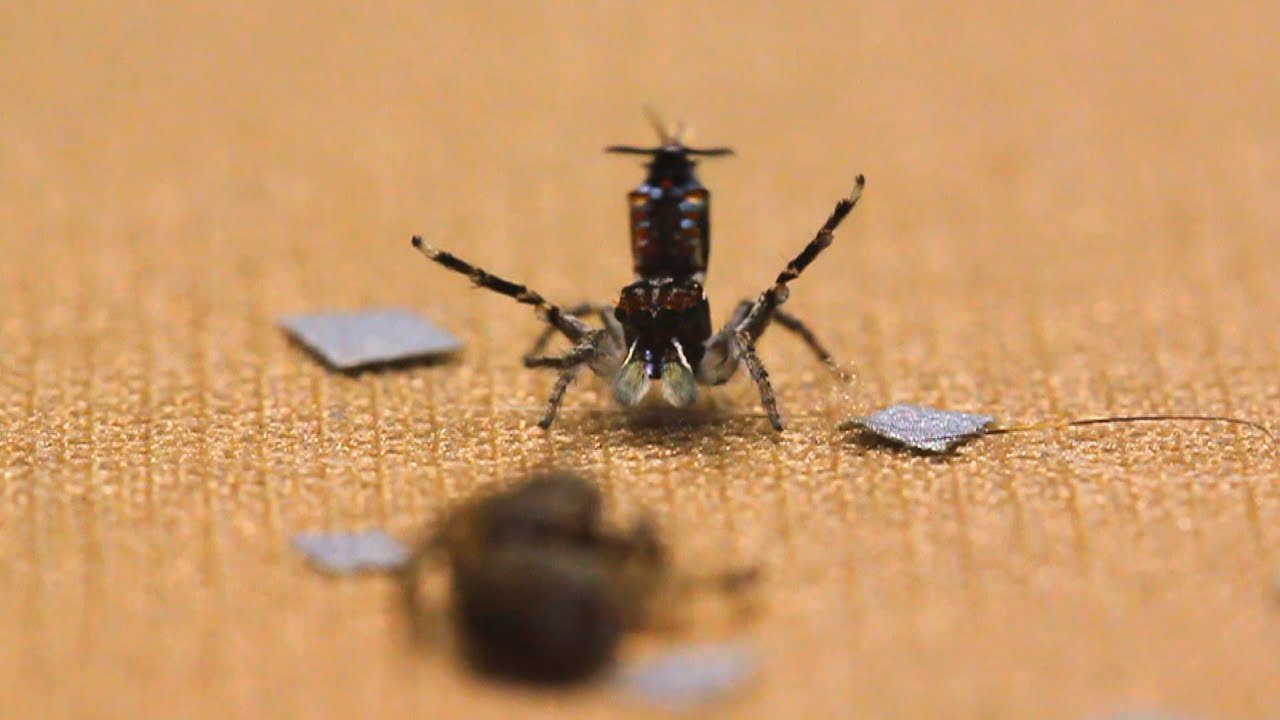
With their ornately-colored bodies, rhythmic pulsations, and booty-shaking dance moves, male peacock spiders attract the attention of spectating females as well as researchers. One such animal behavior specialist, Madeline Girard, collected more than 30 different peacock spider species from the wilds of Australia and brought them back to her lab at UC Berkeley. Under controlled conditions, she recorded their unique dances in the hopes of deciphering what these displays actual say to a female spider and how standards differ between species.
All lab spider footage ©Madeline Girard
*** We're now on Patreon! http://www.patreon.com/scifri - Please Help Support Our Video Productions! ***
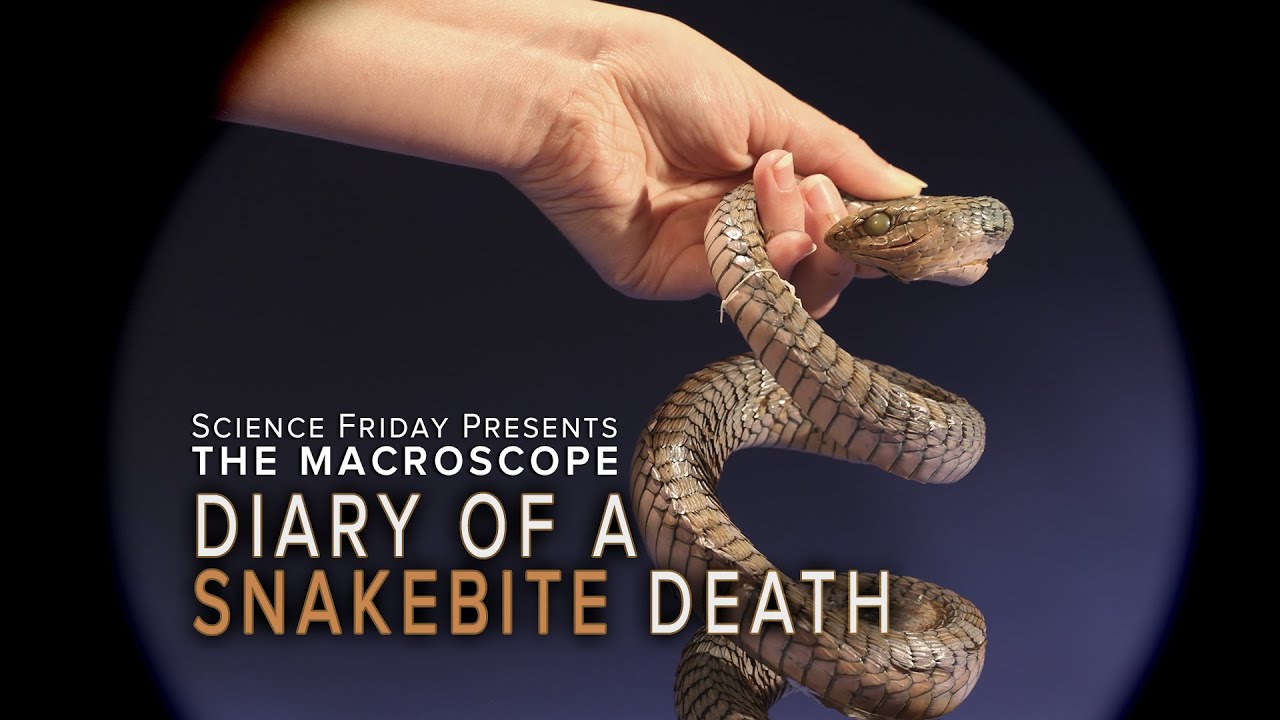
In 1957 at The Field Museum of Natural History in Chicago, Dr. Karl P. Schmidt, famed snake expert and herpetologist, made a detailed scientific account of the effect of venom from a snake bite in the human body—his body. Schmidt made the record while he was dying. The newspapers called his notes a “death diary.”

Many of us spend more time at our desks than anywhere else. Theoretical physicist and futurist Michio Kaku takes us on a tour of his office, where he writes his bestsellers and records his radio shows. The futuristic 1950s TV show Flash Gordon jump-started his interest in science. Watching it as a kid, Kaku realized that it was the problem-solving scientist, not the chiseled crimefighter Flash, who was really the hero. Originally published May 20, 2011.

http://www.sciencefriday.com
When it rains, it blooms. Beneath Death Valley lies a massive seed bank of desert wildflowers, and when heavy winter rains soak deep into the soil, these hidden wonders spring to life. Some call this growing spree a "beautiful revolution against the tyranny of the desert," while others simply refer to it as a "superbloom."
Produced and Directed by Christian Baker
Edited by Brian McAllister
Music by Audio Network

*** Help Support Our Video Productions!!!
http://www.patreon.com/scifri ***
Musk oxen are not the only charismatic creatures perfectly suited to the wind-blasted, tundra of the Alaskan Arctic. Meet Joel Berger, Wildlife Conservation Society senior scientist, Colorado State University professor - as well as expert on hoofed mammals. In addition to gathering photos to track how fast musk oxen are growing, Berger conducts a seemingly hazardous test: He dresses up as a grizzly bear, approaches the herd, and gauges their reactions. Berger uses this unusual technique to find out whether the presence of more male oxen makes the herd safer from bears.
Produced by Luke Groskin
Filmed by Christian Baker and Luke Groskin
Music by Audio Network
Production Assistance and Guide by Erik Snuggerud
Additional Stills and Video by the Joel Berger/WCS , Shutterstock , Musk Oxen Hunt shots © GSSafaris
Special Thanks to Joel Berger, Erik Snuggarud, Ellen Cheng, Jenny Shalant, and Jessica Brunetto

Brewing coffee is a never-ending science project, according to barista Sam Penix, owner of Everyman Espresso in New York City. Grind-size, brew method, coffee beans (which are really seeds), water temperature can all affect the flavors that end up in your cup. Harold McGee, author of On Food and Cooking, explains some of the chemistry of coffee.

A few years ago, Science Friday, in collaboration with microbiologist Vince Fischetti and his lab at The Rockefeller University, conducted an experiment looking into a perennial holiday concern: will alcohol kill bacteria in homemade eggnog? We bring you the results. Please note: the sample size in this study is rather small, a single batch of nog.

Water bears, also known as tardigrades, can survive boiling, freezing, the vacuum of space and years of desiccation. Biologist Bob Goldstein, of the University of North Carolina Chapel Hill, describes water bears and explains why he studies them.

Cockroaches are constantly grooming themselves, says entomologist Coby Schal of North Carolina State University. To clean its antenna, a cockroach will grab ahold of it with its front leg, bring the antenna to its mouth, and run the antenna from base to tip through its mandibles like a piece of floss. Publishing in the Proceedings of the National Academy of Sciences, Schal and colleagues investigate the benefits of clean antennae.
Related videos
Bedbugs: http://www.sciencefriday.com/v....ideo/08/27/2010/psyc
Luminescent Millipedes: http://www.youtube.com/watch?v=tjVNnkvZvR0&feature=share&list=UUDjGU4DP3b-eGxrsipCvoVQ
Rhino Beetles: http://www.youtube.com/watch?v=ih_98UtAJSQ&list=UUDjGU4DP3b-eGxrsipCvoVQ&index=21

http://www.sciencefriday.com
Collisions between two spiral galaxies can be spectacular affairs, filled with drama and romance. Dr. Barry Rothberg of the Leibniz Institute for Astrophysics in Potsdam, details how the massive events play out and why the fate of our own galaxy, the Milky Way, could already be sealed.
Produced by Luke Groskin
Music by Audio Network
Footage and Galaxy Visualizations Courtesy of NASA; ESA; and F. Summers, STScI;
G. Besla, Columbia University; and R. van der Marel, STScI
Patrik Jonsson, Greg Novak and Joel Primack, UC Santa Cruz, 2008
V.Springel, Heidelberg University, Germany
T.J. Cox, Voxer
Phillip Hopkins, California Institute of Technology
Lars Hernquist, Harvard-Smithsonian Center for Astrophysics
Large Binocular Telescope Corp., Barry Rothberg and the Leibniz Institute for Astrophysics, Potsdam
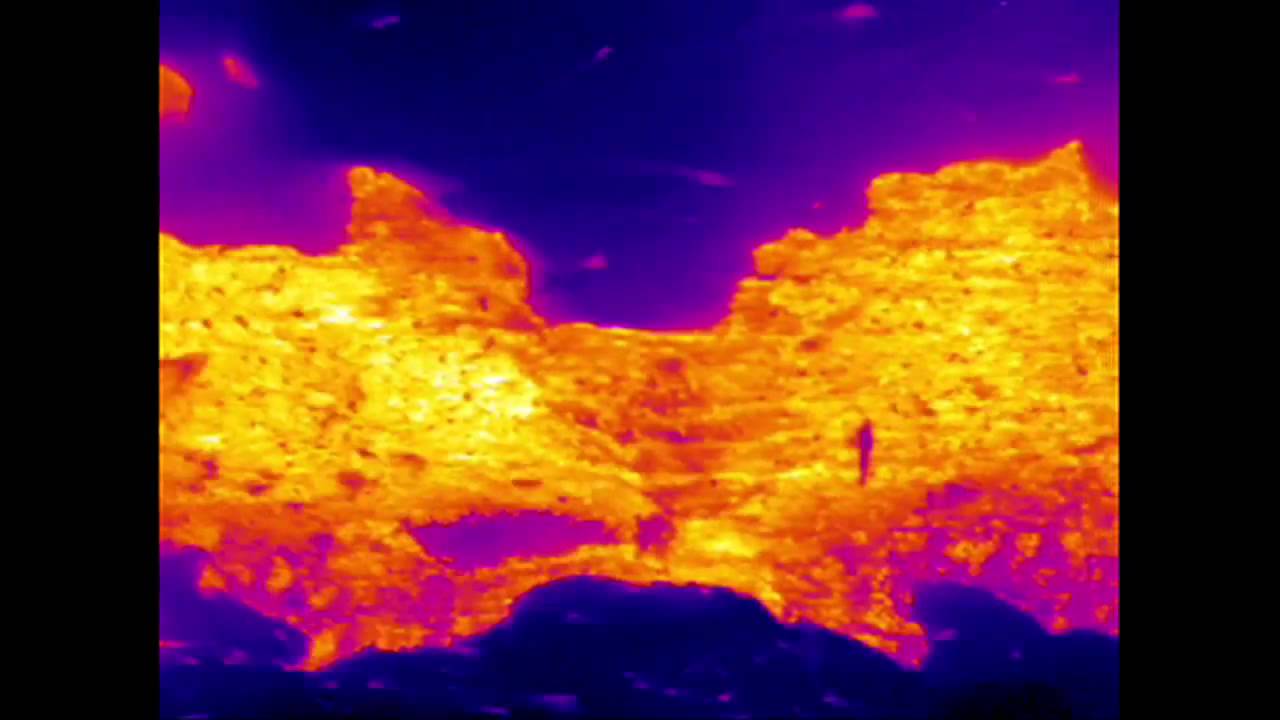
Bat biologist Nickolay Hristov, of UNC's Center for Design Innovation and Winston-Salem State University, develops new techniques for filming and visualizing bats and the caves they occupy. Some of the tools in his kit include a long-range laser scanner--for modelling bat cave morphology--and portable thermal cameras--to capture bat-life when the lights are off.

***Help Support Our Video Productions!!! - http://www.patreon.com/scifri
After being hunted off of the mainland of New Zealand centuries ago, a new generation of the earth's rarest sea lions species has miraculously returned to the Otago Peninsula. Jim Fyfe, a ranger with the Department of Conservation, is tasked with watching over each new batch of sea lions pups and ensuring their safety as they usher in an era of hope for these charismatic creatures.
Produced by Chelsea Fiske and Brandon Swanson
Music by Audio Network
Stills provided by the New Zealand Sealion Trust, UW Freshwater and Marine Image Bank, The New Zealand Electronic Text Collection
Special Thanks to New Zealand's Department of Conservation

http:/www.sciencefriday.com
It could be at least 15 years before NASA lands a mission on Europa, one of Jupiter's moons, to search for signs of life beneath its icy crust. In the mean time, a team led by astrobiologist Kevin Hand of NASA's Jet Propulsion Laboratory is using ultra-chilled vacuum chambers to simulate what Europa's surface might be like. Their work will inform future missions and give scientists clues to how they might detect life on a faraway moon.
Produced by Luke Groskin
Filmed by Christian Baker
Music by Audio Network
Additional Video by
NASA Jet Propulsion Laboratory
Caltech, Kevin Hand and Robert Carlson
Shutterstock, Sergio Martinez (C.C. BY 3.0)
Scratchikken (C.C. BY 3.0)
Special Thanks to
Chau Tu and Preston Dyches

From mantis shrimp to trap-jaw ants, some of the fastest organisms on the planet are ones you may never have heard of. Biologist Sheila Patek, of the University of Massachusetts Amherst, says the creatures she studies move at speeds that are hard for us to imagine, let alone perceive. Patek shared some of her high-speed video and explained how these organisms pull off their top speeds.
footage and images courtesy of sheila patek, patrick green, roy caldwell. music by philip lynch, freemusicarchive. produced by flora lichtman

"I'm pure geek, pure logic," says Temple Grandin, author of many books on animal welfare and on autism. When Grandin is not on the road for speaking engagements, she can be found in the Animal Sciences Building at Colorado State University in Fort Collins--where she is a professor and scientist. We visited Grandin in her office to hear about her life and work, and to see which office ornaments will accompany her when the department moves to its new building on campus.

Although evolution is overwhelmingly accepted by scientific communities, it remains a taboo and often misunderstood subject for much of the rural American South. Dr. Amanda Glaze studies this deeply rooted cultural sentiment and its religious and societal influences in universities, schools and communities throughout the Southeastern United States. Using both quantitative and qualitative approaches, she strives to understand the lived experiences and perceptions of her fellow teachers and the community around her to better inform science teaching and teacher education nationwide. She also teaches evolution-based science courses for high school and college students in the hopes of shifting the next generation's views on the subject.
Produced by Luke Groskin
Music by Audio Network
Additional Stills by Shutterstock.com
Special thanks to
Dr. Amanda Glaze and her family
Robin Spoon
Becky NeSmith
The Gaddy Family
Jacksonville High School

For Navajo hydrologist Karletta Chief, water is sacred. When a mine spill contaminated a vital river in the Navajo Nation, she decides to investigate the potential environmental and health impacts it had on her community.
A film by Science Friday
Produced in collaboration with the Howard Hughes Medical Institute
Produced by Emily V. Driscoll and Luke Groskin
Directed by Emily V. Driscoll
Edited by Emily V. Driscoll and Luke Groskin
Filmed by Brandon Swanson
Animations by Luke Groskin
Music by Audio Network
Additional Photos and Video by Hayden Ferguson, Pond5. US Environmental Protection Agency
Project Advisors:
Laura A. Helft, Laura Bonetta, Dennis W.C. Liu and Sean B. Carroll - Howard Hughes Medical Institute
Special Thanks to
Karletta Chief, Black Mesa United, Shiprock Chapter, Dennis McQuillan, Xiaobo Hou, Janene and Chili Yazzie, Yoshira Ornelas Van Horne, Allison Scott Majure, Danielle Dana, Chistian Skotte, Ariel Zych
and Jennifer Fenwick
Science Friday/HHMI © 2017

http://www.sciencefriday.com
Choreographer Elizabeth Streb pushes the boundaries of Newtonian physics—with dance. In her show Forces, dancers fly, fall, and collide in mid-air. No wonder the "action architect" has her share of scientist fans, among them, big-thinking particle physicist Lisa Randall.
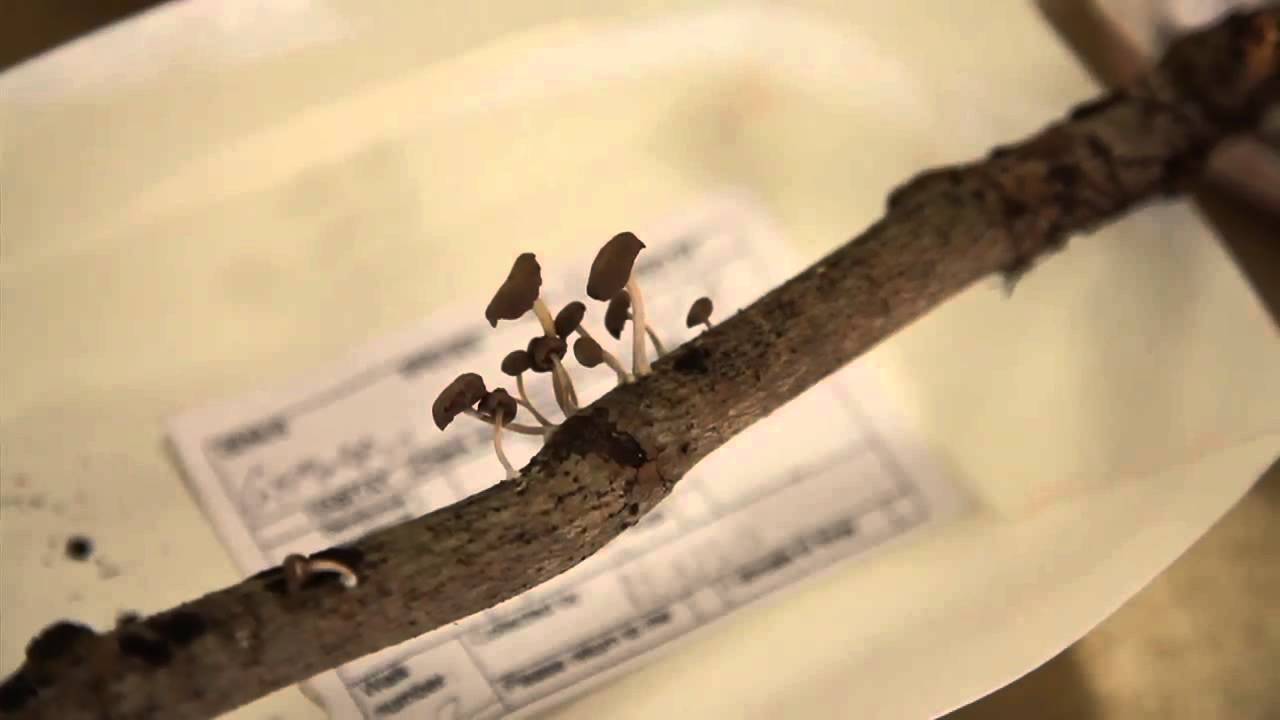
What happens at the Northeast Mycological Federation Foray? "Mushrooms only," according to attendee Gary Lincoff, an instructor at the New York Botanical Garden and author of The Audubon Society Field Guide to North American Mushrooms. Science Friday stopped by the conference for mushroom talk, mushroom crafts, mushroom eats and a mushroom hunt.

Danica McKellar--aka Winnie Cooper in the TV series The Wonder Years--talks to NPR Host Ira Flatow about math.