Top Vídeos

Join B1 and B2 in a compilation of classic Bananas In Pyjamas episodes including:
Shop Shut - Rat is going to the Bananas house for dinner and is quickly dropping shopping off to the Teddies before closing up his shop. The Bananas forgot to get drinks so they go to Rat’s shop. When they reach the shop they go to the back to look for Rat. Just then Rat comes back, locks the door with the Bananas inside and heads off to dinner. The Bananas realise they have been locked in the shop and make themselves comfortable with a huge feast of munchy honey cakes and settle down with blankets. Meanwhile Rat, who has been waiting for ages for the Bananas, has stepped inside the house and helped himself to all the food set on the table and eventually falls asleep on the couch. Next morning when Rat comes to the shop, he is shocked to find the Bananas and all the shelves empty.
The Spider - Amy finds a spider in the park, she tries to introduce the spider to Morgan but Morgan is scared of spiders. The spider gets lost inside the Teddies’ house. When he is finally found (in a cup), Amy puts him back outside where he belongs.
Banana Holiday - The Bananas and the Teddies sing a song in video clip style.
Picnic Thieves - The Bananas and Teddies are going on a picnic but the Bananas have forgotten to get any food. They decide that it’s “Trick Time” and become “picnic thieves” just for fun. The trick is revealed and the Teddies and Bananas share a delicious picnic lunch.
Never miss a Bananas Episode - click here to subscribe https://www.youtube.com/channe....l/UCug61OHMkz5GgJkey
Bananas in Pyjamas Theme Song : https://youtu.be/6hPsXh5k0d8
Welcome to the Official Bananas in Pyjamas Channel.
On this channel you will find classic and animated full episodes.
Your favourite clips and compilations and much more! Tune in every week and see the antics of B1, B2 and their many friends.

Lulu organises an obstacle race in the park. The others are not very enthusiastic so Lulu gives them a head start. Secretly they go home and work on a special badge for the winner of the race. And the winner is Lulu who arrives stuck in one of the obstacles.
Never miss a Bananas Episode - click here to subscribe https://www.youtube.com/channe....l/UCug61OHMkz5GgJkey
Bananas in Pyjamas Theme Song : https://youtu.be/6hPsXh5k0d8
Welcome to the Official Bananas in Pyjamas Channel.
On this channel you will find classic and animated full episodes.
Your favourite clips and compilations and much more! Tune in every week and see the antics of B1, B2 and their many friends.

It’s a hot day and the Bananas are on beach patrol making sure that everyone is wearing a hat. When the wind blows Morgan’s hat into the sea, he discovers that a paper boat makes a great hat too.
Never miss a Bananas Episode - click here to subscribe https://www.youtube.com/channe....l/UCug61OHMkz5GgJkey
Bananas in Pyjamas Theme Song : https://youtu.be/6hPsXh5k0d8
Welcome to the Official Bananas in Pyjamas Channel.
On this channel you will find classic and animated full episodes.
Your favourite clips and compilations and much more! Tune in every week and see the antics of B1, B2 and their many friends.

Welcome to the Official Bananas in Pyjamas Channel.
On this channel you will find classic and animated full episodes.
A Wonderful Day - B1 and B2 both wake up thinking it's a lovely day! But as soon as the Bananas get outside they find that it is blowing a gale, there is rubbish everywhere and all of their friends are having a terrible time. The Bananas decide they should try to cheer everyone up, but this proves to be more problematic than they first thought...
Banana Phones - All sorts of problems occur when everyone else in town decides that they want a new phone.
Beach Carnival - It's Beach Carnival Day at Cuddlestown and Rat is determined to win a prize - no matter what sneaky tricks he has to use. The Bananas are on lifeguard duty to make sure everyone stays safe. Rat is determined to win at least one of the prizes on offer, but the Bananas always manage to come out on top.
The Gardening Bananas - B1 and B2 decide to help Morgan, but while they get to work with their vacuum cleaner, Morgan sneaks off to the beach. But what will the Bananas do when after they suck up Morgan's favourite sunflower? And will Amy and Lulu be cross with Morgan for leaving the bananas to do all the work?
Never miss a Bananas Episode - click here to subscribe https://www.youtube.com/channe....l/UCug61OHMkz5GgJkey
Bananas in Pyjamas Theme Song : https://youtu.be/6hPsXh5k0d8
Your favourite clips and compilations and much more! Tune in every week and see the antics of B1, B2 and their many friends.

Join The Bananas In Pyjamas and all of their friends in the fantastic compilation of full episodes. In this volume see B1 & B2 in The Art Show, The Ducklings , Go Robot and The Pie.
Never miss a Bananas Episode - click here to subscribe https://www.youtube.com/channe....l/UCug61OHMkz5GgJkey
Bananas in Pyjamas Theme Song : https://youtu.be/6hPsXh5k0d8
Welcome to the Official Bananas in Pyjamas Channel.
On this channel you will find classic and animated full episodes! Your favourite clips and compilations and much more! Tune in every week and see the antics of B1, B2 and their many friends!

Join The Bananas In Pyjamas and all of their friends in the fantastic compilation of full episodes. In this volume see B1 & B2 in Rat's New Shop, Turtle Trouble, The Housesitters and The Beach Shack.
Never miss a Bananas Episode - click here to subscribe https://www.youtube.com/channe....l/UCug61OHMkz5GgJkey
Bananas in Pyjamas Theme Song : https://youtu.be/6hPsXh5k0d8
Welcome to the Official Bananas in Pyjamas Channel.
On this channel you will find classic and animated full episodes! Your favourite clips and compilations and much more! Tune in every week and see the antics of B1, B2 and their many friends!

Welcome to the Official Bananas in Pyjamas Channel.
On this channel you will find classic and animated full episodes.
Treasure Hunt - The Bananas hear that there may be treasure in Cuddlestown, so they buy a metal detector. When it only unearths some lost property, t he Bananas are unhappy about their haul. But Bernard, Topsy and Morgan help them discover the real worth of treasure.
The Fix-It Bananas - The Bananas get Charlie to teach them how to fix things properly. They enjoy this so much, they go around town looking for other things to fix, but not all of their work goes very well.
Morgan's Smelly Sneakers - Morgan's trainers really pong. When Amy and Lulu complain, he moves in with the Bananas rather than get rid of them. Can B1 and B2 find a way to reunite the Teddies?
The Art Show - The Teddies accidentally break Lulu's sculpture. They want to mend it before anyone finds out, but it's worse than a jigsaw.
Never miss a Bananas Episode - click here to subscribe https://www.youtube.com/channe....l/UCug61OHMkz5GgJkey
Bananas in Pyjamas Theme Song : https://youtu.be/6hPsXh5k0d8
Your favourite clips and compilations and much more! Tune in every week and see the antics of B1, B2 and their many friends.

The bananas fix a picnic for their fiends.
This Clip is from season 1 episode 26 called "The Fix-It Bananas".
B1, B2 and their adorable friends the Teddies and the ever mischievous Rat in a Hat romp their way through the magical world of Cuddletown. There are new friends to meet too; Topsy the kangaroo, Charlie the inventive monkey and Bernard the wise old dog.
Stay Tuned! https://www.youtube.com/channe....l/UCug61OHMkz5GgJkey
Bananas in Pyjamas Theme Song : https://youtu.be/6hPsXh5k0d8
Welcome to the Official Bananas in Pyjamas Channel.
On this channel you will find classic and animated full episodes! Your favourite clips and compilations and much more! Tune in every week and see the antics of B1, B2 and there many friends!

Join The Bananas In Pyjamas and all of their friends in the fantastic compilation of full episodes. In this volume see B1 & B2 in Prince Rat, The Fluffy Bunny, The Billy Cart Race and The Bird Song.
Stay Tuned! https://www.youtube.com/channe....l/UCug61OHMkz5GgJkey
Bananas in Pajamas Theme Song :https://www.youtube.com/watch?v=6hPsXh5k0d8
Welcome to the Official Bananas in Pyjamas Channel.
On this channel you will find classic and animated full episodes! Your favourite clips and compilations and much more! Tune in every week and see the antics of B1, B2 and there many friends!
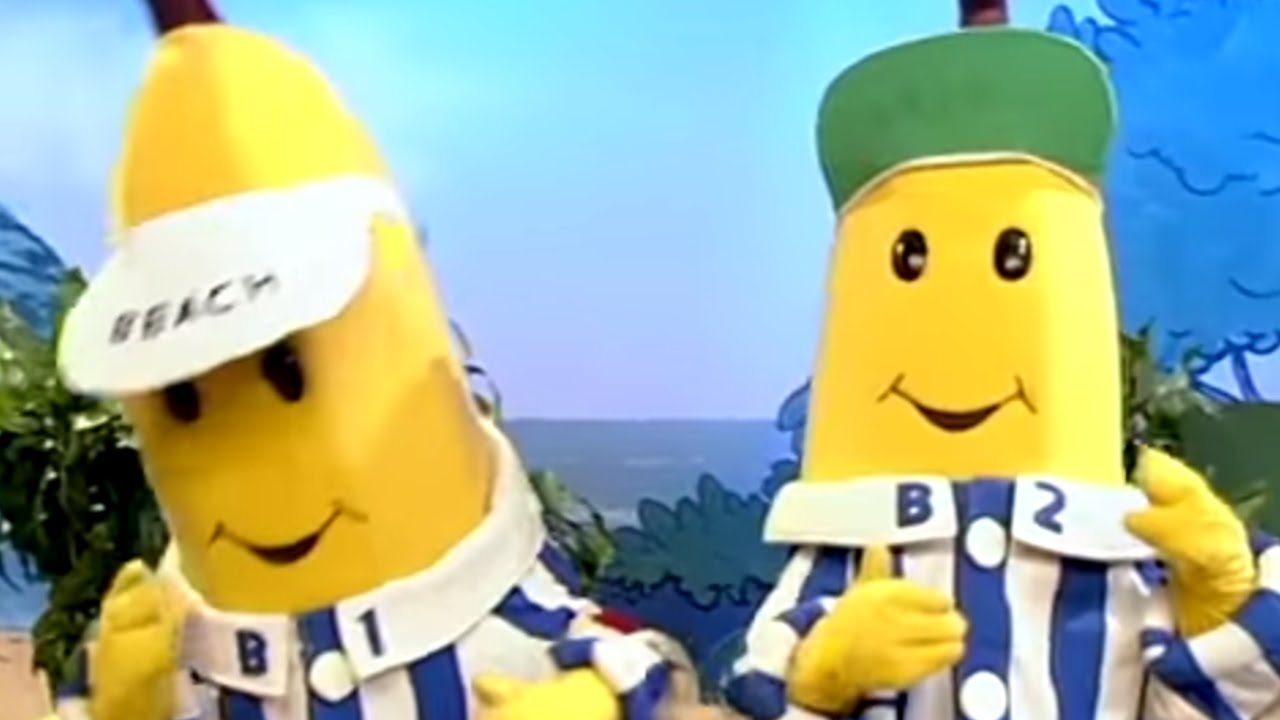
Join B1 and B2 in a compilation of full length episodes including:
Atchoo - The Bananas play doctor to Morgan who isn’t feeling well because of a cold. B1 and B2 send Morgan off to bed and tell Amy and Lulu to stay away so as to not catch the cold. The next day Morgan is feeling much better and heads off to play at the beach, the Bananas are pleased to see Morgan well again until they themselves begin to sneeze. It is now Morgan’s turn to play doctor.
Rat Wash - Rat offers a clothes washing service. He invents an ingenious method of speeding up the wash. But of course things go terribly wrong and the Bananas and Lulu are not impressed.
See Saw - Lulu and the Bananas make a see saw in the park. They discover that three Teddies on one end and two Bananas on the other end of the see-saw is a perfect combination.
Lulu's Magic - Lulu has a new magic set. She practices all day and then puts on a magic show. Morgan is jealous and keeps trying to spoil the fun. But when he makes Lulu disappear by accident he is very sorry. The disappearing trick is soon revealed and Lulu thanks Morgan for being a good magician’s assistant.
Never miss a Bananas Episode - click here to subscribe https://www.youtube.com/channe....l/UCug61OHMkz5GgJkey
Bananas in Pyjamas Theme Song : https://youtu.be/6hPsXh5k0d8
Welcome to the Official Bananas in Pyjamas Channel.
On this channel you will find classic and animated full episodes.
Your favourite clips and compilations and much more! Tune in every week and see the antics of B1, B2 and their many friends.
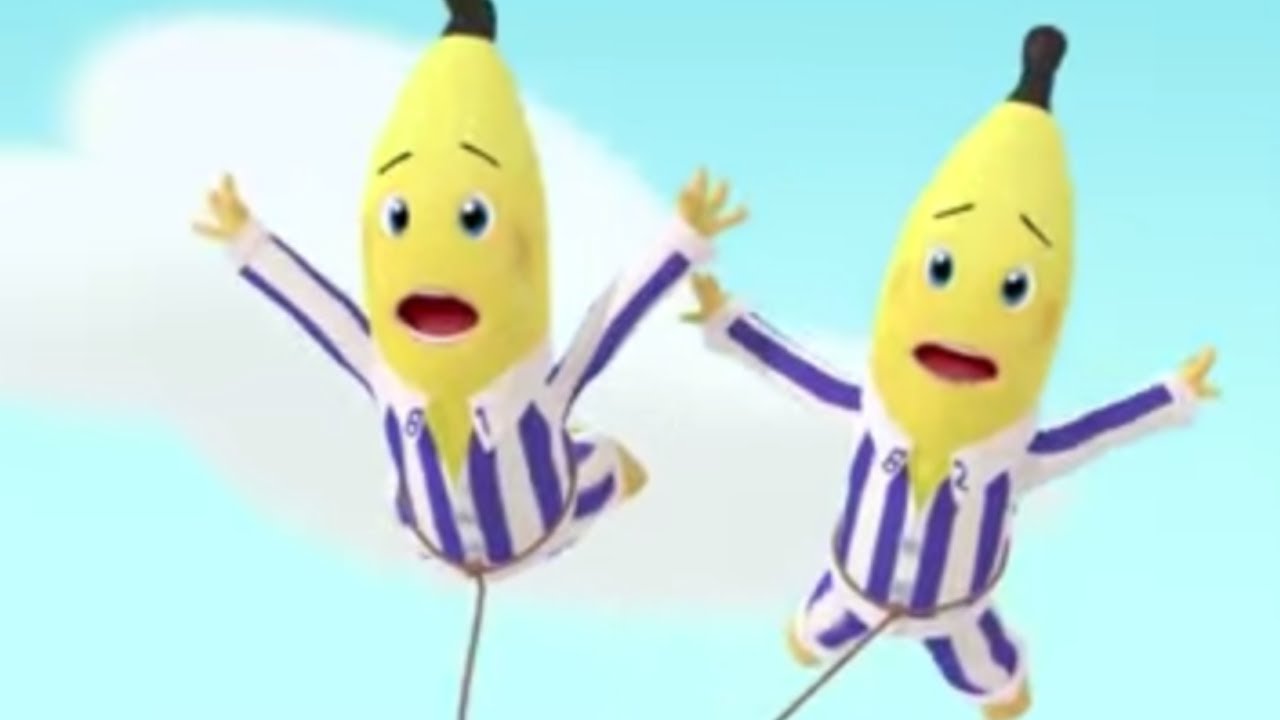
Join The Bananas In Pyjamas and all of their friends in the fantastic compilation of full episodes. In this volume see B1 & B2 in The Shell, Super Job Morgan, The Submarine and The Secret Ingredient.
Never miss a Bananas Episode - click here to subscribe https://www.youtube.com/channe....l/UCug61OHMkz5GgJkey
Bananas in Pyjamas Theme Song : https://youtu.be/6hPsXh5k0d8
Welcome to the Official Bananas in Pyjamas Channel.
On this channel you will find classic and animated full episodes! Your favourite clips and compilations and much more! Tune in every week and see the antics of B1, B2 and their many friends!

A pet themed full episode Bananas In Pyjamas compilation including:
The Little Fish - The Bananas think they've found a new pet fish, but the fish has other ideas.
The Naughty Puppy - When the Bananas find a lost puppy they also find a lot of trouble.
The Little Bird - When the Bananas agree to look after the Teddies' new pet bird, they have no idea of the troubles that lie ahead.
Turtle Trouble - The Bananas discover that helping out their turtle friends isn't as easy as they'd thought it might be.
Never miss a Bananas Episode - click here to subscribe https://www.youtube.com/channe....l/UCug61OHMkz5GgJkey
Bananas in Pyjamas Theme Song : https://youtu.be/6hPsXh5k0d8
Welcome to the Official Bananas in Pyjamas Channel.
On this channel you will find classic and animated full episodes.
Your favourite clips and compilations and much more! Tune in every week and see the antics of B1, B2 and their many friends.
Join The Bananas In Pyjamas and all of their friends in the fantastic compilation of full episodes. In this volume see B1 & B2 in The Delivery Bananas, Morgan's Cloud, Old Porridge and Bernard's Party.
Never miss a Bananas Episode - click here to subscribe https://www.youtube.com/channe....l/UCug61OHMkz5GgJkey
Bananas in Pyjamas Theme Song : https://youtu.be/6hPsXh5k0d8
Welcome to the Official Bananas in Pyjamas Channel.
On this channel you will find classic and animated full episodes! Your favourite clips and compilations and much more! Tune in every week and see the antics of B1, B2 and their many friends!
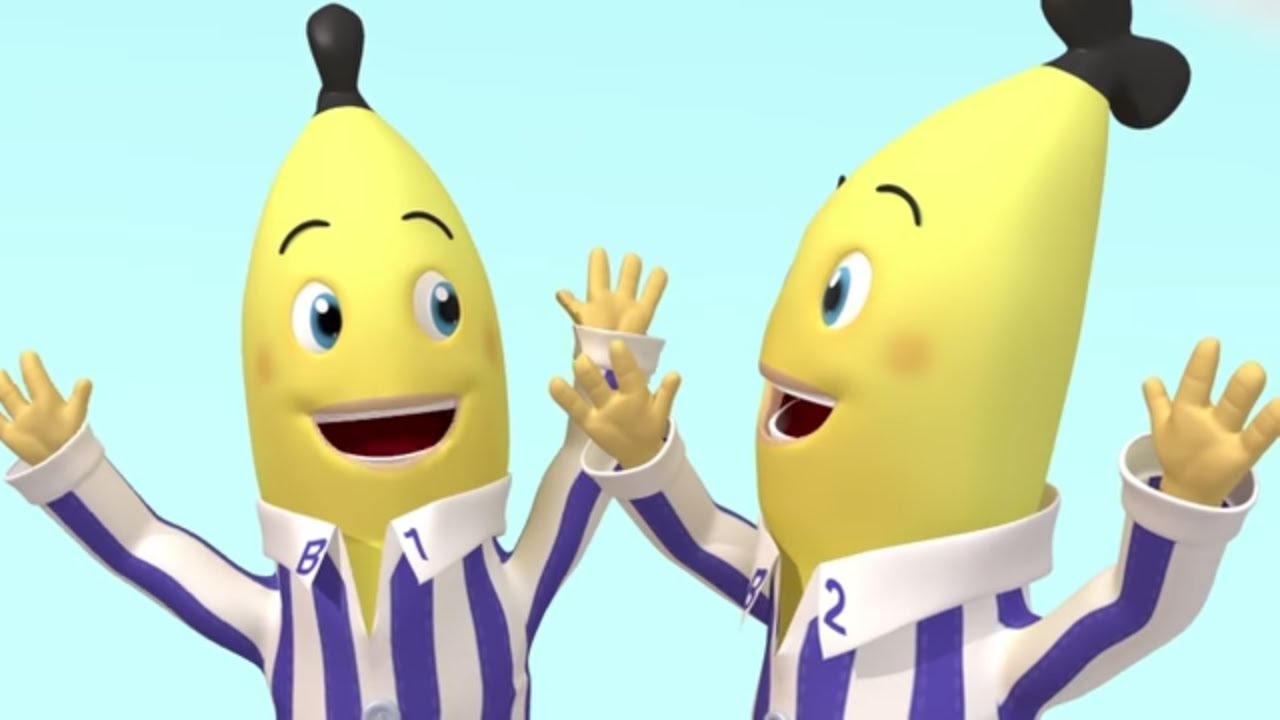
Join B1 and B2 in a compilation of full length animated episodes including all of your favourite friends - the Teddies and Rat-in-a hat. Let's go bananas!
Rat's Movie Night - Rat puts up a big screen in the park - but then he realises he doesn't have a movie to show. The Bananas offer to make a movie for him and enlist the help of the Teddies. With Lulu directing and the Bananas and Pedro acting, they finish shooting their movie - only to discover there is no tape in the camera!
The Pie - Topsy’s having a 'Shake and Bake' party and the Bananas have made her favourite apple pie. But Pedro the pig loves apple pie too and when he sees it cooling on the Bananas' window sill, he can't resist having just a little taste. Before he knows it though, he's eaten the whole thing! Pedro tries replacing the apple pie with a mud pie but one taste and the Bananas know it's not the real thing. Now they have to find out who ate their pie and make another one in time for the party.
Amy's Package - The Bananas have to deliver a package to Amy. But as they carefully carry it to her house, they trip over and the package flies into the air and hits the ground with a bang. Oh no! Have they broken what's inside the package? They give the package a shake and hear something rattle about inside. Oh yes, they have broken it! The Bananas don't want to tell Amy about this. They decide to quickly go home and repair whatever it is that's inside the package. But will the Bananas be able to do it before Amy finds out what's happened?
The Birthdays - The Bananas decide that a birthday party should be held every day in Cuddlestown - whether it's anyone's real birthday or not!
Never miss a Bananas Episode - click here to subscribe https://www.youtube.com/channe....l/UCug61OHMkz5GgJkey
Bananas in Pyjamas Theme Song : https://youtu.be/6hPsXh5k0d8
Welcome to the Official Bananas in Pyjamas Channel.
On this channel you will find classic and animated full episodes.
Your favourite clips and compilations and much more! Tune in every week and see the antics of B1, B2 and their many friends.
Never miss a Bananas Episode - click here to subscribe https://www.youtube.com/channe....l/UCug61OHMkz5GgJkey
Rat News
Rat decides to make a TV news show about Cuddlestown with the Bananas as his cameramen. The only problem is that there is nothing to report, so Rat makes up a story about an alien - which everyone thinks is true!
The Little Fish
The Bananas buy an aquarium from Charlie for a fish called Twinkle to live in, but she is not very happy, and when she sees a picture of the beach she tries to swim towards it. Charlie helps the Bananas work out that Twinkle is homesick, so they take her back to the beach and release her into the sea.
Pink Pyjamas
The bananas become the pink pyjama policemen, on the trail of the pink pyjama painter. But where will their search take them?
Rats Retreat
Rat wants to get his paws on some honey cakes, and he is going to make the Bananas sleep in the shed by the dump. When the Teddies find out, they decide to teach Rat a lesson.
Bananas in Pyjamas Theme Song : https://youtu.be/6hPsXh5k0d8
Welcome to the Official Bananas in Pyjamas Channel.
On this channel you will find classic and animated full episodes.
Your favourite clips and compilations and much more! Tune in every week and see the antics of B1, B2 and their many friends.
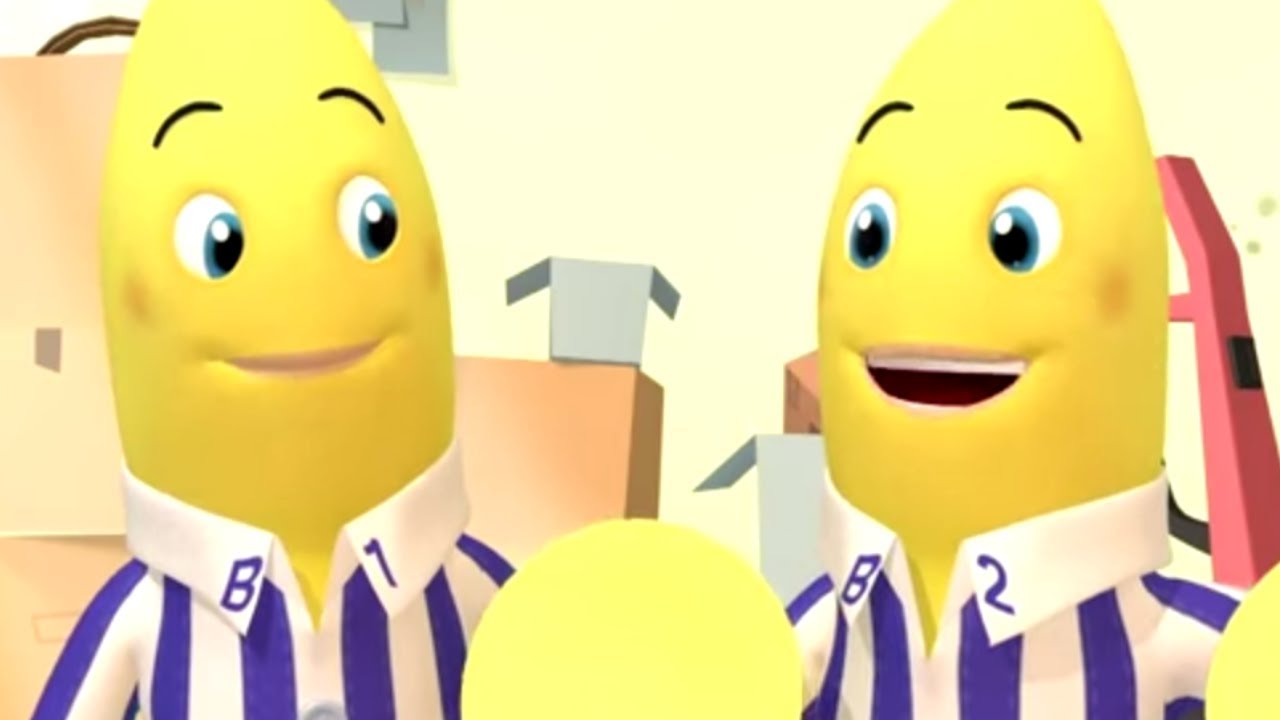
The Housesitters - Can the Bananas repair the damage before the Teddies return?
The Runaway Bear - When Amy overhears Lulu and Morgan saying that they have to get her out of the Teddy home, she decides to leave Cuddlestown. When the Bananas find out, they volunteer to go with her to stop her from being lonely. And then Bernard, Topsy and Rat and everyone else in Cuddlestown decides to go with them too! But is it all a great big, silly misunderstanding?
The Collection - The Bananas decide they should start collecting something. But what? Sticks? No. Seashells? Maybe. Yellow jellies? Yes! But then they eat them all and make themselves sick, and Lulu has to explain the real reason why people collect things.
The Cuddlestown Band - The Cuddlestown Band sounds great except for one small thing - none of the musicians can play in time together!
Never miss a Bananas Episode - click here to subscribe https://www.youtube.com/channe....l/UCug61OHMkz5GgJkey
Bananas in Pyjamas Theme Song : https://youtu.be/6hPsXh5k0d8
Welcome to the Official Bananas in Pyjamas Channel.
On this channel you will find classic and animated full episodes.
Your favourite clips and compilations and much more! Tune in every week and see the antics of B1, B2 and their many friends.
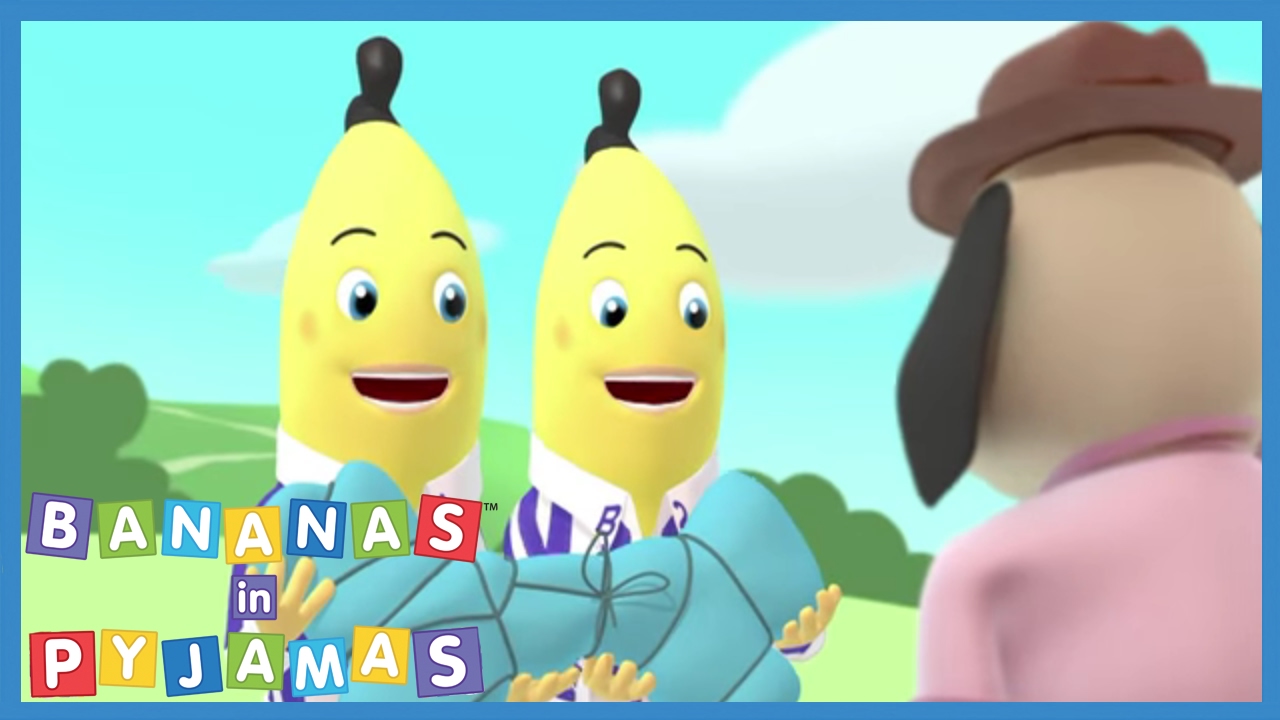
The Bananas bring the perfect party present.
This Clip is from season 1 episode 32 called "Bernard's Party".
B1, B2 and their adorable friends the Teddies and the ever mischievous Rat in a Hat romp their way through the magical world of Cuddletown. There are new friends to meet too; Topsy the kangaroo, Charlie the inventive monkey and Bernard the wise old dog.
Stay Tuned! https://www.youtube.com/channe....l/UCug61OHMkz5GgJkey
Bananas in Pyjamas Theme Song : https://youtu.be/6hPsXh5k0d8
Welcome to the Official Bananas in Pyjamas Channel.
On this channel you will find classic and animated full episodes! Your favourite clips and compilations and much more! Tune in every week and see the antics of B1, B2 and there many friends!
Welcome to the Official Bananas in Pyjamas Channel.
On this channel you will find classic and animated full episodes.
The Magic Trick - B1 and B2 make Rat disappear during a magic trick, but when they try to make him reappear he seems to have properly vanished! Has Rat fooled them, and how will the Bananas get him back?
The Fluffy Bunny - The Bananas and the Teddies join the search for a bunny, but have no luck as they look all over Cuddlestown - until they search a place very close to home.
Muckle Bird Madness - The Bananas feel sad about letting Bernard down. If only they could make it up to him by finding the Muckle Bird themselves. But how?
The Little Bird - When the Teddies go away for a few days, the Bananas are asked to look after their new pet bird. But it escapes out of the window...
Never miss a Bananas Episode - click here to subscribe https://www.youtube.com/channe....l/UCug61OHMkz5GgJkey
Bananas in Pyjamas Theme Song : https://youtu.be/6hPsXh5k0d8
Your favourite clips and compilations and much more! Tune in every week and see the antics of B1, B2 and their many friends.
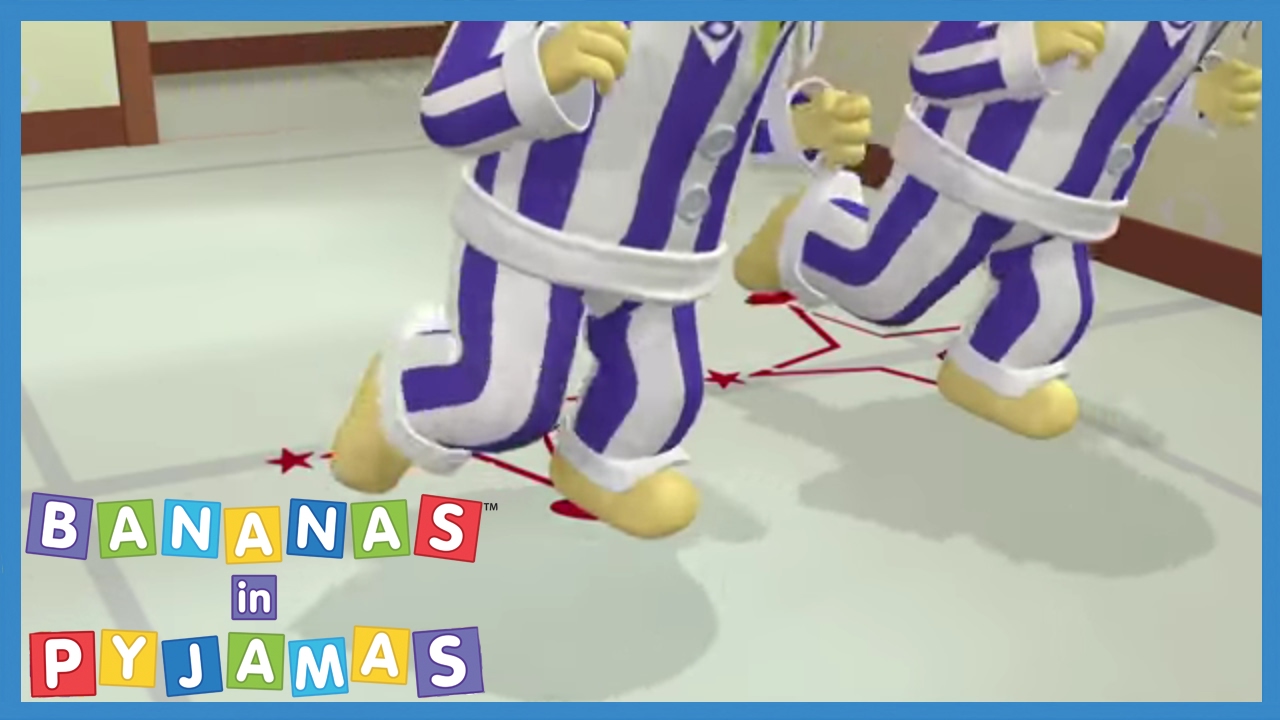
The Banana's try to teach Bernard how to dance but he runs away
This Clip is from season 1 episode 20 called "The Bernard Mystery".
B1, B2 and their adorable friends the Teddies and the ever mischievous Rat in a Hat romp their way through the magical world of Cuddletown. There are new friends to meet too; Topsy the kangaroo, Charlie the inventive monkey and Bernard the wise old dog.
Stay Tuned! https://www.youtube.com/channe....l/UCug61OHMkz5GgJkey
Bananas in Pyjamas Theme Song : https://youtu.be/6hPsXh5k0d8
Welcome to the Official Bananas in Pyjamas Channel.
On this channel you will find classic and animated full episodes! Your favourite clips and compilations and much more! Tune in every week and see the antics of B1, B2 and there many friends!

In this video, Fermilab's Dr. Don Lincoln describes the principle of supersymmetry in an easy-to-understand way. A theory is supersymmetric if it treats forces and matter on an equal footing. While supersymmetry is an unproven idea, it is popular with particle physics researchers as a possible next step in particle physics.