Top Vídeos
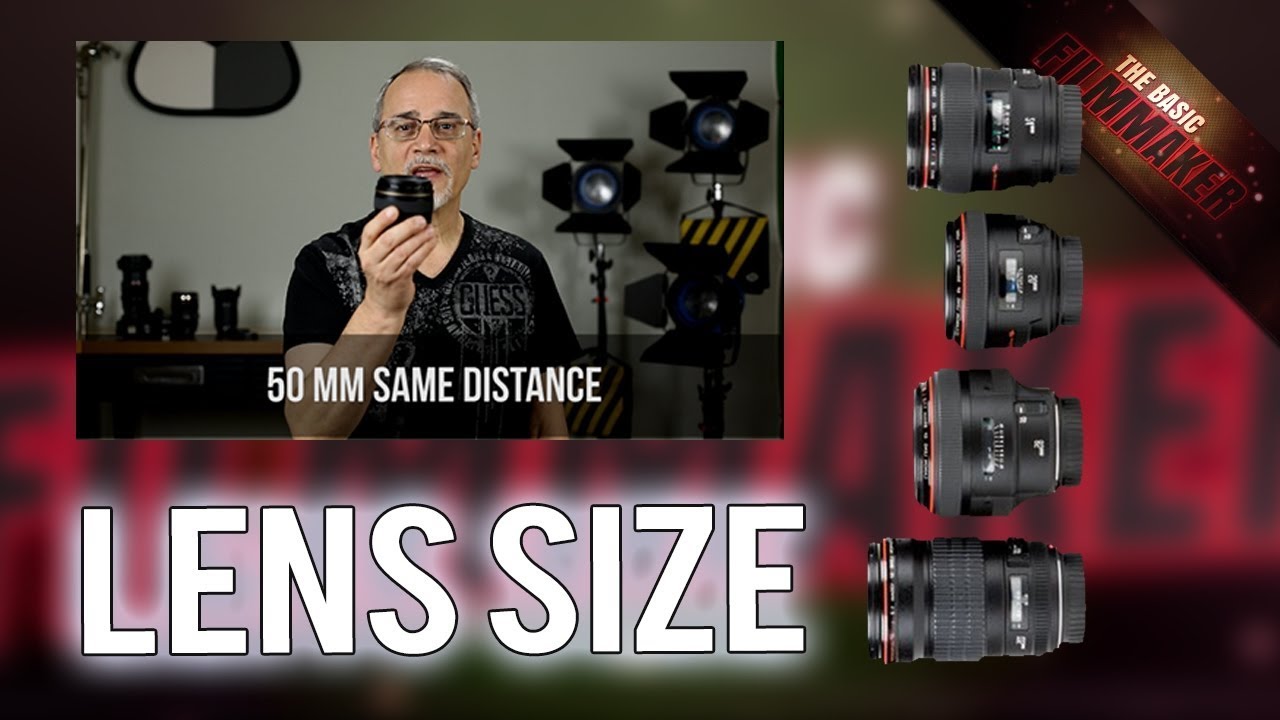
A very requested and VERY basic video about the difference between lens sizes. I show what a 50mm lens looks like, then I switch to an 85mm lens so you can see the difference, with some tips and cautions on using different lenses. Links in the description below ▼
LINKS:
▶ 50mm B&H: http://bit.ly/Canon50mmBandH
▶ 50mm Amazon: http://bit.ly/Canon50mm-Amazon
▶ 85mm B&H: http://bit.ly/Canon85mmBandH
▶ 85mm Amazon: http://bit.ly/Canon85mmAmazon
▶ 28mm B&H: http://bit.ly/Canon28mmBandH
▶ 28mm Amazon: http://amzn.to/2cOqqon
▶ 24-105mm Zoom Lens B&H: http://bit.ly/Canon24-105BandH
▶ 24-105mm Zoom Lens Amazon: http://bit.ly/Canon24-105Amazon
$UPER EXPEN$IVE BUT AWE$OME LEN$:
▶ http://bit.ly/CanonCine30-300mmBandH
SHARE THIS LINK WITH OTHERS:
▶ http://bit.ly/SubscribeToBasicFilmmaker
SOCIAL:
Email: thebasicfilmmaker@gmail.com
Email: bfm@basicfilmmakeruniversity.com
http://bit.ly/BFUniversityEnrollment
http://bit.ly/BasicFilmmakerFacebook
http://bit.ly/BasicFilmmakerTwitter
http://bit.ly/BasicFilmmakerWebsite

I found my new favorite thing in the latest version of Premiere Pro (12.1.1). I have very limited time available to make these videos, so when I do something stupid (shown in video - like NOT setup cameras to match), this new feature comes to the rescue, takes face detection color into account, and take SECONDS!
Get Adobe CC
———————————————————————————
Includes Premiere Pro, After Effects, Audition, Photoshop, Illustrator, and many, many more apps.
http://bit.ly/AdobeCCFull
Free and paid filmmaker training:
———————————————————————————
http://bit.ly/BasicFilmmakerUniversity
NEW: http://bit.ly/VideoHacksCourse
COMING SOON: http://bit.ly/ColorCorrectionCourse
FREE: http://bit.ly/FreeTitlesCourseBFU
FREE: http://bit.ly/BFU-7StepCommercialsFree
CHEAP: http://bit.ly/BFUMonitorsCourse
REDUCED: http://bit.ly/BasicsOfMoneyCourse
REDUCED: http://bit.ly/OnCameraCourseBFU
REDUCED: http://bit.ly/BFUYouTubeCourse
What I shoot my episodes with:
———————————————————————————
Amazon:
Canon 5D: https://amzn.to/2HA1zQC
Canon 50mm: https://amzn.to/2vgPcq4
Rode NTG-3: https://amzn.to/2GY9cPO
Zoom H6: https://amzn.to/2HxHcn3
Aputure Tri-8 Kit: https://amzn.to/2HyvE2U
B&H:
Canon 5D: https://bhpho.to/2GXbUoz
Canon 50mm: https://bhpho.to/2HzkoDE
Rode NTG-3: https://bhpho.to/2HxxL75
Zoom H6: https://bhpho.to/2Hz3nJx
Aputure Tri-8 Kit: https://bhpho.to/2H0IHJk
More gear at https://www.kit.com/basicfilmmaker
Intro and Music Credits
———————————————————————————
Intro by Kevin Anson: http://bit.ly/EmoticonToolkktKevinAnson
Music by Premium Beat: http://bit.ly/PremiumBeatMusic
Connect with me here:
———————————————————————————
http://bit.ly/BFM-YOUTUBE
http://bit.ly/BFM-FB
http://bit.ly/BFM-TWITTER
http://bit.ly/BFM-INSTAGRAM
http://bit.ly/BFM-UNIVERSITY
Copyright (c) 2018 by The Basic Filmmaker
Note that some of these links are affiliate links and help keep the channel going. Thanks for your support, as it really helps offset the costs! #basicfilmmaker #filmmaking #videos

Color Correcting film is an art. It takes time, skill, and a good eye. Wait! What about simple videos? Well, here's a 2-step process for color correcting your videos in After Effects, Premier Pro and Sony Vegas.
THIS MAKES PEOPLE HAPPY
Please like, comment and subscribe: http://tinyurl.com/78tf9qk
REACH THE BASIC FILMMAKER
Facebook: http://www.facebook.com/TheBasicFilmmaker
Twitter: http://www.twitter.com/basicfilmmaker
Email: thebasicfilmmaker@gmail.com
Home: http://www.thebasicfilmmaker.com
Vimeo: http://www.vimeo.com/thebasicfilmmaker
A FEW YOUTUBE CHANNELS TO SUBSCRIBE TO
http://www.youtube.com/knoptop
http://www.youtube.com/thefrugalfilmmaker
http://www.youtube.com/FilmIn5d
http://www.youtube.com/LJtutorials
http://www.youtube.com/filmriot
http://www.youtube.com/indymogul
http://www.youtube.com/oliviatechvideos
http://www.youtube.com/freddiew
ABOUT THE BASIC FILMMAKER
I will be posting videos, short films, DIY build projects you've never seen before, After Effects tutorials, and covering cameras, gear, sliders, makeup, DSLRs, cranes, jibs, dolly's, stabilizers, shoulder rigs, rail systems, green screen tutorials, and answering any question you ask about filming.
GEAR USED
Adobe After Effects CS6, Adobe Premier Pro CS6, Sony Vegas Pro 10, Canon DSLRs and lenses, Zoom audio.
HERE'S SOME GEAR TO CHECK OUT...
CAMERAS:
Canon 550D (T2i): http://tinyurl.com/breu6bj
Canon 600D (T3i): http://tinyurl.com/c4uzyoh
Canon 650D (T4i): http://tinyurl.com/7x469u6
STORAGE:
SanDisk Extreme 45MB/s 16GB SDHC Card: http://tinyurl.com/7wd2p5a
LENSES:
50mm Lens ("the nifty fifty"): http://tinyurl.com/7c7wsaa
28mm Lens ("the great 28"): http://tinyurl.com/6mdcfj7
Zoom Lens: (28mm - 135mm): http://tinyurl.com/7gjt4lu
SOUND:
Zoom H1: http://tinyurl.com/7mu5tb2
Rode Videomic: http://tinyurl.com/7w5bx6d
Shure SM-58: http://tinyurl.com/86neg7k
JuicedLink (minijack - cheaper): http://tinyurl.com/7u679s7
OTHER:
White Balance Filter: http://tinyurl.com/7e4k3rr
Green Screen Kit: http://tinyurl.com/7nuzr2v
MUSIC
The music "Chemistry" is licensed by me and can be obtained from: http://www.footagefirm.com
VIDEO CLIPS AND GRAPHICS
All video and graphics is either shot or licensed by me.
THANKS
To My YouTube Favs...
Video Copilot, Andrew Kramer, FreddieW, Film Riot, The Frugal Filmmaker, Knoptop, Indy Mogul and Corridor Digital for trail blazing, and, to YouTube and Vimeo for giving filmmakers a home. #basicfilmmaker #filmmaking #videos

I had the pleasure of interviewing Craig Burnett, a TV Host and voiceover artist with over 30 years of experience. He was kind enough to share Twenty-Two (22) tips and tricks for being in front of the camera and doing voiceovers. Make sure to give him a shout out with the links in the video description.
CRAIG BURNETT
Website: http://www.craigburnett.com
Facebook: https://www.facebook.com/CraigBurnett
Twitter: https://twitter.com/craigieb
LOQUAT SYRUP:
http://amzn.to/1RNjlld
EARPROMPTER:
http://www.ear-prompter.com/
MORE INFO HERE:
http://www.thebasicfilmmaker.com
TOPICS COVERED:
01 Talk to a friend.
02 Breathing.
03 How People Talk.
04 Writing Your Own Scripts.
05 Get to the point.
06 Speak in a conversational tone.
07 Making a living doing voiceover work.
08 The five to seven seconds rule.
09 Approach eveything 100%.
10 Prepare for rejection, move on.
11 Don't quit your day job.
12 Using Earprompter.
13 Teleprompter Tips.
14 Get familiar with the script.
15 Practice in fron of a mirror.
16 Practice in front of the the camera.
17 Walk away and come back later rule.
18 Taking care of your instrument.
19 Loquat tea trick.
20 Sound like yourself.
21 Be yourself, be yourself, be yourself.
SOCIAL:
Email: thebasicfilmmaker@gmail.com
Website: http://www.thebasicfilmmaker.com
Facebook: http://www.facebook.com/theBasicFilmmaker
Twitter: http://www.twitter.com/basicfilmmaker
Instagram: http://www.instagram.com/basicfilmmaker
YouTube: http://www.youtube.com/thebasicfilmmaker
Vimeo: https://vimeo.com/channels/thebasicfilmmaker
https://shop.spreadshirt.com/basicfilmmaker/
ETHICS: I am not paid for doing reviews.
GEAR: Canon, Rode, Zoom, and Adobe.
LEGAL: All music, footage and graphics are created or licensed, or used with permission.
Copyright 2016 The Basic Filmmaker Basic Filmmaker University: www.basicfilmmakeruniversity.com #basicfilmmaker #filmmaking #videos

I first talk about the potential problems with many backdrops and green screens, then cover this one and how I think it solves all those problems. It's very portable, large, stable, wrinkle-free, lightweight, and more importantly changing backgrounds is SUPER QUICK. For me, this is a keeper for YouTube videos, interviews and green screen work. Link in the video description.
GLIDE GEAR BCK 100
-----------------------------------------------------------------------
https://amzn.to/2Opnb5m
FRAME:
8 foot x 8 foot
Clip pole frame system
Aluminium stability feet
Sets up in minutes
Lightweight: 11kg
FABRIC:
Premium Tension 290g Polyester
Wrinkle free/Anti Glare
Pillow case design with zipper
4 colors: Black/Blue and Green/White
GREEN SCREEN:
Full color dye sublimation
Single side printing
Chromakey (354c Pantone)
FULL PACKAGE:
Completely portable
Protective carry bag
$399
What I shoot/edit episodes with:
-----------------------------------------------------------------------
Amazon:
Canon 5D: https://amzn.to/2HA1zQC
Canon 50mm: https://amzn.to/2vgPcq4
Rode NTG-3: https://amzn.to/2GY9cPO
Saramonic XLR Recorder: https://amzn.to/2MXQ7zX
Aputure Tri-8 Kit: https://amzn.to/2HyvE2U
Adobe Pemiere Pro: http://bit.ly/AdobeCCFull
B&H:
Canon 5D: https://bhpho.to/2GXbUoz
Canon 50mm: https://bhpho.to/2HzkoDE
Rode NTG-3: https://bhpho.to/2HxxL75
Saramonic XLR Recorder: https://bhpho.to/2Hzr8RY
Aputure Tri-8 Kit: https://bhpho.to/2H0IHJk
Adobe Pemiere Pro: http://bit.ly/AdobeCCFull
More gear at https://www.kit.com/basicfilmmaker
Filmmaker Training:
-----------------------------------------------------------------------
https://www.basicfilmmakeruniversity.com
Credits
-----------------------------------------------------------------------
Outro by Kevin Anson: http://bit.ly/EmoticonToolkktKevinAnson
Music by Premium Beat: http://bit.ly/PremiumBeatMusic
Connect with me here:
-----------------------------------------------------------------------
http://bit.ly/BFM-YOUTUBE
http://bit.ly/BFM-FB
http://bit.ly/BFM-TWITTER
http://bit.ly/BFM-INSTAGRAM
http://bit.ly/BFM-UNIVERSITY
Copyright (c) 2018 Basic Filmmaker
All rights reserved.
-----------------------------------------------------------------------
Note that some of these links are affiliate links and help keep the channel going. Thanks for your support, as it really helps offset the costs! #basicfilmmaker #filmmaking #videos

Bench table build, demo and review. This works for me, and I thought if you do video reviews or demonstrations, you might like it too. If not, well, then not. :)
BENCH TABLE WORKBENCH HERE:
http://bit.ly/DemoWorktableAmazon
STONY EDGE LAV MICS:
http://bit.ly/StoneyEdgeSimpleLavAmazon
http://bit.ly/StoneyEdgeSimpleLavMobileAmazon
SOCIAL:
Email: thebasicfilmmaker@gmail.comYouTube:
YouTube: http://www.youtube.com/thebasicfilmmaker
Vimeo: https://vimeo.com/channels/thebasicfilmmaker
Facebook: http://www.facebook.com/TheBasicFilmmaker
Twitter: http://www.twitter.com/basicfilmmaker
Instagram: http://instagram.com/thebasicfilmmaker
Blog: http://www.thebasicfilmmaker.com
Famebit Sponsorships: https://famebit.com/u/BasicFilmmaker
BUY STUFF: Throws me few pennies and costs you nothing.
AMAZON: http://bit.ly/AmazonYourself
B&H: http://bit.ly/BandHPhotoMain
ADORAMA: http://bit.ly/AdoramaGear
TRAINING: http://bit.ly/LyndaDotComTraining
RENTING: http://bit.ly/BorrowLensesRentals
FOOTAGE: http://bit.ly/VideoBlocksSubscription
VIMEO: http://bit.ly/VimeoPlusSubscrption
GRAPHICS: http://bit.ly/GraphicStockSubscription
ETHICS: I am not paid for product reviews.
CREATED: Using Canon, Rode, and Adobe products.
LEGAL: All music, footage and graphics are created or licensed. #basicfilmmaker #filmmaking #videos

Mentioned I was working on a Filmmaking University, got slammed with questions, so I answer them. Free course and university here: http://www.basicfilmmakeruniversity.com
SOCIAL:
Email: thebasicfilmmaker@gmail.com
University: http://bit.ly/BasicFilmmakerUniversity
Website: http://www.thebasicfilmmaker.com
Facebook: http://www.facebook.com/theBasicFilmmaker
Twitter: http://www.twitter.com/basicfilmmaker
Instagram: http://www.instagram.com/basicfilmmaker
YouTube: http://www.youtube.com/thebasicfilmmaker
Vimeo: https://vimeo.com/channels/thebasicfilmmaker
http://bit.ly/basicfilmmakerswag
BUT STUFF HERE:
http://bit.ly/AmazonYourself
http://bit.ly/BandHPhotoMain
ETHICS: I am not paid for product reviews unless noted.
GEAR: Using Canon, Rode, Zoom, and Adobe products.
LEGAL: All music, footage and graphics are created or licensed.
Music from PremiumBeat.com licensed here: http://bit.ly/PremiumBeatMusic #basicfilmmaker #filmmaking #videos
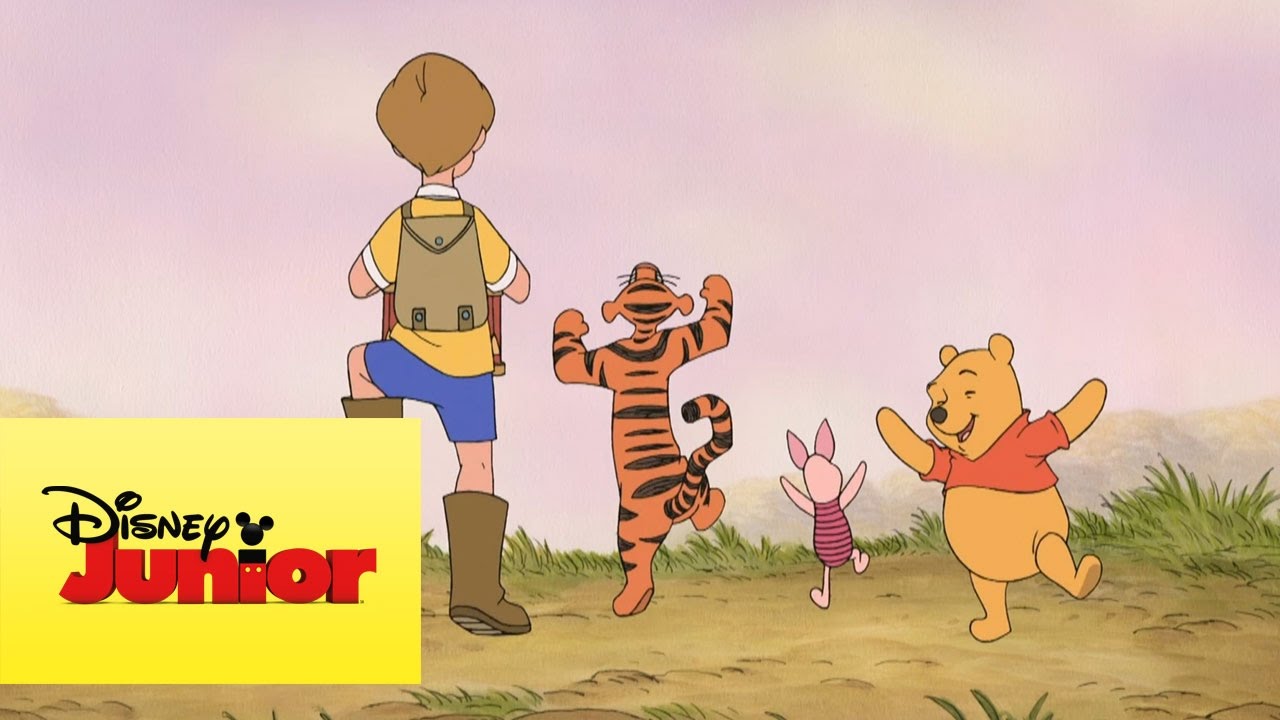
Mini aventuras de Winnie the Pooh - La expedición
¿Listo para escuchar una historia ? Viaja al bosque de los Cien Acres, para vivir otra divertida aventura junto a Winnie the Pooh y sus amigos! Las Mini aventuras de Winnie the Pooh, en Disney Junior!
Sitio Oficial: http://www.disneylatino.com/disneyjunior/
Síguenos en Facebook: http://www.facebook.com/DisneyJuniorLatinoamerica
¡Haz click en el botón SUSCRIBIR y entérate de los nuevos videos de Disney Junior en Youtube!

Síguenos en Facebook: http://www.facebook.com/DisneyPrincesa
Sitio Oficial de Disney Princesa: http://www.disneylatino.com/princesas/
Disney Junior Latinoamérica: http://www.disneylatino.com/disneyjunior/
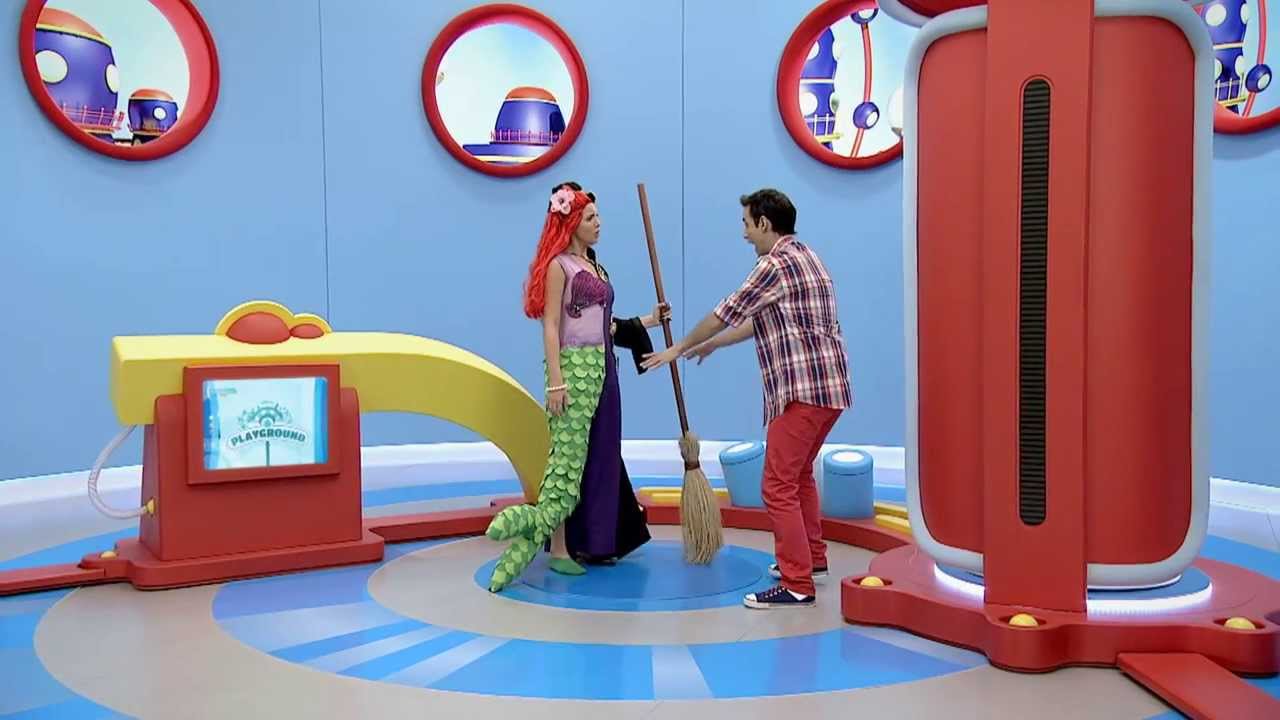
Esta canción de la maravillosa película de Disney, La Sirenita, ¡te encantará!
¡Haz click en el botón SUSCRIBIR y entérate de los nuevos videos de Disney Junior en Youtube!
Sitio Oficial: http://www.disneylatino.com/disneyjunior/
Síguenos en Facebook: http://www.facebook.com/DisneyJuniorLatinoamerica
¡Haz click en el botón SUSCRIBIR y entérate de los nuevos videos de Disney Junior en Youtube!

Vampirina y Poppy desafían a Dragos "el mejor bailarín de Transilvania": quien haga los mejores pasos de baile, ganará y el que pierda, no deberá volver a bailar... ¡jamás!
Sitio Oficial: http://www.disneylatino.com/disneyjunior/
Síguenos en Facebook: http://www.facebook.com/DisneyJuniorLatinoamerica
¡Haz click en el botón SUSCRIBIR y entérate de los nuevos videos de Disney Junior en Youtube!

Nina está muy apurada, ya no puede aguantar. ¿Quién la podrá ayudar?
Una serie para acompañar a los chicos en su crecimiento.
¡Nina tiene que ir! En Disney Junior.
Sitio Oficial: http://www.disneylatino.com/disneyjunior/
Síguenos en Facebook: http://www.facebook.com/DisneyJuniorLatinoamerica
¡Haz click en el botón SUSCRIBIR y entérate de los nuevos videos de Disney Junior en Youtube!
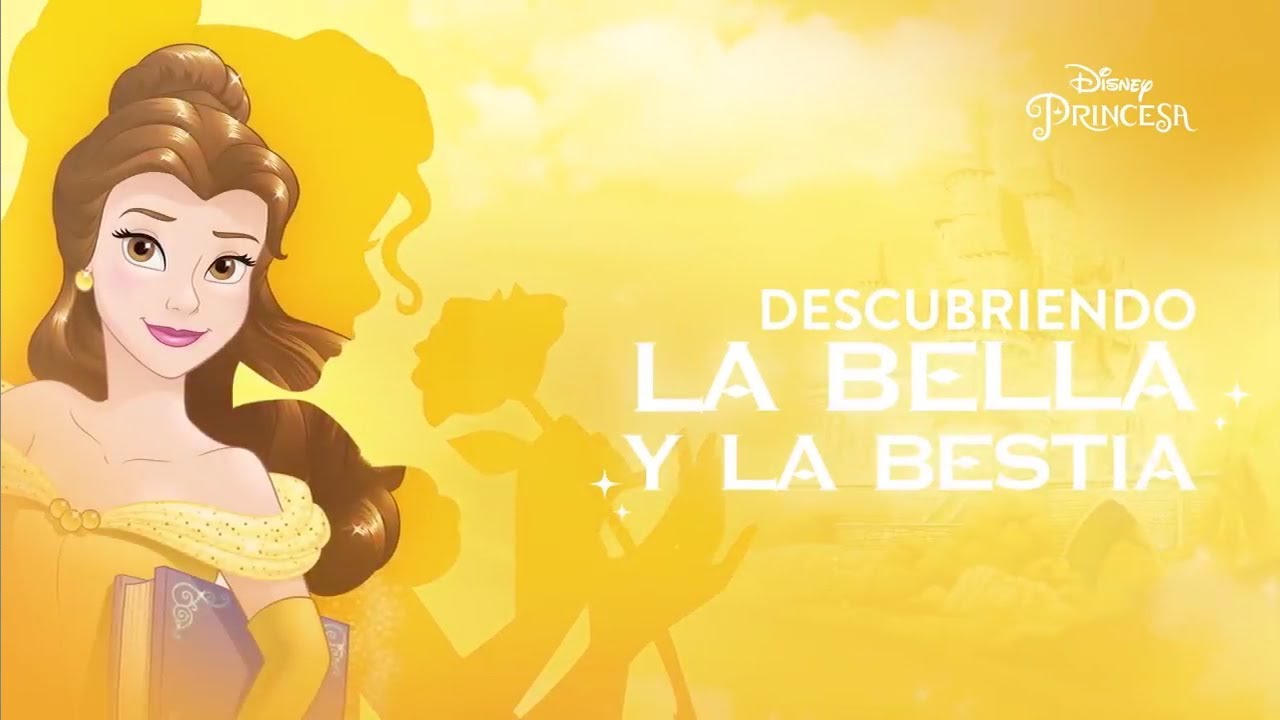
Descubre La Bella y la Bestia, la historia de Bella, una joven lectora que sueña con vivir aventuras como las que lee en sus libros y siempre ve más allá de las apariencias. Cuando Bella encuentra a su padre prisionero y enfermo en el castillo encantado de una horrible Bestia, se ofrece a tomar su lugar. Con compasión y amabilidad, Bella le enseña a la Bestia a descubrir su belleza interior y a amar a otra persona, ayudándolo a romper el hechizo antes de que caiga el último pétalo de una rosa encantada.
#SoyPrincesaSiendoYo
#DescubriendoLaBellaylaBestia
Sitio Oficial: http://www.disneylatino.com/disneyjunior/
Síguenos en Facebook: http://www.facebook.com/DisneyJuniorLatinoamerica
¡Haz click en el botón SUSCRIBIR y entérate de los nuevos videos de Disney Junior en Youtube!

Mini aventuras de Winnie the Pooh - Cacería de elefantes
¿Listo para escuchar una historia ? Viaja al bosque de los Cien Acres, para vivir otra divertida aventura junto a Winnie the Pooh y sus amigos! Las Mini aventuras de Winnie the Pooh, en Disney Junior!
Sitio Oficial: http://www.disneylatino.com/disneyjunior/
Síguenos en Facebook: http://www.facebook.com/DisneyJuniorLatinoamerica
¡Haz click en el botón SUSCRIBIR y entérate de los nuevos videos de Disney Junior en Youtube!

Hasta la fuente más fuerte de electricidad puede quedarse... ¡sin energía! El Hombre Araña y Miss Marvel trabajan en equipo para atrapar al villano Electro. ¡Los más grandes héroes Marvel están en Disney Junior!
Sitio Oficial: http://www.disneylatino.com/disneyjunior/
Síguenos en Facebook: http://www.facebook.com/DisneyJuniorLatinoamerica
¡Haz click en el botón SUSCRIBIR y entérate de los nuevos videos de Disney Junior en Youtube!

Descubre Blanca Nieves y los 7 enanos, la historia de una hermosa y optimista princesa llamada Blanca Nieves que es querida por todos menos por La Reina, su celosa madrastra. Para salvar su vida huye al bosque y con la ayuda de los animalitos y siete adorables enanos logra cambiar su destino para siempre.
#SoyPrincesaSiendoYo
#DescubriendoBlancaNieves
Sitio Oficial: http://www.disneylatino.com/disneyjunior/
Síguenos en Facebook: http://www.facebook.com/DisneyJuniorLatinoamerica
¡Haz click en el botón SUSCRIBIR y entérate de los nuevos videos de Disney Junior en Youtube!

Pueden escuchar Esto es una Fiesta, la nueva canción de Junior Express, aquí: http://disneymusic.co/DJMFiesta
Sitio Oficial: http://www.disneylatino.com/disneyjunior/
Síguenos en Facebook: http://www.facebook.com/DisneyJuniorLatinoamerica
¡Haz click en el botón SUSCRIBIR y entérate de los nuevos videos de Disney Junior en Youtube!
Sitio Oficial: http://www.disneylatino.com/disneyjunior/
Síguenos en Facebook: http://www.facebook.com/DisneyJuniorLatinoamerica
¡Haz click en el botón SUSCRIBIR y entérate de los nuevos videos de Disney Junior en Youtube!
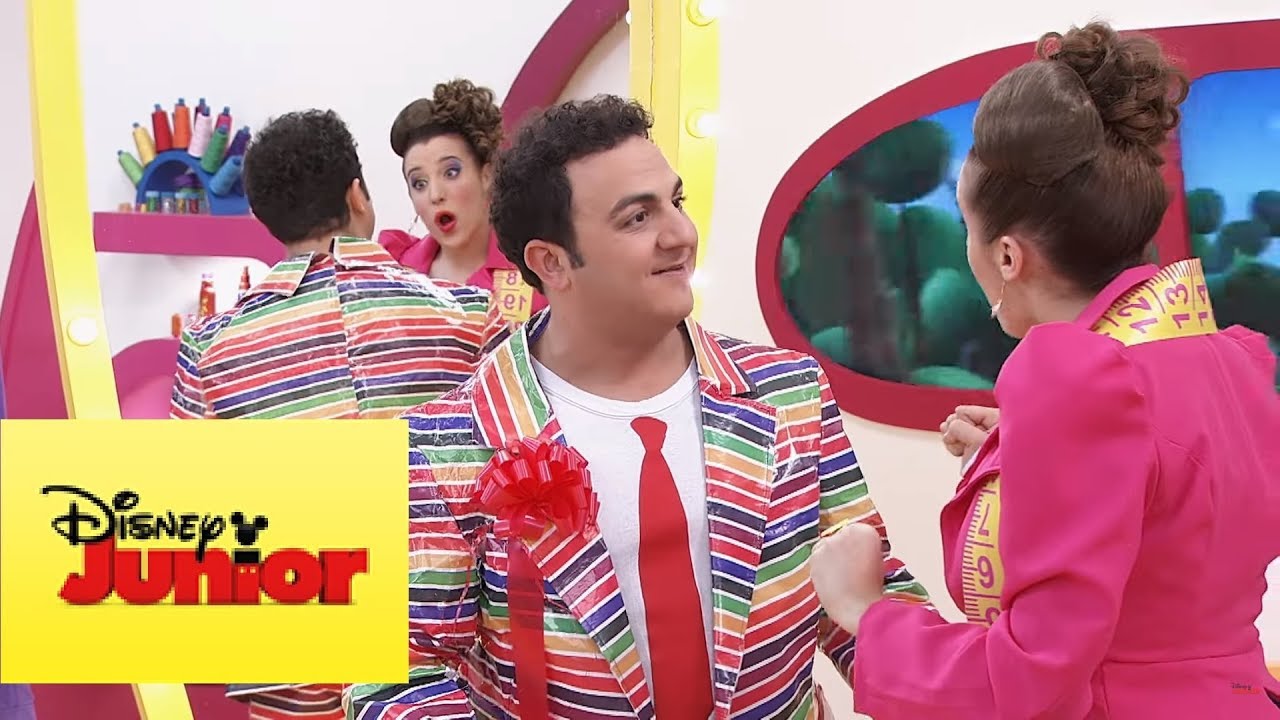
Subite un ratito al Junior Express.
Sitio Oficial: http://www.disneylatino.com/disneyjunior/
Síguenos en Facebook: http://www.facebook.com/DisneyJuniorLatinoamerica
¡Haz click en el botón SUSCRIBIR y entérate de los nuevos videos de Disney Junior en Youtube!