Top Vídeos

Comienza el Juego! Parte 1

Comienza el Juego! Parte 6

Somos las Princesas está apareciendo en la televisión y la hermanita está lista para disfrazarse como todas sus princesas favoritas: Elsa, Rapunzel, Blanca Nieves, la Bella Durmiente, la Sirenita y Moana. ¡Ciertamente ella es la princesa de Papi! ¡Aprende y disfruta con todas nuestras divertidas canciones para niños en 3D! #littleangel #littleangelespañol
(?️) Subscríbete a Little Angel para ver videos nuevos en cuanto salgan►► http://bit.ly/suscribete_LittleAngel_Esp
Nuestras canciones para niños enseñan habilidades básicas y mejoran su habilidad para comprender y seguir instrucciones. Las canciones infantiles aceleran las capacidades fonéticas y mejoran la comprensión oral, de lectura y escritura.
Letra: Soy una Princesa
-----------------------------------------------------
Soy una princesa
Princesa, princesa
Soy una princesa
Y esto hago yo
Rapunzel se cepilla así
Cepilla así, cepilla así
Rapunzel se cepilla así
Una y otra vez
Blanca Nieves baila así
Baila así, baila así
Blanca Nieves baila así
Baila sin parar
Coro:
Somos las princesas
Princesas, Princesas
Somos las princesas
Te vamos a mostrar
Bella Durmiente duerme así
Duerme así, duerme así
Bella Durmiente duerme así
Toda la noche
A Elsa le gusta cantar
Canta así, canta así
A Elsa le gusta cantar
A todo pulmón
Coro:
Somos las princesas
Princesas, Princesas
Somos las princesas
Te vamos a mostrar
La Sirenita nada así
Nada así, nada así
La Sirenita nada así
Por todo el mar
Moana sabe navegar
Navegar, navegar
Moana sabe navegar
A través del mar
Coro:
Somos las princesas
Princesas, Princesas
Somos las princesas
Te vamos a mostrar
-----------------------------------------------------
No olvides darnos un LIKE (?) si disfrutaste este video.
Descubre el universo Little Angel en www.littleangel.com
Síguenos en redes sociales para nuestras últimas novedades:
★ Facebook: https://www.facebook.com/littleangelespanol/
★ Instagram: https://www.instagram.com/littleangel_esp/
★ Twitter: https://twitter.com/Little_angel_es?lang=es
Música infantil, canciones para niños, Spanish for kids, nursery rhymes Spanish, Spanish kids songs.
Animaciones por: Valnet Inc.
Copyright 2019 Valnet
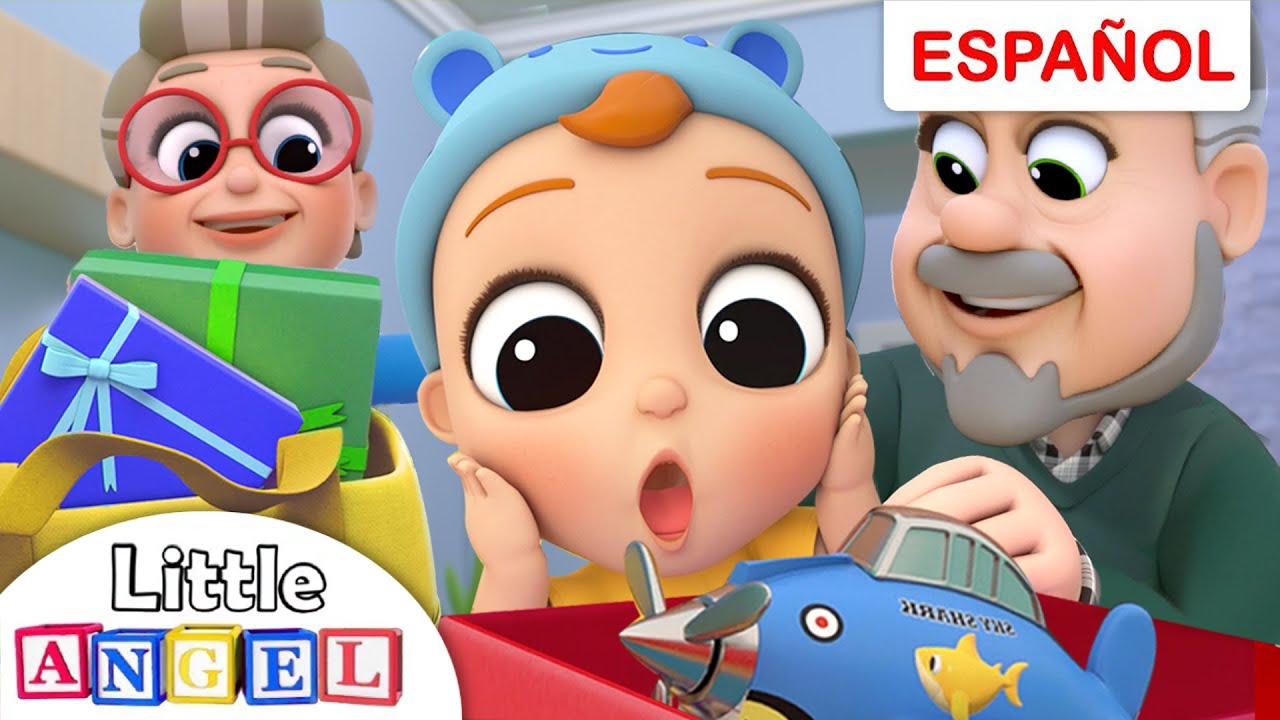
Los abuelitos son muy importantes en la vida de Bebé Juan, Nico y Sofi, ellos los consienten mucho y les brindan todo su amor y comprensión y claro también les traen muchos regalos y golosinas.
¡Aprende y disfruta con todos nuestros divertidos videos para niños en 3D! #bebejuan #cancionesinfantiles #littleangelespañol
(?️) Subscríbete a Little Angel Español para ver videos nuevos en cuanto salgan ?►► http://bit.ly/suscribete_LittleAngel_Esp
¡Ve a tu canción favorita eligiendo en el título debajo!
00:04 ¡Los Abuelos Nos Aman Mucho!
03:55 Lavarse las Manos ? Canción Infantil: https://youtu.be/6G7wgVJdM5k
07:13 Bebé Juan tenía un Corderito ?: https://youtu.be/Tgj4eB4wlS4
11:24 ¡Mami te amo mucho! ?: https://youtu.be/oaP3XC9AP1c
15:21 Quiero ser Como mi Papá: https://youtu.be/bAgXguTLybo
Letra: Abuela y abuelo nos aman
---------------------------------------------------
Que lindo es estar juntos, juntos juntos
Sus risas divertidas, nos encanta oir.
Mucha Alegría traen
Nos hacen sonreír
Y si estamos juntos, todo es más feliz.
Que lindo es estar juntos, juntos juntos
Sus risas divertidas, nos encanta oir.
Mucha Alegría traen
Nos hacen sonreír
Y si estamos juntos, todo es más feliz.
Que lindo es estar juntos, juntos juntos
Sus risas divertidas, nos encanta oir.
Mucha Alegría traen
Nos hacen sonreír
Y si estamos juntos, todo es más feliz.
Que lindo es estar juntos, juntos juntos
Sus risas divertidas, nos encanta oir.
Mucha Alegría traen
Nos hacen sonreír
Y si estamos juntos, todo es más feliz.
Que lindo es estar juntos, juntos juntos
Sus risas divertidas, nos encanta oir.
Mucha Alegría traen
Nos hacen sonreír
Y si estamos juntos, todo es más feliz
---------------------------------------------------
Nuestras canciones para niños enseñan habilidades básicas y mejoran su habilidad para comprender y seguir instrucciones. Las canciones infantiles aceleran las capacidades fonéticas y mejoran la comprensión oral, de lectura y escritura.
No olvides darnos un LIKE (?) si disfrutaste este video.
Descubre el universo Little Angel en www.littleangel.com
Síguenos en redes sociales para nuestras últimas novedades:
★ Facebook: https://www.facebook.com/littleangelespanol/
★ Instagram: https://www.instagram.com/littleangel_esp/
★ Twitter: https://twitter.com/Little_angel_es?lang=es
Música infantil, canciones para niños, Spanish for kids, nursery rhymes Spanish, Spanish kids songs.

Pablito Saluda a Yoshua 1. 19 de abril, 2020
Video from Julio Rodríguez

Whitney Houston's official music video for 'If I Told You That' ft. George Michael. Click to listen to Whitney Houston on Spotify: http://smarturl.it/WhitneyHSpo....tify?IQid=WhitneyHII
As featured on Whitney: The Greatest Hits. Click to buy the track or album via iTunes: http://smarturl.it/WhitneyGrea....testHits?IQid=Whitne
Google Play: http://smarturl.it/IITYGPlay?IQid=WhitneyHIITY
Amazon: http://smarturl.it/WGHAmazon?IQid=WhitneyHIITY
More From Whitney Houston
I Will Always Love You: https://youtu.be/3JWTaaS7LdU
I Look To You: https://youtu.be/5Pze_mdbOK8
I Wanna Dance With Somebody: https://youtu.be/eH3giaIzONA
More great 90s videos here: http://smarturl.it/Ultimate90?IQid=WhitneyHIITY
Follow Whitney Houston
Website: http://www.whitneyhouston.com
Facebook: https://www.facebook.com/WhitneyHouston
Subscribe to Whitney Houston on YouTube: http://smarturl.it/WhitneyHous....tonSub?IQid=WhitneyH
---------
Lyrics:
Now tell me how you feel if I told
You that I have feelings for you
Ansd would it be so wrong to say
What's on my mind
I'm sorry I have to
We were friends but with time
What I feel inside for you has changed
But I'd give up on love, if I thought
That it was untrue for you
(If I told you that) I wanted to see you
(And if I told you that) I beg to please you
(If I told you that) I'll always keep you
What would you say (if I told you that)
I know that we were just friends
But what if I decide to bring somethings in
I hope it won't offend the trust
We have cause I don't want this to end
I you think that we'll lose what we have
Then I'd just rather stay (rather stay) the same
(I'd rather stay the same)
Cause I don't wanna choose
Between two of the most precious things to me
(tell me)

Whitney Houston And Deborah Cox performing ''same script Different Cast

Music video by Sylvie DesGroseilliers performing Tribute to Whitney Houston
© 2017 PUR Records. A division of PURCOM Entertainment Group Inc. All rights reserved.
Disponible maintenant / Available now : https://pur-records.lnk.to/womenofsoul

-CANAL DE TWITCH: https://www.twitch.tv/winegames
-INSTAGRAM: https://www.instagram.com/wine_xd/
-TWITTER: https://twitter.com/wineMFN
-Canción: Pignoise - Como soy
-CANAL DE TWITCH: https://www.twitch.tv/winegames
-INSTAGRAM: https://www.instagram.com/wine_xd/
-TWITTER: https://twitter.com/wineMFN
-CANCIÓN: Alla Turca - Turkish March - W. A. Mozart
![Minecraft capitulo 6 [SIN DIAMANTE]](https://i.ytimg.com/vi/LPmGMZIsBiU/maxresdefault.jpg)
Sexto capitulo de esta serie de minecraft y sigo sin diamante SIIIIII :), like si te ha gustado y suscribete para mas si aún no lo has hecho, MIAUUUUUU
--------------------------------------------------------------------------------------------------------------------------
Sígueme en twitter: https://twitter.com/wineMFN
----------------------------------------------------Tags---------------------------------------------------------------
minecraft, serie de minecraft, 2014, alexelcapo, elrubiusomg, zombies, arqueros, arañas, creepers, killercreeper55, mapa de aventuras, serie mods, mods minecraft, buildcraft, industrialcraft, thauncraft, call of dutty, willyrex, thewillyrex, vegetta777, capitulo 1, divertido, mejores videos, graciosos, chistoso, alexresponde, directo, mangelrogel, gameplay, mejores videos del 2013, especial cinco millones elrubius, caidas graciosas, los gatos mas graciosos, gatos navidad, gatos nieve, minecraft con mods, battlefield 4, omg, lol, partida epica, juegos del hambre, wine en minecraft, mob, noob, skin, stardbound, cubeworld, youtubers, youtube, tonacho, chincheto, l3tcraft, diegamer, thegamermaldito, terraria, ghost, skyrim, batalla epica, alexby, gamers, humor al triple, los mejores fails de la semana, accidentes graciosos, los mejores videos de risa del 2013, los mejores videos de humor del mundo 2013, bromas al triple listo para morir de risa, videos geniales, locuras y travesuras, feliz año nuevo, feliz 2014

? SUSCRIBETE A #BEBEMILO AQUÍ: https://goo.gl/mDu2Ad
? Aplicación Campanita de Bebe milo: https://bit.ly/2GKkqHH
? Contacto: bebemilocontacto@gmail.com
✅ Canales de los AMIWITOS
Vita: https://goo.gl/53Qtpv
Adri: https://goo.gl/qBMQzu
✅ Aplicación Bebe Milo Aventuras ? https://goo.gl/PzZEuv
✅ Juega en Bebe Milo Server: https://goo.gl/Wrx3ih
? Redes sociales de Bebe Milo:
? Instagram: https://www.instagram.com/bebemiloyt/
? Twitter: https://twitter.com/BebeMiloYT
? Facebook: https://www.facebook.com/bebemiloyt
======================================================
? MIS LISTAS DE REPRODUCCIÓN
✅ LO MEJOR de BEBE MILO y sus AMIGOS: https://goo.gl/9MgnWZ
✅ BEBE MILO AVENTURAS: https://goo.gl/VQhwNq
✅ LAS AVENTURAS DEL NOOB: https://goo.gl/gP8lwG
✅ CANCIONES DE BEBE MILO: https://goo.gl/swgdwg
✅ EL ESCONDITE: https://goo.gl/45L2yT
✅ ISLA VS ISLA: https://goo.gl/euAmDc
✅ BEBE MILO DIMENSIONES: https://goo.gl/rHVcU2
======================================================
El canal de Bebe milo es para publico infantil. Podrás encontrar canciones infantiles, música infantil para niños y niñas, chicos y chicas. También podrás ver jugar juegos como minecraft gratis, roleplay muy entretenido y en español latino, roblox y mucho mas.
Lo importante es divertirse y tener lo mejor de minecraft para bebes en 2018!
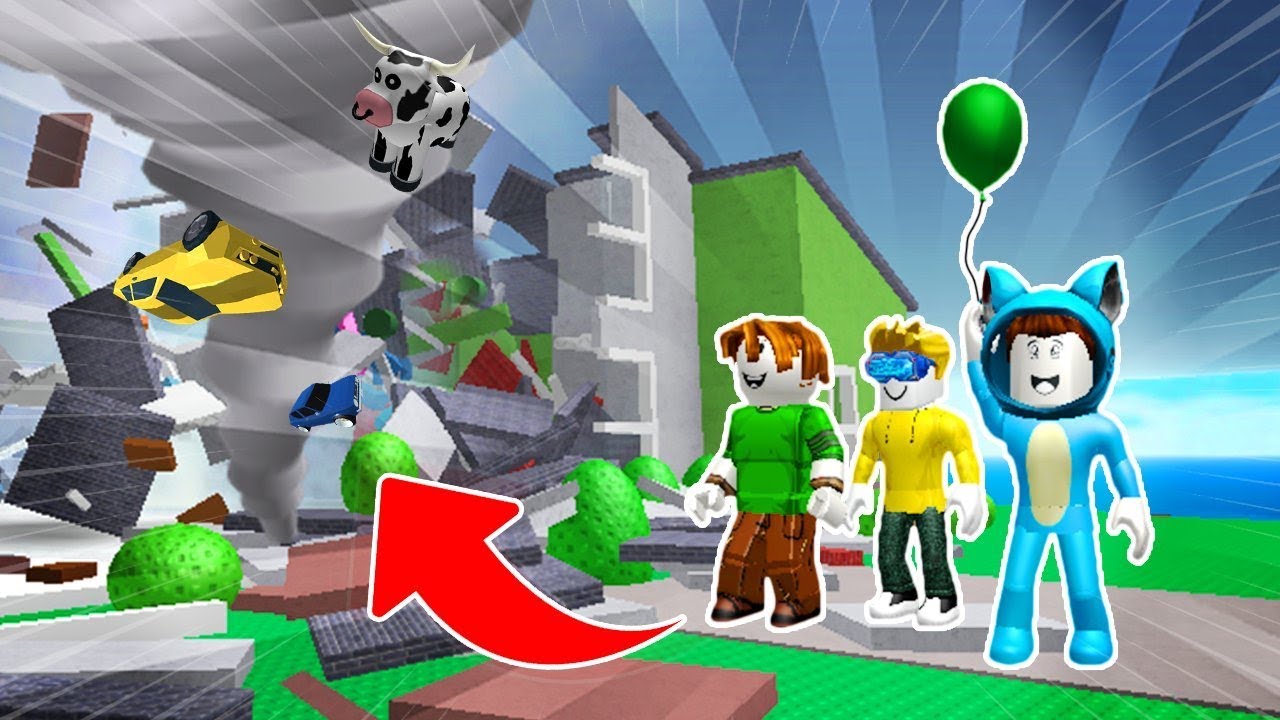
BEBE MILO EN PROBLEMAS CON DESASTRES NATURALES ? ROBLOX JUEGO SUPER DIVERTIDO
? SUSCRIBETE A #BEBEMILO AQUÍ: https://goo.gl/mDu2Ad
? Aplicación Campanita de Bebe milo: https://bit.ly/2GKkqHH
? Contacto: bebemilocontacto@gmail.com
✅ Canales de los AMIWITOS
Vita: https://goo.gl/53Qtpv
Adri: https://goo.gl/qBMQzu
✅ Aplicación Bebe Milo Aventuras ? https://goo.gl/PzZEuv
✅ Juega en Bebe Milo Server: https://goo.gl/Wrx3ih
? Redes sociales de Bebe Milo:
? Instagram: https://www.instagram.com/bebemiloyt/
? Twitter: https://twitter.com/BebeMiloYT
? Facebook: https://www.facebook.com/bebemiloyt
Miniatura: https://twitter.com/CotorraGalactic
======================================================
? MIS LISTAS DE REPRODUCCIÓN
✅ LO MEJOR de BEBE MILO y sus AMIGOS: https://goo.gl/9MgnWZ
✅ BEBE MILO AVENTURAS: https://goo.gl/VQhwNq
✅ LAS AVENTURAS DEL NOOB: https://goo.gl/gP8lwG
✅ CANCIONES DE BEBE MILO: https://goo.gl/swgdwg
✅ EL ESCONDITE: https://goo.gl/45L2yT
✅ ISLA VS ISLA: https://goo.gl/euAmDc
✅ BEBE MILO DIMENSIONES: https://goo.gl/rHVcU2
======================================================
El canal de Bebe milo es para publico infantil. Podrás encontrar canciones infantiles, música infantil para niños y niñas, chicos y chicas. También podrás ver jugar juegos como minecraft gratis, roleplay muy entretenido y en español latino, roblox y mucho mas.
Lo importante es divertirse y tener lo mejor de minecraft para bebes en 2018!

? SUSCRIBETE AQUÍ: https://goo.gl/mDu2Ad
? Aplicación Campanita de Bebe milo: https://bit.ly/2GKkqHH
? Contacto: bebemilocontacto@gmail.com
✅ Canales de los #AMIWITOS
Vita: https://goo.gl/53Qtpv
Timo: https://goo.gl/rGEwgK
Adri: https://goo.gl/qBMQzu
✅ Aplicación Bebe Milo Aventuras ? https://goo.gl/PzZEuv
✅ Juega en Bebe Milo Server: https://goo.gl/Wrx3ih
? Redes sociales de Bebe Milo:
? Instagram: https://www.instagram.com/bebemiloyt/
? Twitter: https://twitter.com/BebeMiloYT
? Facebook: https://www.facebook.com/bebemiloyt
======================================================
? MIS LISTAS DE REPRODUCCIÓN
✅ LO MEJOR de BEBE MILO y sus AMIGOS: https://goo.gl/9MgnWZ
✅ BEBE MILO AVENTURAS: https://goo.gl/VQhwNq
✅ LAS AVENTURAS DEL NOOB: https://goo.gl/gP8lwG
✅ CANCIONES DE BEBE MILO: https://goo.gl/swgdwg
✅ EL ESCONDITE: https://goo.gl/45L2yT
✅ ISLA VS ISLA: https://goo.gl/euAmDc
✅ BEBE MILO DIMENSIONES: https://goo.gl/rHVcU2
======================================================
El canal de Bebe milo es para publico infantil. Podrás encontrar canciones infantiles, música infantil para niños y niñas, chicos y chicas. También podrás ver jugar juegos como minecraft gratis, roleplay muy entretenido y en español latino, roblox y mucho mas.
Lo importante es divertirse y tener lo mejor de minecraft para bebes en 2018!

ISLA de VENOM VS ISLA de SPIDERMAN ? BATALLA EPICA BEBE MILO MINECRAFT
? SUSCRIBETE A #BEBEMILO AQUÍ: https://goo.gl/mDu2Ad
? Aplicación Campanita de Bebe milo: https://bit.ly/2GKkqHH
? Contacto: bebemilocontacto@gmail.com
✅ Canales de los AMIWITOS
Vita: https://goo.gl/53Qtpv
Adri: https://goo.gl/qBMQzu
✅ Aplicación Bebe Milo Aventuras ? https://goo.gl/PzZEuv
✅ Juega en Bebe Milo Server: https://goo.gl/Wrx3ih
? Redes sociales de Bebe Milo:
? Instagram: https://www.instagram.com/bebemiloyt/
? Twitter: https://twitter.com/BebeMiloYT
? Facebook: https://www.facebook.com/bebemiloyt
Miniatura: https://twitter.com/CotorraGalactic
======================================================
? MIS LISTAS DE REPRODUCCIÓN
✅ LO MEJOR de BEBE MILO y sus AMIGOS: https://goo.gl/9MgnWZ
✅ BEBE MILO AVENTURAS: https://goo.gl/VQhwNq
✅ LAS AVENTURAS DEL NOOB: https://goo.gl/gP8lwG
✅ CANCIONES DE BEBE MILO: https://goo.gl/swgdwg
✅ EL ESCONDITE: https://goo.gl/45L2yT
✅ ISLA VS ISLA: https://goo.gl/euAmDc
✅ BEBE MILO DIMENSIONES: https://goo.gl/rHVcU2
======================================================
El canal de Bebe milo es para publico infantil. Podrás encontrar canciones infantiles, música infantil para niños y niñas, chicos y chicas. También podrás ver jugar juegos como minecraft gratis, roleplay muy entretenido y en español latino, roblox y mucho mas.
Lo importante es divertirse y tener lo mejor de minecraft para bebes en 2018!
![Kung Fu Panda - Walkthrough Part 4 - Let's Play | Gameplay Commentary [Xbox 360]](https://i.ytimg.com/vi/R3N79puzawA/maxresdefault.jpg)
Kung Fu Panda The Video Game of the Movie Gameplay Walkthrough Part 4 | (Let's Play Commentary) (Full Movie Video Game)
Kung Fu Panda The Video Game walkthrough will be completed showcasing every level, mission, boss, and story ending.
Walkthrough and Let's Play Playthrough of Kung Fu Panda The Video Game with Live Gameplay Commentary.
10 February - 16 March
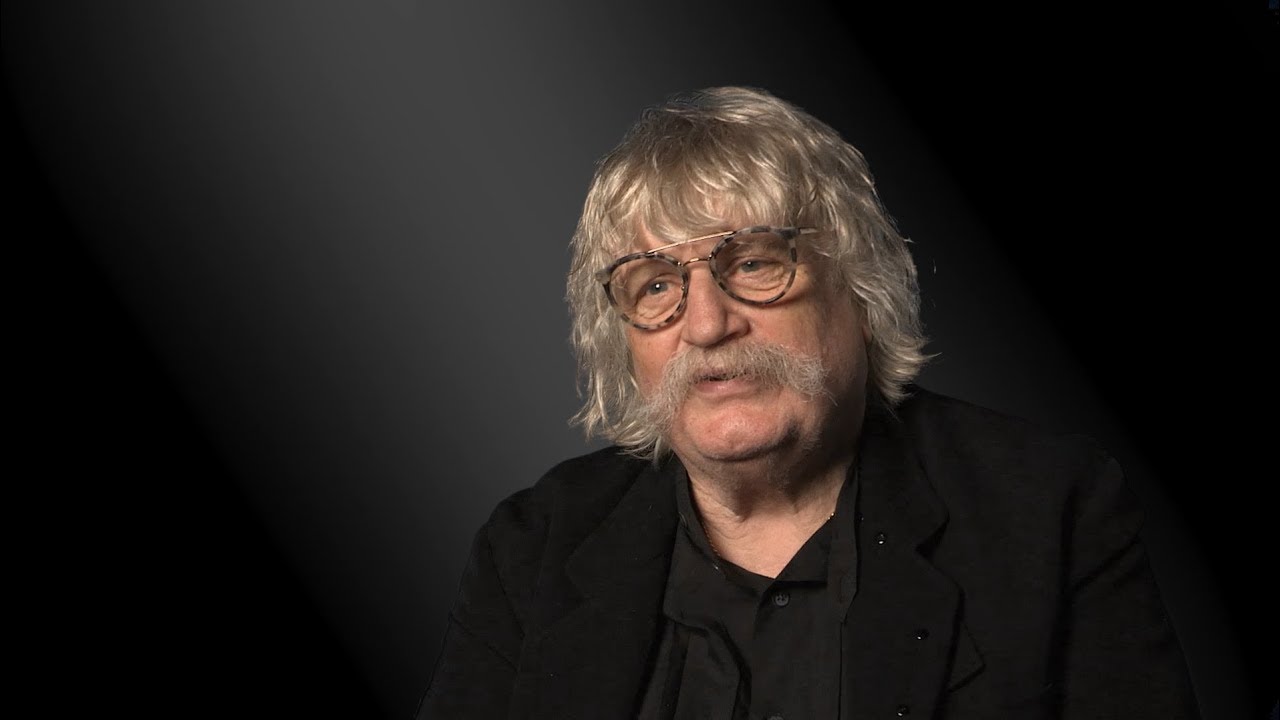
Karl Jenkins conducts the very best of his most popular works.
THE ARMED MAN: A MASS FOR PEACE
PALLADIO
6000 PIPES! Organ Concerto
and sublime excerpts from SYMPHONIC ADIEMUS.

Available at iTunes | https://itunes.apple.com/us/al....bum/music-for-sleep/
Available at Domo | https://domorecords-store.com/....products/new-release
To relax. To disconnect from the tentacles of 24/7 technology. To truly unplug. It’s become more than a goal. It’s become a necessity. And, it’s become more difficult than ever to do, especially when we sleep. Essential to one’s complete physical, emotion and mental health, the deeper and more tranquil sleep, the better. The answer to those better nights lies with music.
Think of the baby and the lullaby; how the gentle sounds, almost instinctively, hypnotically induce a calming, soothing state ideal for sleeping. Slower rhythms with soft sonic edges, played at a consistent volume, encourage deep relaxation, blocking out distractions, and helping the body to quickly find and maintain its natural sleep rhythm. Music is the medicine.
Chronic sleep problems can be physically draining, and turn what should be hours of blissful escape into anxiety-ridden nightly recurrences. Set aside the daily grind and unwind with music designed specifically to promote soothing dream states, and provide more rejuvenation in the morning. Not to mention the proven benefits of lower heart rate and lower blood pressure, reduced insomnia, and increased energy the next day.
It’s time to fall asleep faster, wake-up less, and feel more rested in the morning. It’s time for Music For Sleep.

Stained glass is thicker at the bottom - so is it a liquid? Earth's mantle enables plate tectonics, so is it a liquid?
Check out Audible: http://bit.ly/AudibleVe
Sign up for the mailing list: http://www.veritasium.com
Pitch drop experiment: http://www.thetenthwatch.com
Thanks to Meg Rosenburg for scripting and animation, Raquel Nuno for filming and Aaron White for script consultation.

喜多郎 Kitaro - Caravansary (Vocal Version) from Live in Jakarta on 04/07/2011 - Staff Report 34
iTunes Store
http://itunes.apple.com/us/art....ist/kitaro/id2382005
The Silk Road - East & West
Venue: Jakarta Convention Centre, Plenary HallAddress: JL. Jend. Gatot Subroto, Jakarta 10270 IDKitaro
Official Website
http://www.domomusicgroup.com/kitaro/index.php
喜多郎オフィシャルウェブサイト
http://www.diaa.net/kitaro/index.php
Domo Music Official Website
http://www.domomusicgroup.com/index.php