Top Vídeos
? SUSCRIBETE AQUI: https://goo.gl/mDu2Ad
? Contacto: bebemilocontacto@gmail.com
✅ Canales de los #AMIWITOS
Vita: https://goo.gl/53Qtpv
Timo: https://goo.gl/rGEwgK
Mora: https://goo.gl/Ps65Vv
✅ Aplicación Bebe Milo Aventuras ? https://goo.gl/PzZEuv
✅ Juega en Bebe Milo Server: https://goo.gl/Wrx3ih
? Redes sociales de Bebe Milo:
? Instagram: https://www.instagram.com/bebemiloyt/
? Twitter: https://twitter.com/BebeMiloYT
? Facebook: https://www.facebook.com/bebemiloyt
======================================================
? MIS LISTAS DE REPRODUCCIÓN
✅ LO MEJOR de BEBE MILO y sus AMIGOS: https://goo.gl/9MgnWZ
✅ BEBE MILO AVENTURAS: https://goo.gl/VQhwNq
✅ LAS AVENTURAS DEL NOOB: https://goo.gl/gP8lwG
✅ CANCIONES DE BEBE MILO: https://goo.gl/swgdwg
✅ EL ESCONDITE: https://goo.gl/45L2yT
✅ ISLA VS ISLA: https://goo.gl/euAmDc
✅ BEBE MILO DIMENSIONES: https://goo.gl/rHVcU2
======================================================
El canal de Bebe milo es para publico infantil. Podrás encontrar canciones infantiles, música infantil para niños y niñas, chicos y chicas. También podrás ver jugar juegos como minecraft gratis, roleplay muy entretenido y en español latino, roblox y mucho mas.
Lo importante es divertirse y tener lo mejor de minecraft para bebes en 2018!

Comienza la nueva serie de Bebe milo y sus amiwitos! Mundo Acuático es una serie donde deberán crear un pueblo sobre el mar recurriendo a los recursos de las islas que están cercanas a su barco!
? SUSCRIBETE A #BEBEMILO AQUÍ: https://goo.gl/mDu2Ad
? Aplicación Campanita de Bebe milo: https://bit.ly/2GKkqHH
? Contacto: bebemilocontacto@gmail.com
✅ Canales de los AMIWITOS
Vita: https://goo.gl/53Qtpv
Adri: https://goo.gl/qBMQzu
✅ Aplicación Bebe Milo Aventuras ? https://goo.gl/PzZEuv
✅ Juega en Bebe Milo Server: https://goo.gl/Wrx3ih
? Redes sociales de Bebe Milo:
? Instagram: https://www.instagram.com/bebemiloyt/
? Twitter: https://twitter.com/BebeMiloYT
? Facebook: https://www.facebook.com/bebemiloyt
======================================================
? MIS LISTAS DE REPRODUCCIÓN
✅ LO MEJOR de BEBE MILO y sus AMIGOS: https://goo.gl/9MgnWZ
✅ BEBE MILO AVENTURAS: https://goo.gl/VQhwNq
✅ LAS AVENTURAS DEL NOOB: https://goo.gl/gP8lwG
✅ CANCIONES DE BEBE MILO: https://goo.gl/swgdwg
✅ EL ESCONDITE: https://goo.gl/45L2yT
✅ ISLA VS ISLA: https://goo.gl/euAmDc
✅ BEBE MILO DIMENSIONES: https://goo.gl/rHVcU2
======================================================
El canal de Bebe milo es para publico infantil. Podrás encontrar canciones infantiles, música infantil para niños y niñas, chicos y chicas. También podrás ver jugar juegos como minecraft gratis, roleplay muy entretenido y en español latino, roblox y mucho mas.
Lo importante es divertirse y tener lo mejor de minecraft para bebes en 2018!

? SUSCRIBETE A #BEBEMILO AQUÍ: https://goo.gl/mDu2Ad
? Aplicación Campanita de Bebe milo: https://bit.ly/2GKkqHH
? Contacto: bebemilocontacto@gmail.com
✅ Canales de los AMIWITOS
Vita: https://goo.gl/53Qtpv
Adri: https://goo.gl/qBMQzu
✅ Aplicación Bebe Milo Aventuras ? https://goo.gl/PzZEuv
✅ Juega en Bebe Milo Server: https://goo.gl/Wrx3ih
? Redes sociales de Bebe Milo:
? Instagram: https://www.instagram.com/bebemiloyt/
? Twitter: https://twitter.com/BebeMiloYT
? Facebook: https://www.facebook.com/bebemiloyt
======================================================
? MIS LISTAS DE REPRODUCCIÓN
✅ LO MEJOR de BEBE MILO y sus AMIGOS: https://goo.gl/9MgnWZ
✅ BEBE MILO AVENTURAS: https://goo.gl/VQhwNq
✅ LAS AVENTURAS DEL NOOB: https://goo.gl/gP8lwG
✅ CANCIONES DE BEBE MILO: https://goo.gl/swgdwg
✅ EL ESCONDITE: https://goo.gl/45L2yT
✅ ISLA VS ISLA: https://goo.gl/euAmDc
✅ BEBE MILO DIMENSIONES: https://goo.gl/rHVcU2
======================================================
El canal de Bebe milo es para publico infantil. Podrás encontrar canciones infantiles, música infantil para niños y niñas, chicos y chicas. También podrás ver jugar juegos como minecraft gratis, roleplay muy entretenido y en español latino, roblox y mucho mas.
Lo importante es divertirse y tener lo mejor de minecraft para bebes en 2018!
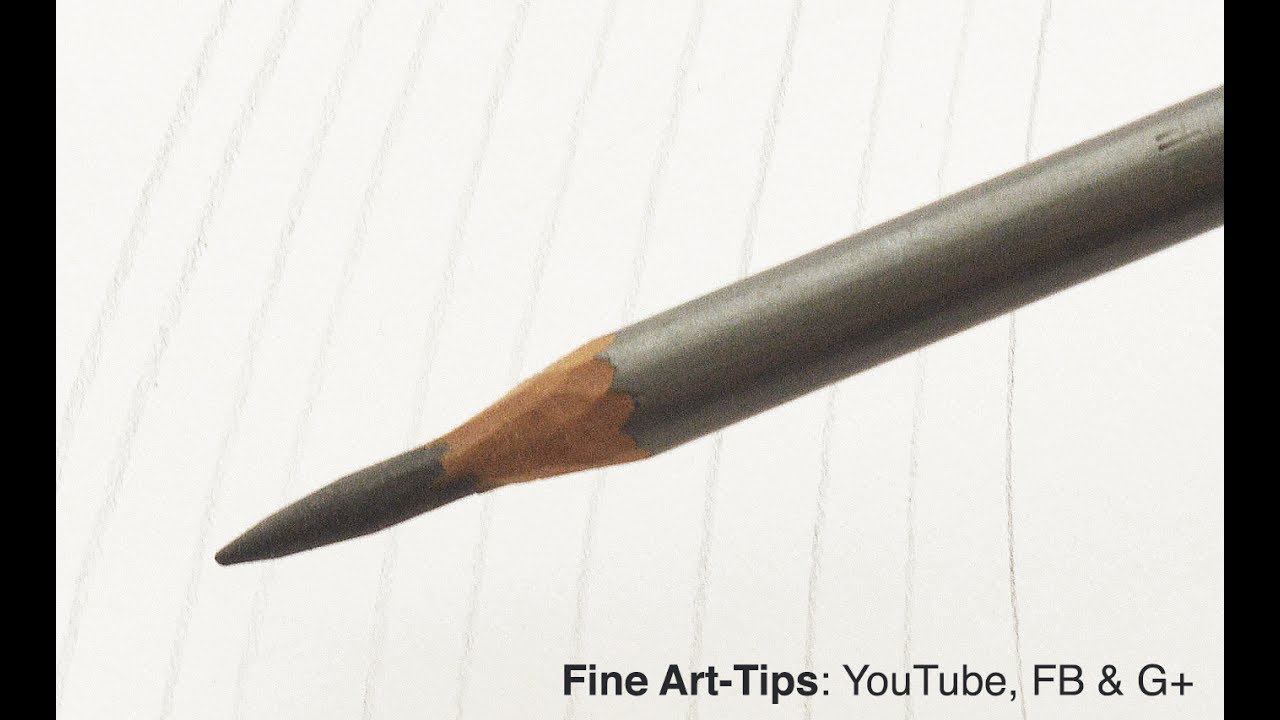
This video shows how to hold the pencil in different ways, like a Master.
For long tutorials subscribe to Patreon: https://www.patreon.com/artistleonardo
My drawing book: http://amzn.to/1K7L8Ed
Visit me on FB: https://www.facebook.com/LeonardoPereznieto
My website: http://www.ArtistLeonardo.com/
Do you want to help me translating it into your language?
(Note: First check if it hasn´t been translated already by pressing the "CC" button on the lower part of the video).
To translate the title of the video and the subtitles, all you need to do is to please go to the following link and translate (you don't necessarily need to do the whole thing, you can do a section and other people in the community can finish it). Thank you!:
http://www.youtube.com/timedtext_video?ref=share&v=TKagPZSLq6Y
If you would like to invest in a drawing, painting or sculpture by Leonardo Pereznieto, or to hire him for workshops or lectures, please write to: info@artistleonardo.com (Business only, not for personal messages.)
If you would like to see photos and brands of my tools, please go to my blog about materials with the following link:
http://fineart-tips.blogspot.m....x/2015/07/my-drawing
Download Fine Art-Tips mobile app:
On the Apple Store:
For iPhone/iPad free: https://itunes.apple.com/us/ap....p/fine-art-tips-draw
For iPhone/iPad, Premium: https://itunes.apple.com/us/ap....p/fine-art-tips-prem
On Google Play:
For Android free: https://play.google.com/store/apps/details?id=allmax.fine.art.tips.free2&hl=en
For Android, Premium: https://play.google.com/store/apps/details?id=allmax.fine.art.tips2&hl=en
You may also follow me on:
My Blog: http://fineart-tips.blogspot.mx/
My Twitter: https://twitter.com/#!/ArtistLeonardo
Fine Art Tips on Google+: http://goo.gl/TqsmiJ
My Instagram: http://instagram.com/artistleonardo
My LinkedIn: http://www.linkedin.com/profile/view?id=89957576&trk=tab_pro
My Pinterest: http://pinterest.com/ArtistLeonardo/
My VK: http://vk.com/leonardopereznieto
My website: http://www.artistleonardo.com/
I wish you great creations!
Audio file(s) provided by http://www.audiomicro.com
This tutorial shows Tips to Draw Better in 7 Minutes: How to Hold the Pencil Like a Master

Check out my drawing book on Amazon: http://amzn.to/1K7L8Ed
Visit my FB Gallery: https://www.facebook.com/LeonardoPereznieto
My Blog: http://www.fineartebooks.com/h....owtodraw_drawingscho
VK: http://vk.com/leonardopereznieto
This is a speed painting demo on how to draw a water drop.
Watch free drawing tutorials at: http://www.fineartebooks.com/
Visit my website: http://www.artistleonardo.com/
With today’s tutorial you will learn to draw a water drop. This channel wants that its subscribers and visitants learn to draw and admire arte. I’ll teach you to do a realistic drop of water that you could apply to your different creations. Also, I’ll show you how to create effect and textures in the water drawing.
Visit me on FB: https://www.facebook.com/LeonardoPereznieto
Follow Fine Art Tips on Google+: http://goo.gl/TqsmiJ
Visit my website: http://www.artistleonardo.com/
Visit: http://www.fineartebooks.com/ for free drawing tutorials.
If you would like to invest in a drawing, painting or sculpture by Leonardo Pereznieto, or to hire him for workshops or lectures, please write to: info@leopereznieto.com (Business only, not for personal messages.)
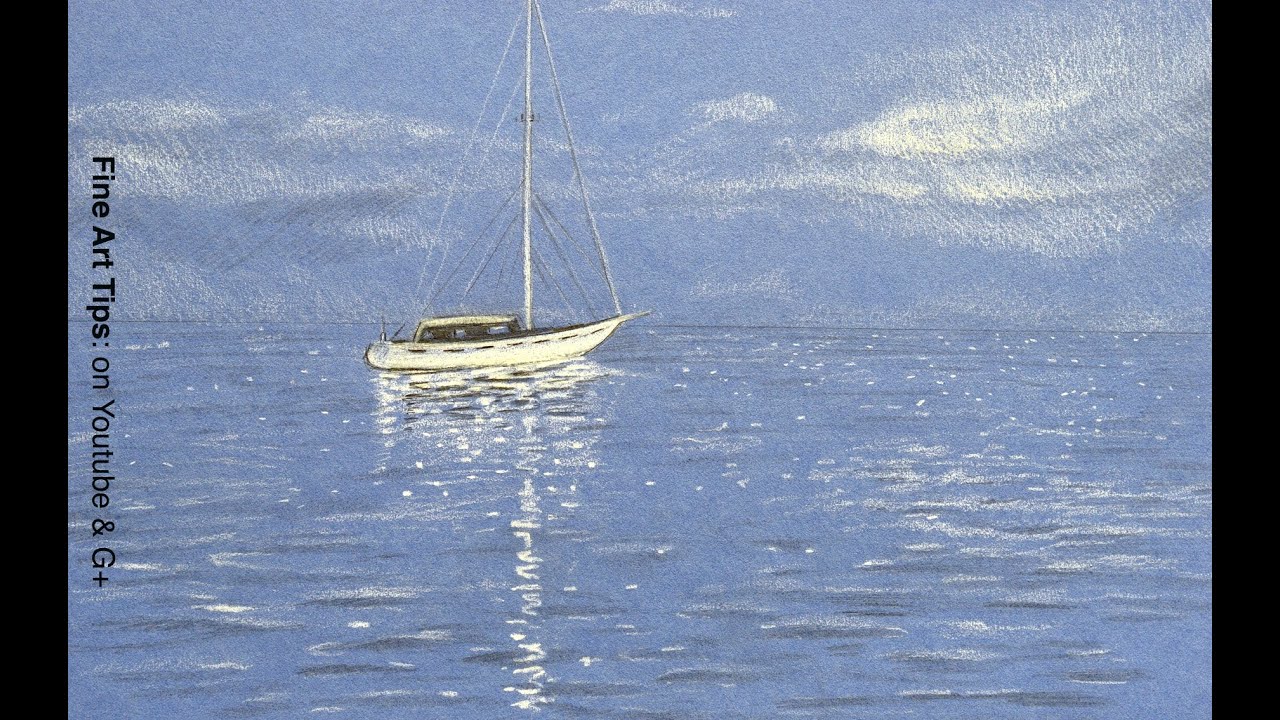
In this tutorial I will share with you two great art lessons: On one hand, I will show you how to draw a boat and; on the other hand, I will give you some tips about inspiration. First of all, the purpose of this video is show you the possibility of using as a base a blue- medium tone color paper, with color pencils and graphite.
List of materials:
Mechanical pencil, HB 0.5 lead
MagicRub FaberCastell eraser
Canson toned paper (blue)
If you would like to see photos and brands of my tools, please go to my blog about materials with the following link:
http://www.fineartebooks.com/howtodraw_drawingschool/My_Blog/Entries/2012/8/1_My_materials.html
You may also follow me on:
My Blog: http://www.fineartebooks.com/howtodraw_drawingschool/My_Blog/My_Blog.html
My Twitter: https://twitter.com/#!/ArtistLeonardo
Fine Art Tips on Google+: http://goo.gl/TqsmiJ
My Google+ page as an artist (with my sculptures, paintings, etc): http://goo.gl/n7p96D
My Instagram: http://instagram.com/artistleonardo
My LinkedIn: http://www.linkedin.com/profile/view?id=89957576&trk=tab_pro
My Vine: https://vine.co/v/hKnn3rbwJmT
My Pinterest: http://pinterest.com/ArtistLeonardo/
My VK: http://vk.com/leonardopereznieto
My website Leonardo Pereznieto: http://www.leonardopereznieto.com/leo/Intro.html
I wish you great creations!
Audio file(s) provided by http://www.audiomicro.com
Do you want to help me translating it into your language?
(Note: First check if it hasn´t been translated already by pressing the "CC" button on the lower part of the video).
All you need to do is to please translate the file at the link below and send it to me:
https://docs.google.com/file/d..../0B0UOw8r7hWG2eHZtY2
Comment trouver l'inspiration - Comment dessiner un voilier
Как Получить Вдохновение - Как Нарисовать Парусную Лодку
Як Отримати Натхнення - Як Намалювати Вітрильний Човен

This video shows how to paint a sailing boat and the blue sea with oil paints, it is a narrated tutorial.
Subscribe on Patreon: https://www.patreon.com/artistleonardo
My drawing book: http://amzn.to/1K7L8Ed
Visit me on FB: https://www.facebook.com/LeonardoPereznieto
My website: http://www.ArtistLeonardo.com/
Do you want to help me translating it into your language?
(Note: First check if it hasn´t been translated already by pressing the "CC" button on the lower part of the video).
To translate the title of the video and the subtitles, all you need to do is to please go to the following link and translate (you don't necessarily need to do the whole thing, you can do a section and other people in the community can finish it). Thank you!:
http://www.youtube.com/timedtext_video?v=4BYyEzTzp0E&ref=share
If you would like to invest in a drawing, painting or sculpture by Leonardo Pereznieto, or to hire him for workshops or lectures, please write to: info@artistleonardo.com (Business only, not for personal messages.)
List of materials:
- Flake White, Winsor & Newton - http://amzn.to/2rjjZPt
- Titanium White, Winsor & Newton - http://amzn.to/2rjGBzz
- Kings Blue Deep, Old-Holland - http://amzn.to/2rjyanJ
- Blue Black, Holbein - http://amzn.to/2saigtR
- Round synthetic brushes for oil paint n.2 and n.6 - http://amzn.to/2s9Y0bV
- Flat synthetic oilpaint brushes n.6, n.10 and 3/4 inch - http://amzn.to/2rjSa9T
- Canvas board 60 x 30 cm (12 x 24 inches) - http://amzn.to/2saiIZ4
- Odorless mineral spirits - http://amzn.to/2rR6Kq2
- Linseed Oil - http://amzn.to/2rRhVix
If you would like to see photos and brands of my tools, please go to my blog about materials with the following link:
http://fineart-tips.blogspot.m....x/2015/07/my-drawing
Download Fine Art-Tips mobile app:
On the Apple Store:
For iPhone/iPad free: https://itunes.apple.com/us/ap....p/fine-art-tips-draw
For iPhone/iPad, Premium: https://itunes.apple.com/us/ap....p/fine-art-tips-prem
On Google Play:
For Android free: https://play.google.com/store/apps/details?id=allmax.fine.art.tips.free2&hl=en
For Android, Premium: https://play.google.com/store/apps/details?id=allmax.fine.art.tips2&hl=en
You may also follow me on:
My Blog: http://fineart-tips.blogspot.mx/
My Twitter: https://twitter.com/#!/ArtistLeonardo
Fine Art Tips on Google+: http://goo.gl/TqsmiJ
My Instagram: http://instagram.com/artistleonardo
My LinkedIn: http://www.linkedin.com/profile/view?id=89957576&trk=tab_pro
My Pinterest: http://pinterest.com/ArtistLeonardo/
My VK: http://vk.com/leonardopereznieto
My website: http://www.artistleonardo.com/
I wish you great creations!
Audio file(s) provided by http://www.audiomicro.com
This tutorial shows How to Paint a Sailing Boat - With Oil Paints - Narrated

Visit me on FB: https://www.facebook.com/LeonardoPereznieto
Follow Fine Art Tips on Google+: http://goo.gl/TqsmiJ
Visit my website: http://www.artistleonardo.com/
Do you want to help me translating it into your language?
(Note: First check if it hasn´t been translated already by pressing the "CC" button on the lower part of the video).
All you need to do is to please translate the file at the link below and send it to me:
https://docs.google.com/file/d..../0B0UOw8r7hWG2QjcwN0
Visit: http://www.fineartebooks.com/ for free drawing tutorials.
If you would like to invest in a drawing, painting or sculpture by Leonardo Pereznieto, or to hire him for workshops or lectures, please write to: info@leopereznieto.com (Business only, not for personal messages.)
List of materials:
Mechanical pencil with 0.5 HB lead
Tombow, Dual Brush color markers set
Black marker 005 mm, Prismacolor
Primo charcoal white pencil
Ultramarine Blue Deep Conte Pastel
Kneaded eraser Prismacolor
MagicRub FaberCastell eraser
Fabriano white drawing paper, fine grain
If you would like to see photos and brands of my tools, please go to my blog about materials with the following link:
http://www.fineartebooks.com/howtodraw_drawingschool/My_Blog/Entries/2012/8/1_My_materials.html
You may also follow me on:
My Blog: http://www.fineartebooks.com/howtodraw_drawingschool/My_Blog/My_Blog.html
My Twitter: https://twitter.com/#!/ArtistLeonardo
Fine Art Tips on Google+: http://goo.gl/TqsmiJ
My Google+ page as an artist (with my sculptures, paintings, etc): http://goo.gl/n7p96D
My Instagram: http://instagram.com/artistleonardo
My LinkedIn: http://www.linkedin.com/profile/view?id=89957576&trk=tab_pro
My Vine: https://vine.co/v/hKnn3rbwJmT
My Pinterest: http://pinterest.com/ArtistLeonardo/
My VK: http://vk.com/leonardopereznieto
My website Leonardo Pereznieto: http://www.leonardopereznieto.com/leo/Intro.html
I wish you great creations!
Audio file(s) provided by http://www.audiomicro.com
This tutorial shows how to draw a Bugatti with colors - How to draw a super car.
Как Нарисовать Bugatti - Как Нарисовать Суперкар
Як Намалювати Bugatti - Як Намалювати Суперкар
Hogyan rajzoljunk egy Bugattit - Hogyan rajzoljunk egy Szuperautót
Comment dessiner une Bugatti - Comment dessiner une super car

My drawing book: http://amzn.to/1K7L8Ed
Visit me on FB: https://www.facebook.com/LeonardoPereznieto
My website: http://www.ArtistLeonardo.com/
Do you want to help me translating it into your language?
(Note: First check if it hasn´t been translated already by pressing the "CC" button on the lower part of the video).
All you need to do is to please go to the following link and translate. Thank you!:
http://www.youtube.com/timedte....xt_video?v=sl2MviZ4U
If you would like to invest in a drawing, painting or sculpture by Leonardo Pereznieto, or to hire him for workshops or lectures, please write to: info@artistleonardo.com (Business only, not for personal messages.)
List of materials:
Color pencils: Col-Erase Prismacolor
Color pencils: Prismacolor Premier
Kneaded eraser Prismacolor
MagicRub FaberCastell eraser
Fabriano white drawing paper, fine grain
If you would like to see photos and brands of my tools, please go to my blog about materials with the following link:
http://fineart-tips.blogspot.m....x/2015/07/my-drawing
You may also follow me on:
My Blog: http://fineart-tips.blogspot.mx/
My Twitter: https://twitter.com/#!/ArtistLeonardo
Fine Art Tips on Google+: http://goo.gl/TqsmiJ
My Google+ page as an artist (with my sculptures, paintings, etc): https://plus.google.com/+Artistleonardo/posts
My Instagram: http://instagram.com/artistleonardo
My LinkedIn: http://www.linkedin.com/profile/view?id=89957576&trk=tab_pro
My Vine: https://vine.co/v/hKnn3rbwJmT
My Pinterest: http://pinterest.com/ArtistLeonardo/
My VK: http://vk.com/leonardopereznieto
My website Leonardo Pereznieto: http://www.leonardopereznieto.com/leo/Intro.html
I wish you great creations!
Audio file(s) provided by http://www.audiomicro.com
This tutorial shows How to Draw a Blue Bird With Color Pencils - The Blue Bird Tale

This video shows how to create a 3D effect by shading.
Get my drawing book: http://amzn.to/1K7L8Ed
Follow my Instagram: https://www.instagram.com/artistleonardo/
Follow Fine Art-Tips' Instagram: https://www.instagram.com/fine.art.tips/
Visit me on FB: https://www.facebook.com/LeonardoPereznieto
My website: http://www.ArtistLeonardo.com/
Do you want to help me translating it into your language?
(Note: First check if it hasn´t been translated already by pressing the "CC" button on the lower part of the video).
To translate the title of the video and the subtitles, all you need to do is to please go to the following link and translate (you don't necessarily need to do the whole thing, you can do a section and other people in the community can finish it). Thank you!:
http://www.youtube.com/timedtext_video?v=blWoQhzz9fM&ref=share
If you would like to invest in a drawing, painting or sculpture by Leonardo Pereznieto, or to hire him for workshops or lectures, please write to: info@leopereznieto.com (Business only, not for personal messages.)
List of materials:
- Mechanical pencil: Tutto3, with 0.3mm 2H lead, 0.5 HB and 0.7 mm 2B lead - http://oartinternational.com/tutto3/
- Carbon Pencils: Staedtler Mars Lumograph Black - http://amzn.to/2Bub68d
- Kneaded eraser Prismacolor - See it here: http://amzn.to/2cvi6G7
- Tombow Mono Zero Eraser Square Tip: - http://amzn.to/2lAMh5b
- Fabriano Ecowhite Drawing Pad 11.7X16.5 Inches - See it here: http://amzn.to/2krS9xp
Recording Equipment:
Video camera: Panasonic HC-V380K - http://amzn.to/2xJwVmb
“L” shaped camera tripod - http://amzn.to/2xKUcnX
Mic: Blue Jeti - http://amzn.to/2gnwxCp
Pop filter (Mic screen) - http://amzn.to/2ysgn0T
Mic Foam Windacreen - http://amzn.to/2zeiYc8
- Lighting: Studio soft boxes: http://amzn.to/2xKSxhW
Laptop: Apple MacBookPro 13”. Mine is an older version of this beauty: http://amzn.to/2xKzHHL (note, the software I use for editing is Final Cut.)
Some of the above links are affiliate links.
If you would like to see photos and brands of my tools, please go to my blog about materials with the following link:
http://fineart-tips.blogspot.m....x/2015/07/my-drawing
Download Fine Art-Tips mobile app:
On the Apple Store:
For iPhone/iPad free: https://itunes.apple.com/us/ap....p/fine-art-tips-draw
For iPhone/iPad, Premium: https://itunes.apple.com/us/ap....p/fine-art-tips-prem
On Google Play:
For Android free: https://play.google.com/store/apps/details?id=allmax.fine.art.tips.free2&hl=en
For Android, Premium: https://play.google.com/store/apps/details?id=allmax.fine.art.tips2&hl=en
You may also follow me on:
My Blog: http://fineart-tips.blogspot.mx/
My Twitter: https://twitter.com/#!/ArtistLeonardo
Fine Art Tips on Google+: http://goo.gl/TqsmiJ
My Instagram: http://instagram.com/artistleonardo
My LinkedIn: http://www.linkedin.com/profile/view?id=89957576&trk=tab_pro
My Pinterest: http://pinterest.com/ArtistLeonardo/
My VK: http://vk.com/leonardopereznieto
My website: http://www.artistleonardo.com/
I wish you great creations!
Audio file(s) provided by http://www.audiomicro.com
This tutorial shows How to Create a 3D Effect by Shading - Narrated Drawing Tutorial

This video shows how to paint a woman's face in watercoor.
Get my drawing book: http://amzn.to/1K7L8Ed
Follow my Instagram: https://www.instagram.com/artistleonardo/
Follow Fine Art-Tips' Instagram: https://www.instagram.com/fine.art.tips/
Visit me on FB: https://www.facebook.com/LeonardoPereznieto
My website: http://www.ArtistLeonardo.com/
Do you want to help me translating it into your language?
(Note: First check if it hasn´t been translated already by pressing the "CC" button on the lower part of the video).
To translate the title of the video and the subtitles, all you need to do is to please go to the following link and translate (you don't necessarily need to do the whole thing, you can do a section and other people in the community can finish it). Thank you!:
http://www.youtube.com/timedtext_video?v=ql6Ib5J5ONY&ref=share
If you would like to invest in a drawing, painting or sculpture by Leonardo Pereznieto, or to hire him for workshops or lectures, please write to: info@leopereznieto.com (Business only, not for personal messages.)
List of materials:
- SCHMINCKE 48 Half Pan Watercolor Set - http://amzn.to/2n45H1f
- Watercolor synthetic sable brushes, compact travel set - http://amzn.to/2AZyQUF
- Large watercolor wash brush (not exactly it, but similar to the one I used) - http://amzn.to/2CK9wPj
- The paper I used is similar to this one, but the size is 14 x 10 inches, (the one in the link is 9 x 12, I could not find the right one) - https://amzn.to/2JW0Klv
Recording Equipment:
Video camera: Panasonic HC-V380K - http://amzn.to/2xJwVmb
“L” shaped camera tripod - http://amzn.to/2xKUcnX
Mic: Blue Jeti - http://amzn.to/2gnwxCp
Pop filter (Mic screen) - http://amzn.to/2ysgn0T
Mic Foam Windacreen - http://amzn.to/2zeiYc8
- Lighting: Studio soft boxes: http://amzn.to/2xKSxhW
Laptop: Apple MacBookPro 13”. Mine is an older version of this beauty: http://amzn.to/2xKzHHL (note, the software I use for editing is Final Cut.)
Some of the above links are affiliate links.
If you would like to see photos and brands of my tools, please go to my blog about materials with the following link:
http://fineart-tips.blogspot.m....x/2015/07/my-drawing
Download Fine Art-Tips mobile app:
On the Apple Store:
For iPhone/iPad free: https://itunes.apple.com/us/ap....p/fine-art-tips-draw
For iPhone/iPad, Premium: https://itunes.apple.com/us/ap....p/fine-art-tips-prem
On Google Play:
For Android free: https://play.google.com/store/apps/details?id=allmax.fine.art.tips.free2&hl=en
For Android, Premium: https://play.google.com/store/apps/details?id=allmax.fine.art.tips2&hl=en
You may also follow me on:
My Blog: http://fineart-tips.blogspot.mx/
My Twitter: https://twitter.com/#!/ArtistLeonardo
Fine Art Tips on Google+: http://goo.gl/TqsmiJ
My Instagram: http://instagram.com/artistleonardo
My LinkedIn: http://www.linkedin.com/profile/view?id=89957576&trk=tab_pro
My Pinterest: http://pinterest.com/ArtistLeonardo/
My VK: http://vk.com/leonardopereznieto
My website: http://www.artistleonardo.com/
I wish you great creations!
Audio file(s) provided by http://www.audiomicro.com
This tutorial shows How to Paint a Woman's Face in Watercolor
Visit me on FB: https://www.facebook.com/LeonardoPereznieto
Follow Fine Art Tips on Google+: http://goo.gl/TqsmiJ
Visit my website: http://www.artistleonardo.com/
Do you want to help me translating it into your language?
(Note: First check if it hasn´t been translated already by pressing the "CC" button on the lower part of the video).
All you need to do is to please translate the file at the link below and send it to me:
https://docs.google.com/file/d..../0B0UOw8r7hWG2R1A1dU
Visit: http://www.fineartebooks.com/ for free drawing tutorials.
If you would like to invest in a drawing, painting or sculpture by Leonardo Pereznieto, or to hire him for workshops or lectures, please write to: info@leopereznieto.com (Business only, not for personal messages.)
List of materials:
Mechanical pencil, 0.5 mm HB lead
Mechanical pencil, 0.3 mm H lead
Mechanical pencil, 0.7 mm 2B lead
MagicRub FaberCastell eraser
Fabriano white drawing paper, fine grain
If you would like to see photos and brands of my tools, please go to my blog about materials with the following link:
http://www.fineartebooks.com/howtodraw_drawingschool/My_Blog/Entries/2012/8/1_My_materials.html
You may also follow me on:
My Blog: http://www.fineartebooks.com/howtodraw_drawingschool/My_Blog/My_Blog.html
My Twitter: https://twitter.com/#!/ArtistLeonardo
Fine Art Tips on Google+: http://goo.gl/TqsmiJ
My Google+ page as an artist (with my sculptures, paintings, etc): http://goo.gl/n7p96D
My Instagram: http://instagram.com/artistleonardo
My LinkedIn: http://www.linkedin.com/profile/view?id=89957576&trk=tab_pro
My Vine: https://vine.co/v/hKnn3rbwJmT
My Pinterest: http://pinterest.com/ArtistLeonardo/
My VK: http://vk.com/leonardopereznieto
My website Leonardo Pereznieto: http://www.leonardopereznieto.com/leo/Intro.html
I wish you great creations!
Audio file(s) provided by http://www.audiomicro.com
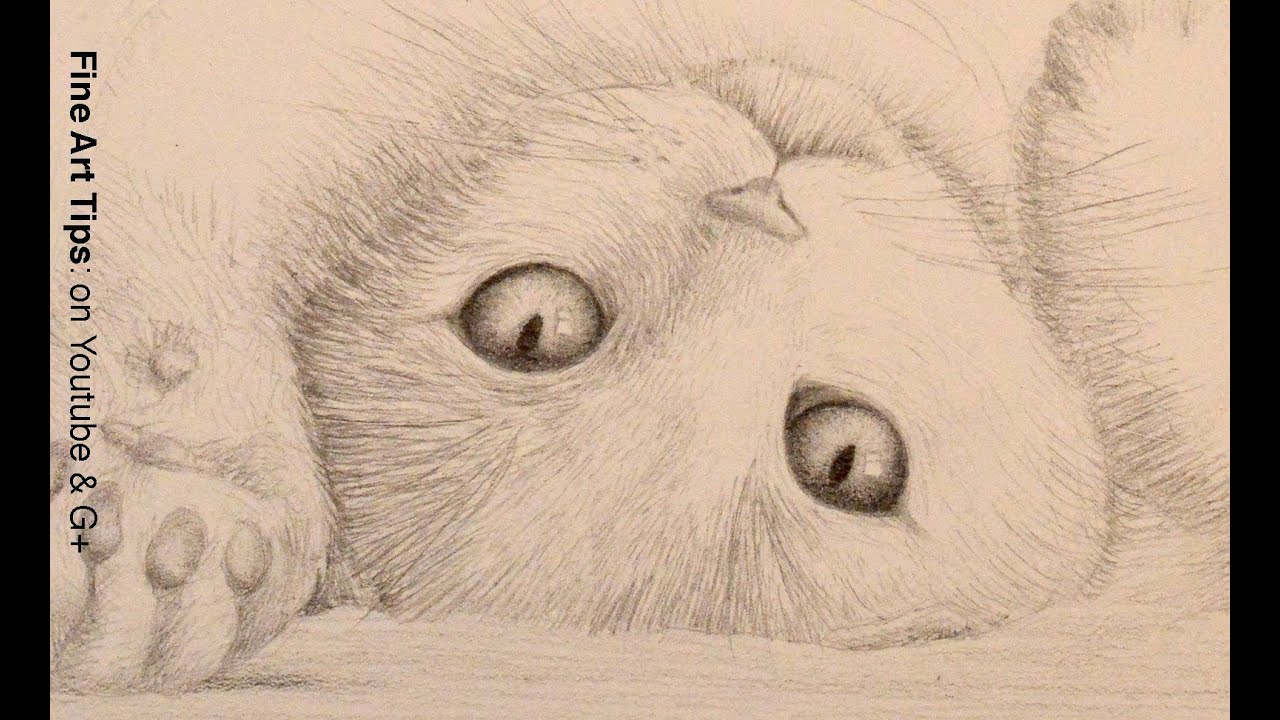
This tutorial shows How to Draw a Cat - Sketch of a Cat
Как Нарисовать Кошку Карандашом
Comment Dessiner Un Chat Au Crayon
Як Намалювати Кішку Олівцем

This video shows how to draw a zombie hand in 3D. It is a Halloween special.
Get my drawing book: http://amzn.to/1K7L8Ed
Follow my Instagram: https://www.instagram.com/artistleonardo/
Follow Fine Art-Tips' Instagram: https://www.instagram.com/fine.art.tips/
Visit me on FB: https://www.facebook.com/LeonardoPereznieto
My website: http://www.ArtistLeonardo.com/
Do you want to help me translating it into your language?
(Note: First check if it hasn´t been translated already by pressing the "CC" button on the lower part of the video).
To translate the title of the video and the subtitles, all you need to do is to please go to the following link and translate (you don't necessarily need to do the whole thing, you can do a section and other people in the community can finish it). Thank you!:
http://www.youtube.com/timedtext_video?v=VYSLtbk9XUI&ref=share
If you would like to invest in a drawing, painting or sculpture by Leonardo Pereznieto, or to hire him for workshops or lectures, please write to: info@leopereznieto.com (Business only, not for personal messages.)
List of materials:
- Kaweco Sketch Up 5.6mm Hexagonal Clutch Pencil Chrome - See it here: https://amzn.to/2q3Y394
- 5.6mm charcoal leads - https://amzn.to/2Q2iRt9
- Kneaded eraser Prismacolor - See it here: http://amzn.to/2cvi6G7
- Chamois cloth - http://amzn.to/2zxnJOn
- Willow charcoal sticks - https://amzn.to/2SueLvm
- 180 Grit sandpaper
- Paper, Strathmore 18 x 24-inch Drawing Pad - http://amzn.to/2DCrjcE
- See my materials at my new "Amazon Influencer" page:
https://www.amazon.com/shop/fineart-tips
Recording Equipment:
Video camera: Panasonic HC-V380K - http://amzn.to/2xJwVmb
“L” shaped camera tripod - http://amzn.to/2xKUcnX
Mic: Blue Jeti - http://amzn.to/2gnwxCp
Pop filter (Mic screen) - http://amzn.to/2ysgn0T
Mic Foam Windacreen - http://amzn.to/2zeiYc8
- Lighting: Studio soft boxes: http://amzn.to/2xKSxhW
Laptop: Apple MacBookPro 13”. Mine is an older version of this beauty: http://amzn.to/2xKzHHL (note, the software I use for editing is Final Cut.)
Some of the above links are affiliate links.
If you would like to see photos and brands of my tools, please go to my blog about materials with the following link:
http://fineart-tips.blogspot.m....x/2015/07/my-drawing
Download Fine Art-Tips mobile app:
On the Apple Store:
For iPhone/iPad free: https://itunes.apple.com/us/ap....p/fine-art-tips-draw
For iPhone/iPad, Premium: https://itunes.apple.com/us/ap....p/fine-art-tips-prem
On Google Play:
For Android free: https://play.google.com/store/apps/details?id=allmax.fine.art.tips.free2&hl=en
For Android, Premium: https://play.google.com/store/apps/details?id=allmax.fine.art.tips2&hl=en
You may also follow me on:
My Blog: http://fineart-tips.blogspot.mx/
My Twitter: https://twitter.com/#!/ArtistLeonardo
Fine Art Tips on Google+: http://goo.gl/TqsmiJ
My Instagram: http://instagram.com/artistleonardo
My LinkedIn: http://www.linkedin.com/profile/view?id=89957576&trk=tab_pro
My Pinterest: http://pinterest.com/ArtistLeonardo/
My VK: http://vk.com/leonardopereznieto
My website: http://www.artistleonardo.com/
I wish you great creations!
Audio file(s) provided by http://www.audiomicro.com
This video shows How to Draw a Zombie Hand in 3D - Halloween Special - Narrated
Visit my FB Gallery: https://www.facebook.com/LeonardoPereznieto
Visit my website: http://www.artistleonardo.com/
Visit my Blog: http://www.fineartebooks.com/h....owtodraw_drawingscho
If you would like to invest in a drawing, painting or sculpture by Leonardo Pereznieto, please write to: info@leonardopereznieto.com
List of materials:
Black lead holder: H lead
Red lead holder: 2B lead
Kneaded eraser
Pencil eraser (Magic Rub)
Soft, synthetic brush
White drawing paper, fine grain
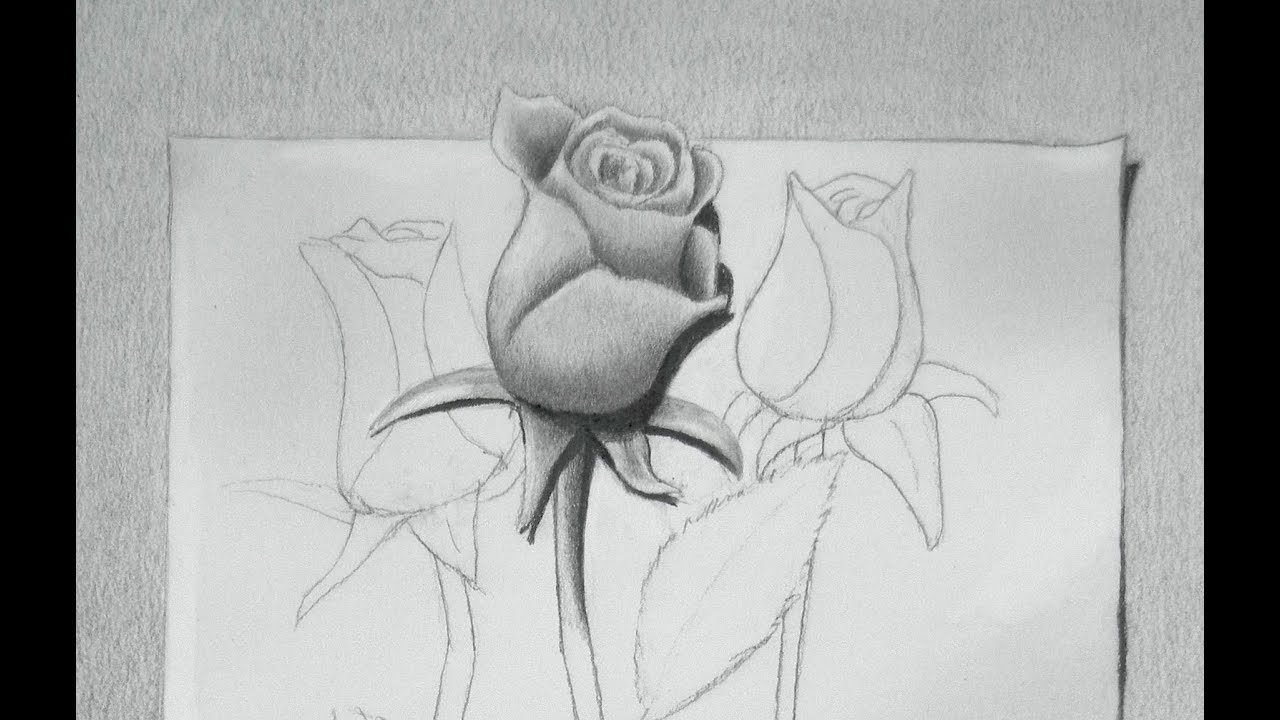
This tutorial shows how to draw a rose and drawing roses in 3D as well as simply sketch.
You may also follow me on:
My Blog: http://www.fineartebooks.com/h....owtodraw_drawingscho
Twitter: https://twitter.com/#!/ArtistLeonardo
LinkedIn: http://www.linkedin.com/profile/view?id=89957576&trk=tab_pro
Google+: https://plus.google.com/u/0/10....0373866809472929876/
Leonardo Pereznieto: http://www.leonardopereznieto.com/leo/Intro.html
The link for the water drop tutorial is this: http://www.youtube.com/watch?v=82e3Osa83_w

This tutorial shows how to draw a crystal snail - Baccarat style
For long tutorials subscribe to Patreon: https://www.patreon.com/artistleonardo
My drawing book: http://amzn.to/1K7L8Ed
Visit me on FB: https://www.facebook.com/LeonardoPereznieto
My website: http://www.ArtistLeonardo.com/
Do you want to help me translating it into your language?
(Note: First check if it hasn´t been translated already by pressing the "CC" button on the lower part of the video).
To translate the title of the video and the subtitles, all you need to do is to please go to the following link and translate (you don't necessarily need to do the whole thing, you can do a section and other people in the community can finish it). Thank you!:
http://www.youtube.com/timedtext_video?ref=share&v=arIWevNTVa8
If you would like to invest in a drawing, painting or sculpture by Leonardo Pereznieto, or to hire him for workshops or lectures, please write to: info@artistleonardo.com (Business only, not for personal messages.)
List of materials:
- Cretacolor Karmina Colored Pencils, set of 12 - http://amzn.to/2vd2XFg
- Kneaded eraser Prismacolor - http://amzn.to/2cvi6G7
- Tombow Mono Zero Eraser Square Tip: http://amzn.to/2lAMh5b
- Gray cardboard paper
If you would like to see photos and brands of my tools, please go to my blog about materials with the following link:
http://fineart-tips.blogspot.m....x/2015/07/my-drawing
Download Fine Art-Tips mobile app:
On the Apple Store:
For iPhone/iPad free: https://itunes.apple.com/us/ap....p/fine-art-tips-draw
For iPhone/iPad, Premium: https://itunes.apple.com/us/ap....p/fine-art-tips-prem
On Google Play:
For Android free: https://play.google.com/store/apps/details?id=allmax.fine.art.tips.free2&hl=en
For Android, Premium: https://play.google.com/store/apps/details?id=allmax.fine.art.tips2&hl=en
You may also follow me on:
My Blog: http://fineart-tips.blogspot.mx/
My Twitter: https://twitter.com/#!/ArtistLeonardo
Fine Art Tips on Google+: http://goo.gl/TqsmiJ
My Instagram: http://instagram.com/artistleonardo
My LinkedIn: http://www.linkedin.com/profile/view?id=89957576&trk=tab_pro
My Pinterest: http://pinterest.com/ArtistLeonardo/
My VK: http://vk.com/leonardopereznieto
My website: http://www.artistleonardo.com/
I wish you great creations!
Audio file(s) provided by http://www.audiomicro.com
This tutorial shows How to Draw a Crystal Snail - Baccarat Style - Narrated

Like Brainard Carey's Facebook page, Creative Strategies for Artists for more - https://www.facebook.com/artworlddemystified
Visit Leonardo Pereznieto Facebook Page - https://www.facebook.com/LeonardoPereznieto
Subscribe to Brainard's Youtube Channel - http://www.youtube.com/user/artistservices
This video tells you how to meet meet patrons and collectors for your art and is No. 2 from the Successful Artist Series. This series are meant for education and professional development for artist to get to share their work with galleries and other academic institutions in order to have success as a paid artist. I’ll give you tips and advices that would help you to shape your career.
By Art Mentor Brainard Carey.
You can also follow Leonardo Pereznieto in:
Twitter: https://twitter.com/#!/ArtistLeonardo
Miy Google+ as artist with scultures and paintings: http://goo.gl/TVI460
My Instagram: http://instagram.com/artistleonardo
My Pinterest: http://pinterest.com/ArtistLeonardo/
My LinkedIn: http://www.linkedin.com/profile/view?id=89957576&trk=tab_pro
My Vine: https://vine.co/v/hKnn3rbwJmT
Leonardo Pereznieto: http://www.leonardopereznieto.com/leo/Intro.html

Visit me on FB: https://www.facebook.com/LeonardoPereznieto
Visit my website: http://www.artistleonardo.com/
Visit: http://www.fineartebooks.com/ for free drawing tutorials.
If you would like to invest in a drawing, painting or sculpture by Leonardo Pereznieto, or to hire him for workshops or lectures, please write to: info@leopereznieto.com (Business only, not for personal messages.)
List of materials:
0.5 Rotring mechanical pencil
Kneaded eraser Prismacolor
Fabriano white drawing paper, fine grain
Tombo Dual Brush Color Pens
Pentel Color Pens
Micron black extra fine marker 005
If you would like to see photos and brands of my tools, please go to my blog about materials with the following link:
http://www.fineartebooks.com/howtodraw_drawingschool/My_Blog/Entries/2012/8/1_My_materials.html
You may also follow me on:
My Blog: http://www.fineartebooks.com/howtodraw_drawingschool/My_Blog/My_Blog.html
Twitter: https://twitter.com/#!/ArtistLeonardo
LinkedIn: http://www.linkedin.com/profile/view?id=89957576&trk=tab_pro
Google+: https://plus.google.com/u/0/10....0373866809472929876/
VK: http://vk.com/leonardopereznieto
Leonardo Pereznieto: http://www.leonardopereznieto.com/leo/Intro.html
Audio file(s) provided by http://www.audiomicro.com
This tutorial shows how to draw a Blue Jay and a Fairy With Color Markers

Entra en nuestra web: https://www.bbvaaprendemosjuntos.com/es
Suscríbete a nuestro canal de youtube: https://www.youtube.com/channe....l/UCI6QcXatdaEAaRTRj
Síguenos en Facebook: http://fb.com/aprendemosjuntosBBVA
Síguenos en Twitter: http://twitter.com/aprenderjuntos_
Escucha nuestros podcasts en Spotify: https://open.spotify.com/show/....07rXxtOlzNI0NuB8vpAg
Duncan Wardle trabajó durante treinta años para una de las compañías más creativas del mundo: Disney. En este vídeo, explica que todas las personas nacemos siendo creativas. Pero en algún momento, alguien nos dijo que no lo éramos. Y nos los creímos. Wardle insiste en la importancia de conectar de nuevo con el niño/a que fuimos, y recuperar la creatividad en todos los ámbitos de nuestra vida.
En la actualidad, Duncan Wardle es consultor independiente de Innovación y ‘Design Thinking’. Basándose en su experiencia, ayuda a introducir la cultura de la creatividad en las empresas. Algo que considera aplicable también al mundo de la educación.

Entra en nuestra web: hhttps://www.bbvaaprendemosjuntos.com/es
Suscríbete a nuestro canal de youtube: https://www.youtube.com/channe....l/UCI6QcXatdaEAaRTRj
Síguenos en Facebook: http://fb.com/aprendemosjuntosBBVA
Síguenos en Twitter: http://twitter.com/aprenderjuntos_
Escucha nuestros podcasts en Spotify: https://open.spotify.com/show/....07rXxtOlzNI0NuB8vpAg
En el siguiente vídeo, el físico y divulgador científico Ranga Yogeshwar sostiene la necesidad de una educación que vaya más allá de llegar a la meta, una educación que nos sirva como vehículo para convertirnos en la persona que queremos ser. “La educación es mucho más que aprender algo para tener un trabajo, nos proporciona una visión del mundo. Tenemos que aprender a vivir en un mundo cambiante, y eso significa que hemos de tener una educación más sútil, diferente a la educación que conocemos y hemos conocido en nuestras escuelas”.
El periodista ha recibido más de 60 premios, incluyendo un doctorado honorario de la Universidad de Wuppertal, la Cruz Federal de Mérito de la RFA, la Orden del Mérito del Estado de Renania del Norte-Westfalia y la Orden de Mérito du Grand-Duché de Luxemburgo.Ranga explora las grandes transformaciones científicas, tecnológicas y sociales de nuestro tiempo, cuestionándose hasta qué punto los algoritmos determinarán nuestras vidas o qué ocurrirá con la educación si cada vez se vuelve más comercial. En su libro ‘Próxima estación: futuro’, arroja una mirada optimista ante el abanico de posibilidades que tenemos por delante, y a su vez, nos alerta sobre la necesidad de establecer normas éticas frente a las nuevas tecnologías con las que convivimos sin ningún tipo de control. “Con la inteligencia artificial, podríamos acabar dándonos cuenta de cuál es nuestro verdadero valor como humanos”, afirma Yogeshwar.
#AprendemosJuntos
Entra en nuestra web: https://www.bbvaaprendemosjuntos.com/es
Suscríbete a nuestro canal de youtube: https://www.youtube.com/channe....l/UCI6QcXatdaEAaRTRj
Síguenos en Facebook: http://fb.com/aprendemosjuntosBBVA
Síguenos en Twitter: http://twitter.com/aprenderjuntos_
Escucha nuestros podcasts en Spotify: https://open.spotify.com/show/....07rXxtOlzNI0NuB8vpAg
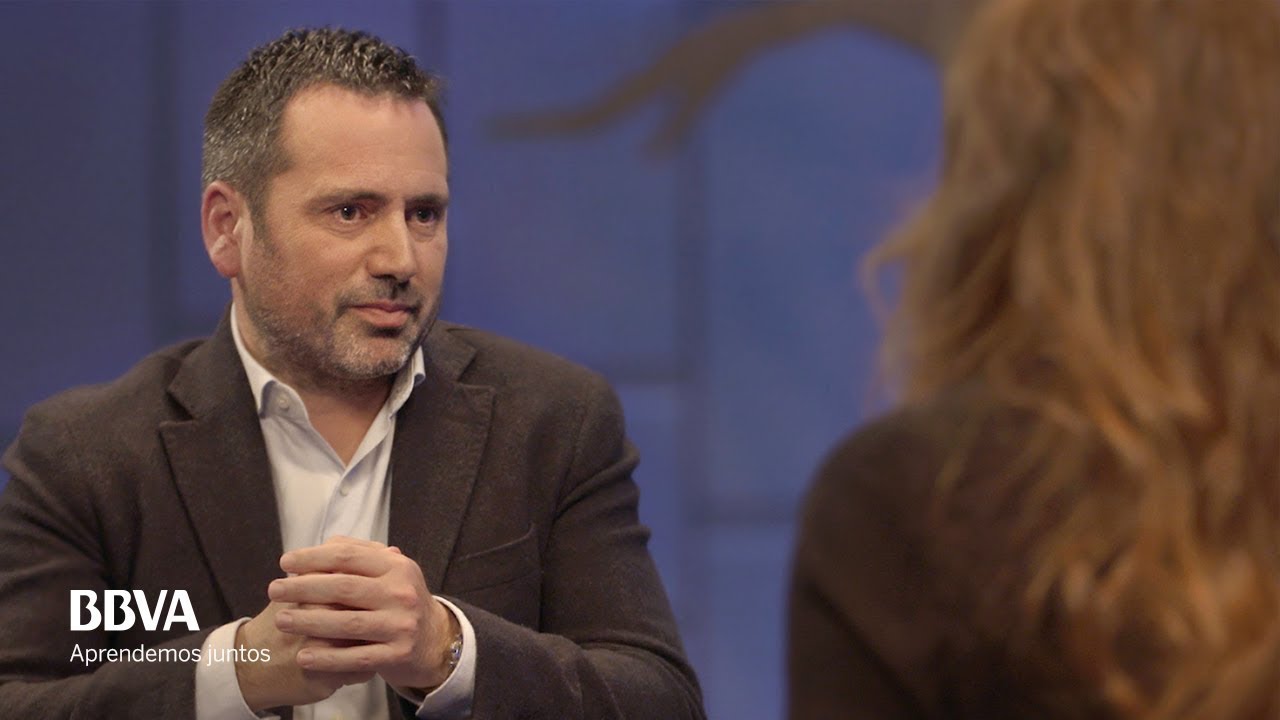
Álvaro Bilbao trata en este vídeo un tema universal que afecta a todos los padres y madres: “Es la hora de acostarse y los niños no quieren irse a dormir”. En clave divulgativa este Doctor en psicología y neuropsicólogo nos habla de la importancia de la creación de buenos hábitos de sueño para los niños.
Doctor en Psicología de la Salud y neuropsicólogo formado en el Hospital Johns Hopkins (Baltimore) y el Royal Hospital for Neurodisability (Londres). Álvaro Bilbao es también colaborador de la Organización Mundial de la Salud y profesor invitado en distintas universidades.Un reconocido experto clínico y divulgador que imparte conferencias en todo el mundo sobre temas que explican la relación entre el cerebro y la educación. Es autor del bestseller internacional “El cerebro del niño explicado a los padres”.
#AprendemosJuntos