Top Vídeos

Vienna is the fourth studio album by the synthpop band Ultravox, first released on 11 July 1980. The album peaked at #3 in the UK charts and was the first Ultravox release to enter the UK top ten. It was certified Platinum in the United Kingdom in July 1981 for 300,000 copies sold. The album reached #22 in Germany, and #164 in the United States.
Singles: 'Sleepwalk' 'Passing Strangers' 'Vienna' 'All Stood Still'
Tracklist:
00:00 "Astradyne"
07:08 "New Europeans"
11:11 "Private Lives"
15:19 "Passing Strangers"
19:10 "Sleepwalk"
22:21 "Mr. X"
28:55 "Western Promise"
34:14 "Vienna"
39:08 "All Stood Still"
Bonus:
43:31 "Waiting"
47:22 "Passionate Reply"
***PLEASE BUY THIS ALBUM***
This is a NON PROFIT video:
Copyright Disclaimer Under Section 107 of the Copyright Act 1976, allowance is made for "fair use" for purposes such as criticism, comment, news reporting, teaching, scholarship, and research. Fair use is a use permitted by copyright statute that might otherwise be infringing. Non-profit, educational or personal use tips the balance in favor of fair use.

(0:00) 1.White China________________________(17:53) 5.Man of Two Worlds
(3:51) 2.One Small Day______________________(22:22) 6.Heart of the Country
(8:25) 3.Dancing with Tears in My Eyes_______(27:31) 7.When the Time Comes
(13:09) 4.Lament____________________________(32:32) 8.A Friend I Call Desire
Ⓟ&Ⓒ 1984 Chrysalis.
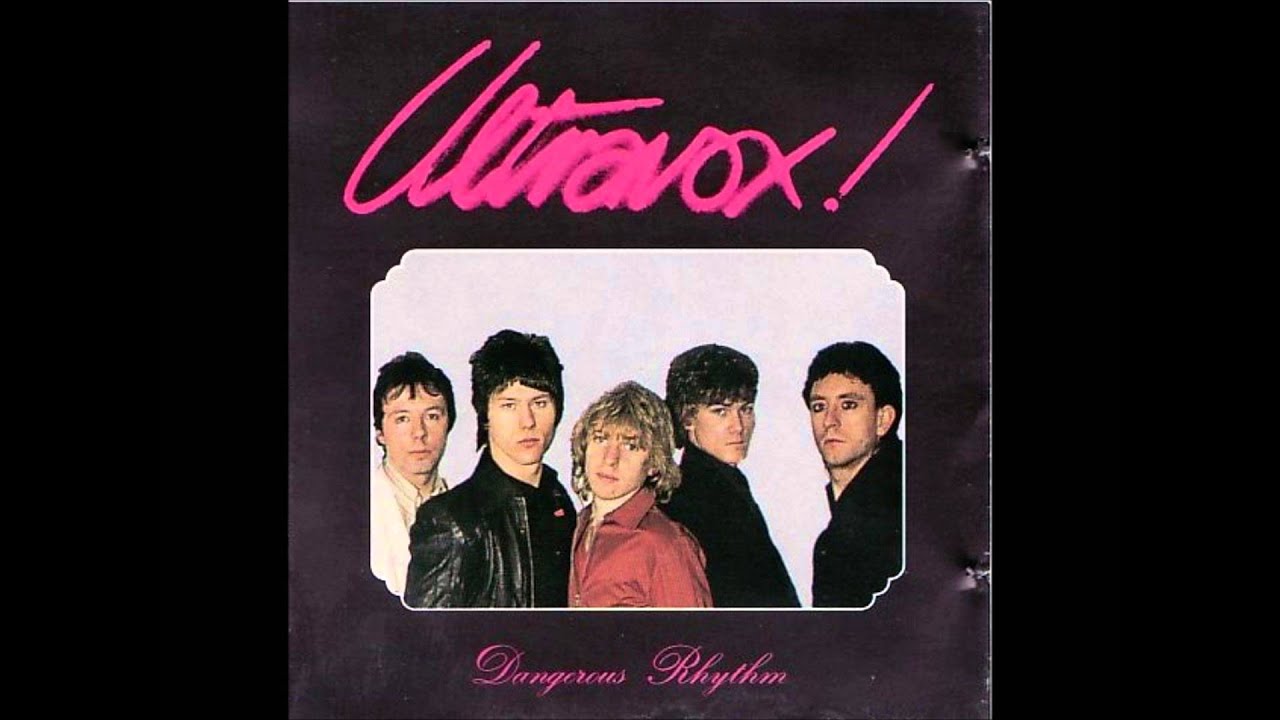
A couple of these tracks could already be found on youtube - here's the complete thing.
Ultravox! - such a great band while John Foxx was still part of it. They appropriately dropped the '!' afterwards, having become a totally different, utterly boring and ridiculous but -oh the irony of it!- extremely successful combo.
approx.timing :
01 - I want to be a machine - 00.00
02 - Slip away - 06.49
03 - Frozen ones - 11.00
04 - Distant smile - 15.22
05 - Young savage - 18.46
06 - My sex - 22.14
07 - Artificial life - 25.08 (fades in)
08 - Wide boys - 29.50
09 - Saturday night (in the city of the dead) - 32.38
10 - The wild, the beautiful and the damned - 35.35
11 - Rockwrok - 42.02
12 - Fear in the western world - 45.25 (incomplete - fades out)

Turtles grow up without parents, which might sound lonely. But for threatened baby turtles raised in a zoo it’s an advantage: they can learn to catch crickets all by themselves. There’s a paradox, though. When they are ready to leave the nursery, there is little wilderness where they can make a home.
SUBSCRIBE to Deep Look! http://goo.gl/8NwXqt
DEEP LOOK: a new ultra-HD (4K) short video series created by KQED San Francisco and presented by PBS Digital Studios. See the unseen at the very edge of our visible world. Get a new perspective on our place in the universe and meet extraordinary new friends. Explore big scientific mysteries by going incredibly small.
Read more on baby turtles:
https://ww2.kqed.org/science/2....016/01/26/these-craz
Where do turtles live?
Western pond turtles live most of their lives in the water, in freshwater lakes.
What do turtles eat?
The meat-eaters feed on crustaceans like crayfish, dragonfly nymphs and fish.
Are turtles reptiles?
Turtles are reptiles not amphibians. They are considered reptiles since they live in water.
Are turtles endangered?
"There are only 300 species, and most of them are doing quite poorly." The turtles haven’t been doing well in their native habitat in the western United States. In California, they’re a species of “special concern.”
Why can turtles be raised in zoos?
Most turtle species grow up without parents, which makes them easy to raise in zoos and help conservation. Once a female western pond turtle lays her eggs near a lake or pond, she never returns to the nest. Because they lack parental care, turtles don’t imprint on zoo keepers.
More great Deep Look episodes:
Nature's Scuba Divers: How Beetles Breathe Underwater:
https://youtu.be/T-RtG5Z-9jQ
Nature's Mood Rings: How Chameleons Really Change Color:
https://youtu.be/Kp9W-_W8rCM
Newt Sex: Buff Males! Writhing Females! Cannibalism!
https://youtu.be/5m37QR_4XNY
See also another great video from the PBS Digital Studios!
It's Okay to Be Smart:
https://youtu.be/fWc46NCnldo
If you’re in the San Francisco Bay Area, The San Francisco Zoo is currently head-starting nine western pond turtle hatchlings and the Oakland Zoo, 16. The baby turtles at the San Francisco Zoo are on display in the Children’s Zoo, while the Oakland Zoo is raising theirs in a back room where six small tubs create the impression of a maternity ward.
http://www.sfzoo.org/
http://oaklandzoo.org/
KQED Science: http://www.kqed.org/science
Tumblr: http://kqedscience.tumblr.com
Twitter: https://www.twitter.com/kqedscience
Funding for Deep Look is provided in part by PBS Digital Studios and the John S. and James L. Knight Foundation. Deep Look is a project of KQED Science, which is also supported by HopeLab, the David B. Gold Foundation, the S. D. Bechtel, Jr. Foundation, the Dirk and Charlene Kabcenell Foundation, the Vadasz Family Foundation, the Gordon and Betty Moore Foundation, the Smart Family Foundation and the members of KQED.
#deeplook
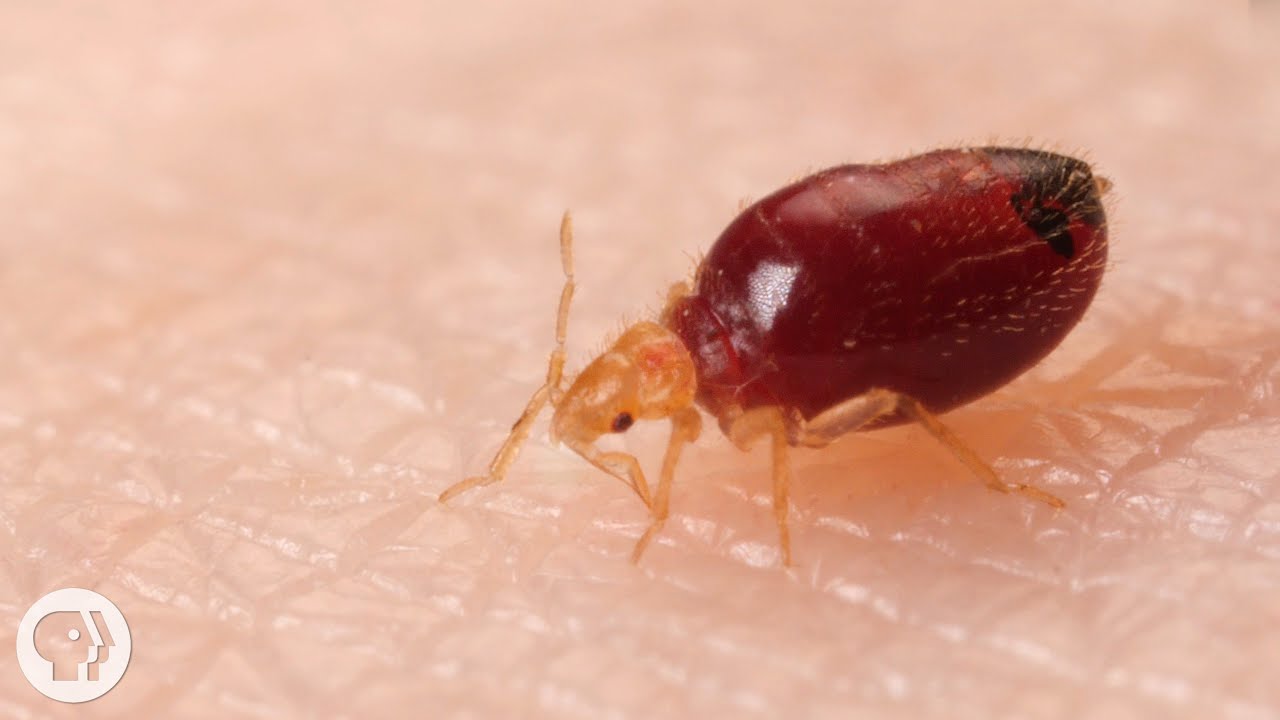
At night, these parasites crawl onto your bed, bite you and suck your blood. Then they find a nearby hideout where they leave disgusting telltale signs. But these pests have an Achilles’ heel that stops them cold.
SUBSCRIBE to Deep Look! http://goo.gl/8NwXqt
Join our community on Patreon! https://www.patreon.com/deeplook
DEEP LOOK is a ultra-HD (4K) short video series created by KQED San Francisco and presented by PBS Digital Studios. See the unseen at the very edge of our visible world. Explore big scientific mysteries by going incredibly small.
Adult bed bugs are about the size and color of an apple seed. After biting, they hide in a nearby cranny, like the seam of the mattress.
At the University of California, Irvine, biologist and engineer Catherine Loudon is working to create synthetic surfaces that could trap bed bugs. She was inspired by the tiny hooked hairs that grow from the leaves of some varieties of beans, such as kidney and green beans. In nature, these hairs, called trichomes, pierce through the feet of the aphids and leafhoppers that like to feed on the plants.
Researchers have found that these pointy hairs are just as effective against bed bugs, even though the bloodsucking parasites don’t feed on leaves. Loudon’s goal is to mimic a bean leaf’s mechanism to create an inexpensive, portable bed bug trap.
“You could imagine a strip that would act as a barrier that could be placed virtually anywhere: across the portal to a room, behind the headboard, on subway seats, an airplane,” Loudon said. “They have six legs, so that’s six opportunities to get trapped.”
--- Where do bed bugs come from?
Bed bugs don’t fly or jump or come in from the garden. They crawl very quickly and hide in travelers’ luggage. They also move around on secondhand furniture, or from apartment to apartment.
--- How can I avoid bringing bed bugs home?
“It would probably be a prudent thing to do a quick bed check if you’re sleeping in a strange bed,” said Potter. His recommendation goes for hotel rooms, as well as dorms and summer camp bunk beds. He suggests pulling back the sheet at the head of the bed and checking the seams on the top and bottom of the mattress and the box spring.
---+ For more tips, read the entire article on KQED Science:
https://www.kqed.org/science/1....944245/watch-bed-bug
---+ More Great Deep Look Episodes:
‘Parasites are Dynamite’ Playlist: https://www.youtube.com/playli....st?list=PLdKlciEDdCQ
---+ ?Congratulations ?to the following fans for correctly identifying the creature's species name in our community tab challenge:
Stay in Your Layne
Brian Lee
Brad Denney
Elise Wade
Raminta’s Photography
https://www.youtube.com/channe....l/UC-3SbfTPJsL8fJAPK
---+ Thank you to our Top Patreon Supporters ($10+ per month)!
Allen, Aurora Mitchell, Beckie, Ben Espey, Bill Cass, Bluapex, Breanna Tarnawsky, Carl, Chris B Emrick, Chris Murphy, Cindy McGill, Companion Cube, Cory, Daisuke Goto, Daisy Trevino , Daniel Voisine, Daniel Weinstein, David Deshpande, Dean Skoglund, Edwin Rivas, Elizabeth Ann Ditz, Eric Carter, Geidi Rodriguez, Gerardo Alfaro, Ivan Alexander, Jane Orbuch, JanetFromAnotherPlanet, Jason Buberel, Jeanine Womble, Jeanne Sommer, Jiayang Li, Joao Ascensao, johanna reis, Johnnyonnyful, Joshua Murallon Robertson, Justin Bull, Kallie Moore, Karen Reynolds, Katherine Schick, Kendall Rasmussen, Kenia Villegas, Kristell Esquivel, KW, Kyle Fisher, Laurel Przybylski, Levi Cai, Mark Joshua Bernardo, Michael Mieczkowski, Michele Wong, Nathan Padilla, Nathan Wright, Nicolette Ray, Pamela Parker, PM Daeley, Ricardo Martinez, riceeater, Richard Shalumov, Rick Wong, Robert Amling, Robert Warner, Samuel Bean, Sayantan Dasgupta, Sean Tucker, Shelley Pearson Cranshaw, Shirley Washburn, Sonia Tanlimco, SueEllen McCann, Supernovabetty, Tea Torvinen, TierZoo, Titania Juang, Two Box Fish, WhatzGames, Willy Nursalim, Yvan Mostaza
---+ Follow KQED Science and Deep Look:
Patreon: https://www.patreon.com/deeplook
Instagram: https://www.instagram.com/kqedscience/
Twitter: https://www.twitter.com/kqedscience
KQED Science on kqed.org: http://www.kqed.org/science
Facebook Watch: https://www.facebook.com/DeepLookPBS/
---+ About KQED
KQED, an NPR and PBS affiliate in San Francisco, CA, serves Northern California and beyond with a public-supported alternative to commercial TV, radio and web media.
Funding for Deep Look is provided in part by PBS Digital Studios. Deep Look is a project of KQED Science, which is also supported by the National Science Foundation, the S. D. Bechtel, Jr. Foundation, the Dirk and Charlene Kabcenell Foundation, the Vadasz Family Foundation, the Fuhs Family Foundation, Campaign 21 and the members of KQED.
#bedbug #bedbugtrap #bedbugbite

Pacific mole crabs, also known as sand crabs, make their living just under the surface of the sand, where they're safe from breaking waves and hungry birds. Some very special physics help them dig with astonishing speed.
SUBSCRIBE to Deep Look! http://goo.gl/8NwXqt
DEEP LOOK is a ultra-HD (4K) short video series created by KQED San Francisco and presented by PBS Digital Studios. See the unseen at the very edge of our visible world. Get a new perspective on our place in the universe. Explore big scientific mysteries by going incredibly small.
* NEW VIDEOS EVERY OTHER TUESDAY! *
Among the surfers and beach-casting anglers, there’s a new visitor to San Francisco’s Ocean Beach shoreline.
Benjamin McInroe is there for only one reason -- to find Pacific mole crabs, a creature commonly known as “sand crabs” -- and the tiny animals whose burrowing causes millions of small bubbles to appear on the beach as the tide comes in and out.
McInroe is a graduate student from UC Berkeley studying biophysics. He wants to know what makes these little creatures so proficient at digging their way through the wet sand.
McInroe hopes that he can one day copy their techniques to build a new generation of digging robots.
-- What are Pacific Mole Crabs?
Pacific mole crabs, also known as sand crabs, are crustaceans, related to shrimp and lobsters. They have four pairs of legs and one pair of specialized legs in the front called uropods that look like paddles for digging in sand. Pacific mole crabs burrow through wet sand and stick their antennae out to catch bits of kelp and other debris kicked up by the breaking waves.
-- What makes those holes in the sand at the beach?
When the waves recede, mole crabs burrow down into the sand to keep from being exposed. They dig tail-first very quickly leaving holes in the wet sand. The holes bubble as water seeps into the holes and the air escapes.
-- What do birds eat in the wet beach sand?
Shore birds like seagulls rush down the beach as the waves recede to catch mole crabs that haven’t burrowed down quickly enough to escape. The birds typically run or fly away as the next wave breaks and rolls in.
---+ Read the entire article on KQED Science:
https://ww2.kqed.org/science/2....018/02/13/for-pacifi
---+ For more information:
Benjamin McInroe, a Ph.D. student at UC Berkeley, studies how Pacific mole crabs burrow
https://www.ocf.berkeley.edu/~bmcinroe/
Professor Robert Full directs the Poly-PEDAL Lab at UC Berkeley, where researchers study the physics of how animals and use that knowledge to build mechanical systems like robots based on their findings.
http://polypedal.berkeley.edu/
---+ More Great Deep Look episodes:
Decorator Crabs Make High Fashion at Low Tide | Deep Look
https://youtu.be/OwQcv7TyX04
These Fish Are All About Sex on the Beach | Deep Look
https://youtu.be/j5F3z1iP0Ic
Sea Urchins Pull Themselves Inside Out to be Reborn | Deep Look
https://youtu.be/ak2xqH5h0YY
There's Something Very Fishy About These Trees ... | Deep Look
https://www.youtube.com/watch?v=rZWiWh5acbE&t=1s
---+ See some great videos and documentaries from the PBS Digital Studios!
Why Do We Eat Artificial Flavors? | Origin of Everything
https://www.youtube.com/watch?v=iNaJ31EV13U
The Facts About Dinosaurs & Feathers
https://www.youtube.com/watch?v=aOeFRg_1_Yg
Why Is Blue So Rare In Nature?
https://www.youtube.com/watch?v=3g246c6Bv58
---+ Follow KQED Science
KQED Science: http://www.kqed.org/science
Tumblr: http://kqedscience.tumblr.com
Twitter: https://www.twitter.com/kqedscience
---+ About KQED
KQED, an NPR and PBS affiliate in San Francisco, CA, serves Northern California and beyond with a public-supported alternative to commercial TV, Radio and web media.
Funding for Deep Look is provided in part by PBS Digital Studios. Deep Look is a project of KQED Science, which is supported by the S. D. Bechtel, Jr. Foundation, the Dirk and Charlene Kabcenell Foundation, the Vadasz Family Foundation, the Gordon and Betty Moore Foundation, the Fuhs Family Foundation Fund and the members of KQED.
#deeplook
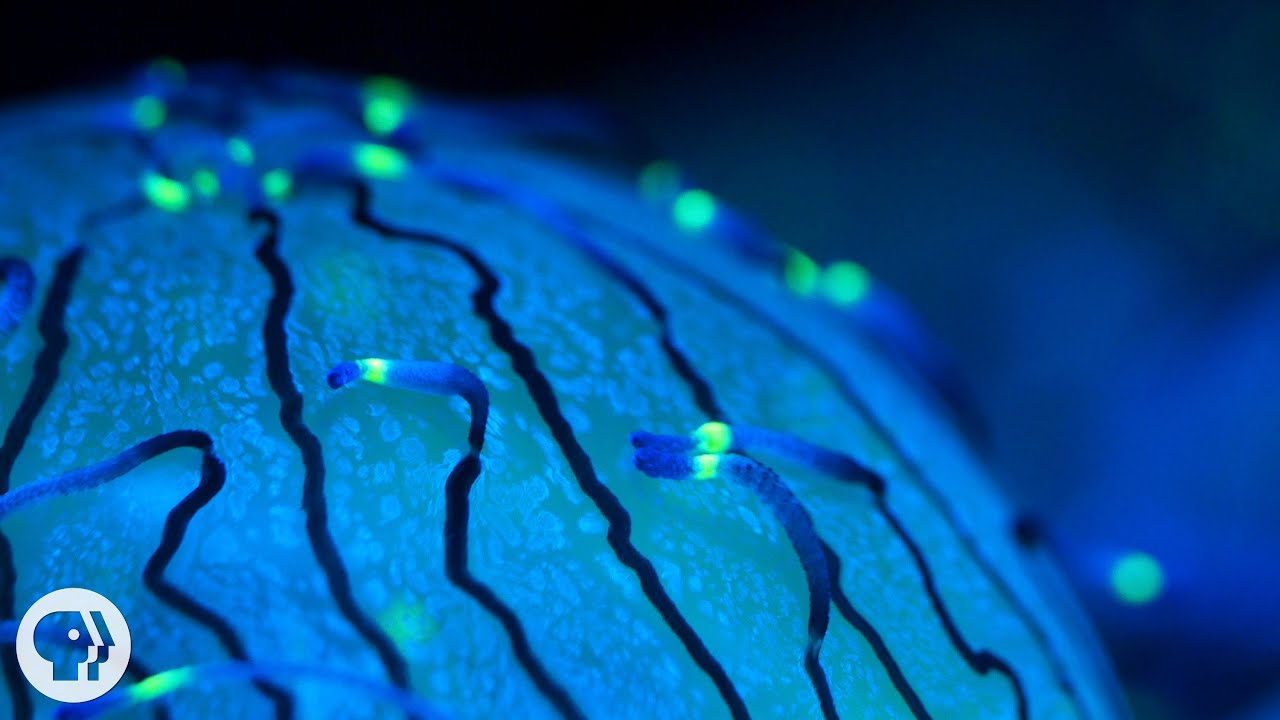
Jellyfish don’t have a heart, or blood, or even a brain. They’ve survived five mass extinctions. And you can find them in every ocean, from pole to pole. What’s their secret? Keeping it simple, but with a few dangerous tricks.
DEEP LOOK: a new ultra-HD (4K) short video series created by KQED San Francisco and presented by PBS Digital Studios. See the unseen at the very edge of our visible world. Get a new perspective on our place in the universe and meet extraordinary new friends. Explore big scientific mysteries by going incredibly small.
--- Why do Jellyfish Sting?
Jellyfish sting to paralyze their prey. They use special cells called nematocysts. Jellyfish don’t have a brain or a central nervous system to control these stinging cells, so each one has it’s own trip wire, called a cnidocil.
When triggered, the nematocyst cells act like a combination of fishing hook and hypodermic needle. They fire a barb into the flesh of the jellyfish’s prey at 10,000 times the force of gravity – making it one of the fastest mechanisms in the animal kingdom. As the barb latches on, a thread-like filament bathed in toxin erupts from the barb and delivers the poison.
The nematocyst only works if the barb can penetrate the skin, which is why some jellies are more dangerous to humans than others. The smooth-looking tentacles of a sea anemone (a close relative of jellies that also has nematocyst cells) feel like sandpaper to the touch. Their nematocysts are firing, but the barbs aren’t powerful enough to puncture your skin.
--- Read the article for this video on KQED Science:
https://ww2.kqed.org/science/2....015/09/29/why-jellyf
--- More great DEEP LOOK episodes:
Pygmy Seahorses: Masters of Camouflage
https://www.youtube.com/watch?v=Q3CtGoqz3ww
You're Not Hallucinating. That's Just Squid Skin.
https://www.youtube.com/watch?v=0wtLrlIKvJE
The Fantastic Fur of Sea Otters
https://www.youtube.com/watch?v=Zxqg_um1TXI
--- Related videos from the PBS Digital Studios Network!
I Don't Think You're Ready for These Jellies - It’s Okay to Be Smart
https://www.youtube.com/watch?v=a4DQQe5p5gc
Why Neuroscientists Love Kinky Sea Slugs - Gross Science
https://www.youtube.com/watch?v=QGHiyWjjhHY
What Physics Teachers Get Wrong About Tides! | Space Time
https://www.youtube.com/watch?v=pwChk4S99i4
--- More KQED SCIENCE:
Tumblr: http://kqedscience.tumblr.com
Twitter: https://www.twitter.com/kqedscience
KQED Science: http://ww2.kqed.org/science
Funding for Deep Look is provided in part by PBS Digital Studios and the John S. and James L. Knight Foundation. Deep Look is a project of KQED Science, which is supported by HopeLab, The David B. Gold Foundation; S. D. Bechtel, Jr. Foundation; The Dirk and Charlene Kabcenell Foundation; The Vadasz Family Foundation; Smart Family Foundation and the members of KQED.
#deeplook

David Attenborough observes the behaviour of young Chimpanzees, looking at how they interact with their elders in this clip shot in a forest on the Ivory Coast for the series Trials of Life.
Visit http://www.bbcearth.com for all the latest animal news and wildlife videos
BBC Earth Facebook http://www.facebook.com/bbcearth (ex-UK only)
BBC Earth Twitter http://www.twitter.com/bbcearth
Subscribe to BBC Earth: http://bit.ly/ydxvrP
BBC Earth Channel: http://www.youtube.com/BBCEarth
Latest BBC Earth videos: http://bit.ly/y1wtbi

London is home to many unusual animals, from scorpions to fighting crayfish. Watch as we get up close with rival species, over anything from territory to midnight snacks!
Subscribe: http://bit.ly/BBCEarthSub
Watch more:
Planet Earth http://bit.ly/PlanetEarthPlaylist
Blue Planet http://bit.ly/BluePlanetPlaylist
Planet Earth II http://bit.ly/PlanetEarthIIPlaylist
Planet Dinosaur http://bit.ly/PlanetDinoPlaylist
Natural World: London’s Wild Side
London is the ultimate urban environment - look out of the window, take a walk down the street, these views can be devoid of any natural life, with everything man-made. But looking again, with the right eyes, you can see that nature is actually here in abundance. This surprising film meets the people who have followed their own call of the wild to establish relationships with city animals, and meets those creatures that have adapted to thrive in this urban jungle.
Welcome to BBC EARTH! The world is an amazing place full of stories, beauty and natural wonder. Here you'll find 50 years worth of entertaining and thought-provoking natural history content. Dramatic, rare, and exclusive, nature doesn't get more exciting than this.
Want to share your views with the team? Join our BBC Studios Voice: https://www.bbcstudiosvoice.com/register
This is a page from BBC Studios who help fund new BBC programmes. Service information and feedback: http://bbcworldwide.com/vod-fe....edback--contact-deta

The life of a penguin isn't an easy one, as these determined parents prove. Narrated by Sir David Attenborough.
Subscribe to BBC Earth: http://bit.ly/BBCEarthSubBBC Earth YouTube Channel: http://www.youtube.com/BBCEarth
BBC Earth Facebook http://www.facebook.com/bbcearth (ex-UK only)
BBC Earth Twitter http://www.twitter.com/bbcearth
Visit http://www.bbcearth.com for all the latest animal news and wildlife videos
This is a channel from BBC Studios who help fund new BBC programmes.

Steve Backshall witnesses one of the "gutsiest" sea lions alive, as it out manoeuvres a pod of Killer Whales. Subscribe: http://bit.ly/BBCEarthSub
Taken from Deadly 60 Series 2.
WATCH MORE:
New on Earth: https://bit.ly/2M3La96
Oceanscapes: https://bit.ly/2Hmd2kZ
Wild Thailand: https://bit.ly/2kR7lmh
Welcome to BBC EARTH! The world is an amazing place full of stories, beauty and natural wonder. Here you'll find 50 years worth of astounding, entertaining, thought-provoking and educational natural history content. Dramatic, rare, and exclusive, nature doesn't get more exciting than this.
Want to share your views? Join our BBC Studios Voice: https://www.bbcstudiosvoice.com/register
This is a channel from BBC Studios who help fund new BBC programmes. Service information and feedback: http://bbcworldwide.com/vod-fe....edback--contact-deta

Orcas knocking seals off waves was thought to be a myth when Producer/Director Kathryn Jeffs set out to film them in Antartica for BBC series Frozen Planet. Hear the remarkable story behind capturing this unbelievable behaviour on camera. Subscribe: http://bit.ly/BBCEarthSub
What fascinates you about our oceans? Join the conversation over on Twitter @OurBluePlanet. #OurBluePlanet is a digital project between BBC Earth and Alucia Productions.
This Killer Whales attack behaviour dates back to Scott of the Antarctic’s diary and this was the first time Kathryn Jeffs and her crew saw an Orca Pod using this technique in unison to hunt seals in the Antarctic.
WATCH MORE:
New on Earth: https://bit.ly/2M3La96
Oceanscapes: https://bit.ly/2Hmd2kZ
Wild Thailand: https://bit.ly/2kR7lmh
Welcome to BBC EARTH! Here you'll find 50 years worth of astounding natural history content. Want to share your views? Join our BBC Studios Voice: https://www.bbcstudiosvoice.com/register
This is a channel from BBC Studios who help fund new BBC programmes. Service information and feedback: http://bbcworldwide.com/vod-fe....edback--contact-deta
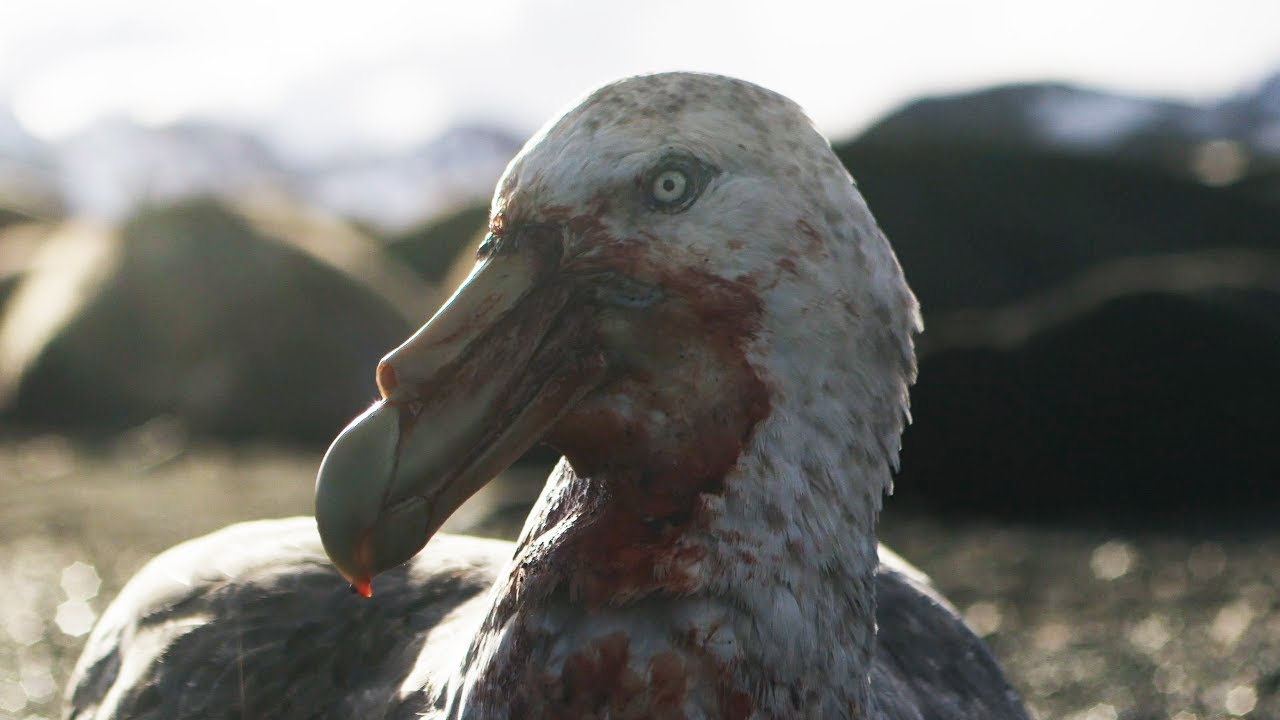
Giant petrels are aggressive, fearless and aren't afraid of some gore. But they're also coined 'the vultures of Antarctica' thanks to their clean-up characteristic of feeding on carrion. So are giant petrels heroes or villains? Subscribe: http://bit.ly/BBCEarthSub
Watch more:
Planet Earth http://bit.ly/PlanetEarthPlaylist
Blue Planet http://bit.ly/BluePlanetPlaylist
Planet Earth II http://bit.ly/PlanetEarthIIPlaylist
Planet Dinosaur http://bit.ly/PlanetDinoPlaylist
Seven Worlds, One Planet Episode 1 'Antarctica'
Millions of years ago incredible forces ripped apart the Earth’s crust creating seven extraordinary continents. Seven Worlds, One Planet, narrated by Sir David Attenborough, will reveal how each distinct continent has shaped the unique animal life found there.
Welcome to BBC EARTH! The world is an amazing place full of stories, beauty and natural wonder. Here you'll find 50 years worth of entertaining and thought-provoking natural history content. Dramatic, rare, and exclusive, nature doesn't get more exciting than this.
Want to share your views with the team? Join our BBC Studios Voice: https://www.bbcstudiosvoice.com/register
This is a page from BBC Studios who help fund new BBC programmes. Service information and feedback: http://bbcworldwide.com/vod-fe....edback--contact-deta

Two young lions venture dangerously close to a nearby village, endangering the humans and livestock who live there. Ranger Flip has to take desperate measures to fend off the lions while preserving the safety of these majestic animals.
Subscribe: http://bit.ly/BBCEarthSub
Watch more:
Planet Earth http://bit.ly/PlanetEarthPlaylist
Blue Planet http://bit.ly/BluePlanetPlaylist
Planet Earth II http://bit.ly/PlanetEarthIIPlaylist
Planet Dinosaur http://bit.ly/PlanetDinoPlaylist
Natural World: Desert Lions
In the mid-1980s, hundreds of lions suddenly disappeared from the Namib Desert. Now, equally mysteriously, they have returned. How can such a magnificent animal survive in one of the harshest deserts in the world? Philip 'Flip' Stander has made it his mission to find out. Along with his assistant Lise and the expertise of the San Bushmen, Flip will journey into the land of scorched giant sand dunes and reveal the fascinating lives of these desert cats.
Welcome to BBC EARTH! The world is an amazing place full of stories, beauty and natural wonder. Here you'll find 50 years worth of entertaining and thought-provoking natural history content. Dramatic, rare, and exclusive, nature doesn't get more exciting than this.
Want to share your views with the team? Join our BBC Studios Voice: https://www.bbcstudiosvoice.com/register
This is a page from BBC Studios who help fund new BBC programmes. Service information and feedback: http://bbcworldwide.com/vod-fe....edback--contact-deta
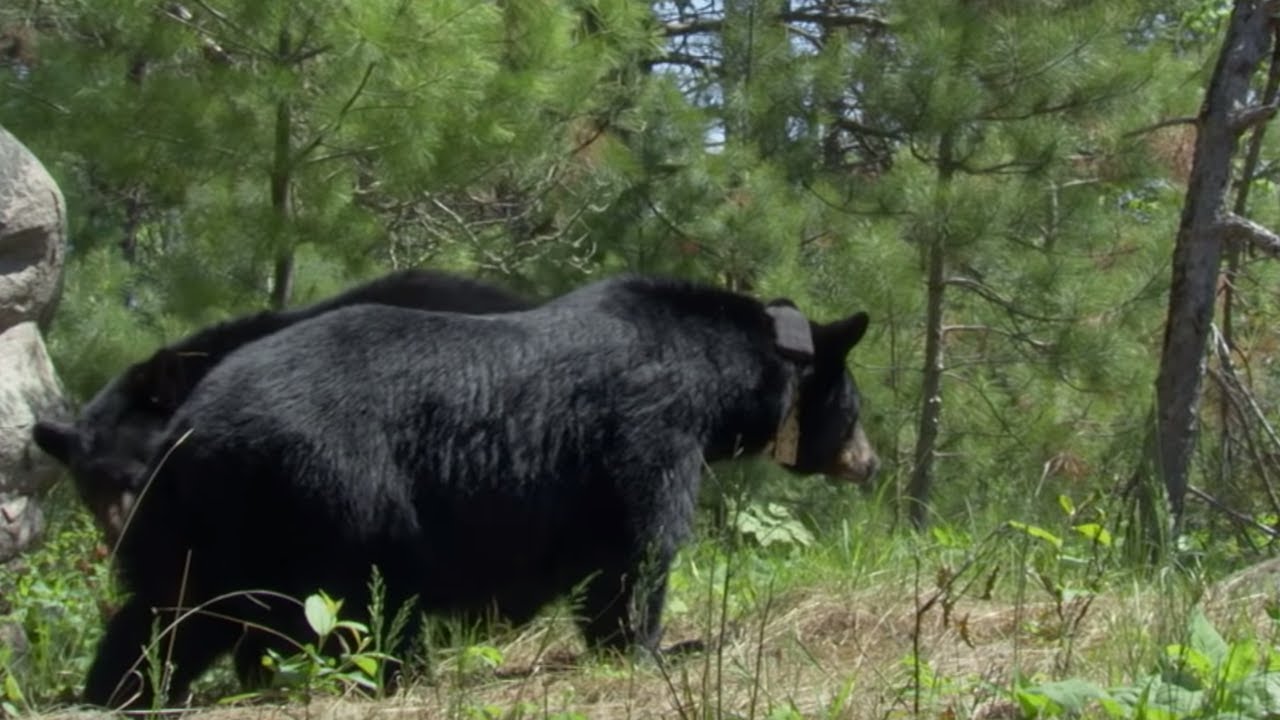
Watch this happy go lucky black bear as he picks up the scent of a female and successfully mates!
Subscribe to BBC Earth: http://bit.ly/BBCEarthSub
Planet Earth http://bit.ly/PlanetEarthPlaylist
Blue Planet http://bit.ly/BluePlanetPlaylist
Planet Earth II http://bit.ly/PlanetEarthIIPlaylist
Planet Dinosaur http://bit.ly/PlanetDinoPlaylist
24/7 Wild:
Witness the most charismatic animals on earth as they experience life's ultimate challenges in the first few vulnerable weeks of life. 24/7 Wild journeys with them to understand their tough rites of passage to adulthood and survival.
Welcome to BBC EARTH! The world is an amazing place full of stories, beauty and natural wonder. Here you'll find 50 years worth of astounding, entertaining, thought-provoking and educational natural history content. Dramatic, rare, and exclusive, nature doesn't get more exciting than this.
Want to share your views with the team behind BBC Earth and win prizes? Join our fan panel here: http://tinyurl.com/YouTube-BBCEarth-FanPanel
This is a channel from BBC Worldwide who help fund new BBC programmes
Service information and feedback: http://bbcworldwide.com/vod-fe....edback--contact-deta

USA: Watch Blue Planet II on BBC America - 9pm Saturdays from 20th January 2018.
Subscribe to BBC Earth for more amazing animal videos - http://bit.ly/BBCEarthSub
*Chased By Angry Sea Lion - Blue Planet II Behind The Scenes*
As the team head back to base after a day of filming their path is blocked by a Sea lion who's not budging.
Watch more videos from BBC Earth:
Planet Earth http://bit.ly/PlanetEarthPlaylist
Blue Planet http://bit.ly/BluePlanetPlaylist
Planet Earth II http://bit.ly/PlanetEarthIIPlaylist
Planet Dinosaur http://bit.ly/PlanetDinoPlaylist
Check out the other two channels in our BBC Earth network:
BBC Earth Unplugged: http://bit.ly/BBCEarthUnplugged
BBC Earth Lab: http://bit.ly/BBCEarthLabYouTubeChannel
About BBC Earth:
The world is an amazing place full of stories, beauty and natural wonder. Explore the official BBC Earth YouTube channel and meet the animals and wildlife of your planet. Here you'll find 50 years worth of astounding, entertaining, thought-provoking and educational natural history documentaries. Dramatic, rare and wild nature doesn't get more exciting than this. Subscribe to be the first to view new animal documentary videos.
This is a channel from BBC Worldwide who help fund new BBC programs Service information and feedback: http://bbcworldwide.com/vod-feedback-...
You can also become part of the BBC Earth community on Facebook, Twitter and Instagram. Here you'll find the best natural history content from the web, exclusive videos and images and a thriving, vibrant community.
Want to share your views with the team behind BBC Earth and win prizes? Join our fan panel here: http://tinyurl.com/YouTube-BBCEarth-FanPanel
This is a channel from BBC Studios who help fund new BBC programmes.

Fossil evidence found in a Montana (USA) bonebed suggests that meat eating dinosaurs could die of poisoning from bacteria such as botulism, something theropod dinosaurs have evolved to avoid.
Narrated by John Hurt Planet Dinosaur tells the stories of the biggest, deadliest and weirdest creatures ever to walk the Earth, using the latest fossil evidence and immersive computer graphics.
Subscribe to BBC Earth: http://bit.ly/ydxvrP
Visit http://www.bbcearth.com for all the latest animal news and wildlife videos
BBC Earth Facebook http://www.facebook.com/bbcearth (ex-UK only)
BBC Earth Twitter http://www.twitter.com/bbcearth
BBC Earth YouTube Channel: http://www.youtube.com/BBCEarth
This is a channel from BBC Studios who help fund new BBC programmes.

In the Pacific, a tiny island 300 miles away from the shore hides a giant mountain beneath the waves that forms a home for thousands of planton feeding fish. These fish attract tuna, and the tuna attract thousands of sharks. Watch this video to learn more about this fascinating food chain, and hear some weird but true facts about the visiting Hamerhead sharks. Brilliant short from BBC wildlife show Blue Planet. Narrated by Sir David Attenborough. Visit http://www.bbcearth.com for all the latest animal news and wildlife videos and watch more high quality videos on the new BBC Earth YouTube channel here: http://www.youtube.com/bbcearth

An elephant has been radio collared so that its location can be monitored to protect them from potential poachers. One of the collars has run out of battery and the team have a dangerous job to tranquillise the elephant safely to replace the battery.
Subscribe to BBC Earth: http://bit.ly/BBCEarthSubBBC Earth YouTube Channel: http://www.youtube.com/BBCEarth
BBC Earth Facebook http://www.facebook.com/bbcearth (ex-UK only)
BBC Earth Twitter http://www.twitter.com/bbcearth
Visit http://www.bbc.com/earth/world for all the latest animal news and wildlife videos
This is a channel from BBC Studios who help fund new BBC programmes.
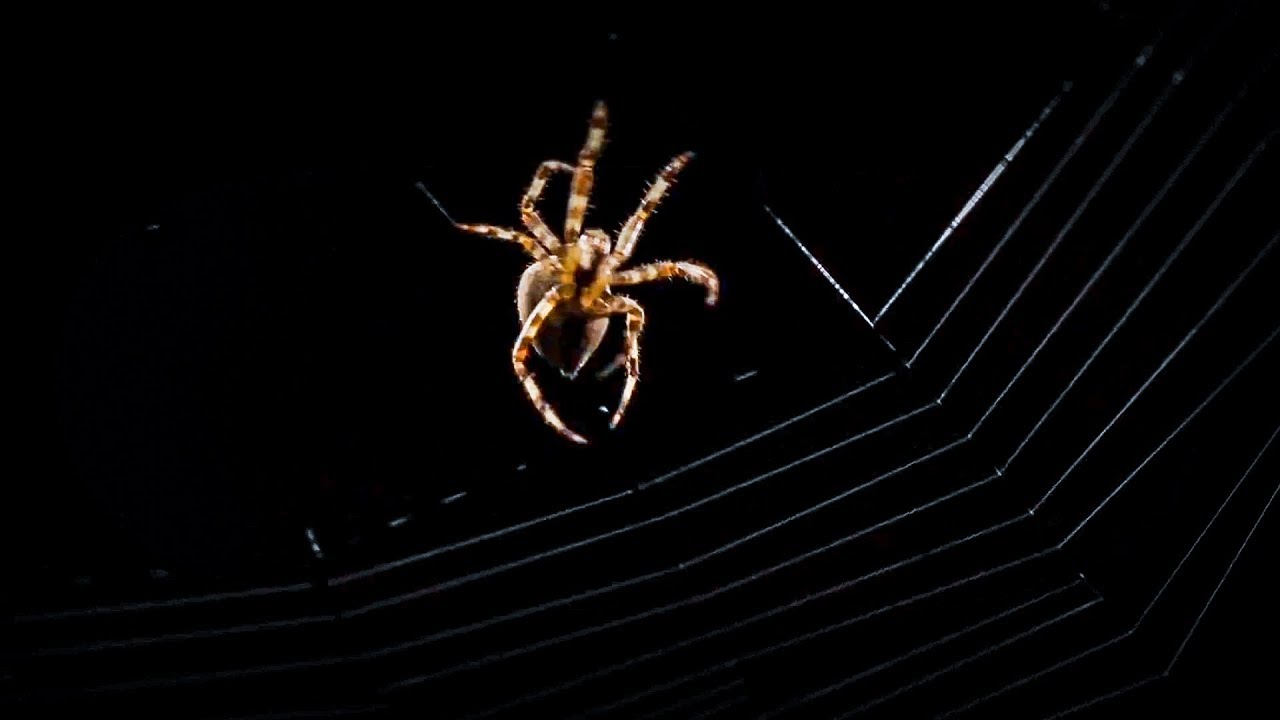
We filmed a garden orb web spider building their amazing spider web in this time lapse as well as slow motion footage as they capture their first prey with it!
Subscribe: http://bit.ly/BBCEarthSub
#SpiderWebTimelapse #SlowMotion #BBCEarth
Watch more:
Planet Earth http://bit.ly/PlanetEarthPlaylist
Blue Planet http://bit.ly/BluePlanetPlaylist
Planet Earth II http://bit.ly/PlanetEarthIIPlaylist
Planet Dinosaur http://bit.ly/PlanetDinoPlaylist
Spider Web Building Time-lapse | BBC Earth
We filmed a garden orb web spider building their amazing spider web in this time lapse as well as slow motion footage as they capture their first prey with it!
Welcome to BBC EARTH! The world is an amazing place full of stories, beauty and natural wonder. Here you'll find 50 years worth of entertaining and thought-provoking natural history content. Dramatic, rare, and exclusive, nature doesn't get more exciting than this.
Want to share your views with the team? Join our BBC Studios Voice: https://www.bbcstudiosvoice.com/register
This is a page from BBC Studios who help fund new BBC programmes. Service information and feedback: http://bbcworldwide.com/vod-fe....edback--contact-deta
