Top Vídeos
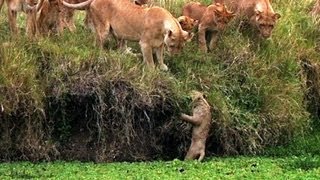
A blanket of aquatic plants covering a river surface yields a watery surprise for a playful lion cub. Poetic scenes from CBBC series Little Big Cat.
The intimate and endearing stories of lion, leopard and cheetah cubs living in the Masai Mara in Kenya. Adapted from the Big Cat series, Little Big Cat brings all the drama and charm to a younger audience.
Little Big Cat tells the stories through the eyes of the lion, leopard and cheetah cubs living in the Masai Mara in Kenya. The show uses a friendly story teller to set the scene and introduce the subject of each particular show while the cubs are voiced by young African children.
Visit http://www.bbcearth.com for all the latest animal news and wildlife videos
BBC Earth Facebook http://www.facebook.com/bbcearth (ex-UK only)
BBC Earth Twitter http://www.twitter.com/bbcearth
Subscribe to BBC Earth: http://bit.ly/ydxvrP
BBC Earth Channel: http://www.youtube.com/BBCEarth
Latest BBC Earth videos: http://bit.ly/y1wtbi

Two male Guanacos fight ruthlessly for mating rights over the females and dominance. Subscribe to BBC Earth for more amazing animal videos - http://bit.ly/BBCEarthSub
Wild Patagonia:
Narrated by Santiago Cabrera, this three-part series from the BBC's Natural History Unit discovers the surprising stories of the unusual wildlife and the people that survive in epic landscapes of volcanoes, glaciers, desert and treacherous oceans.
Watch more videos from BBC Earth
Planet Earth http://bit.ly/PlanetEarthPlaylist
Blue Planet http://bit.ly/BluePlanetPlaylist
Planet Earth II http://bit.ly/PlanetEarthIIPlaylist
Planet Dinosaur http://bit.ly/PlanetDinoPlaylist
Check out the other two channels in the BBC Earth network:
BBC Earth Unplugged: http://bit.ly/BBCEarthUnplugged
BBC Earth Lab: http://bit.ly/BBCEarthLabYouTubeChannel
About BBC Earth
The world is an amazing place full of stories, beauty and natural wonder. Jump in to BBC Earth's YouTube channel and meet your planet. You'll find 50 years worth of astounding, entertaining, thought-provoking and educational natural history content on here. Dramatic, rare, and exclusive, nature doesn't get more exciting than this. Subscribe to be the first to view new videos. And you can become part of the BBC community by checking out our BBC Earth Facebook page. Here you'll find the best natural history content from the web, exclusive videos and images and a thriving, vibrant community. This is a channel from BBC Worldwide who help fund new BBC programmes Service information and feedback: http://bbcworldwide.com/vod-fe....edback--contact-deta
Subscribe for more: http://bit.ly/BBCEarthSub
You can also also find the BBC Earth community on Facebook, Twitter and Instagram.
Want to share your views with the team behind BBC Earth and win prizes? Join our fan panel here: http://tinyurl.com/YouTube-BBCEarth-FanPanel
This is a channel from BBC Studios who help fund new BBC programmes.
Subscribe: http://bit.ly/BBCEarthSub
WATCH MORE:
New on Earth: https://bit.ly/2M3La96
Oceanscapes: https://bit.ly/2Hmd2kZ
Wild Thailand: https://bit.ly/2kR7lmh
Welcome to BBC EARTH! The world is an amazing place full of stories, beauty and natural wonder. Here you'll find 50 years worth of astounding, entertaining, thought-provoking and educational natural history content.
Want to share your views with the team behind BBC Earth and win prizes? Join our BBC Studios Voice: https://www.bbcstudiosvoice.com/register
This is a channel from BBC Worldwide who help fund new BBC programmes. Service information and feedback: http://bbcworldwide.com/vod-fe....edback--contact-deta

A baby monkey is born in the Vervet Monkey troupe and young monkeys play in an open urban space - the golf course. Martin Clunes narrates in this clip taken from BBC widllife show Cheeky Monkey. Visit http://www.bbcearth.com for all the latest animal news and wildlife videos and watch more high quality videos on the new BBC Earth YouTube channel here: http://www.youtube.com/bbcearth
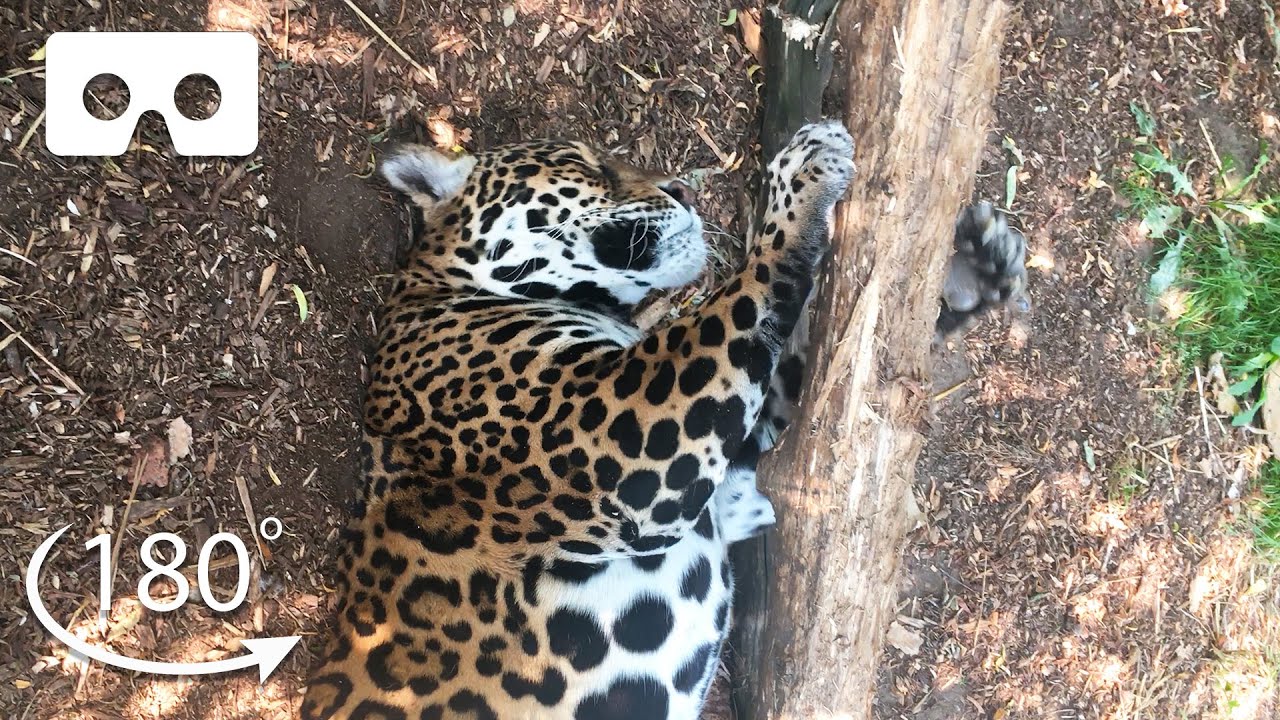
Get up close to the incredible rescue animals at the Cat Survival Trust, UK. The Trust saves animals from across Europe and educates students and the public on the importance of wildlife.
Subscribe: http://bit.ly/BBCEarthSub
Watch more:
Planet Earth http://bit.ly/PlanetEarthPlaylist
Blue Planet http://bit.ly/BluePlanetPlaylist
Planet Earth II http://bit.ly/PlanetEarthIIPlaylist
Planet Dinosaur http://bit.ly/PlanetDinoPlaylist
VR 180
Welcome to BBC EARTH! The world is an amazing place full of stories, beauty and natural wonder. Here you'll find 50 years worth of entertaining and thought-provoking natural history content. Dramatic, rare, and exclusive, nature doesn't get more exciting than this.
Want to share your views with the team? Join our BBC Studios Voice: https://www.bbcstudiosvoice.com/register
This is a page from BBC Studios who help fund new BBC programmes. Service information and feedback: http://bbcworldwide.com/vod-fe....edback--contact-deta

Is levitation possible? YouTube Originals and BBC Studios bring you The Edge of Science, a scientific dive into the outer reaches of our understanding. Follow host and science enthusiast, Rick Edwards as he taps into the scientific community of YouTube to help him fulfill a lifetime's ambition - to levitate himself. Physics girl (Dianna Cowern) and science inventor, Colin Furze, join Rick and together, they will experiment their way into getting Rick off the ground, by physics alone. Can they do it?
Love learning on YouTube? Check out YouTube's new and improved learning hub (youtube.com/learning) for everything from well-being to history to how tos and all of the things in between. You'll also find more great YouTube Originals content full of your favourite YouTube Creators.
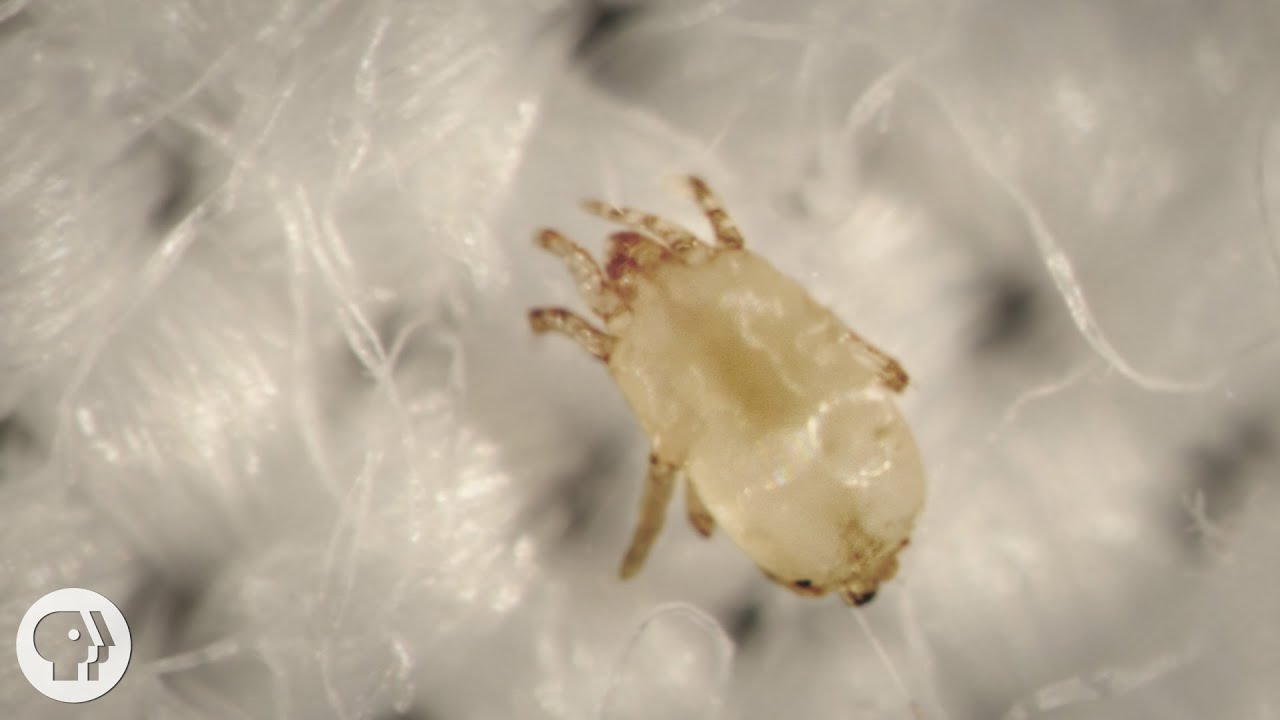
You may think that you've got the house to yourself, but chances are you have about 100 different types of animals living with you. Many of them are harmless, but a few can be dangerous in ways you wouldn't expect. New research explores exactly whom you share your home with and how they got there.
SUBSCRIBE to Deep Look! http://goo.gl/8NwXqt
DEEP LOOK: a new ultra-HD (4K) short video series created by KQED San Francisco and presented by PBS Digital Studios. See the unseen at the very edge of our visible world. Get a new perspective on our place in the universe and meet extraordinary new friends. Explore big scientific mysteries by going incredibly small.
---+ About Dust Mites
With the warming weather it’s the season for spring cleaning. But before you reach for the broom and mop, take a moment to look at who else is sharing your home with you. The number of uninvited guests you find in your dustpan may surprise you.
A recent study published in the journal PeerJ took up the challenge of cataloging the large numbers of tiny animals that live in human dwellings. The researchers found that the average home contains roughly 100 different species of arthropods, including familiar types like flies, spiders and ants, but also some kinds that are less well known like gall wasps and book lice. And no matter how much human residents may clean, there will always be a considerable number of mini-roommates.
“Even as entomologists we were really surprised. We live in our houses all the time, so we thought we’d be more familiar with the kind of things we’d come across. There was a surprising level of biodiversity,” said Michelle Trautwein, assistant curator of entomology at the California Academy of Sciences in San Francisco.
---+ What are dust mites?
Dust mites are tiny animals, related to spiders, that are usually too small to be seen with the naked eye. They feed on dead skin that humans shed every day and their droppings may cause allergic reactions and may aggravate asthma, especially in children.
---+ How do you minimize dust mites?
It’s practically impossible to completely rid a home of dust mites, but frequent cleaning and removing carpeting can help. Wet cleaning like mopping helps keep from stirring up dust while cleaning. The most effective way to keep dust mite populations down is to keep the indoor humidity level low. Dust mites can only survive in humid environments.
---+ How do you see dust mites?
Dust mites are about .2mm long. You can see dust mites with a powerful magnifying glass, but you can get a better view by using a microscope.
Read the entire article on KQED Science:
http://ww2.kqed.org/science/20....16/04/05/meet-the-du
---+ More great DEEP LOOK episodes:
The Bombardier Beetle And Its Crazy Chemical Cannon
http://ww2.kqed.org/science/20....16/04/05/meet-the-du
Where Are the Ants Carrying All Those Leaves?
https://www.youtube.com/watch?v=-6oKJ5FGk24
Banana Slugs: Secret of the Slime
https://www.youtube.com/watch?v=mHvCQSGanJg
--- Super videos from the PBS Digital Studios Network!
It's Okay To Be Smart: How Do Bees Make Honey?
https://youtu.be/nZlEjDLJCmg
Gross Science: What's Living On Your Contact Lenses?
https://www.youtube.com/watch?v=wRMKzsU9zec
Gross Science: You Have Mites Living On Your Face
https://www.youtube.com/watch?v=oMmCWx8vySs
--- More content from KQED Science, Northern California's PBS and NPR affiliate:
KQED Science: http://www.kqed.org/science
Tumblr: http://kqedscience.tumblr.com
Twitter: https://www.twitter.com/kqedscience
Funding for Deep Look is provided in part by PBS Digital Studios and the John S. and James L. Knight Foundation. Deep Look is a project of KQED Science, which is also supported by HopeLab, the David B. Gold Foundation, the S. D. Bechtel, Jr. Foundation, the Dirk and Charlene Kabcenell Foundation, the Vadasz Family Foundation, the Gordon and Betty Moore Foundation, the Smart Family Foundation and the members of KQED.
#deeplook
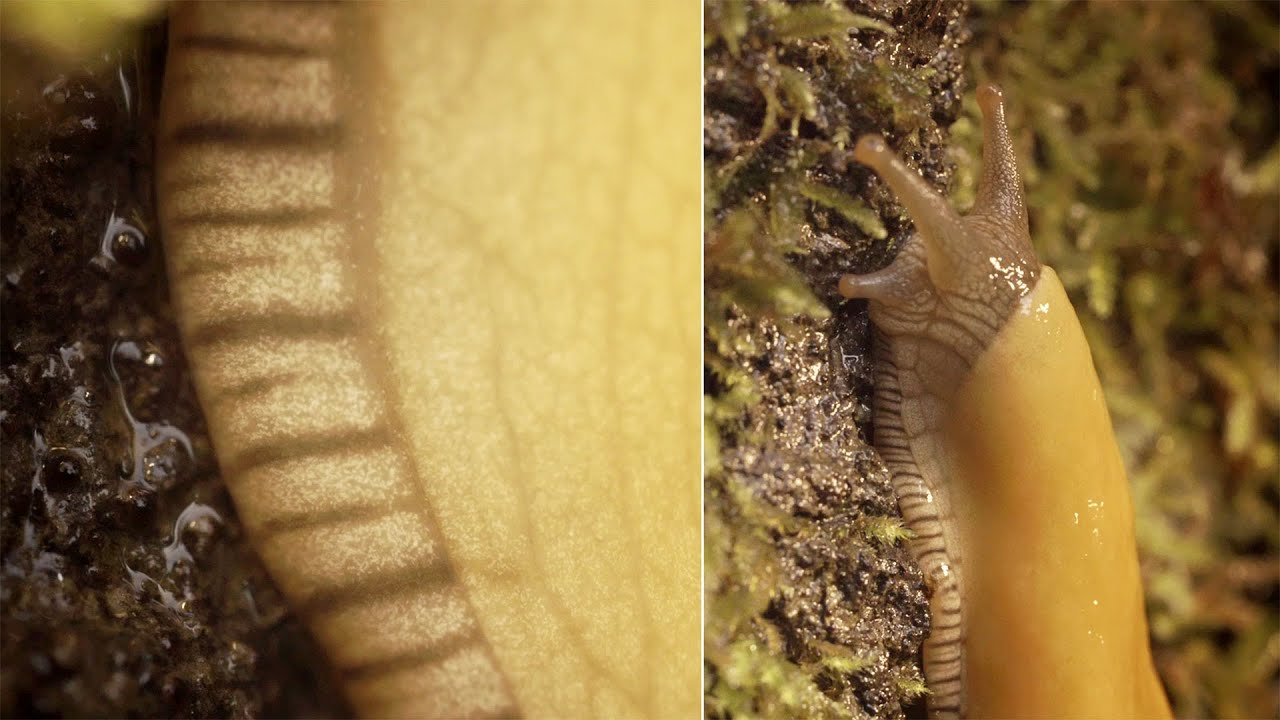
Beneath the towering redwoods lives one of the most peculiar creatures in California: the banana slug. They're coated with a liquid crystal ooze that solves many problems slugs face in the forest -- and maybe some of our own.
SUBSCRIBE: http://goo.gl/8NwXqt
Banana slugs are important members of the redwood forest community, even if they aren't the most exalted. They eat animal droppings, leaves and other detritus on the forest floor, and then generate waste that fertilizes new plants. Being slugs, they don't move very quickly, and without a shell, they need other protection to keep themselves from becoming food and then fertilizer. Their main defense: slime. Slime refers to mucus-the same stuff that coats your nose and lungs-found on the outside of an animal's body. Banana slug slime contains nasty chemicals that numb the tongue of any animal that attempts to nibble it, discouraging predators like raccoons, who have to go to the trouble of removing the slime if they want to eat the slug. But this is just one of many ways slugs depend on slime, and they use it for everything from locomotion to nutrition.
Read more in our article on KQED Science:
http://blogs.kqed.org/science/....2015/02/17/banana-sl
Funding for Deep Look is provided in part by PBS Digital Studios and the John S. and James L. Knight Foundation. Deep Look is a project of KQED Science, which is supported by HopeLab, The David B. Gold Foundation; S. D. Bechtel, Jr. Foundation; The Dirk and Charlene Kabcenell Foundation; The Vadasz Family Foundation; Smart Family Foundation and the members of KQED.
#deeplook
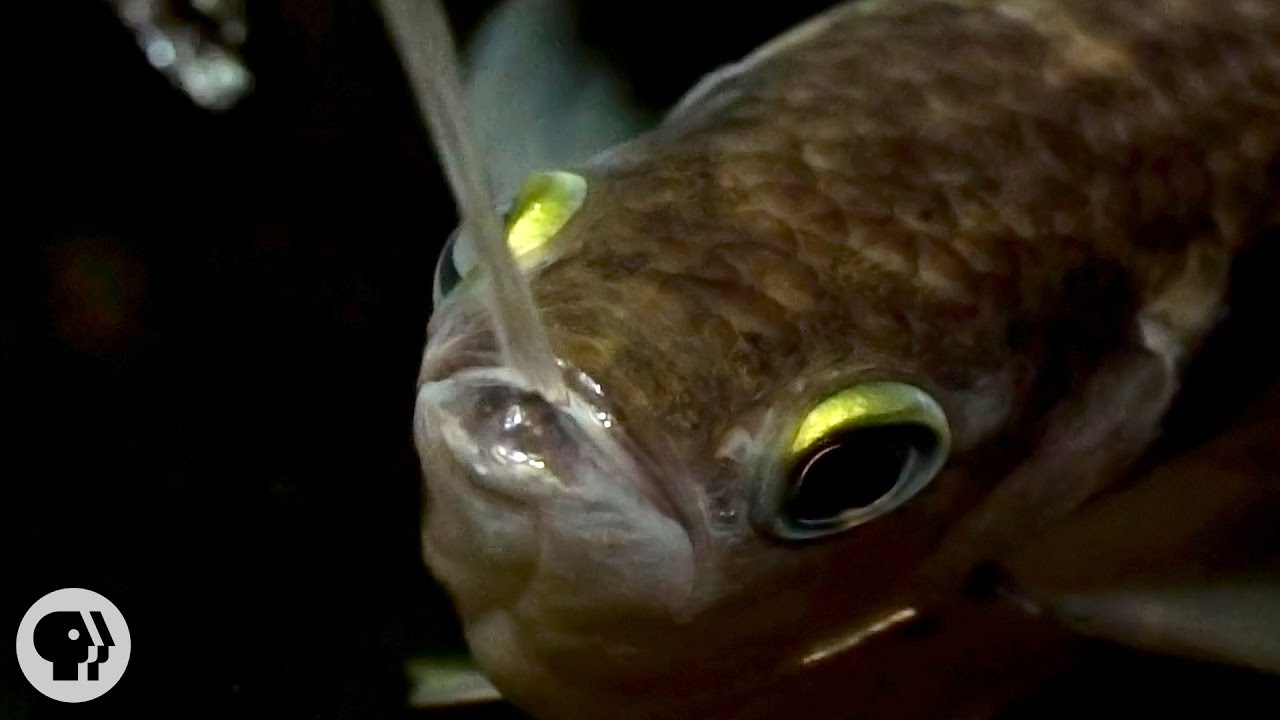
The archerfish hunts by spitting water at terrestrial targets with weapon-like precision, and can even tell human faces apart. Is this fish smarter than it looks?
SUBSCRIBE to Deep Look! http://goo.gl/8NwXqt
DEEP LOOK is a ultra-HD (4K) short video series created by KQED San Francisco and presented by PBS Digital Studios. See the unseen at the very edge of our visible world. Get a new perspective on our place in the universe and meet extraordinary new friends. Explore big scientific mysteries by going incredibly small.
* NEW VIDEOS EVERY OTHER TUESDAY! *
Humans always have assumed we’ve cornered the market on intelligence. But because of archerfish and other bright lights in the animal kingdom, that idea is itself evolving.
Archerfish normally make their living in the mangrove forests of Southeast Asia and Australia, where they spit water at ants, beetles and other insects living on the trees’ half-submerged roots. The fish’s high-pressure projectiles knock prey from their perches into the water, and the fish swoops in.
This novel feeding behavior, restricted to only seven species of fish, has attracted the attention of researchers ever since it was first described in 1764.
The jet’s tip and tail unite at the moment of impact, which is critical to the success of the attack, especially as the target distance approaches the limit of the fish’s maximum spitting range of about six feet. The fish accomplishes this feat of timing through deliberate control of its highly-evolved mouthparts, in particular its lips, which act like an adjustable hose that can expand and contract while releasing the water.
So in a way, to hit a target that’s further away, the fish doesn’t spit harder. It spits smarter. But just how smart is an archerfish?
Using the archerfish’s spitting habits as a starting point, one researcher trained some lab fish to spit at an image of one human face with food rewards. Then, on a monitor suspended over the fish tank, she showed them a series of other faces, in pairs, adding in the familiar one.
When the trained fish saw that familiar face, they would spit, to a high degree of accuracy. In a sense, the fish “recognized” the face, which should have been beyond the capacity of its primitive brain.
--- Where do archerfish live?
In Thailand, Australia, and other parts of Southeast Asia, usually in mangrove forests.
--- What do archerfish eat?
Insects and spiders that live close to the waterline. Archerfish won’t eat anything once it’s sinks too far below the surface.
--- How do archerfish spit?
They squeeze water through their mouth opening, using specially evolved mouthparts.
---+ Read the entire article on KQED Science:
https://ww2.kqed.org/science/2....017/01/31/archerfish
---+ For more information:
Visit the California Academy of Sciences: http://www.calacademy.org/
---+ More Great Deep Look episodes:
Sea Urchins Pull Themselves Inside Out to be Reborn
https://www.youtube.com/watch?v=ak2xqH5h0YY
Sticky. Stretchy. Waterproof. The Amazing Underwater Tape of the Caddisfly
https://www.youtube.com/watch?v=Z3BHrzDHoYo
---+ See some great videos and documentaries from the PBS Digital Studios!
Gross Science: Sea Cucumbers Have Multipurpose Butts
https://www.youtube.com/watch?v=xjnvRKDdaWY
Physics Girl: DIY Lightning Experiment! Make a SHOCKING Capacitor
https://www.youtube.com/watch?v=rG7N_Zv6_gQ
---+ Follow KQED Science:
KQED Science: http://www.kqed.org/science
Tumblr: http://kqedscience.tumblr.com
Twitter: https://www.twitter.com/kqedscience
---+ About KQED
KQED, an NPR and PBS affiliate in San Francisco, CA, serves Northern California and beyond with a public-supported alternative to commercial TV, Radio and web media.
Funding for Deep Look is provided in part by PBS Digital Studios and the John S. and James L. Knight Foundation. Deep Look is a project of KQED Science, which is also supported by HopeLab, the S. D. Bechtel, Jr. Foundation, the Dirk and Charlene Kabcenell Foundation, the Vadasz Family Foundation, the Gordon and Betty Moore Foundation, the Smart Family Foundation and the members of KQED.
#deeplook

The Peruvian Amazon is a dangerous place when you're small. So the young Inga tree hires ants as bodyguards to protect its vulnerable leaves. Their pay: delicious nectar served up in tiny ant-sized dishes. But will the ants keep up their end of the bargain?
SUBSCRIBE to Deep Look! http://goo.gl/8NwXqt
DEEP LOOK is a ultra-HD (4K) short video series created by KQED San Francisco and presented by PBS Digital Studios. See the unseen at the very edge of our visible world. Get a new perspective on our place in the universe. Explore big scientific mysteries by going incredibly small.
* NEW VIDEOS EVERY OTHER TUESDAY! *
For some, ants are welcome guests. In the Amazon rainforest of Peru, a type of tree called the Inga actively encourages ants to stick around.
The tree, which is related to plants that produce beans and other legumes, grows tiny structures near the base of its leaves, called nectaries, that secrete a sugary fluid to feed to the ants. In turn, the ants serve as bodyguards, protecting the Inga and its nectaries from invading herbivores.
“Plants have all kinds of defenses, but because Inga leaves are not as toxic as many other plants,” says Suzanne Koptur, a professor of biology at Florida International University, “they’re good food for herbivores of all sizes and shapes, from big mammals like sloths and monkeys to little invertebrates like caterpillars.“
The rainforest is especially dangerous for young trees. The branches and leaves of mature trees merge together high in the air forming a canopy. Young trees on the forest floor struggle to get enough light. Young trees also have fewer leaves, and losing even a few to herbivores can threaten their survival.
They may be small, but few species want to tangle with the aggressive and territorial big-headed ants.
"Ants have powers in numbers, especially if they bite and sting," says Koptur.
The ants keep most herbivores, especially hungry caterpillars, away from the young trees. Simply put, the trees provide nectar to the ants in exchange for protection.
--- What is mutualism?
In biology, mutualism refers to a relationship between two organisms that benefits both of parties. Mutualism is one type of symbiotic relationship.
--- What are caterpillars?
Caterpillars are the larvae of butterflies and caterpillars. Young caterpillars hatch out of eggs, eat, grow and molt. They eventually pupate inside their cocoons and then emerge as winged adults.
--- What is plant nectar?
Nectar is a sugary liquid secreted by plants through structures called nectaries. Nectaries are commonly found in flowers to attract pollinators. Some plants also have extra-floral nectaries located outside of the flowers. To attract animals including ants and predatory wasps that protect the plant from herbivores.
---+ Read the entire article on KQED Science:
https://ww2.kqed.org/science/2....016/11/01/the-double
---+ For more information:
Interactions Among Inga, Herbivores, Ants, and Insect Visitors to Foliar Nectaries
http://faculty.fiu.edu/~koptur....s/pubs/MVbookIngaAnt
---+ More Great Deep Look episodes:
Winter is Coming For These Argentine Ant Invaders
https://www.youtube.com/watch?v=boyzWeHdtiI
Where Are the Ants Carrying All Those Leaves?
https://www.youtube.com/watch?v=-6oKJ5FGk24
This Vibrating Bumblebee Unlocks a Flower's Hidden Treasure
https://www.youtube.com/watch?v=-6oKJ5FGk24
---+ See some great videos and documentaries from the PBS Digital Studios!
It's Okay to Be Smart: Why Don't Ants Get Stuck In Traffic?
https://www.youtube.com/watch?v=kkiuw0HbRq4
Gross Science: The World's Most Expensive Fungus
https://www.youtube.com/watch?v=iV4WHFU2Id8
---+ Follow KQED Science:
KQED Science: http://www.kqed.org/science
Tumblr: http://kqedscience.tumblr.com
Twitter: https://www.twitter.com/kqedscience
---+ About KQED
KQED, an NPR and PBS affiliate based in San Francisco, serves the people of Northern California and beyond with a public-supported alternative to commercial media. Home to one of the most listened-to public radio station in the nation, one of the highest-rated public television services and an award-winning education program, KQED is also a leader and innovator in interactive media and technology, taking people of all ages on journeys of exploration — exposing them to new people, places and ideas.
Funding for Deep Look is provided in part by PBS Digital Studios and the John S. and James L. Knight Foundation. Deep Look is a project of KQED Science, which is also supported by HopeLab, the David B. Gold Foundation, the S. D. Bechtel, Jr. Foundation, the Dirk and Charlene Kabcenell Foundation, the Vadasz Family Foundation, the Gordon and Betty Moore Foundation, the Smart Family Foundation and the members of KQED. macro documentary
#deeplook
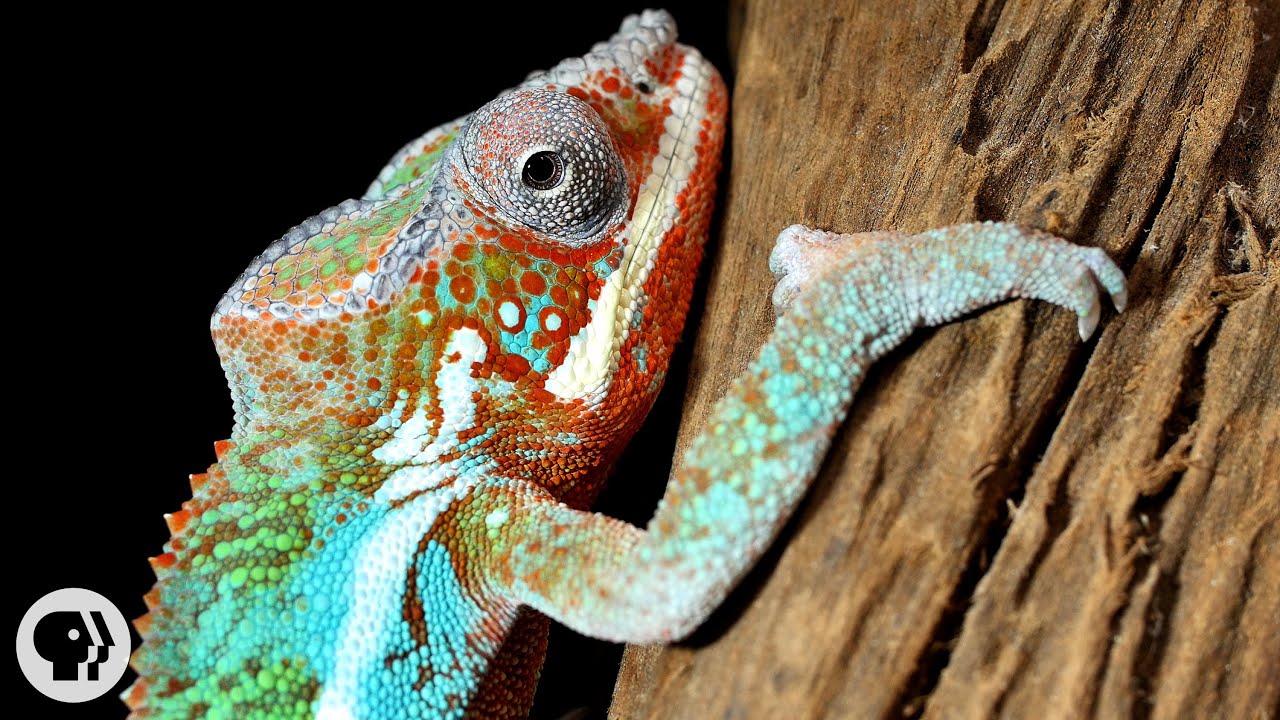
Chameleons don't change color to match their environment; it’s just the opposite. How do they do it? By manipulating tiny crystals in their skin. Now, UC Berkeley researchers are on a quest to create synthetic chameleon skin inspired by these reptiles’ uncanny ability.
DEEP LOOK: a new ultra-HD (4K) short video series created by KQED San Francisco and presented by PBS Digital Studios. See the unseen at the very edge of our visible world. Get a new perspective on our place in the universe and meet extraordinary new friends. Explore big scientific mysteries by going incredibly small.
--- How do Chameleons Change Color?
Chameleons are some of the most brilliantly colored animals on the planet. But how did they evolve the ability to change color?
Scientists used to believe that chameleons changed color by spreading out pigments in their skin, much like octopuses or squid do.
The top layer of chameleon skin – called the epidermis – contains yellow pigment cells called xanthophores, and red pigment cells called erythrophores. But the amount of pigment in the cells stays the same, even when the chameleon changes color.
Just beneath the chameleon’s skin is a layer of cells called iridophores. These cells contain microscopic salt crystals, which are arranged in a three-dimensional pattern like oranges stacked on a fruit stand.
When light hits the crystals, some wavelengths are absorbed and some are reflected. The result, to our eyes, is the beautiful rainbow of colors on the chameleon’s skin. But what we’re actually seeing is light that is bouncing off of these tiny crystals. What we perceive as green, for example, is blue wavelengths of light being reflected off the crystals and through the layer of yellow xanthophore cells in the chameleon’s epidermis. The result is bright green skin that contains no green pigment!
The process of changing color is called metachrosis.
--- Why do Chameleons Change Color?
Chameleons don’t change color to match their environment. In fact, it’s just the opposite.
Their baseline is camouflage.
When chameleons are relaxed, they’re mostly green. They naturally blend into their home in the forest canopy. They even mimic leaves by dancing around a little.
But when they feel threatened, annoyed, or just want to show a little swagger, that’s when their color changes.
Scientists once thought that chameleons color-changing abilities allowed them to better camouflage themselves. Most species of chameleons live high in the forest canopy and their various shades of green provide natural camouflage. Even their movement provides camouflage – they dance around to mimic leaves blowing in the wind.
In fact, chameleons change color primarily to communicate with each other, as though they were living mood rings. Males will warn each other about their territory and females will change color to let males know whether they’re interested in breeding.
Chameleons also have a second layer of iridiophore cells just beneath the first. The crystals in that layer are larger and reflect light waves in the infrared wavelengths. This suggests that chameleons are also changing colors to regulate their temperature, according to Milinkovitch. Chameleons are cold-blooded and heat their bodies with the warmth of the sun.
Read the article for this video on KQED Science:
http://ww2.kqed.org/science/20....15/08/25/natures-moo
--- More great DEEP LOOK episodes:
Where Are the Ants Carrying All Those Leaves?
https://www.youtube.com/watch?v=-6oKJ5FGk24
What Happens When You Put a Hummingbird in a Wind Tunnel?
https://www.youtube.com/watch?v=JyqY64ovjfY
Pygmy Seahorses: Masters of Camouflage
https://www.youtube.com/watch?v=Q3CtGoqz3ww
--- Related video from the PBS Digital Studios Network!
Nature's Most Amazing Animal Superpowers - It’s Okay to be Smart
https://www.youtube.com/watch?v=e69yaWDkVGs
--- Other Great Science Videos About Chameleons
How Do Chameleons Change Color? - Veritasium
https://www.youtube.com/watch?v=SQggDnScsvI
True Facts About The Chameleon - zefrank1
https://www.youtube.com/watch?v=UR_byRbXxvs
--- More KQED SCIENCE:
Tumblr: http://kqedscience.tumblr.com
Twitter: https://www.twitter.com/kqedscience
KQED Science: http://ww2.kqed.org/science
Funding for Deep Look is provided in part by PBS Digital Studios and the John S. and James L. Knight Foundation. Deep Look is a project of KQED Science, which is supported by HopeLab, The David B. Gold Foundation; S. D. Bechtel, Jr. Foundation; The Dirk and Charlene Kabcenell Foundation; The Vadasz Family Foundation; Smart Family Foundation and the members of KQED.
#deeplook
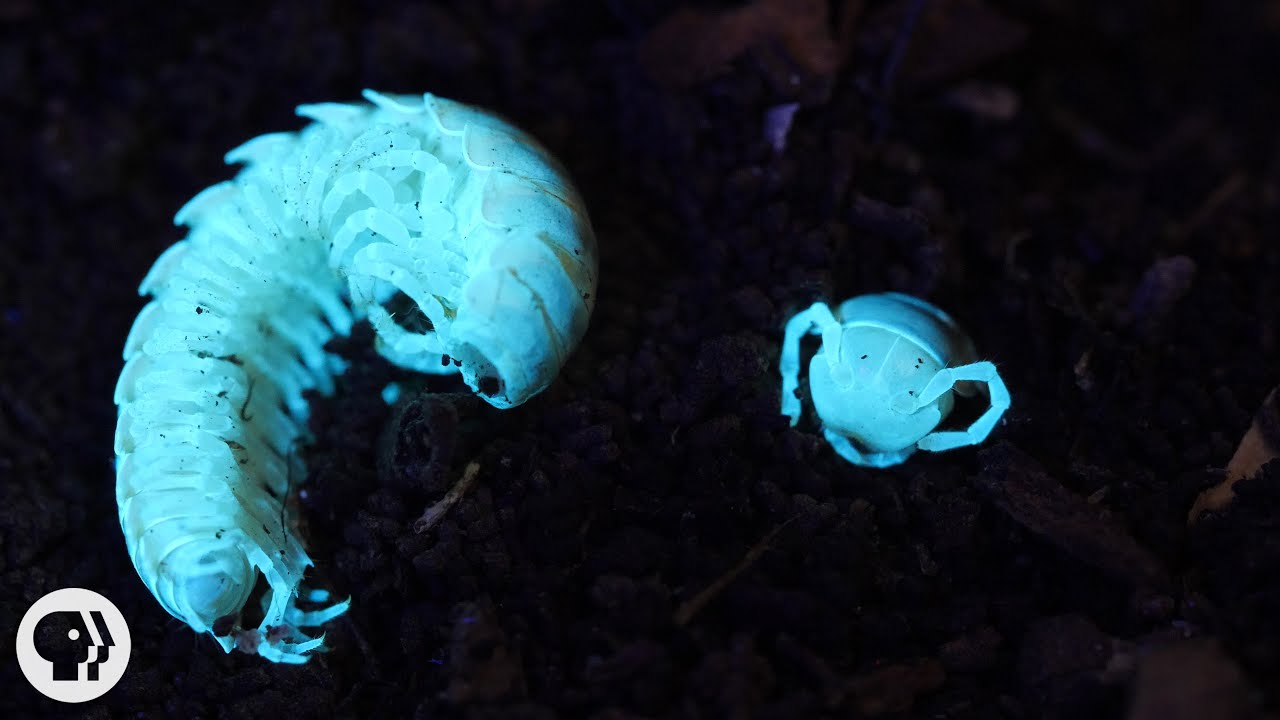
This millipede uses deadly cyanide gas to keep predators at bay. But one beetle can tolerate the toxic defense and rides the millipede like a bucking bronco. Who will win this showdown in the forest?
SUBSCRIBE to Deep Look! http://goo.gl/8NwXqt
Please support us on Patreon! https://www.patreon.com/deeplook
DEEP LOOK is a ultra-HD (4K) short video series created by KQED San Francisco and presented by PBS Digital Studios. See the unseen at the very edge of our visible world. Explore big scientific mysteries by going incredibly small.
---
Across Northern California, as the rainy season is ending and spring is taking hold, bees are buzzing, flowers are growing and hikers are hitting the trails.
But down at ground level, the pastoral scenery is concealing a surprising battle: relentless chemical warfare between bugs.
More than 200 species of millipedes emerge from their underground lairs every year during the winter and early spring months to forage for food and seek mates.
They have to fend off insects, mammals, reptiles and amphibians looking for a tasty meal. But they have a secret weapon – toxic chemicals they shoot from special glands. One Bay Area species, Xystocheir dissecta, carries deadly cyanide and benzaldehyde.
If they’re feeling threatened, these millipedes produce an invisible, odorless hydrogen cyanide gas that they spray at predators, and which is virtually toxic to all organisms. One byproduct is benzaldehyde, which gives off the scent of bitter almonds, as an additional signal that they’re secreting poison.
The millipedes don’t poison themselves, however. They’ve developed an immunity.
The cyanide can kill nearly any other animal trying to dine on the millipedes. Except one.
New research has found that one tough beetle is the only known predator in the world that can survive a direct blast of cyanide gas and keep going.
Brandt Weary, an entomologist, studied these hardy beetles last year for his senior thesis at the University of California Berkeley.
The beetles, known as Promecognathus crassus, love to eat millipedes, even though they are only one-fifth the millipedes’ size.
Weary wanted to know more about how the beetles withstood the millipedes’ tough chemical defense. He found that while many other beetles will avoid the cyanide-spraying millipedes, Promecognathus seeks them out.
--- How many legs do millipedes have?
Most millipedes have between 34-400 legs, and the record is 750!
--- Why do these millipedes “glow” or fluoresce?
One theory behind millipede fluorescence is that it's a warning sign. Moonlight has some UV light, so maybe an animal with better night vision can see the fluorescence even if we can't.
--- Which millipedes produce cyanide?
Only millipedes in the order Polydesmida produce cyanide. It's the largest order of millipedes with about 3500 species.
---+ Read the entire article on KQED Science:
https://www.kqed.org/science/1....939811/this-milliped
---+ For more information:
Kip Will at UC Berkeley: https://ourenvironment.berkele....y.edu/people/kipling
Science on the SPOT: Glowing Millipedes of Alcatraz: https://ww2.kqed.org/quest/201....3/03/19/science-on-t
---+ Shoutout!
?Congratulations ?to these fans for suggesting our *5 favorite common names* for Xystocheir dissecta, on our Community Tab: https://www.youtube.com/channe....l/UC-3SbfTPJsL8fJAPK
#5 Unom Auhasard: Walking rave stick
#4 F E: "Lumilipede"
#3 Mr.salty: " hell no"
#2 Mystery Bomb Noel: "blue galaxy"
#1 Tinkili: "Glowy Feets McGee"
---+ Thank you to our Top Patreon Supporters ($10+ per month)!
Bill Cass, Justin Bull, Daniel Weinstein, Chris B Emrick, Karen Reynolds, Jeremy Lambert, David Deshpande, Daisuke Goto, Bugeyed.fr, WhatzGames, Elizabeth Ann Ditz, Robert Warner, Shirley Washburn, Tatianna Bartlett, KW, Tanya Finch, Elizabeth Wolden, Sayantan Dasgupta, Monica Albe, Willy Nursalim, Jenn's Bowtique, Jane Orbuch, Laurel Przybylski, Johnnyonnyful, Levi Cai, Jason Buberel, Mark Joshua Bernardo, Michael Mieczkowski, Jeanine Womble, Aurora Mitchell, Edwin Rivas, Marjorie D Miller, Companion Cube, Chris Murphy, Joao Ascensao, Two Box Fish, PM Daeley, TierZoo, Robert Amling, Shelley Pearson Cranshaw, Mario Rahmani
---+ About KQED
KQED, an NPR and PBS affiliate in San Francisco, CA, serves Northern California and beyond with a public-supported alternative to commercial TV, Radio and web media.
Funding for Deep Look is provided in part by PBS Digital Studios. Deep Look is a project of KQED Science, which is also supported by the National Science Foundation, the Templeton Religion Trust, the Templeton World Charity Foundation, the S. D. Bechtel, Jr. Foundation, the Dirk and Charlene Kabcenell Foundation, the Vadasz Family Foundation, the Gordon and Betty Moore Foundation, the Fuhs Family Foundation and the members of KQED.
#millipede #beetle #deeplook

La Virgen se aparece a la Madre Teresa de Calcuta y le pide que enseñe a los pobre el Rosario
TEKTON NECESITA TU APOYO PARA CONTINUAR CON SU LABOR APOSTÓLICA Y CARITATIVA, SI PUEDES HACERNOS UN DONATIVO TIENES DOS FORMAS:
HAZTE PATROCINADOR: https://www.patreon.com/CTtekton
DONATIVO A TRAVÉS DE LA WEB: https://www.tekton.info/hacer-caridad/
OTRAS REDES SOCIALES
Web: https://www.tekton.info/
San José de tekton: https://www.youtube.com/channe....l/UCEy0tevPx3RayM5PA
Instagram Tekton: https://www.instagram.com/prod....uctoratekton/?hl=es-
Instagram Marcos: https://www.instagram.com/marcosveraperez/?hl=es
Twitter: https://twitter.com/productoratekto
Twitter Marcos: https://twitter.com/marcosveraprez1?lang=es
Tekton es un canal de youtube católico nacido en Barcelona (España), puedes encontrar noticias relacionadas con la Iglesia Católica, y recursos de otro tipo como formación católica, oraciones, música católica, vídeos del Papa Francisco, curiosidades, vidas de Santos, el Evangelio del día, y otras muchas cosas más. No dudes en entrar y ver el contenido que sin duda te gustará
Instagram de Marcos Vera: https://www.instagram.com/marcosveraperez/
Twitter de Marcos Vera: https://twitter.com/MarcosVeraPrez1
Twitter de Jesus Sellas: https://twitter.com/JesusSellas
Hacer un donativo: https://www.tekton.info/hacer-caridad/
Tienda de merchandising de Tekton: https://teespring.com/stores/t....ekton-centro-televis
Web: http://www.tekton.info
Facebook: https://www.facebook.com/productoratekton/
Twitter: https://twitter.com/productoratekto?s=09
Instagram: https://www.instagram.com/productoratekton/
Google+: https://plus.google.com/u/1/+T....ektonTekton?hl=es-41
#Tekton
#TektonCentroTelevisivo
#TektonYouTube
#CanalCatolicoYouTube

Descubre las 5 ordenes religiosas medievales
TEKTON NECESITA TU APOYO PARA CONTINUAR CON SU LABOR APOSTÓLICA Y CARITATIVA, SI PUEDES HACERNOS UN DONATIVO TIENES DOS FORMAS:
HAZTE PATROCINADOR: https://www.patreon.com/CTtekton
DONATIVO A TRAVÉS DE LA WEB: https://www.tekton.info/hacer-caridad/
OTRAS REDES SOCIALES
Web: https://www.tekton.info/
San José de tekton: https://www.youtube.com/channe....l/UCEy0tevPx3RayM5PA
Instagram Tekton: https://www.instagram.com/prod....uctoratekton/?hl=es-
Instagram Marcos: https://www.instagram.com/marcosveraperez/?hl=es
Twitter: https://twitter.com/productoratekto
Twitter Marcos: https://twitter.com/marcosveraprez1?lang=es
Tekton es un canal de youtube católico nacido en Barcelona (España), puedes encontrar noticias relacionadas con la Iglesia Católica, y recursos de otro tipo como formación católica, oraciones, música católica, vídeos del Papa Francisco, curiosidades, vidas de Santos, el Evangelio del día, y otras muchas cosas más. No dudes en entrar y ver el contenido que sin duda te gustará
Instagram de Marcos Vera: https://www.instagram.com/marcosveraperez/
Twitter de Marcos Vera: https://twitter.com/MarcosVeraPrez1
Twitter de Jesus Sellas: https://twitter.com/JesusSellas
Hacer un donativo: https://www.tekton.info/hacer-caridad/
Tienda de merchandising de Tekton: https://teespring.com/stores/t....ekton-centro-televis
Web: http://www.tekton.info
Facebook: https://www.facebook.com/productoratekton/
Twitter: https://twitter.com/productoratekto?s=09
Instagram: https://www.instagram.com/productoratekton/
Google+: https://plus.google.com/u/1/+T....ektonTekton?hl=es-41
#Tekton
#TektonCentroTelevisivo
#TektonYouTube
#CanalCatolicoYouTube

Continuas profanaciones de la Eucaristía en esta ocasión en México se roba un sagrario
TEKTON NECESITA TU APOYO PARA CONTINUAR CON SU LABOR APOSTÓLICA Y CARITATIVA, SI PUEDES HACERNOS UN DONATIVO TIENES DOS FORMAS:
HAZTE PATROCINADOR: https://www.patreon.com/CTtekton
DONATIVO A TRAVÉS DE LA WEB: https://www.tekton.info/hacer-caridad/
OTRAS REDES SOCIALES
Web: https://www.tekton.info/
San José de tekton: https://www.youtube.com/channe....l/UCEy0tevPx3RayM5PA
Instagram Tekton: https://www.instagram.com/prod....uctoratekton/?hl=es-
Instagram Marcos: https://www.instagram.com/marcosveraperez/?hl=es
Twitter: https://twitter.com/productoratekto
Twitter Marcos: https://twitter.com/marcosveraprez1?lang=es
Tekton es un canal de youtube católico nacido en Barcelona (España), puedes encontrar noticias relacionadas con la Iglesia Católica, y recursos de otro tipo como formación católica, oraciones, música católica, vídeos del Papa Francisco, curiosidades, vidas de Santos, el Evangelio del día, y otras muchas cosas más. No dudes en entrar y ver el contenido que sin duda te gustará
Instagram de Marcos Vera: https://www.instagram.com/marcosveraperez/
Twitter de Marcos Vera: https://twitter.com/MarcosVeraPrez1
Twitter de Jesus Sellas: https://twitter.com/JesusSellas
Hacer un donativo: https://www.tekton.info/hacer-caridad/
Tienda de merchandising de Tekton: https://teespring.com/stores/t....ekton-centro-televis
Web: http://www.tekton.info
Facebook: https://www.facebook.com/productoratekton/
Twitter: https://twitter.com/productoratekto?s=09
Instagram: https://www.instagram.com/productoratekton/
Google+: https://plus.google.com/u/1/+T....ektonTekton?hl=es-41
#Tekton
#TektonCentroTelevisivo
#TektonYouTube
#CanalCatolicoYouTube

Pelicula religiosa. Scoto: el defensor de la Inmaculada
Tekton es un canal de noticias católicas nacido en Barcelona (España), puedes encontrar noticias relacionadas con la Iglesia Católica, y recursos de otro tipo como vidas de Santos, el Evangelio del día, y otras muchas cosas más. No dudes en entrar y ver el contenido que sin duda te gustará, nuestra web es http://www.tekton.info

Los Exorcistas advierten de las practicas más peligrosas que el demonio utiliza y como defenderse
TEKTON NECESITA TU APOYO PARA CONTINUAR CON SU LABOR APOSTÓLICA Y CARITATIVA, SI PUEDES HACERNOS UN DONATIVO TIENES DOS FORMAS:
HAZTE PATROCINADOR: https://www.patreon.com/CTtekton
DONATIVO A TRAVÉS DE LA WEB: https://www.tekton.info/hacer-caridad/
OTRAS REDES SOCIALES
Web: https://www.tekton.info/
San José de tekton: https://www.youtube.com/channe....l/UCEy0tevPx3RayM5PA
Instagram Tekton: https://www.instagram.com/prod....uctoratekton/?hl=es-
Instagram Marcos: https://www.instagram.com/marcosveraperez/?hl=es
Twitter: https://twitter.com/productoratekto
Twitter Marcos: https://twitter.com/marcosveraprez1?lang=es
Tekton es un canal de youtube católico nacido en Barcelona (España), puedes encontrar noticias relacionadas con la Iglesia Católica, y recursos de otro tipo como formación católica, oraciones, música católica, vídeos del Papa Francisco, curiosidades, vidas de Santos, el Evangelio del día, y otras muchas cosas más. No dudes en entrar y ver el contenido que sin duda te gustará
Instagram de Marcos Vera: https://www.instagram.com/marcosveraperez/
Twitter de Marcos Vera: https://twitter.com/MarcosVeraPrez1
Twitter de Jesus Sellas: https://twitter.com/JesusSellas
Hacer un donativo: https://www.tekton.info/hacer-caridad/
Tienda de merchandising de Tekton: https://teespring.com/stores/t....ekton-centro-televis
Web: http://www.tekton.info
Facebook: https://www.facebook.com/productoratekton/
Twitter: https://twitter.com/productoratekto?s=09
Instagram: https://www.instagram.com/productoratekton/
Google+: https://plus.google.com/u/1/+T....ektonTekton?hl=es-41
#Tekton
#TektonCentroTelevisivo
#TektonYouTube
#CanalCatolicoYouTube

¿Por qué el azul es el color de la Virgen Maria?
Tekton es un canal de noticias católicas nacido en Barcelona (España), puedes encontrar noticias relacionadas con la Iglesia Católica, y recursos de otro tipo como vidas de Santos, el Evangelio del día, y otras muchas cosas más. No dudes en entrar y ver el contenido que sin duda te gustará, nuestra web es http://www.tekton.info

¿Que decía Martín Lutero sobre la Virgen María?
Tekton es un canal de noticias católicas nacido en Barcelona (España), puedes encontrar noticias relacionadas con la Iglesia Católica, y recursos de otro tipo como vidas de Santos, el Evangelio del día, y otras muchas cosas más. No dudes en entrar y ver el contenido que sin duda te gustará, nuestra web es http://www.tekton.info

Historia del origen de la solemnidad del Corpus Christi
Tekton es un canal de noticias católicas nacido en Barcelona (España), puedes encontrar noticias relacionadas con la Iglesia Católica, y recursos de otro tipo como vidas de Santos, el Evangelio del día, y otras muchas cosas más. No dudes en entrar y ver el contenido que sin duda te gustará, nuestra web es http://www.tekton.info

Impresionante milagro eucarístico en VENEZUELA
TEKTON NECESITA TU APOYO PARA CONTINUAR CON SU LABOR APOSTÓLICA Y CARITATIVA, SI PUEDES HACERNOS UN DONATIVO TIENES DOS FORMAS:
HAZTE PATROCINADOR: https://www.patreon.com/CTtekton
DONATIVO A TRAVÉS DE LA WEB: https://www.tekton.info/hacer-caridad/
OTRAS REDES SOCIALES
Web: https://www.tekton.info/
San José de tekton: https://www.youtube.com/channe....l/UCEy0tevPx3RayM5PA
Instagram Tekton: https://www.instagram.com/prod....uctoratekton/?hl=es-
Instagram Marcos: https://www.instagram.com/marcosveraperez/?hl=es
Twitter: https://twitter.com/productoratekto
Twitter Marcos: https://twitter.com/marcosveraprez1?lang=es
Tekton es un canal de youtube católico nacido en Barcelona (España), puedes encontrar noticias relacionadas con la Iglesia Católica, y recursos de otro tipo como formación católica, oraciones, música católica, vídeos del Papa Francisco, curiosidades, vidas de Santos, el Evangelio del día, y otras muchas cosas más. No dudes en entrar y ver el contenido que sin duda te gustará
Instagram de Marcos Vera: https://www.instagram.com/marcosveraperez/
Twitter de Marcos Vera: https://twitter.com/MarcosVeraPrez1
Twitter de Jesus Sellas: https://twitter.com/JesusSellas
Hacer un donativo: https://www.tekton.info/hacer-caridad/
Tienda de merchandising de Tekton: https://teespring.com/stores/t....ekton-centro-televis
Web: http://www.tekton.info
Facebook: https://www.facebook.com/productoratekton/
Twitter: https://twitter.com/productoratekto?s=09
Instagram: https://www.instagram.com/productoratekton/
Google+: https://plus.google.com/u/1/+T....ektonTekton?hl=es-41
#Tekton
#TektonCentroTelevisivo
#TektonYouTube
#CanalCatolicoYouTube
