Top Vídeos

In 2015 the bees are still dying in masses. Which at first seems not very important until you realize that one third of all food humans consume would disappear with them. Millions could starve. The foes bees face are truly horrifying – some are a direct consequence of human greed. We need to help our small buzzing friends or we will face extremely unpleasant consequences.
Check out THE NOVA PROJECT: www.nova.org.au
You can make subtitles for the video here: http://www.youtube.com/timedte....xt_video?v=GqA42M4Rt
Videos, explaining things. Like evolution, time, space, global energy or our existence in this strange universe.
We are a team of designers, journalists and musicians who want to make science look beautiful. Because it is beautiful.
You can get the MUSIC for the video here:
https://soundcloud.com/epicmountain/bees
https://epicmountainmusic.bandcamp.com/track/bees
http://www.epic-mountain.com
Visit us on our Website, Twitter, Facebook, Patreon or Behance to say hi!
http://kurzgesagt.org
https://www.facebook.com/Kurzgesagt
https://twitter.com/Kurz_Gesagt
http://www.patreon.com/Kurzgesagt
http://www.behance.net/Kurzgesagt
THANKS A LOT TO OUR LOVELY PATRONS FOR SUPPORTING US:
Nathan Ardoin, Collin Rudkin, Karantor, Wesley Alexander, Alpaca Belle, william töyrä, Jasen Tamiia, Heeyun Chung, Ethan Wriston, Hoi-Fung, David Wilson, Morgan Rigby, Harrison Bross, Jacob Ash, lukas hulting, Katharine Foster, Nick Ingenito, Adithi Pandit, David Walsh, Oliver, gianmaria nicolis, Swaroop Narayan Manjunath, beeweasd, Giacomo Bersani, Evan Wilson, Matthew Fey, Nicholas Romano, Franco, Andrew Rehkopf, Tyler O'Connor, Fabi, Wait But Why, Brian, Carlos Rubio Abujas, Weronika Falkowska, Aaron, Carlos Carrasco, Christopher Setiobudi, Callum Howells
Luke Kutschinski, Geoffrey Lee, Brian David Henderson, Sébastien Blanchet, Stefan Ghizelea, Chris Smith, Sofian Madi, Jay Kidd, James Khoo, Eugene Foss, Spencer Clark, Robert Varasciuc, THEGURUDK, Erika Marks, Aurelien Gouny, Romi Kuntsman, Harry, Nicolas Huguet-Latour, Simon Thibodeau, Michael, Marc Dumont, Yeonghoon Park, Samuel Pacheco, Dave Hng, Mikkel Jespersen, Jerome Dimaano, Danylo Bozhagora, ryandelsol, Anton Sterenborg, Mason Y, Simon Welker, Demian Rosenblatt, Julius Hofman, Richard Harrison, Daniel P, Reinaldo Mizutani, Emil, A Patron, Þorsteinn Sævar Hjartarson, Davy Corbett, Veselin Kostadinov, Darth Hawke
The death of bees explained – Colony Collapse disorder
Help us caption & translate this video!
http://www.youtube.com/timedtext_cs_panel?c=UCsXVk37bltHxD1rDPwtNM8Q&tab=2

Banks are a riddle wrapped up in an enigma. We all kind of know that they do stuff with money we don’t understand, while the last crisis left a feeling of deep mistrust and confusion. We try to shed a bit of light onto the banking system. Why were banks invented, why did they cause the last crisis and are there alternatives?
The music from the video is available here!
http://epicmountainmusic.bandc....amp.com/track/bankin
http://soundcloud.com/epicmountain/banking
http://www.epic-mountain.com
Visit us on our Website, Twitter, Facebook, Patreon or Behance to say hi!
http://kurzgesagt.org
https://www.facebook.com/Kurzgesagt
https://twitter.com/Kurz_Gesagt
http://www.patreon.com/Kurzgesagt
http://www.behance.net/Kurzgesagt
Banking Explained – Money and Credit
Help us caption & translate this video!
http://www.youtube.com/timedtext_cs_panel?c=UCsXVk37bltHxD1rDPwtNM8Q&tab=2

How much time do you have left?
Time makes sense in small pieces. But when you look at huge stretches of time, it's almost impossible to wrap your head around things. So we teamed up with the awesome blog "Wait but Why" and made this video to help you putting things in perspective with some infographics!
This video has been a collaboration of KURZGESAGT & WAITBUTWHY!
http://www.waitbutwhy.com/
WAIT BUT WHY: AN AWESOME BLOG that shows you new perspectives on your life. Visit them, tell them hi from us! :D Trust us, it is worth your time!
http://www.waitbutwhy.com/
You can get the MUSIC of this video here: http://bit.ly/1dUEBwI .The "Album" includes two versions: the original version from the video and a more "songish" version. Thomas will receive all of the the revenue, so you'll support the artist responsible directly. :)
Short videos, explaining things. For example Evolution, the Universe, Time, the Stock Market or controversial topics like Fracking. Because we love science.
We would love to interact more with you, our viewers to figure out what topics you want to see. If you have a suggestion for future videos or feedback, drop us a line! :D
We're a bunch of Information designers from munich, visit us on facebook or behance to say hi!
https://www.facebook.com/Kurzgesagt
https://www.behance.net/kurzgesagt
The History and Future of Everything -- Time
Help us caption & translate this video!
http://www.youtube.com/timedtext_cs_panel?c=UCsXVk37bltHxD1rDPwtNM8Q&tab=2

The mechanisms of evolution explained in one video.
The theory of evolution explains how the enormous variety of life could come into existence. How it is possible for primitive life forms to spawn the millions of different creatures, that exist today. Unfortunately, evolution is often misunderstood, because it's mechanisms seem counter intuitive. By using visualizations, infographics and appealing characters, the viewer is more likely to understand it the complex information. More than that, by presenting the information in an entertaining way, the information is more likely to sink in.
Short videos, explaining things. For example Evolution, the Universe, Stock Market or controversial topics like Fracking. Because we love science.
We would love to interact more with you, our viewers to figure out what topics you want to see. If you have a suggestion for future videos or feedback, drop us a line! :)
We're a bunch of Information designers from munich, visit us on facebook or behance to say hi!
https://www.facebook.com/Kurzgesagt
https://www.behance.net/kurzgesagt
How Evolution Works
Help us caption & translate this video!
http://www.youtube.com/timedtext_cs_panel?c=UCsXVk37bltHxD1rDPwtNM8Q&tab=2

Sources:
https://sites.google.com/view/sourceseu-elections/
Playlist with all languages: https://bit.ly/2WFHNK5
Thanks to all the YouTubers who supported us!!!
Being a citizen of the European Union means that many aspects of our lives are regulated by a weird entity. It feels like a huge bureaucracy is making decisions over our heads. How democratic is the EU really and does your vote actually affect anything?
Support us on Patreon so we can make more videos (and get cool stuff in return): https://www.patreon.com/Kurzgesagt?ty=hKurzgesagt
Newsletter: http://eepurl.com/cRUQxz
Kurzgesagt Merch: https://bit.ly/2GeuQxZ
Facebook: http://bit.ly/1NB6U5O
Twitter: http://bit.ly/2DDeT83
Instagram: http://bit.ly/2DEN7r3
Discord:https://discordapp.com/invite/GTFf4Tq
The music of the video here:
Soundcloud: https://bit.ly/2wdcef3
Bandcamp: https://bit.ly/2EjOqdZ
Facebook: https://bit.ly/2GIoZlH
THANKS A LOT TO OUR LOVELY PATRONS FOR SUPPORTING US:Marsha Sohn, Henri Holler, Michelle, Dan Crowley, Alex Hackman, Sammy Mikhael, Marcus Thorén, Kevin Harris, Jayami, Andreas Poletti, David Coates, Omar Galvis, Denny Zavada, Don Knowlton, Sebastian, Jay Ruthnam, Shakira Graham, MatBu, Mikhail, Sinan Taifour, Knowledge Unlimited, Odilia Krause, Anri Digholm, Dominykas, James Gaglio, Alice Jones, Narciso Jaramillo, Qaalid Hashi, Nate Bender, Gulyás Gergely, Michael Bloch, Rick Merced, Etienne Huguenot, Jonathan Lopez, Kai Smith, Benjamin Arndt, Philip Potvin, Amy Halter, Dylan polin, Zach Evans, Karan Chawla, Michael Casey, Francis Bouchard, William Gu, peck neck, Dien Buwono, Patrick Pruitt, Alexander Isayenko, Connor Doherty, Kierr Suñega, Kongpak Phupa, Lewis Foret, Daniel Ingegneri, David Saitta, Soeren Pollerhof, Ravi Shankar, Nico Kooyman, Anna Liceva, Dan Long, ADAM M., Cruz Godar, Pedro Caetano, Jean-Pierre Girard, Jonathan Piedrasanta, Jak SP, Jim Renney, Danielle Mitchell, Giorgio Valli, Ben Evans, Bill Cohen, Gitle Mikkelsen, Gemini00, Benjamin Mahoney, Christopher DiBattista, Mandy Reid, Gary Reckard, Sataporn Chaochonpun, Bigolf, Moses Malone, Kyle Merryman, Dante Bencivenga, Zeus Laser, Jake Wise, Jade, Fontaine Liu, Manav parmar, ethnicolor

For more on spin, check out: http://youtu.be/v1_-LsQLwkA
This video was supported by TechNYou: http://bit.ly/19bBX5G
A quantum computer works in a totally different way from a classical computer. Quantum bits or 'qubits' can exist in a superposition state of both zero and one simultaneously. This means that a set of two qubits can be in a superposition of four states, which therefore require four numbers to uniquely identify the state. So the amount of information stored in N qubits is two to the power of N classical bits.
Thank you to Andrea Morello and UNSW. For more info, check out: http://bit.ly/17wZ7lt

La teoría del Caos significa que los sistemas deterministas pueden ser impredecibles.
SUSCRÍBETE ahora para ver todos nuestros videos:
http://bit.ly/Suscribirse_Veritasium_en_español
¿Quiere saber más sobre la teoría del caos y los sistemas dinámicos no lineales?
Echa un vistazo: https://ve42.co/chaos-math
Hace tiempo que quería hacer un video sobre el caos. Fue desde que leí el fantástico libro de James Gleick, Chaos. Espero que este video dé una idea del espacio fásico: una imagen de los sistemas dinámicos en los que cada punto representa completamente el estado del sistema.
Para un péndulo, el espacio fásico es solo bidimensional y se pueden obtener órbitas (en el caso de un péndulo no amortiguado) o una espiral interna (en el caso de un péndulo con fricción).
Con las ecuaciones de Lorenz necesitamos tres dimensiones para mostrar el espacio fásico. Se dice que el atractor que encuentras para estas ecuaciones es extraño y caótico porque no hay un bucle (loop), solo curvas infinitas que nunca se cruzan. Esto explica por qué el movimiento es tan impredecible: dos condiciones iniciales diferentes que están muy juntas pueden terminar arbitrariamente separadas.
Imágenes de mariposa, cortesía de Phil Torres y The Jungle Diaries: https://ve42.co/monarch
Sistema solar, animaciones de 3 cuerpos e impresión de Jonny Hyman
Algunas animaciones hechas con Universe Sandbox: https://universesandbox.com/
Un agradecimiento especial al Prof. Mason Porter en UCLA, a quien entrevisté para este video.
Música de https://epidemicsound.com "The Longest Rest" "A Sound Foundation" "Seaweed"
------------------------------------------------------------------------
Servicios de doblaje: Unilingo
Traductora: Paula Salomone
Voz de doblaje: Pato Lago, Diego Rivas,
Ingeniero de sonido: Gastón Adriel Álvarez
Edición y post-producción de video: Juan Caille Tornquist
------------------------------------------------------------------------
#veritasiumenespañol
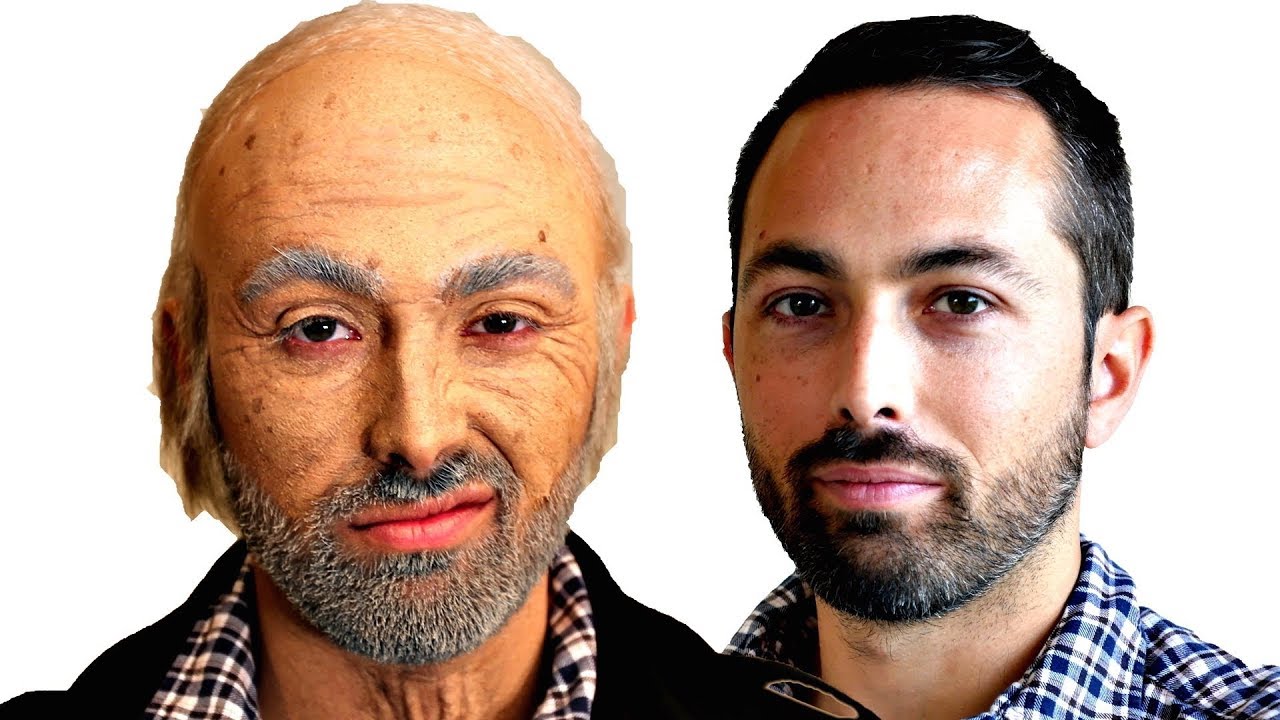
La biología celular nos da pistas de por qué los humanos envejecemos y las langostas no lo hacen.
SUSCRÍBETE ahora para ver todos nuestros videos: http://bit.ly/Suscribirse_Veritasium_en_español
Siempre nos hacemos preguntas como:
¿Cuál es la esperanza de vida? ¿Cuánto tiempo de vida nos queda?
¿Porqué envejecemos? ¿Cómo rejuvenecer o detener el envejecimiento?
Visitamos a la doctora Ginty, quien nos contó acerca de su investigación sobre los telómeros y la telomerasa. Acompáñenme a descubrirla para intentar responder alguna de esas preguntas.
Las animaciones son de la película ganadora del Emmy 'Immortal', reproducida aquí por cortesía de December Media y Genepool Productions (anteriormente Pemberton Films)
Un agradecimiento especial a la Dra. Fiona Ginty, Científica Principal del Grupo de Ciencias de la Vida y Diagnóstico Molecular en GE. Su investigación se centra en obtener imágenes de diferentes proteínas dentro de la célula. Es una técnica muy poderosa y hermosa.
Filmado por Raquel Nuno y Vasilios Sfinarolakis.
Maquillaje envejecido por Heather Grippaldi: http://bit.ly/1Xebikh
Música de Kevin MacLeod, www.incompetech.com "Past the Edge" y "Lightless Dawn"
SUSCRÍBETE ahora para ver todos nuestros videos:
http://bit.ly/Suscribirse_Veritasium_en_español
Video Original Veritasium:
How Long Will You Live?
https://www.youtube.com/watch?v=_dDqFB-PjWg
------------------------------------------------------------------------
Servicios de doblaje: Unilingo
Traductora: Paula Salomone
Voz de doblaje: Pato Lago, Julia González Biondini
Ingeniero de sonido: Gastón Adriel Álvarez
Edición y post-producción de video: Juan Caille Tornquist
------------------------------------------------------------------------
#veritasiumenespañol
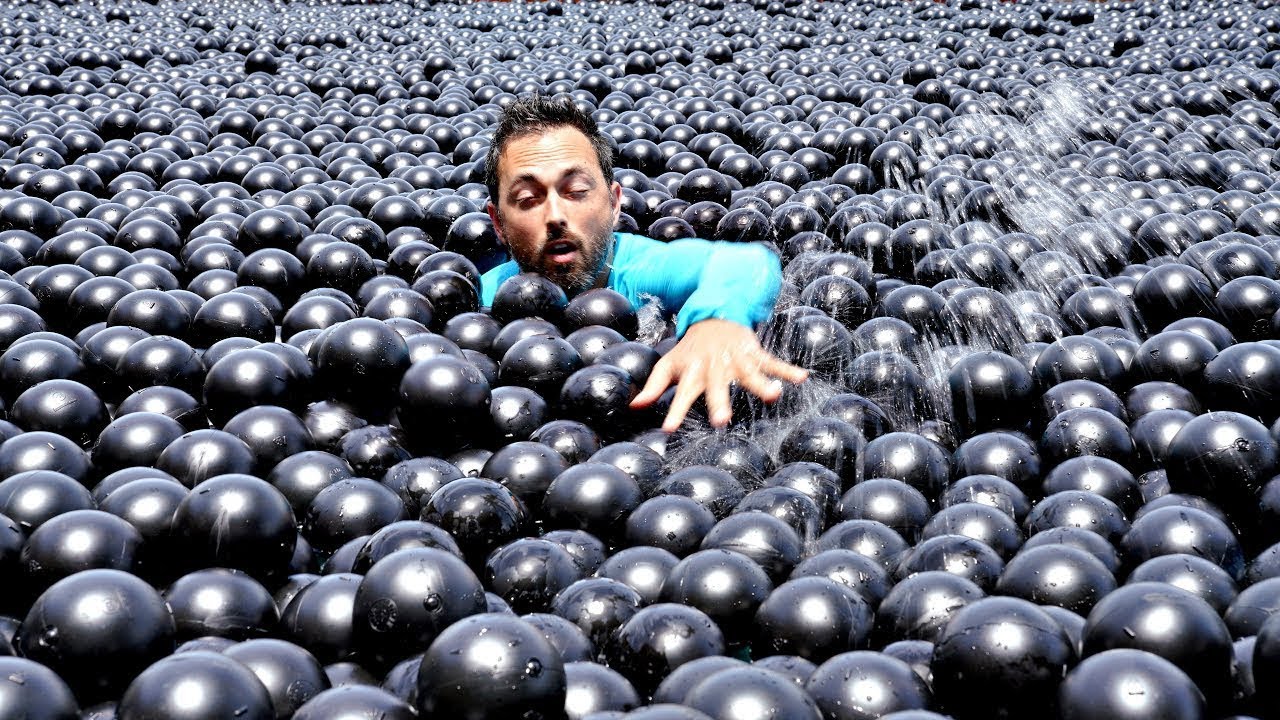
Compré 10,000 bolas de sombra e intenté nadar en ellas. Parecen actuar como un fluido no newtoniano: se comportan rígidamente bajo un alto esfuerzo cortante, pero fluyen como un líquido si se lo somete a un bajo esfuerzo cortante. SUSCRÍBETE ahora para ver todos nuestros videos: http://bit.ly/Suscribirse_Veritasium_en_español
Obtengan una bola de sombra firmada, apoyando a Veritasium: https://ve42.co/patreon
Mi sensación era que nadar en bolas de sombra sería difícil pero no imposible. Esto fue más o menos cierto cuando lo intenté con una sola capa de bolas de sombra. Las bolas de sombra se deslizan entre sí, entonces actúan como un líquido, aunque viscoso debido a su gran inercia. Es un ejercicio mucho más intenso y también es molesto ser bombardeado con bolas de sombra en todos los lados del cuerpo, especialmente en la cabeza.
Cuando probamos con múltiples capas de bolas de sombra (como están dispuestas en gran parte del embalse de Los Ángeles) las cosas se vuelven significativamente más difíciles. Las bolas se juntan y cuando intentas moverte rápidamente, se vuelven más rígidas, proporcionando una resistencia significativa al movimiento. Esto tiene el beneficio de que puedes acostarte sobre ellas y, siempre y cuando permanezcan atrapadas debajo tuyo, puedes flotar sobre ellas. Pero un poco de movimiento hace que se muevan y te hundas rápidamente.
Para recibir una bola de sombra:
1. Apoya Veritasium en cualquier nivel de Patreon e ingresa tu dirección: https://ve42.co/patreon
2. En aproximadamente un mes enviaré las bolas de sombra firmadas
3. Cubriré todos los costos de envío, pero si las cosas se salen de control, le daré prioridad a los partidarios de Patreon ya existentes y los de niveles más altos
Muchas gracias a:
Jordan Schnabel y Cristian Carretero por filmar, nadar y proporcionar servicios de guardavidas.
Raquel Nuno por filmar y por el apoyo.
Música de https://epidemicsound.com "Dubstep Mammoth 2" "Finally Here (Instrumental)" "The Last Arrival" "Sundown Love (Instrumental)"
------------------------------------------------------------------------
Servicios de doblaje: Unilingo
Traductora: Paula Salomone
Voz de doblaje: Pato Lago, Diego Rivas,
Ingeniero de sonido: Gastón Adriel Álvarez
Edición y post-producción de video: Juan Caille Tornquist
------------------------------------------------------------------------
#veritasiumenespañol
Visit me on FB: https://www.facebook.com/LeonardoPereznieto
Follow Fine Art Tips on Google+: http://goo.gl/TqsmiJ
My website: http://www.ArtistLeonardo.com/
Do you want to help me translating it into your language?
(Note: First check if it hasn´t been translated already by pressing the "CC" button on the lower part of the video).
All you need to do is to please go to the following link and translate. Thank you!: http://www.youtube.com/timedte....xt_video?v=cJFiF-GOl
If you would like to invest in a drawing, painting or sculpture by Leonardo Pereznieto, or to hire him for workshops or lectures, please write to: info@artistleonardo.com (Business only, not for personal messages.)
List of materials:
Mechanical pencil with 0.7mm, B lead
Mechanical pencil with 0.3mm, 2H lead
Lead holders with 3H, HB y 6B
Kneaded eraser Prismacolor
MagicRub FaberCastell eraser
Fabriano white drawing paper, fine grain
Chamois
If you would like to see photos and brands of my tools, please go to my blog about materials with the following link:
http://www.fineartebooks.com/h....owtodraw_drawingscho
You may also follow me on:
My Blog: http://www.fineartebooks.com/h....owtodraw_drawingscho
My Twitter: https://twitter.com/#!/ArtistLeonardo
Fine Art Tips on Google+: http://goo.gl/TqsmiJ
My Google+ page as an artist (with my sculptures, paintings, etc): http://goo.gl/n7p96D
My Instagram: http://instagram.com/artistleonardo
My LinkedIn: http://www.linkedin.com/profile/view?id=89957576&trk=tab_pro
My Vine: https://vine.co/v/hKnn3rbwJmT
My Pinterest: http://pinterest.com/ArtistLeonardo/
My VK: http://vk.com/leonardopereznieto
My website Leonardo Pereznieto: http://www.leonardopereznieto.com/leo/Intro.html
I wish you great creations!
Audio file(s) provided by http://www.audiomicro.com
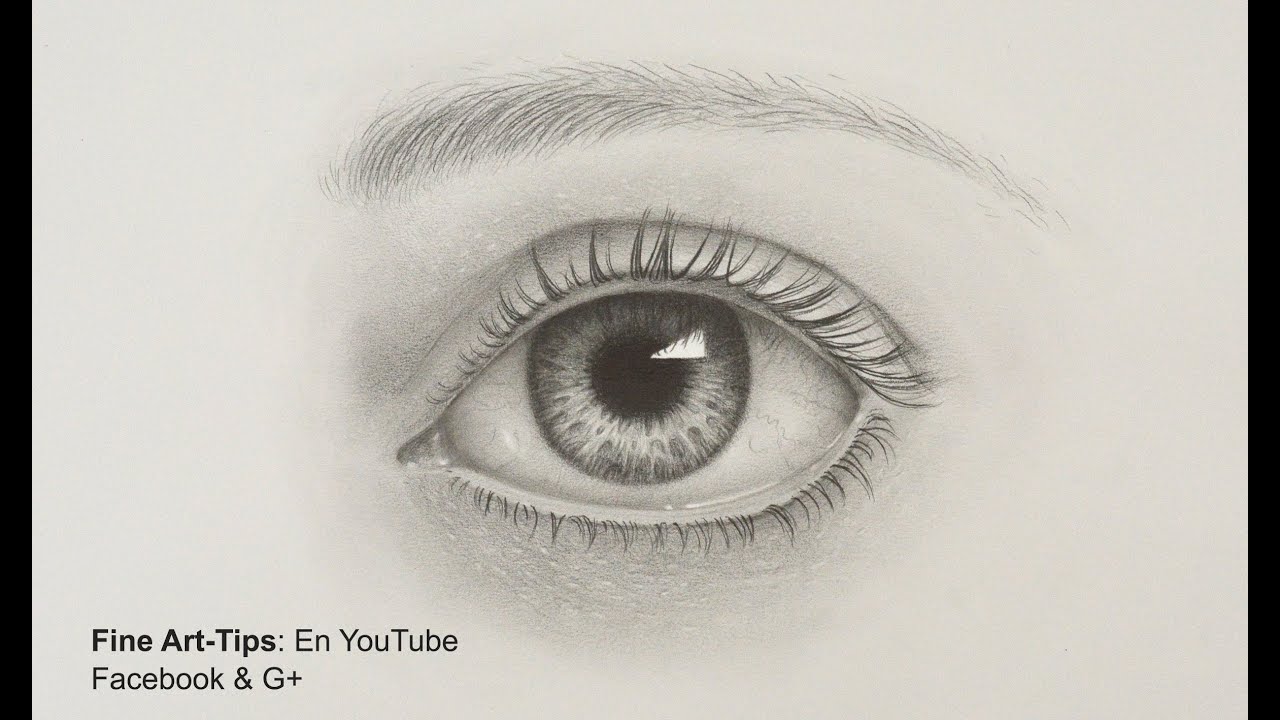
This tutorial shows How to Draw a Realistic Eye - With Pencil
Support Deep Look on Patreon!! https://www.patreon.com/deeplook
(FYI - This episode is a *bit* more bloody that usual – especially a little after the 2-minute mark. Just letting you know in case flesh wounds aren’t your thing)
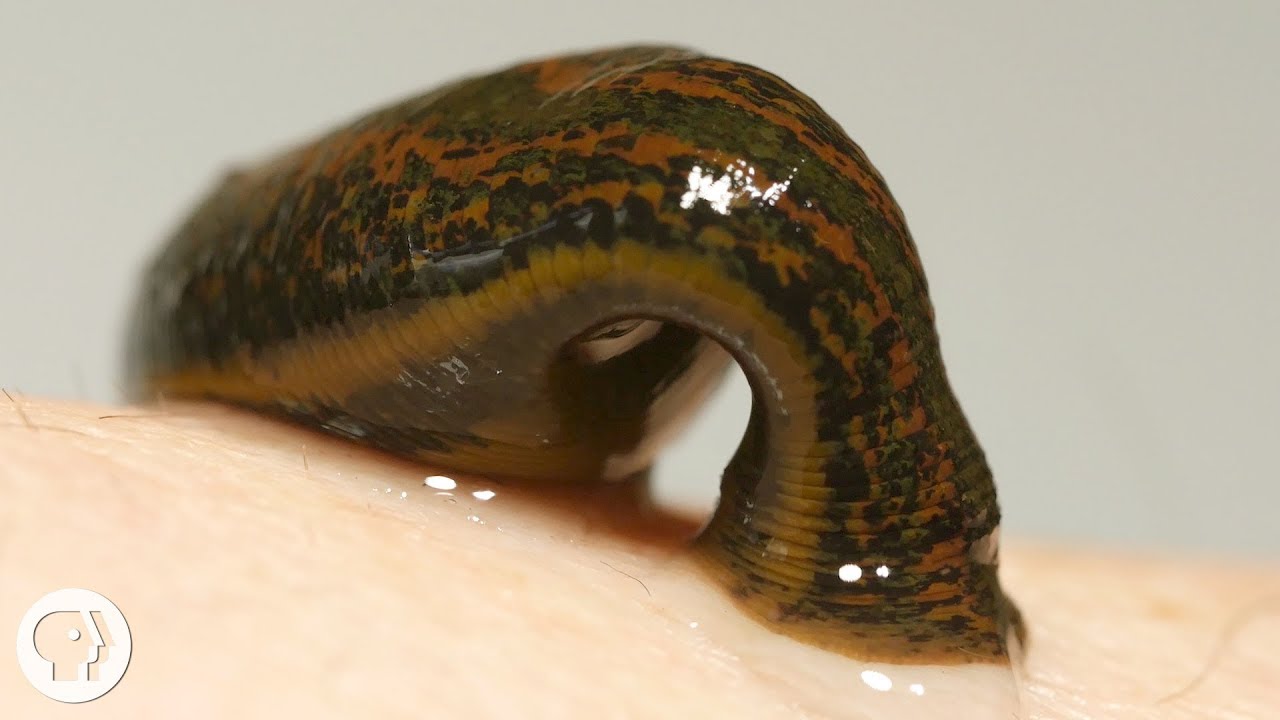
The same blood-sucking leeches feared by hikers and swimmers are making a comeback... in hospitals. Once used for questionable treatments, leeches now help doctors complete complex surgeries to reattach severed body parts.
SUBSCRIBE to Deep Look! http://goo.gl/8NwXqt
DEEP LOOK: a new ultra-HD (4K) short video series created by KQED San Francisco and presented by PBS Digital Studios. See the unseen at the very edge of our visible world. Explore big scientific mysteries by going incredibly small.
Leeches get a bad rap—but they might not deserve it. Yes, they’re creepy crawly blood-suckers. And they can instill an almost primal sense of disgust and revulsion. Humphrey Bogart’s character in the 1951 film The African Queen even went so far as to call them “filthy little devils.”
But the humble leech is making a comeback. Contrary to the typical, derogatory definition of a human “leech,” this critter is increasingly playing a key role as a sidekick for scientists and doctors, simply by being its bloodthirsty self.
Distant cousins of the earthworm, most leech species are parasites that feed on the blood of animals and humans alike. They are often found in freshwater and navigate either by swimming or by inching themselves along, using two suckers—one at each end of their body—to anchor themselves.
Upon reaching an unsuspecting host, a leech will surreptitiously attach itself and begin to feed. It uses a triangular set of three teeth to cut in, and secretes a suite of chemicals to thin the blood and numb the skin so its presence goes undetected.
---+ Read the entire article on KQED Science: https://www.kqed.org/science/1....921659/take-two-leec
---+ For more information:
David Weisblat at UC Berkeley studies leeches development and evolution
https://mcb.berkeley.edu/labs/....weisblat/research.ht
Biologists recently reported that leeches in that region can provide a valuable snapshot of which animals are present in a particular area
https://www.tandfonline.com/doi/abs/10.1080/14772000.2018.1433729?journalCode=tsab20&
---+ More Great Deep Look episodes:
Why the Male Black Widow is a Real Home Wrecker | Deep Look
https://www.youtube.com/watch?v=NpJNeGqExrc
For Pacific Mole Crabs It's Dig or Die | Deep Look
https://www.youtube.com/watch?v=tfoYD8pAsMw
Praying Mantis Love is Waaay Weirder Than You Think | Deep Look
https://www.youtube.com/watch?v=NHf47gI8w04&t=83s
---+ See some great videos and documentaries from the PBS Digital Studios! Above the Noise:
Cow Burps Are Warming the Planet | Reactions
https://www.youtube.com/watch?v=MnRFUSGz_ZM
What a Dinosaur Looks Like Under a Microscope | Eons
https://www.youtube.com/watch?v=4rvgiDXc12k
Hawking Radiation | Space Time
https://www.youtube.com/watch?v=qPKj0YnKANw
---+ Follow KQED Science:
KQED Science: http://www.kqed.org/science
Tumblr: http://kqedscience.tumblr.com
Twitter: https://www.twitter.com/kqedscience
---+ About KQED KQED, an NPR and PBS affiliate in San Francisco, CA, serves Northern California and beyond with a public-supported alternative to commercial TV, Radio and web media.
Funding for Deep Look is provided in part by PBS Digital Studios. Deep Look is a project of KQED Science, which is supported by the S. D. Bechtel, Jr. Foundation, the Dirk and Charlene Kabcenell Foundation, the Vadasz Family Foundation, the Gordon and Betty Moore Foundation, the Fuhs Family Foundation Fund and the members of KQED.
#deeplook
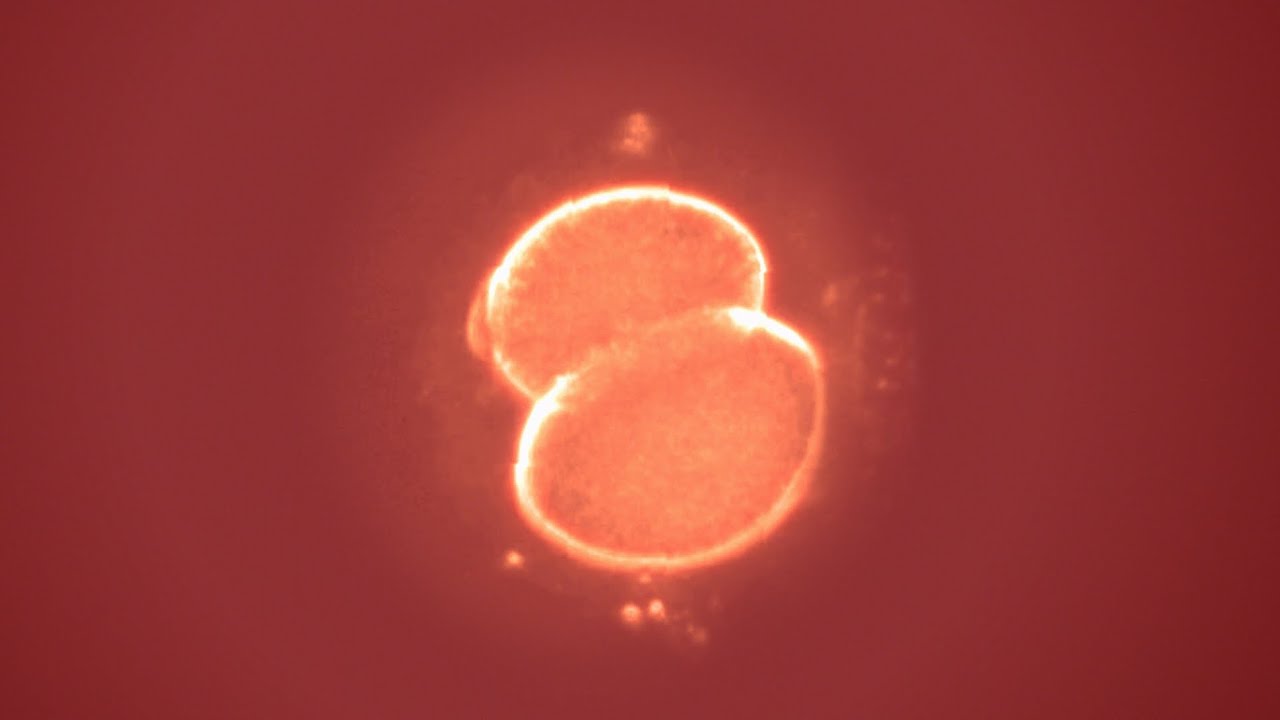
Every one of us started out as an embryo, but only a few early embryos – about one in three – grow into a baby. Researchers are unlocking the mysteries of our embryonic clock and helping patients who are struggling to get pregnant.
SUBSCRIBE: http://goo.gl/8NwXqt
Funding for Deep Look is provided in part by PBS Digital Studios and the John S. and James L. Knight Foundation. Deep Look is a project of KQED Science, which is supported by HopeLab, The David B. Gold Foundation; S. D. Bechtel, Jr. Foundation; The Dirk and Charlene Kabcenell Foundation; The Vadasz Family Foundation; Smart Family Foundation and the members of KQED.
#deeplook

A deadly fungus is attacking frogs’ skin and wiping out hundreds of species worldwide. Can anyone help California's remaining mountain yellow-legged frogs? In a last-ditch effort, scientists are trying something new: build defenses against the fungus through a kind of frog “vaccine.”
SUBSCRIBE to Deep Look! http://goo.gl/8NwXqt
DEEP LOOK is a ultra-HD (4K) short video series created by KQED San Francisco and presented by PBS Digital Studios. See the unseen at the very edge of our visible world. Get a new perspective on our place in the universe. Explore big scientific mysteries by going incredibly small.
* NEW VIDEOS EVERY OTHER TUESDAY! *
Chytrid fungus has decimated some 200 amphibian species around the world, among them the mountain yellow-legged frogs of California’s Sierra Nevada mountain range.
Frogs need healthy skin to survive. They breathe and drink water through it, and absorb the sodium and potassium their hearts need to work.
In the late 1970s, chytrid fungus started getting into mountain yellow-legged frogs through their skin, moving through the water in their alpine lakes, or passed on by other frogs. The fungus destroys frogs’ skin to the point where they can no longer absorb sodium and potassium. Eventually, they die.
At the University of California, Santa Barbara, biologists Cherie Briggs and Mary Toothman did an experiment to see if they could save mountain yellow-legged frogs by immunizing them against chytrid fungus.
They grew some frogs from eggs. Then they infected them with chytrid fungus. The frogs got sick. Their skin sloughed off, as happens typically to infected frogs. But before the fungus could kill the frogs, the researchers treated them with a liquid antifungal that stopped the disease.
When the frogs were nice and healthy again, researchers re-infected them with chytrid fungus. They found that all 20 frogs they had immunized survived. Now the San Francisco and Oakland zoos are replicating the experiment and returning dozens of mountain-yellow legged frogs to the Sierra Nevada’s alpine lakes.
--- How does chytrid fungus kill frogs?
Spores of chytrid fungus burrow down into frogs’ skin, which gets irritated. They run out of energy. Sick frogs’ legs lock in the straight position when they try to hop. As they get sicker, their skin sloughs off in translucent sheets. The frogs can no longer absorb sodium and potassium their hearts needs to function. “It takes 2-3 weeks for a yellow-legged frog to die from chytridiomycosis,” said mountain yellow-legged frog expert Vance Vredenburg , of San Francisco State University. “Eventually they die from a heart attack.”
--- How does chytrid fungus spread?
Fungus spores, which have a little tail called a flagellum, swim through the water and attack a frog’s skin. The fungus can also get passed on from amphibian to amphibian.
---+ Read the entire article on KQED Science:
https://ww2.kqed.org/science/2....016/09/06/can-a-new-
---+ For more information:
AmphibiaWeb
http://www.amphibiaweb.org/chy....trid/chytridiomycosi
---+ More Great Deep Look episodes:
These Crazy Cute Baby Turtles Want Their Lake Back
https://www.youtube.com/watch?v=YTYFdpNpkMY
Newt Sex: Buff Males! Writhing Females! Cannibalism!
https://www.youtube.com/watch?v=5m37QR_4XNY
Sticky. Stretchy. Waterproof. The Amazing Underwater Tape of the Caddisfly
https://www.youtube.com/watch?v=Z3BHrzDHoYo
---+ See some great videos and documentaries from PBS Digital Studios!
It’s Okay To Be Smart: Do Plants Think?
https://www.youtube.com/watch?v=zm6zfHzvqX4
Gross Science: Why Get Your Tetanus Shot?
https://www.youtube.com/watch?v=O4jrqj5Dr8s
---+ Follow KQED Science:
KQED Science: http://www.kqed.org/science
Tumblr: http://kqedscience.tumblr.com
Twitter: https://www.twitter.com/kqedscience
---+ About KQED
KQED, an NPR and PBS affiliate in San Francisco, CA, serves Northern California and beyond with a public-supported alternative to commercial TV, Radio and web media.
Funding for Deep Look is provided in part by PBS Digital Studios and the John S. and James L. Knight Foundation. Deep Look is a project of KQED Science, which is also supported by HopeLab, the S. D. Bechtel, Jr. Foundation, the Dirk and Charlene Kabcenell Foundation, the Vadasz Family Foundation, the Gordon and Betty Moore Foundation, the Smart Family Foundation and the members of KQED.
#deeplook

Ultravox - Hymn extended from the album Quartet fan made for fun only

Tienes que conocer a estos 10 grandes santos cuyos cuerpos están incorruptos
TEKTON NECESITA TU APOYO PARA CONTINUAR CON SU LABOR APOSTÓLICA Y CARITATIVA, SI PUEDES HACERNOS UN DONATIVO TIENES DOS FORMAS:
HAZTE PATROCINADOR: https://www.patreon.com/CTtekton
DONATIVO A TRAVÉS DE LA WEB: https://www.tekton.info/hacer-caridad/
OTRAS REDES SOCIALES
Web: https://www.tekton.info/
San José de tekton: https://www.youtube.com/channe....l/UCEy0tevPx3RayM5PA
Instagram Tekton: https://www.instagram.com/prod....uctoratekton/?hl=es-
Instagram Marcos: https://www.instagram.com/marcosveraperez/?hl=es
Twitter: https://twitter.com/productoratekto
Twitter Marcos: https://twitter.com/marcosveraprez1?lang=es
Tekton es un canal de youtube católico nacido en Barcelona (España), puedes encontrar noticias relacionadas con la Iglesia Católica, y recursos de otro tipo como formación católica, oraciones, música católica, vídeos del Papa Francisco, curiosidades, vidas de Santos, el Evangelio del día, y otras muchas cosas más. No dudes en entrar y ver el contenido que sin duda te gustará
Instagram de Marcos Vera: https://www.instagram.com/marcosveraperez/
Twitter de Marcos Vera: https://twitter.com/MarcosVeraPrez1
Twitter de Jesus Sellas: https://twitter.com/JesusSellas
Hacer un donativo: https://www.tekton.info/hacer-caridad/
Tienda de merchandising de Tekton: https://teespring.com/stores/t....ekton-centro-televis
Web: http://www.tekton.info
Facebook: https://www.facebook.com/productoratekton/
Twitter: https://twitter.com/productoratekto?s=09
Instagram: https://www.instagram.com/productoratekton/
Google+: https://plus.google.com/u/1/+T....ektonTekton?hl=es-41
#Tekton
#TektonCentroTelevisivo
#TektonYouTube
#CanalCatolicoYouTube
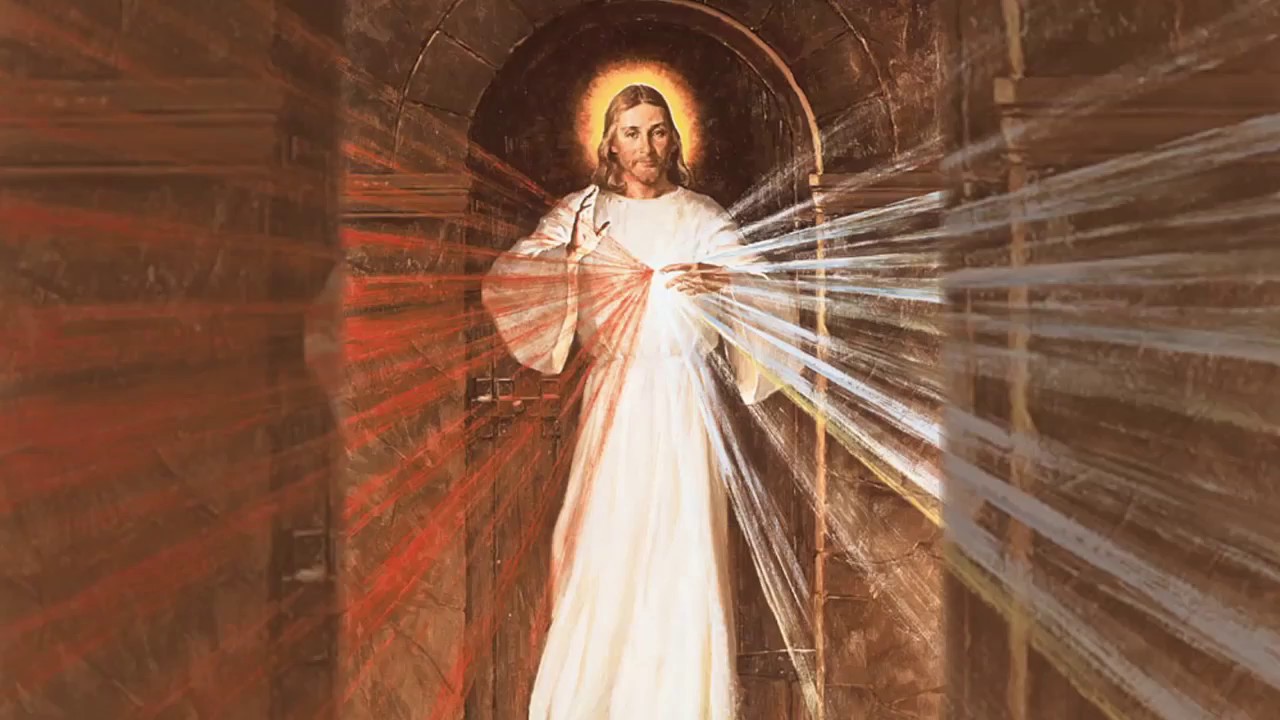
Tres consejos de Santa Faustina Kowalska para tener exito en la lucha espiritual
Tekton es un canal de noticias católicas nacido en Barcelona (España), puedes encontrar noticias relacionadas con la Iglesia Católica, y recursos de otro tipo como vidas de Santos, el Evangelio del día, y otras muchas cosas más. No dudes en entrar y ver el contenido que sin duda te gustará, nuestra web es http://www.tekton.info
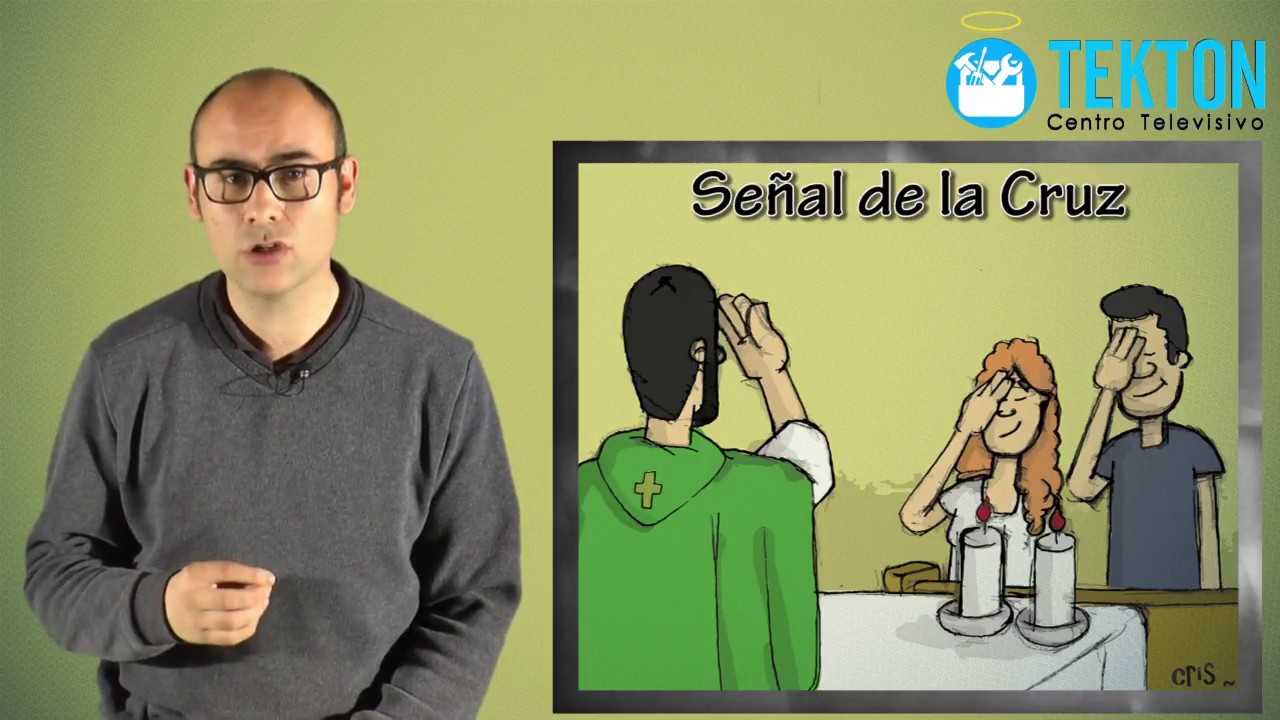
Explicación paso a paso de la Santa Misa de forma sencilla para niños, jóvenes y adultos (1ª Parte)
Explicación paso a paso de la Santa Misa de forma sencilla para niños, jóvenes y adultos (1ª Parte)
Link de la 2ª Parte: https://www.youtube.com/watch?v=aeQw494abWY&t=126s&pbjreload=10
Tekton es un canal de youtube católico nacido en Barcelona (España), puedes encontrar noticias relacionadas con la Iglesia Católica, y recursos de otro tipo como formación católica, oraciones, musica católica, vídeos del Papa Francisco, curiosidades, vidas de Santos, el Evangelio del día, y otras muchas cosas más. No dudes en entrar y ver el contenido que sin duda te gustará
Web: http://www.tekton.info
Facebook: https://www.facebook.com/productoratekton/
Twitter: https://twitter.com/productoratekto?s=09
Instagram: https://www.instagram.com/productoratekton/
Google+: https://plus.google.com/u/1/+T....ektonTekton?hl=es-41
Hacer un donativo: https://www.tekton.info/hacer-caridad/

Mira cómo el Papa Francisco fue protagonista de uno de los mayores milagros eucarísticos de la historia
Tekton es un canal de youtube católico nacido en Barcelona (España), puedes encontrar noticias relacionadas con la Iglesia Católica, y recursos de otro tipo como formación católica, oraciones, música católica, vídeos del Papa Francisco, curiosidades, vidas de Santos, el Evangelio del día, y otras muchas cosas más. No dudes en entrar y ver el contenido que sin duda te gustará
Web: http://www.tekton.info
Facebook: https://www.facebook.com/productoratekton/
Twitter: https://twitter.com/productoratekto?s=09
Instagram: https://www.instagram.com/productoratekton/
Google+: https://plus.google.com/u/1/+T....ektonTekton?hl=es-41
Hacer un donativo: https://www.tekton.info/hacer-caridad/
#Tekton
#TektonCentroTelevisivo
#TektonYouTube
#CanalCatolicoYouTube
Consejos de la Divina Misericordia para crecer en santidad
ENLACE A LA WEB PARA DESGARGAR PDF: https://www.tekton.info/consej....os-de-la-divina-mise
Tekton es un canal de youtube católico nacido en Barcelona (España), puedes encontrar noticias relacionadas con la Iglesia Católica, y recursos de otro tipo como formación católica, oraciones, musica católica, vídeos del Papa Francisco, curiosidades, vidas de Santos, el Evangelio del día, y otras muchas cosas más. No dudes en entrar y ver el contenido que sin duda te gustará, nuestra web es http://www.tekton.info
https://www.facebook.com/productoratekton/

Impresionante milagro eucarístico en VENEZUELA
TEKTON NECESITA TU APOYO PARA CONTINUAR CON SU LABOR APOSTÓLICA Y CARITATIVA, SI PUEDES HACERNOS UN DONATIVO TIENES DOS FORMAS:
HAZTE PATROCINADOR: https://www.patreon.com/CTtekton
DONATIVO A TRAVÉS DE LA WEB: https://www.tekton.info/hacer-caridad/
OTRAS REDES SOCIALES
Web: https://www.tekton.info/
San José de tekton: https://www.youtube.com/channe....l/UCEy0tevPx3RayM5PA
Instagram Tekton: https://www.instagram.com/prod....uctoratekton/?hl=es-
Instagram Marcos: https://www.instagram.com/marcosveraperez/?hl=es
Twitter: https://twitter.com/productoratekto
Twitter Marcos: https://twitter.com/marcosveraprez1?lang=es
Tekton es un canal de youtube católico nacido en Barcelona (España), puedes encontrar noticias relacionadas con la Iglesia Católica, y recursos de otro tipo como formación católica, oraciones, música católica, vídeos del Papa Francisco, curiosidades, vidas de Santos, el Evangelio del día, y otras muchas cosas más. No dudes en entrar y ver el contenido que sin duda te gustará
Instagram de Marcos Vera: https://www.instagram.com/marcosveraperez/
Twitter de Marcos Vera: https://twitter.com/MarcosVeraPrez1
Twitter de Jesus Sellas: https://twitter.com/JesusSellas
Hacer un donativo: https://www.tekton.info/hacer-caridad/
Tienda de merchandising de Tekton: https://teespring.com/stores/t....ekton-centro-televis
Web: http://www.tekton.info
Facebook: https://www.facebook.com/productoratekton/
Twitter: https://twitter.com/productoratekto?s=09
Instagram: https://www.instagram.com/productoratekton/
Google+: https://plus.google.com/u/1/+T....ektonTekton?hl=es-41
#Tekton
#TektonCentroTelevisivo
#TektonYouTube
#CanalCatolicoYouTube