Top Vídeos
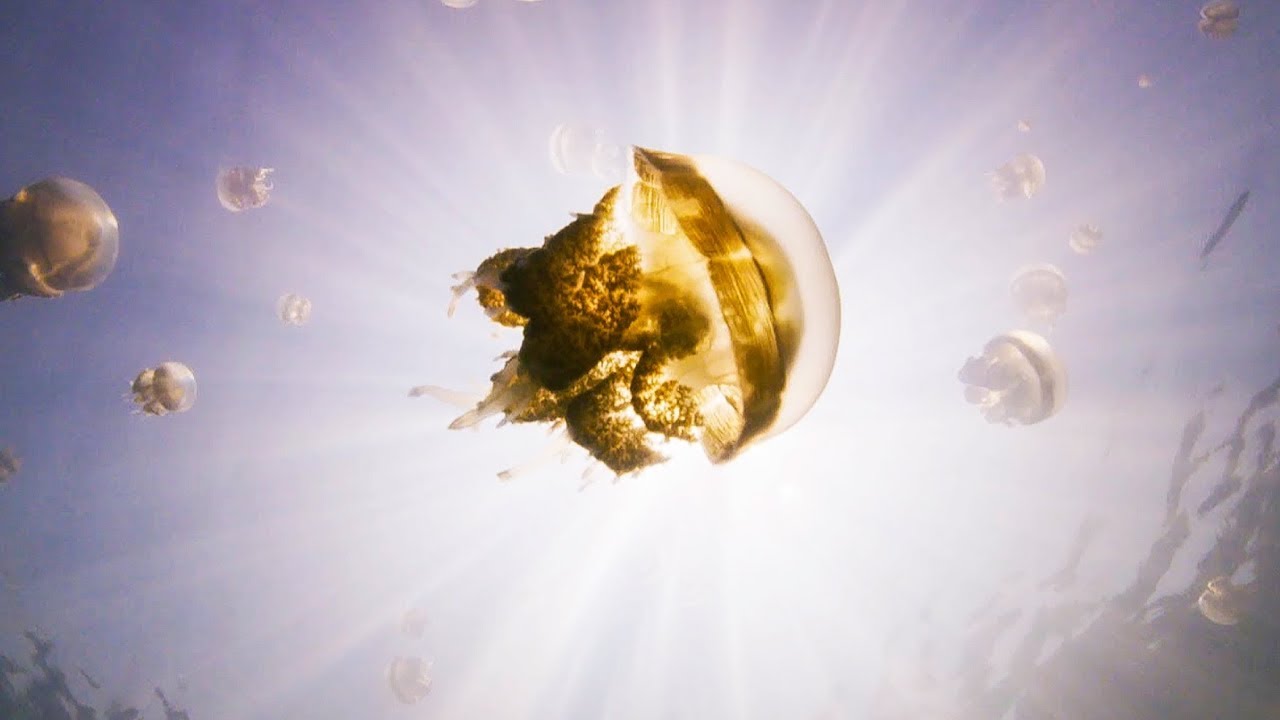
There is a lake in Borneo that is home to over one million jellyfish. They've evolved to photosynthesise using algae, providing them with an unlimited supply of food.
Subscribe: http://bit.ly/BBCEarthSub
#Jellyfish #OceanSounds #SoundsToRelax
Watch more:
Planet Earth http://bit.ly/PlanetEarthPlaylist
Blue Planet http://bit.ly/BluePlanetPlaylist
Planet Earth II http://bit.ly/PlanetEarthIIPlaylist
Planet Dinosaur http://bit.ly/PlanetDinoPlaylist
Extra content from Earth's Tropical Islands
Three iconic islands. Madagascar. Borneo. Hawaii. Each a contained ecosystem, cut off from the mainland. Rich in extraordinary wildlife and human cultures, these islands are also some of the most fragile places on Earth.
Welcome to BBC EARTH! The world is an amazing place full of stories, beauty and natural wonder. Here you'll find 50 years worth of entertaining and thought-provoking natural history content. Dramatic, rare, and exclusive, nature doesn't get more exciting than this.
Want to share your views with the team? Join our BBC Studios Voice: https://www.bbcstudiosvoice.com/register
This is a page from BBC Studios who help fund new BBC programmes. Service information and feedback: http://bbcworldwide.com/vod-fe....edback--contact-deta

See this amazing clip of an understandably terrified Steve Leonard walking into a Lion's Den before the Lion changes its mind and goes for the attack! Would you be brave enough to attempt to cuddle a creature with powerufl paws, razor sharp claws and gnashing teeth? Watch more high quality videos on the BBC Earth YouTube channel here: http://www.youtube.com/BBCEarth and visit http://www.BBCEarth.com for all the latest natural history exclusives and fantastic new wildlife videos.
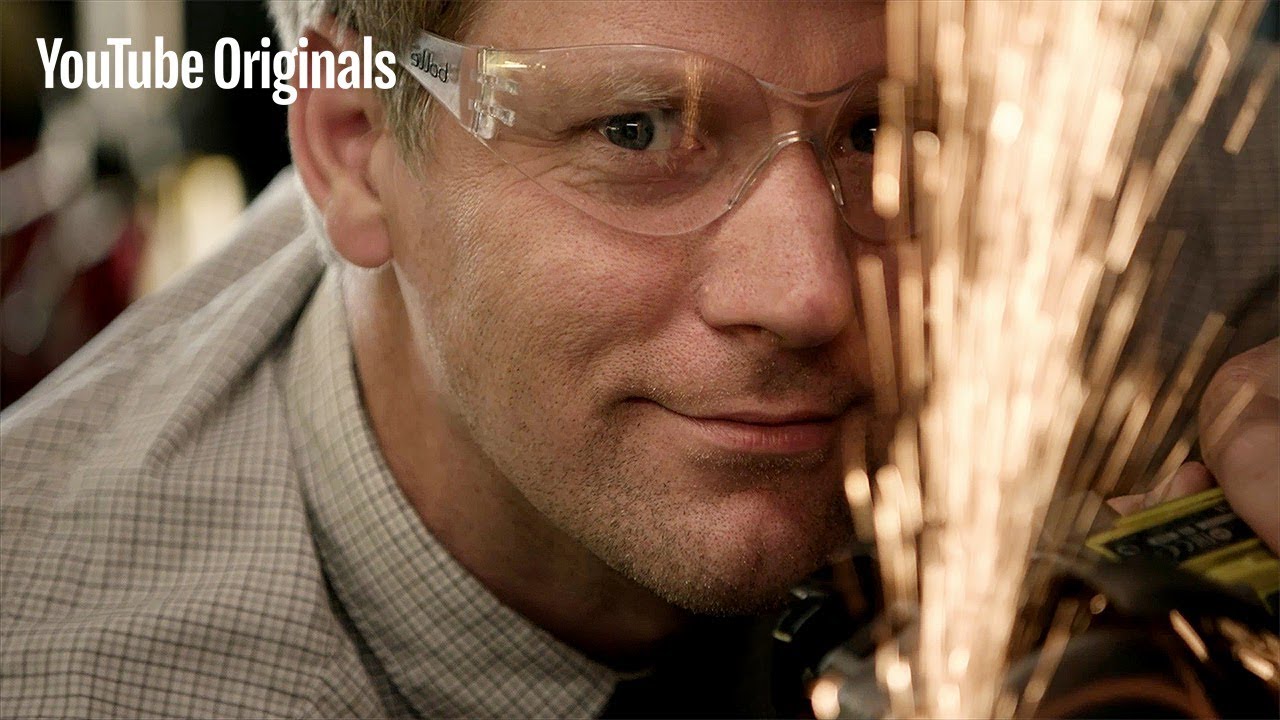
Launching December 10th
Is levitation possible? YouTube Originals and BBC Studios bring you The Edge of Science, a scientific dive into the outer reaches of our understanding. Follow host and science enthusiast, Rick Edwards as he taps into the scientific community of YouTube to help him fulfill a lifetime's ambition - to levitate himself. Physics girl (Dianna Cowern) and science inventor, Colin Furze, join Rick and together, they will experiment their way into getting Rick off the ground, by physics alone. Can they do it?
Love learning on YouTube? Check out YouTube's new and improved learning hub (youtube.com/learning) for everything from well-being to history to how tos and all of the things in between. You'll also find more great YouTube Originals content full of your favourite YouTube Creators.
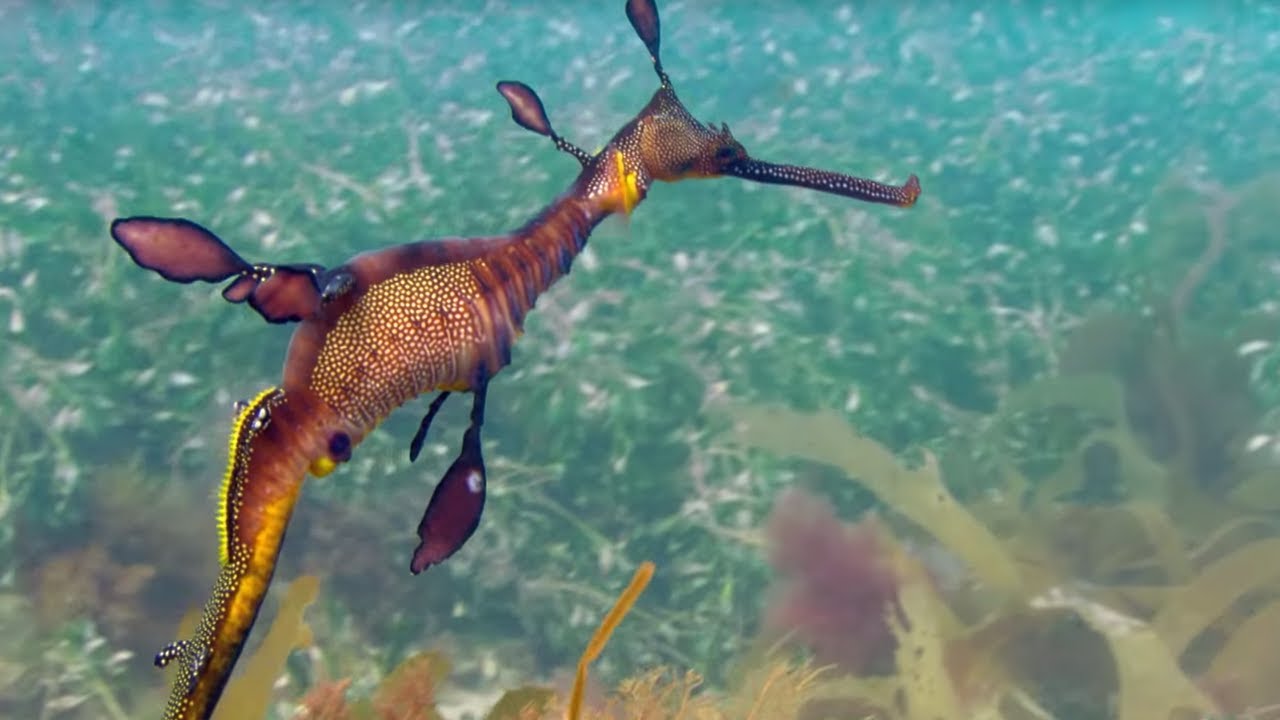
Enjoy the beautiful greens of mangroves, seagrasses and kelp forests as we take you on a journey through some of the prettiest green hues of our blue planet with this 10 hour loop. Subscribe: http://bit.ly/BBCEarthSub
#OurBluePlanet is a digital collaboration between BBC Earth and Ocean X Media with featured media from both companies. Join the conversation over on Twitter @OurBluePlanet.
Ocean X Media are a team of scientists, explorers and filmmakers driven to discover what lies beneath the waves and to document untold ocean stories. You can find out more here: http://www.oceanx.org
WATCH MORE:
New on Earth: https://bit.ly/2M3La96
Oceanscapes: https://bit.ly/2Hmd2kZ
Wild Thailand: https://bit.ly/2kR7lmh
Welcome to BBC EARTH! The world is an amazing place full of stories, beauty and natural wonder.
Want to share your views with the team? Join our BBC Studios Voice: https://www.bbcstudiosvoice.com/register
This is a page from BBC Studios who help fund new BBC programmes. Service information and feedback: http://bbcworldwide.com/vod-fe....edback--contact-deta

Join this troop of Langur monkeys as they grieve the fallen. Doesn't matter if it's an animatronic Spy Monkey; it was still part of the family. Now scrub up, it's time for the funeral.
Subscribe: http://bit.ly/BBCEarthSub
Watch more:
Planet Earth http://bit.ly/PlanetEarthPlaylist
Blue Planet http://bit.ly/BluePlanetPlaylist
Planet Earth II http://bit.ly/PlanetEarthIIPlaylist
Planet Dinosaur http://bit.ly/PlanetDinoPlaylist
Spy In The Wild
To discover just how like us animals really are, animatronic spy creatures infiltrate the animal world to explore their complex emotions. Spy Pup makes friends with a wild dog pack to investigate their maternal love and has a dangerous encounter with lions and elephants. Baby Spy Crocs discover the extraordinary devotion of a mother crocodile and take a rollercoaster ride inside her mouth as she carries her babies to water. Spy Egret and Spy Tortoise are nearly trampled by elephants as they film a newborn baby sharing the love of his caring family. Spy Monkey meets a troop of over 120 unruly langurs and finds out how teenage monkeys comically practise babysitting skills. Spy Prairie Dog witnesses the most enthusiastic kissers in the animal world. Spy Chick discovers the extraordinary devotion of hornbills as a mother is imprisoned for the sake of her brood. In Antarctica, Spy Adelie Penguin becomes entangled in the penguins' turbulent love life as they fight to steal pebbles to impress a fussy female. On the savannah, giraffes are filmed for the first time paying homage to an old giraffe that recently passed away. Spy Bush Baby meets some curious chimpanzees, and Spy Tortoise is adopted by a five-year-old and is taken on a wild ride through the jungle canopy before coming down to earth with a bump. In a thought-provoking scene a chimpanzee shows empathy as he finds an abandoned wildcat kitten and adopts it as his pet.
Welcome to BBC EARTH! The world is an amazing place full of stories, beauty and natural wonder. Here you'll find 50 years worth of entertaining and thought-provoking natural history content. Dramatic, rare, and exclusive, nature doesn't get more exciting than this.
Want to share your views with the team? Join our BBC Studios Voice: https://www.bbcstudiosvoice.com/register
This is a page from BBC Studios who help fund new BBC programmes. Service information and feedback: http://bbcworldwide.com/vod-fe....edback--contact-deta
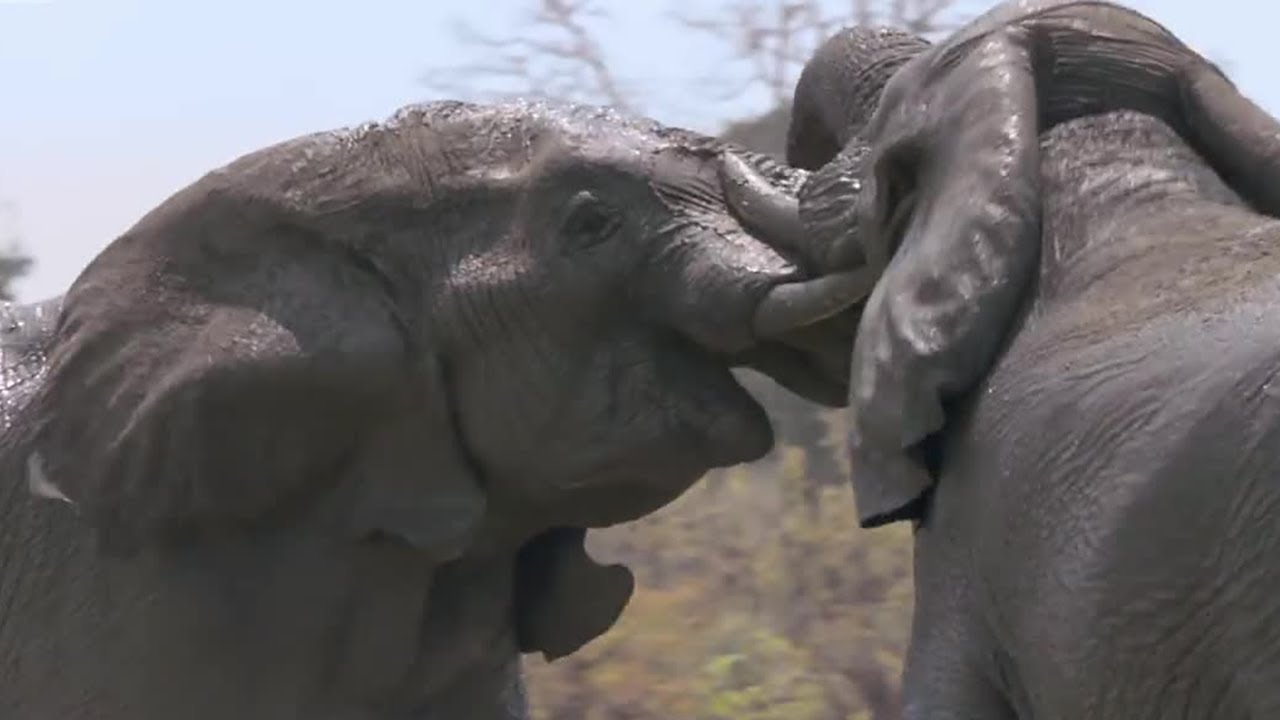
Coming across a rare pool of water, the elephant heard knows that its stagnant. Luckily, they know a trick which will still allow them to take a well needed drink.
Subscribe to BBC Earth: http://bit.ly/BBCEarthSubBBC Earth YouTube Channel: http://www.youtube.com/BBCEarth
BBC Earth Facebook http://www.facebook.com/bbcearth (ex-UK only)
BBC Earth Twitter http://www.twitter.com/bbcearth
Visit http://www.bbc.com/earth/world for all the latest animal news and wildlife videos
This is a channel from BBC Studios who help fund new BBC programmes.
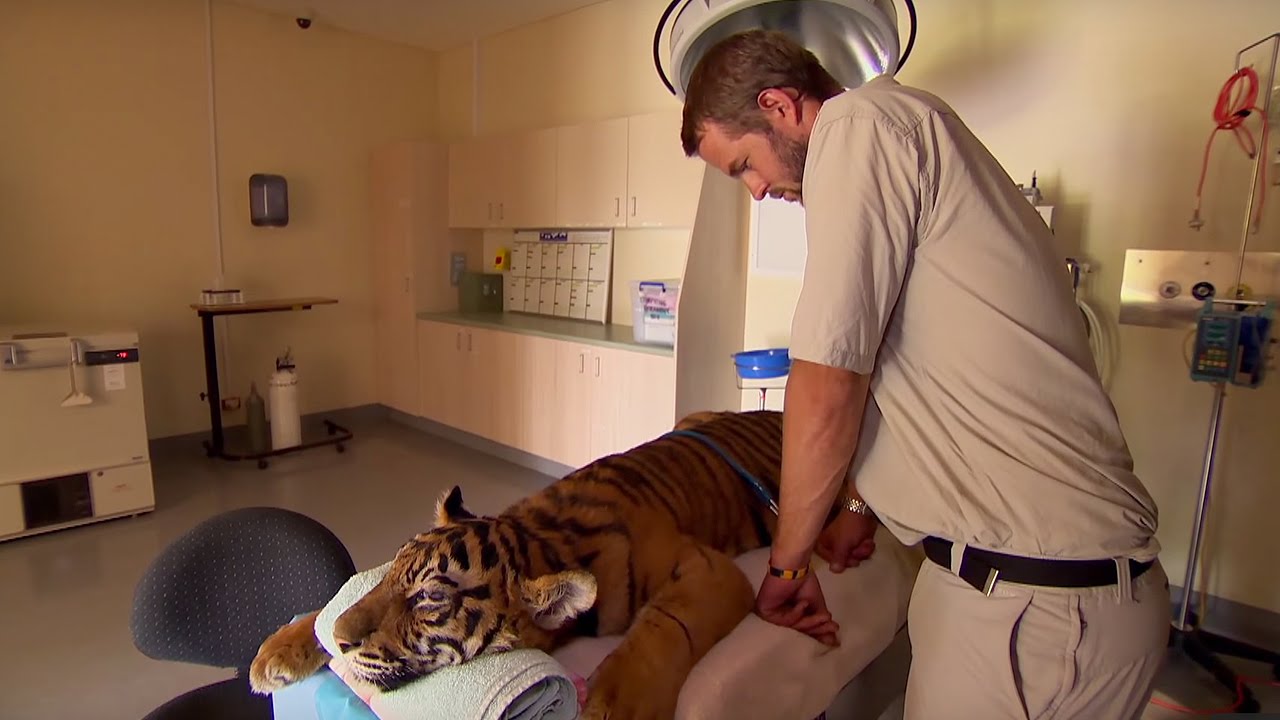
After Giles has to deal with a heartbreaking decision he can free Spot of his pain and eventually reunited him with his brother. Taken from Tigers About The House.
Subscribe to BBC Earth: http://bit.ly/BBCEarthSubBBC Earth YouTube Channel: http://www.youtube.com/BBCEarth
BBC Earth Facebook http://www.facebook.com/bbcearth (ex-UK only)
BBC Earth Twitter http://www.twitter.com/bbcearth
Visit http://www.bbc.com/earth/world for all the latest animal news and wildlife videos
This is a channel from BBC Studios who help fund new BBC programmes.

A pack of wolves chases a buffalo and its calf. Can they catch them after days of starvation? Or can the buffalo and calf live to survive another day?
Subscribe to BBC Earth for more amazing animal videos - http://bit.ly/BBCEarthSub
Watch more videos from BBC Earth:
Planet Earth http://bit.ly/PlanetEarthPlaylist
Blue Planet http://bit.ly/BluePlanetPlaylist
Planet Earth II http://bit.ly/PlanetEarthIIPlaylist
Planet Dinosaur http://bit.ly/PlanetDinoPlaylist
Check out the other two channels in our BBC Earth network:
BBC Earth Unplugged: http://bit.ly/BBCEarthUnplugged
BBC Earth Lab: http://bit.ly/BBCEarthLabYouTubeChannel
Natural World: A Wolf Called Storm
Storm is an extraordinary wolf - the head of a pack in Canada's frozen north that hunts the giant buffalo herds. This pack came to fame in Frozen Planet, and now cameraman Jeff Turner spends a year with Storm and his wolf family, learning how they survive in this harsh wilderness and whether Storm can pass his hunting skills on to the new generation of wolf cubs.
Welcome to BBC EARTH! The world is an amazing place full of stories, beauty and natural wonder. Here you'll find 50 years worth of astounding, entertaining, thought-provoking and educational natural history content. Dramatic, rare, and exclusive, nature doesn't get more exciting than this.
Want to share your views with the team behind BBC Earth and win prizes? Join our BBC Studios Voice: https://www.bbcstudiosvoice.com/register
This is a page from BBC Studios who help fund new BBC programmes. Service information and feedback: http://bbcworldwide.com/vod-fe....edback--contact-deta

Follow Ultravox:
Ultravox's Music Online: https://Ultravox.lnk.to/Listen
Subscribe: https://Ultravox.lnk.to/Subscribe
Website: https://Ultravox.lnk.to/Web
Facebook: https://Ultravox.lnk.to/FB
Instagram: https://Ultravox.lnk.to/IN
Twitter: https://Ultravox.lnk.to/TW
Lyrics:
Dancing with tears in my eyes
Weeping for the memory of a life gone by
Dancing with tears in my eyes
Living out a memory of a love that died
It's five and I'm driving home again
It's hard to believe that it's my last time
The man on the wireless cries again
It's over, it's over
Dancing with tears in my eyes
Weeping for the memory of a life gone by
Dancing with tears in my eyes
Living out a memory of a love that died
It's late and I'm with my love alone
We drink to forget the coming storm
We love to the sound of our favourite song
Over and over
Dancing with tears in my eyes
Living out a memory of a love that died
It's time and we're in each other's arms
It's time but I don't think we really care
Dancing with tears in my eyes
Weeping for the memory of a life gone by
Dancing with tears in my eyes
Weeping for the memory of a life gone by
Dancing with tears in my eyes

Ultravox - Reap The Wild Wind (Original Promo) (1982) (HD)
Another classic 80's Ultravox track from the archives, this time it's "Reap The Wild Wind" from 1982... :-)
Sharpened Up, ReDubbed as usual... enjoy... :-)

Follow Ultravox:
Ultravox's Music Online: https://Ultravox.lnk.to/Listen
Subscribe: https://Ultravox.lnk.to/Subscribe
Website: https://Ultravox.lnk.to/Web
Facebook: https://Ultravox.lnk.to/FB
Instagram: https://Ultravox.lnk.to/IN
Twitter: https://Ultravox.lnk.to/TW
Lyrics:
Standing on my own
It didn't mean that much to me
I thought I had it all
I didn't see the mystery
I stood the test of time
I took the step to find
Love's great adventure
I spoke a million words
They didn't mean that much to me
They rang around my head
Like empty tuneless harmonies
Love's great adventure mine
Lying side by side
It didn't mean that much to me
I started to enjoy
The poetry and symphonies
I took it in my stride
I hailed the Day i tried
Love's great adventure
A fool who couldn't see
It didn't mean that much to me
I couldn't understand
That's how the game is meant to be
Love's great adventure mine
Standing on my own
It didn't mean that much to me
I thought I had it all
I didn't see the mystery
I stood the test of time
I took the step to find
Love's great adventure

Ultravox live on the tube, November 4th 1984, recorded in Newcastle England. Recorded by me on Sony C6 betamax vcr, using Scotch video tape.

Support Deep Look on Patreon! https://www.patreon.com/deeplook
A baby hairworm hitches a ride inside a cricket, feasting on its fat until the coiled-up parasite is ready to burst out. Then it hijacks the cricket's mind and compels it to head to water for a gruesome little swim.
SUBSCRIBE to Deep Look! http://goo.gl/8NwXqt
DEEP LOOK is an ultra-HD (4K) short video series created by KQED San Francisco and presented by PBS Digital Studios. See the unseen at the very edge of our visible world. Explore big scientific mysteries by going incredibly small.
If you’re out on a hike and look down at a puddle, you might spot a long, brown spaghetti-shaped creature whipping around madly in a figure 8.
It’s a hairworm – also known as a horsehair worm or Gordian worm – and researchers have described 350 species around the world. Good news: It isn’t interested in infecting or attacking humans. But if you had happened on the puddle a few hours earlier, you might have witnessed a gruesome spectacle – the hairworm wriggling out of a cricket’s body, pushing its way out like the baby monster in the movie “Alien.”
How a hairworm ends up in a puddle, or another water source such as a stream, hot tub or a pet’s water dish, is a complex story. A young hairworm finds its way into a cricket or similar insect like a beetle or grasshopper, and once it’s grown into an adult, the parasite takes over its host’s brain to hitch a ride to the water.
As a result of the infection, crickets stop growing and reproducing. Male crickets infected by hairworms even lose their chirp, said Ben Hanelt, a biologist at the University of New Mexico who studies hairworms.
--- What *is* a hair worm?
A hair worm or hairworm – pick your spelling – is a nematomorph. Nematomorpha are a group of parasites. They’re long, thin worms that can grow to be several meters long inside their host.
--- Can humans be infected by hair worms?
There are reports of humans and cats and dogs being infected by hair worms, but hair worms aren’t after us or our pets because they can’t grow inside us, said Hanelt. They can only grow inside a host like a cricket or a related insect.
“What happens is that a dog, a cat, a human will ingest an adult (hair worm) somehow,” said Hanelt. “Could a cricket crawl in your sandwich before you take a bite? I don’t know. None of the studies that are out there talk about that. What they have been reported to do is to cause in many people intestinal distress.”
--- How do hair worms control crickets’ minds?
Scientists don’t understand the precise mechanism yet, but they believe that hairworms either boost chemicals in the crickets’ brains or pump chemicals into their brains.
---+ Read the entire article on KQED Science:
https://www.kqed.org/science/1....937775/these-hairwor
---+ For more information:
Hairworm Biodiversity Survey: http://www.nematomorpha.net
---+ More great Deep Look episodes:
Jerusalem Crickets Only Date Drummers
https://www.youtube.com/watch?v=mHbwC-AIyTE
How Mosquitoes Use Six Needles to Suck Your Blood
https://www.youtube.com/watch?v=rD8SmacBUcU
Identical Snowflakes? Scientist Ruins Winter For Everyone
https://www.youtube.com/watch?v=Gojddrb70N8
---+ Follow KQED Science:
Instagram: https://www.instagram.com/kqedscience/
Twitter: https://www.twitter.com/kqedscience
KQED Science on kqed.org: http://www.kqed.org/science
Facebook Watch: https://www.facebook.com/DeepLookPBS/
Patreon: https://www.patreon.com/deeplook
---+ Shoutout!
?Congratulations ? to Sushant Mendon who won our GIF CHALLENGE over at the Deep Look Community Tab: https://www.youtube.com/user/K....QEDDeepLook/communit
---+ About KQED
KQED, an NPR and PBS affiliate in San Francisco, CA, serves Northern California and beyond with a public-supported alternative to commercial TV, radio and web media.
Funding for Deep Look is provided in part by PBS Digital Studios. Deep Look is a project of KQED Science, which is also supported by the National Science Foundation, the Templeton Religion Trust, the Templeton World Charity Foundation, the S. D. Bechtel, Jr. Foundation, the Dirk and Charlene Kabcenell Foundation, the Vadasz Family Foundation, the Gordon and Betty Moore Foundation, the Fuhs Family Foundation and the members of KQED. #deeplook #hairworms #wildlife

Most firefly flashes are pure romance, a sexy form of skywriting. But one variety copies the mating signals of others to lure them to their demise.
SUBSCRIBE to Deep Look! http://goo.gl/8NwXqt
DEEP LOOK: a new ultra-HD (4K) short video series created by KQED San Francisco and presented by PBS Digital Studios. See the unseen at the very edge of our visible world. Get a new perspective on our place in the universe and meet extraordinary new friends. Explore big scientific mysteries by going incredibly small.
Most of the blinking signals that fireflies send out are intended to attract mates. But researchers are finding out that in some cases, these romantic overtures are not all wine and roses.
Females of one firefly group, the genus Photuris, have learned to copy other fireflies’ flashes to attract the males of those species. When one arrives, she pounces, first sucking his blood, then devouring his insides.
These “femme fatale” fireflies live throughout the Eastern U.S alongside the fireflies they target. They can develop widely varying light shows to target whatever species are in the area.
The predatory habits of Photuris are just one example of how much individual firefly signals can differ from one another.
The male Common Eastern Firefly, for example, is known for his fish hook-shaped aerial maneuver, which he repeats at six-second intervals. That characteristic move has earned the species the nickname “Big Dipper.”
The male Big Dipper hopes this bit of skywriting will get him noticed by females hiding in the grass. If the female likes what she sees, her reply comes as a single pulse from her smaller, heart-shaped lantern. That’s his invitation to land and mate.
Most firefly interactions follow the same pattern, with roving males advertising themselves to concealed females. Within a species, the back-and-forth signals are so reliable that it’s easy to attract the male fireflies with even a simple decoy.
Firefly light is biochemical. But fireflies like the Big Dippers do much more with chemistry than just make light. They can mix together an array of other compounds, including invisible pheromones for mating, and others called lucibufagins (“loosa-BOOF-ajins”) that ward off predators like spiders and birds.
At some point, the Photuris “femme fatale” fireflies lost the ability to make their own lucibufagins. So instead of chemistry, these bigger, stronger fireflies became adept at imitation, and evolved to turn into insect vampires to take these valuable compounds from other fireflies to boost their own defenses.
And it works. In experiments, predators avoided Photuris fireflies that had recently preyed on other fireflies.
--- Where do fireflies live?
There are fireflies worldwide, but in the U.S., you’ll find them in the Midwest and Eastern U.S. There are a few species in the West, including the California Pink Glow-worm.
--- Why do fireflies flash?
Mostly, it’s to attract mates. One sex, usually the male, uses a more elaborate flash pattern to get the attention of the opposite sex. Then the female signals her interest with a simpler flash.
--- Why do fireflies glow after they die?
The chemicals in the firefly that make light, luciferin and luciferase, remain viable after it dies, and the reaction that creates the light thrives on oxygen, which is of course plentiful in the air.
---+ Read the entire article on KQED Science:
https://ww2.kqed.org/2018/02/2....7/so-sometimes-firef
---+ For more information:
Join Fireflyers International: https://fireflyersinternational.net/
---+ More Great Deep Look episodes:
Everything You Never Wanted to Know About Snail Sex
https://youtu.be/UOcLaI44TXA
Why the Male Black Widow is a Real Home Wrecker
https://youtu.be/NpJNeGqExrc
---+ See some great videos and documentaries from the PBS Digital Studios!
PBS Eons: When Giant Fungi Ruled
https://www.youtube.com/watch?v=-G64DagHuOg
Origin Of Everything: Why Do We Eat Artificial Flavors?
https://www.youtube.com/watch?v=iNaJ31EV13U
---+ Follow KQED Science:
KQED Science: http://www.kqed.org/science
Tumblr: http://kqedscience.tumblr.com
Twitter: https://www.twitter.com/kqedscience
---+ About KQED
KQED, an NPR and PBS affiliate in San Francisco, CA, serves Northern California and beyond with a public-supported alternative to commercial TV, Radio and web media.
Funding for Deep Look is provided in part by PBS Digital Studios. Deep Look is a project of KQED Science, which is supported by the S. D. Bechtel, Jr. Foundation, the Dirk and Charlene Kabcenell Foundation, the Vadasz Family Foundation, the Gordon and Betty Moore Foundation, the Fuhs Family Foundation Fund and the members of KQED.
#deeplook

It's not vanity. For cats, staying clean is a matter of life and death. And their tongue, specially equipped for the job, is just one of the things that makes cats such successful predators.
SUBSCRIBE to Deep Look! http://goo.gl/8NwXqt
DEEP LOOK is a ultra-HD (4K) short video series created by KQED San Francisco and presented by PBS Digital Studios. See the unseen at the very edge of our visible world. Get a new perspective on our place in the universe. Explore big scientific mysteries by going incredibly small.
* NEW VIDEOS EVERY OTHER TUESDAY! *
Even after thousands of years sharing our homes, cats still remain mysterious. For one thing, they spend an inordinate amount of time grooming themselves, up to half of their waking hours.
But all of that primping isn’t about vanity. For ambush predators like cats, staying clean is a matter of life and death.
In this episode of Deep Look we get up close and personal with these fastidious felines. By looking closely at cat tongues, research at MIT and Georgia Tech reveals clues to cats’ predatory prowess and finds inspiration for new technologies.
--- Why do cat’s tongues feel like sandpaper?
Cats’ tongues are covered in little spines called “papillae” that look like tiny hooks. Cats use their tongues to groom and the spines do a great job of detangling knots.
--- Why do cats spend so much time grooming?
Cat’s spend much of their day cleaning themselves- up to half of their waking hours! Cats are ambush predators and they need to stay clean in order to remain hidden from their prey. Prey species tend to be on the lookout for danger, and one whiff of the wrong odor can give the cat away.
--- Why do cats drink with their tongues?
Like most other mammals that are predators, cats have wide mouths to help them sink their teeth deep into their prey. The large opening on the sides of their mouth helps them get a better bite, but it makes it hard for them to create suction in order to drink. Instead they use their tongue to draw water up from the surface into a column. They then bite the column to get the water. They usually lap about four times per second.
---+ Read the entire article on KQED Science:
https://ww2.kqed.org/science/2....017/02/28/why-does-y
---+ For more information:
How Cats Lap: Water Uptake by Felis catus
http://science.sciencemag.org/....content/330/6008/123
---+ More Great Deep Look episodes:
If Your Hands Could Smell, You’d Be an Octopus | Deep Look
https://www.youtube.com/watch?v=XXMxihOh8ps
Archerfish Says..."I Spit in Your Face!" | Deep Look
https://www.youtube.com/watch?v=gN81dtxilhE
Roly Polies Came From the Sea to Conquer the Earth | Deep Look
https://www.youtube.com/watch?v=sj8pFX9SOXE
---+ See some great videos and documentaries from the PBS Digital Studios!
Pigeon Story: How the Rock Dove Became the Sky Rat | It’s OK to be Smart
https://www.youtube.com/watch?v=L8Y7Q1eja-E
Everything is Trying to Kill You
https://www.youtube.com/watch?v=LB8SqTwT93E
---+ Follow KQED Science:
KQED Science: http://www.kqed.org/science
Tumblr: http://kqedscience.tumblr.com
Twitter: https://www.twitter.com/kqedscience
---+ About KQED
KQED, an NPR and PBS affiliate in San Francisco, CA, serves Northern California and beyond with a public-supported alternative to commercial TV, Radio and web media.
Funding for Deep Look is provided in part by PBS Digital Studios and the John S. and James L. Knight Foundation. Deep Look is a project of KQED Science, which is also supported by HopeLab, the S. D. Bechtel, Jr. Foundation, the Dirk and Charlene Kabcenell Foundation, the Vadasz Family Foundation, the Gordon and Betty Moore Foundation, the Smart Family Foundation and the members of KQED.
#deeplook
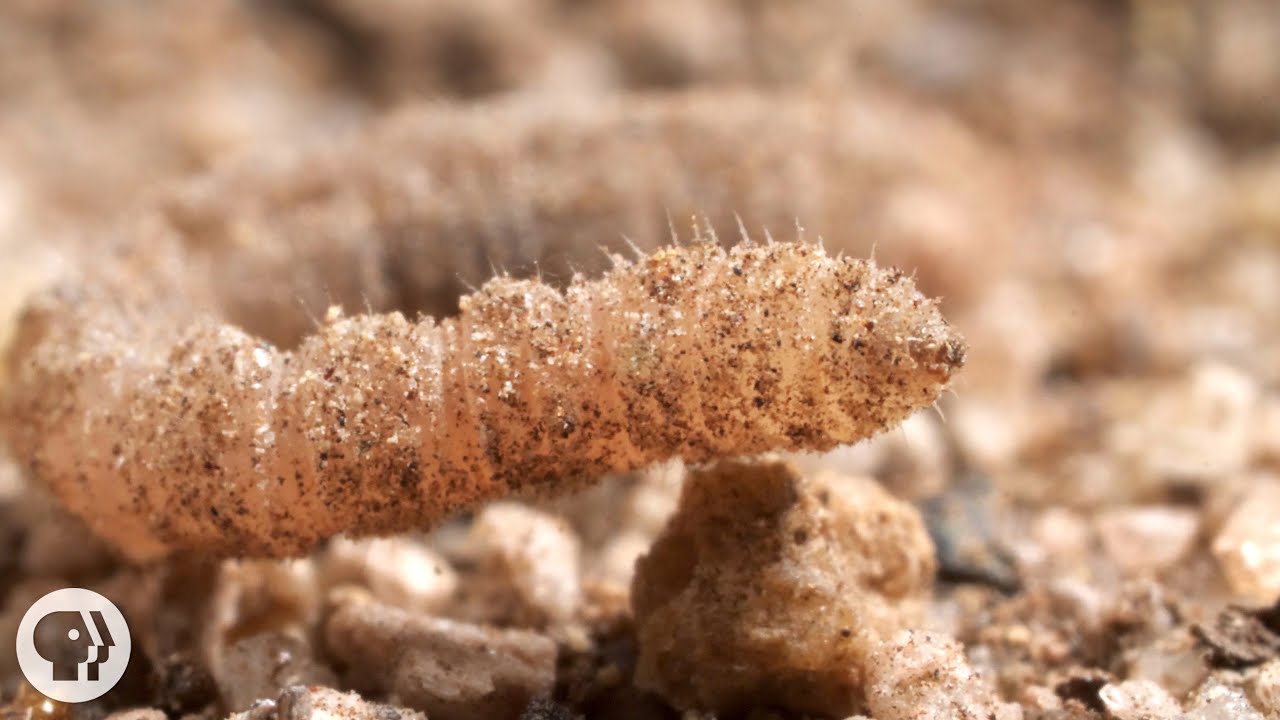
Straight out of science fiction, the fearsome wormlion ambushes prey at the bottom of a tidy - and terrifying - sand pit, then flicks their carcasses out. These meals fuel its transformation into something unexpected.
SUBSCRIBE to Deep Look! http://goo.gl/8NwXqt
Join our community on Patreon! https://www.patreon.com/deeplook
DEEP LOOK is a ultra-HD (4K) short video series created by KQED San Francisco and presented by PBS Digital Studios. See the unseen at the very edge of our visible world. Explore big scientific mysteries by going incredibly small.
---
Ominous creatures that lurk deep underground in the desert, like the sandworms in the classic science fiction novel "Dune," aren’t just make-believe. For ants and other prey, wormlions are a terrifying reality.
While quite small—they can grow up to an inch—wormlions are fly larvae that curl up their bodies like slingshots. Usually found under rock or log overhangs in dry, sandy landscapes, they’ll energetically fling soil, sand and pebbles out of the way to dig pit traps.
Once an unlucky critter falls in, wormlions move at lightning speed and quickly wrap their bodies around their victims. Squeezing them like boa constrictors, they also inject them with a paralyzing venom. They feed this way for several years, until they transform into adults.
Joyce Gross, a computer programmer for the UC Berkeley Natural History Museums, is fascinated by their unique hunting behavior.
“They have such a weird life history," she said. "They're the only flies that dig pits like this, and wait for prey to fall in, just like antlions.”
---+ Read the entire article on KQED Science:
https://www.kqed.org/science/1....941850/meeting-a-wor
--- Are antlions and wormlions related?
While they use a similar hunting technique with pitfall traps, they’re actually two separate species.
--- How are antlions and wormlions different from each other?
Antlions have big jaws, while wormlions have tiny mouthparts typical of other flies. They also dig pits differently. Antlions (genus Myrmeleon) create deeper pits by digging backwards in a spiral-shaped path.
---+ For more information:
Read "Demons of the Dust" (1930) by William Morton Wheeler: https://books.google.com/books..../about/Demons_of_the
---+ More Great Deep Look episodes:
Creepy Crawly Videos: https://www.youtube.com/watch?v=Yb26BBvAAWU&list=PLdKlciEDdCQBYF3x2RYLhPH0-tP_u2nRX
---+ Shoutout!
?Congratulations ?to the following fans for correctly identifying the creature's genus in our community tab challenge: Gar Báge, Phil Conti, Pikaia Battaile, Trinidadmax, and BorderLander .
---+ Thank you to our Top Patreon Supporters ($10+ per month)!
ThePeaceOfBread, Jeremy Gutierrez, Bill Cass, Justin Bull, Daniel Weinstein, Chris B Emrick, Karen Reynolds, Tea Torvinen, m_drunk, David Deshpande, Noah Hess, Daisuke Goto, Companion Cube, WhatzGames, Edwin, ThePeaceOfBread, Richard Shalumov, Elizabeth Ann Ditz, pearsryummy, Samuel Bean, Shirley Washburn, Kristell Esquivel , Jiayang Li, Jeremy Gutierrez, Carlos Zepeda, KW, johanna reis, Robert Warner, Monica Albe, Elizabeth Wolden, Cindy McGill, Sayantan Dasgupta, Robert Amling, Kilillith, Shelley Pearson Cranshaw, Pamela Parker, Kendall Rasmussen, Joshua Murallon Robertson, Kenia Villegas, Breanna Tarnawsky, Sonia Tanlimco, Bluapex, Ivan Alexander, Allen, Michele Wong, Johnnyonnyful, Tommy Tran, Rick Wong, Dean Skoglund, Laurel Przybylski, Levi Cai, Beckie, Jane Orbuch, Nathan Wright, Nathan Padilla, Jason Buberel, Sean Tucker, Carl, Mark Joshua Bernardo, Titania Juang, Daniel Voisine, Michael Mieczkowski, Kyle Fisher, Kirtan Patel, Jeanine Womble, JanetFromAnotherPlanet, Kallie Moore, SueEllen McCann, Jeanne Sommer, Edwin Rivas, Geidi Rodriguez, Benjamin Ip, Willy Nursalim, Katherine Schick, Aurora Mitchell, Two Box Fish, Daisy Trevino , Ricardo Martinez, Marjorie D Miller, Ben Espey, Cory, Eric Carter, PM Daeley, Ahegao Comics, Iver Soto, Chris Murphy, Joao Ascensao, Nicolette Ray, Yvan Mostaza, TierZoo, Gerzon
---+ Follow KQED Science and Deep Look:
Patreon: https://www.patreon.com/deeplook
Instagram: https://www.instagram.com/kqedscience/
Twitter: https://www.twitter.com/kqedscience
KQED Science on kqed.org: http://www.kqed.org/science
Facebook Watch: https://www.facebook.com/DeepLookPBS/
---+ About KQED
KQED, an NPR and PBS affiliate in San Francisco, CA, serves Northern California and beyond with a public-supported alternative to commercial TV, Radio and web media.
Funding for Deep Look is provided in part by PBS Digital Studios. Deep Look is a project of KQED Science, which is also supported by the National Science Foundation, the Templeton Religion Trust, the Templeton World Charity Foundation, the S. D. Bechtel, Jr. Foundation, the Dirk and Charlene Kabcenell Foundation, the Vadasz Family Foundation, the Gordon and Betty Moore Foundation, the Fuhs Family Foundation and the members of KQED.
#wormlion #insect #deeplook
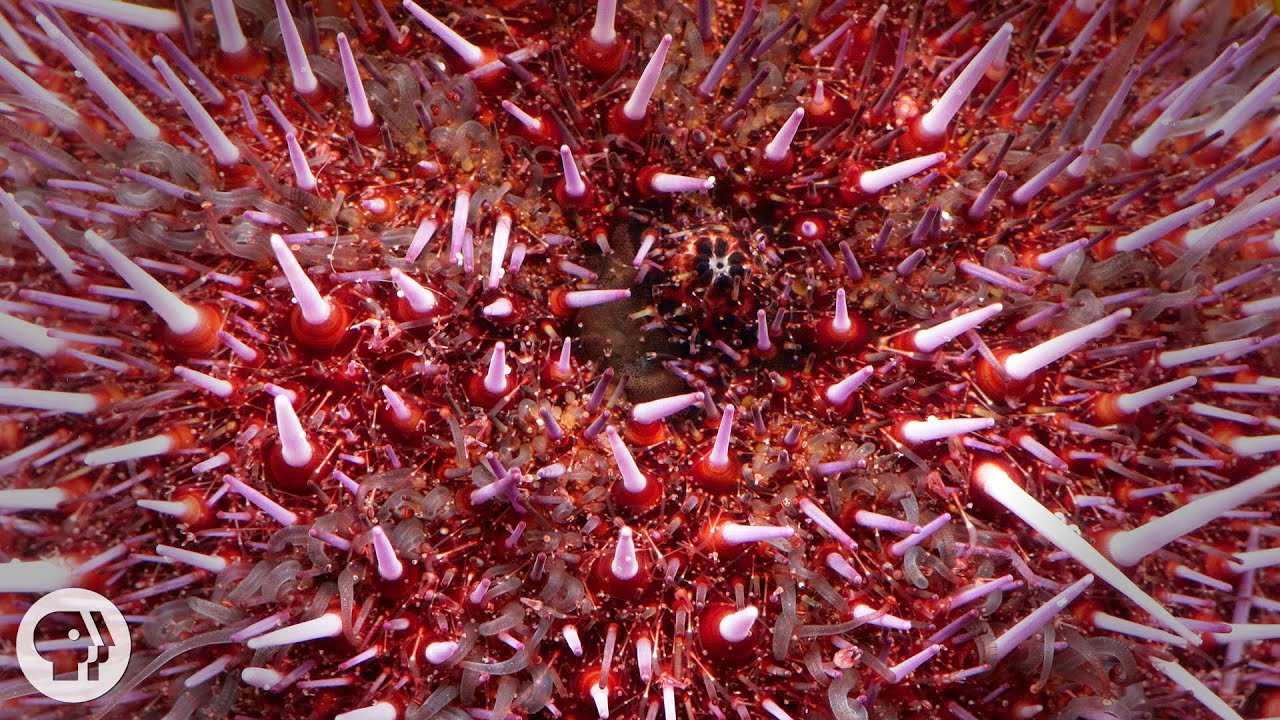
Conceived in the open sea, tiny spaceship-shaped sea urchin larvae search the vast ocean to find a home. After this incredible odyssey, they undergo one of the most remarkable transformations in nature.
SUBSCRIBE to Deep Look! http://goo.gl/8NwXqt
DEEP LOOK is a ultra-HD (4K) short video series created by KQED San Francisco and presented by PBS Digital Studios. See the unseen at the very edge of our visible world. Get a new perspective on our place in the universe. Explore big scientific mysteries by going incredibly small.
* NEW VIDEOS EVERY OTHER TUESDAY! *
Every summer, millions of people head to the coast to soak up the sun and play in the waves. But they aren’t alone. Just beyond the crashing surf, hundreds of millions of tiny sea urchin larvae are also floating around, preparing for one of the most dramatic transformations in the animal kingdom.
Scientists along the Pacific coast are investigating how these microscopic ocean drifters, which look like tiny spaceships, find their way back home to the shoreline, where they attach themselves, grow into spiny creatures and live out a slow-moving life that often exceeds 100 years.“These sorts of studies are absolutely crucial if we want to not only maintain healthy fisheries but indeed a healthy ocean,” says Jason Hodin, a research scientist at the University of Washington’s Friday Harbor Laboratories.
http://staff.washington.edu/hodin/
http://depts.washington.edu/fhl/
Sea urchins reproduce by sending clouds of eggs and sperm into the water. Millions of larvae are formed, but only a handful make it back to the shoreline to grow into adults.
--- What are sea urchins?
Sea urchins are spiny invertebrate animals. Adult sea urchins are globe-shaped and show five-point radial symmetry. They move using a system of tube feet. Sea urchins belong to the phylum Echinodermata along with their relatives the sea stars (starfish), sand dollars and sea slugs.
--- What do sea urchins eat?
Sea urchins eat algae and can reduce kelp forests to barrens if their numbers grow too high. A sea urchin’s mouth, referred to as Aristotle’s lantern, is on the underside and has five sharp teeth. The urchin uses the tube feet to move the food to its mouth.
--- How do sea urchins reproduce?
Male sea urchins release clouds of sperm and females release huge numbers of eggs directly into the ocean water. The gametes meet and the sperm fertilize the eggs. The fertilized eggs grow into free-swimming embryos which themselves develop into larvae called plutei. The plutei swim through the ocean as plankton until they drop to the seafloor and metamorphosize into the globe-shaped adult urchins.
---+ Read the entire article on KQED Science:
https://ww2.kqed.org/science/2....016/08/23/sea-urchin
---+ For more information:
Marine Larvae Video Resource
http://marinedevelopmentresource.stanford.edu/
---+ More Great Deep Look episodes:
From Drifter to Dynamo: The Story of Plankton | Deep Look
https://www.youtube.com/watch?v=jUvJ5ANH86I
Pygmy Seahorses: Masters of Camouflage | Deep Look
https://www.youtube.com/watch?v=Q3CtGoqz3ww
The Fantastic Fur of Sea Otters | Deep Look
https://www.youtube.com/watch?v=Zxqg_um1TXI
---+ See some great videos and documentaries from PBS Digital Studios!
It's Okay To Be Smart: Can Coral Reefs Survive Climate Change?
https://www.youtube.com/watch?v=P7ydNafXxJI
Gross Science: White Sand Beaches Are Made of Fish Poop
https://www.youtube.com/watch?v=1SfxgY1dIM4
---+ Follow KQED Science:
KQED Science: http://www.kqed.org/science
Tumblr: http://kqedscience.tumblr.com
Twitter: https://www.twitter.com/kqedscience
---+ About KQED
KQED, an NPR and PBS affiliate in San Francisco, CA, serves Northern California and beyond with a public-supported alternative to commercial TV, Radio and web media.
Funding for Deep Look is provided in part by PBS Digital Studios and the John S. and James L. Knight Foundation. Deep Look is a project of KQED Science, which is also supported by HopeLab, the S. D. Bechtel, Jr. Foundation, the Dirk and Charlene Kabcenell Foundation, the Vadasz Family Foundation, the Gordon and Betty Moore Foundation, the Smart Family Foundation and the members of KQED.
#deeplook #seaurchin #urchins

We've all heard that each and every snowflake is unique. But in a lab in sunny southern California, a physicist has learned to control the way snowflakes grow. Can he really make twins?
SUBSCRIBE to Deep Look! http://goo.gl/8NwXqt
DEEP LOOK is a ultra-HD (4K) short video series created by KQED San Francisco and presented by PBS Digital Studios. See the unseen at the very edge of our visible world. Get a new perspective on our place in the universe. Explore big scientific mysteries by going incredibly small.
* NEW VIDEOS EVERY OTHER TUESDAY! *
California's historic drought is finally over thanks largely to a relentless parade of powerful storms that have brought the Sierra Nevada snowpack to the highest level in six years, and guaranteed skiing into June. All that snow spurs an age-old question -- is every snowflake really unique?
“It’s one of these questions that’s been around forever,” said Ken Libbrecht, a professor of physics at the California Institute of Technology in Pasadena. “I think we all learn it in elementary school, the old saying that no two snowflakes are alike.”
--- How do snowflakes form?
Snow crystals form when humid air is cooled to the point that molecules of water vapor start sticking to each other. In the clouds, crystals usually start forming around a tiny microscopic dust particle, but if the water vapor gets cooled quickly enough the crystals can form spontaneously out of water molecules alone. Over time, more water molecules stick to the crystal until it gets heavy enough to fall.
--- Why do snowflakes have six arms?
Each water molecule is each made out of one oxygen atom and two hydrogen atoms. As vapor, the water molecules bounce around slamming into each other. As the vapor cools, the hydrogen atom of one molecule forms a bond with the oxygen of another water molecule. This is called a hydrogen bond. These bonds make the water molecules stick together in the shape of a hexagonal ring. As the crystal grows, more molecules join fitting within that same repeating pattern called a crystal array. The crystal keeps the hexagonal symmetry as it grows.
--- Is every snowflake unique?
Snowflakes develop into different shapes depending on the humidity and temperature conditions they experience at different times during their growth. In nature, snowflakes don’t travel together. Instead, each takes it’s own path through the clouds experiencing different conditions at different times. Since each crystal takes a different path, they each turn out slightly differently. Growing snow crystals in laboratory is a whole other story.
---+ Read the entire article on KQED Science:
https://ww2.kqed.org/science/2....017/04/11/identical-
---+ For more information:
Ken Libbrecht’s online guide to snowflakes, snow crystals and other ice phenomena.
http://snowcrystals.com/
---+ More Great Deep Look episodes:
Can A Thousand Tiny Swarming Robots Outsmart Nature? | Deep Look
https://www.youtube.com/watch?v=dDsmbwOrHJs
What Gives the Morpho Butterfly Its Magnificent Blue? | Deep Look
https://www.youtube.com/watch?v=29Ts7CsJDpg&list=PLdKlciEDdCQDxBs0SZgTMqhszst1jqZhp&index=48
The Amazing Life of Sand | Deep Look
https://www.youtube.com/watch?v=VkrQ9QuKprE&list=PLdKlciEDdCQDxBs0SZgTMqhszst1jqZhp&index=51
The Hidden Perils of Permafrost | Deep Look
https://www.youtube.com/watch?v=wxABO84gol8
---+ See some great videos and documentaries from the PBS Digital Studios!
The Science of Snowflakes | It’s OK to be Smart
https://www.youtube.com/watch?v=fUot7XSX8uA
An Infinite Number of Words for Snow | PBS Idea Channel
https://www.youtube.com/watch?v=CX6i2M4AoZw
Is an Ice Age Coming? | Space Time | PBS Digital Studios
https://www.youtube.com/watch?v=ztninkgZ0ws
---+ Follow KQED Science:
KQED Science: http://www.kqed.org/science
Tumblr: http://kqedscience.tumblr.com
Twitter: https://www.twitter.com/kqedscience
---+ About KQED
KQED, an NPR and PBS affiliate in San Francisco, CA, serves Northern California and beyond with a public-supported alternative to commercial TV, Radio and web media.
Funding for Deep Look is provided in part by PBS Digital Studios and the John S. and James L. Knight Foundation. Deep Look is a project of KQED Science, which is also supported by HopeLab, the S. D. Bechtel, Jr. Foundation, the Dirk and Charlene Kabcenell Foundation, the Vadasz Family Foundation, the Gordon and Betty Moore Foundation, the Smart Family Foundation and the members of KQED.
#deeplook
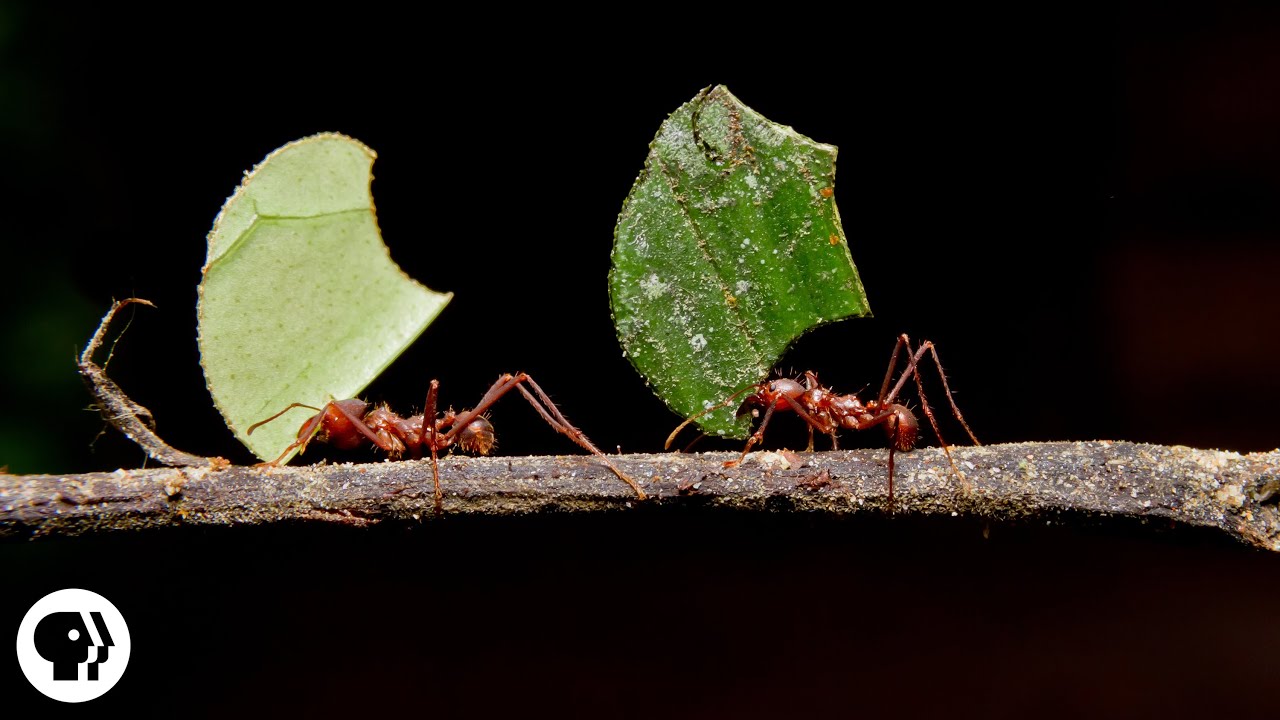
Ants don’t eat leaves. They use them to grow white tufts of nutritious fungus to feed their offspring. Their success as farmers has made leafcutter ants into fungus tycoons, complete with their own underground cities and huge half-inch soldiers to patrol them.
DEEP LOOK: a new ultra-HD (4K) short video series created by KQED San Francisco and presented by PBS Digital Studios. See the unseen at the very edge of our visible world. Get a new perspective on our place in the universe and meet extraordinary new friends. Explore big scientific mysteries by going incredibly small.
What do ants eat?
Though leafcutter ants drink the sap in leaves for energy, they don’t eat them. Instead, they use them to grow something else. Leafcutters use leaf pieces to feed a fungus that grows in white tufts in their nests. The ants eat the fungus and feed it to their brood.
How old are ants?
To give you an idea, while humans have farmed for around 12,000 years, ants have been doing it for 60 million.
How many ants are there in the world?
If you bundled together all the ants in the world, there would be more of them than people – they’re the dominant biomass, says Brian Fisher, chair of the Department of Entomology at the California Academy of Sciences, in San Francisco. This is because all 30,000 species of ants are social. They have many ways of making a living.
How strong are ants?
Leafcutter ants haul leaf pieces through fields or forests to their underground nests. For a human, this feat would be the equivalent of carrying more than 600 pounds between our teeth.
Why are ants important to the soil?
The activity of ants aerates the soil, making it easier for water and oxygen to get through. They also contribute organic matter.
More great Deep Look episodes:
What Happens When You Put a Hummingbird in a Wind Tunnel?
https://www.youtube.com/watch?v=JyqY64ovjfY
Newt Sex: Buff Males! Writhing Females! Cannibalism!
https://www.youtube.com/watch?v=5m37QR_4XNY
Pygmy Seahorses: Masters of Camouflage
https://www.youtube.com/watch?v=Q3CtGoqz3ww
See also another great video from the PBS Digital Studios!
It's Okay to Be Smart: What's The Most Successful Species on Earth?
https://www.youtube.com/watch?v=fWc46NCnldo
And this one is also a favorite:
How to get Ants to carry a sign - Smarter Every Day 92
https://www.youtube.com/watch?v=-ZZzcw9ifDQ
Read an extended article on how leafcutter ants grow a fungus from leaf pieces:
http://ww2.kqed.org/science/20....15/06/11/where-are-t
If you’re in the San Francisco Bay Area, you can see live leafcutters at the Oakland Zoo or the California Academy of Sciences, in San Francisco.
http://www.oaklandzoo.org
http://www.calacademy.org
The compact book “The Leafcutter Ants: Civilization by Instinct,” by Bert Hölldobler and Edward O. Wilson, has detailed black and white drawings, photos and a fascinating description of the mating habits of leafcutter ant queens. The queen accumulates all the sperm she’ll need for her entire reproductive life during a single mating frenzy. After that, males are no longer necessary: Leafcutter colonies are made up entirely of female ants.
KQED Science: http://ww2.kqed.org/science
Tumblr: http://kqedscience.tumblr.com
Twitter: https://www.twitter.com/kqedscience
Funding for Deep Look is provided in part by PBS Digital Studios and the John S. and James L. Knight Foundation. Deep Look is a project of KQED Science, which is supported by HopeLab, The David B. Gold Foundation; S. D. Bechtel, Jr. Foundation; The Dirk and Charlene Kabcenell Foundation; The Vadasz Family Foundation; Smart Family Foundation and the members of KQED.
#deeplook
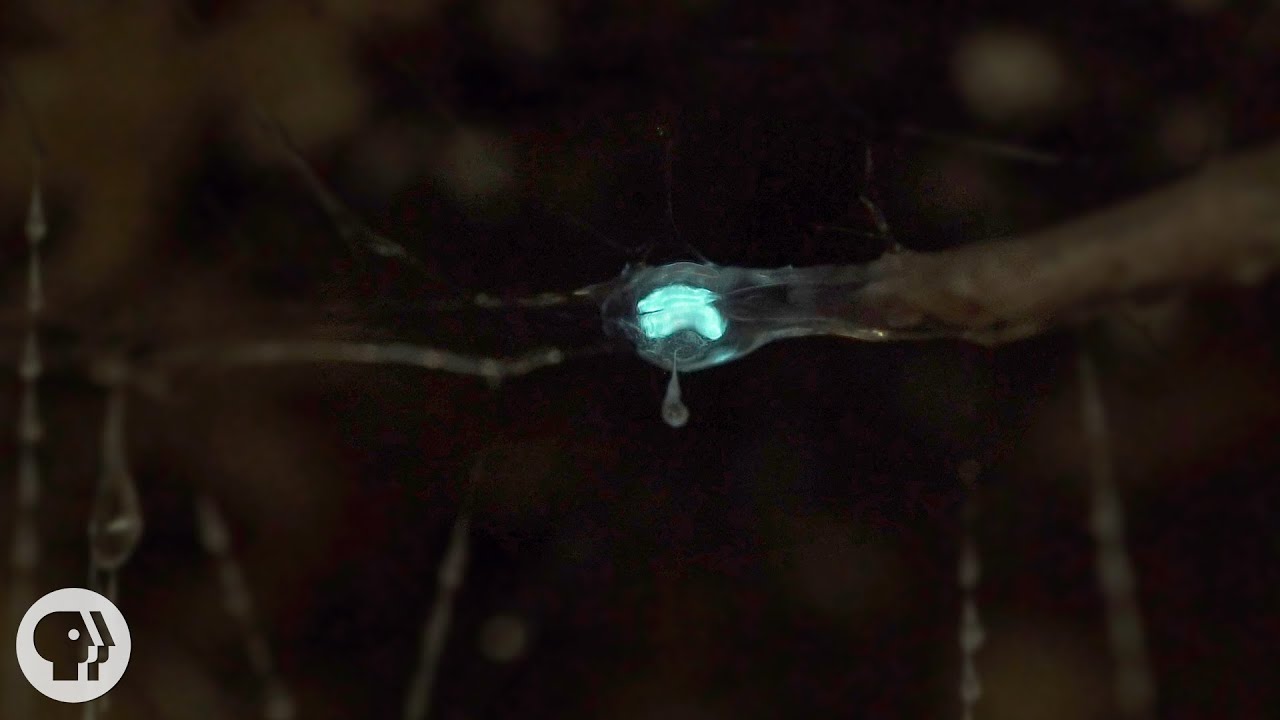
The glow worm colonies of New Zealand's Waitomo Caves imitate stars to confuse flying insects, then trap them in sticky snares and eat them alive.
SUBSCRIBE to Deep Look! http://goo.gl/8NwXqt
DEEP LOOK is science up close - really, really close. An ultra-HD (4K) short video series created by KQED San Francisco and presented by PBS Digital Studios. See the unseen at the very edge of our visible world. Get a new perspective on our place in the universe and meet extraordinary new friends. Explore big scientific mysteries by going incredibly small.
Like fireflies, the spectacular worms of New Zealand’s Waitomo Caves glow by breaking down a light-emitting protein. But unlike the yellow mating flashes of fireflies, the glow worms’ steady blue light has a more insidious purpose: it’s bait.
The strategy is simple. Many of the glow worms’ prey are insects, including moths, that navigate by starlight. With imposter stars all around, the insects become disoriented and fly into a waiting snare. Once the victim has exhausted itself trying to get free, the glow worm reels in the catch.
The prey is typically still alive when it arrives at the glow worm’s mouth, which has teeth sharp enough to bore through insect exoskeletons.
Glow worms live in colonies, and researchers have noticed that individual worms seem to sync their lights to the members of their colony, brightening and dimming on a 24-hour cycle. There can be several colonies of glow worms in a cave, and studies have shown that different colonies are on different cycles, taking turns at peak illumination, when they’re most attractive to prey.
Not surprisingly, the worms glow brighter when they’re hungry.
--- How do glow worms glow?
Their light is the result of a chemical reaction. The worms break down a protein called luciferin using an enzyme, luciferase, in a specialized section of their digestive tract. The glow shines through their translucent skin.
--- Why do glow worms live in caves?
The glow worms need to be in a dark environment where their light can be seen. Caves also shelter them from the wind, which can tangle their dangling snares.
--- Where can I see glow worms?
The Waitomo Caves are on New Zealand’s North Island. Other New Zealand glow worm sites include the Te Anau caves, Lake Rotoiti, Paparoa National Park, and Waipu. A related species inhabits similar caves in eastern Australia.
---+ Read the entire article on KQED Science:
https://ww2.kqed.org/science/2....016/06/28/these-carn
---+ For more information:
Discover Waitomo: http://www.waitomo.com/
---+ More Great Deep Look episodes:
Winter is Coming For These Argentine Ant Invaders
https://www.youtube.com/watch?v=boyzWeHdtiI
The Bombardier Beetle And Its Crazy Chemical Cannon
https://www.youtube.com/watch?v=BWwgLS5tK80
---+ See some great videos and documentaries from the PBS Digital Studios!
It's Okay to Be Smart: Are You Smarter Than A Slime Mold?
https://www.youtube.com/watch?v=K8HEDqoTPgk
Gross Science: Hookworms and the Myth of the "Lazy Southerner"
https://www.youtube.com/watch?v=7BwgpYexMjk
---+ Follow KQED Science:
KQED Science: http://www.kqed.org/science
Tumblr: http://kqedscience.tumblr.com
Twitter: https://www.twitter.com/kqedscience
---+ About KQED
KQED, an NPR and PBS affiliate in San Francisco, CA, serves Northern California and beyond with a public-supported alternative to commercial TV, Radio and web media.
Funding for Deep Look is provided in part by PBS Digital Studios and the John S. and James L. Knight Foundation. Deep Look is a project of KQED Science, which is also supported by HopeLab, the David B. Gold Foundation, the S. D. Bechtel, Jr. Foundation, the Dirk and Charlene Kabcenell Foundation, the Vadasz Family Foundation, the Gordon and Betty Moore Foundation, the Smart Family Foundation and the members of KQED.
#deeplook