Top Vídeos

Instagram: https://www.instagram.com/futbolcrack_1/
--------------------------------------------------------------------------------------------
Suscríbete es Gratis!
https://www.youtube.com/user/futcrackhd

Nuclear energy might have a lot of unused potential. Not only is it one of the best mid term solutions for global warming bit despite what gut feeling tells us, it has saved millions of lives. By investing more into better technologies we might be able to make nuclear energy finally save and clean forever.
Why nuclear energy is terrible: http://bit.ly/1bPzeol
Brief Introduction into nuclear energy: http://bit.ly/1CdmAIk
Nuclear energy saves lives: http://bit.ly/1lttjFa
If you want to support us and get a free audiobook go to www.audible.com/nutshell
Also thanks a lot for the help to Michael Büker! Follow him @emtiu
Visit us on our Website, Twitter, Facebook, Patreon or on Behance to say hi!
http://kurzgesagt.org
https://www.facebook.com/Kurzgesagt
https://twitter.com/Kurz_Gesagt
http://www.patreon.com/Kurzgesagt
http://www.behance.net/Kurzgesagt
The music was composed by Thomas Veith, you can get it here:
https://soundcloud.com/epicmou....ntain/sets/kurzgesag
https://epicmountainmusic.band....camp.com/track/nucle
https://epicmountainmusic.band....camp.com/track/nucle
http://www.epic-mountain.com
Thanks a lot to our lovely Patrons for their ongoing support!
Stephen Bassett, Raphael Hviding, Sam Elitzer, Andrzej Rejman, OpenGG, Andrew Jagasothy, jordan gardner, AgentK, Mehmet Sevil, Carly Tawse, K A I, Kevin Dam, Charlie, Christopher Lang, Nat Ryall, Jeff Le, Nicholas Holtz, Devir Islas, Arnas Valeika, Kirstie, Francesca Monteiro, James Craver, Broderick, Duncan Cheong, Derek, Juan Manuel Corredor, Osric Lord-Williams, Scott Zell, Jeroen Koerts, Patrick Eyrich, tekbit, Chris Linardos, Tony Morley, Jónatan Nilsson, Nat Thomas Golder, Zr4g0n, Cody, Michal, Caroline Andrewes, Alex Kaplan, Tom Alexander Kutil, Vincent, Okan, Sasha C, KokLiang Lim, Marcelo, Mikel De Uranga, Dean Herbert, Anton Efimenko, trefmanic, Adam Smith, David Garcia Quintas, Gaëtan Duvaux, Eduardo Barbosa, maarten ligtenberg, Ghitea Andrei Paul, Ozan, Ryan, Larry Bunyard, Josh Maleszewski, Volodymyr Khomenko, Sebastian Laiseca, Chase, Michael Slade, Scarlet Barton, Matthew Gill, Aaron, Alexander Heavens, Alexander Ahn, Arrngrim, Fluffy19, Adam Primaeros, Jan Schmid, Sara Shah,
Gard Fredrik Skuland, Veselin Kostadinov, Jonathan Velazquez Gore, Daniel, Philly Cashion, Seona Tea, Clayton Fussell, Daniel Gonzalez, Stephen Joseph DCruz, Morten, Dan Q, Thomas Lee, Finn Edwards, David Taylor, Corbin, Fabricio Godoy, Charles Kuang, Alan Feyaerts, Maximilian Ritter, Jesse MacLean, Matt Collins, Yousif, Jesse Powell, Dan Treasure, nga⁴, 冠瑋 陳, Wei Wong, Praveen Muthu, Jon Davis, Bahjat, Mike Mintz, Jem Arnold, Steffen Weng, Igor Benicio de Mesquita, Lars Vas Dias, Greeny Liu, Tibor Schiemann, dante harper, Bünyamin Tetik, Eli Fisker, Joe Pond, Jørgen Smalås, Gustavo, Tommi Mansikka, Dario Wünsch, Matthew Macomber, Daniel McCouid-Carr, Neelfyn, Muath, Edgar Duarte Ortega, Stephen Chen, Alipasha Sadri, Kevin P, Steven Ratner, Theo Alves Monteiro, Brucelow, José, Tony Montuori, Philipp Weber, Brad Wardell, David Davenport-Firth, Alexander Scheffer, Eric, Austin, Enrico, Hamad, Andrew Connor, Ignacio Flores, Tom Langford, Vaelohs, Peter Schuller, Bear, Brandy Alexander, Mark Govea, Alexander Kosenkov, Eric, Wesley Sheridan Montgomery, Artem Anchugov, Brandon Liu, Erven, varinder singh bal, Scott Laing, Philip Freeman, Gizem Gürkan, George Chearswat, Tim, Victor, Martin Fink-Jensen, Josh Allen, oscar gautama, Karl Snickars, Jennifer Hiller, Bruno Araújo, Maarten Bremer, Daniel OCL, Carlos Bohorquez, Elchus, RobPT, Hugo, Lethargicpanda, Amdrew, Minghan Ko, Mark Scheurwater, David Harbinson, Rikard Nyberg, Collin Banko, Florian Guitton, Jezariael Demos, Ajay Shekhar, Nick Yonge, Jon Moroney, Eugene Cham, Renaud Savignard, James, Viktor Asklund, Ryan, somersault18:24, Ben Shackman, Pranab Shenoy, Terry Lipstein, Tim Carll, Javier de la Garza, Rory Bennett, Jan Berdel, Sieglinde Geisel, Jeff Churchill
3 Reasons Why Nuclear Energy Is Awesome!
Help us caption & translate this video!
http://www.youtube.com/timedtext_cs_panel?c=UCsXVk37bltHxD1rDPwtNM8Q&tab=2
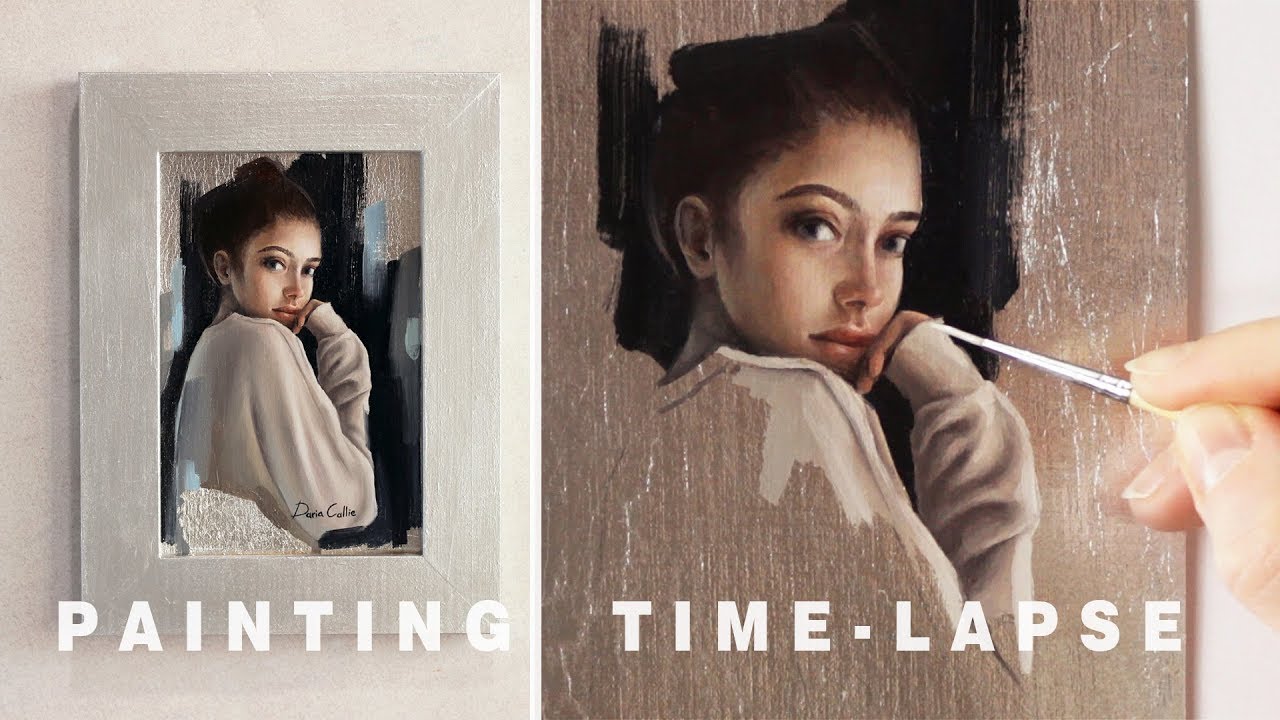
Oil painting, 10 x 15 cm
REAL-TIME PAINTING VIDEOS, TUTORIALS and other helpful materials ▶ https://www.patreon.com/dariacallie
▷ For prints and original paintings please visit https://dariacallie.com/store/
CONNECT WITH ME:
Instagram: https://www.instagram.com/dariacallie/
Facebook: https://www.facebook.com/DariaCallieArt/
Website: https://www.dariacallie.com/
Materials used:
• Oil paints - "Nevskaya palitra"
Colors: Burnt Umber, Cadmium Yellow Pale, Ultramarine Blue, Cadmium Red and Titanium White.
In addition I have a couple of colors that I use sometimes: Ivory Black, Celestial Blue and Cobalt Violet Deep.
• Primed 280gsm paper
• Silver leaf
• Paint thinner (odorless mineral spirits)
• Medium (stand linseed oil)
• Brushes - Detail brushes & Filbert synthetic brushes of different sizes
• Glass palette (homemade)
• Palette knife (from a local art-store)
• Paper towels (or tissues that I use to wipe the brushes)
Music: Fireball by albosel; Crab God by albosel
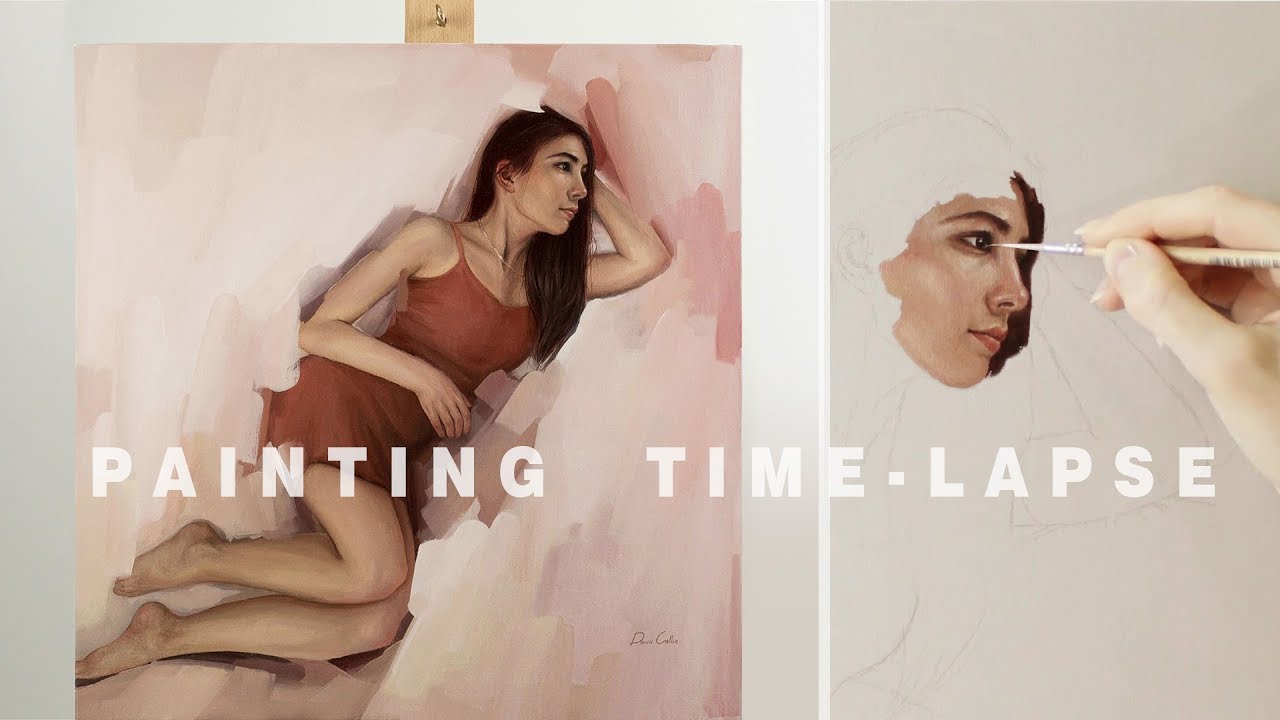
In this video I’m showing the process of working on a 50x50 cm (19.7x19.7 inches) oil painting.
REAL-TIME PAINTING VIDEOS, TUTORIALS and other helpful materials ▶ https://www.patreon.com/dariacallie
▷ For prints and original paintings please visit https://dariacallie.com/store/
CONNECT WITH ME:
Instagram: https://www.instagram.com/dariacallie/
Facebook: https://www.facebook.com/DariaCallieArt/
Website: http://www.dariacallie.com/
Materials used:
• Oil paints - Gamblin Oil Colors and Nevskaya palitra (russian brand)
Colors: Burnt umber, Cadmium Yellow, Ultramarine Blue, Cadmium Red and Titanium White.
(I have a color-mixing video where I explain how I premix my palette - https://youtu.be/kKT1gXBC_L4 )
In addition I have a couple of colors that I use sometimes: Ivory Black, Celestial Blue and Cobalt Violet Deep.
• Primed linen canvas (from a local art-store)
• Paint thinner (odorless mineral spirits)
• Medium (stand linseed oil)
• Brushes - Detail brushes & Filbert synthetic brushes of different sizes
• Glass palette (homemade)
• Palette knife (from a local art-store)
• Paper towels (or tissues that I use to wipe the brushes)
Music: “FLIGHT” by A. Taylor
https://soundcloud.com/a-taylor
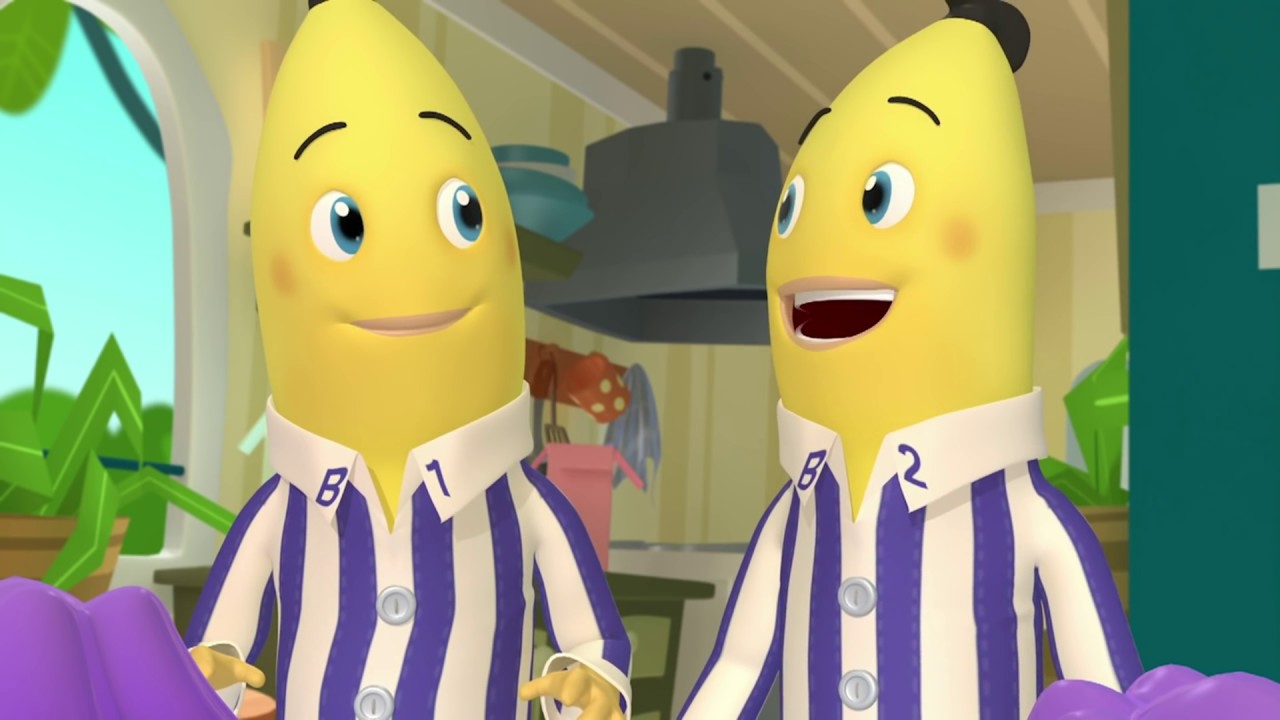
B1 and B2 try to make a snowman but mud isn't snow!
This is a clip of Season 1 Episode 74 called 'Snowman'
Stay Tuned! https://www.youtube.com/channe....l/UCug61OHMkz5GgJkey
Bananas in Pajamas Theme Song : https://youtu.be/6hPsXh5k0d8
Welcome to the Official Bananas in Pyjamas Channel.
On this channel you will find classic and animated full episodes! Your favourite clips and compilations and much more! Tune in every week and see the antics of B1, B2 and there many friends!

The Song Was Written Impossible For Human But She Nailed It. Charismatic Space Opera Diva Evgenia Laguna!
Recuerdas ESA escena de 'El Quinto Elemento'? La cantante Russian Evgenia Laguna la interpretó en vivo
The Fifth Element Music Video (1997) (RyoDrake Productions)
The Most Amazing Voice in the World
The song is still technically impossible for humans, if you haven't listened to the original song (which was actually computer generated). The song is Diva Dance from The Fifth Element. You can find it on YouTube.
I Was Touched listen to Her Sing !!!
Нажимайте "Мне нравится" и подписывайтесь на канал по ссылке/Press the "Like" button and subscribe for the channel with this link - http://www.youtube.com/subscri....ption_center?add_use
Сайт Евгении Лагуны/Evgenia Laguna's website - http://evgenialaguna.com/
https://www.facebook.com/evgenia.laguna
Instagram: evgenia.laguna
Электронная почта/Contact e-mail: space-opera@mail.ru
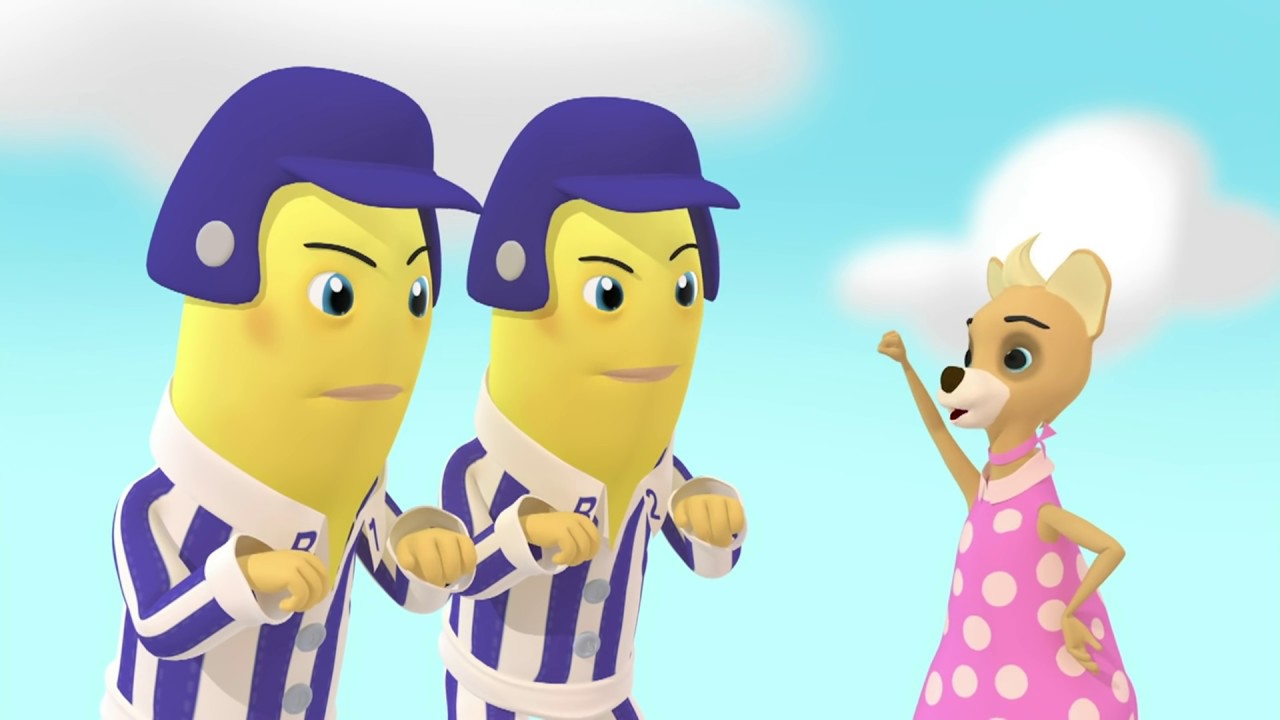
The Bananas want to learn how to hop just like Topsy the Kangaroo.
This is a clip from season 1 episode 61 "The Hopping Bananas"
Stay Tuned! https://www.youtube.com/channe....l/UCug61OHMkz5GgJkey
Bananas in Pyjamas Theme Song : https://youtu.be/6hPsXh5k0d8
Welcome to the Official Bananas in Pyjamas Channel.
On this channel you will find classic and animated full episodes! Your favourite clips and compilations and much more! Tune in every week and see the antics of B1, B2 and there many friends!

Watch our great music videos ❯ https://goo.gl/feVLNN
More TopPop? Subscribe here ❯ https://goo.gl/aICMxi
More info on Wikipedia ❯ https://en.wikipedia.org/wiki/TopPop
Broadcast date: 1983-03-05
This is to let you know that the video recording of the video clip was originally recorded by AVROTROS Broadcasting. AVROTROS Broadcasting hereby warrants and represents that it is the sole and exclusive owner of the physical film and/or videotape footage in this video clip.
The performance of the artist(s) in the clip was filmed and recorded with the written consent of the artist(s) and their representatives.
AVROTROS is a Dutch radio and television broadcaster, founded in 2014 from a merger of AVRO and TROS. From January 1st, 2014 the name of the merged broadcaster was used in joint programmes. AVRO was founded in 1923 as the Netherlands first public broadcaster. TROS started broadcasting in 1964. Toppop was a weekly AVRO pop program that was aired between 1970 and 1988.
AVROTROS Broadcasting
PO Box 2
1200 JA Hilversum
The Netherlands
TopPop was the first regular dedicated pop music TV show in the Dutch language area. Dutch broadcaster AVRO aired the programme weekly, from 1970 to 1988. Presenter Ad Visser hosted the show for its first fifteen years.
World famous music artists performed on TopPop: ABBA, 10CC, Bee Gees, The Jacksons with Michael Jackson, David Bowie, Earth & Fire, Queen, Golden Earring, Boney M, KC & The Sunshine Band, Chic, Donna Summer and many many more.
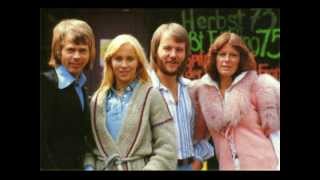
Original song by ABBA reworked to Major key.
PLEASE SUPPORT THE PROJECT: https://www.patreon.com/major_minor.
More: http://www.facebook.com/majorversusminor

Land Down Under by Men at Work :)
Unfortunately I am not Australian, but I do have a great appreciation for this song! Such a classic. ;D
I OWN NOTHING, NOR DO I CLAIM TO. I'M NOT PROFITING IN ANY WAY FROM THIS VIDEO.


This video is a challenge about drawing a person without using an eraser. It is also a tutorial for pen and ink with a Falcon fountain pen.
Get my drawing book: http://amzn.to/1K7L8Ed
Follow my Instagram: https://www.instagram.com/artistleonardo/
Follow Fine Art-Tips' Instagram: https://www.instagram.com/fine.art.tips/
Visit me on FB: https://www.facebook.com/LeonardoPereznieto
My website: http://www.ArtistLeonardo.com/
Do you want to help me translating it into your language?
(Note: First check if it hasn´t been translated already by pressing the "CC" button on the lower part of the video).
To translate the title of the video and the subtitles, all you need to do is to please go to the following link and translate (you don't necessarily need to do the whole thing, you can do a section and other people in the community can finish it). Thank you!:
http://www.youtube.com/timedtext_video?ref=share&v=Ct7Y3w4GCTo
If you would like to invest in a drawing, painting or sculpture by Leonardo Pereznieto, or to hire him for workshops or lectures, please write to me through my website: http://www.artistleonardo.com/ (Business only, not for personal messages.)
List of materials:
- Pilot Falcon fountain pen, black with gold accents, soft fine nib - https://amzn.to/2ILlZoJ
- Ohuhu Art Brush Pen - https://amzn.to/2MmSIUV
- Blue Ink, Iroshizuku, Asa-Gao, Morning Glory, Dark Blue - http://amzn.to/2mKV5as
- Fabriano Ecowhite Drawing Pad 11.7X16.5 Inches - See it here: http://amzn.to/2krS9xp
- See my materials at my new "Amazon Influencer" page:
https://www.amazon.com/shop/fineart-tips
Recording Equipment:
Video camera: Panasonic HC-V380K - http://amzn.to/2xJwVmb
“L” shaped camera tripod - http://amzn.to/2xKUcnX
Mic: Blue Jeti - http://amzn.to/2gnwxCp
Pop filter (Mic screen) - http://amzn.to/2ysgn0T
Mic Foam Windacreen - http://amzn.to/2zeiYc8
- Lighting: Studio soft boxes: http://amzn.to/2xKSxhW
Laptop: Apple MacBookPro 13”. Mine is an older version of this beauty: http://amzn.to/2xKzHHL (note, the software I use for editing is Final Cut.)
Some of the above links are affiliate links.
- See my materials at my new "Amazon Influencer" page:
https://www.amazon.com/shop/fineart-tips
Or in my old materials blog! hehe: http://fineart-tips.blogspot.m....x/2015/07/my-drawing
Download Fine Art-Tips mobile app:
On the Apple Store:
For iPhone/iPad free: https://itunes.apple.com/us/ap....p/fine-art-tips-draw
For iPhone/iPad, Premium: https://itunes.apple.com/us/ap....p/fine-art-tips-prem
On Google Play:
For Android free: https://play.google.com/store/apps/details?id=allmax.fine.art.tips.free2&hl=en
For Android, Premium: https://play.google.com/store/apps/details?id=allmax.fine.art.tips2&hl=en
You may also follow me on:
My Blog: http://fineart-tips.blogspot.mx/
My Twitter: https://twitter.com/#!/ArtistLeonardo
Fine Art Tips on Google+: http://goo.gl/TqsmiJ
My Instagram: http://instagram.com/artistleonardo
My LinkedIn: http://www.linkedin.com/profile/view?id=89957576&trk=tab_pro
My Pinterest: http://pinterest.com/ArtistLeonardo/
My VK: http://vk.com/leonardopereznieto
My website: http://www.artistleonardo.com/
I wish you great creations!
Audio file(s) provided by http://www.audiomicro.com
This tutorial shows Challenge: Drawing a Person Without Eraser - Pen & Ink
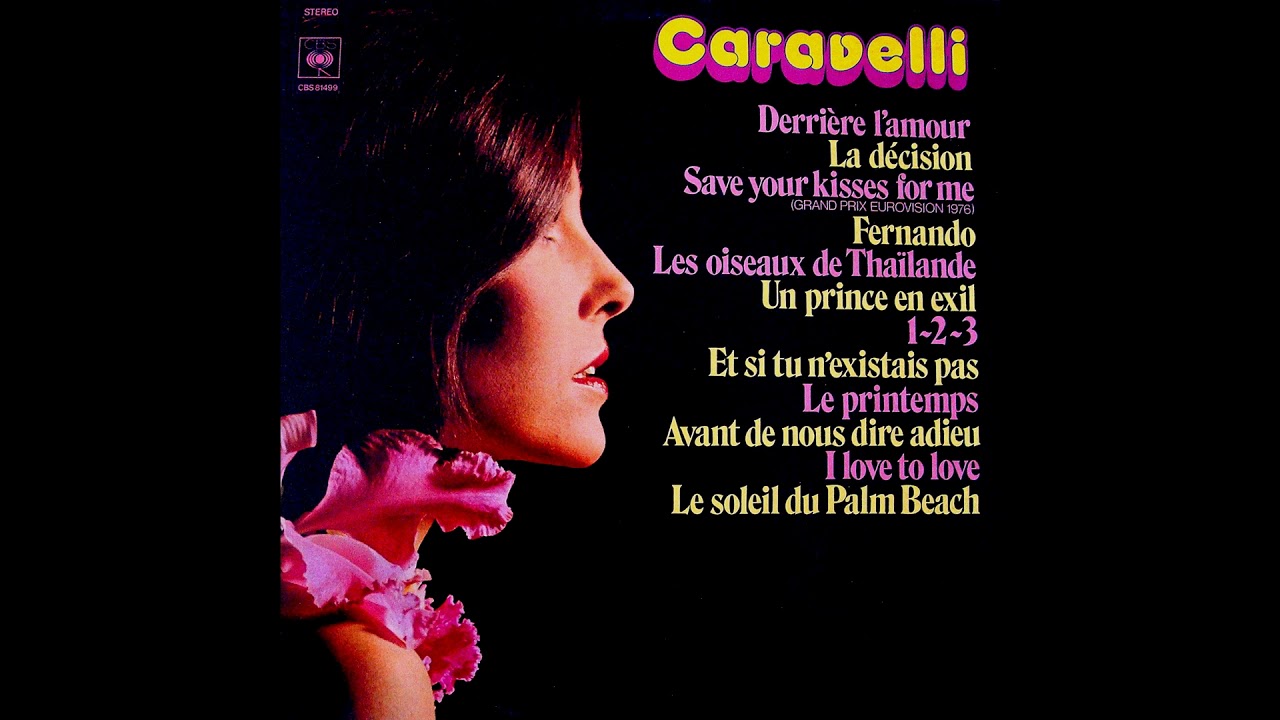

Музика, соло кавал и текст Теодосий Спасов
Хор "Космически гласове" с диригент Ваня Монева
Theodosii Spassov- music, kaval, lyrics
Cosmic Voices choir
Vanya Moneva- conductor
Vesselin Eko Vesselinov- bas
Peyo Peev- rebek
Krassimir Kondov- bulgarian bagpipe
Angel Dimitrov- guitar & tambura
Stoyan Yankulov- drums & tupane
Hristo Yotsov- percusions
Yulian Yanoushev- sax & clarinet
Angel Zaberski Jr.- piano
https://www.facebook.com/theodosii.spassov
https://www.facebook.com/Cosmi....c-voices-49327710069
https://www.facebook.com/moneva.vanya
https://www.facebook.com/peyo.peev.9
https://www.facebook.com/vesselineko.vesselinov
https://www.facebook.com/stoyan.yankulov.5
https://www.facebook.com/angel.v.dimitrov
https://www.facebook.com/HristoYotsov/
https://www.facebook.com/angelzaberskiband/
https://www.facebook.com/profi....le.php?id=1000010027
https://www.facebook.com/theodosii/
https://www.facebook.com/theodosii.spassov.7
Teodosii Spasov https://www.facebook.com/profi....le.php?id=1000112784
http://www.theodosiispassov.com/

Lulu tries unsuccessfully to teach a new dance to Morgan and the Bananas. Amy shows how much easier it is to dance with a broom in your hand. Everyone joins in.
Never miss a Bananas Episode - click here to subscribe https://www.youtube.com/channe....l/UCug61OHMkz5GgJkey
Bananas in Pyjamas Theme Song : https://youtu.be/6hPsXh5k0d8
Welcome to the Official Bananas in Pyjamas Channel.
On this channel you will find classic and animated full episodes.
Your favourite clips and compilations and much more! Tune in every week and see the antics of B1, B2 and their many friends.
![The Mystery Of The Bulgarian Voices [Video Trailer/EPK]](https://i.ytimg.com/vi/UlONQcQNatE/mqdefault.jpg)
More info: http://en.prophecy.de/news-oxi....d/prophecy-productio
purchase:
World: http://en.prophecy.de/artists/....the-mystery-of-the-b
USA/CAN: http://us.prophecy.de/artists/....the-mystery-of-the-b
Video edited by Costin Chioreanu - www.twilight13media.com
https://www.facebook.com/lemysteredesvoixbulgares/
https://www.facebook.com/prophecyproductions
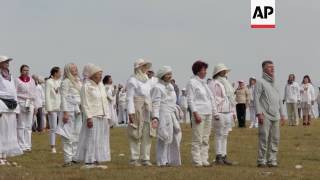
(22 Aug 2016) LEAD IN:
A unique traditional cosmic ritual has taken place on a wide plateau of Bulgaria's blustery Rila Mountain.
The White Brotherhood was founded in the late 19th century and, according to the teachings of its founder, mid-August marks the beginning of the New Year.
STORY-LINE:
On the windy surfaces of Bulgaria's Rila Mountain, followers of the White Brotherhood gather for a unique, annual cosmic ritual.
According to the teachings of Petar Danov, the founder of the brotherhood, the 19 August marks the beginning of the New Year.
That leads these followers to converge on this wide mountain plateau, around 2,100 metres (6,900 feet) above sea level.
Through a mixture of rhythmic meditation exercises and spiritual songs, they celebrate the passing of the summer season and the beginning of a new year.
The highlight of the day is this so-called "paneurhythmy" dance, a ritual which sees thousands of pilgrims form large concentric circles.
It's intended to symbolise the movement of the stars and planets.
In groups of two, performers move in circles, following the rhythm of the music.
One participant, 45-year-old professional dance instructor Nantika Verkooijen Lopez from Peru, is attending the "paneurhythmy" for the first time.
Having performed the dance in her native country for years, she's delighted to finally take part in Bulgaria.
"Well, this is a cosmic celebration for me. It's (the) first time I'm here and I danced the Paneurytmya already for five years in Peru. I teach the Paneurythmya in Peru," says Nantika.
"It is a very precious dance. It's a light dance and it means a lot for the world, for the humanity, for the new world. So, for me it is a combination of meditation and dance and happiness and singing and altogether it's marvellous."
Sometimes - such as this year - followers can face unpleasant weather at these altitudes, but they must ignore the sweeping wind and rain to complete the ritual.
Followers believe mountains are a symbol of the divine world, and Rila Mountain in southern Bulgaria is said to energise worshippers with spiritual powers.
White Brotherhood followers place a heavy emphasis on brotherly love, a healthy diet and living in harmony with nature.
"Happy Holidays to everyone. Today we celebrate the new divine year," says Angela Angelova, a German language teacher and Paneurhythmy instructor.
"We celebrate it with this wonderful divine dance of light - Paneurhythmy. Paneurhythmy is sacred.
"In the circle of Paneurhythmy we step in with a sacred awe, because we know that Paneurhythmy means higher cosmic rhythm.
"Playing Paneurhythmy helps us to enter into harmony with that supreme cosmic rhythm and becoming fellow workers, God's servants and workers of light."
The "paneurhythmy" - which means universal cosmic rhythm - lasts for around one hour and takes place at sun rise.
Music is played on various instruments, but priority is given to the violin.
"We play Paneurhythmy here, this is a sacred dance, a meditation in a motion," explains a 65-year-old musician, Petar Ganev.
"You can see it here, the way we formed concentric circles, symbolising the Sun. Our aim is to reach to the cosmic rhythm of our Solar system."
Now over 100-years-old, the White Brotherhood movement has survived challenging times. It was banned under Bulgaria's communist regime.
You can license this story through AP Archive: http://www.aparchive.com/metad....ata/youtube/5869c292
Find out more about AP Archive: http://www.aparchive.com/HowWeWork

Par ses blessures, nous sommes guéris (réponse, Semaine sainte)
By his stripes we were healed (response, Holy Week)
Per le sue piaghe noi siamo stati guariti (responso, Settimana Santa)
Por sus heridas fuimos sanados (respuesta, Semana Santa)
Njegove nas rane iscijeliše (otpjev, Veliki tjedan)
Video from Lumen Christi DVD
© Ateliers et Presses de Taizé

Lista de TítulosOcultar Créditos
A1 How Deep Is Your Love
Written-By – Gibb*
3:15
A2 Viens Je T'emmene
Written-By – M. Berger*
3:55
A3 Mull Of Kintyre
Written-By – Laine*, Mc Cartney*
3:12
A4 A Ba Ni Bi (Grand Prix Eurovision 1978)
Written-By – Manor*, Hirsh*
2:59
A5 It's A Heartache
Written-By – Scott, Wolfe*
3:05
A6 Lettre A Helene
Written-By – M. Cywie*, Loiseau*
3:03
B1 Alexandrie Alexandra
Written-By – C. François*, Bourtayre*, Roda-Gil*
3:07
B2 Comme D'habitude
Written-By – C. François*, Thibaut*, J. Revaux*
4:16
B3 Tarantelle
Written-By – Y. Duteil*
2:00
B4 We Are The Champions
Written-By – Mercury*
2:57
B5 La Ballade De Mickie Et Johny
Written-By – Caravelli
3:55
B6 L'amour Ça Fait Chanter La Vie (2e Prix Eurovision 1978)
Written-By – J. Vallée*
2:58

Entra en nuestra web: https://www.bbvaaprendemosjuntos.com/es
Suscríbete a nuestro canal de youtube: https://www.youtube.com/channe....l/UCI6QcXatdaEAaRTRj
Síguenos en Facebook: http://fb.com/aprendemosjuntosBBVA
Síguenos en Twitter: http://twitter.com/aprenderjuntos_
Escucha nuestros podcasts en Spotify: https://open.spotify.com/show/....07rXxtOlzNI0NuB8vpAg
¿Cómo pueden ayudarnos las matemáticas en nuestro día a día?, ¿cuál es el poder que nos da las matemáticas?
A través de historias, retos y enigmas, en el siguiente vídeo, Adrián Paenza logra despertar nuestra curiosidad, desafiar nuestra imaginación y contagiarnos su entusiasmo por el conocimiento y el aprendizaje, demostrando que las matemáticas además de muy útiles son tremendamente divertidas.
Doctor en matemáticas y profesor en la Universidad de Buenos Aires durante más de 20 años, Paenza está considerado como uno de los grandes divulgadores matemáticos del mundo, recibiendo, entre otros, el prestigioso premio Leelavati en 2014 otorgado por la Unión Matemática Internacional, por su contribución y labor divulgativa.
Su pasión por ciencia, la política y el deporte le llevó, a compaginar su faceta como matemático con el periodismo. Profesión que ha desarrollado con éxito durante más de cuarenta años en los grandes medios argentinos de prensa, radio y televisión en la que destacaron los populares programas: Científicos Industria Argentina y especialmente Alterados por Pi, programa que se mantuvo en antena durante más de diez años.
Es autor de numerosos libros, entre los que destacan la exitosa serie: Matemática, ¿estás ahí?, Matemagia (2015), Matemáticas para todos (2017) y La puerta equivocada (2018). A través de historias, retos y enigmas, Adrián Paenza logra despertar nuestra curiosidad, desafiar nuestra imaginación y contagiarnos su entusiasmo por el conocimiento y el aprendizaje, demostrando que las matemáticas además de muy útiles son tremendamente divertidas.
#AprendemosJuntos