Top Vídeos
Visit my FB: https://www.facebook.com/LeonardoPereznieto
Visit my website: http://www.artistleonardo.com/
Do you want to help me translating it into your language?
All you need to do is translate the file at the link below and send it to me:
https://docs.google.com/open?i....d=0B0UOw8r7hWG2NTFTX
Please send it to me as a Youtube personal message using this link: http://www.youtube.com/inbox?to_user_ext_ids=aapxaQKJFJ6XC56CHgeTzw&action_compose=1
Visit: http://www.fineartebooks.com/ for free drawing tutorials.
If you would like to invest in a drawing, painting or sculpture by Leonardo Pereznieto, please write to: info@leonardopereznieto.com
List of materials:
Black lead holder: H lead
Yellow lead holder: 2B lead
Kneaded eraser
Fabriano white drawing paper, fine grain
To see my blog about materials, please click on the following link:
http://www.fineartebooks.com/howtodraw_drawingschool/My_Blog/My_Blog.html
You may also follow me on:
My Blog: http://www.fineartebooks.com/howtodraw_drawingschool/My_Blog/My_Blog.html
Twitter: https://twitter.com/#!/ArtistLeonardo
LinkedIn: http://www.linkedin.com/profile/view?id=89957576&trk=tab_pro
Google+: https://plus.google.com/u/0/10....0373866809472929876/
VK: http://vk.com/leonardopereznieto
Leonardo Pereznieto: http://www.leonardopereznieto.com/leo/Intro.html
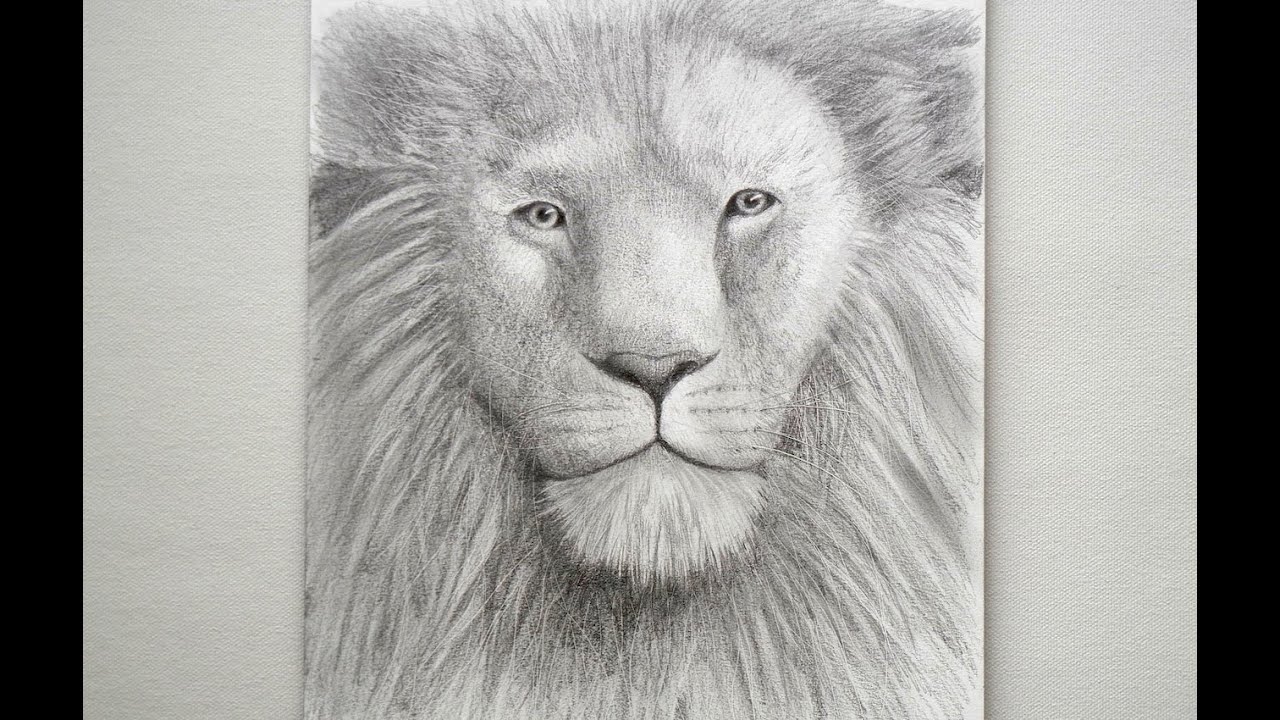
This tutorial shows how to draw the figure from a skeleton
Como Desenhar um Leão
Wie man einen Löwen zeichnet
Jak narysować głowę Lwa
Comment Dessiner un Lion / une Tête de Lion
Come disegnare un Leone
Bagaimana Melukis Kepala Singa
كيف ترسم أسد
Cum sa desenezi un leu
Hvordan tegne en løve
Як Намалювати Лева
Как Нарисовать Льва

Visit me on FB: https://www.facebook.com/LeonardoPereznieto
Follow Fine Art Tips on Google+: http://goo.gl/TqsmiJ
My website: http://www.ArtistLeonardo.com/
Do you want to help me translating it into your language?
(Note: First check if it hasn´t been translated already by pressing the "CC" button on the lower part of the video).
All you need to do is to please translate the file at the link below and send it to me: https://drive.google.com/file/....d/0B6f4Vo6IGnp8TWI3a
If you would like to invest in a drawing, painting or sculpture by Leonardo Pereznieto, or to hire him for workshops or lectures, please write to: info@artistleonardo.com (Business only, not for personal messages.)
List of materials:
White pastel: Pitt Pastel, soft, Faber-Castell
Color pencils: Faber-Castell Polychromos
Blue cardboard paper
Kneaded eraser Prismacolor
MagicRub FaberCastell eraser
If you would like to see photos and brands of my tools, please go to my blog about materials with the following link:
http://www.fineartebooks.com/h....owtodraw_drawingscho
You may also follow me on:
My Blog: http://www.fineartebooks.com/h....owtodraw_drawingscho
My Twitter: https://twitter.com/#!/ArtistLeonardo
Fine Art Tips on Google+: http://goo.gl/TqsmiJ
My Google+ page as an artist (with my sculptures, paintings, etc): http://goo.gl/n7p96D
My Instagram: http://instagram.com/artistleonardo
My LinkedIn: http://www.linkedin.com/profile/view?id=89957576&trk=tab_pro
My Vine: https://vine.co/v/hKnn3rbwJmT
My Pinterest: http://pinterest.com/ArtistLeonardo/
My VK: http://vk.com/leonardopereznieto
My website Leonardo Pereznieto: http://www.leonardopereznieto.com/leo/Intro.html
I wish you great creations!
Audio file(s) provided by http://www.audiomicro.com
This tutorial shows how to draw a Polar Bear Under Water - Bubbles
Hur man ritar en isbjörn undervatten - Bubblor
Visit me on FB: https://www.facebook.com/LeonardoPereznieto
Visit my website: http://www.artistleonardo.com/
Do you want to help me translating it into your language?
All you need to do is translate the file at the link below and send it to me:
https://docs.google.com/file/d..../0B0UOw8r7hWG2VHlTNF
Visit: http://www.fineartebooks.com/ for free drawing tutorials.
If you would like to invest in a drawing, painting or sculpture by Leonardo Pereznieto, please write to: info@leonardopereznieto.com
List of materials:
Pen: Pilot Precise V5, extra fine
Marker toward the end: Pilot, ultra fine point, permanent type
Pinto white drawing paper, fine grain
To see my blog about materials, please click on the following link:
http://www.fineartebooks.com/howtodraw_drawingschool/My_Blog/My_Blog.html
You may also follow me on:
My Blog: http://www.fineartebooks.com/howtodraw_drawingschool/My_Blog/My_Blog.html
Twitter: https://twitter.com/#!/ArtistLeonardo
LinkedIn: http://www.linkedin.com/profile/view?id=89957576&trk=tab_pro
Google+: https://plus.google.com/u/0/10....0373866809472929876/
VK: http://vk.com/leonardopereznieto
Leonardo Pereznieto: http://www.leonardopereznieto.com/leo/Intro.html
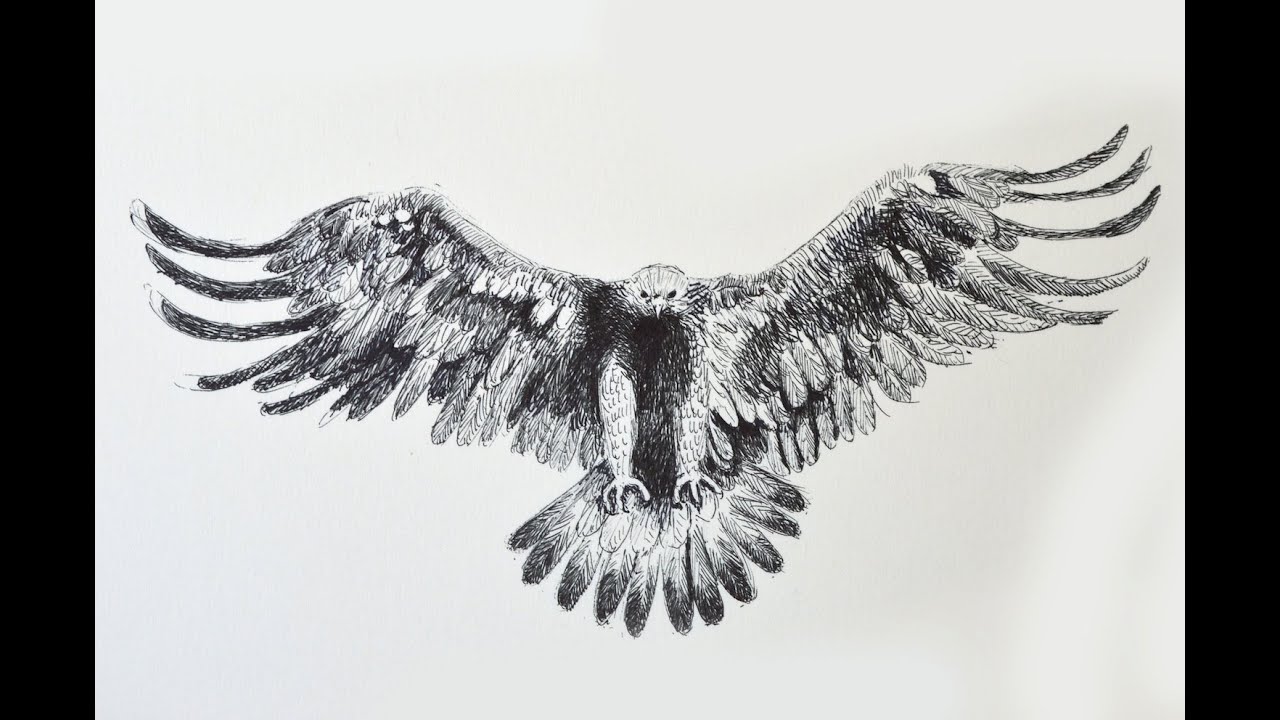
This tutorial shows how to draw an eagle.
Hoe teken je een Arend
Bagaimana untuk melukis Helang
Comment dessiner un aigle
Как нарисовать орла
Como desenhar uma Águia
Як Намалювати Орла
Visit me on FB: https://www.facebook.com/LeonardoPereznieto
Follow Fine Art Tips on Google+: http://goo.gl/TqsmiJ
My website: http://www.ArtistLeonardo.com/
Do you want to help me translating it into your language?
(Note: First check if it hasn´t been translated already by pressing the "CC" button on the lower part of the video).
All you need to do is to please translate the file at the link below and send it to me:
https://drive.google.com/file/....d/0B0UOw8r7hWG2ejJ6V
Visit: http://www.fineartebooks.com/ for free drawing tutorials.
If you would like to invest in a drawing, painting or sculpture by Leonardo Pereznieto, or to hire him for workshops or lectures, please write to: info@artistleonardo.com (Business only, not for personal messages.)
List of materials:
Mechanical pencil with 0.7mm, B lead
Light blue cardboard paper
White pastel: Primo Bianco Charcoal 59-W
Color pencils: Faber-Castell Polychromos
Kneaded eraser Prismacolor
If you would like to see photos and brands of my tools, please go to my blog about materials with the following link:
http://www.fineartebooks.com/howtodraw_drawingschool/My_Blog/Entries/2012/8/1_My_materials.html
You may also follow me on:
My Blog: http://www.fineartebooks.com/howtodraw_drawingschool/My_Blog/My_Blog.html
My Twitter: https://twitter.com/#!/ArtistLeonardo
Fine Art Tips on Google+: http://goo.gl/TqsmiJ
My Google+ page as an artist (with my sculptures, paintings, etc): http://goo.gl/n7p96D
My Instagram: http://instagram.com/artistleonardo
My LinkedIn: http://www.linkedin.com/profile/view?id=89957576&trk=tab_pro
My Vine: https://vine.co/v/hKnn3rbwJmT
My Pinterest: http://pinterest.com/ArtistLeonardo/
My VK: http://vk.com/leonardopereznieto
My website Leonardo Pereznieto: http://www.leonardopereznieto.com/leo/Intro.html
I wish you great creations!
Audio file(s) provided by http://www.audiomicro.com
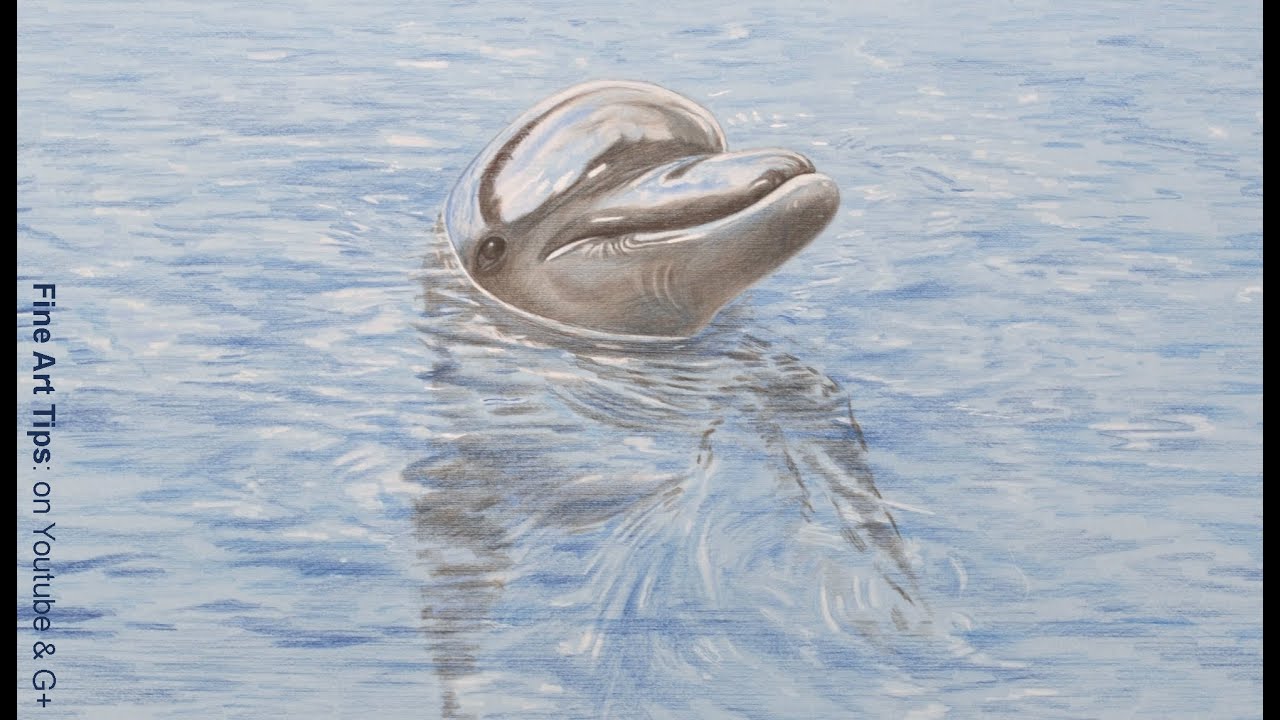
This tutorial shows How to Draw a Dolphin With Color Pencils
Wie malt man einen Delfin mit Buntstiften
Как нарисовать дельфина цветными карандашами
Tutto3 site: https://igg.me/at/tutto3
My drawing book: http://amzn.to/1K7L8Ed
Visit me on FB: https://www.facebook.com/LeonardoPereznieto
My website: http://www.ArtistLeonardo.com/
Do you want to help me translating it into your language?
(Note: First check if it hasn´t been translated already by pressing the "CC" button on the lower part of the video).
All you need to do is to please go to the following link and translate. Thank you!:
http://www.youtube.com/timedtext_video?v=8KhPT6vI_TY&ref=share
If you would like to invest in a drawing, painting or sculpture by Leonardo Pereznieto, or to hire him for workshops or lectures, please write to: info@artistleonardo.com (Business only, not for personal messages.)
List of materials:
Mechanical pencil: Tutto3 by ArtistLeonardo, with 0.3mm 2H lead, 0.5 HB and 0.7 mm B lead.
Kneaded eraser Prismacolor
Fabriano white drawing paper, fine grain
If you would like to see photos and brands of my tools, please go to my blog about materials with the following link:
http://fineart-tips.blogspot.m....x/2015/07/my-drawing
Download Fine Art-Tips mobile app:
On the Apple Store:
For iPhone/iPad free: https://itunes.apple.com/us/ap....p/fine-art-tips-draw
For iPhone/iPad, Premium: https://itunes.apple.com/us/ap....p/fine-art-tips-prem
On Google Play:
For Android free: https://play.google.com/store/apps/details?id=allmax.fine.art.tips.free2&hl=en
For Android, Premium: https://play.google.com/store/apps/details?id=allmax.fine.art.tips2&hl=en
You may also follow me on:
My Blog: http://fineart-tips.blogspot.mx/
My Twitter: https://twitter.com/#!/ArtistLeonardo
Fine Art Tips on Google+: http://goo.gl/TqsmiJ
My Google+ page as an artist (with my sculptures, paintings, etc): https://plus.google.com/+Artistleonardo/posts
My Instagram: http://instagram.com/artistleonardo
My LinkedIn: http://www.linkedin.com/profile/view?id=89957576&trk=tab_pro
My Vine: https://vine.co/v/hKnn3rbwJmT
My Pinterest: http://pinterest.com/ArtistLeonardo/
My VK: http://vk.com/leonardopereznieto
My website Leonardo Pereznieto: http://www.leonardopereznieto.com/leo/Intro.html
I wish you great creations!
Audio file(s) provided by http://www.audiomicro.com
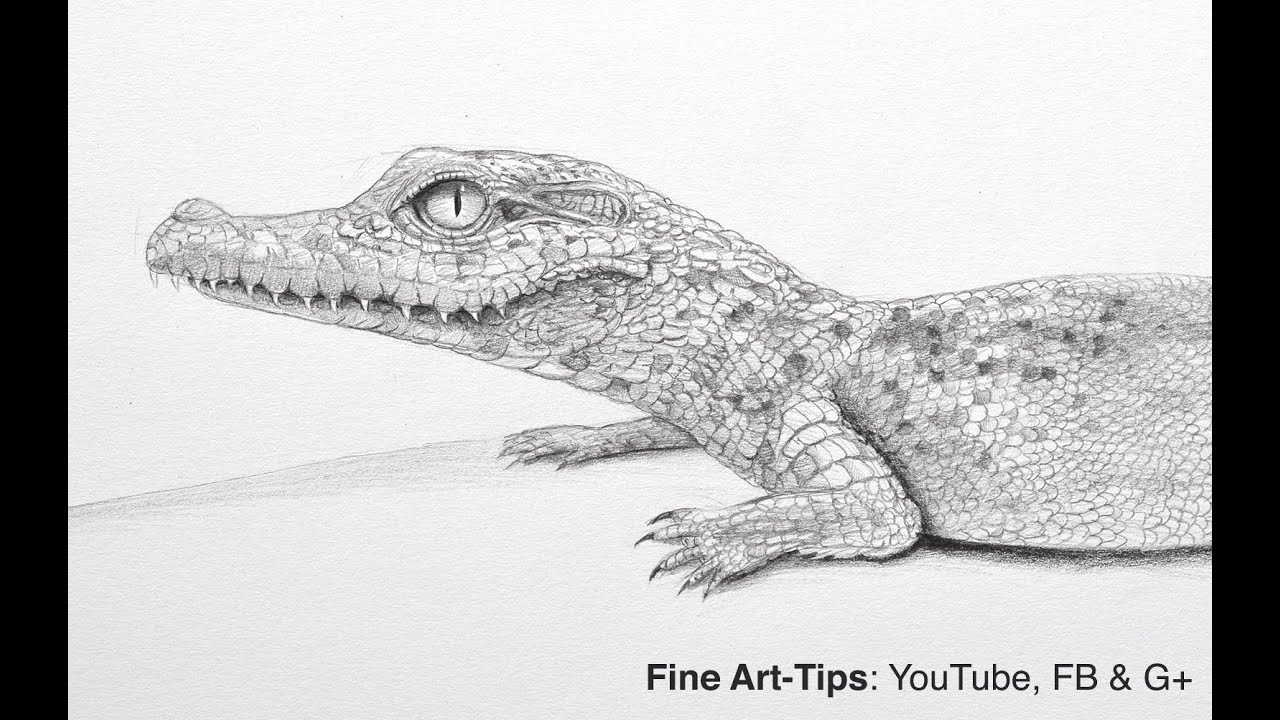
This tutorial shows How to Draw a Baby Crocodile - or Aligator
See the Tutto3: https://igg.me/at/tutto3
My drawing book: http://amzn.to/1K7L8Ed
Visit me on FB: https://www.facebook.com/LeonardoPereznieto
My website: http://www.ArtistLeonardo.com/
O Art Int: http://oartinternational.com/
Do you want to help me translating it into your language?
(Note: First check if it hasn´t been translated already by pressing the "CC" button on the lower part of the video).
All you need to do is to please go to the following link and translate. Thank you!:
http://www.youtube.com/timedtext_video?ref=share&v=UZPYNWcwbKM
If you would like to invest in a drawing, painting or sculpture by Leonardo Pereznieto, or to hire him for workshops or lectures, please write to: info@artistleonardo.com (Business only, not for personal messages.)
List of materials:
Mechanical pencil: ArtistLeonardo Tutto3, with 0.3mm 2H lead, 0.5 HB and 0.7 mm B lead.
Kneaded eraser Prismacolor
Chamoise
Fabriano white drawing paper, fine grain
If you would like to see photos and brands of my tools, please go to my blog about materials with the following link:
http://fineart-tips.blogspot.m....x/2015/07/my-drawing
Download Fine Art-Tips mobile app:
On the Apple Store:
For iPhone/iPad free: https://itunes.apple.com/us/ap....p/fine-art-tips-draw
For iPhone/iPad, Premium: https://itunes.apple.com/us/ap....p/fine-art-tips-prem
On Google Play:
For Android free: https://play.google.com/store/apps/details?id=allmax.fine.art.tips.free2&hl=en
For Android, Premium: https://play.google.com/store/apps/details?id=allmax.fine.art.tips2&hl=en
You may also follow me on:
My Blog: http://fineart-tips.blogspot.mx/
My Twitter: https://twitter.com/#!/ArtistLeonardo
Fine Art Tips on Google+: http://goo.gl/TqsmiJ
My Google+ page as an artist (with my sculptures, paintings, etc): https://plus.google.com/+Artistleonardo/posts
My Instagram: http://instagram.com/artistleonardo
My LinkedIn: http://www.linkedin.com/profile/view?id=89957576&trk=tab_pro
My Vine: https://vine.co/v/hKnn3rbwJmT
My Pinterest: http://pinterest.com/ArtistLeonardo/
My VK: http://vk.com/leonardopereznieto
My website Leonardo Pereznieto: http://www.leonardopereznieto.com/leo/Intro.html
I wish you great creations!
Audio file(s) provided by http://www.audiomicro.com
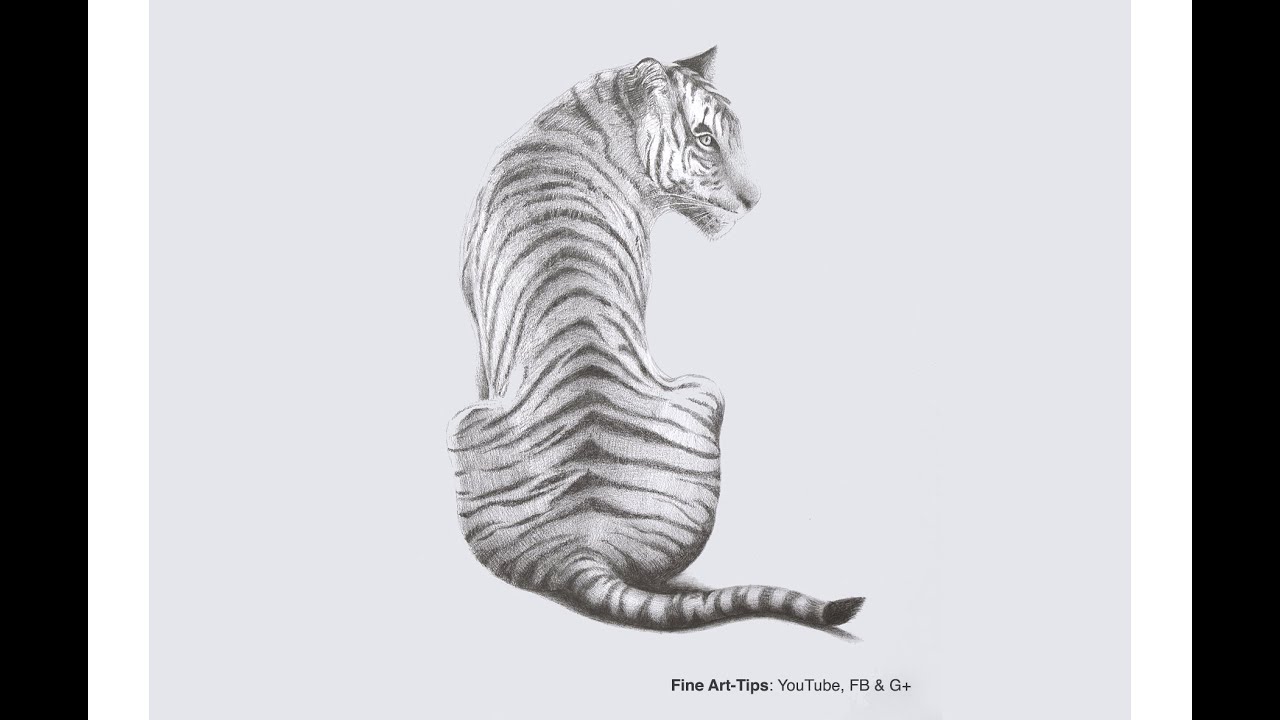
This tutorial shows How to Draw a Tiger With Pencil

My drawing book: http://amzn.to/1K7L8Ed
Visit me on FB: https://www.facebook.com/LeonardoPereznieto
My website: http://www.ArtistLeonardo.com/
O Art Int: http://oartinternational.com/
Do you want to help me translating it into your language?
(Note: First check if it hasn´t been translated already by pressing the "CC" button on the lower part of the video).
All you need to do is to please go to the following link and translate. Thank you!:
http://www.youtube.com/timedtext_video?ref=share&v=be3BW8Yr-6M
If you would like to invest in a drawing, painting or sculpture by Leonardo Pereznieto, or to hire him for workshops or lectures, please write to: info@artistleonardo.com (Business only, not for personal messages.)
List of materials:
Mechanical pencil: ArtistLeonardo Tutto3, with 0.3mm 2H lead, 0.5 HB and 0.7 mm 2B lead
Lamy Red Safari Fountain Pen
Fabriano white drawing paper, fine grain
If you would like to see photos and brands of my tools, please go to my blog about materials with the following link:
http://fineart-tips.blogspot.m....x/2015/07/my-drawing
Download Fine Art-Tips mobile app:
On the Apple Store:
For iPhone/iPad free: https://itunes.apple.com/us/ap....p/fine-art-tips-draw
For iPhone/iPad, Premium: https://itunes.apple.com/us/ap....p/fine-art-tips-prem
On Google Play:
For Android free: https://play.google.com/store/apps/details?id=allmax.fine.art.tips.free2&hl=en
For Android, Premium: https://play.google.com/store/apps/details?id=allmax.fine.art.tips2&hl=en
You may also follow me on:
My Blog: http://fineart-tips.blogspot.mx/
My Twitter: https://twitter.com/#!/ArtistLeonardo
Fine Art Tips on Google+: http://goo.gl/TqsmiJ
My Google+ page as an artist (with my sculptures, paintings, etc): https://plus.google.com/+Artistleonardo/posts
My Instagram: http://instagram.com/artistleonardo
My LinkedIn: http://www.linkedin.com/profile/view?id=89957576&trk=tab_pro
My Vine: https://vine.co/v/hKnn3rbwJmT
My Pinterest: http://pinterest.com/ArtistLeonardo/
My VK: http://vk.com/leonardopereznieto
My website Leonardo Pereznieto: http://www.leonardopereznieto.com/leo/Intro.html
I wish you great creations!
Audio file(s) provided by http://www.audiomicro.com
This tutorial shows How to Draw a Deer - Elk - Reindeer - Moose

Visit me on FB: https://www.facebook.com/LeonardoPereznieto
Follow Fine Art Tips on Google+: http://goo.gl/TqsmiJ
My site: http://www.artistleonardo.com/
Do you want to help me translating it into your language?
(Note: First check if it hasn´t been translated already by pressing the "CC" button on the lower part of the video).
All you need to do is to please translate the file at the link below and send it to me:
https://drive.google.com/file/....d/0B0UOw8r7hWG2NnY2W
Visit: http://www.fineartebooks.com/ for free drawing tutorials.
If you would like to invest in a drawing, painting or sculpture by Leonardo Pereznieto, or to hire him for workshops or lectures, please write to: info@leopereznieto.com (Business only, not for personal messages.)
List of materials:
Mechanical pencil with 0.7, 2B lead
Sepia pencil - Conté 617
Kneaded eraser Prismacolor
Stump #2
Chamois
Fabriano white watercolor paper, fine grain
If you would like to see photos and brands of my tools, please go to my blog about materials with the following link:
http://www.fineartebooks.com/howtodraw_drawingschool/My_Blog/Entries/2012/8/1_My_materials.html
You may also follow me on:
My Blog: http://www.fineartebooks.com/howtodraw_drawingschool/My_Blog/My_Blog.html
My Twitter: https://twitter.com/#!/ArtistLeonardo
Fine Art Tips on Google+: http://goo.gl/TqsmiJ
My Google+ page as an artist (with my sculptures, paintings, etc): http://goo.gl/n7p96D
My Instagram: http://instagram.com/artistleonardo
My LinkedIn: http://www.linkedin.com/profile/view?id=89957576&trk=tab_pro
My Vine: https://vine.co/v/hKnn3rbwJmT
My Pinterest: http://pinterest.com/ArtistLeonardo/
My VK: http://vk.com/leonardopereznieto
My website Leonardo Pereznieto: http://www.leonardopereznieto.com/leo/Intro.html
I wish you great creations!
Audio file(s) provided by http://www.audiomicro.com
This tutorial shows How to Draw a Realistic Angel With Pastel - Sepia
Как нарисовать реалистичного ангела сепией
Come disegnare un Angelo realistico color seppia
세피아톤으로 사실감있는 천사 그리기
Hur man ritar en realistisk angel med Sepia
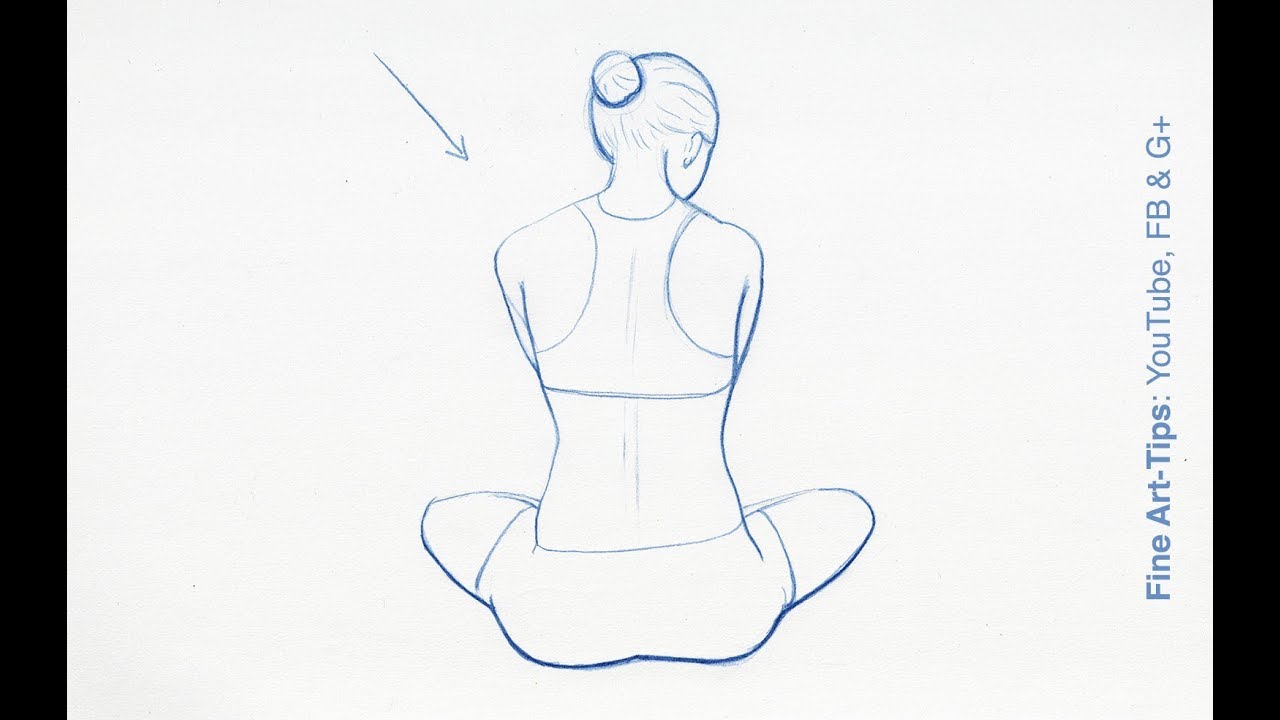
This video shows you how to improve your drawings using an outline with different widths and darknesses.
Get my drawing book: http://amzn.to/1K7L8Ed
Follow my Instagram: https://www.instagram.com/artistleonardo/
Follow Fine Art-Tips' Instagram: https://www.instagram.com/fine.art.tips/
Visit me on FB: https://www.facebook.com/LeonardoPereznieto
My website: http://www.ArtistLeonardo.com/
Do you want to help me translating it into your language?
(Note: First check if it hasn´t been translated already by pressing the "CC" button on the lower part of the video).
To translate the title of the video and the subtitles, all you need to do is to please go to the following link and translate (you don't necessarily need to do the whole thing, you can do a section and other people in the community can finish it). Thank you!:
http://www.youtube.com/timedtext_video?ref=share&v=Ad-ek-AmNuA
If you would like to invest in a drawing, painting or sculpture by Leonardo Pereznieto, or to hire him for workshops or lectures, please write to: info@leopereznieto.com (Business only, not for personal messages.)
List of materials:
- I only used the darker blue out of the Mondeluz Watercolor Pencils, set of 12 - https://amzn.to/2QUiGRh
- Kneaded eraser Prismacolor - See it here: http://amzn.to/2cvi6G7
- Tombow Mono Zero Eraser Square Tip: - http://amzn.to/2lAMh5b
- Staedtler pencil sharpener - https://amzn.to/2xxSeoC
- Paper, Strathmore Sketch pad 9 x 12 inches (22.9 x 30.5 cm) Fine tooth, acid-free - https://amzn.to/2wHEFoA
Recording Equipment:
Video camera: Panasonic HC-V380K - http://amzn.to/2xJwVmb
“L” shaped camera tripod - http://amzn.to/2xKUcnX
Mic: Blue Jeti - http://amzn.to/2gnwxCp
Pop filter (Mic screen) - http://amzn.to/2ysgn0T
Mic Foam Windacreen - http://amzn.to/2zeiYc8
- Lighting: Studio soft boxes: http://amzn.to/2xKSxhW
Laptop: Apple MacBookPro 13”. Mine is an older version of this beauty: http://amzn.to/2xKzHHL (note, the software I use for editing is Final Cut.)
Some of the above links are affiliate links.
If you would like to see photos and brands of my tools, please go to my blog about materials with the following link:
http://fineart-tips.blogspot.m....x/2015/07/my-drawing
Download Fine Art-Tips mobile app:
On the Apple Store:
For iPhone/iPad free: https://itunes.apple.com/us/ap....p/fine-art-tips-draw
For iPhone/iPad, Premium: https://itunes.apple.com/us/ap....p/fine-art-tips-prem
On Google Play:
For Android free: https://play.google.com/store/apps/details?id=allmax.fine.art.tips.free2&hl=en
For Android, Premium: https://play.google.com/store/apps/details?id=allmax.fine.art.tips2&hl=en
You may also follow me on:
My Blog: http://fineart-tips.blogspot.mx/
My Twitter: https://twitter.com/#!/ArtistLeonardo
Fine Art Tips on Google+: http://goo.gl/TqsmiJ
My Instagram: http://instagram.com/artistleonardo
My LinkedIn: http://www.linkedin.com/profile/view?id=89957576&trk=tab_pro
My Pinterest: http://pinterest.com/ArtistLeonardo/
My VK: http://vk.com/leonardopereznieto
My website: http://www.artistleonardo.com/
I wish you great creations!
Audio file(s) provided by http://www.audiomicro.com
This tutorial shows How to Improve Your Drawings: An Outline With Character
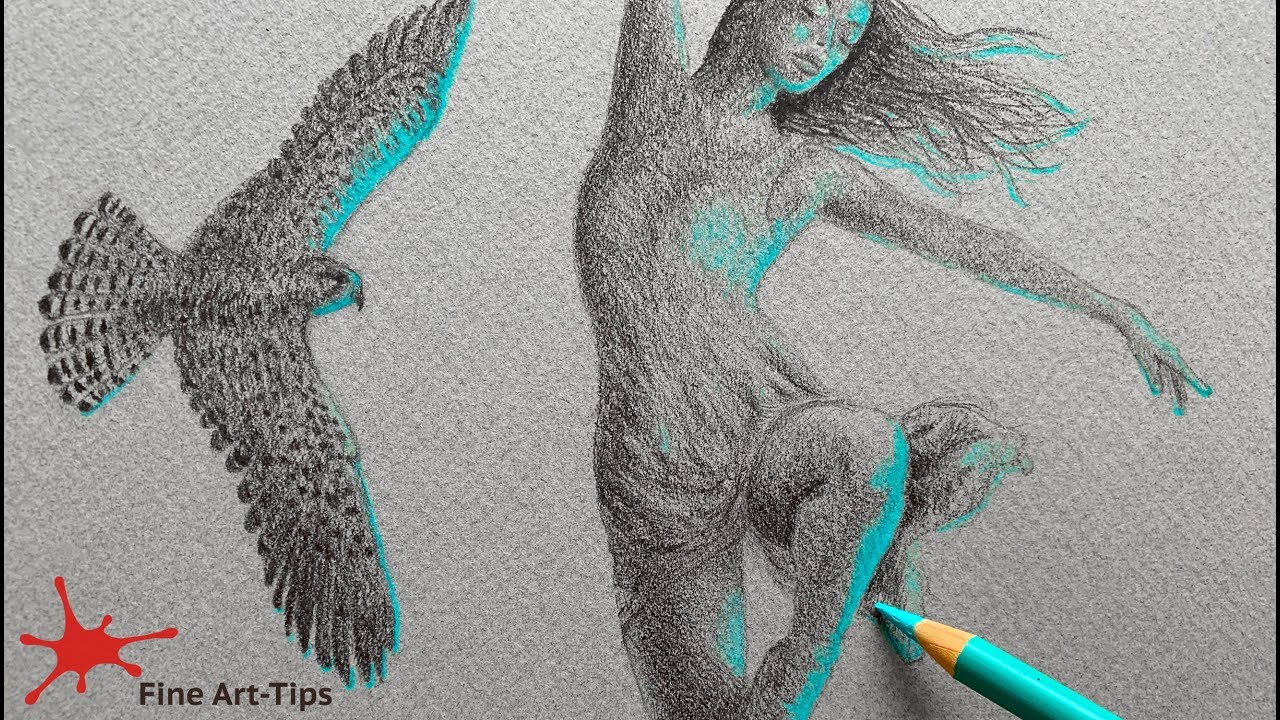
This video shows how to draw a light effect with color pencil. A reflected light.
Get my drawing book: http://amzn.to/1K7L8Ed
Follow my Instagram: https://www.instagram.com/artistleonardo/
Follow Fine Art-Tips' Instagram: https://www.instagram.com/fine.art.tips/
Visit me on FB: https://www.facebook.com/LeonardoPereznieto
My website: http://www.ArtistLeonardo.com/
Do you want to help me translating it into your language?
(Note: First check if it hasn´t been translated already by pressing the "CC" button on the lower part of the video).
To translate the title of the video and the subtitles, all you need to do is to please go to the following link and translate (you don't necessarily need to do the whole thing, you can do a section and other people in the community can finish it). Thank you!:
http://www.youtube.com/timedtext_video?v=T5qXGN-pIr4&ref=share
If you would like to invest in a drawing, painting or sculpture by Leonardo Pereznieto, or to hire him for workshops or lectures, please write to me through my website: http://www.artistleonardo.com/ (Business only, not for personal messages.)
List of materials:
- I just used the light aqua from the Prismacolor Premier set of 150 color pencils - http://amzn.to/2gQNq8y
- (The rest of the drawing, which I made prior to the tutorial, was done with the Tutto3 mechanical pencil) -
- Tombow Mono Zero Eraser Square Tip: - http://amzn.to/2lAMh5b
- Staedtler pencil sharpener - https://amzn.to/2xxSeoC
- Grey cardboard paper (like the ones used for framing).
- See my materials at my new "Amazon Influencer" page:
https://www.amazon.com/shop/fineart-tips
Recording Equipment:
Video camera: Panasonic HC-V380K - http://amzn.to/2xJwVmb
“L” shaped camera tripod - http://amzn.to/2xKUcnX
Mic: Blue Jeti - http://amzn.to/2gnwxCp
Pop filter (Mic screen) - http://amzn.to/2ysgn0T
Mic Foam Windacreen - http://amzn.to/2zeiYc8
- Lighting: Studio soft boxes: http://amzn.to/2xKSxhW
Laptop: Apple MacBookPro 13”. Mine is an older version of this beauty: http://amzn.to/2xKzHHL (note, the software I use for editing is Final Cut.)
Some of the above links are affiliate links.
- See my materials at my new "Amazon Influencer" page:
https://www.amazon.com/shop/fineart-tips
Or in my old materials blog! hehe: http://fineart-tips.blogspot.m....x/2015/07/my-drawing
Download Fine Art-Tips mobile app:
On the Apple Store:
For iPhone/iPad free: https://itunes.apple.com/us/ap....p/fine-art-tips-draw
For iPhone/iPad, Premium: https://itunes.apple.com/us/ap....p/fine-art-tips-prem
On Google Play:
For Android free: https://play.google.com/store/apps/details?id=allmax.fine.art.tips.free2&hl=en
For Android, Premium: https://play.google.com/store/apps/details?id=allmax.fine.art.tips2&hl=en
You may also follow me on:
My Blog: http://fineart-tips.blogspot.mx/
My Twitter: https://twitter.com/#!/ArtistLeonardo
Fine Art Tips on Google+: http://goo.gl/TqsmiJ
My Instagram: http://instagram.com/artistleonardo
My LinkedIn: http://www.linkedin.com/profile/view?id=89957576&trk=tab_pro
My Pinterest: http://pinterest.com/ArtistLeonardo/
My VK: http://vk.com/leonardopereznieto
My website: http://www.artistleonardo.com/
I wish you great creations!
Audio file(s) provided by http://www.audiomicro.com
This tutorial shows How to Draw A Light Effect - Reflected Light
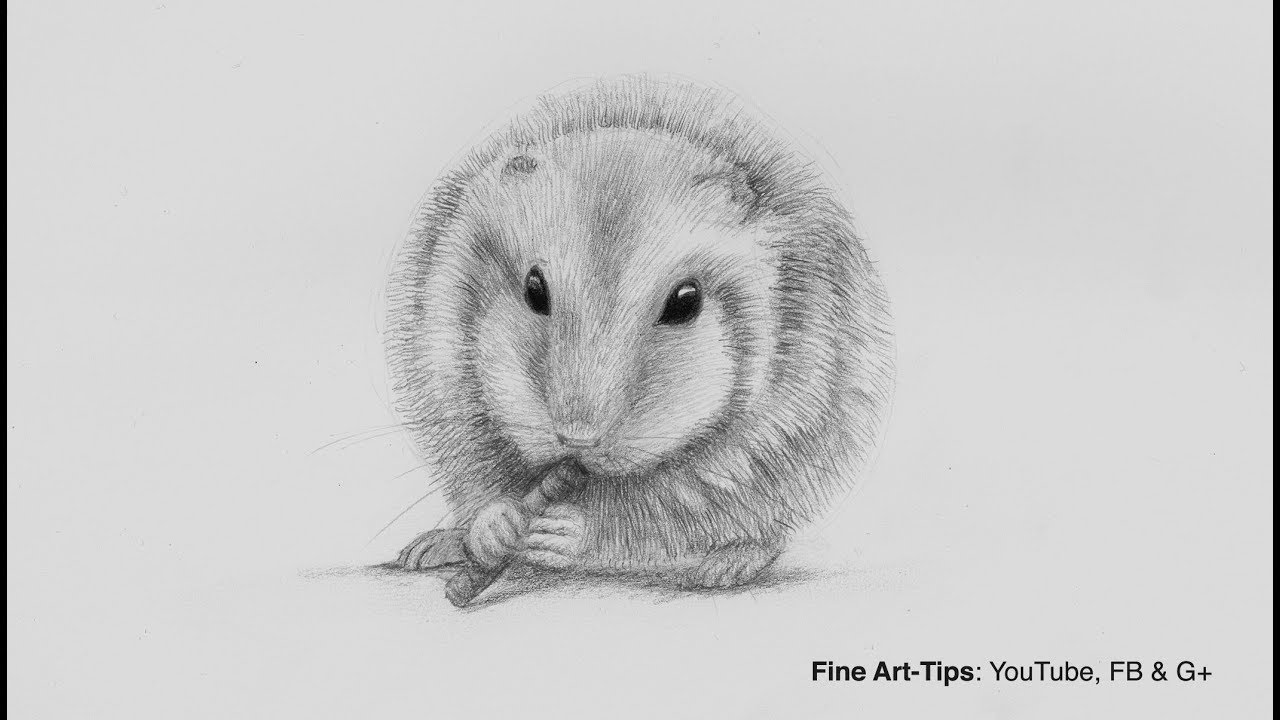
This video shows how to draw a realistic hamster.
Get my drawing book: http://amzn.to/1K7L8Ed
Follow my Instagram: https://www.instagram.com/artistleonardo/
Follow Fine Art-Tips' Instagram: https://www.instagram.com/fine.art.tips/
Visit me on FB: https://www.facebook.com/LeonardoPereznieto
My website: http://www.ArtistLeonardo.com/
Do you want to help me translating it into your language?
(Note: First check if it hasn´t been translated already by pressing the "CC" button on the lower part of the video).
To translate the title of the video and the subtitles, all you need to do is to please go to the following link and translate (you don't necessarily need to do the whole thing, you can do a section and other people in the community can finish it). Thank you!:
http://www.youtube.com/timedtext_video?v=P65WJUMnz_s&ref=share
If you would like to invest in a drawing, painting or sculpture by Leonardo Pereznieto, or to hire him for workshops or lectures, please write to: info@leopereznieto.com (Business only, not for personal messages.)
List of materials:
- Mechanical pencil: Tutto3, with 0.3mm 2H lead, 0.5 HB and 0.7 mm 2B lead - http://oartinternational.com/tutto3/
- Kneaded eraser Prismacolor - See it here: http://amzn.to/2cvi6G7
- Pelikan Gum Eraser (other brands like Prismacolor are as good).
- Paper: Strathmore Sketch pad 9 x 12 inches (22.9 x 30.5 cm) Fine thooth, acid free - https://amzn.to/2wHEFoA
- See my materials at my new "Amazon Influencer" page:
https://www.amazon.com/shop/fineart-tips
Recording Equipment:
Video camera: Panasonic HC-V380K - http://amzn.to/2xJwVmb
“L” shaped camera tripod - http://amzn.to/2xKUcnX
Mic: Blue Jeti - http://amzn.to/2gnwxCp
Pop filter (Mic screen) - http://amzn.to/2ysgn0T
Mic Foam Windacreen - http://amzn.to/2zeiYc8
- Lighting: Studio softboxes: http://amzn.to/2xKSxhW
Laptop: Apple MacBookPro 13”. Mine is an older version of this beauty: http://amzn.to/2xKzHHL (note, the software I use for editing is Final Cut.)
Some of the above links are affiliate links.
- See my materials at my new "Amazon Influencer" page:
https://www.amazon.com/shop/fineart-tips
Or my old materials blog! hehe: http://fineart-tips.blogspot.m....x/2015/07/my-drawing
Download Fine Art-Tips mobile app:
On the Apple Store:
For iPhone/iPad free: https://itunes.apple.com/us/ap....p/fine-art-tips-draw
For iPhone/iPad, Premium: https://itunes.apple.com/us/ap....p/fine-art-tips-prem
On Google Play:
For Android free: https://play.google.com/store/apps/details?id=allmax.fine.art.tips.free2&hl=en
For Android, Premium: https://play.google.com/store/apps/details?id=allmax.fine.art.tips2&hl=en
You may also follow me on:
My Blog: http://fineart-tips.blogspot.mx/
My Twitter: https://twitter.com/#!/ArtistLeonardo
Fine Art Tips on Google+: http://goo.gl/TqsmiJ
My Instagram: http://instagram.com/artistleonardo
My LinkedIn: http://www.linkedin.com/profile/view?id=89957576&trk=tab_pro
My Pinterest: http://pinterest.com/ArtistLeonardo/
My VK: http://vk.com/leonardopereznieto
My website: http://www.artistleonardo.com/
I wish you great creations!
Audio file(s) provided by http://www.audiomicro.com
This tutorial shows How to Draw a Realistic Hamster (Narrated)

Subscribe on Patreon: https://www.patreon.com/artistleonardo
My drawing book: http://amzn.to/1K7L8Ed
Visit me on FB: https://www.facebook.com/LeonardoPereznieto
My website: http://www.ArtistLeonardo.com/
O Art Int: http://oartinternational.com/
Do you want to help me translating it into your language?
(Note: First check if it hasn´t been translated already by pressing the "CC" button on the lower part of the video).
All you need to do is to please go to the following link and translate. Thank you!:
http://www.youtube.com/timedtext_video?ref=share&v=XGCqXtQin98
If you would like to invest in a drawing, painting or sculpture by Leonardo Pereznieto, or to hire him for workshops or lectures, please write to: info@artistleonardo.com (Business only, not for personal messages.)
List of materials:
Mechanical pencil: ArtistLeonardo Tutto3, with 0.3mm 2H lead, 0.5 HB and 0.7 mm 2B lead
Kneaded eraser Prismacolor (See it here: http://amzn.to/2cvi6G7)
Lamy Red Safari fountain pen with blue ink (see it here: http://amzn.to/2jnAN0G)
Canson white drawing paper, fine grain
If you would like to see photos and brands of my tools, please go to my blog about materials with the following link:
http://fineart-tips.blogspot.m....x/2015/07/my-drawing
Download Fine Art-Tips mobile app:
On the Apple Store:
For iPhone/iPad free: https://itunes.apple.com/us/ap....p/fine-art-tips-draw
For iPhone/iPad, Premium: https://itunes.apple.com/us/ap....p/fine-art-tips-prem
On Google Play:
For Android free: https://play.google.com/store/apps/details?id=allmax.fine.art.tips.free2&hl=en
For Android, Premium: https://play.google.com/store/apps/details?id=allmax.fine.art.tips2&hl=en
You may also follow me on:
My Blog: http://fineart-tips.blogspot.mx/
My Twitter: https://twitter.com/#!/ArtistLeonardo
Fine Art Tips on Google+: http://goo.gl/TqsmiJ
My Google+ page as an artist (with my sculptures, paintings, etc): https://plus.google.com/+Artistleonardo/posts
My Instagram: http://instagram.com/artistleonardo
My LinkedIn: http://www.linkedin.com/profile/view?id=89957576&trk=tab_pro
My Vine: https://vine.co/v/hKnn3rbwJmT
My Pinterest: http://pinterest.com/ArtistLeonardo/
My VK: http://vk.com/leonardopereznieto
My website Leonardo Pereznieto: http://www.leonardopereznieto.com/leo/Intro.html
I wish you great creations!
Audio file(s) provided by http://www.audiomicro.com
This tutorial shows How to Draw a Cat With Fountain Pen

This video shows how to draw a sword in 3D. It is narrated.
Get my drawing book: http://amzn.to/1K7L8Ed
Follow my Instagram: https://www.instagram.com/artistleonardo/
Follow Fine Art-Tips' Instagram: https://www.instagram.com/fine.art.tips/
Visit me on FB: https://www.facebook.com/LeonardoPereznieto
My website: http://www.ArtistLeonardo.com/
Do you want to help me translating it into your language?
(Note: First check if it hasn´t been translated already by pressing the "CC" button on the lower part of the video).
To translate the title of the video and the subtitles, all you need to do is to please go to the following link and translate (you don't necessarily need to do the whole thing, you can do a section and other people in the community can finish it). Thank you!:
http://www.youtube.com/timedtext_video?ref=share&v=9ENP1pOEx8o
If you would like to invest in a drawing, painting or sculpture by Leonardo Pereznieto, or to hire him for workshops or lectures, please write to me through my website: http://www.artistleonardo.com/ (Business only, not for personal messages.)
List of materials:
- Mechanical pencil: Tutto3, with 0.3mm 2H lead, 0.5 HB and 0.7 mm 2B lead
- Prismacolor Col-Erase, set of 24 - http://amzn.to/2t9BboO
- Desk duster (to clean up the eraser crumbs without touching the paper with the fingers) - http://amzn.to/2vZ7kjo
- Tombow Mono Zero Round Tip eraser - See it here: http://amzn.to/2lOFAfu
- Derwent Watercolor Chinese White 72 - See it here: http://amzn.to/2pPBJhO
- Gray paper 9x 12 inches (30 x 22 cm)
- See my materials at my new "Amazon Influencer" page:
https://www.amazon.com/shop/fineart-tips
Recording Equipment:
Video camera: Panasonic HC-V380K - http://amzn.to/2xJwVmb
“L” shaped camera tripod - http://amzn.to/2xKUcnX
Mic: Blue Jeti - http://amzn.to/2gnwxCp
Pop filter (Mic screen) - http://amzn.to/2ysgn0T
Mic Foam Windacreen - http://amzn.to/2zeiYc8
- Lighting: Studio soft boxes: http://amzn.to/2xKSxhW
Laptop: Apple MacBookPro 13”. Mine is an older version of this beauty: http://amzn.to/2xKzHHL (note, the software I use for editing is Final Cut.)
Some of the above links are affiliate links.
- See my materials at my new "Amazon Influencer" page:
https://www.amazon.com/shop/fineart-tips
Or in my old materials blog! hehe: http://fineart-tips.blogspot.m....x/2015/07/my-drawing
Download Fine Art-Tips mobile app:
On the Apple Store:
For iPhone/iPad free: https://itunes.apple.com/us/ap....p/fine-art-tips-draw
For iPhone/iPad, Premium: https://itunes.apple.com/us/ap....p/fine-art-tips-prem
On Google Play:
For Android free: https://play.google.com/store/apps/details?id=allmax.fine.art.tips.free2&hl=en
For Android, Premium: https://play.google.com/store/apps/details?id=allmax.fine.art.tips2&hl=en
You may also follow me on:
My Blog: http://fineart-tips.blogspot.mx/
My Twitter: https://twitter.com/#!/ArtistLeonardo
Fine Art Tips on Google+: http://goo.gl/TqsmiJ
My Instagram: http://instagram.com/artistleonardo
My LinkedIn: http://www.linkedin.com/profile/view?id=89957576&trk=tab_pro
My Pinterest: http://pinterest.com/ArtistLeonardo/
My VK: http://vk.com/leonardopereznieto
My website: http://www.artistleonardo.com/
I wish you great creations!
Audio file(s) provided by http://www.audiomicro.com
This tutorial shows How to Draw a Sword in 3D - Narrated
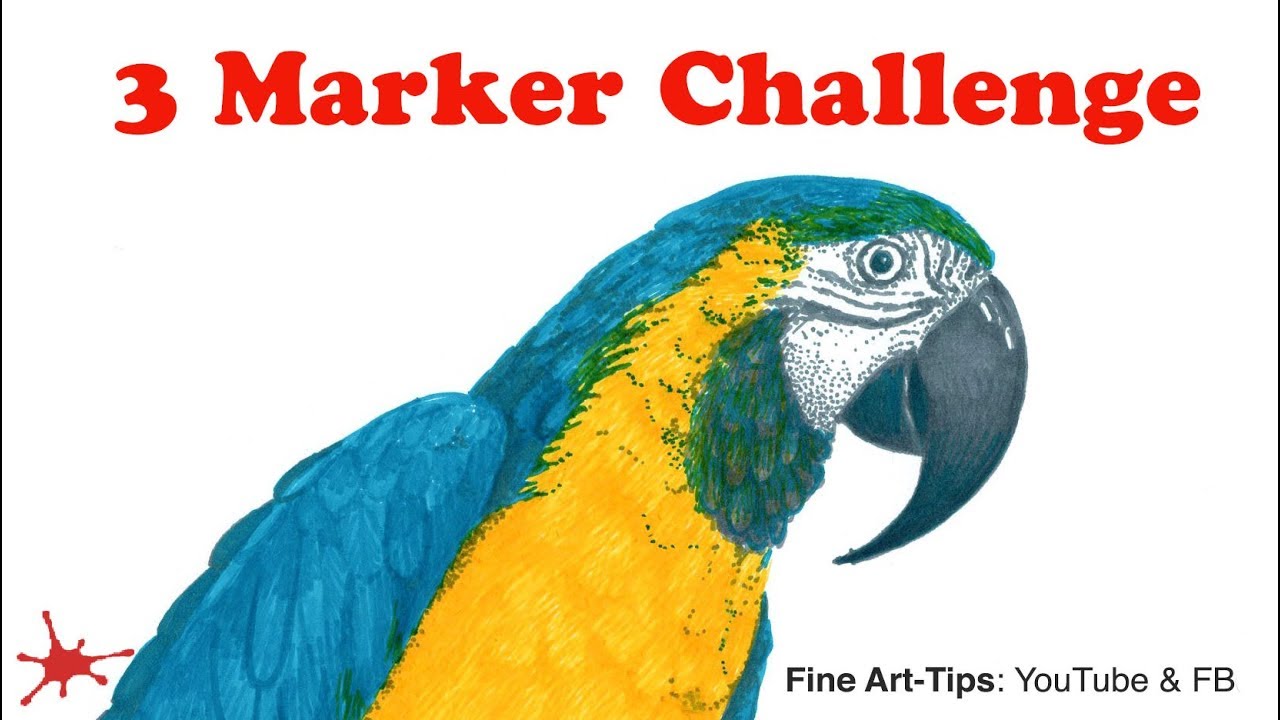
This video is a 3 marker challenge of drawing a macaw bird.
Get my drawing book: http://amzn.to/1K7L8Ed
Follow my Instagram: https://www.instagram.com/artistleonardo/
Follow Fine Art-Tips' Instagram: https://www.instagram.com/fine.art.tips/
Visit me on FB: https://www.facebook.com/LeonardoPereznieto
My website: http://www.ArtistLeonardo.com/
Do you want to help me translating it into your language?
(Note: First check if it hasn´t been translated already by pressing the "CC" button on the lower part of the video).
To translate the title of the video and the subtitles, all you need to do is to please go to the following link and translate (you don't necessarily need to do the whole thing, you can do a section and other people in the community can finish it). Thank you!:
http://www.youtube.com/timedtext_video?v=9XCRID1qovk&ref=share
If you would like to invest in a drawing, painting or sculpture by Leonardo Pereznieto, or to hire him for workshops or lectures, please write to me through my website: http://www.artistleonardo.com/ (Business only, not for personal messages.)
List of materials:
- Sharpie Classic, fine point, slate grey - https://amzn.to/2KVGxQd
- Sharpie Classic, fine point, brilliant blue (or techno blue) - https://amzn.to/2RnuFYd
- I used the yellow out of this set: Tombow Dual Brush pen (Manga set of 10) - http://amzn.to/2l2n8hl
- Fabriano Ecowhite Drawing Pad 11.7X16.5 Inches - See it here: http://amzn.to/2krS9xp
- See my materials at my new "Amazon Influencer" page:
https://www.amazon.com/shop/fineart-tips
Recording Equipment:
Video camera: Panasonic HC-V380K - http://amzn.to/2xJwVmb
“L” shaped camera tripod - http://amzn.to/2xKUcnX
Mic: Blue Jeti - http://amzn.to/2gnwxCp
Pop filter (Mic screen) - http://amzn.to/2ysgn0T
Mic Foam Windacreen - http://amzn.to/2zeiYc8
- Lighting: Studio soft boxes: http://amzn.to/2xKSxhW
Laptop: Apple MacBookPro 13”. Mine is an older version of this beauty: http://amzn.to/2xKzHHL (note, the software I use for editing is Final Cut.)
Some of the above links are affiliate links.
- See my materials at my new "Amazon Influencer" page:
https://www.amazon.com/shop/fineart-tips
Or in my old materials blog! hehe: http://fineart-tips.blogspot.m....x/2015/07/my-drawing
You may also follow me on:
My Blog: http://fineart-tips.blogspot.mx/
My Twitter: https://twitter.com/#!/ArtistLeonardo
My Instagram: http://instagram.com/artistleonardo
My LinkedIn: http://www.linkedin.com/profile/view?id=89957576&trk=tab_pro
My Pinterest: http://pinterest.com/ArtistLeonardo/
My VK: http://vk.com/leonardopereznieto
My website: http://www.artistleonardo.com/
I wish you great creations!
Audio file(s) provided by http://www.audiomicro.com
This tutorial shows a 3 Marker Challenge - Macaw
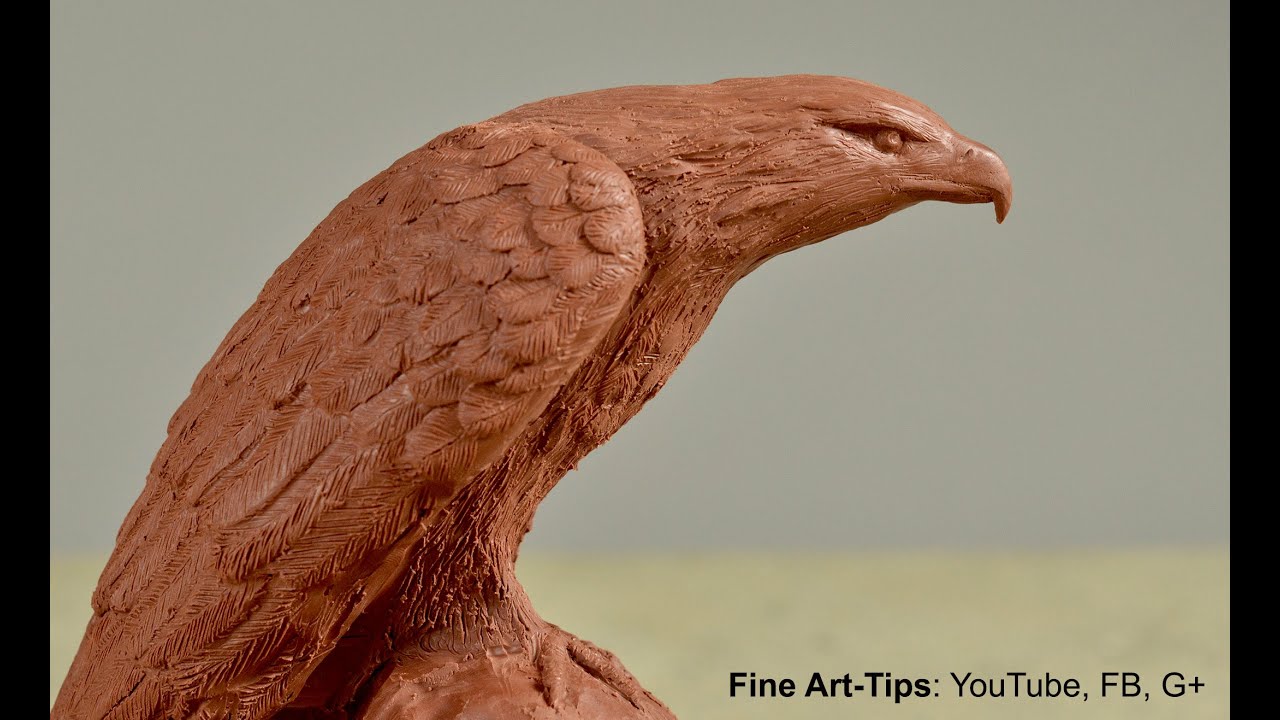
Get your course with a special discount: https://www.udemy.com/how-to-m....odel-an-eagle-in-cla
This is an overview of my sculpture course: How to Model an Eagle in Clay
My drawing book: http://amzn.to/1K7L8Ed
Visit me on FB: https://www.facebook.com/LeonardoPereznieto
My website: http://www.ArtistLeonardo.com/
Do you want to help me translating it into your language?
(Note: First check if it hasn´t been translated already by pressing the "CC" button on the lower part of the video).
All you need to do is to please go to the following link and translate. Thank you!:
If you would like to invest in a drawing, painting or sculpture by Leonardo Pereznieto, or to hire him for workshops or lectures, please write to: info@artistleonardo.com (Business only, not for personal messages.)
If you would like to see photos and brands of my modeling tools, please go to my blog about materials with the following link:
http://fineart-tips.blogspot.m....x/2014/11/with-relea
You may also follow me on:
My Blog: http://fineart-tips.blogspot.mx/
My Twitter: https://twitter.com/#!/ArtistLeonardo
Fine Art Tips on Google+: http://goo.gl/TqsmiJ
My Google+ page as an artist (with my sculptures, paintings, etc): https://plus.google.com/+Artistleonardo/posts
My Instagram: http://instagram.com/artistleonardo
My LinkedIn: http://www.linkedin.com/profile/view?id=89957576&trk=tab_pro
My Vine: https://vine.co/v/hKnn3rbwJmT
My Pinterest: http://pinterest.com/ArtistLeonardo/
My VK: http://vk.com/leonardopereznieto
My website Leonardo Pereznieto: http://www.leonardopereznieto.com/leo/Intro.html
I wish you great creations!
Audio file(s) provided by http://www.audiomicro.com
This is the promo video for my course: How to Model an Eagle in Clay

Visit me on FB: https://www.facebook.com/LeonardoPereznieto
Visit my website: http://www.artistleonardo.com/
Do you want to help me translating it into your language?
(Note: First check if it hasn´t been translated already by pressing the "CC" button on the lower part of the video).
All you need to do is to please translate the file at the link below and send it to me:
https://docs.google.com/file/d..../0B0UOw8r7hWG2T2kxRX
Visit: http://www.fineartebooks.com/ for free drawing tutorials.
If you would like to invest in a drawing, painting or sculpture by Leonardo Pereznieto, or to hire him for workshops or lectures, please write to: info@leopereznieto.com (Business only, not for personal messages.)
List of materials:
Pigma Sensei Manga 6 Piece Drawing Kit
If you would like to see photos and prices of my tools, please go to my blog about materials with the following link (the drawing set I used is at the end of the blog.):
http://www.fineartebooks.com/howtodraw_drawingschool/My_Blog/Entries/2012/8/1_My_materials.html
You may also follow me on:
My Blog: http://www.fineartebooks.com/howtodraw_drawingschool/My_Blog/My_Blog.html
Twitter: https://twitter.com/#!/ArtistLeonardo
LinkedIn: http://www.linkedin.com/profile/view?id=89957576&trk=tab_pro
Google+: https://plus.google.com/u/0/10....0373866809472929876/
VK: http://vk.com/leonardopereznieto
Leonardo Pereznieto: http://www.leonardopereznieto.com/leo/Intro.html
Audio file(s) provided by http://www.audiomicro.com
This tutorial shows how to draw a sad puppy. How to draw a dog.
Как нарисовать Грустного Щенка
Hoe een treurige puppy te tekenen
如何画一只桑心的狗狗
Cách vẽ một chú chó
Comment dessiner un chiot triste
How to Draw einen traurigen Welpen
Jak namalować smutnego szczeniaka
Як намалювати Сумне Щеня

This tutorial shows how to draw a silver heart with pencil.
My FB page: https://www.facebook.com/LeonardoPereznieto
Subscribe on Patreon: https://www.patreon.com/artistleonardo
My drawing book: http://amzn.to/1K7L8Ed
My website: http://www.ArtistLeonardo.com/
O Art Int: http://oartinternational.com/
Do you want to help me translating it into your language?
(Note: First check if it hasn´t been translated already by pressing the "CC" button on the lower part of the video).
All you need to do is to please go to the following link and translate. Thank you!:http://www.youtube.com/timedtext_video?v=eZ8BDe58VIw&ref=share
If you would like to invest in a drawing, painting or sculpture by Leonardo Pereznieto, or to hire him for workshops or lectures, please write to: info@artistleonardo.com (Business only, not for personal messages.)
List of materials:
- Mechanical pencil: Kaweco Special 0.7mm Brass (with HB lead). - See it here: http://amzn.to/2ow8xiJ
- Kneaded eraser Prismacolor - See it here: http://amzn.to/2cvi6G7
- Tombow Mono Zero Eraser Square Tip: http://amzn.to/2lAMh5b
- Paper: Fabriano Ecological Drawing Pad, 8-1/4 X 11-3/4, white -. See it here: http://amzn.to/2jx7hKl
If you would like to see photos and brands of my tools, please go to my blog about materials with the following link:
http://fineart-tips.blogspot.m....x/2015/07/my-drawing
Download Fine Art-Tips mobile app:
On the Apple Store:
For iPhone/iPad free: https://itunes.apple.com/us/ap....p/fine-art-tips-draw
For iPhone/iPad, Premium: https://itunes.apple.com/us/ap....p/fine-art-tips-prem
On Google Play:
For Android free: https://play.google.com/store/apps/details?id=allmax.fine.art.tips.free2&hl=en
For Android, Premium: https://play.google.com/store/apps/details?id=allmax.fine.art.tips2&hl=en
You may also follow me on:
My Blog: http://fineart-tips.blogspot.mx/
My Twitter: https://twitter.com/#!/ArtistLeonardo
Fine Art Tips on Google+: http://goo.gl/TqsmiJ
My Google+ page as an artist (with my sculptures, paintings, etc): https://plus.google.com/+Artistleonardo/posts
My Instagram: http://instagram.com/artistleonardo
My LinkedIn: http://www.linkedin.com/profile/view?id=89957576&trk=tab_pro
My Vine: https://vine.co/v/hKnn3rbwJmT
My Pinterest: http://pinterest.com/ArtistLeonardo/
My VK: http://vk.com/leonardopereznieto
My website Leonardo Pereznieto: http://www.leonardopereznieto.com/leo/Intro.html
I wish you great creations!
Audio file(s) provided by http://www.audiomicro.com
This tutorial shows How to Draw a Silver Heart - Very Easy - Narrated
Fine Art-Tips on FB: https://www.facebook.com/FineArtTipsOfficial/
Subscribe on Patreon: https://www.patreon.com/artistleonardo
My drawing book: http://amzn.to/1K7L8Ed
Visit me on FB: https://www.facebook.com/LeonardoPereznieto
My website: http://www.ArtistLeonardo.com/
O Art Int: http://oartinternational.com/
Do you want to help me translating it into your language?
(Note: First check if it hasn´t been translated already by pressing the "CC" button on the lower part of the video).
All you need to do is to please go to the following link and translate. Thank you!:
http://www.youtube.com/timedtext_video?ref=share&v=TDr9djjFswo
If you would like to invest in a drawing, painting or sculpture by Leonardo Pereznieto, or to hire him for workshops or lectures, please write to: info@artistleonardo.com (Business only, not for personal messages.)
List of materials:
Mechanical pencil: ArtistLeonardo Tutto3, with 0.3mm 2H lead, 0.5 HB and 0.7 mm 2B lead
Winsor & Newton Pigment Markers (I think the set of 24 that I used is not for sale. Here you can see the set of 36: http://amzn.to/2cYTBSU )
Winsor & Newton Pigment Markers paper
If you would like to see photos and brands of my tools, please go to my blog about materials with the following link:
http://fineart-tips.blogspot.m....x/2015/07/my-drawing
Download Fine Art-Tips mobile app:
On the Apple Store:
For iPhone/iPad free: https://itunes.apple.com/us/ap....p/fine-art-tips-draw
For iPhone/iPad, Premium: https://itunes.apple.com/us/ap....p/fine-art-tips-prem
On Google Play:
For Android free: https://play.google.com/store/apps/details?id=allmax.fine.art.tips.free2&hl=en
For Android, Premium: https://play.google.com/store/apps/details?id=allmax.fine.art.tips2&hl=en
You may also follow me on:
My Blog: http://fineart-tips.blogspot.mx/
My Twitter: https://twitter.com/#!/ArtistLeonardo
Fine Art Tips on Google+: http://goo.gl/TqsmiJ
My Google+ page as an artist (with my sculptures, paintings, etc): https://plus.google.com/+Artistleonardo/posts
My Instagram: http://instagram.com/artistleonardo
My LinkedIn: http://www.linkedin.com/profile/view?id=89957576&trk=tab_pro
My Vine: https://vine.co/v/hKnn3rbwJmT
My Pinterest: http://pinterest.com/ArtistLeonardo/
My VK: http://vk.com/leonardopereznieto
My website Leonardo Pereznieto: http://www.leonardopereznieto.com/leo/Intro.html
I wish you great creations!
Audio file(s) provided by http://www.audiomicro.com
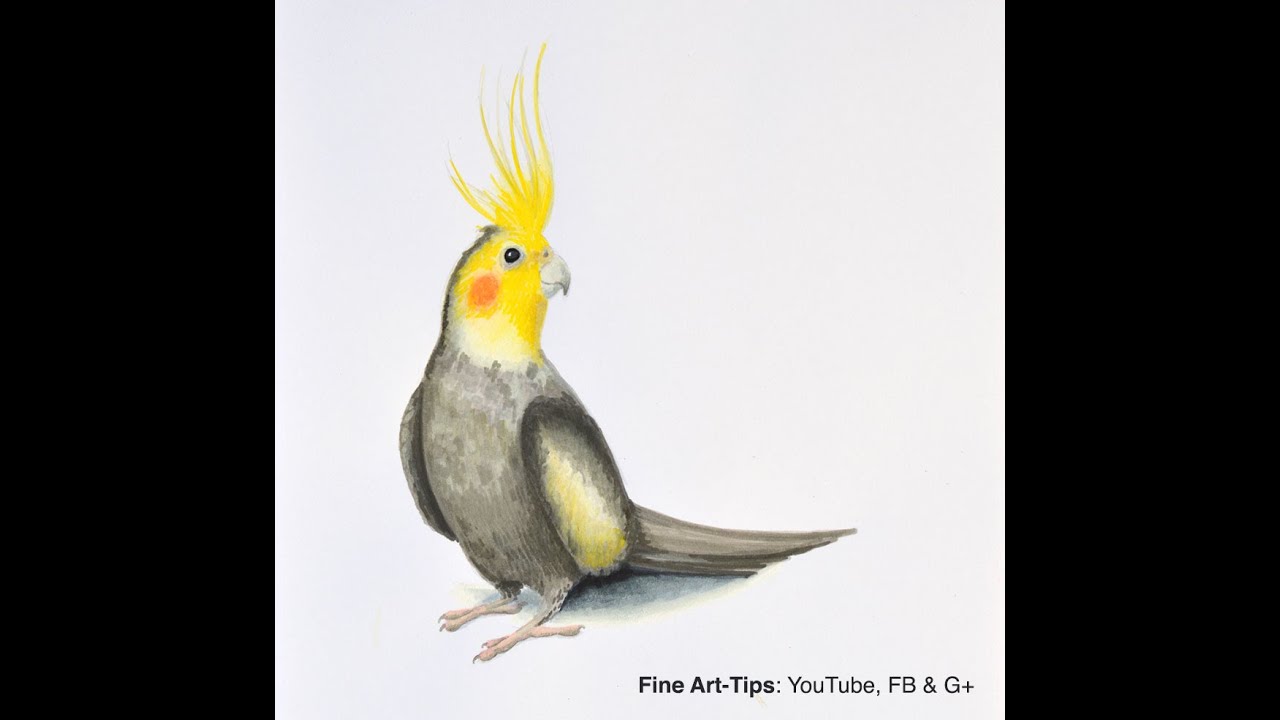
This tutorial shows How to Draw a Cockatiel - With Winsor & Newton Pigment Markers

Visit my FB Gallery: https://www.facebook.com/LeonardoPereznieto
Visit my website: http://www.artistleonardo.com/
Visit: http://www.fineartebooks.com/ for free drawing tutorials.
If you would like to invest in a drawing, painting or sculpture by Leonardo Pereznieto, please write to: info@leonardopereznieto.com
List of materials:
Felth pen: Permanent Micron Pigma extra fine point, 0.5 mm
White drawing paper, fine grain
This tutorial shows how to draw an Owl with pen. It is a fairly fast sketch.
You may also follow me on:
My Blog: http://www.fineartebooks.com/howtodraw_drawingschool/My_Blog/Entries/2012/7/26_Day_of_longboarding.html
Twitter: https://twitter.com/#!/ArtistLeonardo
LinkedIn: http://www.linkedin.com/profile/view?id=89957576&trk=tab_pro
Google+: https://plus.google.com/u/0/10....0373866809472929876/
Leonardo Pereznieto: http://www.leonardopereznieto.com/leo/Intro.html

This video shows how to draw a simple 3D effect: Woman with Umbrella
For long tutorials subscribe to Patreon: https://www.patreon.com/artistleonardo
My drawing book: http://amzn.to/1K7L8Ed
Visit me on FB: https://www.facebook.com/LeonardoPereznieto
My website: http://www.ArtistLeonardo.com/
Do you want to help me translating it into your language?
(Note: First check if it hasn´t been translated already by pressing the "CC" button on the lower part of the video).
To translate the title of the video and the subtitles, all you need to do is to please go to the following link and translate (you don't necessarily need to do the whole thing, you can do a section and other people in the community can finish it). Thank you!:
http://www.youtube.com/timedtext_video?ref=share&v=CB7CDCZteFc
If you would like to invest in a drawing, painting or sculpture by Leonardo Pereznieto, or to hire him for workshops or lectures, please write to: info@leopereznieto.com (Business only, not for personal messages.)
List of materials:
- Mechanical pencil: Tutto3, with 0.3mm 2H lead, 0.5 HB and 0.7 mm 2B lead - http://oartinternational.com/tutto3/
- Kneaded eraser Prismacolor - See it here: http://amzn.to/2cvi6G7
- Fabriano Ecowhite Drawing Pad 11.7X16.5 Inches - See it here: http://amzn.to/2krS9xp
Recording Equipment:
Video camera: Panasonic HC-V380K - http://amzn.to/2xJwVmb
“L” shaped camera tripod - http://amzn.to/2xKUcnX
Mic: Blue Jeti - http://amzn.to/2gnwxCp
Pop filter (Mic screen) - http://amzn.to/2ysgn0T
Mic Foam Windacreen - http://amzn.to/2zeiYc8
- Lighting: Studio soft boxes: http://amzn.to/2xKSxhW
Laptop: Apple MacBookPro 13”. Mine is an older version of this beauty: http://amzn.to/2xKzHHL (note, the software I use for editing is Final Cut.)
Some of the above links are affiliate links.
If you would like to see photos and brands of my tools, please go to my blog about materials with the following link:
http://fineart-tips.blogspot.m....x/2015/07/my-drawing
Download Fine Art-Tips mobile app:
On the Apple Store:
For iPhone/iPad free: https://itunes.apple.com/us/ap....p/fine-art-tips-draw
For iPhone/iPad, Premium: https://itunes.apple.com/us/ap....p/fine-art-tips-prem
On Google Play:
For Android free: https://play.google.com/store/apps/details?id=allmax.fine.art.tips.free2&hl=en
For Android, Premium: https://play.google.com/store/apps/details?id=allmax.fine.art.tips2&hl=en
You may also follow me on:
My Blog: http://fineart-tips.blogspot.mx/
My Twitter: https://twitter.com/#!/ArtistLeonardo
Fine Art Tips on Google+: http://goo.gl/TqsmiJ
My Instagram: http://instagram.com/artistleonardo
My LinkedIn: http://www.linkedin.com/profile/view?id=89957576&trk=tab_pro
My Pinterest: http://pinterest.com/ArtistLeonardo/
My VK: http://vk.com/leonardopereznieto
My website: http://www.artistleonardo.com/
I wish you great creations!
Audio file(s) provided by http://www.audiomicro.com
This tutorial shows How to Draw a Simple 3D Effect: Woman With Umbrella