Top Vídeos

Entra en nuestra web: https://www.bbvaaprendemosjuntos.com/es
Suscríbete a nuestro canal de youtube: https://www.youtube.com/channe....l/UCI6QcXatdaEAaRTRj
Síguenos en Facebook: http://fb.com/aprendemosjuntosBBVA
Síguenos en Twitter: http://twitter.com/aprenderjuntos_
Escucha nuestros podcasts en Spotify: https://open.spotify.com/show/....07rXxtOlzNI0NuB8vpAg
En este vídeo la neuróloga Frances Jensen analiza algunos hallazgos científicos. Define a los adolescentes como “máquinas de aprendizaje”, aunque matiza: “aprenden más rápido o memorizan mucho mejor que los adultos, pero su cerebro también puede aprender muy fácilmente cosas malas, como la adicción a las drogas”.
La neurocientífica Frances Jensen es jefa del departamento de Neurología de la Universidad de Pensilvania. Ha sido profesora de neurología en la Escuela de Medicina de Harvard, directora de neurociencia traslacional y directora de investigación sobre epilepsia en el Hospital de niños de Boston. En su último libro, “El cerebro adolescente”, Jensen recoge también su experiencia como madre de dos adolescentes. “Decidí escribirlo cuando me di cuenta de que tenía un experimento en casa”, asegura. Es una obra en la que recurre a la experiencia clínica y a las investigaciones recientes para demostrar que en la adolescencia el cerebro aún no ha alcanzado la madurez. Desde una posición única como neuróloga, profesora y madre, ofrece una mirada revolucionaria a la etapa adolescente, disipando mitos y ofreciendo consejos prácticos para jóvenes, padres y maestros.
#AprendemosJuntos

Según la tradición de la Iglesia San Juan Crisóstomo en elaño 345 DC fue el primero en adjudicar a la Virgen María el título de"Auxiliadora". Mientras rezaba, el santosolía decir: " Tú, María, eres auxilio potentísimo de Dios".
San Juan Damasceno en el año 749 fue el primero en propagarla jaculatoria: "María Auxiliadora , rogad por nosotros".
En Rusia, se celebra la fiesta de María Auxiliadora desde el año 1030, fecha en que gracias a laintercesión de la Madre de Dios la ciudad se libró de la invasión de una tribude bárbaros.
En el sigloXVI, el Papa San Pio quinto ordenó que en todo el mundo católico se rezara enlas letanias la advocación " María Auxiliadora, rogad, por nosotros".En esa época se libró la batalla de Lepanto en la que los musulmanes pretendían destruir a lacristiandad. Se atribuye a la intersecion de María Auxliadora el triunfo casiimposible de esa batalla.
En 1814, el Papa Pío VII, prisionero del general Napoleón,prometió a la Virgen que el día que llegara a Roma, en libertad lo declararíafiesta de María Auxiliadora. Inesperadamente el Papa quedó libre y llegó a Romael 24 de mayo, fecha en que desde ese día se celebra la fiesta de estaadvocación a la Virgen.
Quizás fue San Juan Bosco, fundador de la Congregación delos salesianos, que en 1860 decidió porun encargo de la Virgen difundir esta advocación y construir un templo en suhonor en la ciudad de Turín, Italia.
En 1863 Don Bosco comenzó la construcción de la iglesia deMaría Auxiliadora con solo cuarenta céntimos. Cinco años más tarde, el 9 dejunio de 1868, tuvo lugar la consagración del templo.
San Juan Bosco fundó el Instituto de las Hijas de María Auxiliadora con el fin dehonorar a la Virgen bajo esta advocación.
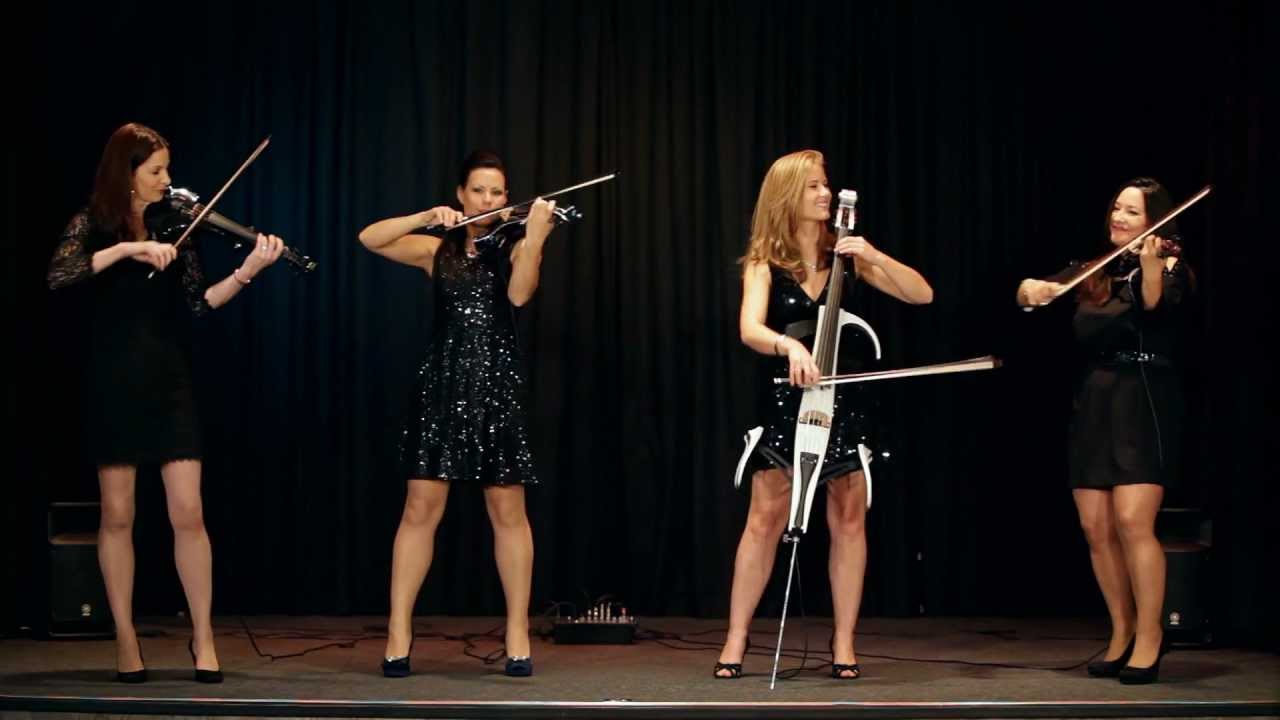
Palatine Electric String Quartet perform Palladio by Karl Jenkins. The quartet are available for weddings, corporate functions and private parties. For more information and contact details please go to www.PalatineStringQuartet.co.uk.
Entra en nuestra web: https://www.bbvaaprendemosjuntos.com/es
Suscríbete a nuestro canal de youtube: https://www.youtube.com/channe....l/UCI6QcXatdaEAaRTRj
Síguenos en Facebook: http://fb.com/aprendemosjuntosBBVA
Síguenos en Twitter: http://twitter.com/aprenderjuntos_
Escucha nuestros podcasts en Spotify: https://open.spotify.com/show/....07rXxtOlzNI0NuB8vpAg
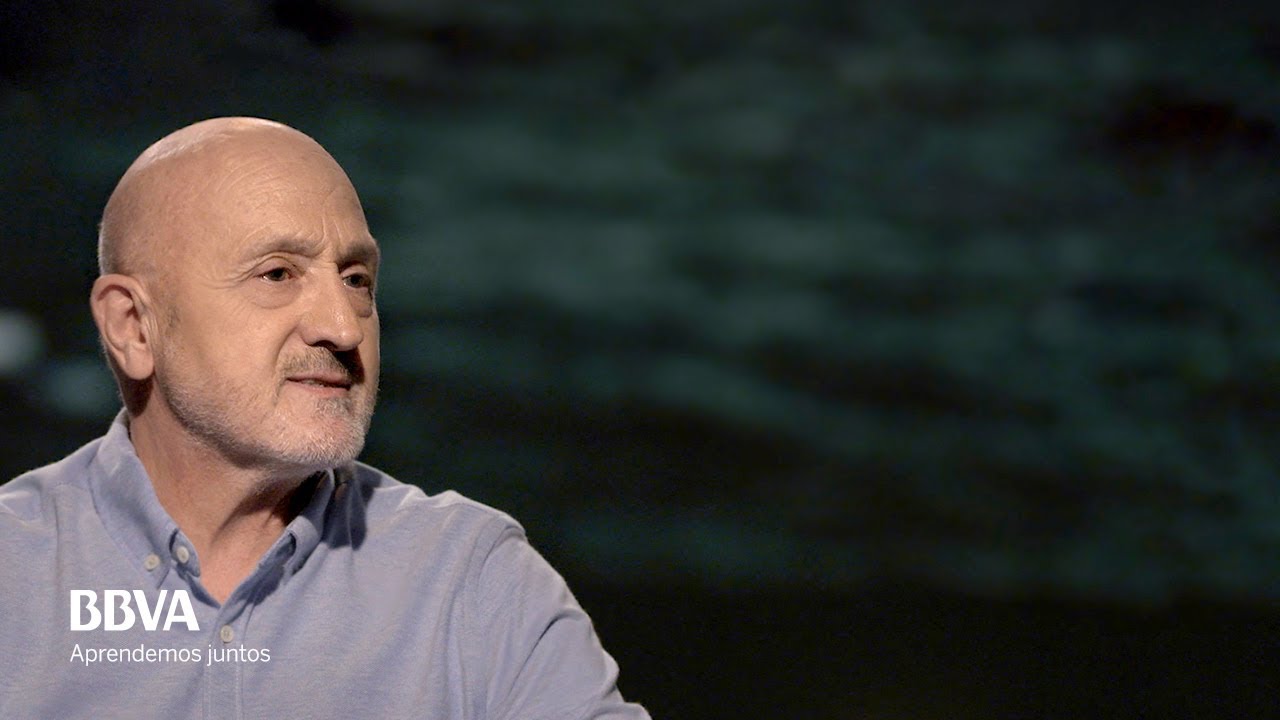
“La aventura nos enseña que somos seres finitos y vulnerables. Pero capaces de hacer mucho más de lo que imaginamos”. Así resume Sebastián Álvaro la pasión de su vida. Periodista, realizador y alpinista, fue el creador y director de la serie documental ‘Al filo de lo imposible’, un programa que cambió la concepción de la aventura y el alpinismo en España. Durante casi 30 años, recorrió con su equipo algunos de los lugares más bellos, recónditos e inexplorados del planeta. Del montañismo y la exploración, destaca valores, tan fundamentales en educación, como el esfuerzo, la superación, el compañerismo y el trabajo en equipo. Pero su concepción de la aventura va mucho más allá. Para él, la aventura tiene que ver con el amor por la naturaleza, y también con la fugacidad de la vida. Asegura que la vida debe vivirse con pasión, emoción e incertidumbre. Y añade: “Sólo tenemos una vida, y no hay ensayos. El tiempo perdido no se recupera jamás”.
Sebastián Álvaro fue el creador y subdirector del programa de aventura ‘Al filo de lo imposible’, una de las series documentales de mayor prestigio de la televisión española.
Durante casi 30 años, recorrió con su equipo algunos de los lugares más bellos, recónditos e inexplorados del planeta. Más de 200 expediciones y 300 documentales le han convertido en una de las personas que más viajes y exploraciones ha realizado a lugares salvajes del mundo. Sebastián Álvaro ha recibido, el Premio Nacional del Deporte, tres medallas al Mérito Militar, dos premios Ondas, nueve premios de la Academia de Televisión y dos medallas en el Festival Internacional de cine y TV de Nueva York.
Es autor, además, de dieciocho libros sobre montañismo y colabora habitualmente con algunos de los medios de comunicación más relevantes de España.
#AprendemosJuntos

Discurso en encuentro del Papa con jovenes en Paraguay

Solo Goofy conoce los ingredientes que contiene su increíble combustible pero lo que nadie sabe es qué poderes les dará esta vez a los bólidos de Mickey y sus amigos. Descubre este misterio de las colinas Hot Dog en Disney Junior. Mickey: Aventuras sobre ruedas, en Disney Junior
Sitio Oficial: http://www.disneylatino.com/disneyjunior/
Síguenos en Facebook: http://www.facebook.com/DisneyJuniorLatinoamerica
¡Haz click en el botón SUSCRIBIR y entérate de los nuevos videos de Disney Junior en Youtube!

Strange finish of Scoundrel days. Comments about the last half minute??
I hope to find another video showing Mags and Paul as well. I suggest we're hearing Magne here?
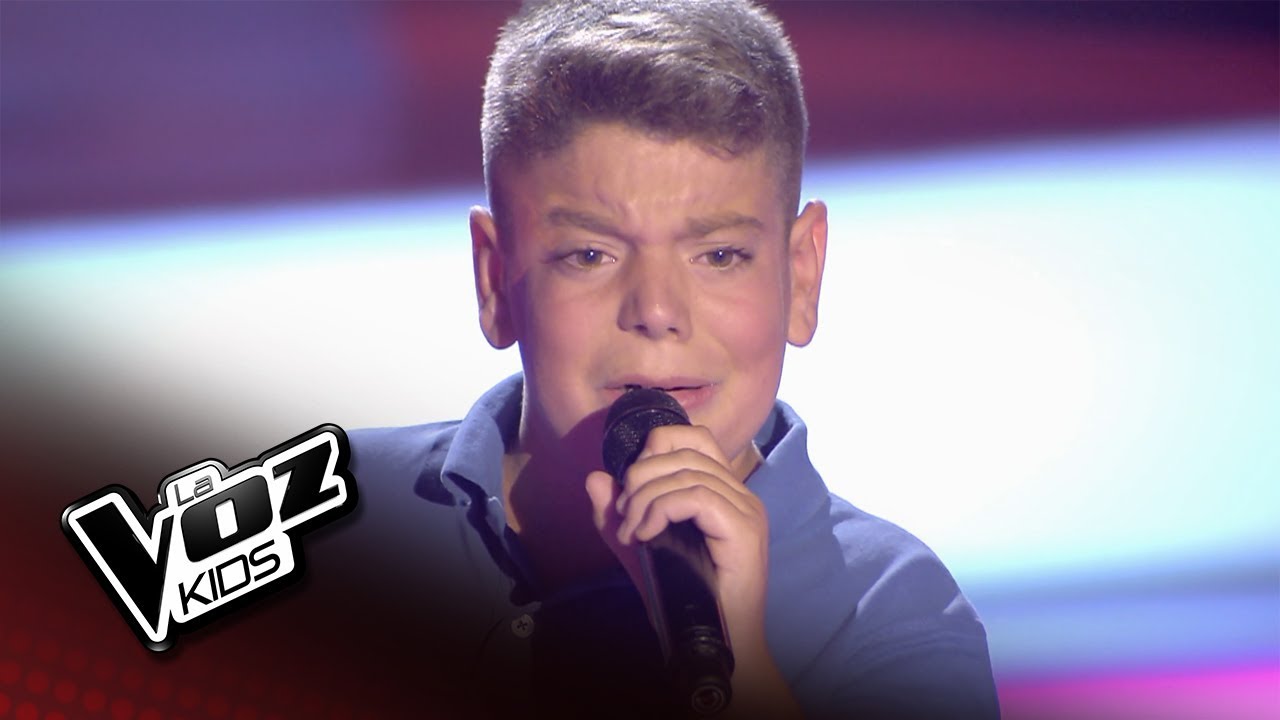
Samuel interpreta "Nana del Caballo Grande" de Camarón de la Isla en las primeras audiciones a ciegas de la cuarta edición de La Voz Kids.
Si estás en España:
- Puedes ver este vídeo en http://www.telecinco.es/lavozkids/ y el programa completo en http://www.mitele.es/programas....-tv/la-voz-kids/0000
- Descárgate la app de La Voz Kids para no perderte nada del programa http://mdia.st/1i8iNqu
Si estás fuera de España:
- Suscripción/Suscription: http://bit.ly/2mqAtky

? SI AÚN NO ERES UN #AMIWITO ? SUSCRIBETE AQUÍ: https://goo.gl/mDu2Ad
? Contacto: bebemilocontacto@gmail.com
✅ Canales de los #AMIWITOS
Vita: https://goo.gl/53Qtpv
Timo: https://goo.gl/rGEwgK
Mora: https://goo.gl/Ps65Vv
✅ Aplicación Bebe Milo Aventuras ? https://goo.gl/PzZEuv
✅ Juega en Bebe Milo Server: https://goo.gl/Wrx3ih
? Redes sociales de Bebe Milo:
? Instagram: https://www.instagram.com/bebemiloyt/
? Twitter: https://twitter.com/BebeMiloYT
? Facebook: https://www.facebook.com/bebemiloyt
======================================================
? MIS LISTAS DE REPRODUCCIÓN
✅ LO MEJOR de BEBE MILO y sus AMIGOS: https://goo.gl/9MgnWZ
✅ BEBE MILO AVENTURAS: https://goo.gl/VQhwNq
✅ LAS AVENTURAS DEL NOOB: https://goo.gl/gP8lwG
✅ CANCIONES DE BEBE MILO: https://goo.gl/swgdwg
✅ EL ESCONDITE: https://goo.gl/45L2yT
✅ ISLA VS ISLA: https://goo.gl/euAmDc
✅ BEBE MILO DIMENSIONES: https://goo.gl/rHVcU2
======================================================
El canal de Bebe milo es para publico infantil. Podrás encontrar canciones infantiles, música infantil para niños y niñas, chicos y chicas. También podrás ver jugar juegos como minecraft gratis, roleplay muy entretenido y en español latino, roblox y mucho mas.
Lo importante es divertirse y tener lo mejor de minecraft para bebes en 2018!
? SUSCRIBETE AQUI: https://goo.gl/mDu2Ad
? Contacto: bebemilocontacto@gmail.com
✅ Canales de los #AMIWITOS
Vita: https://goo.gl/53Qtpv
Timo: https://goo.gl/rGEwgK
Mora: https://goo.gl/Ps65Vv
¿AGUANTARÍAS LA RISA MIRANDO ESTE VIDEO? ? DESASTRES ROBLOX con AMIWITOS BEBE MILO TIMO MORA Y VITA
✅ Aplicación Bebe Milo Aventuras ? https://goo.gl/PzZEuv
✅ Juega en Bebe Milo Server: https://goo.gl/Wrx3ih
? Redes sociales de Bebe Milo:
? Instagram: https://www.instagram.com/bebemiloyt/
? Twitter: https://twitter.com/BebeMiloYT
? Facebook: https://www.facebook.com/bebemiloyt
======================================================
? MIS LISTAS DE REPRODUCCIÓN
✅ LO MEJOR de BEBE MILO y sus AMIGOS: https://goo.gl/9MgnWZ
✅ BEBE MILO AVENTURAS: https://goo.gl/VQhwNq
✅ LAS AVENTURAS DEL NOOB: https://goo.gl/gP8lwG
✅ CANCIONES DE BEBE MILO: https://goo.gl/swgdwg
✅ EL ESCONDITE: https://goo.gl/45L2yT
✅ ISLA VS ISLA: https://goo.gl/euAmDc
✅ BEBE MILO DIMENSIONES: https://goo.gl/rHVcU2
======================================================
El canal de Bebe milo es para publico infantil. Podrás encontrar canciones infantiles, música infantil para niños y niñas, chicos y chicas. También podrás ver jugar juegos como minecraft gratis, roleplay muy entretenido y en español latino.
Lo importante es divertirse y tener lo mejor de minecraft para bebes en 2018!
✅ Aplicación Bebe Milo Aventuras ? https://goo.gl/PzZEuv
✅ Juega en Bebe Milo Server: https://goo.gl/Wrx3ih
? Contacto: bebemilocontacto@gmail.com
? Redes sociales de Bebe Milo:
? Instagram: https://www.instagram.com/bebemiloyt/
? Twitter: https://twitter.com/BebeMiloYT
? Facebook: https://www.facebook.com/bebemiloyt
======================================================
? Colaboradores del canal:
Walky & Vita: https://goo.gl/7ka4ss
? MIS LISTAS DE REPRODUCCIÓN
✅ LO MEJOR de BEBE MILO y sus AMIGOS: https://goo.gl/9MgnWZ
✅ BEBE MILO AVENTURAS: https://goo.gl/VQhwNq
✅ LAS AVENTURAS DEL NOOB: https://goo.gl/gP8lwG
✅ CANCIONES DE BEBE MILO: https://goo.gl/swgdwg
✅ EL ESCONDITE: https://goo.gl/45L2yT
✅ ISLA VS ISLA: https://goo.gl/euAmDc
✅ BEBE MILO DIMENSIONES: https://goo.gl/rHVcU2
======================================================
El canal de Bebe milo es para publico infantil. Podrás encontrar canciones infantiles, música infantil para niños y niñas, chicos y chicas. También podrás ver jugar juegos como minecraft gratis, roleplay muy entretenido y en español latino.
Lo importante es divertirse y tener lo mejor de minecraft para bebes en 2017 y 2018!

This is the fifteenth track from the album Karl Jenkins & Adiemus The Essential Collection, 2006. This piece can also be found on the album Adiemus: The Journey.

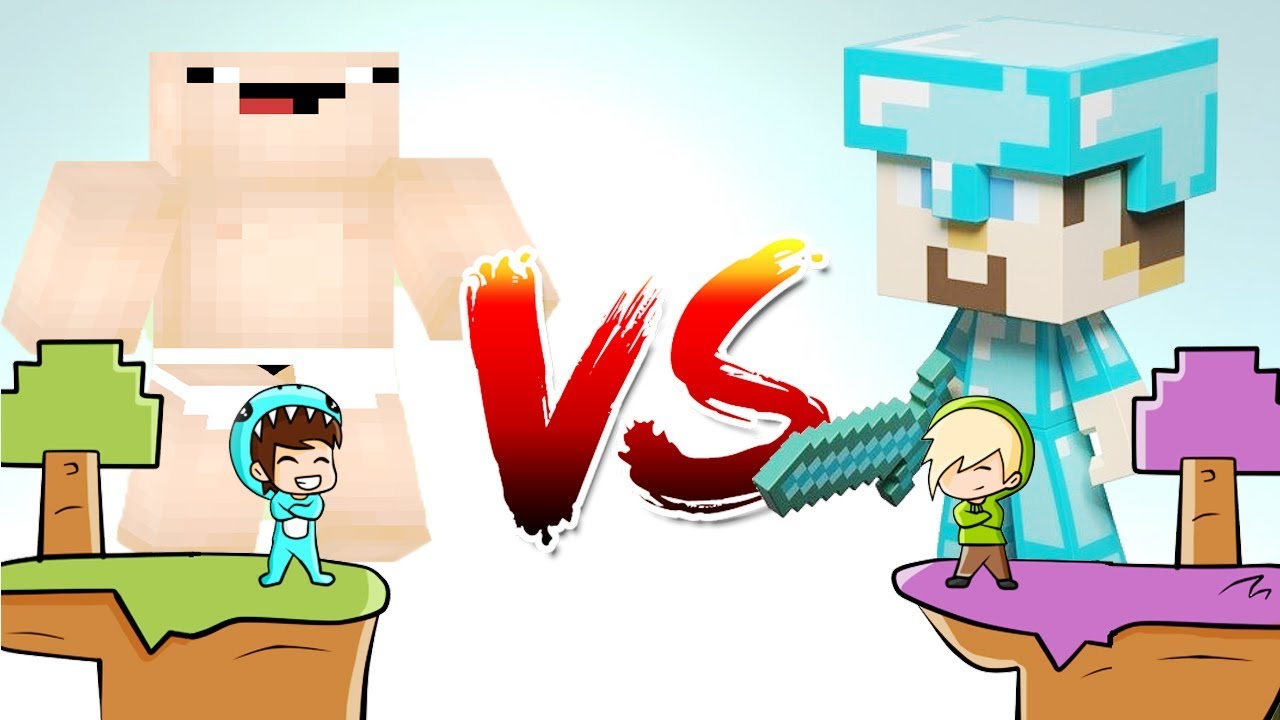
ARMADURA de BEBE MILO.EXE VS ARMADURA de VITA.EXE ? BATALLA DE ARMADURAS EN MINECRAFT
? SUSCRIBETE A BEBEMILO AQUÍ: https://goo.gl/mDu2Ad
? Aplicación Campanita de Bebe milo: https://bit.ly/2GKkqHH
? Contacto: bebemilocontacto@gmail.com
✅ Canales de los AMIWITOS
Vita: https://goo.gl/53Qtpv
Adri: https://goo.gl/qBMQzu
#BEBEMILO #JUEGOS #DIVERSION
✅ Aplicación Bebe Milo Aventuras ? https://goo.gl/PzZEuv
✅ Juega en Bebe Milo Server: https://goo.gl/Wrx3ih
? Redes sociales de Bebe Milo:
? Instagram: https://www.instagram.com/bebemiloyt/
? Twitter: https://twitter.com/BebeMiloYT
? Facebook: https://www.facebook.com/bebemiloyt
======================================================
? MIS LISTAS DE REPRODUCCIÓN
✅ LO MEJOR de BEBE MILO y sus AMIGOS: https://goo.gl/9MgnWZ
✅ BEBE MILO AVENTURAS: https://goo.gl/VQhwNq
✅ LAS AVENTURAS DEL NOOB: https://goo.gl/gP8lwG
✅ CANCIONES DE BEBE MILO: https://goo.gl/swgdwg
✅ EL ESCONDITE: https://goo.gl/45L2yT
✅ ISLA VS ISLA: https://goo.gl/euAmDc
✅ BEBE MILO DIMENSIONES: https://goo.gl/rHVcU2
======================================================
El canal de Bebe milo es para publico infantil. Podrás encontrar canciones infantiles, música infantil para niños y niñas, chicos y chicas. También podrás ver jugar juegos como minecraft gratis, roleplay muy entretenido y en español latino, roblox y mucho mas.
Lo importante es divertirse y tener lo mejor de minecraft para bebes en 2018!
El director del Grupo ACI, Alejandro Bermúdez, nos ofrece a diario reflexiones en audio y vídeo sobre temas de actualidad en los que los católicos necesitamos tener una posición clara e informada. Compártelo con tus amigos, tu comunidad o en tu medio de comunicación católico.
Do we need more diversity in online video?
NOTE: the free one-year membership offer has now expired. You can receive a free month trial at: http://vessel.com/science
Watch the MinutePhysics announcement: http://bit.ly/1GbKtTi
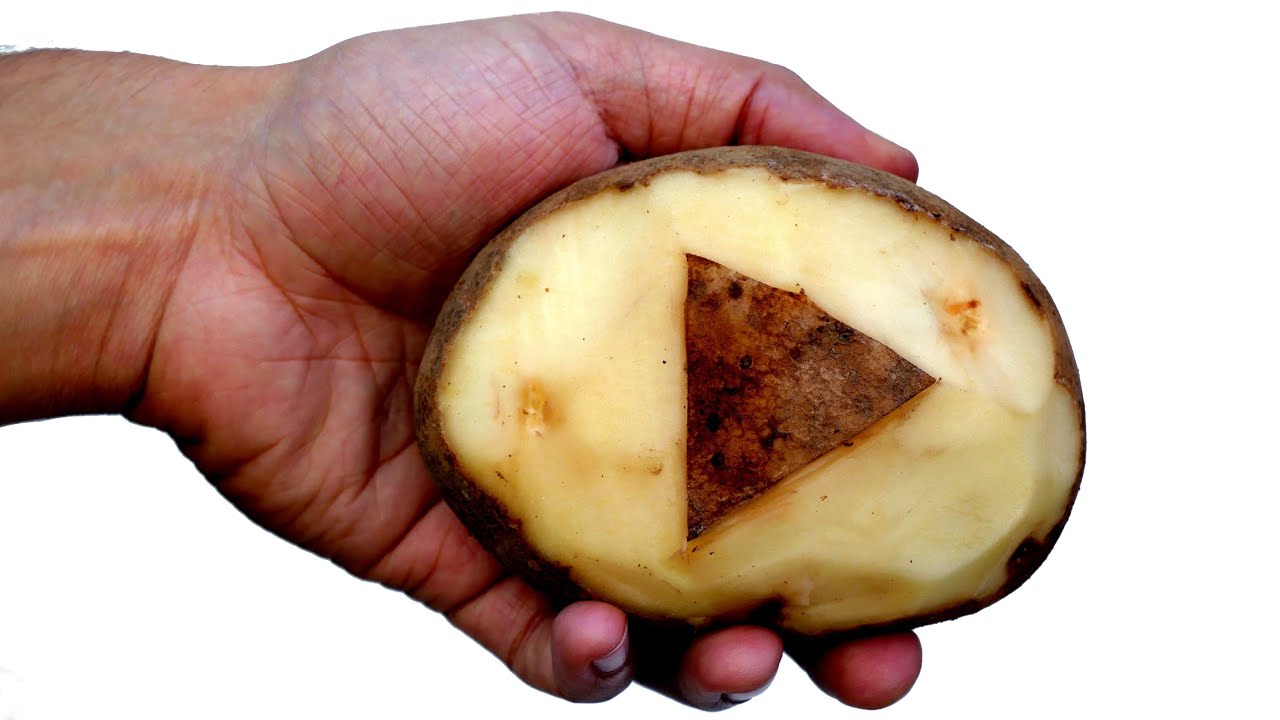
Thanks to Whole Foods UCLA for allowing us to film their potatoes and Zach T for filming.
? SUSCRIBETE A #BEBEMILO AQUÍ: https://goo.gl/mDu2Ad
? Aplicación Campanita de Bebe milo: https://bit.ly/2GKkqHH
? Contacto: bebemilocontacto@gmail.com
✅ Canales de los AMIWITOS
Vita: https://goo.gl/53Qtpv
Adri: https://goo.gl/qBMQzu
✅ Aplicación Bebe Milo Aventuras ? https://goo.gl/PzZEuv
✅ Juega en Bebe Milo Server: https://goo.gl/Wrx3ih
? Redes sociales de Bebe Milo:
? Instagram: https://www.instagram.com/bebemiloyt/
? Twitter: https://twitter.com/BebeMiloYT
? Facebook: https://www.facebook.com/bebemiloyt
Miniatura: https://twitter.com/CotorraGalactic
======================================================
? MIS LISTAS DE REPRODUCCIÓN
✅ LO MEJOR de BEBE MILO y sus AMIGOS: https://goo.gl/9MgnWZ
✅ BEBE MILO AVENTURAS: https://goo.gl/VQhwNq
✅ LAS AVENTURAS DEL NOOB: https://goo.gl/gP8lwG
✅ CANCIONES DE BEBE MILO: https://goo.gl/swgdwg
✅ EL ESCONDITE: https://goo.gl/45L2yT
✅ ISLA VS ISLA: https://goo.gl/euAmDc
✅ BEBE MILO DIMENSIONES: https://goo.gl/rHVcU2
======================================================
El canal de Bebe milo es para publico infantil. Podrás encontrar canciones infantiles, música infantil para niños y niñas, chicos y chicas. También podrás ver jugar juegos como minecraft gratis, roleplay muy entretenido y en español latino, roblox y mucho mas.
Lo importante es divertirse y tener lo mejor de minecraft para bebes en 2018!


Hay una fiesta de disfraces en pueblo chocolate y vita invita a bebe milo y adri a este gran evento! Pero ninguno sabe de que se van a disfrazar, asi que deciden que el consejero los convierta en algo aleatorio pero nunca iban a saber que herobrine y bebe milo iban a terminar fusionados convirtiendose en MiloBrine! El terror en la fiesta?
? SUSCRIBETE A BEBEMILO AQUÍ: https://goo.gl/mDu2Ad
? Aplicación Campanita de Bebe milo: https://bit.ly/2GKkqHH
? Contacto: bebemilocontacto@gmail.com
✅ Canales de los AMIWITOS
Vita: https://goo.gl/53Qtpv
Adri: https://goo.gl/qBMQzu
#BEBEMILO #JUEGOS #DIVERSION
✅ Aplicación Bebe Milo Aventuras ? https://goo.gl/PzZEuv
✅ Juega en Bebe Milo Server: https://goo.gl/Wrx3ih
? Redes sociales de Bebe Milo:
? Instagram: https://www.instagram.com/bebemiloyt/
? Twitter: https://twitter.com/BebeMiloYT
? Facebook: https://www.facebook.com/bebemiloyt
======================================================
? MIS LISTAS DE REPRODUCCIÓN
✅ LO MEJOR de BEBE MILO y sus AMIGOS: https://goo.gl/9MgnWZ
✅ BEBE MILO AVENTURAS: https://goo.gl/VQhwNq
✅ LAS AVENTURAS DEL NOOB: https://goo.gl/gP8lwG
✅ CANCIONES DE BEBE MILO: https://goo.gl/swgdwg
✅ EL ESCONDITE: https://goo.gl/45L2yT
✅ ISLA VS ISLA: https://goo.gl/euAmDc
✅ BEBE MILO DIMENSIONES: https://goo.gl/rHVcU2
======================================================
El canal de Bebe milo es para publico infantil. Podrás encontrar canciones infantiles, música infantil para niños y niñas, chicos y chicas. También podrás ver jugar juegos como minecraft gratis, minecraft pe, minecraft online, minecraft pocket edition, roleplay muy entretenido y en español latino, roblox y mucho mas.
Lo importante es divertirse y tener los mejores videos de minecraft para niños en 2019!

El VIH, virus de inmunodeficiencia humana, suele traer consigo el flagelo de la discriminación, y para ayudar a revertir esta realidad la Fundación Santa Clara trabaja incansablemente para que los niños con esta grave afección experimenten el amor de Dios y tengan una mejor calidad de vida.