Top Vídeos

There are only two northern white rhinos left on the planet; the result of decades of poaching of the species. Can science save the last of these giants?
Subscribe: http://bit.ly/BBCEarthSub
Watch more:
Planet Earth http://bit.ly/PlanetEarthPlaylist
Blue Planet http://bit.ly/BluePlanetPlaylist
Planet Earth II http://bit.ly/PlanetEarthIIPlaylist
Planet Dinosaur http://bit.ly/PlanetDinoPlaylist
Conservation short. Seven Worlds, One Planet Episode 7 'Africa'
Millions of years ago incredible forces ripped apart the Earth’s crust creating seven extraordinary continents. Seven Worlds, One Planet, narrated by Sir David Attenborough, will reveal how each distinct continent has shaped the unique animal life found there.
Welcome to BBC EARTH! The world is an amazing place full of stories, beauty and natural wonder. Here you'll find 50 years worth of entertaining and thought-provoking natural history content. Dramatic, rare, and exclusive, nature doesn't get more exciting than this.
Want to share your views with the team? Join our BBC Studios Voice: https://www.bbcstudiosvoice.com/register
This is a page from BBC Studios who help fund new BBC programmes. Service information and feedback: http://bbcworldwide.com/vod-fe....edback--contact-deta
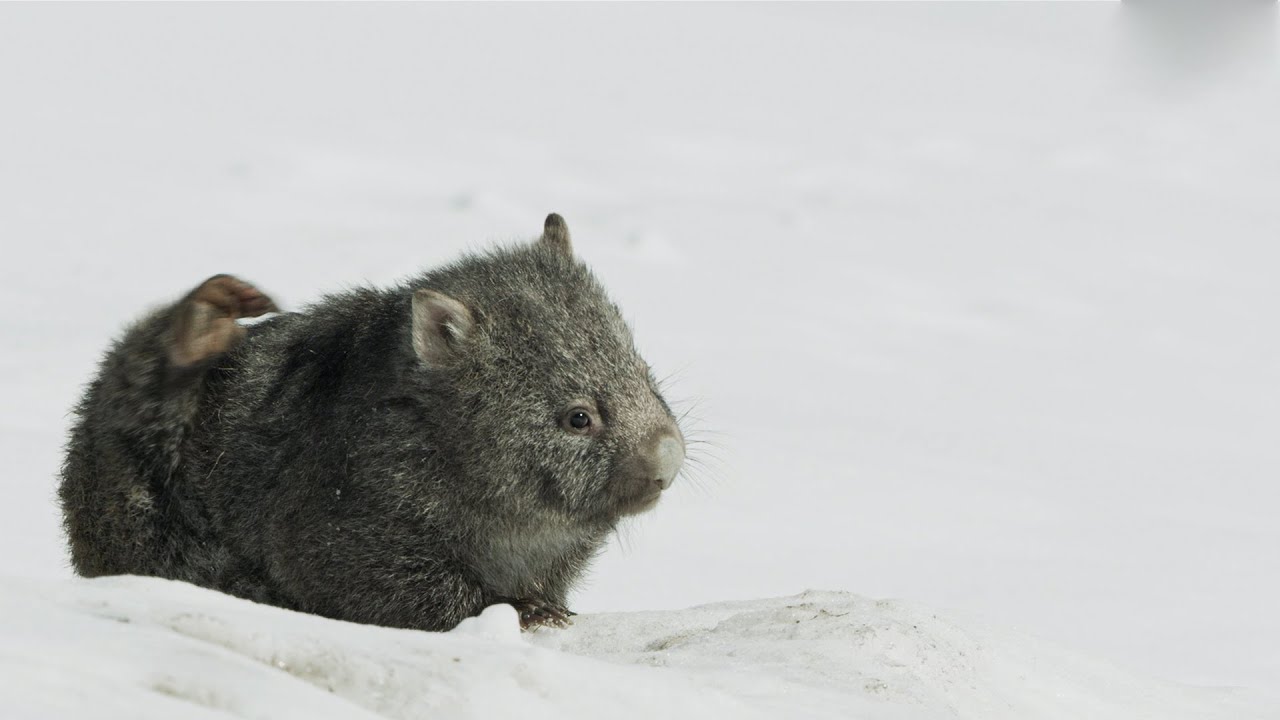
These brave wombats scour the snowy slopes in search of something tasty to nibble on.
Subscribe: http://bit.ly/BBCEarthSub
Watch more:
Planet Earth http://bit.ly/PlanetEarthPlaylist
Blue Planet http://bit.ly/BluePlanetPlaylist
Planet Earth II http://bit.ly/PlanetEarthIIPlaylist
Planet Dinosaur http://bit.ly/PlanetDinoPlaylist
Seven Worlds, One Planet Episode 4 'Australia'
Millions of years ago incredible forces ripped apart the Earth’s crust creating seven extraordinary continents. Seven Worlds, One Planet, narrated by Sir David Attenborough, will reveal how each distinct continent has shaped the unique animal life found there.
Welcome to BBC EARTH! The world is an amazing place full of stories, beauty and natural wonder. Here you'll find 50 years worth of entertaining and thought-provoking natural history content. Dramatic, rare, and exclusive, nature doesn't get more exciting than this.
Want to share your views with the team? Join our BBC Studios Voice: https://www.bbcstudiosvoice.com/register
This is a page from BBC Studios who help fund new BBC programmes. Service information and feedback: http://bbcworldwide.com/vod-fe....edback--contact-deta

There hilarious penguin youngsters are learning to climb.
Subscribe: http://bit.ly/BBCEarthSub
WATCH MORE:
New on Earth: https://bit.ly/2M3La96
Oceanscapes: https://bit.ly/2Hmd2kZ
Wild Thailand: https://bit.ly/2kR7lmh"
Welcome to BBC EARTH! The world is an amazing place full of stories, beauty and natural wonder. Here you'll find 50 years worth of astounding, entertaining, thought-provoking and educational natural history content. Dramatic, rare, and exclusive, nature doesn't get more exciting than this.
Want to share your views with the team behind BBC Earth and win prizes? Join our BBC Studios Voice: https://www.bbcstudiosvoice.com/register
This is a channel from BBC Worldwide who help fund new BBC programmes.Service information and feedback: http://bbcworldwide.com/vod-fe....edback--contact-deta

This red-billed tropic bird comes under attack from a man-of-war frigate bird. Who will win the battle?
Subscribe: http://bit.ly/BBCEarthSub
Watch more:
Planet Earth http://bit.ly/PlanetEarthPlaylist
Blue Planet http://bit.ly/BluePlanetPlaylist
Planet Earth II http://bit.ly/PlanetEarthIIPlaylist
Planet Dinosaur http://bit.ly/PlanetDinoPlaylist
Life
David Attenborough narrates a breathtaking ten-part blockbuster that brings you 130 incredible stories from the frontiers of the natural world. Discover the glorious variety of life on Earth and the spectacular and extraordinary tactics animals and plants have developed to stay alive. Cutting edge cinematic techniques capture unprecedented, astonishing sequences, including birds running and dancing on the water's surface in intricate displays of courtship and fidelity, fish outwitting predators by using their fins to take flight, flies competing in a mesmerising eyeball inflation contest.
Welcome to BBC EARTH! The world is an amazing place full of stories, beauty and natural wonder. Here you'll find 50 years worth of entertaining and thought-provoking natural history content. Dramatic, rare, and exclusive, nature doesn't get more exciting than this.
Want to share your views with the team? Join our BBC Studios Voice: https://www.bbcstudiosvoice.com/register
This is a page from BBC Studios who help fund new BBC programmes. Service information and feedback: http://bbcworldwide.com/vod-fe....edback--contact-deta

Join us underwater to experience a Norwegian Kelp forest in 360° #OurBluePlanet .
Subscribe to BBC Earth for more amazing animal videos - http://bit.ly/BBCEarthSub
#OurBluePlanet is a digital project between BBC Earth and Alucia Productions. Join the conversation over on Twitter @OurBluePlanet. Check out the full Our Blue Planet playlist here https://www.youtube.com/watch?v=ryM_s...
Watch more videos from BBC Earth:
Planet Earth http://bit.ly/PlanetEarthPlaylist
Blue Planet http://bit.ly/BluePlanetPlaylist
Planet Earth II http://bit.ly/PlanetEarthIIPlaylist
Planet Dinosaur http://bit.ly/PlanetDinoPlaylist
Check out the other two channels in our BBC Earth network:
BBC Earth Unplugged: http://bit.ly/BBCEarthUnplugged
BBC Earth Lab: http://bit.ly/BBCEarthLabYouTubeChannel
About BBC Earth:
The world is an amazing place full of stories, beauty and natural wonder. Explore the official BBC Earth YouTube channel and meet the animals and wildlife of your planet. Here you'll find 50 years worth of astounding, entertaining, thought-provoking and educational natural history documentaries. Dramatic, rare and wild nature doesn't get more exciting than this. Subscribe to be the first to view new animal documentary videos.
This is a channel from BBC Worldwide who help fund new BBC programs Service information and feedback: http://bbcworldwide.com/vod-feedback-...
You can also become part of the BBC Earth community on Facebook, Twitter and Instagram. Here you'll find the best natural history content from the web, exclusive videos and images and a thriving, vibrant community.
Want to share your views with the team behind BBC Earth and win prizes? Join our fan panel here: http://tinyurl.com/YouTube-BBCEarth-FanPanel
This is a channel from BBC Studios who help fund new BBC programmes.

Using amazing close-up footage, Sir David Attenborough explores the world of the red back spider.
Subscribe: http://bit.ly/BBCEarthSub
WATCH MORE:
New on Earth: https://bit.ly/2M3La96
Oceanscapes: https://bit.ly/2Hmd2kZ
Wild Thailand: https://bit.ly/2kR7lmh
Welcome to BBC EARTH! The world is an amazing place full of stories, beauty and natural wonder. Here you'll find 50 years worth of astounding, entertaining, thought-provoking and educational natural history content. Dramatic, rare, and exclusive, nature doesn't get more exciting than this.
Want to share your views? Join our BBC Studios Voice: https://www.bbcstudiosvoice.com/register
This is a channel from BBC Studios who help fund new BBC programmes. Service information and feedback: http://bbcworldwide.com/vod-fe....edback--contact-deta

The Lion guardians are challenged by younger males looking for lionesses of their own.
Subscribe: http://bit.ly/BBCEarthSub
WATCH MORE:
New on Earth: https://bit.ly/2M3La96
Oceanscapes: https://bit.ly/2Hmd2kZ
Wild Thailand: https://bit.ly/2kR7lmh
Welcome to BBC EARTH! The world is an amazing place full of stories, beauty and natural wonder. Here you'll find 50 years worth of astounding, entertaining, thought-provoking and educational natural history content. Dramatic, rare, and exclusive, nature doesn't get more exciting than this.
Want to share your views? Join our BBC Studios Voice: https://www.bbcstudiosvoice.com/register
This is a channel from BBC Studios who help fund new BBC programmes. Service information and feedback: http://bbcworldwide.com/vod-fe....edback--contact-deta

Follow Ultravox:
Ultravox's Music Online: https://Ultravox.lnk.to/Listen
Subscribe: https://Ultravox.lnk.to/Subscribe
Website: https://Ultravox.lnk.to/Web
Facebook: https://Ultravox.lnk.to/FB
Instagram: https://Ultravox.lnk.to/IN
Twitter: https://Ultravox.lnk.to/TW
Lyrics:
We came to dance
Making moves from a passion play
The ties that bind us just slip away.
We came to dance
The piper calls out a different rhyme
He cracks the whip and we step in time.
Standing as the parade goes passing by
I hear a voice around my cry.
Like the sound of a distant drums
Rejected and alone.
A heart without a home
Then someone said:
We came to dance
Making moves from a passion play...
We came to dance.
Waiting as the panic grips my hand
Hearing prose from high command
Like a million times before
No dignity or grace
It's the price and not the race
And someone said:
We came to dance
Making moves from a passion play...
We came to dance.
We came to dance
Making moves from a passion play
The ties that bind us just slip away.
Take what you can
They said take it while you may.
But keep in mind penalty fits the crime
And it deals no softened blow.
We came to dance
Making moves from a passion play...
We came to dance
Making moves from a passion play...
We came to dance
Making moves from a passion play...
A blanket of aquatic plants covering a river surface yields a watery surprise for a playful lion cub. Poetic scenes from CBBC series Little Big Cat.
The intimate and endearing stories of lion, leopard and cheetah cubs living in the Masai Mara in Kenya. Adapted from the Big Cat series, Little Big Cat brings all the drama and charm to a younger audience.
Little Big Cat tells the stories through the eyes of the lion, leopard and cheetah cubs living in the Masai Mara in Kenya. The show uses a friendly story teller to set the scene and introduce the subject of each particular show while the cubs are voiced by young African children.
Visit http://www.bbcearth.com for all the latest animal news and wildlife videos
BBC Earth Facebook http://www.facebook.com/bbcearth (ex-UK only)
BBC Earth Twitter http://www.twitter.com/bbcearth
Subscribe to BBC Earth: http://bit.ly/ydxvrP
BBC Earth Channel: http://www.youtube.com/BBCEarth
Latest BBC Earth videos: http://bit.ly/y1wtbi

A great Rocking Show from the Voice of Ultravox , Midge Ure
for me it was the best gig on the Festival this Year.
for more look at: http://www.midgeure.co.uk/
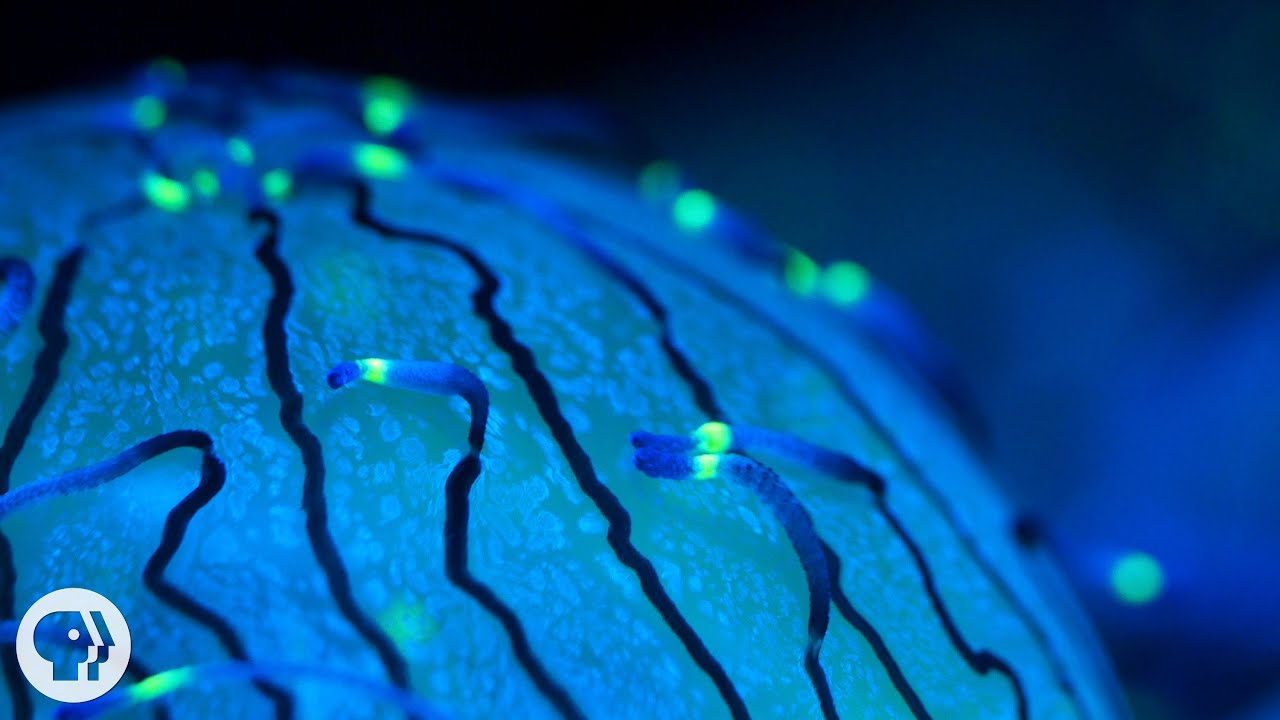
Jellyfish don’t have a heart, or blood, or even a brain. They’ve survived five mass extinctions. And you can find them in every ocean, from pole to pole. What’s their secret? Keeping it simple, but with a few dangerous tricks.
DEEP LOOK: a new ultra-HD (4K) short video series created by KQED San Francisco and presented by PBS Digital Studios. See the unseen at the very edge of our visible world. Get a new perspective on our place in the universe and meet extraordinary new friends. Explore big scientific mysteries by going incredibly small.
--- Why do Jellyfish Sting?
Jellyfish sting to paralyze their prey. They use special cells called nematocysts. Jellyfish don’t have a brain or a central nervous system to control these stinging cells, so each one has it’s own trip wire, called a cnidocil.
When triggered, the nematocyst cells act like a combination of fishing hook and hypodermic needle. They fire a barb into the flesh of the jellyfish’s prey at 10,000 times the force of gravity – making it one of the fastest mechanisms in the animal kingdom. As the barb latches on, a thread-like filament bathed in toxin erupts from the barb and delivers the poison.
The nematocyst only works if the barb can penetrate the skin, which is why some jellies are more dangerous to humans than others. The smooth-looking tentacles of a sea anemone (a close relative of jellies that also has nematocyst cells) feel like sandpaper to the touch. Their nematocysts are firing, but the barbs aren’t powerful enough to puncture your skin.
--- Read the article for this video on KQED Science:
https://ww2.kqed.org/science/2....015/09/29/why-jellyf
--- More great DEEP LOOK episodes:
Pygmy Seahorses: Masters of Camouflage
https://www.youtube.com/watch?v=Q3CtGoqz3ww
You're Not Hallucinating. That's Just Squid Skin.
https://www.youtube.com/watch?v=0wtLrlIKvJE
The Fantastic Fur of Sea Otters
https://www.youtube.com/watch?v=Zxqg_um1TXI
--- Related videos from the PBS Digital Studios Network!
I Don't Think You're Ready for These Jellies - It’s Okay to Be Smart
https://www.youtube.com/watch?v=a4DQQe5p5gc
Why Neuroscientists Love Kinky Sea Slugs - Gross Science
https://www.youtube.com/watch?v=QGHiyWjjhHY
What Physics Teachers Get Wrong About Tides! | Space Time
https://www.youtube.com/watch?v=pwChk4S99i4
--- More KQED SCIENCE:
Tumblr: http://kqedscience.tumblr.com
Twitter: https://www.twitter.com/kqedscience
KQED Science: http://ww2.kqed.org/science
Funding for Deep Look is provided in part by PBS Digital Studios and the John S. and James L. Knight Foundation. Deep Look is a project of KQED Science, which is supported by HopeLab, The David B. Gold Foundation; S. D. Bechtel, Jr. Foundation; The Dirk and Charlene Kabcenell Foundation; The Vadasz Family Foundation; Smart Family Foundation and the members of KQED.
#deeplook

Alejandro Bermúdez, el Padre Daniel Cardó, el Padre Pedro Núñez y Pepe Alonso discutirán en una mesa redonda, todo acerca de los recientes ataques a Su Santidad Benedicto XVI y la persecución a la Iglesia Católica.

Sara Torres, nicaragüense, residente en Miami, Florida, cantautora y productora de música católica, nos visita nuevamente después de varios años y abre su corazón al contarnos acerca de su vida familiar… las tribulaciones y los milagros y su continuo servicio al pueblo de Dios a través de su ministerio. En este programa especial de fin de año y año nuevo, Sara, con su particular voz, nos deleitará con sus alegres e inspiradores cantos.
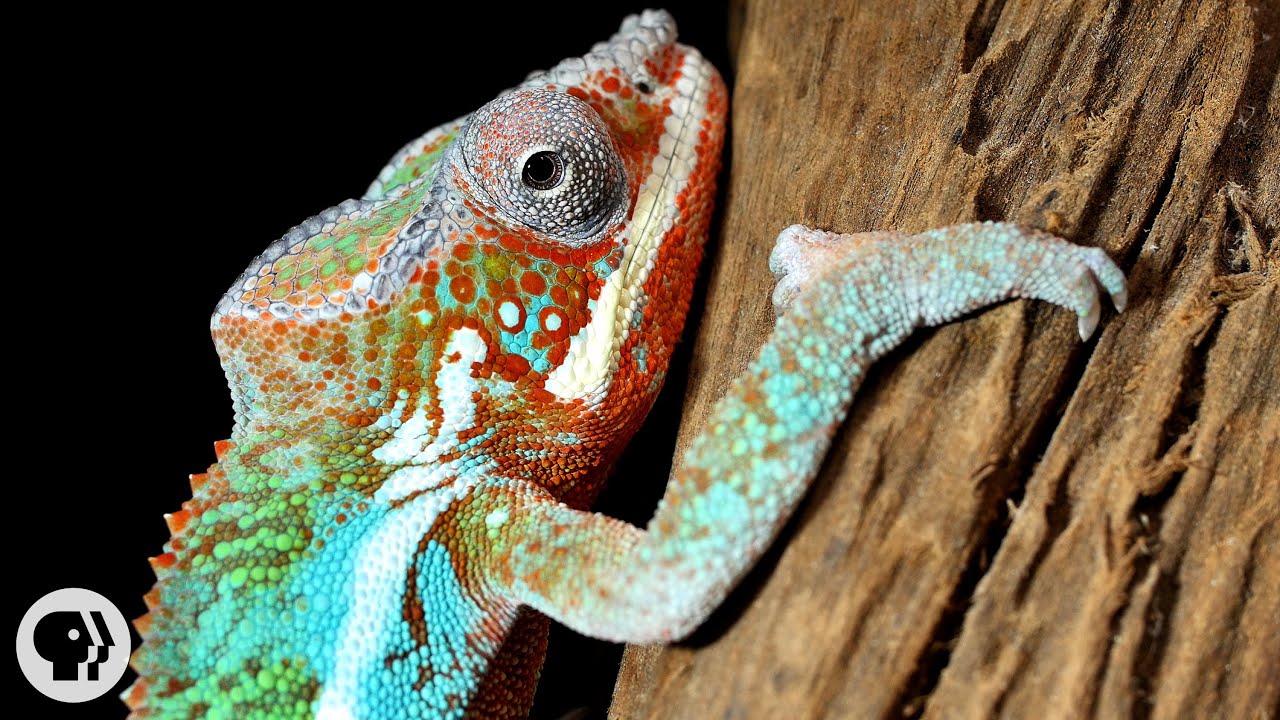
Chameleons don't change color to match their environment; it’s just the opposite. How do they do it? By manipulating tiny crystals in their skin. Now, UC Berkeley researchers are on a quest to create synthetic chameleon skin inspired by these reptiles’ uncanny ability.
DEEP LOOK: a new ultra-HD (4K) short video series created by KQED San Francisco and presented by PBS Digital Studios. See the unseen at the very edge of our visible world. Get a new perspective on our place in the universe and meet extraordinary new friends. Explore big scientific mysteries by going incredibly small.
--- How do Chameleons Change Color?
Chameleons are some of the most brilliantly colored animals on the planet. But how did they evolve the ability to change color?
Scientists used to believe that chameleons changed color by spreading out pigments in their skin, much like octopuses or squid do.
The top layer of chameleon skin – called the epidermis – contains yellow pigment cells called xanthophores, and red pigment cells called erythrophores. But the amount of pigment in the cells stays the same, even when the chameleon changes color.
Just beneath the chameleon’s skin is a layer of cells called iridophores. These cells contain microscopic salt crystals, which are arranged in a three-dimensional pattern like oranges stacked on a fruit stand.
When light hits the crystals, some wavelengths are absorbed and some are reflected. The result, to our eyes, is the beautiful rainbow of colors on the chameleon’s skin. But what we’re actually seeing is light that is bouncing off of these tiny crystals. What we perceive as green, for example, is blue wavelengths of light being reflected off the crystals and through the layer of yellow xanthophore cells in the chameleon’s epidermis. The result is bright green skin that contains no green pigment!
The process of changing color is called metachrosis.
--- Why do Chameleons Change Color?
Chameleons don’t change color to match their environment. In fact, it’s just the opposite.
Their baseline is camouflage.
When chameleons are relaxed, they’re mostly green. They naturally blend into their home in the forest canopy. They even mimic leaves by dancing around a little.
But when they feel threatened, annoyed, or just want to show a little swagger, that’s when their color changes.
Scientists once thought that chameleons color-changing abilities allowed them to better camouflage themselves. Most species of chameleons live high in the forest canopy and their various shades of green provide natural camouflage. Even their movement provides camouflage – they dance around to mimic leaves blowing in the wind.
In fact, chameleons change color primarily to communicate with each other, as though they were living mood rings. Males will warn each other about their territory and females will change color to let males know whether they’re interested in breeding.
Chameleons also have a second layer of iridiophore cells just beneath the first. The crystals in that layer are larger and reflect light waves in the infrared wavelengths. This suggests that chameleons are also changing colors to regulate their temperature, according to Milinkovitch. Chameleons are cold-blooded and heat their bodies with the warmth of the sun.
Read the article for this video on KQED Science:
http://ww2.kqed.org/science/20....15/08/25/natures-moo
--- More great DEEP LOOK episodes:
Where Are the Ants Carrying All Those Leaves?
https://www.youtube.com/watch?v=-6oKJ5FGk24
What Happens When You Put a Hummingbird in a Wind Tunnel?
https://www.youtube.com/watch?v=JyqY64ovjfY
Pygmy Seahorses: Masters of Camouflage
https://www.youtube.com/watch?v=Q3CtGoqz3ww
--- Related video from the PBS Digital Studios Network!
Nature's Most Amazing Animal Superpowers - It’s Okay to be Smart
https://www.youtube.com/watch?v=e69yaWDkVGs
--- Other Great Science Videos About Chameleons
How Do Chameleons Change Color? - Veritasium
https://www.youtube.com/watch?v=SQggDnScsvI
True Facts About The Chameleon - zefrank1
https://www.youtube.com/watch?v=UR_byRbXxvs
--- More KQED SCIENCE:
Tumblr: http://kqedscience.tumblr.com
Twitter: https://www.twitter.com/kqedscience
KQED Science: http://ww2.kqed.org/science
Funding for Deep Look is provided in part by PBS Digital Studios and the John S. and James L. Knight Foundation. Deep Look is a project of KQED Science, which is supported by HopeLab, The David B. Gold Foundation; S. D. Bechtel, Jr. Foundation; The Dirk and Charlene Kabcenell Foundation; The Vadasz Family Foundation; Smart Family Foundation and the members of KQED.
#deeplook

It’s coming… the biggest event in PAW Patrol history! PAW Patrol fans have never seen their favorite animated cartoon characters this strong… this fast… this PAWsome!
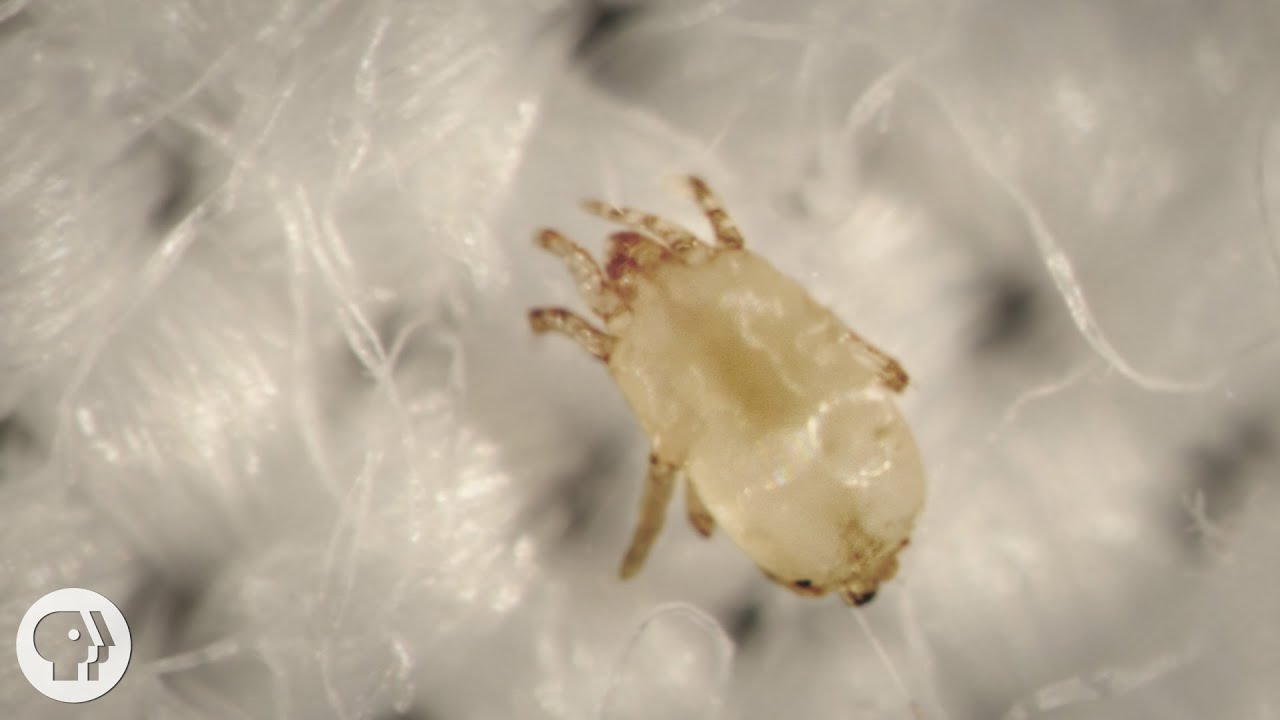
You may think that you've got the house to yourself, but chances are you have about 100 different types of animals living with you. Many of them are harmless, but a few can be dangerous in ways you wouldn't expect. New research explores exactly whom you share your home with and how they got there.
SUBSCRIBE to Deep Look! http://goo.gl/8NwXqt
DEEP LOOK: a new ultra-HD (4K) short video series created by KQED San Francisco and presented by PBS Digital Studios. See the unseen at the very edge of our visible world. Get a new perspective on our place in the universe and meet extraordinary new friends. Explore big scientific mysteries by going incredibly small.
---+ About Dust Mites
With the warming weather it’s the season for spring cleaning. But before you reach for the broom and mop, take a moment to look at who else is sharing your home with you. The number of uninvited guests you find in your dustpan may surprise you.
A recent study published in the journal PeerJ took up the challenge of cataloging the large numbers of tiny animals that live in human dwellings. The researchers found that the average home contains roughly 100 different species of arthropods, including familiar types like flies, spiders and ants, but also some kinds that are less well known like gall wasps and book lice. And no matter how much human residents may clean, there will always be a considerable number of mini-roommates.
“Even as entomologists we were really surprised. We live in our houses all the time, so we thought we’d be more familiar with the kind of things we’d come across. There was a surprising level of biodiversity,” said Michelle Trautwein, assistant curator of entomology at the California Academy of Sciences in San Francisco.
---+ What are dust mites?
Dust mites are tiny animals, related to spiders, that are usually too small to be seen with the naked eye. They feed on dead skin that humans shed every day and their droppings may cause allergic reactions and may aggravate asthma, especially in children.
---+ How do you minimize dust mites?
It’s practically impossible to completely rid a home of dust mites, but frequent cleaning and removing carpeting can help. Wet cleaning like mopping helps keep from stirring up dust while cleaning. The most effective way to keep dust mite populations down is to keep the indoor humidity level low. Dust mites can only survive in humid environments.
---+ How do you see dust mites?
Dust mites are about .2mm long. You can see dust mites with a powerful magnifying glass, but you can get a better view by using a microscope.
Read the entire article on KQED Science:
http://ww2.kqed.org/science/20....16/04/05/meet-the-du
---+ More great DEEP LOOK episodes:
The Bombardier Beetle And Its Crazy Chemical Cannon
http://ww2.kqed.org/science/20....16/04/05/meet-the-du
Where Are the Ants Carrying All Those Leaves?
https://www.youtube.com/watch?v=-6oKJ5FGk24
Banana Slugs: Secret of the Slime
https://www.youtube.com/watch?v=mHvCQSGanJg
--- Super videos from the PBS Digital Studios Network!
It's Okay To Be Smart: How Do Bees Make Honey?
https://youtu.be/nZlEjDLJCmg
Gross Science: What's Living On Your Contact Lenses?
https://www.youtube.com/watch?v=wRMKzsU9zec
Gross Science: You Have Mites Living On Your Face
https://www.youtube.com/watch?v=oMmCWx8vySs
--- More content from KQED Science, Northern California's PBS and NPR affiliate:
KQED Science: http://www.kqed.org/science
Tumblr: http://kqedscience.tumblr.com
Twitter: https://www.twitter.com/kqedscience
Funding for Deep Look is provided in part by PBS Digital Studios and the John S. and James L. Knight Foundation. Deep Look is a project of KQED Science, which is also supported by HopeLab, the David B. Gold Foundation, the S. D. Bechtel, Jr. Foundation, the Dirk and Charlene Kabcenell Foundation, the Vadasz Family Foundation, the Gordon and Betty Moore Foundation, the Smart Family Foundation and the members of KQED.
#deeplook

The silent star of classic Westerns is a plant on a mission. It starts out green and full of life. It even grows flowers. But to reproduce effectively it needs to turn into a rolling brown skeleton.
You can learn more about CuriosityStream at https://curiositystream.com/deeplook.
SUBSCRIBE to Deep Look! http://goo.gl/8NwXqt
DEEP LOOK: a new ultra-HD (4K) short video series created by KQED San Francisco and presented by PBS Digital Studios. See the unseen at the very edge of our visible world. Get a new perspective on our place in the universe and meet extraordinary new friends. Explore big scientific mysteries by going incredibly small.
Tumbleweeds might be the iconic props of classic Westerns. But in real life, they’re not only a noxious weed, but one that moves around. Pushed by gusts of wind, they can overwhelm entire neighborhoods, as happened recently in Victorville, California, or become a threat for drivers and an expensive nuisance for farmers.
“They tumble across highways and can cause accidents,” said Mike Pitcairn, who tracks tumbleweeds at the California Department of Food and Agriculture in Sacramento. “They pile up against fences and homes.”
And tumbleweeds aren’t even originally from the West.
Genetic tests have shown that California’s most common tumbleweed, known as Russian thistle, likely came from Ukraine, said retired plant population biologist Debra Ayres, who studied tumbleweeds at the University of California, Davis.
A U.S. Department of Agriculture employee, L. H. Dewey, wrote in 1893 that Russian thistle had arrived in the U.S. through South Dakota in flaxseed imported from Europe in the 1870s.
“It has been known in Russia many years,” Dewey wrote, “and has quite as bad a reputation in the wheat regions there as it has in the Dakotas.” This is where the name Russian thistle originates, said Ayres, although tumbleweeds aren’t thistles.
The weed spread quickly through the United States — on rail cars, through contamination of agricultural seeds and by tumbling.
“They tumble to disperse the seeds,” said Ayres, “and thereby reduce competition.”
A rolling tumbleweed spreads out tens of thousands of seeds so that they all get plenty of sunlight and space.
Tumbleweeds grow well in barren places like vacant lots or the side of the road, where they can tumble unobstructed and there’s no grass, which their seedlings can’t compete with.
--- Where does a tumbleweed come from?
Tumbleweeds start out attached to the soil. Seedlings, which look like blades of grass, sprout at the end of winter. By summer, Russian thistle plants take on their round shape and grow flowers. Inside each flower, a fruit with a seed develops.
Other plants attract animals with tasty fruits, and get them to carry away their seeds and disperse them when they poop.
Tumbleweeds developed a different evolutionary strategy. Starting in late fall, they dry out and die, their seeds nestled between prickly leaves. Gusts of wind easily break dead tumbleweeds from their roots and they roll away, spreading their seeds as they go.
--- How big do tumbleweeds grow?
Mike Pitcairn, of the California Department of Food and Agriculture, said that in the state’s San Joaquin Valley they can grow to be more than 6 feet tall.
--- Are tumbleweeds dangerous?
Yes. They can cause traffic accidents or be a fire hazard if they pile up near buildings.
---+ Read the entire article on KQED Science:
https://www.kqed.org/science/1....922987/why-do-tumble
---+ For more information on the history and biology of Russian thistle, here’s a paper by Debra Ayres and colleagues:
https://naldc.nal.usda.gov/download/28657/PDF
---+ More great Deep Look episodes:
How Ticks Dig In With a Mouth Full of Hooks
https://www.youtube.com/watch?v=_IoOJu2_FKE
This Giant Plant Looks Like Raw Meat and Smells Like Dead Rat
https://www.youtube.com/watch?v=ycUNj_Hv4_Y
Upside-Down Catfish Doesn't Care What You Think
https://www.youtube.com/watch?v=eurCBOJMrsE
---+ See some great videos and documentaries from the PBS Digital Studios!
Above the Noise: Why Is Vaping So Popular?
https://www.youtube.com/watch?v=P9zps5LsVXs
Hot Mess: What Happened to Nuclear Power?
https://www.youtube.com/watch?v=_jEXZZDU6Gk
---+ About KQED
KQED, an NPR and PBS affiliate in San Francisco, CA, serves Northern California and beyond with a public-supported alternative to commercial TV, radio and web media.
Funding for Deep Look is provided in part by PBS Digital Studios. Deep Look is a project of KQED Science, which is supported by the Templeton Religion Trust and the Templeton World Charity Foundation, the S. D. Bechtel, Jr. Foundation, the Dirk and Charlene Kabcenell Foundation, the Vadasz Family Foundation, the Gordon and Betty Moore Foundation, the Fuhs Family Foundation Fund and the members of KQED.
#deeplook
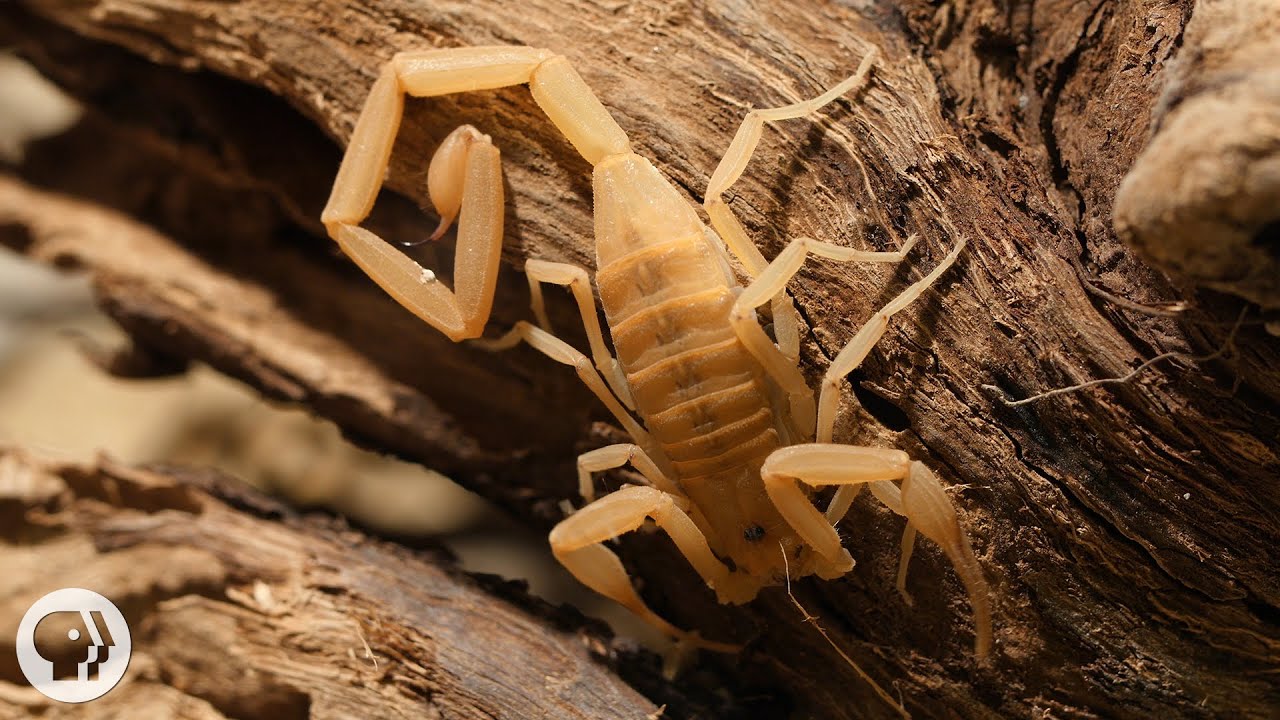
There's a chemical arms race going on in the Sonoran Desert between a highly venomous scorpion and a particularly ferocious mouse. The outcome of their battle may one day change the way doctors treat pain in people.
SUBSCRIBE to Deep Look! http://goo.gl/8NwXqt
DEEP LOOK: a new ultra-HD (4K) short video series created by KQED San Francisco and presented by PBS Digital Studios. See the unseen at the very edge of our visible world. Get a new perspective on our place in the universe and meet extraordinary new friends. Explore big scientific mysteries by going incredibly small.
Commonly found in the Sonoran Desert, the Arizona bark scorpion (Centruroides sculpturatus) is the most dangerous scorpion in the continental United States. According to Keith Boesen, Director of the Arizona Poison & Drug Information Center, about 15,000 Americans report being stung by scorpions every year in the U.S. The worst stings, about 200 annually, are attributed to this one species. Its sting can cause sharp pain along with tingling, swelling, numbness, dizziness, shortness of breath, muscular convulsions, involuntary eye movements, coughing and vomiting. Children under two years old are especially vulnerable. Since 2000, three human deaths have been attributed to the Arizona bark scorpion in the United States, all within Arizona.
But there is one unlikely creature that appears unimpressed. While it may not look the part, the Southern grasshopper mouse (Onychomys torridus) is an extremely capable hunter. It fearlessly stalks and devours any beetles or grasshoppers that have the misfortune to cross its path. But this mouse has a particular taste for scorpions.
The scorpion venom contains neurotoxins that target sodium and potassium ion channels, proteins embedded within the surface of the nerve and muscle cells that play an important role in regulating the sensation of pain. Activating these channels sends signals down the nerves to the brain. That’s what causes the excruciating pain that human victims have described as the feeling like getting jabbed with a hot needle. Others compare the pain to an electric shock. But the grasshopper mouse has an entirely different reaction when stung.
Within the mouse, a special protein in one of the sodium ion channels binds to the scorpion’s neurotoxin. Once bound, the neurotoxin is unable to activate the sodium ion channel and send the pain signal. Instead it has the entirely opposite effect. It shuts down the channel, keeping it from sending any signals, which has a numbing effect for the mouse.
--- How many species of scorpion are there?
There are almost 2,000 scorpion species, but only 30 or 40 have strong enough poison to kill a person.
--- Are scorpions insects?
Scorpions are members of the class Arachnida and are closely related to spiders, mites, and ticks.
--- Where do Arizona bark scorpions live?
Commonly found in the Sonoran Desert, the Arizona bark scorpion (Centruroides sculpturatus) is the most dangerous scorpion in the continental United States. The Arizona bark scorpion’s preference for hanging to the underside of objects makes dangerous encounters with humans more likely.
Read the entire article on KQED Science:
http://ww2.kqed.org/science/20....16/03/08/stinging-sc
For more information:
Michigan State University Venom Evolution: http://venomevolution.zoology.msu.edu/
Institute for Biodiversity Science and Sustainability at the California Academy of Sciences: http://www.calacademy.org/scientists
More great Deep Look episodes:
What Happens When You Zap Coral With The World's Most Powerful X-ray Laser?
https://youtu.be/aXmCU6IYnsA
These 'Resurrection Plants' Spring Back to Life in Seconds
https://youtu.be/eoFGKlZMo2g
See some great videos and documentaries from the PBS Digital Studios!
It's Okay to Be Smart: Your Salad Is Trying To Kill You
https://youtu.be/8Ofgj2KDbfk
It's Okay to Be Smart: The Oldest Living Things In The World
https://youtu.be/jgspUYDwnzQ
For more content from KQED Science:
KQED Science: http://www.kqed.org/science
Tumblr: http://kqedscience.tumblr.com
Twitter: https://www.twitter.com/kqedscience
Funding for Deep Look is provided in part by PBS Digital Studios and the John S. and James L. Knight Foundation. Deep Look is a project of KQED Science, which is also supported by HopeLab, the David B. Gold Foundation, the S. D. Bechtel, Jr. Foundation, the Dirk and Charlene Kabcenell Foundation, the Vadasz Family Foundation, the Gordon and Betty Moore Foundation, the Smart Family Foundation and the members of KQED.
#deeplook

When the girls discover a blank gem, they take it to meet the Gem Princess who gives each gem its power.
For more Nick Jr. activities and games visit : http://www.nickjr.co.uk/

These chimps need to improve on their teamwork in order to procure food.
Subscribe to BBC Earth: http://bit.ly/BBCEarthSub
Planet Earth http://bit.ly/PlanetEarthPlaylist
Blue Planet http://bit.ly/BluePlanetPlaylist
Planet Earth II http://bit.ly/PlanetEarthIIPlaylist
Planet Dinosaur http://bit.ly/PlanetDinoPlaylist
Chimps Of The Lost Gorge
In Uganda, the team follows a special family of chimps that were trapped by encroaching villages 10 years ago, too afraid to walk the 8kms that separates them from their rich forest home. The chimps' number is down to 20 and their babies are all males. Already forced to inbreed, if they don't escape the family will self-destruct. Will they risk the dangers of the open-savannah in the search for freedom?
Welcome to BBC EARTH! The world is an amazing place full of stories, beauty and natural wonder.
Want to share your views with the team behind BBC Earth and win prizes? Join our fan panel here: http://tinyurl.com/YouTube-BBCEarth-FanPanel
This is a channel from BBC Studios who help fund new BBC programmes.
Service information and feedback: http://bbcworldwide.com/vod-fe....edback--contact-deta
