Top Vídeos

¡Ayuda a Chase a encontrar su nariz!
#littleangel #littleangelespañol (?) Subscríbete a Little Angel para ver videos nuevos en cuánto salgan►► http://bit.ly/suscribete_LittleAngel_Esp
Nuestras canciones para niños enseñan habilidades básicas y mejoran su habilidad para comprender y seguir instrucciones. Las canciones infantiles aceleran las capacidades fonéticas y mejoran la comprensión oral, de lectura y escritura.
No olvides darnos un LIKE (?) si disfrutaste este video.
Descubre el universo Little Angel en www.littleangel.com
Síguenos en redes sociales para nuestras últimas novedades:
★ Facebook: https://www.facebook.com/littleangelvideo/
★ Instagram: https://www.instagram.com/littleangel_esp/
Nursery rhymes and kids songs, músicas para crianças, música infantil, canciones para niños, अंग्रेजी में बच्चों के गाने, детские песни для детей, comptines en espagnol, bata kanta sa ingles, lagu kanak-kanak Inggeris, lagu anak-anak dalam bahasa inggris, أغاني الأطفال باللغة الإنجليزية, 兒童歌曲英文.
Animations by: Valnet Inc.
Copyright 2018 Valnet
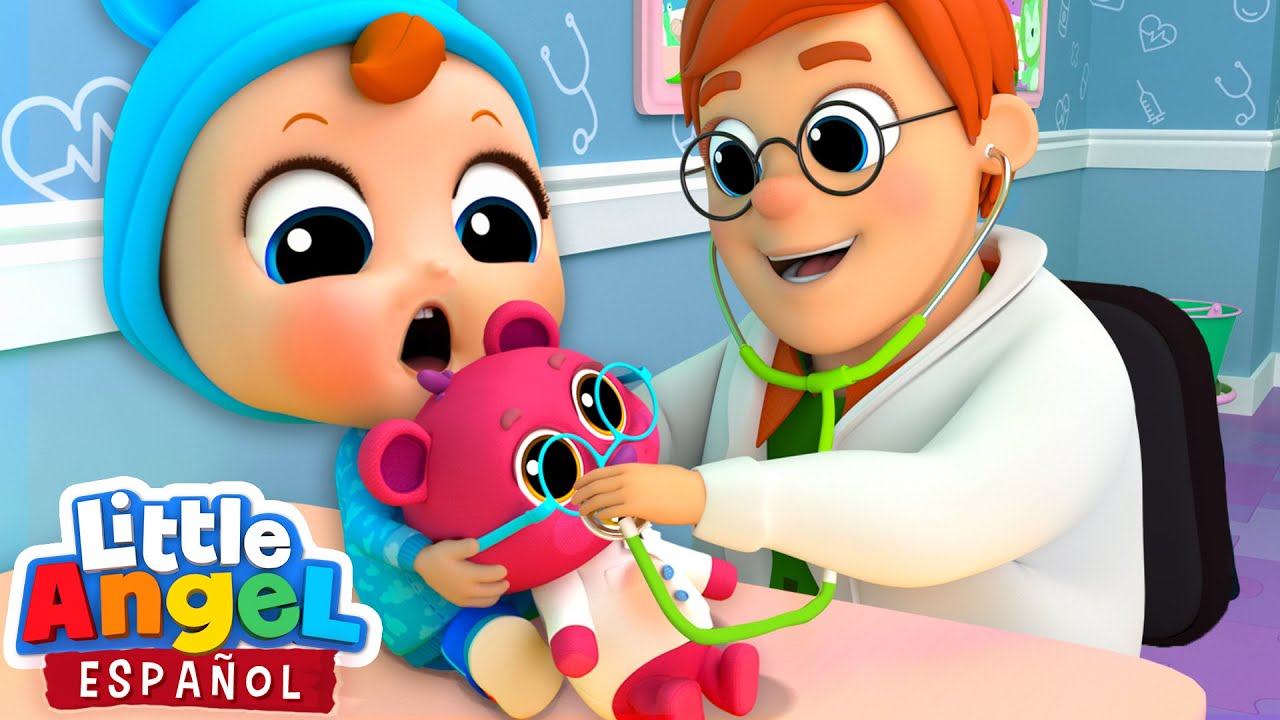
El bebé debe visitar al médico. Al principio el pobre está nervioso y temeroso del doctor, pero luego se da cuenta de que todo va a estar bien. ¿Tu bebé también es valiente?
¡Aprende y disfruta con todas nuestras divertidas canciones para niños en 3D! #littleangel #littleangelespañol
(?️) Subscríbete a Little Angel para ver videos nuevos en cuanto salgan►► http://bit.ly/suscribete_LittleAngel_Esp
Nuestras canciones para niños enseñan habilidades básicas y mejoran su habilidad para comprender y seguir instrucciones. Las canciones infantiles aceleran las capacidades fonéticas y mejoran la comprensión oral, de lectura y escritura.
Letra: Vamos al Doctor
-----------------------------------------------------
Mamá :
Hoy es un día muy especial
Vamos al doctor
Tu cuerpito revisará
Es hora de un control
Bebé Juan no tengas miedo
El médico es bueno
Controlará tus ojos y oídos
Quédate sereno
Bebé Juan, a saludar
Di « hola » al doctor
En la camilla te sentarás
Así te ve mejor
Tus ojos y boca mirará
Revisará tus oídos
Escuchará tu corazón
Y contará tus latidos
Bebé Juan, mira al doctor
Tiene instrumentos propios
Escuchará tu corazón
Con el estetoscopio
Tu boca grande abrirás
Veremos que estés sano
Bebé Juan lo hiciste bien
Chócale la mano
Hoy fue un día muy especial
Fuimos al doctor
Nos divertimos mucho allá
Hicimos el control
Bebé Juan no tuvo miedo
Y muy bien se portó
Una estrella él ganó
Nos gusta ir al doctor
-----------------------------------------------------
No olvides darnos un LIKE (?) si disfrutaste este video.
Descubre el universo Little Angel en www.littleangel.com
Síguenos en redes sociales para nuestras últimas novedades:
★ Facebook: https://www.facebook.com/littleangelespanol/
★ Instagram: https://www.instagram.com/littleangel_esp/
★ Twitter: https://twitter.com/Little_angel_es?lang=es
Música infantil, canciones para niños, Spanish for kids, nursery rhymes Spanish, Spanish kids songs.
Animaciones por: Valnet Inc.
Copyright 2019 Valnet

Canción Infantil del Parque. Hoy es un día muy especial, el Pequeño Juan va por primera vez al parque de juegos para niños. Mamá, Papá y los hermanitos le ayudan a disfrutar de los túneles, los tampolines y la piscina de pelotas. ¡Aprende y disfruta con todas nuestras divertidas canciones para niños en 3D! #littleangel #littleangelespañol
(?️) Subscríbete a Little Angel para ver videos nuevos en cuanto salgan►► http://bit.ly/suscribete_LittleAngel_Esp
Nuestras canciones para niños enseñan habilidades básicas y mejoran su habilidad para comprender y seguir instrucciones. Las canciones infantiles aceleran las capacidades fonéticas y mejoran la comprensión oral, de lectura y escritura.
Letra: ¡Vamos al Parque Infantil!
-----------------------------------------------------
Vamos a los juegos, sí, sí, sí
Vamos a los juegos, sí, sí, sí
Cinturones puestos, ¡y a disfrutar!
Ya estamos por llegar
Ven con mamá, te ayudaré
Ve con papá, deslízate
Ven con nosotros, solo no estés
Cuando juegues en el parque
Sube bien alto, te ayudaré
Camina con cuidado, aférrate
Ven con nosotros, solo no estés
Cuando trepes en el parque
Arriba y abajo saltarás
Arriba y abajo rebotarás
Los zapatos te sacarás
Cuando saltes en el parque
A las barras vamos ya
Bebé Juan contento está
A treparse sin llorar
Papá te va a atrapar
Con las pelotas a jugar
A zambullirse en ese mar
Todos a saltar y a disfrutar
Cuando estamos en el parque
Todos juntos nos gusta estar
Amamos trepar, saltar y jugar
Ricos batidos degustar
Siempre juntos en el parque
-----------------------------------------------------
No olvides darnos un LIKE (?) si disfrutaste este video.
Descubre el universo Little Angel en www.littleangel.com
Síguenos en redes sociales para nuestras últimas novedades:
★ Facebook: https://www.facebook.com/littleangelespanol/
★ Instagram: https://www.instagram.com/littleangel_esp/
Música infantil, canciones para niños, Spanish for kids, nursery rhymes Spanish, Spanish kids songs.
Animaciones por: Valnet Inc.
Copyright 2019 Valnet

Tiburón Bebé está esperando que alguien baile con él, como toda la familia está de visita en el acuario, uno por uno bailan esta divertida canción. ¿Quien bailó primero? ¡Vamos, bailen ustedes también! ¡Aprende y disfruta con todas nuestras divertidas canciones para niños en 3D! #littleangel #littleangelespañol
(?️) Subscríbete a Little Angel para ver videos nuevos en cuanto salgan►► http://bit.ly/suscribete_LittleAngel_Esp
Nuestras canciones para niños enseñan habilidades básicas y mejoran su habilidad para comprender y seguir instrucciones. Las canciones infantiles aceleran las capacidades fonéticas y mejoran la comprensión oral, de lectura y escritura.
Letra: Canción Del Bebé Tiburón
-----------------------------------------------------
Bebé:
Bebé tiburón tu, tu, tu, tu, turu
Bebé tiburón tu, tu, tu, tu, turu
Bebé tiburón tu, tu, tu, tu, turu
Bebé tiburón
Hermana:
Hermana tiburón tu, tu, tu, tu, turu
Hermana tiburón tu, tu, tu, tu, turu
Hermana tiburón tu, tu, tu, tu, turu
Hermana tiburón
Hermano:
Hermano tiburón tu, tu, tu, tu, turu
Hermano tiburón tu, tu, tu, tu, turu
Hermano tiburón tu, tu, tu, tu, turu
Hermano tiburón
Los tres juntos:
A bailar tu, tu, tu, tu, turu
A bailar tu, tu, tu, tu, turu
A bailar tu, tu, tu, tu, turu
¡A bailar!
Qué genial tu, tu, tu, tu, turu
Qué genial tu, tu, tu, tu, turu
Qué genial tu, tu, tu, tu, turu
Qué genial
Mamá:
Mamá tiburón tu, tu, tu, tu, turu
Mamá tiburón tu, tu, tu, tu, turu
Mamá tiburón tu, tu, tu, tu, turu
Mamá tiburón
Papá:
Papá tiburón tu, tu, tu, tu, turu
Papá tiburón tu, tu, tu, tu, turu
Papá tiburón tu, tu, tu, tu, turu
Papá tiburón
Todos juntos:
Somos tiburones tu, tu, tu, tu, turu
Tiburones tu, tu, tu, tu, turu
Tiburones tu, tu, tu, tu, turu
Tiburones
Chau tiburones tu, tu, tu, tu, turu
Chau tiburones tu, tu, tu, tu, turu
Chau tiburones tu, tu, tu, tu, turu
Chau, chau, chau
-----------------------------------------------------
No olvides darnos un LIKE (?) si disfrutaste este video.
Descubre el universo Little Angel en www.littleangel.com
Síguenos en redes sociales para nuestras últimas novedades:
★ Facebook: https://www.facebook.com/littleangelespanol/
★ Instagram: https://www.instagram.com/littleangel_esp/
★ Twitter: https://twitter.com/Little_angel_es?lang=es
Nursery rhymes and kids songs, músicas para crianças, música infantil, canciones para niños, अंग्रेजी में बच्चों के गाने, детские песни для детей, comptines en espagnol, bata kanta sa ingles, lagu kanak-kanak Inggeris, lagu anak-anak dalam bahasa inggris, أغاني الأطفال باللغة الإنجليزية, 兒童歌曲英文.
Animations by: Valnet Inc.
Copyright 2019 Valnet

Bebé Juan se hizo un pequeño raspón, e inmediatamente busca a su mamá para que lo consienta. Pero no es el único, toda la familia acude a donde mamá cuando algo les duele. No hay nada mejor que el amor de mamá.
¡Aprende y disfruta con todos nuestros divertidos videos para niños en 3D! #bebejuan #cancionesinfantiles #littleangelespañol
(?️) Subscríbete a Little Angel Español para ver videos nuevos en cuanto salgan ?►► http://bit.ly/suscribete_LittleAngel_Esp
Letra: Quiero a mi mami
---------------------------------------------------
Ay, me duele, Ay me duele
Justo aquí, justo aquí
Me golpeé en el mueble, me golpeé en el mueble
Quiero a mi mami, quiero a mi mami
Pobrecito, pobrecito
Bebé Juan, Bebé Juan
Con un besito, con un besito
Sanará, sanará
Ay, me duele, Ay me duele
Justo aquí, justo aquí
Caí de mi patineta y fuerte me golpeé
Quiero a mi mami, quiero a mi mami
Oh cariño, oh cariño
Siéntate, siéntate
Con un besito, con un besito
Sanará, sanará
Ay, me duele, Ay me duele
Justo aquí, justo aquí
Se cayó una caja y me golpeé fuerte
Quiero a mi mami, quiero a mi mamí
Oh cariño, oh cariño
Ven acá, ven acá
Con un besito, con un besito
Sanará, sanará
Ay, me duele, Ay me duele
Justo aquí, justo aquí
Se cayó un balde y me golpeé fuerte
Un buen golpe recibí
Oh cariño, oh cariño
Ven acá, ven acá
Que unos besitos, que unos besitos
Te sanarán, te sanarán
---------------------------------------------------
Nuestras canciones para niños enseñan habilidades básicas y mejoran su habilidad para comprender y seguir instrucciones. Las canciones infantiles aceleran las capacidades fonéticas y mejoran la comprensión oral, de lectura y escritura.
No olvides darnos un LIKE (?) si disfrutaste este video.
Descubre el universo Little Angel en www.littleangel.com
Síguenos en redes sociales para nuestras últimas novedades:
★ Facebook: https://www.facebook.com/littleangelespanol/
★ Instagram: https://www.instagram.com/littleangel_esp/
★ Twitter: https://twitter.com/Little_angel_es?lang=es
Música infantil, canciones para niños, Spanish for kids, nursery rhymes Spanish, Spanish kids songs.

El primer día en la playa es un día muy emocionante, la arena, el mar, los cangrejos y los castillos de arena sorprenderán a Bebé Juan, pero al final estará encantado con la experiencia. ¿A ti te gusta nadar en la playa? No te pierdas esta canción para niños sobre la playa.
¡Aprende y disfruta con todos nuestros divertidos videos para niños en 3D! #bebejuan #cancionesinfantiles
(?️) Subscríbete a nuestro canal para ver videos nuevos en cuanto salgan ?►► http://bit.ly/suscribete_LittleAngel_Esp
Letra: ¡Vamos a la Playa!
----------------------------------------------------
Si quieres ir a nadar frota bien!
Echa bloqueador y frota bien!
No te olvides de tu espalda
Ni debajo de tus mangas
Si quieres ir a nadar frota bien!
Si al mar quieres entrar pisa bien
Si al mar quieres entrar pisa bien
El agua viene y va
de arena te llenará
Si al mar quieres entrar pisa bien
Si quieres ir jugar y salpicar
Si Quieres ir jugar y salpicar
Si te gusta salpicar
mientras saltas sin parar
Si Quieres ir jugar y salpicar
Si tu quieres en la arena rodar
Si tu quieres en la arena rodar
Si tu quieres rodar
muchas vueltas debes dar
Si tu quieres en la arena rodar
Si un castillo de arena quieres armar
Si un castillo de arena quieres armar
Mucha arena traerás
con piedras lo decorarás
Si un castillo de arena quieres armar
----------------------------------------------------
Nuestras canciones para niños enseñan habilidades básicas y mejoran su habilidad para comprender y seguir instrucciones. Las canciones infantiles aceleran las capacidades fonéticas y mejoran la comprensión oral, de lectura y escritura.
No olvides darnos un LIKE (?) si disfrutaste este video.
Descubre el universo Little Angel en www.littleangel.com
Síguenos en redes sociales para nuestras últimas novedades:
★ Facebook: https://www.facebook.com/littleangelespanol/
★ Instagram: https://www.instagram.com/littleangel_esp/
★ Twitter: https://twitter.com/Little_angel_es?lang=es
Música infantil, canciones para niños, Spanish for kids, nursery rhymes Spanish, Spanish kids songs.
Animaciones por: Valnet Inc.
Copyright 2019 Valnet

El perrito de juguete de Bebé Juan tiene rota su patita, pero esto no es un problema porque el Veterinario Bebé Juan, junto con la asistente
¡Aprende y disfruta con todos nuestros divertidos videos para niños en 3D! #bebejuan #cancionesinfantiles #littleangelespañol
(?️) Subscríbete a Little Angel Español para ver videos nuevos en cuanto salgan ?►► http://bit.ly/suscribete_LittleAngel_Esp
Letra: Veterinario Bebé Juan al Rescate
---------------------------------------------------
Oh no, no,
mi perrito
Su patita se dañó
Mami ayuda que no se ve bien
Mi perrito se dañó
Oh no, no
pobrecito
Lo trataré de arreglar
Con cariño y muchos besitos Pronto se va a mejorar
Bebé yo
ayudaré
Veterinaria seré
Mi cariño y mis besos le daré
Y al perrito salvaré
Oh no, no,
yo lo haré
Veterinario yo seré
Mi cariño y mis besos le daré
Y al perrito salvaré
A revisar
su boquita
¿Está caliente o está fría?
Pero tu amor y los besos que le vas a dar Pronto lo van a arreglar
¿Qué hay de su
temperatura?
¿Sube o baja? No estoy segura
Pero con todo el amor y besos que daré
Al perrito salvaré
Esto vamos
a hacer
Un pañito aquí pondré
Y con todo el amor que le voy a poner
Al perrito arreglaré
Bebé hay
que esperar
Necesita descansar
Y todas sus fuerzas va a recuperar Pronto se va a mejorar
Lo dejaré descansar
A su cama lo voy a llevar
Así todas sus fuerzas va a recuperar
Y pronto mejorará
Oh no, no,
mi perrito
Su patita se dañó
Mami ayuda que no se ve bien
Mi perrito se dañó
----------------------------------------------
Nuestras canciones para niños enseñan habilidades básicas y mejoran su habilidad para comprender y seguir instrucciones. Las canciones infantiles aceleran las capacidades fonéticas y mejoran la comprensión oral, de lectura y escritura.
No olvides darnos un LIKE (?) si disfrutaste este video.
Descubre el universo Little Angel en www.littleangel.com
Síguenos en redes sociales para nuestras últimas novedades:
★ Facebook: https://www.facebook.com/littleangelespanol/
★ Instagram: https://www.instagram.com/littleangel_esp/
★ Twitter: https://twitter.com/Little_angel_es?lang=es
Música infantil, canciones para niños, Spanish for kids, nursery rhymes Spanish, Spanish kids songs.

Es muy importante cuidar nuestros dientes y cepillarse tres veces al día. Con esta tierna canción Sofi y Nico le enseñar a su hermanito Juan a no tener miedo de ir al dentista y cómo se deben cepillar los dientes. ¡Aprende y disfruta con todos nuestros divertidos videos para niños en 3D! #littleangel #littleangelespañol #bebejuan
?️) Subscríbete a Little Angel Español para ver videos nuevos en cuanto salgan ?►► http://bit.ly/suscribete_LittleAngel_Esp
Letra: Visita al dentista
----------------------------------------------------
Es hora de ir al dentista
Te enseñaremos como es
No hay por que asustarse
Muy divertido es
Te van a observar los dientes
Y los harán brillar
Oh, es hora de ir al dentista
Y va a ser genial!
No hay que temer du du du du du du (x3)
No hay que temer
Un amigo es du du du du du du
Amigo es du du du du du du
Amigo es du du du du du du du
Amigo es!
Yo soy un dentista
Y muy amable soy
Es mi trabajo
Y lo hago con amor
Voy a ayudar a tus dientes
Muy limpios quedarán
Si quieres que los revise
A mi has de visitar
Dientes sanos du du du du du du (x3)
Dientes Sanos!
Sonrisa feliz du du du du du du du (x3)
Sonrisa Feliz!
Abre tu boca
lo más grande que puedas
Así veré tus dientes
Y también tus muelas
Observo cada uno
compruebo que estén limpios
los cepillo muy bien
míralos resplandecer
Boca Abierta du du du du du du (x3)
Boca Abierta!
Dientes blancos du du du du du du (x3)
Dientes Blancos!
Recuerda, nuestros dientes
debemos proteger
cepíllalos cada día
y muy limpios van a ser
El dentista es nuestro amigo
Y muy divertido es
Tener nuestros dientes limpios
Y que todos lo puedan ver
Sonrisa feliz du du du du du du du (x3)
Sonrisa Feliz!
----------------------------------------------------
Nuestras canciones para niños enseñan habilidades básicas y mejoran su habilidad para comprender y seguir instrucciones. Las canciones infantiles aceleran las capacidades fonéticas y mejoran la comprensión oral, de lectura y escritura.
No olvides darnos un LIKE (?) si disfrutaste este video.
Descubre el universo Little Angel en www.littleangel.com
Síguenos en redes sociales para nuestras últimas novedades:
★ Facebook: https://www.facebook.com/littleangelespanol/
★ Instagram: https://www.instagram.com/LittleAngelEspanol/
★ Twitter: https://twitter.com/Little_angel_es?lang=es
Música infantil, canciones para niños, Spanish for kids, nursery rhymes Spanish, Spanish kids songs.
Animaciones por: Valnet Inc.
Copyright 2019 Valnet

Mamá encarga a Bebé Juan como el policía de los pastelitos y va a ser una tarea difícil porque toda la familia quiere pastelitos. Ayudemos a Bebé Juan a cuidar estos sabrosos pastelitos con esta canción infantil.
¡Aprende y disfruta con todos nuestros divertidos videos para niños en 3D! #bebejuan #cancionesinfantiles #littleangelespañol
(?️) Subscríbete a Little Angel Español para ver videos nuevos en cuanto salgan ?►► http://bit.ly/suscribete_LittleAngel_Esp
¡Ve a tu canción favorita eligiendo en el título debajo!
00:04 El Policía de los Pastelitos ?♂️?
03:53 ¡Bebé Juan es Hora De Comer! : https://youtu.be/3iJAxuh3KuA
06:50 Buenos Modales al Comer: https://youtu.be/ahERYs_96f8
10:00 ¡No no , Quiero más Dulces!?: https://youtu.be/Hm8sgu4SuJg
12:01 ¡Los Abuelos Nos Aman Mucho!: https://youtu.be/8VnlrQqQJJU
Letra: El Policía de los Pastelitos
---------------------------------------------------
Poli-cía?
Diga usted?
Cuida los pastelitos?
Si lo haré!
Vuelvo ahora
Esta bien,
los voy a cuidar.
muy, muy bien!
Sofi, Sofi?
Si ,señor?
Cogiste un pastelito?
No, señor!
Diciendo mentiras?
No, señor!
Demuéstralo
Ja, ja, ja!
Nico, Nico
Si, señor?
Cogiste un pastelito?
No, señor!
Diciendo mentiras?
No, señor!
Demuéstralo
Ja, ja, ja!
-----------------------------------------------
Nuestras canciones para niños enseñan habilidades básicas y mejoran su habilidad para comprender y seguir instrucciones. Las canciones infantiles aceleran las capacidades fonéticas y mejoran la comprensión oral, de lectura y escritura.
No olvides darnos un LIKE (?) si disfrutaste este video.
Descubre el universo Little Angel en www.littleangel.com
Síguenos en redes sociales para nuestras últimas novedades:
★ Facebook: https://www.facebook.com/littleangelespanol/
★ Instagram: https://www.instagram.com/littleangel_esp/
★ Twitter: https://twitter.com/Little_angel_es?lang=es
Música infantil, canciones para niños, Spanish for kids, nursery rhymes Spanish, Spanish kids songs.

Algo muy raro está pasando en la casa de Bebé Juan, las galletas están desapareciendo y alguien está desordenando las cosas. Esta es una misión para la familia de investigadores. ¿Ya sabes quien fue?
¡Aprende y disfruta con todos nuestros divertidos videos para niños en 3D! #bebejuan #cancionesinfantiles #littleangelespañol
(?️) Subscríbete a Little Angel Español para ver videos nuevos en cuanto salgan ?►► http://bit.ly/suscribete_LittleAngel_Esp
¡Ve a tu canción favorita eligiendo en el título debajo!
00:04 ¿Quien sacó la galleta de su jarra?
04:17 ¡Bebé Juan es Hora De Comer!: https://youtu.be/3iJAxuh3KuA
07:14 No Quiero Vegetales, Quiero Bocaditos: https://youtu.be/e1Sl4DzICxQ
10:45 Bee Bee Oveja Negra: https://youtu.be/xkjACdLvDeU
14:13 Vamos a Cocinar Pastelitos Bebé Juan ?: https://youtu.be/IcdAoMaGZJw
Letra: ¿Quien se llevó mi galleta?
---------------------------------------------------
Quien sacó la galleta de su jarra?
Juan sacó la galleta de su jarra.
quien yo?
si tu!
Es verdad?
Es verdad?
No Papá.
Dime Ah.
Ah, ah, ah.
Quien sacó la galleta de su jarra?
Juan sacó la galleta de su jarra.
quien yo?
si tu!
Es verdad?
Es verdad?
No Papá.
Dime Ah.
Ah, ah, ah.
Quien sacó la galleta de su jarra?
Juan sacó la galleta de su jarra.
quien yo?
si tu!
Es verdad?
Es verdad?
No Papá.
Dime Ah.
Ah, ah, ah.
----------------------------------------------
Nuestras canciones para niños enseñan habilidades básicas y mejoran su habilidad para comprender y seguir instrucciones. Las canciones infantiles aceleran las capacidades fonéticas y mejoran la comprensión oral, de lectura y escritura.
No olvides darnos un LIKE (?) si disfrutaste este video.
Descubre el universo Little Angel en www.littleangel.com
Síguenos en redes sociales para nuestras últimas novedades:
★ Facebook: https://www.facebook.com/littleangelespanol/
★ Instagram: https://www.instagram.com/littleangel_esp/
★ Twitter: https://twitter.com/Little_angel_es?lang=es
Música infantil, canciones para niños, Spanish for kids, nursery rhymes Spanish, Spanish kids songs.
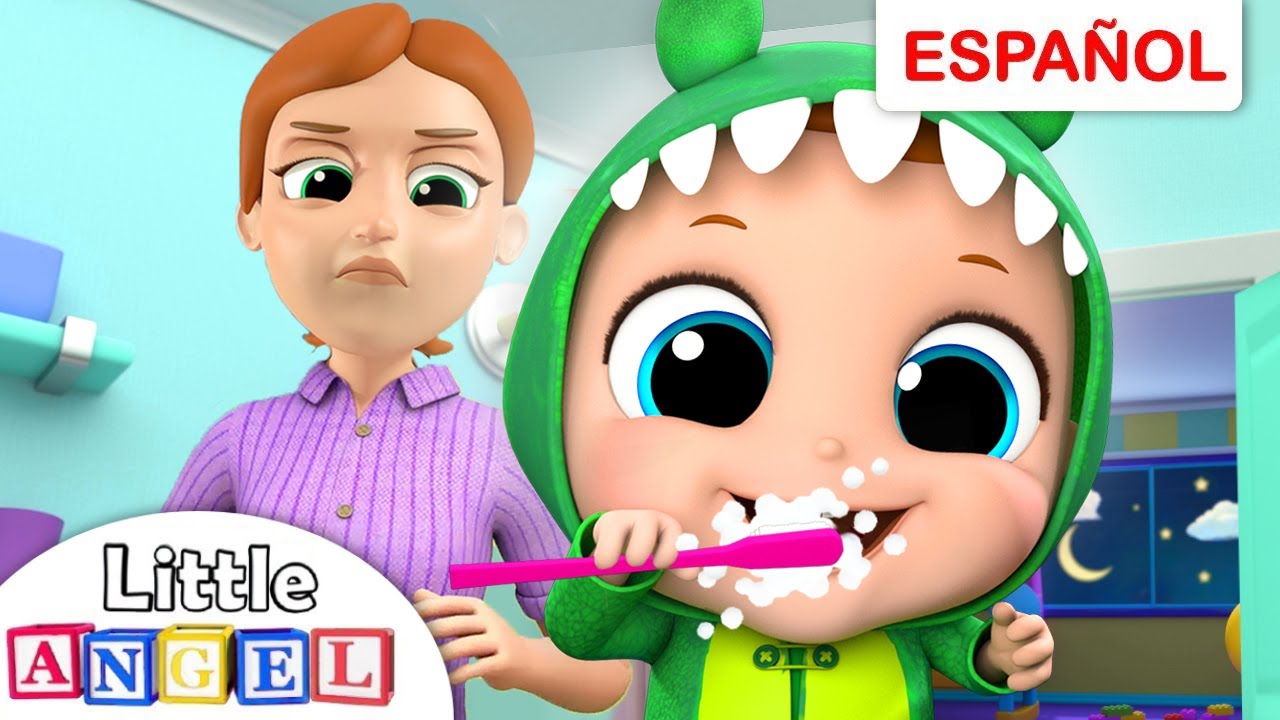
Bebé Juan aprende que debe cepillarse los dientes, lavarse las manos, ponerse su pijama antes de ir a dormir. Al principio no está muy contento pero con el cariño de mamá y esta hermosa canción infantil aprende rápido a estar listo para dormir.
¡Aprende y disfruta con todos nuestros divertidos videos para niños en 3D! #bebejuan #cancionesinfantiles #littleangelespañol
(?️) Subscríbete a Little Angel Español para ver videos nuevos en cuanto salgan ?►► http://bit.ly/suscribete_LittleAngel_Esp
¡Ve a tu canción favorita eligiendo en el título debajo!
04:00 ¡Si, si, es Hora de Dormir!
03:34 ¡Mami te amo mucho! ? : https://youtu.be/oaP3XC9AP1c
07:23 El Álbum de Fotos de la Familia: https://youtu.be/oR99uN0Ihjg
11:27 Canción de las Emociones: https://youtu.be/2qK12PEXLTc
15:02 ¿Dónde está mi chupete?: https://youtu.be/ONhUZfbg_GY
Letra: ¡Es Hora de Dormir!
---------------------------------------------------
Si si bebé Juan
Tus dientes hay que lavar
No no no
Mis dientes no voy a lavar
Si si bebé Juan
Te tienes que cepillar
No no no
Mis dientes no quiero lavar
Si si bebé Juan
A tu muñeco verás
Le gusta sus dientes lavar
pues grandecito está
Si si si Mamá
Mis dientes voy a lavar
Muy limpio voy a estar
Mirame cepillar
Si si bebé Juan
Ahora te bañaras
No no no
no me voy a bañar
Si si bebé Juan
muy bien te va a sentar!
No no no yo no
me quiero bañar
Si si bebé Juan
A tu muñeco verás
De un salto se mete a bañar
pues grandecito está
Si si si Mamá
Me voy a bañar
Muy limpio voy a estar
luego del baño tomar
---------------------------------------------------
Nuestras canciones para niños enseñan habilidades básicas y mejoran su habilidad para comprender y seguir instrucciones. Las canciones infantiles aceleran las capacidades fonéticas y mejoran la comprensión oral, de lectura y escritura.
No olvides darnos un LIKE (?) si disfrutaste este video.
Descubre el universo Little Angel en www.littleangel.com
Síguenos en redes sociales para nuestras últimas novedades:
★ Facebook: https://www.facebook.com/littleangelespanol/
★ Instagram: https://www.instagram.com/littleangel_esp/
★ Twitter: https://twitter.com/Little_angel_es?lang=es
Música infantil, canciones para niños, Spanish for kids, nursery rhymes Spanish, Spanish kids songs.

En esta canción infantil Bebé Juan aprende a compartir con sus amigos en la escuela, a jugar con plastilina, a dibujar, a conocer el nombre de los animales y muchas cosas más. Little Angel en Español quiere hacerle un gran reconocimiento a todas las profesoras y profesores que a diario entregan todo su amor para que los bebés y niños desarrollen su inteligencia y sean buenos seres humanos. ¡Un aplauso a ellos!
¡Aprende y disfruta con todos nuestros divertidos videos para niños en 3D! #bebejuan #cancionesinfantiles #littleangelespañol #bebejuanenespañol
(?️) Subscríbete a Little Angel Español para ver videos nuevos en cuanto salgan ?►► http://bit.ly/suscribete_LittleAngel_Esp
¡Ve a tu canción favorita eligiendo en el título debajo!
00:04 Aprendiendo en la Escuela
03:19 Un Elefante se Balanceaba: https://youtu.be/5uCM3PXQ6RY
06:50 ¡Juguemos al lavadero de carros! ?: https://youtu.be/lOv0L3TGEFA
10:33 ¿Dónde está mi chupete?: https://youtu.be/ONhUZfbg_GY
14:31 Aprendiendo las Reglas de la Piscina ? ?: https://youtu.be/aI6xtnNj6nQ
17:44 ¡BINGO! La Familia adopta un cachorrito ?: https://youtu.be/Ysd0euoRKCA
Letra: La profesora
---------------------------------------------------
Ese lindo carro
es solo mio
Lo quieres también
Qué podemos hacer?
la profe dice que hay que
compartirlo
tu me das el tuyo, yo te doy el mio
Estaba jugando
y corriendo
No estaba mirando
Y Caí al suelo
La profe me ayudó
ella es mi amiga
Hizo que mi herida quede sanita
Y los animales?
los quiero ver
Son tan geniales
y lindos tambien
Aprender en clase
Está muy bien
Jugamos, cantamos y bailamos también
Seamos cuidadosos
al jugar
Si eres cauteloso
mejor la pasarás
La profe nos protege
y reglas nos da
tener cuidado debes si quieres jugar
A la escuela
Nos gusta ir
Hay tantas cosas nuevas
que descubrir
También muchas sorpresas
y diversión
Gracias Miss Hannah
por tu amor
---------------------------------------------------
Nuestras canciones para niños enseñan habilidades básicas y mejoran su habilidad para comprender y seguir instrucciones. Las canciones infantiles aceleran las capacidades fonéticas y mejoran la comprensión oral, de lectura y escritura.
No olvides darnos un LIKE (?) si disfrutaste este video.
Descubre el universo Little Angel en www.littleangel.com
Síguenos en redes sociales para nuestras últimas novedades:
★ Facebook: https://www.facebook.com/littleangelespanol/
★ Instagram: https://www.instagram.com/littleangel_esp/
★ Twitter: https://twitter.com/Little_angel_es?lang=es
Música infantil, canciones para niños, Spanish for kids, nursery rhymes Spanish, Spanish kids songs.

Canta con tus Princesas favoritas de Disney en este hermoso video y aprende a ser una princesa como Elsa, Jazmín, Cenicienta, Aurora y Ariel. #littleangel #littleangelespañol
(?) Subscríbete a Little Angel para no perderte de los estrenos de los nuevos videos ►► http://bit.ly/suscribete_LittleAngel_Esp
¡Ve a tu canción favorita haciendo click en el título del video!
00:04 Las Princesas Cantan Así
02:20 Somos las Princesas
03:58 María tiene un Corderito
05:32 Bebé Tiburón Doo Doo
07:33 Los Cinco Patitos
09:24 Somos los Dinosaurios
11:10 Señor Sol
13:46 ¿Manzanas o Plátanos?
15:55 Yum Yum Verduritas Sabrositas
18:25 La Patrulla Canina Jugando Peekaboo
Las canciones de Little Angel divierten, entretienen y cantan mientras a los niños aprenden nuevo vocabulario, y otros aspectos básicos de su vida cotidiana.
No olvides darnos un LIKE (?) si te gusto este video.
Descubre el universo Little Angel en www.littleangel.com
Síguenos en redes sociales para nuestras últimas novedades:
★ Facebook: https://www.facebook.com/littleangelvideo/
★ Instagram: https://www.instagram.com/littleangel_esp/
Nursery rhymes and kids songs, músicas para crianças, música infantil, canciones para niños, अंग्रेजी में बच्चों के गाने, детские песни для детей, comptines en espagnol, bata kanta sa ingles, lagu kanak-kanak Inggeris, lagu anak-anak dalam bahasa inggris, أغاني الأطفال باللغة الإنجليزية, 兒童歌曲英文.
Animaciones de: Valnet Inc.
Todos los Derechos Reservados 2018 Valnet
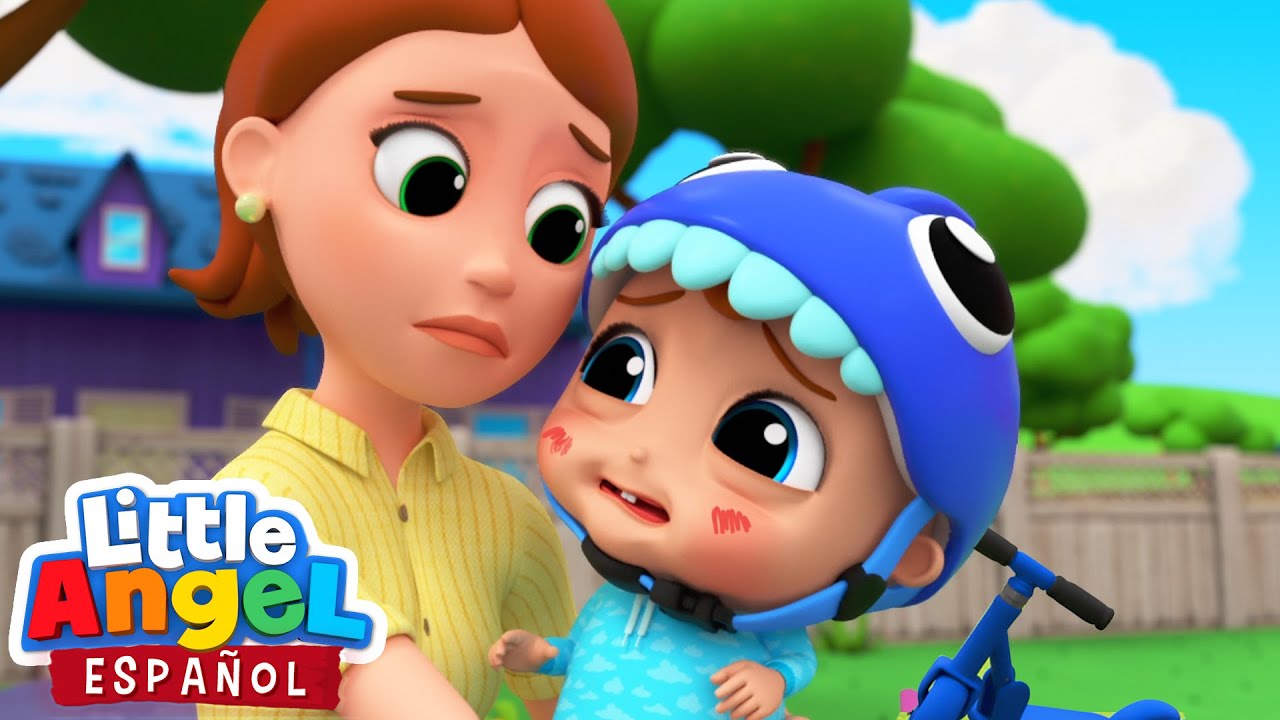
Bebé Juan le demuestra a su mamá todo el gran amor que siente por ella, esta hermosa canción infantil es un pequeño tributo a todas esas bellas mamás que nos brindan todo su amor y cariño, nos cuidan y nos dan su afecto y comprensión todo el día aunque estén muy cansadas. Un abrazo enorme a todas las mamitas.
¡Aprende y disfruta con todos nuestros divertidos videos para niños en 3D! #bebejuan #cancionesinfantiles #littleangelespañol #bebejuanenespañol
(?️) Subscríbete a Little Angel Español para ver videos nuevos en cuanto salgan ?►► http://bit.ly/suscribete_LittleAngel_Esp
¡Ve a tu canción favorita eligiendo en el título debajo!
00:04 ¡Mami te amo mucho! ?
04:01 El Baile de los Animales: https://youtu.be/ihQIRvylyCo
08:18 Familia Dedo ??(Aprende los Colores): https://youtu.be/EGTPq4feeFw
10:32 ¡Juguemos al lavadero de carros! ?: https://youtu.be/lOv0L3TGEFA
14:16 ¡Mami, Mami! ¿Qué comes?: https://youtu.be/1uV3epCJRnU
17:40 Canción del baño para aprender los colores: https://youtu.be/pLhxitzst88
20:46 Juguemos a Las Escondidas Bebé Juan: https://youtu.be/Bxx-ORfIB3o
23:42 ¡Es Hora de Jugar Bebé Juan!: https://youtu.be/1p0uTsn6hXA
27:38 Las Verduras Te Hacen Bien ???: https://youtu.be/s-qsqFOwVRQ
30:50 ¡Por Favor y Gracias! *Las Palabras Mágicas* : https://youtu.be/zwNlCxrRNBg
Letra: Amo a mí Mami
---------------------------------------------------
Salimos muy Temprano, de paseo
solo mí mami y yo
Sentados en el carro, nos vamos lejos!
Vamos, si señor!
A la tienda de helados, vamos luego
de que salgas del salón
Mami, mami, te amo tanto
regresa pronto por favor!
Cuando tengo hambre
mí mami trae
comida rica y diversión
Sopita de verduras
y con su ayuda
aprendo a usar el cucharón
Tu sopa favorita
te hice hoy día
de dinosaurios y arroz
Mami mami, me encantó
me sirves otro tazón?
Si me caigo o me lastimo
mamá me hace sentir mejor
un gran abrazo y un besito
ahora muy sanito estoy
Pobrecito mí bebito
se hizo un pequeño raspón
Mami mami, te amo tanto!
ahora me siento mejor
Si en la noche tengo miedo
y de temor tiemblo y tiemblo
Mami viene a darme un beso
que manda todo el miedo lejos
No tengas miedo , mi pequeño
un beso y a dormir sereno
Mami mami, te amo tanto
y ahora ya no tengo miedo
Todos los días risas y juegos
mí mami es muy genial!
helados y al parque de paseo
luego de ir a estudiar!
Preparemos bocaditos
para ver la película
Mami mami,te amo tanto
y ahora hay que descansar
Mí mami me lleva a la escuela
y me divierto mucho allá
hoy pinté con acuarela
un dibujo de mi mamá
Que hermosa tu acuarela
ahora la voy a enmarcar!
Mami mami, te amo tanto
eres la mejor mamá
---------------------------------------------------
Nuestras canciones para niños enseñan habilidades básicas y mejoran su habilidad para comprender y seguir instrucciones. Las canciones infantiles aceleran las capacidades fonéticas y mejoran la comprensión oral, de lectura y escritura.
No olvides darnos un LIKE (?) si disfrutaste este video.
Descubre el universo Little Angel en www.littleangel.com
Síguenos en redes sociales para nuestras últimas novedades:
★ Facebook: https://www.facebook.com/littleangelespanol/
★ Instagram: https://www.instagram.com/littleangel_esp/
★ Twitter: https://twitter.com/Little_angel_es?lang=es
Música infantil, canciones para niños, Spanish for kids, nursery rhymes Spanish, Spanish kids songs.

La Doctora Sofi y el conductor de la ambulancia Bebé Juan están listos para ayudar a todos los que los necesiten a la velocidad del rayo. No te pierdas este emocionante video infantil y tú también puedes jugar a ser doctor.
¡Aprende y disfruta con todos nuestros divertidos videos para niños en 3D! #bebejuan #cancionesinfantiles #littleangelespañol
(?️) Subscríbete a Little Angel Español para ver videos nuevos en cuanto salgan ?►► http://bit.ly/suscribete_LittleAngel_Esp
¡Ve a tu canción favorita eligiendo en el título debajo!
00:04 Los Doctores están Listos para Ayudar
03:32 ¡El Bebé visita al Doctor! ?⚕️: https://youtu.be/Igc6dofGMZA
05:42 Juguemos al Doctor : https://youtu.be/2eQRixMuDCs
09:09 ¡Quiero ser Grande ya! : https://youtu.be/PkbT1mzmA6Q
12:56 El Bebé Se Hizo un Pequeño Raspón: https://youtu.be/C7YWC9DsQdQ
16:23 ¡Vamos a Cuidar a Mamá! : https://youtu.be/Eysh75ICCoA
19:27 ¡Una Fiesta de Dinosaurios! ? ??: https://youtu.be/9glkz-_Gmf0
22:56 Aprendiendo a ir al baño solito ? : https://youtu.be/U55yHU05iwU
26:34 ¡Si, si, es Hora de Dormir! : https://youtu.be/wrs-IdTsD6o
28:34 Bebé Juan Aprende a Cuidarse : https://youtu.be/9TNWjOeOex4
Letra: Doctor Por favor cure mi brazo
---------------------------------------------------
Esta bien no te asustes
no te asustes, no te asustes
Ya viene el doctor, no te preocupes
Wio! wio! wio!
La ambulancia viene al recate
al rescate, al rescate
Rápido viene a curarte
Wio! wio! wio!
Mientras vamos por el camino
el camino, el camino,
un amigo se siente enfermito
wio, wio, wio
La ambulancia viene al recate
al rescate, al rescate
Rápido viene a curarte
Wio! wio! wio!
Esta bien no te asustes
no te asustes, no te asustes
Ya viene el doctor, no te preocupes
Wio! wio! wio!
La ambulancia viene al recate
al rescate, al rescate
Rápido viene a curarte
Wio! wio! wio!
Esta bien no te asustes
no te asustes, no te asustes
Ya viene el doctor, no te preocupes
Wio! wio! wio!
La ambulancia viene al recate
al rescate, al rescate
Rápido viene a curarte
Wio! wio! wio!
-----------------------------------------------
Nuestras canciones para niños enseñan habilidades básicas y mejoran su habilidad para comprender y seguir instrucciones. Las canciones infantiles aceleran las capacidades fonéticas y mejoran la comprensión oral, de lectura y escritura.
No olvides darnos un LIKE (?) si disfrutaste este video.
Descubre el universo Little Angel en www.littleangel.com
Síguenos en redes sociales para nuestras últimas novedades:
★ Facebook: https://www.facebook.com/littleangelespanol/
★ Instagram: https://www.instagram.com/littleangel_esp/
★ Twitter: https://twitter.com/Little_angel_es?lang=es
Música infantil, canciones para niños, Spanish for kids, nursery rhymes Spanish, Spanish kids songs.
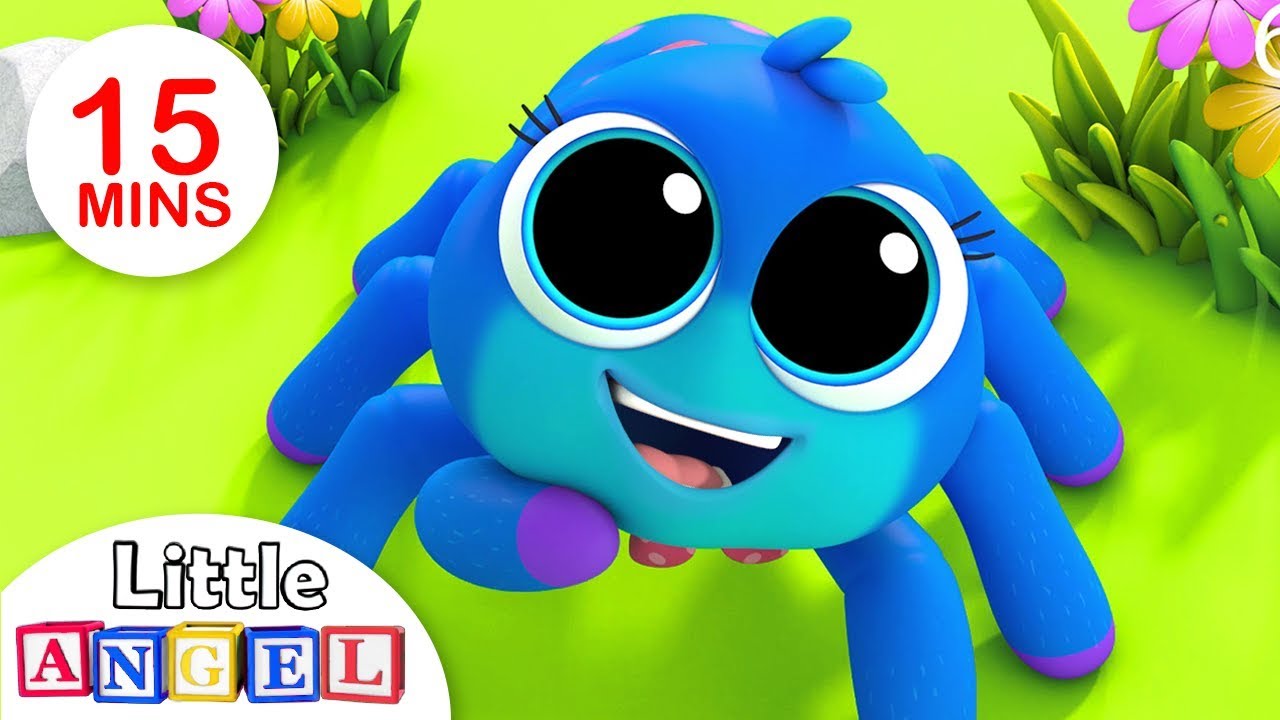
¿Logrará Itsy Bitsy Araña subir con la ayuda de sus amigos? ¡Descúbrelo con nosotros! #littleangel #littleangelespañol
(?) Subscríbete a Little Angel para ver videos nuevos en cuanto salgan►► http://bit.ly/suscribete_LittleAngel_Esp
¡Ve a tu canción favorita eligiendo en el título debajo!
00:04: Itsy Bitsy Araña
02:12 Bebé Tiburón
04:13 Somos Dinosaurios
06:00 Un elefante se balanceaba
07:51 Familia Dedo
09:08 El baile del dinosaurio con Bebé Rex
10:37 Manzanas contra Bananas
12:47 Brilla Brilla Estrellita de mar
Nuestras canciones para niños enseñan habilidades básicas y mejoran su habilidad para comprender y seguir instrucciones. Las canciones infantiles aceleran las capacidades fonéticas y mejoran la comprensión oral, de lectura y escritura.
No olvides darnos un LIKE (?) si disfrutaste este video.
Descubre el universo Little Angel en www.littleangel.com
Síguenos en redes sociales para nuestras últimas novedades:
★ Facebook: https://www.facebook.com/littleangelespanol/
★ Instagram: https://www.instagram.com/littleangel_esp/
Nursery rhymes and kids songs, músicas para crianças, música infantil, canciones para niños, अंग्रेजी में बच्चों के गाने, детские песни для детей, comptines en espagnol, bata kanta sa ingles, lagu kanak-kanak Inggeris, lagu anak-anak dalam bahasa inggris, أغاني الأطفال باللغة الإنجليزية, 兒童歌曲英文.
Animations by: Valnet Inc.
Copyright 2018 Valnet
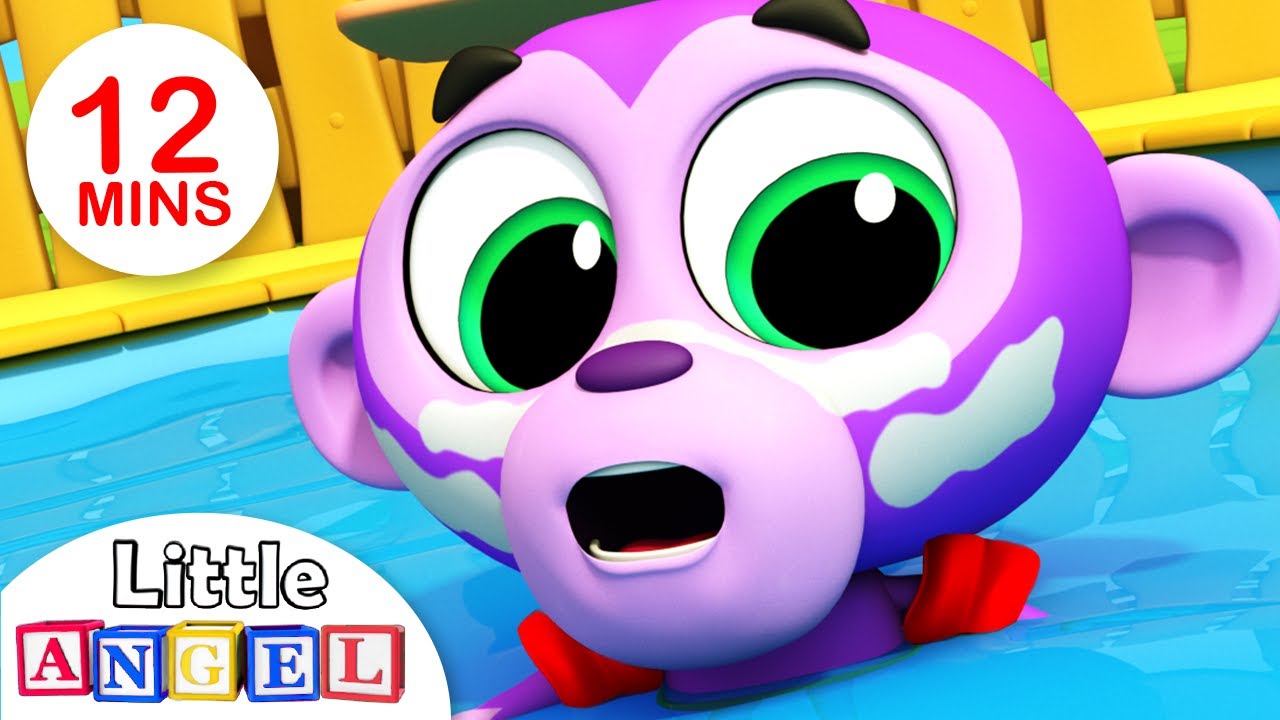
¡Aprende a nadar y a cuidarte del sol cantando esta divertida canción junto al monito! ¡También Somos Dinosaurios, Cinco Monitos Saltan en la Cama, Bingo, Bebé Tiburón y más! #littleangel #littleangelespañol
(?) Subscríbete a Little Angel para ver videos nuevos en cuanto salgan►► http://bit.ly/suscribete_LittleAngel_Esp
¡Ve a tu canción favorita eligiendo en el título debajo!
00:04 ¡A nadar con el Monito!
01:53 Somos Dinosaurios
03:39 Tres Gatitos
05:48 Cinco monitos saltan en la cama
07:18 Bingo
09:35 Itsy Bitsy Surfista
11:27 Bebé Tiburón: ¿Dónde está mi aleta?
Nuestras canciones para niños enseñan habilidades básicas y mejoran su habilidad para comprender y seguir instrucciones. Las canciones infantiles aceleran las capacidades fonéticas y mejoran la comprensión oral, de lectura y escritura.
No olvides darnos un LIKE (?) si disfrutaste este video.
Descubre el universo Little Angel en www.littleangel.com
Síguenos en redes sociales para nuestras últimas novedades:
★ Facebook: https://www.facebook.com/littleangelvideo/
★ Instagram: https://www.instagram.com/littleangel_esp/
Nursery rhymes and kids songs, músicas para crianças, música infantil, canciones para niños, अंग्रेजी में बच्चों के गाने, детские песни для детей, comptines en espagnol, bata kanta sa ingles, lagu kanak-kanak Inggeris, lagu anak-anak dalam bahasa inggris, أغاني الأطفال باللغة الإنجليزية, 兒童歌曲英文.
Animations by: Valnet Inc.
Copyright 2018 Valnet
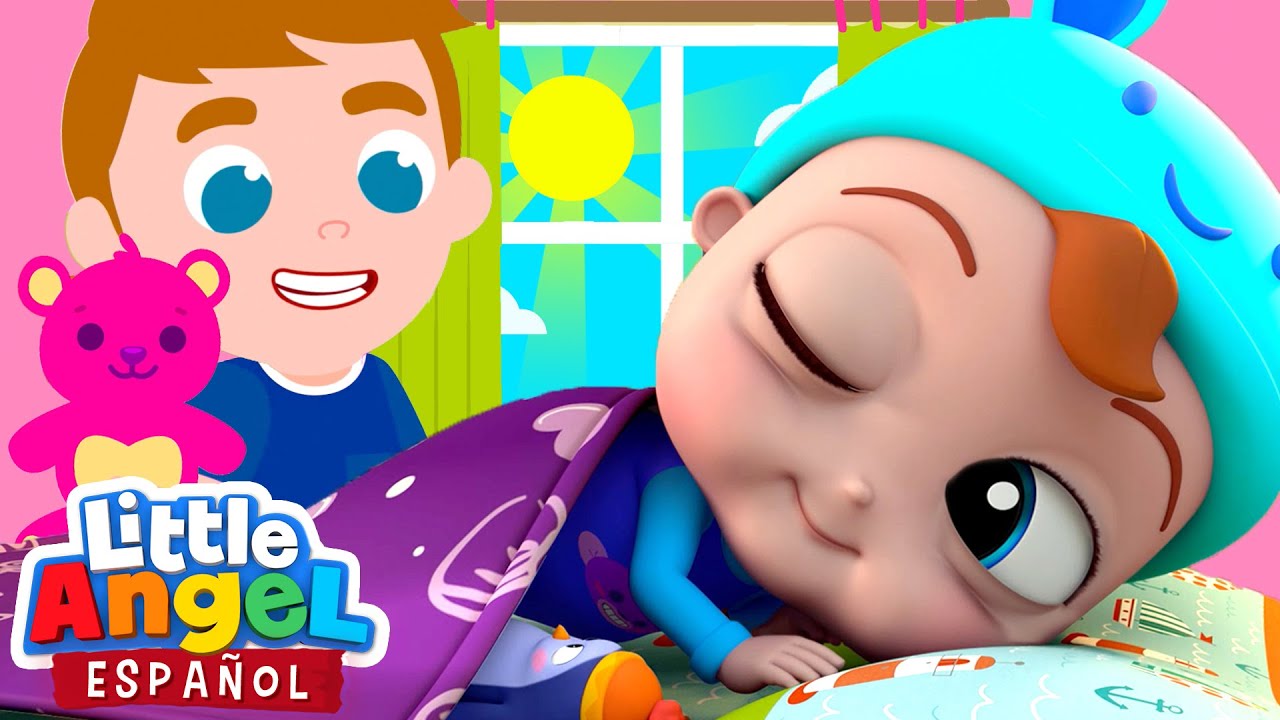
Bebé Juan tiene mucho sueño y no quiere despertarse, cada vez que alguien lo levanta él vuelve a quedarse dormido. Ayuda a Bebé Juan a levantarse cantando con nosotros esta canción infantil de los buenos días.
¡Aprende y disfruta con todos nuestros divertidos videos para niños en 3D! #bebejuan #cancionesinfantiles #littleangelespañol
(?️) Subscríbete a Little Angel Español para ver videos nuevos en cuanto salgan ?►► http://bit.ly/suscribete_LittleAngel_Esp
¡Ve a tu canción favorita eligiendo en el título debajo!
00:04 ¡Es hora de Levantarse Bebé Juan!
04:16 Doctor Cúreme Por Favor: https://youtu.be/x6rBwjNuzoo
07:44 ¡Si, si, es Hora de Dormir! :https://youtu.be/wrs-IdTsD6o
11:04 ¿Quién sacó la galleta de su jarra? ? ? ?: https://youtu.be/UO62mHJgnDU
15:16 Canción de las Emociones: https://youtu.be/2qK12PEXLTc
18:48 ¿Dónde te Escondiste Bebé Juan? ¡Sorpresa!: https://youtu.be/XSEaV3mML8k
22:26 ¡Cuando sea grande seré bombero! : https://youtu.be/HMnfvf_IBw0
Letra: Buenos días A levantarse
---------------------------------------------------
Buenos días, Buenos días
A levantarse, A levantarse
Osito te saluda, Osito te saluda
Si mi amor, Si mi amor
Buenos días, Buenos días
Abre tus ojitos, abre tus ojitos
Ya empezó el día, ya empezó el día
chau chau sueño, chau chau sueño
Buenos días, Buenos días
A comer, a comer
Vamos a bañarnos, vamos a bañarnos
Vamos Juan, vamos Juan
Buenos días, Buenos días
A comer, a comer
Leche y cereales, leche y cereales
Rico es, rico es!
Hola Bingo, hola bingo
Cómo estás, cómo estás
Ya no estoy con sueño
Ahora estoy despierto
A jugar, a jugar
----------------------------------------------
Nuestras canciones para niños enseñan habilidades básicas y mejoran su habilidad para comprender y seguir instrucciones. Las canciones infantiles aceleran las capacidades fonéticas y mejoran la comprensión oral, de lectura y escritura.
No olvides darnos un LIKE (?) si disfrutaste este video.
Descubre el universo Little Angel en www.littleangel.com
Síguenos en redes sociales para nuestras últimas novedades:
★ Facebook: https://www.facebook.com/littleangelespanol/
★ Instagram: https://www.instagram.com/littleangel_esp/
★ Twitter: https://twitter.com/Little_angel_es?lang=es
Música infantil, canciones para niños, Spanish for kids, nursery rhymes Spanish, Spanish kids songs.
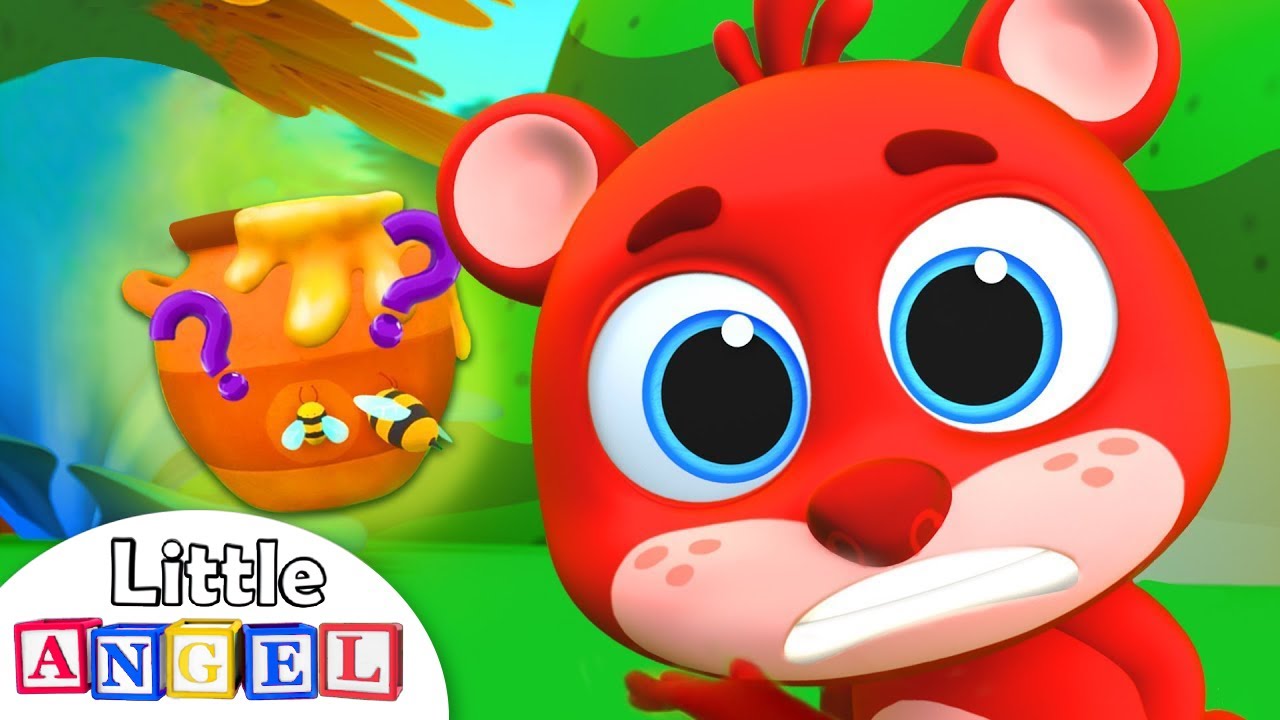
¡Vamos a ayudar al osito a encontrar su miel y a jugar Peekaboo con la princesa y el monito! ¡También vamos a cantar y a bailar con El Baile del Dinosaurio y Monito Mandón! #littleangel #littleangelespañol
(?) Subscríbete a Little Angel para ver videos nuevos en cuanto salgan►► http://bit.ly/suscribete_LittleAngel_Esp
¡Ve a tu canción favorita eligiendo en el título debajo!
00:04 ¿Dónde está mi miel?
02:27 Peekaboo
04:38 Cinco Gatitos
06:09 Monito Mandón
08:23 El Baile del Dinosaurio
10:14 La princesa tiene una varita
11:41 ¿Y mi mama?
13:46 Cinco Monitos
Nuestras canciones para niños enseñan habilidades básicas y mejoran su habilidad para comprender y seguir instrucciones. Las canciones infantiles aceleran las capacidades fonéticas y mejoran la comprensión oral, de lectura y escritura.
No olvides darnos un LIKE (?) si disfrutaste este video.
Descubre el universo Little Angel en www.littleangel.com
Síguenos en redes sociales para nuestras últimas novedades:
★ Facebook: https://www.facebook.com/littleangelvideo/
★ Instagram: https://www.instagram.com/littleangel_esp/
Nursery rhymes and kids songs, músicas para crianças, música infantil, canciones para niños, अंग्रेजी में बच्चों के गाने, детские песни для детей, comptines en espagnol, bata kanta sa ingles, lagu kanak-kanak Inggeris, lagu anak-anak dalam bahasa inggris, أغاني الأطفال باللغة الإنجليزية, 兒童歌曲英文.
Animations by: Valnet Inc.
Copyright 2018 Valnet
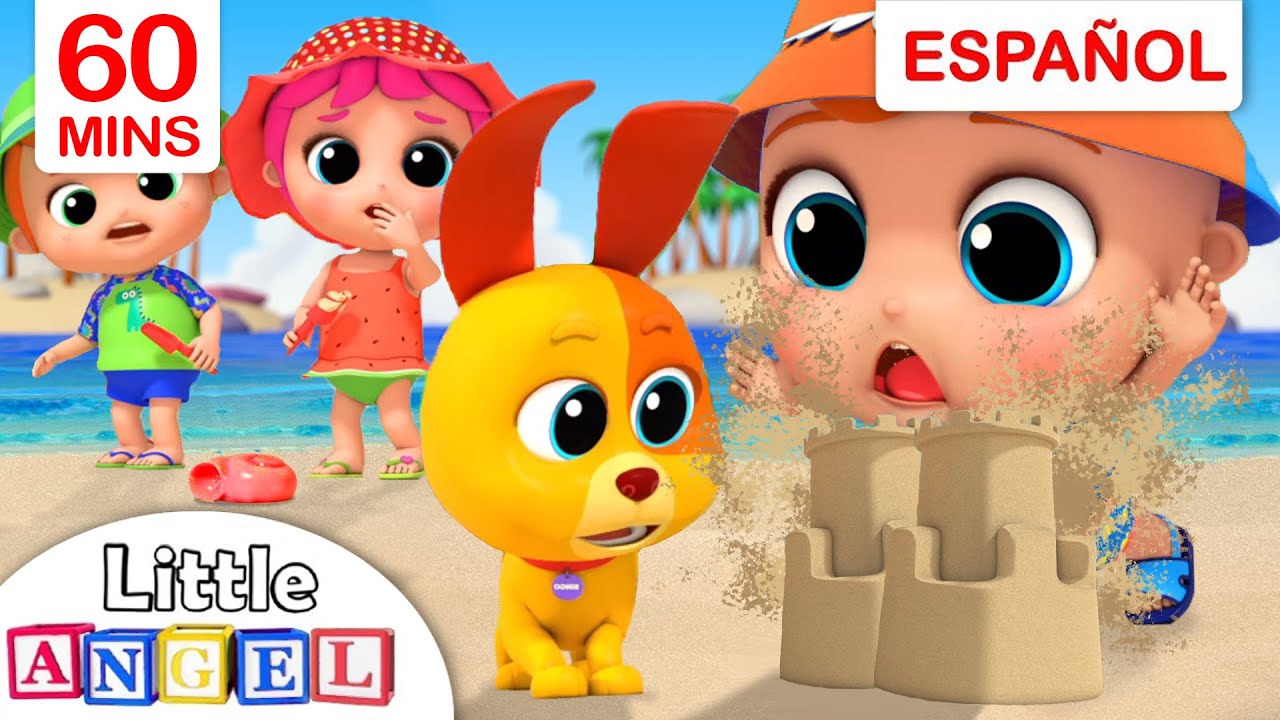
Con este hermoso video infantil tendrás una hora de las mejores canciones de Little Angel en español incluido el paseo de la familia de Bebé Juan a la playa. ¡No te lo pierdas!
¡Aprende y disfruta con todos nuestros divertidos videos para niños en 3D! #bebejuan #cancionesinfantiles #littleangelespañol
(?️) Subscríbete a Little Angel Español para ver videos nuevos en cuanto salgan ?►► http://bit.ly/suscribete_LittleAngel_Esp
¡Ve a tu canción favorita eligiendo en el título debajo!
00:04 Bebé Juan aprende a hacer un Castillo de Arena: https://youtu.be/_w9kiKaq7Ac
03:06 La Canción del Baño del Bebé Juan ???: https://youtu.be/YS6gO-8a5o4
05:30 Buenos Modales al Comer : https://youtu.be/ahERYs_96f8
08:40 Doctor Cúreme Por Favor : https://youtu.be/x6rBwjNuzoo
12:08 Visita de los Papás al Jardín Infantil: https://youtu.be/GeD2lqd-_U4
15:44 Juguemos al Doctor: https://youtu.be/2eQRixMuDCs
19:11 Yo Quiero Ayudar a Mami y Papi: https://youtu.be/B0kalxS3olo
22:53 El Primer Corte de Cabello de Bebé Juan: https://youtu.be/rvb7mkXNdKQ
26:36 Nos Gusta ir al Centro Comercial: https://youtu.be/B2BvRn_yd-0
30:55 ¡Oh no, hice un desastre! : https://youtu.be/HGTnqOU64u8
34:59 ¿Dónde está mi chupete? : https://youtu.be/ONhUZfbg_GY
38:55 Cinco Patitos Salieron a Nadar ?: https://youtu.be/B-3E3nzvV6I
42:36 Papá nos construye una casa en el árbol : https://youtu.be/FWcOOBkD0QY
46:00 Aprendiendo a ir al baño solito ?: https://youtu.be/U55yHU05iwU
49:38 Canción de Halloween para niños ?: https://youtu.be/QSWNQDsnGcs
53:24 ¡Mamá me Caí en la Nieve! : https://youtu.be/TzXPzqSqLP8
57:10 Canción de Navidad para Niños ?: https://www.youtube.com/watch?v=1tvU-L3UMKY&t=6s
Nuestras canciones para niños enseñan habilidades básicas y mejoran su habilidad para comprender y seguir instrucciones. Las canciones infantiles aceleran las capacidades fonéticas y mejoran la comprensión oral, de lectura y escritura.
No olvides darnos un LIKE (?) si disfrutaste este video.
Descubre el universo Little Angel en www.littleangel.com
Síguenos en redes sociales para nuestras últimas novedades:
★ Facebook: https://www.facebook.com/littleangelespanol/
★ Instagram: https://www.instagram.com/littleangel_esp/
★ Twitter: https://twitter.com/Little_angel_es?lang=es
Música infantil, canciones para niños, Spanish for kids, nursery rhymes Spanish, Spanish kids songs.