Top Vídeos

Whitney Houston's official live music video for 'Didn't We Almost Have It All'. Click to listen to Whitney Houston on Spotify: http://smarturl.it/WhitneyHSpo....tify?IQid=WhitneyHDW
As featured on Whitney: The Greatest Hits. Click to buy the track or album via iTunes: http://smarturl.it/WhitneyGrea....testHits?IQid=Whitne
Google Play: http://smarturl.it/DWAGPlay?IQid=WhitneyHDWA
Amazon: http://smarturl.it/WGHAmazon?IQid=WhitneyHDWA
More From Whitney Houston
I Will Always Love You: https://youtu.be/3JWTaaS7LdU
I Look To You: https://youtu.be/5Pze_mdbOK8
I Wanna Dance With Somebody: https://youtu.be/eH3giaIzONA
More great 80s videos here: http://smarturl.it/Ultimate80?IQid=WhitneyHDWA
Follow Whitney Houston
Website: http://www.whitneyhouston.com
Facebook: https://www.facebook.com/WhitneyHouston
Subscribe to Whitney Houston on YouTube: http://smarturl.it/WhitneyHous....tonSub?IQid=WhitneyH
---------
Lyrics:
Remember when we held on in the rain
The nights we almost lost it
Once again we can take the night into tomorrow
Living on feelings
Touching you I feel it all again
Didn't we almost have it all
When love was all we had worth giving?
The ride with you was worth the fall my friend
Loving you makes life worth living
Didn't we almost have it all?
The nights we held on till the morning
You know you'll never love that way again
Didn't we almost have it all?

November 8th,2016
Cosmic voices and the chief conductor Vanya Moneva from Bulgaria appeared on Kawasaki FM(radio) "FujiFuji no fun fun Tuesday" in Japan.
This radio program broadcasts every Tuesday 12:30-13:00 at local time in Japan.
Radio host is FujiFuji.(Sayuri Fujiwara)who is in the middle in this cover.
Official site: http://www.ff-kfm.jp/
We talked about the World music festival in Hamamatsu, information of the live at Blue note Tokyo.
They performed beautiful Bulgarian Voices.
Really impressed it!! Like angels descended from the sky:)
Assisted by Embassy of the Republic of Bulgaria to Japan

Sigue el canal en facebook https://www.facebook.com/Acord....es-Cristianos-Youtub
Acordes de la linda alabanza Levanto mis manos de Samuel Hernandez.

This sublime compilation will take listeners on a journey through 3 hours of the most beautiful classical music ever written.
A compilation with some of the best classical music for studying, work, concentration, sleep and relaxation.
Included are works by J.S Bach, Handel, Mozart, Vivaldi, Albinoni, Marcello, Pachelbel, Beethoven, Chopin, Bizet, Debussy, Elgar, Liszt, Mascagni, Massenet, Saint-Saëns, Satie, Schubert, Schumann, Shostakovich, Straiss, Tchaikovsky, Brahms, Orff, Piazolla, Rachmaninoff, Ravel and Tárrega.
Tracklist can be Found down Below!
Spotify: https://brilliant-classics.lnk.....to/BeautifulClassic
Facebook: https://www.facebook.com/brilliantclassics/
Website: www.brilliantclassics.com/
Subscribe: https://www.youtube.com/user/B....rilliantClassics?sub
Audio castellano. Boing.
Género: Infantil / Preescolar

"One Wish (For Christmas)" by Whitney Houston
Listen to Whitney Houston: https://WhitneyHouston.lnk.to/listenYD
Subscribe to the official Whitney Houston YouTube channel: https://WhitneyHouston.lnk.to/subscribeYD
Watch more Whitney Houston videos: https://WhitneyHouston.lnk.to/listenYC/youtube
Follow Whitney Houston:
Facebook: https://WhitneyHouston.lnk.to/subscribeFI
Instagram: https://WhitneyHouston.lnk.to/subscribeII
Website: https://WhitneyHouston.lnk.to/subscribeWI
Spotify: https://WhitneyHouston.lnk.to/subscribeSI
YouTube: https://WhitneyHouston.lnk.to/subscribeYD
Chorus:
If I had one wish for Christmas
There would be joy and peace here on earth
If I had one wish for Christmas this year
We would all come together as one
#WhitneyHouston #OneWish #OfficialAudio

Online purchase or streaming (Spotify, iTunes, Amazon Music, Deezer, Tidal, Google Play):
https://brilliant-classics.lnk.to/RomanticHarp
Physical Purchase:
https://www.brilliantclassics.....com/articles/r/roman
Spotify Playlists:
Brilliant Classics Spotify: https://brilliant-classics.lnk.to/Spotify
The best of Liszt: https://brilliant-classics.lnk.to/Playliszt
The best of Bach: https://brilliant-classics.lnk.....to/BestOfBachPlayli
Most popular piano music: https://brilliant-classics.lnk.to/MostPopularPiano
Beautiful classical Music: https://brilliant-classics.lnk.....to/BeautifulClassic
Classical music for dinnertime: https://brilliant-classics.lnk.....to/ClassicalMusicfo
Composer: Georg Frideric Handel, Wolfgang Amadeus Mozart
Artists: Charlotte Balzereit harp,
Giselle Herbert harp,
Jutta Zoff harp,
Jana Bouskova harp,
Staatskapelle Dresden,
Les Violins du Roy,
Stuttgart Chamber Orchestra,
Nicol Matt conductor,
Südwestdeutsches Kammerorchester Pforzheim,
Vladislav Czarnecki conductor,
About this Album:
The harp is the ultimate romantic icon: the instrument of angels, and of Cupid, the god of love. One of the world’s oldest musical instruments, yet one of the most versatile and cherished, its modern counterpart also has the largest range of any orchestral instrument. This dreamy collection pulls together an equally extensive range of concertos for harp, contrasting the towering figures of Handel and Mozart with gems by lesser-known composers such as François-Adrien Boieldieu and Johann Georg Albrechtsberger.
Tracklist:
00:00:00 Harp Concerto in B-Flat Major, HWV 294: I. Andante – allegro (Handel)
00:04:18 Harp Concerto in B-Flat Major, HWV 294: II. Larghetto (Handel)
00:09:49 Harp Concerto in B-Flat Major, HWV 294: III. Allegro moderato (Handel)
00:12:30 Concerto for Flute and Harp in C Major, K. 299: I. Allegro (Mozart)
00:22:06 Concerto for Flute and Harp in C Major, K. 299: II. Andantino (Mozart)
00:30:16 Concerto for Flute and Harp in C Major, K. 299: III. Rondo. Allegro (Mozart)
00:39:55 Harp Concerto in C in Major: I. Allegro brillante (Boieldieu)
00:50:54 Harp Concerto in C in Major: II. Andante lento (Boieldieu)
00:55:02 Harp Concerto in C in Major: III. Rondo. Allegro agitato (Boieldieu)
01:02:04 Harp Concerto in A Major: I. Allegro molto (Dittersdorf)
01:08:42 Harp Concerto in A Major: II. Larghetto (Dittersdorf)
01:17:52 Harp Concerto in A Major: III. Rondo. Allegretto (Dittersdorf)
01:21:25 Harp Concerto in C Major: I. Allegro moderato (Albrechtsberger)
01:27:54 Harp Concerto in C Major: II. Adagio (Albrechtsberger)
01:37:39 Harp Concerto in C Major: III. Allegro (Albrechtsberger)
01:40:54 Partita in F Major: I. Presto (Albrechtsberger)
01:44:44 Partita in F Major: II. Adagio un poco (Albrechtsberger)
01:51:46 Partita in F Major: III. Menuetto (Albrechtsberger)
01:54:29 Partita in F Major: IV. Finale. Allegro (Albrechtsberger)
01:58:35 Harp Concerto in G Major: I. Allegro (Wagenseil)
02:02:25Harp Concerto in G Major: II. Andante (Wagenseil)
02:07:03 Harp Concerto in G Major: III. Vivace (Wagenseil)
Thanks for watching! Feel free to subscribe and visit our channel for the best classical music from the greatest composers like: Bach, Satie, Mozart, Tchaikovsky, Beethoven, Chopin, Haydn, Ravel, Debussy, Verdi, Vivaldi, Handel, Brahms, Liszt, Schubert, Mendelssohn, Rachmaninoff, Wagner, Strauss, Handel, Dvorak, Schubert and many more! We upload complete albums, music for relaxing, working, studying, meditating, concentrating, instrumental music, opera, violin, classical piano music, sonatas and more!
#Classical #BrilliantClassics #Music #Composer #ClassicalMusic
#romanticharp #romanticclassics #harpmusic #classicalharpmusic
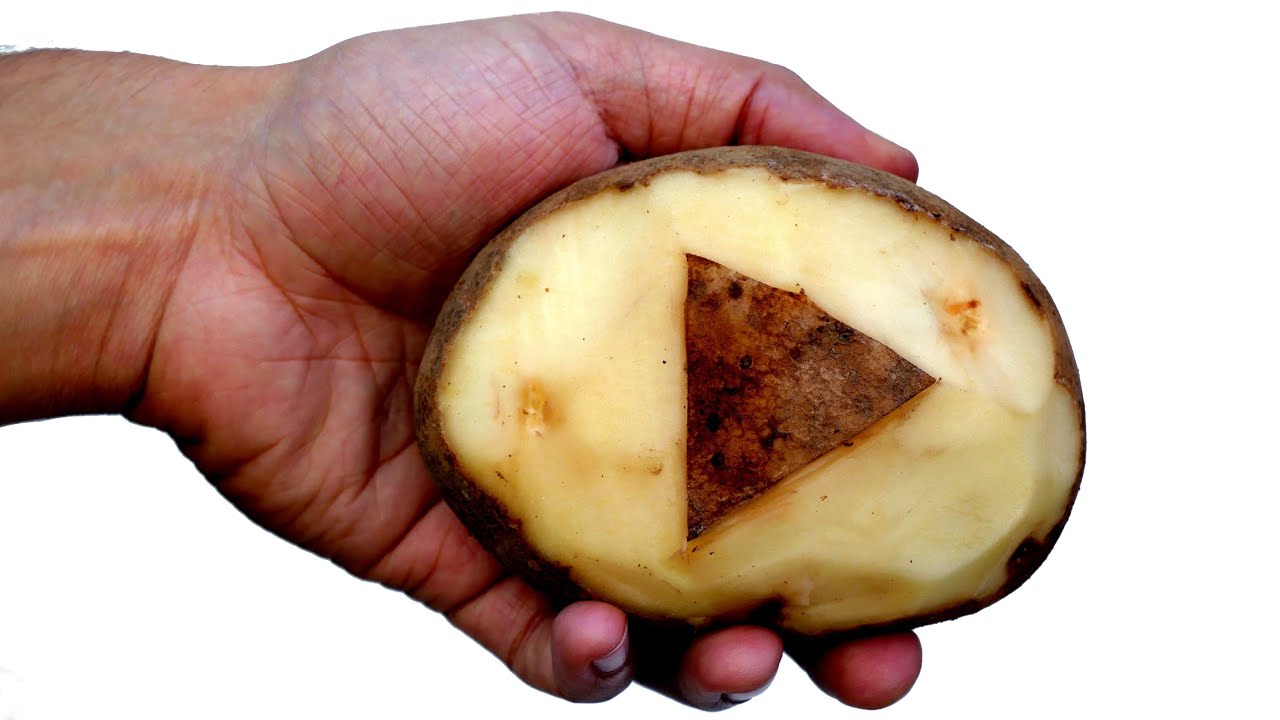
Do we need more diversity in online video?
NOTE: the free one-year membership offer has now expired. You can receive a free month trial at: http://vessel.com/science
Watch the MinutePhysics announcement: http://bit.ly/1GbKtTi
Thanks to Whole Foods UCLA for allowing us to film their potatoes and Zach T for filming.

Jubelt und freut euch über den Herrn, er hat Großes an uns getan,
Jubelt und freut euch, fürchtet euch nicht. Alleluja, alleluja.
Music: Taizé
Photo: Photo Claude TRUONG-NGOC
36e rencontres internationales de Taizé Strasbourg 27 décembre 2013

Os Bolechas, galegofalantes, son un referente para os cativos e cativas de Galicia.
O seu éxito, en palabras do seu creador, Pepe Carreiro, débese a que os seus protagonistas, seis irmáns (Carlos, as xemelgas Loli e Pili, Braulio, Sonia, o pequeno Tatá e o seu incondicional can Chispa).

Online purchase or streaming (Spotify, iTunes, Amazon Music, Deezer, Google Play): https://brilliant-classics.lnk.to/AlkanPianoWorks
More Information: https://www.brilliantclassics.....com/articles/a/alkan
Brilliant Classics Spotify: https://open.spotify.com/user/....brilliantclassics?si
Brilliant Classics Facebook: https://www.facebook.com/brilliantclassics
Composer: Charles Henri Valentin Alkan
Artist: Stanley Hoogland (piano)
Alan Weiss (piano)
- Adventurous piano Music of the composer in whose presence even Franz Liszt was afraid to play.
- Piano music ranging from the miniaturist to the gigantic.
- Both a modern Steinway and a period Erard piano are used in this set, a fascinating way of comparison
00:00:00 Nocturne No.1 Op.22
00:06:24 Esquisses: 48 motifs Op.63: No.2 Le Staccatissimo
00:07:33 Esquisses: 48 motifs Op.63: No.3 Le Legatissimo
00:09:18 Esquisses: 48 motifs Op.63: No.21 Morituri te salutant
00:10:49 Esquisses: 48 motifs Op.63: No.10 Increpatio
00:12:23 Esquisses: 48 motifs Op.63: No.11 Les Soupirs
00:14:04 Esquisses: 48 motifs Op.63: No.46 Le Premier Billet doux
00:15:03 Esquisses: 48 motifs Op.63: No.47 Scherzetto
00:16:55 Esquisses: 48 motifs Op.63: Le Festin d’Ésope Op.39 No.12 (Douze Études dans les tons mineurs)
00:27:10 Esquisses: 48 motifs Op.63: Le Temps qui n’est plus – Prélude Op.31 No.12
00:28:46 Esquisses: 48 motifs Op.63: Fa Op.38b No.2 (Receuil de Chants, Book 2)
00:31:59 Grande Sonate Op.33 ‘Les Quatre Âges’: 20 ans: Scherzo (Tres vite, décidément) – Trio (Timidement – Amoureusement)
00:38:39 Grande Sonate Op.33 ‘Les Quatre Âges’: 30 ans: Quasi-Faust (Assez vite, sataniquement)
00:54:33 Grande Sonate Op.33 ‘Les Quatre Âges’: 40 ans: Un heureux ménage (Lentement, avec tendresse et quiétitude)
01:05:12 Grande Sonate Op.33 ‘Les Quatre Âges’: 50 ans: Prométhée enchainé (Extremement lent)
01:13:41 Toccatina in C Minor, Op. 75
01:15:30 Les Mois Op.74: No.6 Promenade sur l’eau
01:18:01 Les Mois Op.74: No.10 Gros temps
01:21:24 Les Mois Op.74: Petite Fantaisie Op.41 No.2
01:27:47 Les Mois Op.74: Petit Conte
01:32:11 Les Mois Op.74: Le Tambour bat aux champs Op.50 No.2
01:36:51 Trente Chants – Suite No.1 Op.38: No.1 Assez vivement
01:41:26 Trente Chants – Suite No.1 Op.38: No.5 Agitatissimo
01:45:25 Trente Chants – Suite No.1 Op.38: No.6 Barcarolle
01:49:14 Symphony for solo piano Op.39 Nos. 4–7: I. Allegro
02:00:00 Symphony for solo piano Op.39 Nos. 4–7: II. Marche funèbre: Andantino
02:07:20 Symphony for solo piano Op.39 Nos. 4–7: III. Menuet
02:13:23 Symphony for solo piano Op.39 Nos. 4–7: IV. Finale: Presto
02:18:45 25 Préludes, dans tous les tons Majeurs et Mineurs Op.31: No.1 in C
02:21:06 25 Préludes, dans tous les tons Majeurs et Mineurs Op.31: No.6 in G Minor ‘Ancienne mélodie de la synagogue’
02:24:14 25 Préludes, dans tous les tons Majeurs et Mineurs Op.31: No.11 in F ‘Un petit rien’
02:25:07 25 Préludes, dans tous les tons Majeurs et Mineurs Op.31: No.12 in B flat Minor ‘Le temps qui n’est plus’
02:26:18 25 Préludes, dans tous les tons Majeurs et Mineurs Op.31: No.13 in G flat ‘J’étais endormie, mais mon coeur veillait’
02:29:42 25 Préludes, dans tous les tons Majeurs et Mineurs Op.31: No.14 in B Minor
02:32:25 25 Préludes, dans tous les tons Majeurs et Mineurs Op.31: No.8 in A flat Minor ‘La chanson de la folle au bord de la mer’
02:36:13 25 Préludes, dans tous les tons Majeurs et Mineurs Op.31: No.15 in B ‘Dans le genre gothique’
02:38:30 Les Mois Op.74 – Suite No.1
02:42:36 Les Mois Op.74 – Suite No.4: No.1 Gros temps
02:46:55 Les Mois Op.74 – Suite No.1
02:48:37 Trente Chants – Suite No.3 Op.65: No.5 Horace et Lydie
02:52:19 Trente Chants – Suite No.3 Op.65: No.6 Barcarolle
02:55:59 Trente Chants – Suite No.4 Op.67: No.2 Chanson de la bonne vieille
02:59:21 Esquisses: 48 motifs Op.63: No.1 La Vision
03:01:43 Esquisses: 48 motifs Op.63: No.4 Les Cloches
03:02:36 Esquisses: 48 motifs Op.63: No.8 Pseudo-naïvité
03:04:36 Esquisses: 48 motifs Op.63: No.10 Increpatio
03:06:18 Esquisses: 48 motifs Op.63: No.11 Les Soupirs
03:08:02 Esquisses: 48 motifs Op.63: No.35 Musique militaire
03:09:18 Esquisses: 48 motifs Op.63: No.43 Notturnino innamorato
03:11:17 Esquisses: 48 motifs Op.63: No.46 Le Premier Billet doux
03:12:22 Esquisses: 48 motifs Op.63: No.48 En songe
03:13:41 Esquisses: 48 motifs Op.63: No.49 Laus Deo
03:17:29 Esquisses: 48 motifs Op.63: Petit Conte

Audio castellano. Boing.
Género: Infantil / Preescolar
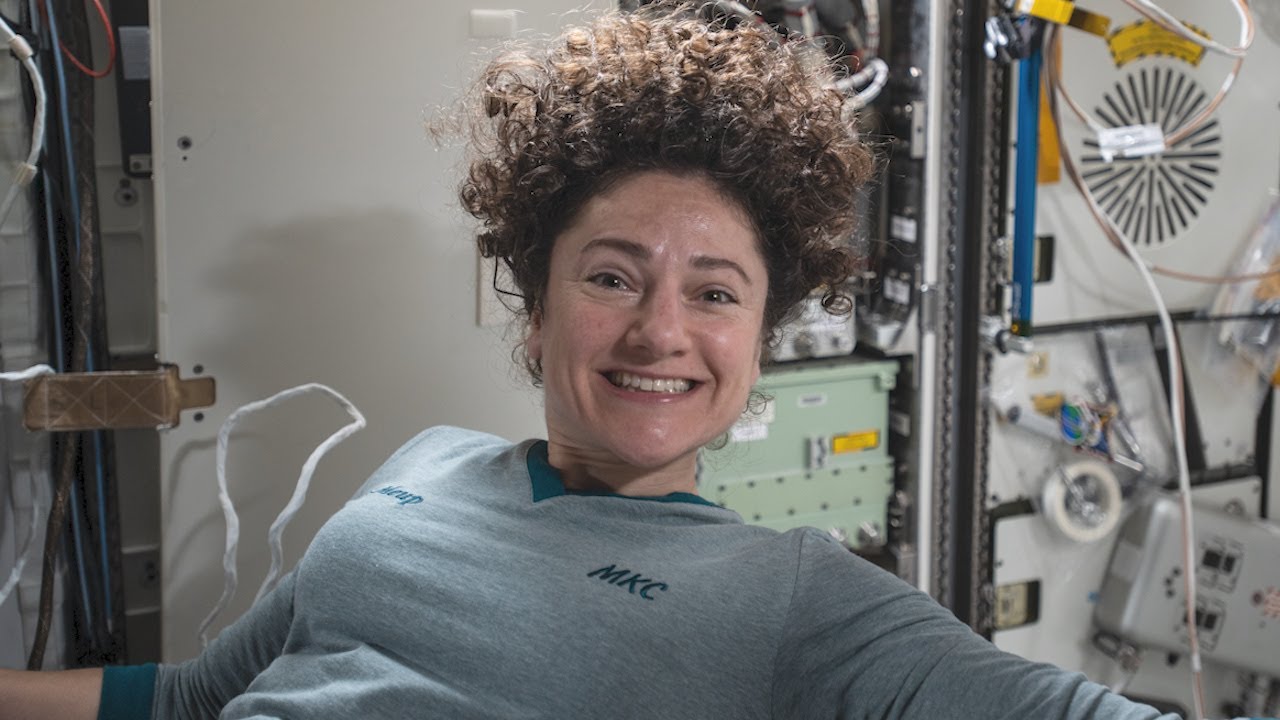
Aboard the International Space Station, Expedition 62 Flight Engineer Jessica Meir of NASA discussed the revolutionary Zero-G oven recently used on the orbital outpost during an in-flight question and answer session Feb. 19 with students from the East Middle School in Grand Blanc, Michigan. The oven was launched on a Northrop Grumman Cygnus cargo ship last November, and, along with cookies baked in the oven, was returned to Earth in January on a SpaceX/Dragon resupply vehicle.

Welcome to the Official Bananas in Pyjamas Channel.
On this channel you will find classic and animated full episodes.
Go Robot - Rat buys the Ratomat to do all the work in the shop. But when the robot gets too good at its job, things don't go at all as Rat planned. Can the Bananas help him?
Rainbows - The Bananas set off with Topsy to find treasure at the end of a rainbow. Soon everyone joins in. But no matter how fast or how far they run, it just keeps getting further and further away.
The Housesitters - Can the Bananas repair the damage before the Teddies return?
Jobs Galore - The Bananas are unhappy that Amy can't come out to play because she has so many jobs to do. But when they try to help her, they end up making a bigger mess and creating even more jobs for her. The other Teddies think that if they all pitch in and work together, they can get the jobs done faster and everyone will have time to play. Can they make it work?
Never miss a Bananas Episode - click here to subscribe https://www.youtube.com/channe....l/UCug61OHMkz5GgJkey
Bananas in Pyjamas Theme Song : https://youtu.be/6hPsXh5k0d8
Your favourite clips and compilations and much more! Tune in every week and see the antics of B1, B2 and their many friends.


While Apollo placed the first steps on the Moon, Artemis opens the door for humanity to sustainably work and live on another world for the first time. Using the lunar surface as a proving ground for living on Mars, this next chapter in exploration will forever establish our presence in the stars. ✨
We are returning to the Moon – to stay – and this is how we are going!
Actress Kelly Marie Tran of “Star Wars: The Rise of Skywalker” lent her voice to this project.

Mi Nuevo Amor
Meu novo amor
Yo tengo un nuevo amor,
Eu tenho um novo amor
el corazón me late sin parar,
o coração me late sem parar
hay uno que Me ha dicho
há um que me tem dito
te amo de verdad,
te amo de verdade
jesús mi amor
Jesus meu amor
y mas que amor
e mais que amor
mi dulce paz.
Minha doce paz
Yo tengo un nuevo amor
Eu tenho um novo amor
jamas imagine poder hallar,
jamais imajinei poder encontrá-lo
aquel que Le Dio a mi vida
aquele que deu a minha vida
Una razón para amar,
Uma razão para amar
jesús mi amor
Jesus meu amor
y más que amor
e mais que amor
mi dulce paz.
minha doce paz
Siento que tengo ganas de volar al firmamento,
Sinto que tenho vontade de voar ao firmamento
gritarle al mundo entero lo que estoy sintiendo,
gritar-lhe ao mundo todo o que estou sintindo
que ya encontré mi dulce amor,
que já encontrei meu doce amor
jesús es toda mi Verdad,
jesús é toda a minha Verdade
y nunca Yo me cansare
e nunca me cansarei
de repetir hasta el final.
De repetir até o final
Yo tengo un nuevo amor,
Eu tenho um novo amor
el corazón me late sin parar,
o coração me late sem parar
hay uno Que me ha dicho
há um que me tem dito
te amo de verdad,
te amo de verdade
jesús mi amor
Jesus meu amor
y más que amor
e mais que amor
mi dulce paz.
Minha doce paz
Yo tengo un nuevo amor
Eu tenho um novo amor
jamas imagine poder hallar,
jamais imaginei poder encontrar
aquel que le Dio a mi vida
aquele que deu à minha vida
Una razón para amar,
Uma razão para amar
jesús mi amor
Jesus meu amor
y más que amor
e mais que amor
mi dulce paz.
Minha doce paz
Amo su voz dulcísima en respuesta cuando llamo,
Amo a sua voz docíssima em resposta quando chamo,
sus ojos tiernos
seus olhos tenrros
hasta el toque de Sus manos,
até o toque de suas mãos
por siempre suyo quiero ser,
por sempre seu eu quero ser
jesús es toda mi verdad
Jesus é toda minha verdade
Y nunca yo me cansare
E nunca eu me cansarei
de repetir hasta el final.
De repetir até o final

Provided to YouTube by CDBaby
Psalam 150 · Zbor Taizé - Mostar
Tvoja Riječ Je Svjetlo: Pjesme Iz Taizéa
℗ 2019 Akademski Zbor Pro Musica
Released on: 2019-08-16
Auto-generated by YouTube.

Online purchase or streaming (Spotify, iTunes, Amazon Music, Deezer, Google Play): https://brilliant-classics.lnk.to/VivaldiCon
Physical purchase: http://www.brilliantclassics.c....om/articles/v/vivald
Facebook page: https://www.facebook.com/brilliantclassics/
00:00:00 Concerto in C for recorder, oboe, two violins & continuo, RV 87: I. Adagio – Allegro
00:03:13 Concerto in C for recorder, oboe, two violins & continuo, RV 87: II. Adagio
00:04:57 Concerto in C for recorder, oboe, two violins & continuo, RV 87: III. Allegro
00:07:29 Concerto in G Minor for recorder, oboe, violin, bassoon & continuo, RV 107: I. Allegro
00:09:53 Concerto in G Minor for recorder, oboe, violin, bassoon & continuo, RV 107: II. Largo
00:12:48 Concerto in G Minor for recorder, oboe, violin, bassoon & continuo, RV 107: III. Allegro
00:15:30 Concerto in D ‘La pastorella’ for recorder, oboe, violin, bassoon & continuo, RV 95: I. Allegro
00:19:05 Concerto in D ‘La pastorella’ for recorder, oboe, violin, bassoon & continuo, RV 95: II. Largo
00:21:15 Concerto in D ‘La pastorella’ for recorder, oboe, violin, bassoon & continuo, RV 95: III. Allegro
00:24:09 Concerto in D for recorder, oboe, violin, bassoon & continuo, RV 94: I. Allegro
00:27:31 Concerto in D for recorder, oboe, violin, bassoon & continuo, RV 94: II. Largo
00:29:44 Concerto in D for recorder, oboe, violin, bassoon & continuo, RV 94: III. Allegro
00:33:18 Concerto in F for recorder, oboe, violin, bassoon & continuo, RV 99: I. Allegro
00:37:14 Concerto in F for recorder, oboe, violin, bassoon & continuo, RV 99: II. Largo
00:39:02 Concerto in F for recorder, oboe, violin, bassoon & continuo, RV 99: III. Allegro
00:41:28 Concerto in G Minor for recorder, oboe, violin, bassoon & continuo, RV 105: I. Allegro
00:44:25 Concerto in G Minor for recorder, oboe, violin, bassoon & continuo, RV 105: II. Largo
00:46:14 Concerto in G Minor for recorder, oboe, violin, bassoon & continuo, RV 105: III. Allegro
00:49:48 Concerto in F for recorder, violin, bassoon & continuo, RV 100: I. Allegro
00:52:20 Concerto in F for recorder, violin, bassoon & continuo, RV 100: II. Largo
00:54:34 Concerto in F for recorder, violin, bassoon & continuo, RV 100: III. Allegro
00:57:14 Sonata in A Minor for recorder, bassoon & continuo, RV 86: I. Largo
01:00:06 Sonata in A Minor for recorder, bassoon & continuo, RV 86: II. Allegro
01:02:38 Sonata in A Minor for recorder, bassoon & continuo, RV 86: III. Largo cantabile
01:04:41 Sonata in A Minor for recorder, bassoon & continuo, RV 86: IV. Allegro molto
01:06:48 Concerto in G Minor for recorder, violin, bassoon & continuo, RV 106: I. Allegro
01:09:58 Concerto in G Minor for recorder, violin, bassoon & continuo, RV 106: II. Largo
01:12:19 Concerto in G Minor for recorder, violin, bassoon & continuo, RV 106: III. Allegro
01:14:40 Concerto in C for oboe, violin, cello & continuo, RV 801: I. Largo
01:16:42 Concerto in C for oboe, violin, cello & continuo, RV 801: II. Allegro
01:19:05 Concerto in C for oboe, violin, cello & continuo, RV 801: III. Largo
01:20:36 Concerto in C for oboe, violin, cello & continuo, RV 801: IV. Allegro
01:23:06 Concerto in D Minor for recorder, violin, bassoon & continuo, RV 96: I. Allegro
01:25:25 Concerto in D Minor for recorder, violin, bassoon & continuo, RV 96: II. Largo
01:27:50 Concerto in D Minor for recorder, violin, bassoon & continuo, RV 96: III. Allegro
01:30:14 Concerto in G Minor for recorder, oboe, violin, bassoon & continuo, RV 103: I. Allegro ma cantabile
01:34:43 Concerto in G Minor for recorder, oboe, violin, bassoon & continuo, RV 103: II. Largo
01:37:23 Concerto in G Minor for recorder, oboe, violin, bassoon & continuo, RV 103: III. Allegro non molto
01:39:20 Concerto in A Minor for recorder, two violins & continuo, RV 108: I. Allegro
01:42:10 Concerto in A Minor for recorder, two violins & continuo, RV 108: II. Adagio
01:43:52 Concerto in A Minor for recorder, two violins & continuo, RV 108: III. Allegro
01:46:25 Concerto in D for recorder, violin & continuo, RV 84: I. Allegro
01:49:17 Concerto in D for recorder, violin & continuo, RV 84: II. Andante cantabile
01:51:02 Concerto in D for recorder, violin & continuo, RV 84: III. Allegro
01:53:32 Concerto in D for recorder, violin, cello & continuo, RV 91: I. Allegro
01:56:11 Concerto in D for recorder, violin, cello & continuo, RV 91: II. Largo
02:58:07 Concerto in D for recorder, violin, cello & continuo, RV 91: III. Allegro non molto
02:00:31 Sonata in C Minor for violin, cello & continuo, RV 83: I. Allegro
02:02:52 Sonata in C Minor for violin, cello & continuo, RV 83: II. Adagio
02:05:28 Sonata in C Minor for violin, cello & continuo, RV 83: III. Allegro
02:07:53 Concerto in D for recorder, violin, cello & continuo, RV 92: I. Allegro
02:11:38 Concerto in D for recorder, violin, cello & continuo, RV 92: II. Adagio
02:14:33 Concerto in D for recorder, violin, cello & continuo, RV 92: III. Allegro

Provided to YouTube by CDBaby
Bogorodice Djevo · Zbor Taizé - Mostar
Tvoja Riječ Je Svjetlo: Pjesme Iz Taizéa
℗ 2019 Akademski Zbor Pro Musica
Released on: 2019-08-16
Auto-generated by YouTube.