Top Vídeos

Letra & Musica Junior Cabrera
Video Dirigido Por Sebastian Cabrera
www.alfareros.do

VIDEO CON LA PARTICIPACION DE 25 MINISTERIO DE MUSICA DE REPUBLICA DOMINICANA,NOE REYES,4X7,AMBIORIZ PADILLA,COROCONDO,ELVIS Y ANYOLINO,REVOVACION CARISMATICA,PUPILAS,DESPERTAR EN CRISTO,RAPHY REY,EXTRACTO,EVELYN MATIAS,HECHOS 29,LA GENTE DEL PATIO,DAVID PANTALEON,RENACER EN EL ESPIRITU,MIGUEL HORACIO,CORO DE LA SANTISIMA TRINIDAD,NELSON MORALES,CUERPO DECRISTO,JESUS RESUCITADO,CORO DE LA SALLE,JOSE CUELLI,JUAN ARTURO,ABEL CAMACHO,KAIROS

DEL CONCIERTO A CHAVON POR TI
29 OCT 2005.

DEL LANZAMIENTO DE LA PRODUCCION DE BENDICION EN BENDICION
ENERO 2008

Descarga el Album Completo en este Link
https://www.dropbox.com/sh/jml....pim6q6ucg49j/AACFhEb


Video De Nuestra Nueva Cancion De Navidad (2010)
Descarga todas nuestras canciones de Navidad es este Link https://goo.gl/7COqED

Descarga la Cancion en este link: https://goo.gl/GXcgED


GRABANDO LA BASE DE UNO DE LOS MERENGUES DEL DISCO

ALFAREROS EN REPUBLICA DOMINICANA: HIGUEY, SANTIAGO Y SANTO DOMINGO

Resumen de la primera visita de alfarerosm a bolivia
tour " de bendicion en bendicion"

Recuento de nuestra visita a las ciudades de Acapulco,Reynosa,San Fernando,Monterrey y Brownsville,gracias a todos lo que hicieron esto posible,Bendiciones

12 LA CHICA ROSA
(Letra &Musica Junior Cabrera)
AHÍ VA AHÍ VA LA CHICA ROSAMÁS COMBINADA QUE UNA CAJA FUERTE MÁS PERFUMADA QUE UN JARDÍN DE ROSAS Y EN SU CARTERA UN MILLÓN DE COSAS
AHÍ VA AHÍ VA LA CHICA ROSAELLA ES LA REINA DE LAS PASARELAS HA VISTO CASI MÁS DE 1000 NOVELAS Y SUEÑA CON UN DÍA ESTAR EN ELLAS
AHÍ VA AHÍ VA LA CHICA ROSASU CELULAR TAMBIÉN ES ROSAMUY COBINADA CON SU CARTERAY POR SUPUESTO COMPRADO FUERA
ELLA ESTA AL DÍA EN EL SHOW BUSINESS CONOCE A TAYLOR CONOCE A BIEBER ELLA SOLO SUIGUE A ACTORES LINDOS PERO AÚN NO CONOCE A JESUSCRISTO
OH OH OH OH
AHÍ VA LA CHICA ROSAPOR QUINTA VEZ SALE DE COMPRAS ELLA SE GASTA LO QUE SEA TRATANDO DE SENTIRSE LLENA
Y CONOCIÓ A UN CHICO LINDO Y LE DIJERON QUE ES MUY FINO ELLA PENSÓ "IGUAL QUE YO"AY QUÉ BUENO LLEGÓ EL AMOR
OH OH OH OH OH OH OH OH
LLEGÓ LA PRIMERA CITATODO MUY BIEN TODO ERA RISAS HASTA QUE ELLA ESCUCHÓQUE ÉL LE HABLÓ DEL AMOR DE DIOS
ELLA LE DIJO YO LO SIENTOYO NO COMPARTO ESE CUENTOLE HABLÓ DE 106 TEORIASDE LAS QUE SUBEN A YOUTUBE TODOS LOS DÍASÉL LE DIJO VEN TE INVITO QUIERO QUE CONOZCAS A UN AMIGO ELLA NO QUERÍA DEL TODOPERO FUE DE TODOS MODOS
OH OH OH OH
ÉL LE PRESENTÓ A JESUSCRISTO ÉL ES SU REY ÉL ES SU AMIGO ELLA NO SABÍA LO QUE PASABA ELLA NO SABÍA PORQUÉ LLORABA LA CHICA ROSA CELEBRABA
LA CHICA ROSA SE ALEGRABANO CABÍA EN ELLA TANTA FELICIDAD LA CHICA ROSA ASÍ CANTABA
OH OH OH OH
AHÍ VA LA CHICA ROSATIENE UNA BIBLIA DE COLOR ROSAY REPARTE TARJETITAS ROSAY DECORA LA REUNIÓN DE COLOR ROSA AHÍ VA LA CHICA ROSA
AHORA ELLA ES CATEQUISTALLEVA LA LECTURA DE LOS DOMINGOSY SU GRAN AMOR SE LLAMA JESUCRISTO
OH OH OH OH OH OH OH OH

Sabiendo que el numero 7 es el numero de la perfección, no podemos decir que es nuestro Álbum perfecto pero es el que mas se acerca ,el Álbum que ha tocado mas nuestros corazones desde el mismo momento en que iniciamos a escribir y a grabar , Es nuestro Álbum con el mayor numero de Músicos Invitados,14 nuevas canciones que estamos Seguros y confiados en Dios que tocaran los corazones de quienes las escuchen así como ha pasado con nosotros.
Hoy queremos dar Gracias a Dios por cada uno de los que hicieron posible este Maravilloso Proyecto:
@leelevin1 @dw6string @isaiasleclerc MarvinBGordy @sourabhgoho @bravopercussion @tombell97 @brunozucchetti @narvaezjonatan @albertocampusanoguz @rubocaster
@joelrmusic @patriciobonillaoficial @ernestonuneztrompetista @minimambo1 @otonielnicolas
@miguelmontas1971 @lmojica0109 @sandygabriell @milenacello @tri_m3 @italamishelle
@vero.sanfilippo @julianalimahoficial @stevieblacke @vickyecheverri @augusto22jose
@alvaro_cooper AnibalMuños @lucianolunag @quicorizek @allangtr @borism @juniorcabrera07 @altvargas @ferminamador1@misskat_gt @francorreasinger @tugocabrera #70veces7
#https://open.spotify.com/album..../51aBKUbp2SKdLqYmpPQ
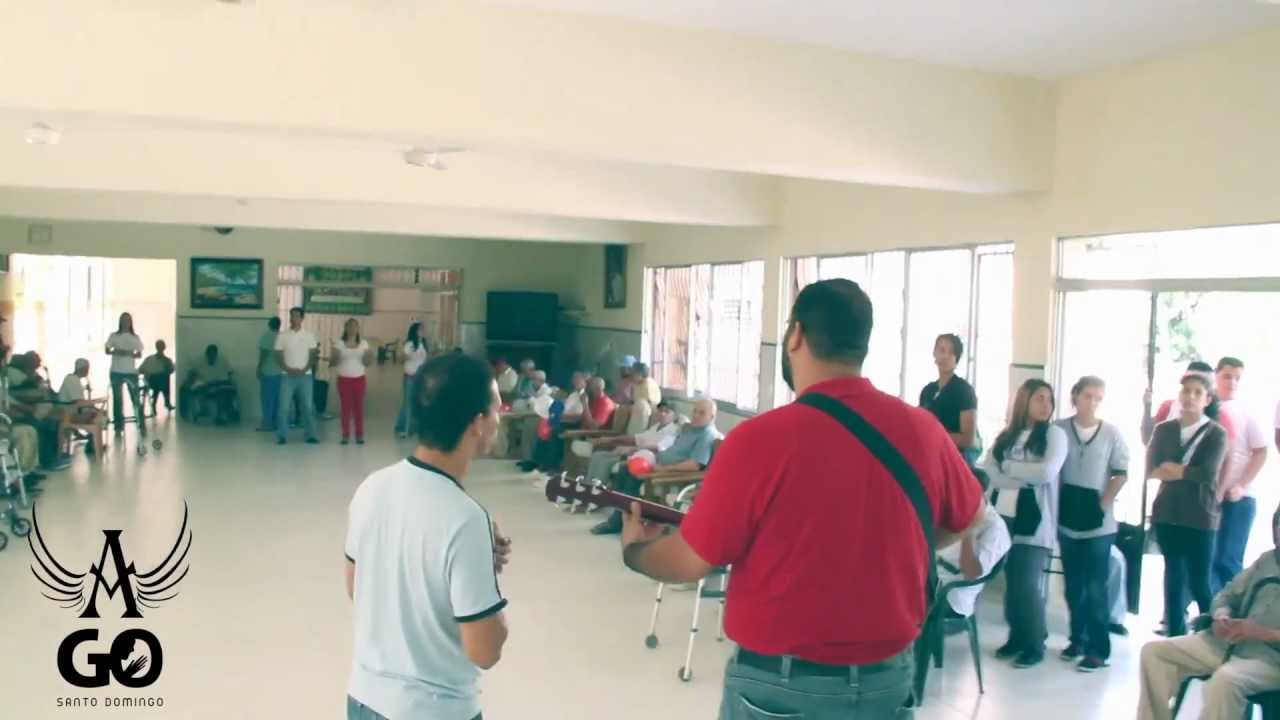
Visita de ALFAREROS G.O Al Asilo de las Hermanitas De Los Ancianos Desamparados.

Behind The Scenes de de nuestro Video Nadie Que No Seas Tu grabado el Domingo 15 de Abril 2018
https://open.spotify.com/album..../51aBKUbp2SKdLqYmpPQ
#70VECES7
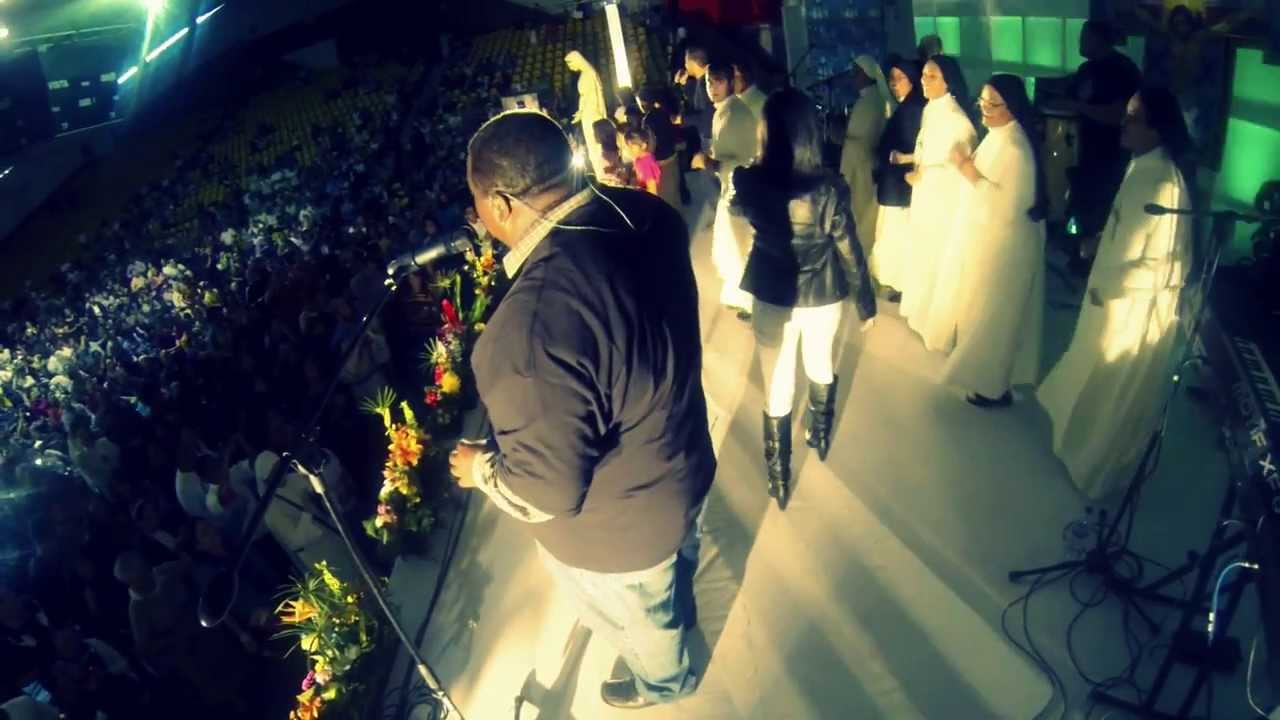
Recuento De Nuestra Visita a Tampico y San Luis Potosi NoV 2013
PANAMA 2008