Top Vídeos
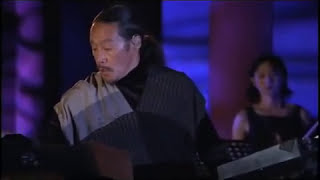
Buy the DVD: http://www.domomusicgroup.com/....kitaro/albums/yakush
Buy at iTunes: http://itunes.apple.com/us/alb....um/daylight-moonligh
Artist: Kitaro
DVD: Daylight, Moonlight - Live in Yakushiji
2001年 喜多郎コンサート 薬師寺
LIVE IN YAKUSHIJI is a broad and deep journey, to inner realms as well as exotic earthly destinations that only Kitaro can deliver. Recorded over three evenings in the sacred Yakushiji Temple in the ancient Japanese capital of Nara. Kitaro reprises nine favorite compositions from earlier albums, plus his Golden Globe Award-Winning theme from the Oliver Stone film "Heaven and Earth" and two previously unreleased tracks. This is a tour de force for Kitaro and ensemble.
Special DVD Features:
Digitally Remastered Tracks
Interactive Menus
Mixed to Stereo and 5.1 Surround Sound
History of the Yakushiji Temple
Exclusive artists interview
Song List
01. Monk's Introduction
02. Hazimari / Sozo
03. Caravansary
04. Silk Road
05. Magma
06. Mercury
07. Water of Mystery
08. Estrella
09. Koi
10. Wa
11. Free Flight
12. Heaven and Earth
13. Dance Of The Sarasvati
14. End Credits
Approximate Running Time: 132 Minutes
Kitaro Official Website
http://www.domomusicgroup.com/kitaro/index.php
喜多郎オフィシャルウェブサイト
http://www.diaa.net/kitaro/index.php
Domo Music Official Website
http://www.domomusicgroup.com/index.php

喜多郎 Kitaro and Viva Girls - Matsuri from Live in Hong Kong on 04/01/2011 - Staff Report 10
Part of CD sales and concert profit will be donated Japan Tsunami and Earthquake Relief through Hong Kong Red-cross. (HK$100,000)
コンサートとの収益金の一部とCDの売り上げの一部 HK$100,000が香港赤十字社を通じて東日本大震災被災者の方達へ義援金として送られます。
Matsuri
http://itunes.apple.com/us/alb....um/kitaro-digital-bo
Adam Cheng Liza Wang Kitaro New Millenium 2011 Concert
Place: Hong Kong, HK
Date: Mar. 31st, April 1st, April 2nd.
Venue: Hong Kong Coliseum
Kitaro Official Website
http://www.domomusicgroup.com/kitaro/index.php
喜多郎オフィシャルウェブサイト
http://www.diaa.net/kitaro/index.php
Viva Girls Official Website
http://www.domomusicgroup.com/vivagirls/index.php
Domo Music Official Website
http://www.domomusicgroup.com/index.php
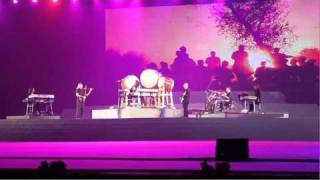
Kitaro performed at the opening event of Daming Palace National Heritage Park in Xi'an China on September 30th.
After Kitaro's introduction, he played 2 songs
-Theme from Silk Road
-Matsuri
日本を代表するシンセサイザー奏者「喜多郎」が9月末に中国でコンサートを行いました。
喜多郎氏が観客に紹介された後、Theme From Silk Road, Matsuriの2曲を演奏されました。
Kitaro official website
http://www.domo.com/kitaro/index.php
Kitaro "Ku-Kai Special Page"
http://www.domo.com/kitaro/kukai.php
![Whitney Houston - Queen of the Night (Live from The Bodyguard Tour) [Audio]](https://i.ytimg.com/vi/JLcP6fn20Qo/maxresdefault.jpg)
Recorded at The Spectrum: Philadelphia, Pennsylvania on June 23, 1994 during 1993-1995 The Bodyguard World Tour
I Wish You Love: More From The Bodyguard
Buy/Listen - https://LegacyRecordings.lnk.to/bdygrd25!qotn
About the album:
‘I Wish You Love: More From The Bodyguard’ includes never-before-released live recordings from Whitney's historic The Bodyguard Tour (1993-1995), alternate versions of the audio recordings from the ‘The Bodyguard’ film, an alternate version of a remix of "I'm Every Woman," additional artwork and more.
Follow Whitney Houston:
Spotify - https://LegacyRecordings.lnk.to/bdygrd25SI!qotn
Facebook - https://LegacyRecordings.lnk.to/bdygrd25FI!qotn
Instagram - https://LegacyRecordings.lnk.to/bdygrd25II!qotn
Website - https://LegacyRecordings.lnk.to/bdygrd25WI!qotn

喜多郎 Kitaro - Water Spirit from Live in Zacatecas, Mexico on 04/07/2010
Song: Water Spirit
20010年4月7日にメキシコのサカテカスで行なわれたコンサート模様です。
Synthesizer : Kitaro
Violin: Steven Kindler
Guitar: Gabor Goldschmidt
Synthesizer: Keiko Takahashi
Synthesizer: Diana Dentino
Percussion: Boyce McGinley
Kitaro Official Website
http://www.domomusicgroup.com/kitaro/index.php
喜多郎オフィシャルウェブサイト
http://www.diaa.net/kitaro/index.php
iTunes Store
http://itunes.apple.com/us/art....ist/kitaro/id2382005

Online purchase or streaming (Spotify, iTunes, Amazon Music, Deezer, Google Play): https://brilliant-classics.lnk.....to/NichelmannHarpsi
More Information: https://www.brilliantclassics.....com/articles/n/niche
Brilliant Classics Facebook: https://www.facebook.com/brilliantclassics
Spotify Playlists:
Brilliant Classics Spotify: https://brilliant-classics.lnk.to/Spotify
The best of Liszt: https://brilliant-classics.lnk.to/Playliszt
The best of Bach: https://brilliant-classics.lnk.....to/BestOfBachPlayli
Most popular piano music: https://brilliant-classics.lnk.to/MostPopularPiano
Beautiful classical Music: https://brilliant-classics.lnk.....to/BeautifulClassic
Classical music for dinnertime: https://brilliant-classics.lnk.....to/ClassicalMusicfo
Composer & Artist:
Composer: Christoph Nichelmann
Artist: Michele Benuzzi
About this Album:
When calling to mind harpsichord music of the Baroque period, the 24 Preludes and Fugues of J.S. Bach or the Pièces de clavecin by Couperin are perhaps the most immediately obvious choices. However, the music of Christoph Nichelmann (who is said to have studied with Bach) is equally inspired, and this release is the first step towards a more substantial recording of his oeuvre – indeed, it is the first recording solely dedicated to his output. One of a large number of composers whose music faded into obscurity after their death, Nichelmann is at last attracting the scholarly attention he deserves, largely thanks to today's vogue for discovering and promoting lesser-known repertoire.
This recording brings together the two sets of six sonatas from the middle of Nichelmann’s life, printed in 1745, and which represent the only two surviving collections of his music. The style of his compositions is intriguing and eclectic: on the one hand we can still hear the heritage of Baroque music, and on the other the development of a more sensitive and expressive language – although not quite the bridge to the Classicism which we hear in the music of Bach’s son, Carl Philipp Emanuel.
Tracklist:
00:00:00 Sonata in G Minor, Op. 1 No. 1: I. Moderato
00:04:31 Sonata in G Minor, Op. 1 No. 1: II. Largo
00:08:12 Sonata in G Minor, Op. 1 No. 1: III. Allegro
00:11:22 Sonata in D Major, Op. 1 No. 2: I. Allegretto
00:15:33 Sonata in D Major, Op. 1 No. 2: II. Mesto
00:17:45 Sonata in D Major, Op. 1 No. 2: III. Allegro
00:22:39 Sonata in B Minor, Op. 1 No. 3: I. Un poco allegro
00:28:28 Sonata in B Minor, Op. 1 No. 3: II. Andantino
00:30:40 Sonata in B Minor, Op. 1 No. 3: III. Presto
00:33:54 Sonata in G Major, Op. 1 No. 4: I. Allegretto
00:38:24 Sonata in G Major, Op. 1 No. 4: II. Largo
00:40:29 Sonata in G Major, Op. 1 No. 4: III. Vivace
00:45:58 Sonata in C Minor, Op. 1 No. 5: I. Un poco allegro
00:53:01 Sonata in C Minor, Op. 1 No. 5: II. Andante
00:55:42 Sonata in C Minor, Op. 1 No. 5: III. Presto
00:59:17 Sonata in F Major, Op. 1 No. 6: I. Allegro
01:05:11 Sonata in F Major, Op. 1 No. 6: II. Adagio
01:08:22 Sonata in F Major, Op. 1 No. 6: III. Presto
01:12:39 Sonata in B-Flat Major, Op. 2 No. 1: I. Allegretto
01:16:23 Sonata in B-Flat Major, Op. 2 No. 1: II. Largo
01:19:09 Sonata in B-Flat Major, Op. 2 No. 1: III. Presto
01:22:10 Sonata in F Minor, Op. 2 No. 2: I. Un poco allegro
01:26:08 Sonata in F Minor, Op. 2 No. 2: II. Andante
01:27:56 Sonata in F Minor, Op. 2 No. 2: III. Vivace
01:30:57 Sonata in A Major, Op. 2 No. 3: I. Allegro
01:35:05 Sonata in A Major, Op. 2 No. 3: II. Largo
01:37:49 Sonata in A Major, Op. 2 No. 3: III. Allegretto
01:41:57 Sonata in D Minor, Op. 2 No. 4: I. Allegro
01:45:06 Sonata in D Minor, Op. 2 No. 4: II. Adagio
01:48:02 Sonata in D Minor, Op. 2 No. 4: III. Allegro
01:51:21 Sonata in E-Flat Major. Op. 2 No. 5: I. Allegro
01:54:33 Sonata in E-Flat Major. Op. 2 No. 5: II. Andante
01:56:06 Sonata in E-Flat Major. Op. 2 No. 5: III. Allegro
02:00:02 Sonata in A Minor, Op. 1 No. 6: I. Allegro
02:06:27 Sonata in A Minor, Op. 1 No. 6: II. Andante
02:08:10 Sonata in A Minor, Op. 1 No. 6: III. Presto
#Classical #BrilliantClassics #Music #Composer #ClassicalMusic #Nichelmann #Harpsichord
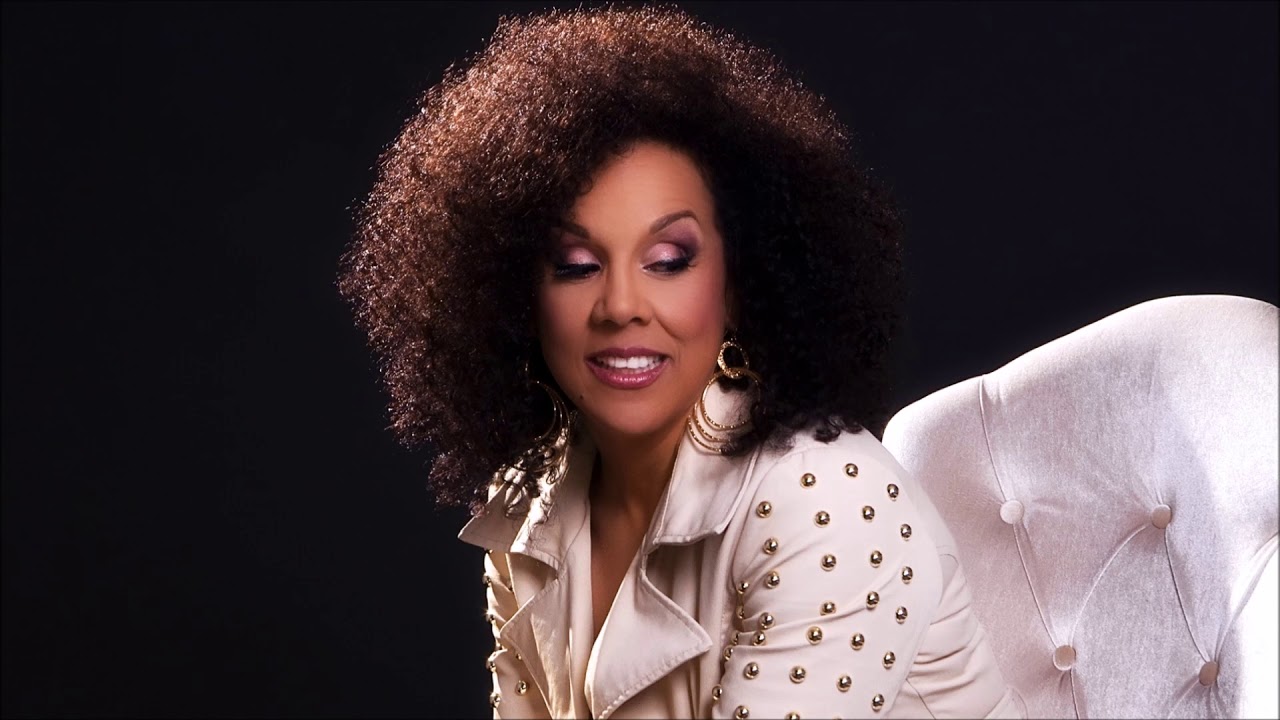
Music video by Sylvie DesGroseilliers performing Tribute to Whitney Houston
© 2017 PUR Records. A division of PURCOM Entertainment Group Inc. All rights reserved.
Disponible maintenant / Available now : https://pur-records.lnk.to/womenofsoul
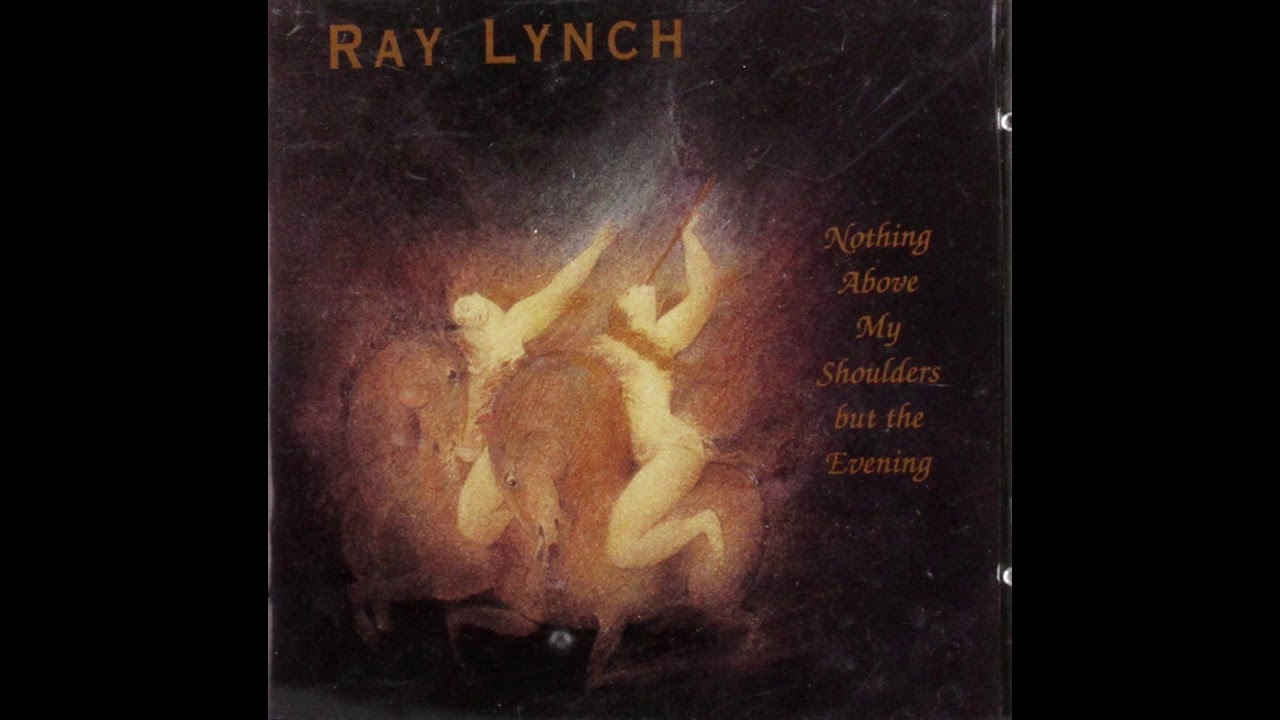
Raymond "Ray" Lynch (born July 3, 1943) is an American guitarist, lutenist, keyboardist, and composer. He began his musical career in 1967 by performing in The Renaissance Quartet in New York City before leaving in 1974 and giving up his musical career. During his hiatus, Lynch studied with his spiritual teacher, Adi Da, who would ultimately encourage him to return to music. Lynch produced many albums during the 1980s and 1990s, including Deep Breakfast, No Blue Thing, and Nothing Above My Shoulders but the Evening.
Album: Nothing Above My Shoulders but the Evening
Label: Windham Hill Records
Released: 1993
Genre: new age, adult alternative, classical
http://www.raylynch.com

El Juego de Ender 2
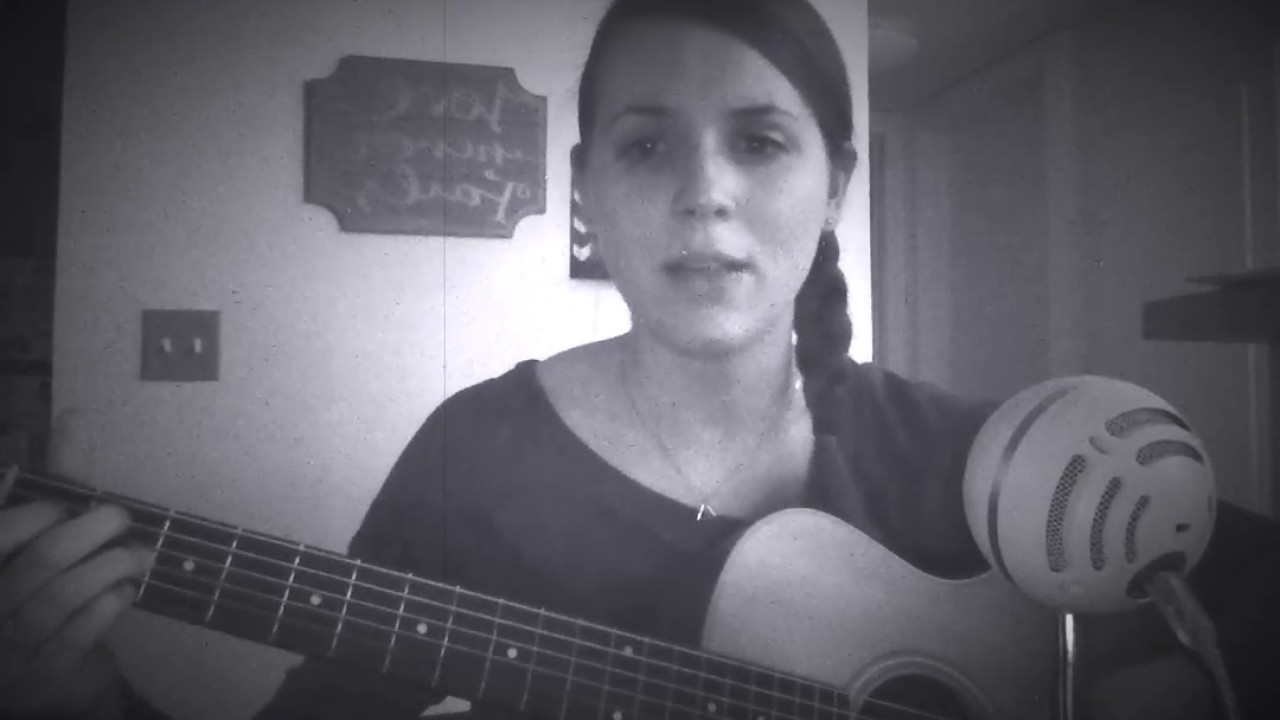
I learned this song from attending Novenas with my lovely Hispanic community. Novenas are beautiful traditional gatherings during the first days of December in which the rosary is prayed, and in the Latino tradition, a lot of delicious food is shared. :) I find this song very calming and moving, and I hope you enjoy it as much as I do.
Lyrics // Letras
Madre óyeme, mi plegaria es un grito en la noche
Madre guíame en la noche de mi juventud
Madre sálvame, mil peligros acechan mi vida
Madre lléname, de esperanza, de amor y de fe.
Madre guíame, en las sombras no encuentro el camino
Madre llévame, que a tu lado feliz estaré
La la la la la la la la…
Madre una flor, una flor con espinas que es bella
Madre un amor, un amor que ha empezado a nacer
Madre sonreír, sonreír aunque llore en el alma
Madre construir, caminar aunque vuelva a caer.
Madre solo soy el anhelo y la carne que lucha
Madre tuyo soy, en tus manos me vengo a poner

I was the first person to release the restored audio, it was leaked and it's everywhere but my own channel. Enjoy a Whitney on FIRE!!!

-Si quieres aportar tu granito de arena :3 http://goo.gl/Bei11A
-Sígueme en twitter: https://twitter.com/wineMFN
-Canción: ALEXA - Fantasy (Sokko Remix) https://www.youtube.com/watch?v=PJpaK3Cu85k
----------------------------------------------------------------------------------------------------------
Wine y ZarpasSucias han vuelto después de más de un mes sin saber nada de ellos........BIEN!!!!! Esta vez se enfrontarán a su mismísimo creador el cual los fastidiará un poco poniéndoles voces de niño pequeño y de Pacheco Cara Floja XD. Si te gusta el vídeo no olvides de dar un buen like, saludos ;D

-INSTAGRAM: https://www.instagram.com/wine_xd/
-TWITCH: https://www.twitch.tv/winegames (Fornite,Minecraft...)
-TWITTER: https://twitter.com/wineMFN
-CANCIÓN: Whitney Houston - I Wanna Dance With Somebody
Después de tres meses, ZarpasSucias, PeloOveja, Las gallinas, los conejos y un nuevo gato vuelven al canal. Espero que lo disfrutéis y lo apoyéis con un LIKE!!! Gracias ;D

-Si quieres aportar tu granito de arena :3 http://goo.gl/Bei11A
-Sígueme en twitter: https://twitter.com/wineMFN
----------------------------------------------------------------------
Seguimos después de tres meses con nuestro tan apreciado SurvivalAbsurdo XD esta vez vamos a la búsqueda de un nuevo amigo, un GATO!!!!! BIEN!!!!!!!
Espero que os guste ;D

"Human Nature" is an R&B song by American recording artist Michael Jackson. It was written by Steve Porcaro and John Bettis, and produced by Quincy Jones for the singer's sixth solo album, Thriller (1982). Initially, Porcaro had recorded a rough demo of the song on a cassette, which was then given to Jones. Enjoying the demo, Jones had the ballad included on the Thriller album. The song was the last selected for the album, ousting "Carousel" from the final track listing.
"Human Nature" was released on July 3, 1983, as the album's fifth single. Although not released in the UK, the song achieved moderate chart success in the US. Reaching number two on Billboard's Hot Adult Contemporary chart and number seven on the Hot 100, the song became Jackson's fifth Top 10 hit from Thriller. In New Zealand the single reached number 11. The ballad garnered many positive reviews from music critics. "Human Nature" has been covered and sampled by numerous artists, including Miles Davis, SWV, Nas, Jason Nevins and Boyz II Men.

Hoy os traigo unas pardidas a skywars en el server MineLC, espero que os gusten y dejad vuestros likes si quereis más :D
--------------------------------------------------------------------------------------
Sígueme en twitter: https://twitter.com/wineMFN
Ip Server: Play.minelc.com
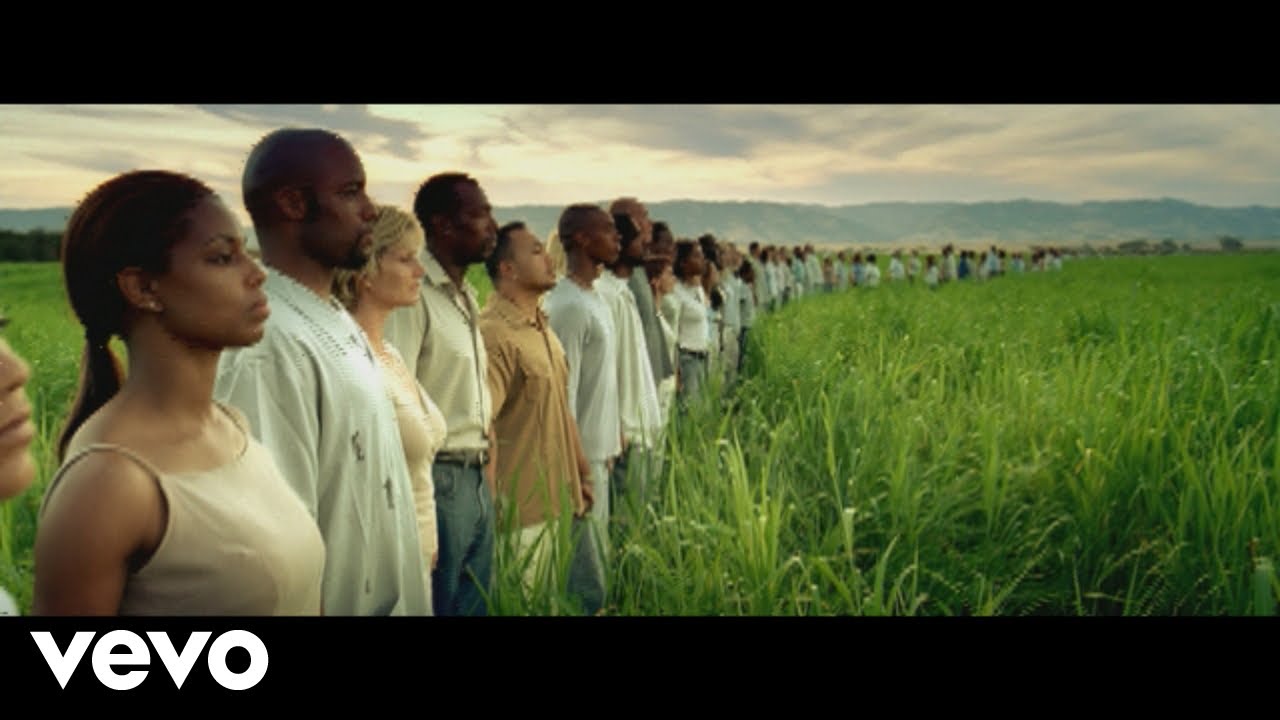
Michael Jackson's simple, impactful "Cry" short film features people of different ages and ethnic backgrounds holding hands across natural landmarks in California and Nevada, representing the song's message of unity and harmony.
Buy/Listen to Invincible - https://michaeljackson.lnk.to/invincible!cry
Written and Composed by R. Kelly
Produced by Michael Jackson for MJJ Productions, Inc. and R. Kelly
Executive Producer: Michael Jackson for MJJ Productions, Inc.
From the album Invincible, released October 30, 2001
Released as a single December 3, 2001
THE SHORT FILM
Director: Nicholas Brandt
Production Locations: Squaw Valley/Lake Tahoe, Nevada; Mare Island Bridge/Vallejo, California; San Francisco, California; Petaluma, California; Pescadero State Beach, California; The Redwood National Forest, California
Michael Jackson's short film for "Cry" was one of two short films produced for recordings from Invincible, Michael's sixth album as an adult solo performer. As a single, "Cry" reached the Top 40 in six countries, including the United Kingdom, Spain, France and The Netherlands.
The simple, impactful "Cry" short film features people of different ages and ethnic backgrounds holding hands across natural landmarks in California and Nevada, in keeping with the song's message of unity and harmony. As with the short film to "Heal the World," Michael does not appear in "Cry."
Follow the Official Michael Jackson Accounts:
Spotify - https://MichaelJackson.lnk.to/invincibleSI!ytcry
Facebook - https://MichaelJackson.lnk.to/invincibleFI!ytcry
Twitter - https://MichaelJackson.lnk.to/invincibleTI!ytcry
Instagram - https://MichaelJackson.lnk.to/invincibleII!ytcry
Website - https://MichaelJackson.lnk.to/invincibleWI!ytcry
Newsletter - https://MichaelJackson.lnk.to/invincibleNI!ytcry
YouTube - https://MichaelJackson.lnk.to/invincibleYI!ytcry

The definitive answer about the direction water swirls in two hemispheres
Sync the videos yourself: http://toiletswirl.com
For the record Destin and I repeated the experiment 3-4 times each in each hemisphere and got the same results every time.
The idea that water going down a drain or flushed down a toilet swirls in opposite directions in the Northern and Southern Hemispheres has a long history. But few have ever done the experiment. Destin from Smarter Every Day and I performed identical experiments in the Northern and Southern hemispheres. What we found is the direction of water swirl in a toilet, sink, or bathtub is determined by other sources of angular momentum. However if the body of water is big enough, e.g. a kiddy pool, and left still for long enough (at least 24 hours), then the Coriolis effect is observable with water swirling counterclockwise in the Northern hemisphere and clockwise in the Southern hemisphere.
Veritasium on Instagram: http://instagram.com/veritasium
Patreon Support Link: http://www.patreon.com/veritasium
Twitter: http://twitter.com/veritasium
http://www.facebook.com/veritasium
Smarter Every Day Instagram: http://instagram.com/smartereveryday
Patreon Support Link: http://www.patreon.com/smartereveryday
Twitter: http://twitter.com/smartereveryday
www.facebook.com/SmarterEveryDay
Gordon McGladdery did all of the sound design for the video. We used two songs from other artists (licensed of course). Derek split the first one up so it fades from video to video, and Gordon split the instruments up on the second one. There are violins on one video and percussion on the other for example. It's really neat.
The neat earth animation at the beginning and the synchronizing timer was made by http://eisenfeuer.com/. He also made still images of the earth from the top and the bottom.
Thanks to Vanessa for filming in Sydney: http://youtube.com/braincraftvideo
MORE INFO:
There was a study performed at MIT years ago (http://web.mit.edu/hml/ncfmf/09VOR.pdf) that explained the physics involved. We repeated some of these demonstrations, but on opposite sides of the globe…and in a way that can be easily understood.
This site is a great resource on the Coriolis effect and ways people have gotten it wrong:
http://www.ems.psu.edu/~fraser/Bad/Ba...

Canal de Dracohappygamer: https://www.youtube.com/channe....l/UCisqMA7GpGMJ-P6Oc
--------------------------------------------------------------------------------------
Sígueme en twitter: https://twitter.com/wineMFN

Se trata de hacer un pistón en el menor tiempo posible :D, mi marca está en 7 minutos, alguien que me supere.......XD
-----------------------------------------------------------------------------------------------
Sígueme en twitter: https://twitter.com/wineMFN
-----------------------------------------------------------------------------------------------
Link música: http://www.youtube.com/watch?v=L8cdSo4hQE4