Top Vídeos
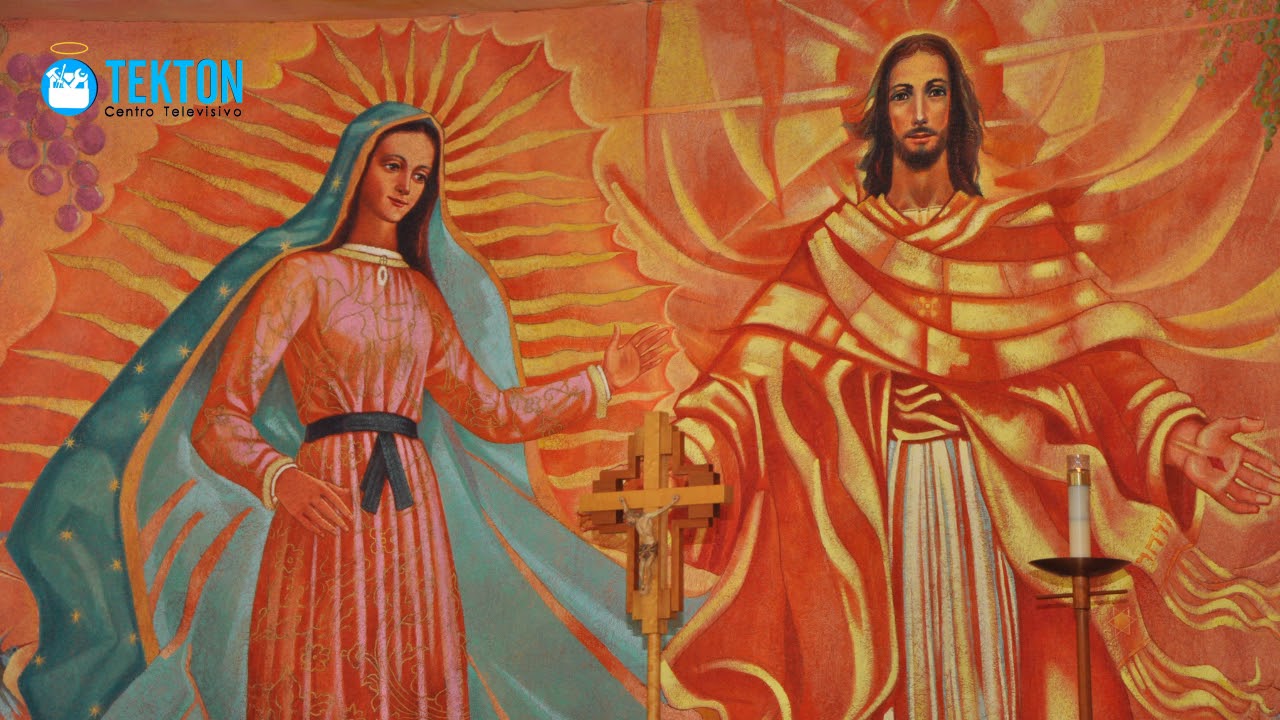
¿La IGLESIA CATÓLICA es idolatra por permitir arrodillarse delante de una imagen?
TEKTON NECESITA TU APOYO PARA CONTINUAR CON SU LABOR APOSTÓLICA Y CARITATIVA, SI PUEDES HACERNOS UN DONATIVO TIENES DOS FORMAS:
HAZTE PATROCINADOR: https://www.patreon.com/CTtekton
DONATIVO A TRAVÉS DE LA WEB: https://www.tekton.info/hacer-caridad/
OTRAS REDES SOCIALES
Web: https://www.tekton.info/
San José de tekton: https://www.youtube.com/channe....l/UCEy0tevPx3RayM5PA
Instagram Tekton: https://www.instagram.com/prod....uctoratekton/?hl=es-
Instagram Marcos: https://www.instagram.com/marcosveraperez/?hl=es
Twitter: https://twitter.com/productoratekto
Twitter Marcos: https://twitter.com/marcosveraprez1?lang=es
Tekton es un canal de youtube católico nacido en Barcelona (España), puedes encontrar noticias relacionadas con la Iglesia Católica, y recursos de otro tipo como formación católica, oraciones, música católica, vídeos del Papa Francisco, curiosidades, vidas de Santos, el Evangelio del día, y otras muchas cosas más. No dudes en entrar y ver el contenido que sin duda te gustará
Instagram de Marcos Vera: https://www.instagram.com/marcosveraperez/
Twitter de Marcos Vera: https://twitter.com/MarcosVeraPrez1
Twitter de Jesus Sellas: https://twitter.com/JesusSellas
Hacer un donativo: https://www.tekton.info/hacer-caridad/
Tienda de merchandising de Tekton: https://teespring.com/stores/t....ekton-centro-televis
Web: http://www.tekton.info
Facebook: https://www.facebook.com/productoratekton/
Twitter: https://twitter.com/productoratekto?s=09
Instagram: https://www.instagram.com/productoratekton/
Google+: https://plus.google.com/u/1/+T....ektonTekton?hl=es-41
#Tekton
#TektonCentroTelevisivo
#TektonYouTube
#CanalCatolicoYouTube

Adviento - Domingo III (Ciclo B)
SALMO Lc 1, 46-48. 49-50. 53-54
D A Bm G
R. Mi alma se regocija en mi Dios.
D A
Mi alma canta la grandeza del Señor,
G D
y mi espíritu se estremece de gozo en Dios, mi Salvador,
D A
porque el miró con bondad la pequeñez de su servidora.
G D
En adelante todas las generaciones me llamarán feliz. R.
Porque el Todopoderoso ha hecho en mí grandes cosas:
su Nombre es santo!
Su misericordia se extiende de generación en generación
sobre aquellos que lo temen. R.
Colmó de bienes a los hambrientos
y despidió a los ricos con las manos vacías.
Socorrió a Israel, su servidor,
acordándose de su misericordia. R.
______________________________
Athenas - Voz y Composición
Tobías Buteler - Piano y Composición
Francesco Mazza - Producción musical
Buenos Aires 2017
Tiempo Ordinario, Domingo XXXIII (Ciclo A)
SALMO Sal 127, 1-5 (R.: cf. 1a)
C F Am G
R. ¡Feliz quien ama al Señor!
C Am
¡Feliz el que teme al Señor
F G
y sigue sus caminos!
C Am
Comerás del fruto de tu trabajo,
F G
serás feliz y todo te irá bien. R.
Tu esposa será como una vid fecunda
en el seno de tu hogar;
tus hijos, como retoños de olivo
alrededor de tu mesa. R.
¡Así será bendecido el hombre que teme al Señor!
¡Que el Señor te bendiga desde Sión
todos los días de tu vida:
que contemples la paz de Jerusalén! R.
Athenas - Voz y Composición
Tobías Buteler - Piano y Composición
Francesco Mazza - Producción musical
Buenos Aires 2017

BMW - Caravelli - La Colegiala
01- Porque Te Vas
02- L'Italiano
03- La Colegiala
04- Les Marionnettes
05- IL Tape Sur Des Bambous
06- Le Prix des Allumettes
07- El Cumbanchero
08- Borriquito
09- Taka Taka Ta
10- Reverie
11- Elsa
12- Ma Jeunesse Fout Le Camp

"Hold Me Now" is a song by British band the Thompson Twins. Written by the band members, the song was produced by Alex Sadkin and the group's lead vocalist Tom Bailey. The song is a mid-tempo pop song that uses a varied instrumentation, including synthesizers, a xylophone, a piano and Latin percussion. It was released in November 1983 as the first single of their fifth studio album, Into the Gap.
Released in the United Kingdom in late 1983, the song peaked at number four on the UK Singles Chart in November of that year and was certified gold by the British Phonographic Industry (BPI) in 1983, becoming the band's biggest-selling single, and their first top five in that country. The song was released in the United States in February 1984 and became the band's highest charting single there, peaking at number three on the Billboard Hot 100 in May, remaining on the chart for 21 weeks. In addition, the song topped Billboard's Hot Dance Club Play chart for one week in April 1984.
Reelin’ In The Years Productions has available for licensing over 20,000 hours of music footage spanning 90 years. Additionally, we have more than 7,000 of hours of in-depth interviews with the 20th century’s icons of Film and Television, Politics, Comedy, Literature, Art, Science, Fashion and Sports.
To search for footage please visit our online database at http://reelinintheyears.com. Note: these clips are available on YouTube for producers, directors, researchers and clearance companies for potential use in their projects. Our website on the screen is to protect the footage from being used without our consent and so industry professionals can find us to properly license the footage.

Se X Factor på TV 2 PLAY: https://play.tv2.dk/programmer..../underholdning/tv-sh
Få nyheder og se flere klip på http://xfactor.tv2.dk
Facebook: https://link.tv2.dk/XFactorFacebook
Instagram: https://link.tv2.dk/XFactorInstagram

Watch our great music videos ❯ https://goo.gl/feVLNN
More TopPop? Subscribe here ❯ https://goo.gl/aICMxi
More info on Wikipedia ❯ https://en.wikipedia.org/wiki/TopPop
Broadcast date: 1983-03-05
This is to let you know that the video recording of the video clip was originally recorded by AVROTROS Broadcasting. AVROTROS Broadcasting hereby warrants and represents that it is the sole and exclusive owner of the physical film and/or videotape footage in this video clip.
The performance of the artist(s) in the clip was filmed and recorded with the written consent of the artist(s) and their representatives.
AVROTROS is a Dutch radio and television broadcaster, founded in 2014 from a merger of AVRO and TROS. From January 1st, 2014 the name of the merged broadcaster was used in joint programmes. AVRO was founded in 1923 as the Netherlands first public broadcaster. TROS started broadcasting in 1964. Toppop was a weekly AVRO pop program that was aired between 1970 and 1988.
AVROTROS Broadcasting
PO Box 2
1200 JA Hilversum
The Netherlands
TopPop was the first regular dedicated pop music TV show in the Dutch language area. Dutch broadcaster AVRO aired the programme weekly, from 1970 to 1988. Presenter Ad Visser hosted the show for its first fifteen years.
World famous music artists performed on TopPop: ABBA, 10CC, Bee Gees, The Jacksons with Michael Jackson, David Bowie, Earth & Fire, Queen, Golden Earring, Boney M, KC & The Sunshine Band, Chic, Donna Summer and many many more.

You're watching the official music video for Kajagoogoo - "Turn Your Back On Me" from the 1984 album 'Islands'. After Kajagoogoo, former lead singer Limahl went on to score a hit with "The Never Ending Story", which was recently featured in Stranger Things Season 3!
Subscribe to the Rhino Channel! http://bit.ly/SubscribeToRHINO
Check Out Our Favorite Playlists:
Rhino Favorite 100 http://bit.ly/RhinoFavorite100
80s Hits http://bit.ly/80sMusicHits
Classic Rock http://bit.ly/ClassicRockFavorites
Stay connected with RHINO on...
Facebook https://www.facebook.com/RHINO/
Instagram https://www.instagram.com/rhino_records
Twitter https://twitter.com/Rhino_Records
https://www.rhino.com/
RHINO is the official YouTube channel of the greatest music catalog in the world. Founded in 1978, Rhino is the world's leading pop culture label specializing in classic rock, soul, and 80's and 90's alternative. The vast Rhino catalog of more than 5,000 albums, videos, and hit songs features material by Warner Music Group artists such as Van Halen, Madonna, Duran Duran, Aretha Franklin, Ray Charles, The Doors, Chicago, Black Sabbath, John Coltrane, Yes, Alice Cooper, Linda Ronstadt, The Ramones, The Monkees, Carly Simon, and Curtis Mayfield, among many others. Check back for classic music videos, live performances, hand-curated playlists, the Rhino Podcast, and more!

Baba sings verses - Khanda Kandanthara Khanda Kandanthara Khyathi Narchinchina Mahaniyulanu Kanna Mathru Bhumi Paschathya Virula Paradrolinchiyu Swathanthramunu Kanna Samara Bhumi Sangitha Sahithya Shasthriya Vidyalandu Dhishakthi Chupina Divya Bhumi Chitra Kalala Thoda Chitra Kalala Thoda Chitramai Yunnatti Bharatha Bhumi Nandu Jananamundi Bharatha Matha Dharma Bhagyammu Kapada Bhajvathanthayu Mide Bhakthulara Bharatha Matha Dharma Bhagyammu Kapada Bhijvathanthayu Mide Bhakthulara Bhijvathanthayu Mide Bhakthulara This motherland (India) has begotten sons who have earned reputation in continents far and wide. This valorous land has produced warriors who earned freedom for the land by driving away the foreigners. This divine land had shown exellence in the fields of music and literature. O devotees! It is entirely your responsibility to uphold the righteousness of the land having been born in that land which is varied with its finesse of art and architecture. Баба поёт стихи - "Воплощение любви", диск 1 1. Кханда кандантхара Кханда кандантхара кхьятхи нарчинчина Маханиюлану канна матру бхуми Пасчатхья вирула парадролинчию Сватхантхрамуну канна самара бхуми Сангитха сахитхья шастрия видьяланду Дхишакти чупина дивья бхуми Читра калала тхода читра калала тхода Читрамаи юннатти Бхарата бхуми нанду джананамунди Бхарата мата дхарма бхагьямму капада Бхаджватхантхаю миде бхактулара Бхарата мата дхарма бхагьямму капада Бхиджватхантхаю миде бхактулара Бхиджватхантхаю миде бхактулара Эта родина (Индия) дала рождение сыновьям, которые заслужили добрую славу во всём мире. Эта доблестная земля породила воинов, которые завоевали свободу для этой земли, изгнав чужеземцев-захватчиков. Эта божественная земля продемонстрировала выдающееся мастерство в областях музыки и литературы. О преданные! Именно на вас, рождённых на этой земле, лежит вся ответственность за то, чтобы утверждать праведность на этой земле, где столько совершенства в разнообразных искусствах и архитектуре.

Sai Yoshua Papi Julio Mama Felicia Familia Rodriguez Misa de fin de Año 2019
Song: Silver Moon
Artist: Kitaro
Album: Best of Kitaro
Year: 1985
Credits:
Composed By – Kitaro
Design – Takashi Inui
Executive-Producer – Kimio Ariumi, Moko Nanri
Illustration – Koichi Kubodera
Producer – Takayo Nanri
Typography – Irmgard Voigt

Album: Afro Mania

Artificial light makes the modern world possible. But not all kinds of light are good for us. Electric light has fundamentally altered our lives, our bodies and the very nature of our sleep.
SUBSCRIBE: http://goo.gl/8NwXqt
Funding for Deep Look is provided in part by PBS Digital Studios and the John S. and James L. Knight Foundation. Deep Look is a project of KQED Science, which is supported by HopeLab, The David B. Gold Foundation; S. D. Bechtel, Jr. Foundation; The Dirk and Charlene Kabcenell Foundation; The Vadasz Family Foundation; Smart Family Foundation and the members of KQED.
#deeplook
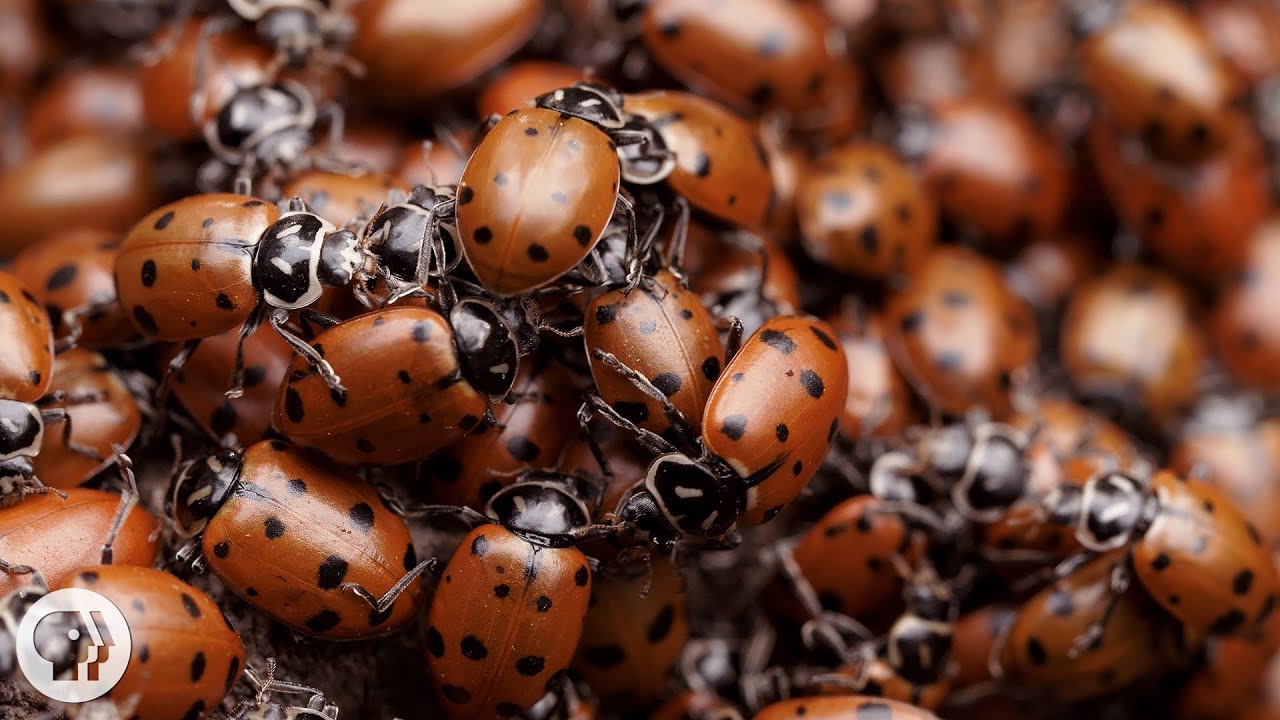
Ladybugs spend most of their lives alone, gorging themselves on aphids. But every winter they take to the wind, soaring over cities and fields to assemble for a ladybug bash. In these huge gatherings, they'll do more than hibernate-it's their best chance to find a mate.
SUBSCRIBE to Deep Look! http://goo.gl/8NwXqt
DEEP LOOK: an ultra-HD (4K) short video series created by KQED San Francisco and presented by PBS Digital Studios. See the unseen at the very edge of our visible world. Get a new perspective on our place in the universe and meet extraordinary new friends. Explore big scientific mysteries by going incredibly small.
Read more on ladybugs:
http://ww2.kqed.org/science/20....16/02/09/the-once-in
Where do ladybugs live?
In California, ladybugs spend most of the year on crops in the Central Valley, or on domestic garden plants, feeding on aphids. When the weather starts to turn chilly, however, the aphids die off in the cold. With food becoming scarce, the ladybugs take off, flying straight up. The wind picks them up and carries them on their way, toward hills in the Bay Area and coastal mountain ranges.
What do ladybugs eat?
Ladybugs spend most of the year on crops or on domestic garden plants, feeding on aphids.
Are ladybugs insects?
Ladybugs belong to the order Coleoptera, or beetles. Europeans have called these dome-backed beetles by the name ladybirds, or ladybird beetles, for over 500 years. In America, the name ladybird was replaced by ladybug. Scientists usually prefer the common name lady beetles.
Why are some ladybugs red?
The red color is to signal to predators that they are toxic. "They truly do taste bad. In high enough concentrations, they can be toxic," said Christopher Wheeler, who studied ladybug behavior for his Ph.D. at UC Riverside.
More great Deep Look episodes on biology:
Where Are the Ants Carrying All Those Leaves?
https://youtu.be/-6oKJ5FGk24
Watch Flesh-Eating Beetles Strip Bodies to the Bone:
https://youtu.be/Np0hJGKrIWg
Nature's Scuba Divers: How Beetles Breathe Underwater:
https://youtu.be/T-RtG5Z-9jQ
See also another great video from the PBS Digital Studios!
It's Okay to Be Smart: Why Seasons Make No Sense
https://youtu.be/s0oX9YJ5XLo
If you're in the San Francisco Bay Area, In the Bay Area, one of the best places to view ladybug aggregations is Redwood Regional Park in Oakland. Between November and February, numerous points along the park's main artery, the Stream Trail, are swarming with the insects.
http://www.ebparks.org/parks/redwood
KQED Science: http://www.kqed.org/science
Tumblr: http://kqedscience.tumblr.com
Twitter: https://www.twitter.com/kqedscience
Funding for Deep Look is provided in part by PBS Digital Studios and the John S. and James L. Knight Foundation. Deep Look is a project of KQED Science, which is also supported by HopeLab, the David B. Gold Foundation, the S. D. Bechtel, Jr. Foundation, the Dirk and Charlene Kabcenell Foundation, the Vadasz Family Foundation, the Gordon and Betty Moore Foundation, the Smart Family Foundation and the members of KQED.
#deeplook
TEKTON NECESITA TU APOYO PARA CONTINUAR CON SU LABOR APOSTÓLICA Y CARITATIVA, SI PUEDES HACERNOS UN DONATIVO TIENES DOS FORMAS:
HAZTE PATROCINADOR: https://www.patreon.com/CTtekton
DONATIVO A TRAVÉS DE LA WEB: https://www.tekton.info/hacer-caridad/
OTRAS REDES SOCIALES
Web: https://www.tekton.info/
San José de tekton: https://www.youtube.com/channe....l/UCEy0tevPx3RayM5PA
Instagram Tekton: https://www.instagram.com/prod....uctoratekton/?hl=es-
Instagram Marcos: https://www.instagram.com/marcosveraperez/?hl=es
Twitter: https://twitter.com/productoratekto
Twitter Marcos: https://twitter.com/marcosveraprez1?lang=es
Tekton es un canal de youtube católico nacido en Barcelona (España), puedes encontrar noticias relacionadas con la Iglesia Católica, y recursos de otro tipo como formación católica, oraciones, música católica, vídeos del Papa Francisco, curiosidades, vidas de Santos, el Evangelio del día, y otras muchas cosas más. No dudes en entrar y ver el contenido que sin duda te gustará
Instagram de Marcos Vera: https://www.instagram.com/marcosveraperez/
Twitter de Marcos Vera: https://twitter.com/MarcosVeraPrez1
Twitter de Jesus Sellas: https://twitter.com/JesusSellas
Hacer un donativo: https://www.tekton.info/hacer-caridad/
Tienda de merchandising de Tekton: https://teespring.com/stores/t....ekton-centro-televis
Web: http://www.tekton.info
Facebook: https://www.facebook.com/productoratekton/
Twitter: https://twitter.com/productoratekto?s=09
Instagram: https://www.instagram.com/productoratekton/
Google+: https://plus.google.com/u/1/+T....ektonTekton?hl=es-41
#Tekton
#TektonCentroTelevisivo
#TektonYouTube
#CanalCatolicoYouTube

13 hechos sorprendentes del gran papa Juan Pablo II que debes conocer
TEKTON NECESITA TU APOYO PARA CONTINUAR CON SU LABOR APOSTÓLICA Y CARITATIVA, SI PUEDES HACERNOS UN DONATIVO TIENES DOS FORMAS:
HAZTE PATROCINADOR: https://www.patreon.com/CTtekton
DONATIVO A TRAVÉS DE LA WEB: https://www.tekton.info/hacer-caridad/
OTRAS REDES SOCIALES
Web: https://www.tekton.info/
San José de tekton: https://www.youtube.com/channe....l/UCEy0tevPx3RayM5PA
Instagram Tekton: https://www.instagram.com/prod....uctoratekton/?hl=es-
Instagram Marcos: https://www.instagram.com/marcosveraperez/?hl=es
Twitter: https://twitter.com/productoratekto
Twitter Marcos: https://twitter.com/marcosveraprez1?lang=es
Tekton es un canal de youtube católico nacido en Barcelona (España), puedes encontrar noticias relacionadas con la Iglesia Católica, y recursos de otro tipo como formación católica, oraciones, música católica, vídeos del Papa Francisco, curiosidades, vidas de Santos, el Evangelio del día, y otras muchas cosas más. No dudes en entrar y ver el contenido que sin duda te gustará
Instagram de Marcos Vera: https://www.instagram.com/marcosveraperez/
Twitter de Marcos Vera: https://twitter.com/MarcosVeraPrez1
Twitter de Jesus Sellas: https://twitter.com/JesusSellas
Hacer un donativo: https://www.tekton.info/hacer-caridad/
Tienda de merchandising de Tekton: https://teespring.com/stores/t....ekton-centro-televis
Web: http://www.tekton.info
Facebook: https://www.facebook.com/productoratekton/
Twitter: https://twitter.com/productoratekto?s=09
Instagram: https://www.instagram.com/productoratekton/
Google+: https://plus.google.com/u/1/+T....ektonTekton?hl=es-41
#Tekton
#TektonCentroTelevisivo
#TektonYouTube
#CanalCatolicoYouTube
Impresionante sermón de San Juan Maria Vianney sobre los cristianos tibios
TEKTON NECESITA TU APOYO PARA CONTINUAR CON SU LABOR APOSTÓLICA Y CARITATIVA, SI PUEDES HACERNOS UN DONATIVO TIENES DOS FORMAS:
HAZTE PATROCINADOR: https://www.patreon.com/CTtekton
DONATIVO A TRAVÉS DE LA WEB: https://www.tekton.info/hacer-caridad/
OTRAS REDES SOCIALES
Web: https://www.tekton.info/
San José de tekton: https://www.youtube.com/channe....l/UCEy0tevPx3RayM5PA
Instagram Tekton: https://www.instagram.com/prod....uctoratekton/?hl=es-
Instagram Marcos: https://www.instagram.com/marcosveraperez/?hl=es
Twitter: https://twitter.com/productoratekto
Twitter Marcos: https://twitter.com/marcosveraprez1?lang=es
Tekton es un canal de youtube católico nacido en Barcelona (España), puedes encontrar noticias relacionadas con la Iglesia Católica, y recursos de otro tipo como formación católica, oraciones, música católica, vídeos del Papa Francisco, curiosidades, vidas de Santos, el Evangelio del día, y otras muchas cosas más. No dudes en entrar y ver el contenido que sin duda te gustará
Instagram de Marcos Vera: https://www.instagram.com/marcosveraperez/
Twitter de Marcos Vera: https://twitter.com/MarcosVeraPrez1
Twitter de Jesus Sellas: https://twitter.com/JesusSellas
Hacer un donativo: https://www.tekton.info/hacer-caridad/
Tienda de merchandising de Tekton: https://teespring.com/stores/t....ekton-centro-televis
Web: http://www.tekton.info
Facebook: https://www.facebook.com/productoratekton/
Twitter: https://twitter.com/productoratekto?s=09
Instagram: https://www.instagram.com/productoratekton/
Google+: https://plus.google.com/u/1/+T....ektonTekton?hl=es-41
#Tekton
#TektonCentroTelevisivo
#TektonYouTube
#CanalCatolicoYouTube
ALERTA: El diablo existe y quiere llevarnos al infierno
TEKTON NECESITA TU APOYO PARA CONTINUAR CON SU LABOR APOSTÓLICA Y CARITATIVA, SI PUEDES HACERNOS UN DONATIVO TIENES DOS FORMAS:
HAZTE PATROCINADOR: https://www.patreon.com/CTtekton
DONATIVO A TRAVÉS DE LA WEB: https://www.tekton.info/hacer-caridad/
OTRAS REDES SOCIALES
Web: https://www.tekton.info/
San José de tekton: https://www.youtube.com/channe....l/UCEy0tevPx3RayM5PA
Instagram Tekton: https://www.instagram.com/prod....uctoratekton/?hl=es-
Instagram Marcos: https://www.instagram.com/marcosveraperez/?hl=es
Twitter: https://twitter.com/productoratekto
Twitter Marcos: https://twitter.com/marcosveraprez1?lang=es
Tekton es un canal de youtube católico nacido en Barcelona (España), puedes encontrar noticias relacionadas con la Iglesia Católica, y recursos de otro tipo como formación católica, oraciones, música católica, vídeos del Papa Francisco, curiosidades, vidas de Santos, el Evangelio del día, y otras muchas cosas más. No dudes en entrar y ver el contenido que sin duda te gustará
Instagram de Marcos Vera: https://www.instagram.com/marcosveraperez/
Twitter de Marcos Vera: https://twitter.com/MarcosVeraPrez1
Twitter de Jesus Sellas: https://twitter.com/JesusSellas
Hacer un donativo: https://www.tekton.info/hacer-caridad/
Tienda de merchandising de Tekton: https://teespring.com/stores/t....ekton-centro-televis
Web: http://www.tekton.info
Facebook: https://www.facebook.com/productoratekton/
Twitter: https://twitter.com/productoratekto?s=09
Instagram: https://www.instagram.com/productoratekton/
Google+: https://plus.google.com/u/1/+T....ektonTekton?hl=es-41
#Tekton
#TektonCentroTelevisivo
#TektonYouTube
#CanalCatolicoYouTube
Domingo II después de Navidad
SALMO 147, 12-15. 19-20
A E
R. La Palabra se hizo carne y habitó entre nosotros.
A
¡Glorifica al Señor, Jerusalén,
B C#m
alaba a tu Dios, Sión!
A
Él reforzó los cerrojos de tus puertas
B C#m
y bendijo a tus hijos dentro de ti. R.
El asegura la paz en tus fronteras
y te sacia con lo mejor del trigo.
Envía su mensaje a la tierra,
su palabra corre velozmente. R.
Revela su palabra a Jacob,
sus preceptos y mandatos a Israel:
a ningún otro pueblo trató así
ni le dio a conocer sus mandamientos. R.
Athenas - Voz y composición
Tobías Buteler - Piano y Composición
Francesco Mazza - Producción Musical