Top Vídeos

Chip And Dale Pato Donald Em Español Capitulos 2016 - Chip Y Dale Rescatadores Latino M | Part 139
Chip And Dale Pato Donald Em Español Capitulos 2016 - Chip Y Dale Rescatadores Latino M | Part 139
Pato Donald Em Español Capitulos 2016 - Chip Y Dale Rescatadores Latino
El Pato Donald (Donald Duck en el inglés original) es un personaje de Disney, caracterizado como un pato blanco antropomórfico de ojos celestes, percent, piernas y pies anaranjados. Generalmente viste una camisa de estilo marinero y un sombrero, sin pantalones, excepto cuando va a nadar. Respecto a su personalidad, Donald suele intentar ver las cosas con positivismo y alegría (aunque muchas veces acaba montando en cólera cuando se le tuercen las cosas). Uno de sus movimientos más característicos es su singular manera de saltar sobre uno de sus pies cuando se enfada, a l. a. vez que grita de manera incoherente.
Thanks for watching!!
Please subcribe ,like,and proportion!!
Subscribe & More Videos: https://goo.gl/Qkwr7b
Thank for watching, Please Like Share And SUBSCRIBE!!!
#donaldduck, #patodonaldespanol

Si quieres reirte a carcajadas clic aqui ►► http://imagenesrechistosas.com

[ ⬇ SUSCRÍBETE AQUÍ ⬇]
https://www.youtube.com/channe....l/UCIGukUqYFCCF1d-Ub
MIRA MAS:
https://www.youtube.com/watch?v=PueWdHd_BTc&index=17&list=PLFIEQMczDrnBqocHtmDm3_hl0uk1953AT
[ SÍGUENOS ]
http://Twitter.com/BotToys
http://BotToys.TV
Hola Amigos de BotToys.TV, a jugar con los personajes de caricaturas de Disney en Donald Duck: Goin' Quackers (Donald Duck: Quack Attack) en Español. Daisy es capturada por Merlock y el El Pato Donald inicia el rescate en una divertida aventura con personajes de las caricaturas de Disney.
MAS VIDEOS DE LOS VENGADORES:
https://www.youtube.com/watch?v=kVdBQ3GsIoU&list=PLFIEQMczDrnAEWSH4WcMlvbtxTuqfUwAa
MAS VIDEOS DEL HOMBRE ARAÑA:
https://www.youtube.com/watch?v=PueWdHd_BTc&index=17&list=PLFIEQMczDrnBqocHtmDm3_hl0uk1953AT
Este video incluye secuencias grabadas de famosos personajes de caricaturas de Disney utilizando el juego Donald Duck: Goin' Quackers (Donald Duck: Quack Attack) para la consola retro Sega Dreamcast.

![Pato Lucas - El Hechicero [HD]](https://i.ytimg.com/vi/Nbrqb-42C08/maxresdefault.jpg)
el pato lucas el hechicero

Marvel Funko Presents: Mjolnir Mischief
Loki starts a battle with his older half-brother, Thor, and the two go staff-to-hammer on a barren, rocky planet.
---
Starring: Thor, Loki
---
Producer Kalia says, "Team Hela tbh."
#Thor #Loki #Funko #Mjolnir #Marvel #MarvelHQ

Join Kamala Khan aka Ms. Marvel aka the world's biggest Super Hero fan, and Doreen Green aka Squirrel Girl, as they put their Super Hero knowledge into this completely secret database—so long as Squirrel Girl doesn't tattle to Tippy-Toe!
---
File No. 283: Patriot | Civilian ID: Rayshaun Lucas
Notes: Easily the most tenacious of the Secret Warriors!
---
Gwen Stacy AKA Ghost-Spider, wrongly accused of a crime she didn’t commit, seeks justice and to clear her name. Unfortunately, her dad is not only Captain of the NYPD, but spearheading the manhunt!
To make matters worse, other young heroes - Ms. Marvel, Squirrel Girl, Quake and Patriot are after Ghost Spider as well. But, as the chase to uncover the truth winds down— a darker threat looms along the horizon, and very soon, these heroes will need to put aside their differences and work together as a team.
Watch Patriot in the full feature-length film "Marvel Rising: Secret Warriors" here! https://youtu.be/iNaTd-Jxr3k
And watch the Marvel Rising: Initiation shorts that started it all HERE: https://youtu.be/EWh9JyUded8
---
Cast:
Dove Cameron -- Gwen Stacy/Ghost-Spider
Kathleen Khavari – Kamala Khan/Ms. Marvel
Kamil McFadden – Rayshaun Lucas/Patriot
Chloe Bennet – Daisy Johnson/Quake
Milana Vayntrub – Doreen Green/Squirrel Girl
FOR MORE ON MARVEL RISING:
Twitter – @Marvel_Rising
https://www.twitter.com/Marvel_Rising
Facebook – @MarvelRising
https://www.facebook.com/MarvelRising
Instagram – @MarvelRising
https://www.instagram.com/MarvelRising
#MarvelPatriot #RayshaunLucas #MarvelRising #MsMarvel #SquirrelGirl #MarvelHQ #KamalaKhanfidential #DoveCameron

Watch "Marvel Rising: Secret Warriors" here! https://youtu.be/iNaTd-Jxr3k
---
Join Kamala Khan aka Ms. Marvel aka the world's biggest Super Hero fan, and Doreen Green aka Squirrel Girl, as they put their Super Hero knowledge into this completely secret database—so long as Squirrel Girl doesn't tattle to Tippy-Toe!
File No. 054: Lockjaw
Notes: He is royally cute, and adorably powerful!
In Marvel Rising: Secret Warriors, powered teens Ms. Marvel, Squirrel Girl, Quake, Patriot, America Chavez, and Inferno join forces as an unlikely, but formidable crew of aspiring heroes. When a threat no one could have expected bears down on the Marvel Universe, this ragtag, untrained band of teens have no choice but to rise together and prove to the world that sometimes the difference between a “hero” and “misfit” is just in the name.
► Subscribe to MarvelHQ for more Marvel Rising! — https://www.youtube.com/marvelhq
FOR MORE ON MARVEL RISING:
YouTube – Marvel HQ https://youtube.com/MarvelHQ
Twitter – @Marvel_Rising https://www.twitter.com/Marvel_Rising
Facebook – @MarvelRising https://www.facebook.com/MarvelRising
Instagram – @MarvelRising https://www.instagram.com/MarvelRising
Voice Cast:
Chloe Bennet -- Quake
Milana Vayntrub -- Squirrel Girl
Kathreen Khavari -- Ms. Marvel
Kamil McFadden -- Patriot
Tyler Posey -- Inferno
BooBoo Stewart -- Exile
Cierra Ramirez -- America Chavez
Kim Raver -- Captain Marvel
Ming-Na Wen -- Hala
Dee Bradley Baker -- Tippy Toe & Lockjaw
---
#MarvelRising #Lockjaw #SecretWarriors #MsMarvel #SquirrelGirl #CaptainMarvel #MarvelPatriot #Quake #MarvelHQ

Watch Ms.Marvel in the full feature-length film Marvel Rising: Secret Warriors Watch here! https://youtu.be/iNaTd-Jxr3k
Join Kamala Khan aka Ms. Marvel aka the world's biggest Super Hero fan, and Doreen Green aka Squirrel Girl, as they put their Super Hero knowledge into this completely secret database—so long as Squirrel Girl doesn't tattle to Tippy-Toe!
File No. 7712: Ms. Marvel | Civilian Identity: Kamala Khan
Notes: This Super Hero database's curator herself!
---
Gwen Stacy AKA Ghost-Spider, wrongly accused of a crime she didn’t commit, seeks justice and to clear her name. Unfortunately, her dad is not only Captain of the NYPD, but spearheading the manhunt!
To make matters worse, other young heroes - Ms. Marvel, Squirrel Girl, Quake and Patriot are after Ghost Spider as well. But, as the chase to uncover the truth winds down— a darker threat looms along the horizon, and very soon, these heroes will need to put aside their differences and work together as a team.
And watch the Marvel Rising: Initiation shorts that started it all HERE: https://youtu.be/EWh9JyUded8
---
Cast:
Dove Cameron -- Gwen Stacy/Ghost-Spider
Kathleen Khavari – Kamala Khan/Ms. Marvel
Kamil McFadden – Rayshaun Lucas/Patriot
Chloe Bennet – Daisy Johnson/Quake
Milana Vayntrub – Doreen Green/Squirrel Girl
FOR MORE ON MARVEL RISING:
Twitter – @Marvel_Rising
https://www.twitter.com/Marvel_Rising
Facebook – @MarvelRising
https://www.facebook.com/MarvelRising
Instagram – @MarvelRising
https://www.instagram.com/MarvelRising
#MsMarvel #SquirrelGirl #MarvelRising #MarvelHQ #KamalaKhanfidential #DIsneyXD #DisneyChannel #TippyToe

While pursuing a traitor to Wakanda, Black Panther discovers his sister, Princess Shuri, has been upping her game when it comes to advantageous tech.
---
The King Has Returned to Wakanda! Marvel’s Avengers: Black Panther’s Quest airs Sundays at 9PM ET/PT on Disney XD!
---
When an ancient and mysterious threat rises to destroy Wakanda, Black Panther must cast away old alliances, old rules, and old friends and chart a new course forward for himself and for the people of Wakanda. With his sister Shuri by his side, Black Panther will decide what kind of king, what kind of Avenger, and what kind of man he will be.
---
Cast:
Black Panther- James Matthis III
Shuri- Daisy Lightfoot
White Wolf- Scott Porter
Captain America- Roger Craig Smith
Iron Man- Mick Wingert
Killmonger- Keston John
Klaue- Trevor Devall
Baron Zemo- David Kaye
Madame Masque- Wynn Everett
Tiger Shark- Matthew Mercer
Bask- Ashleigh Hairston
Arnim Zola- Mark Hamill
---
#BlackPanther #Shuri #MarvelHQ #WakandaForever #BlackPanthersQuest #DisneyXD

Marvel Super Hero Adventures: Season 2, Ep 8 - That’s Why They Make Chocolate and Vanilla
WATCH More Marvel Super Hero Adventures Here: https://www.youtube.com/watch?v=c-LwOnvjXX0&list=PLNw_hEO5pK1pzbx5q5mcdpSKzHzgDSPjR
---
Spider-Girl and Spider-Man visit the ice cream shop after a long day, only to find out that someone’s melting all of the ice cream in town! The spider-heroes disagree on how to capture the villain but learn that disagreeing is okay.
Cast:
Spider-Man - Cole Howard
Spider-Girl - Gigi Saul Gurerro
Electro - Ian James Corlett
Directed by Svend Gregori
Written by David Kidd & Ron Burch
---
Our favorite crime-fighting super hero, Spider-Man, is back with more amazing adventures and, with the help of both old and new super hero friends, recounts the important lessons he’s learned along the way.
#Spidey #SpiderGirl #MarvelHQ #MarvelSuperHeroAdventures
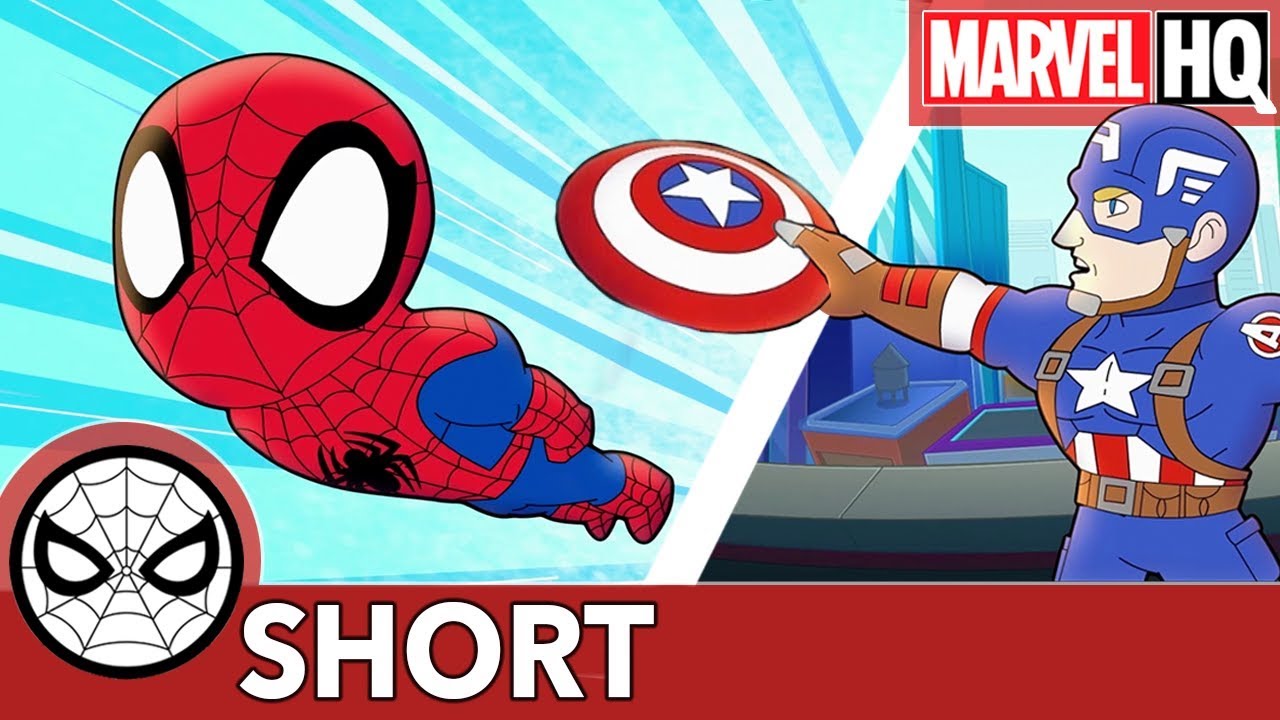
Marvel Super Hero Adventures: Season 2, Ep 5 - LISTEN
WATCH More Marvel Super Hero Adventure Here: https://www.youtube.com/watch?v=c-LwOnvjXX0&list=PLNw_hEO5pK1pzbx5q5mcdpSKzHzgDSPjR
---
Spider-Man, in an attempt to catch Green Goblin, accidentally loses Captain America’s shield and is reminded that being a better listener is part of becoming a better super hero.
Cast:
Spider-Man - Cole Howard
Green Goblin - Sam Vincent
Captain America - Michael Daingerfield
Directed by Svend Gregori
Written by David Kidd & Ron Burch
---
Our favorite crime-fighting super hero, Spider-Man, is back with more amazing adventures and, with the help of both old and new super hero friends, recounts the important lessons he’s learned along the way.
#SpiderMan #CaptainAmerica #GreenGoblin #SuperHeroAdventures #MSHA #Mittens #Cat #Spidey #Marvel #Avengers #MarvelHQ

Marvel Mash-Up: Iron Man, Episode 1 - Jarvis
The Marvel Universe is turned upside down with these humorous and unexpected takes on iconic Marvel heroes and villains - featuring classic animation with new voices and editing.
---
Guest Starring: Iron Man, Jarvis, War Machine, Howard Stark, Firebrand, Mandarin, Hulk, MODOK
---
Producer Kalia says, "I want Tony to hold me!"

Marvel Mash-Up: Iron Man, Episode 10 - Hulk
The Marvel Universe is turned upside down with these humorous and unexpected takes on iconic Marvel heroes and villains - featuring classic animation with new voices and editing.
---
Guest Starring: Iron Man, Jarvis, War Machine, Howard Stark, Firebrand, Mandarin, Hulk, MODOK
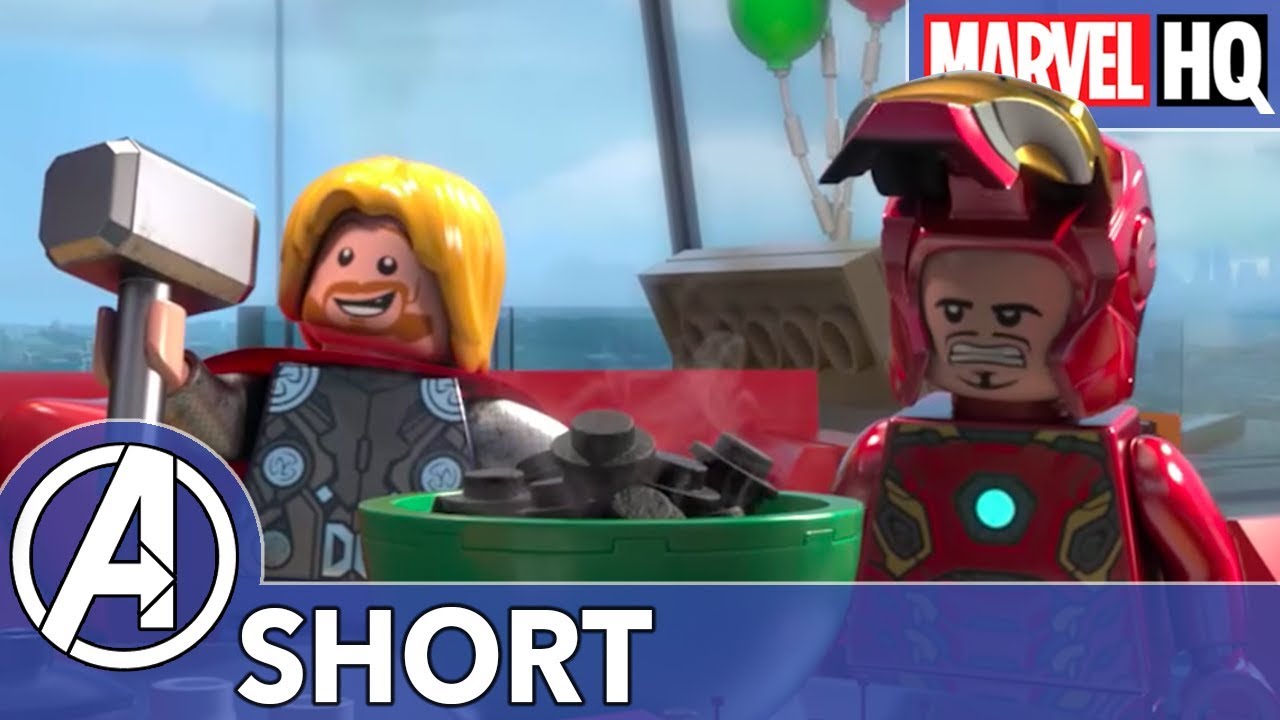
LEGO Marvel Super Heroes: Avengers: Reassembled! - Episode 1
Want more LEGO Avengers? Click here: https://www.youtube.com/playli....st?list=PLNw_hEO5pK1
When Ultron crashes a party and makes off with Iron Man, the other Avengers must roar into action to save their friend and – with the help from some other fellow super heroes – try to defeat Ultron before he uses Tony Stark to enact his nefarious scheme! Avengers reassemble!
---
Starring: Iron Man, Captain America, Black Widow, Hawkeye, Thor, Hulk, Vision, Ultron, Baron Von Strucker, Yellowjacket, Ant-Man
---
Sofia says, "I am tapped out on witty comments!"
#Thor #IronMan #LEGO #MarvelSuperHeroes #Avengers #AvengersReassembled #Ultron #CaptainAmerica #BlackWidow #Hawkeye #Hulk #Vision #BaronVonStrucker #YellowJacket #Hydra #AntMan #SpiderMan #IronSpider #AvengersAssemble #Marvel #MarvelHQ

"Marvel Mash-Up: Spider-Man & His Amazing Friends, Episode 14 - Captain America
The Marvel Universe is turned upside down with these humorous and unexpected takes on iconic Marvel heroes and villains - featuring classic animation with new voices and editing.
---
Guest Starring: Spider-Man, Iceman, Captain America
---
Bucky says, "Is this what Cap was up to while I was away?"
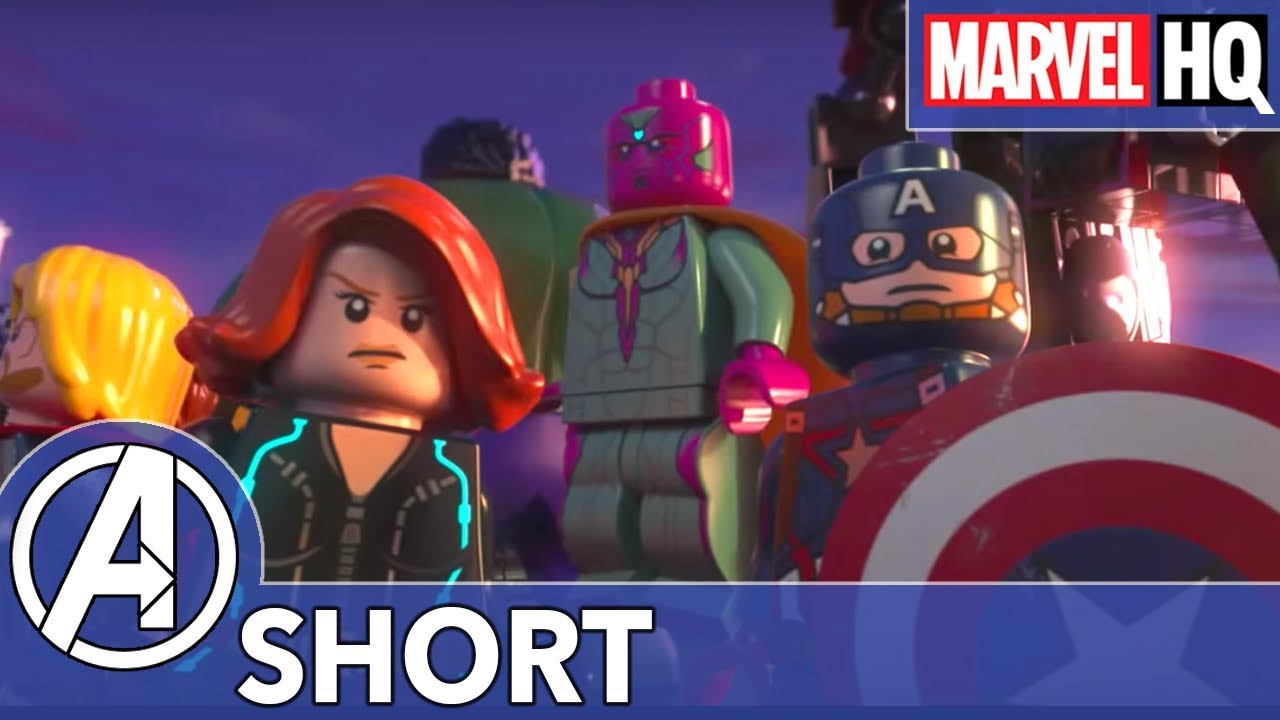
LEGO Marvel Super Heroes: Avengers: Reassembled! - Episode 5
Want more LEGO Avengers? Click here: https://www.youtube.com/playli....st?list=PLNw_hEO5pK1
When Ultron crashes a party and makes off with Iron Man, the other Avengers must roar into action to save their friend and – with the help from some other fellow super heroes – try to defeat Ultron before he uses Tony Stark to enact his nefarious scheme! Avengers reassemble!
---
Starring: Iron Man, Captain America, Black Widow, Hawkeye, Thor, Hulk, Vision, Ultron, Baron Von Strucker, Yellowjacket, Ant-Man
---
Manager Kari says, "Gimme more of these!"
#Avengers #AntMan #LEGO #MarvelSuperHeroes #AvengersReassembled #IronMan #CaptainAmerica #BlackWidow #Hawkeye #Thor #Hulk #Vision #BaronVonStrucker #YellowJacket #Hydra #Ultron #SpiderMan #IronSpider #AvengersAssemble #Marvel #MarvelHQ

Black Panther and Ms. Marvel head to the Inhuman city of Attilan on a secret mission.
Sunday, October 21st on DisneyXD (9:00 ET/9:30PM PT)
---
When an ancient and mysterious threat rises to destroy Wakanda, Black Panther must cast away old alliances, old rules, and old friends and chart a new course forward for himself and for the people of Wakanda. With his sister Shuri by his side, Black Panther will decide what kind of king, what kind of Avenger, and what kind of man he will be.
---
Cast:
Black Panther- James Matthis III
Shuri- Daisy Lightfoot
White Wolf- Scott Porter
Captain America- Roger Craig Smith
Iron Man- Mick Wingert
Killmonger- Keston John
Klaue- Trevor Devall
Baron Zemo- David Kaye
Madame Masque- Wynn Everett
Tiger Shark- Matthew Mercer
Bask- Ashleigh Hairston
Arnim Zola- Mark Hamill
#BlackPanther #MsMarvel #MarvelHQ #WakandaForever #BlackPanthersQuest #DisneyXD #Shuri #Marvel #Avengers #WakandaForever #Kraven #BPQ #MarvelHQ

SNEAK PEEK at Marvel's Avenger: Secret Wars - "Weirdworld" & "Westland"
---
Weirdworld – Black Widow and Captain Marvel must stop the now-separated Bruce Banner and Hulk from hurting each other, while they battle the evil Morgan Le Fay.
Westland – Hawkeye, Vision, and Wasp head to the old west world of 1872 to find Doctor Strange.
---
Sunday, March 4th on Disney XD (8:00 – 9:00 A.M. ET/PT)

Black Panther’s quest leads him to Baron Zemo and a surprise revelation.
Sunday, October 14th on DisneyXD (9:00 ET/9:30PM PT)
---
When an ancient and mysterious threat rises to destroy Wakanda, Black Panther must cast away old alliances, old rules, and old friends and chart a new course forward for himself and for the people of Wakanda. With his sister Shuri by his side, Black Panther will decide what kind of king, what kind of Avenger, and what kind of man he will be.
---
Cast:
Black Panther- James Matthis III
Shuri- Daisy Lightfoot
White Wolf- Scott Porter
Captain America- Roger Craig Smith
Iron Man- Mick Wingert
Killmonger- Keston John
Klaue- Trevor Devall
Baron Zemo- David Kaye
Madame Masque- Wynn Everett
Tiger Shark- Matthew Mercer
Bask- Ashleigh Hairston
Arnim Zola- Mark Hamill
#BlackPanther #BaronZemo #MarvelHQ #WakandaForever #BlackPanthersQuest #DisneyXD #Shuri #Marvel #Avengers #WakandaForever #Kraven #BPQ #MarvelHQ