Top Vídeos

Jugar a las escondidas en la casa de Vampirina y en una noche de luna llena puede ser un poco asustador. ¡Y más si Lobito escapa de su jaula!
Sitio Oficial: http://www.disneylatino.com/disneyjunior/
Síguenos en Facebook: http://www.facebook.com/DisneyJuniorLatinoamerica
¡Haz click en el botón SUSCRIBIR y entérate de los nuevos videos de Disney Junior en Youtube!

¡Ve nuestro más nuevo video del Bebé Tiburón en 3D! ¡Canta junto a tu personaje favorito de la Familia Tiburón! Haz clic en ? y déjanos un comentario ?? Suscríbete para ver más videos: https://goo.gl/vd5duf
Bebé Tiburon
Tu tu, tu tu turu
Tiburón
Tu tu, tu tu turu
Tiburón
Tu tu, tu tu turu
Tiburón
Tu tu, tu tu turu
Tiburón
Tu tu, tu tu turu
Tiburón
Tu tu, tu tu turu
Bebé Tiburón
Mamá Tiburón
Tu tu, tu tu turu
Tiburón
Tu tu, tu tu turu
Tiburón
Tu tu, tu tu turu
Tiburón
Tu tu, tu tu turu
Mamá Tiburón
Papá Tiburón
Tu tu, tu tu turu
Tiburón
Tu tu, tu tu turu
Tiburón
Tu tu, tu tu turu
Tiburón
Tu tu, tu tu turu
Papá Tiburón
Abuela Tiburón
Tu tu, tu tu turu
Tiburón
Tu tu, tu tu turu
Tiburón
Tu tu, tu tu turu
Tiburón
Tu tu, tu tu turu
Abuela Tiburón
Abuelo Tiburón
Tu tu, tu tu turu
Tiburón
Tu tu, tu tu turu
Tiburón
Tu tu, tu tu turu
Tiburón
Tu tu, tu tu turu
Abuelo Tiburón
Bebé Tiburón
Tu tu, tu tu turu
Y Mamá
Tu tu, tu tu turu
Y Papá
Tu tu, tu tu turu
Y Abuela
Tu tu, tu tu turu
Y Abuelo
Tu tu, tu tu turu
Familia Tiburón
Tu tu, tu tu turu
Familia Tiburón
Tu tu, tu tu turu
Tiburones
(?) Subscríbete a Little Angel para ver videos nuevos en cuanto salgan►► http://bit.ly/suscribete_LittleAngel_Esp
Nuestras canciones para niños enseñan habilidades básicas y mejoran su habilidad para comprender y seguir instrucciones. Las canciones infantiles aceleran las capacidades fonéticas y mejoran la comprensión oral, de lectura y escritura.
No olvides darnos un LIKE (?) si disfrutaste este video.
Descubre el universo Little Angel en www.littleangel.com
Síguenos en redes sociales para nuestras últimas novedades:
★ Facebook: https://www.facebook.com/littleangelvideo/
★ Instagram: https://www.instagram.com/littleangel_esp/
Nursery rhymes and kids songs, músicas para crianças, música infantil, canciones para niños, अंग्रेजी में बच्चों के गाने, детские песни для детей, comptines en espagnol, bata kanta sa ingles, lagu kanak-kanak Inggeris, lagu anak-anak dalam bahasa inggris, أغاني الأطفال باللغة الإنجليزية, 兒童歌曲英文.
Animations by: Valnet Inc.
Copyright 2018 Valnet
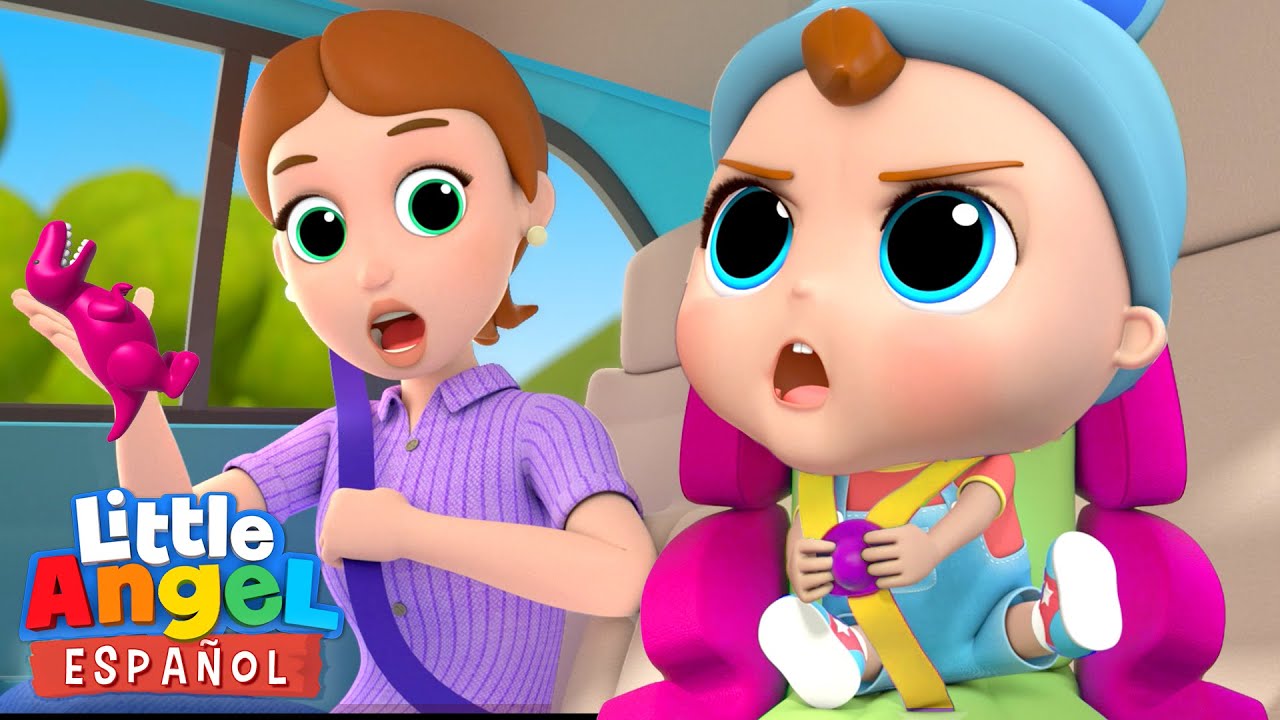
Bebé Juan está un poco desesperado en el carro con el cinturón de seguridad, y no ve la hora de llegar, por lo que pregunta todo el tiempo cuando van a llegar. ¿Te ha pasado alguna vez?
¡Aprende y disfruta con todos nuestros divertidos videos para niños en 3D! #bebejuan #cancionesinfantiles #littleangelespañol
(?️) Subscríbete a Little Angel Español para ver videos nuevos en cuanto salgan ?►► http://bit.ly/suscribete_LittleAngel_Esp
¡Ve a tu canción favorita eligiendo en el título debajo!
00:04 ¿Cuando vamos a llegar?
04:15 ¡No, No, No me quiero poner el cinturón!: https://youtu.be/bRj3Kr8-PvI
07:48 Papá nos construye una casa en el árbol: https://youtu.be/FWcOOBkD0QY
11:12 Incy Wincy Araña nos ayuda en el Parque: https://youtu.be/uFz8ct6l1I8
15:02 Aprendiendo a Jugar con Cuidado: https://youtu.be/QuZNq_gZDXI
Letra: ¿Cuando vamos a llegar?
---------------------------------------------------
No, no me quiero sentar
En el asiento del carro
No, no me quiero sentar
Si! Ahí debes estar
A salvo te mantendras
En el asiento del carro
Con tus juguetes puedes jugar
Si! yo lo hago!
Ya llegamos?
Ya llegamos?
Ya llegamos?
No, no me quiero sentar
En el asiento del carro
No, aquí no quiero estar
Si! Ahí debes estar
A salvo te mantendras
En el asiento del carro
Un poco de jugo puedes tomar
Si! yo lo hago!
----------------------------------------------
Nuestras canciones para niños enseñan habilidades básicas y mejoran su habilidad para comprender y seguir instrucciones. Las canciones infantiles aceleran las capacidades fonéticas y mejoran la comprensión oral, de lectura y escritura.
No olvides darnos un LIKE (?) si disfrutaste este video.
Descubre el universo Little Angel en www.littleangel.com
Síguenos en redes sociales para nuestras últimas novedades:
★ Facebook: https://www.facebook.com/littleangelespanol/
★ Instagram: https://www.instagram.com/littleangel_esp/
★ Twitter: https://twitter.com/Little_angel_es?lang=es
Música infantil, canciones para niños, Spanish for kids, nursery rhymes Spanish, Spanish kids songs.

El Papa Francisco preside un multitudinario encuentro con las familias en el estadio Víctor Manuel Reyna.
Más información en: https://www.aciprensa.com/noti....cias/encuentro-con-l

Escucha Testimonio de los Cristianos Perseguidos y el uso del SANTO ROSARIO
TEKTON NECESITA TU APOYO PARA CONTINUAR CON SU LABOR APOSTÓLICA Y CARITATIVA, SI PUEDES HACERNOS UN DONATIVO TIENES DOS FORMAS:
HAZTE PATROCINADOR: https://www.patreon.com/CTtekton
DONATIVO A TRAVÉS DE LA WEB: https://www.tekton.info/hacer-caridad/
OTRAS REDES SOCIALES
Web: https://www.tekton.info/
San José de tekton: https://www.youtube.com/channe....l/UCEy0tevPx3RayM5PA
Instagram Tekton: https://www.instagram.com/prod....uctoratekton/?hl=es-
Instagram Marcos: https://www.instagram.com/marcosveraperez/?hl=es
Twitter: https://twitter.com/productoratekto
Twitter Marcos: https://twitter.com/marcosveraprez1?lang=es
Tekton es un canal de youtube católico nacido en Barcelona (España), puedes encontrar noticias relacionadas con la Iglesia Católica, y recursos de otro tipo como formación católica, oraciones, música católica, vídeos del Papa Francisco, curiosidades, vidas de Santos, el Evangelio del día, y otras muchas cosas más. No dudes en entrar y ver el contenido que sin duda te gustará
Instagram de Marcos Vera: https://www.instagram.com/marcosveraperez/
Twitter de Marcos Vera: https://twitter.com/MarcosVeraPrez1
Twitter de Jesus Sellas: https://twitter.com/JesusSellas
Hacer un donativo: https://www.tekton.info/hacer-caridad/
Tienda de merchandising de Tekton: https://teespring.com/stores/t....ekton-centro-televis
Web: http://www.tekton.info
Facebook: https://www.facebook.com/productoratekton/
Twitter: https://twitter.com/productoratekto?s=09
Instagram: https://www.instagram.com/productoratekton/
Google+: https://plus.google.com/u/1/+T....ektonTekton?hl=es-41
#SantoRosario
#Tekton
#TektonCentroTelevisivo
#TektonYouTube
#CanalCatolicoYouTube

Vida del Santo del día de hoy, Santo Domingo Savio, (+1857)
Otros Santos de hoy: Francisca Romana, Paciano, Gregorio Niceno, Catalina de Bolonia.
Tekton es un canal de noticias católicas nacido en Barcelona (España), puedes encontrar noticias relacionadas con la Iglesia Católica, y recursos de otro tipo como vidas de Santos, el Evangelio del día, y otras muchas cosas más. No dudes en entrar y ver el contenido que sin duda te gustará, nuestra web es www.tekton.info

Suscríbete ► http://bit.ly/SuscribeteElReinoInfantil
Síguenos/Follow us:
Facebook ► https://www.facebook.com/ElReinoInfantil
Instagram► https://www.instagram.com/reino_infantil/
Twitter ► https://twitter.com/Reino_Infantil
¡Encuentra todos nuestros productos exclusivos aquí!
►http://bit.ly/ElReinoInfantilWEB

Los vikingos sufrieron muchas dificultades en el norte de Europa: inviernos largos y fríos, pero sobre todo, padecieron la falta de luz solar. Por suerte, tenían al bacalao.
SUSCRÍBETE ahora para ver todos nuestros videos: http://bit.ly/Suscribirse_Veritasium_en_español
Cuando hice un video sobre las vitaminas, pensé que la historia se trataría principalmente de píldoras suplementarias, si deberíamos tomarlas o no y cómo se hacen. Pero lo que descubrí es que las vitaminas tienen una historia notable, que afecta muchos más aspectos de nuestras vidas. Por ejemplo, los vikingos necesitaban una fuente de vitamina D para sobrevivir los oscuros meses de invierno y para que sus hijos desarrollaran huesos fuertes y saludables, evitando el raquitismo.
Este video fue filmado por Harry Panagiotidis
Investigado y escrito por Derek Muller y Jonny Hyman
Edición, animación y música de Jonny Hyman.
Animación de aceite de hígado de bacalao por Iván Tello
------------------------------------------------------------------------
Servicios de doblaje: Unilingo
Traductora: Paula Salomone
Voz de doblaje: Pato Lago, Diego Rivas,
Ingeniero de sonido: Gastón Adriel Álvarez
Edición y post-producción de video: Juan Caille Tornquist
------------------------------------------------------------------------
#veritasiumenespañol

Aprende de manera fácil y divertida la tabla de multiplicar del 5.
Explora las tablas de multiplicar del 2 al 9 aquí: http://goo.gl/Q3hS4L
#Cantiplicando
Visitanos en las redes sociales:
Facebook: https://www.facebook.com/CanticuentosInfantil
YouTube: https://www.youtube.com/CanticuentosInfantil
Google+: http://goo.gl/rUpVRH
Letra:
Mientras salto la cuerda
aprendo la tabla del cinco
No te creo,
cómo qué no?
salta conmigo y verás
Cinco por uno, cinco
cinco por dos son diez,
no te creo,
y si tu no lo crees
anda pregúntale al juez
Cinco por tres son quince
cinco por cuatro, veinte,
no te creo,
y si tu no locrees
vete a saltar al puente
Cinco por cinco, veinticinco
cinco por seis son treinta,
mentira,
y si tu no lo crees
que lo diga doña Berta,
chismosas
Cinco por siete treinta y cinco
cinco por ocho, cuarenta,
farsantes,
y si tu no lo crees
cómprate una vaca tuerta
Cinco por nueve, cuarenta y cinco
cinco por diez, cincuenta,
déjate de pamplinas,
no saco más la cuenta

TEKTON NECESITA TU APOYO PARA CONTINUAR CON SU LABOR APOSTÓLICA Y CARITATIVA, SI PUEDES HACERNOS UN DONATIVO TIENES DOS FORMAS:
HAZTE PATROCINADOR: https://www.patreon.com/CTtekton
DONATIVO A TRAVÉS DE LA WEB: https://www.tekton.info/hacer-caridad/
OTRAS REDES SOCIALES
Web: https://www.tekton.info/
San José de tekton: https://www.youtube.com/channe....l/UCEy0tevPx3RayM5PA
Instagram Tekton: https://www.instagram.com/prod....uctoratekton/?hl=es-
Instagram Marcos: https://www.instagram.com/marcosveraperez/?hl=es
Twitter: https://twitter.com/productoratekto
Twitter Marcos: https://twitter.com/marcosveraprez1?lang=es
Tekton es un canal de youtube católico nacido en Barcelona (España), puedes encontrar noticias relacionadas con la Iglesia Católica, y recursos de otro tipo como formación católica, oraciones, música católica, vídeos del Papa Francisco, curiosidades, vidas de Santos, el Evangelio del día, y otras muchas cosas más. No dudes en entrar y ver el contenido que sin duda te gustará
Instagram de Marcos Vera: https://www.instagram.com/marcosveraperez/
Twitter de Marcos Vera: https://twitter.com/MarcosVeraPrez1
Twitter de Jesus Sellas: https://twitter.com/JesusSellas
Hacer un donativo: https://www.tekton.info/hacer-caridad/
Tienda de merchandising de Tekton: https://teespring.com/stores/t....ekton-centro-televis
Web: http://www.tekton.info
Facebook: https://www.facebook.com/productoratekton/
Twitter: https://twitter.com/productoratekto?s=09
Instagram: https://www.instagram.com/productoratekton/
Google+: https://plus.google.com/u/1/+T....ektonTekton?hl=es-41
#Tekton
#TektonCentroTelevisivo
#TektonYouTube
#CanalCatolicoYouTube
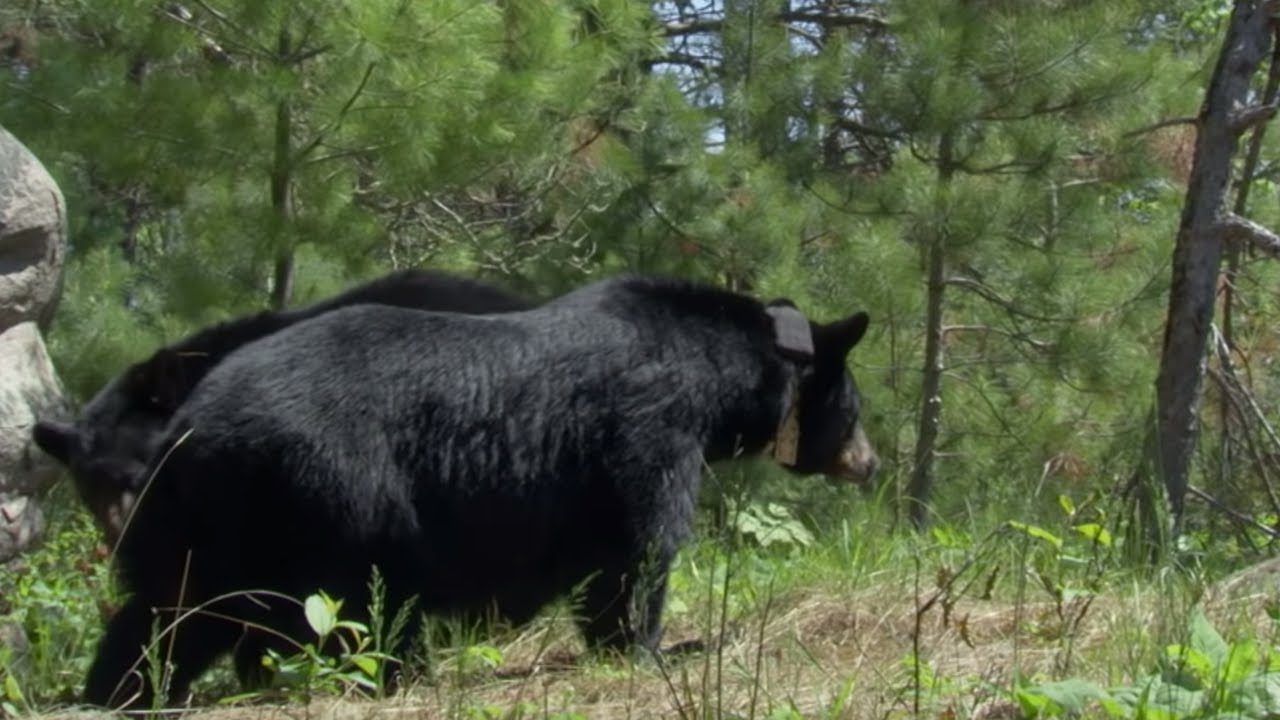
Watch this happy go lucky black bear as he picks up the scent of a female and successfully mates!
Subscribe to BBC Earth: http://bit.ly/BBCEarthSub
Planet Earth http://bit.ly/PlanetEarthPlaylist
Blue Planet http://bit.ly/BluePlanetPlaylist
Planet Earth II http://bit.ly/PlanetEarthIIPlaylist
Planet Dinosaur http://bit.ly/PlanetDinoPlaylist
24/7 Wild:
Witness the most charismatic animals on earth as they experience life's ultimate challenges in the first few vulnerable weeks of life. 24/7 Wild journeys with them to understand their tough rites of passage to adulthood and survival.
Welcome to BBC EARTH! The world is an amazing place full of stories, beauty and natural wonder. Here you'll find 50 years worth of astounding, entertaining, thought-provoking and educational natural history content. Dramatic, rare, and exclusive, nature doesn't get more exciting than this.
Want to share your views with the team behind BBC Earth and win prizes? Join our fan panel here: http://tinyurl.com/YouTube-BBCEarth-FanPanel
This is a channel from BBC Worldwide who help fund new BBC programmes
Service information and feedback: http://bbcworldwide.com/vod-fe....edback--contact-deta

Suscríbete ► http://bit.ly/SuscribeteElReinoInfantil
Síguenos/Follow us:
Facebook ► https://www.facebook.com/ElReinoInfantil
Instagram► https://www.instagram.com/reino_infantil/
Twitter ► https://twitter.com/Reino_Infantil
¡Encuentra todos nuestros productos exclusivos aquí!
►http://bit.ly/ElReinoInfantilWEB

It's a little shaky but if you average out the oscillations I think the result is clear. Again, huge thank you's to A/Prof Emeritus Rod Cross, Helen Georgiou, Alex Yeung, and Chris Stewart, Tom Gordon, the University of Sydney Mechanical Engineering shop, Duncan and co. Ralph and the School of Physics.
Suscríbete A Nuestro Canal Aquí

"Don't touch my rum!"
Visit http://kiskeya.life For more videos and articles about the Kiskeya island, also known as the Dominican Republic and Haiti!
Patreon: https://www.patreon.com/user?u=877947
Instagram: http://instagram.com/kiskeya.life/
Facebook: http://facebook.com/kiskeyalife
Twitter: http://twitter.com/aleccorday
See here the camera and equipment we used:
http://amzn.to/1VD2vSJ
------------------------------------------------
Credits:
Music by:
Joakim Karud "Great Days"
Written, directed, edited and produced by Alec Corday
http://www.aleccorday.com
Executive Producer Lola Mendez
http://www.uhlola.com
Theme Music by SENNA
http://sennamusic.tumblr.com/
All videos/pictures by
Alec Corday
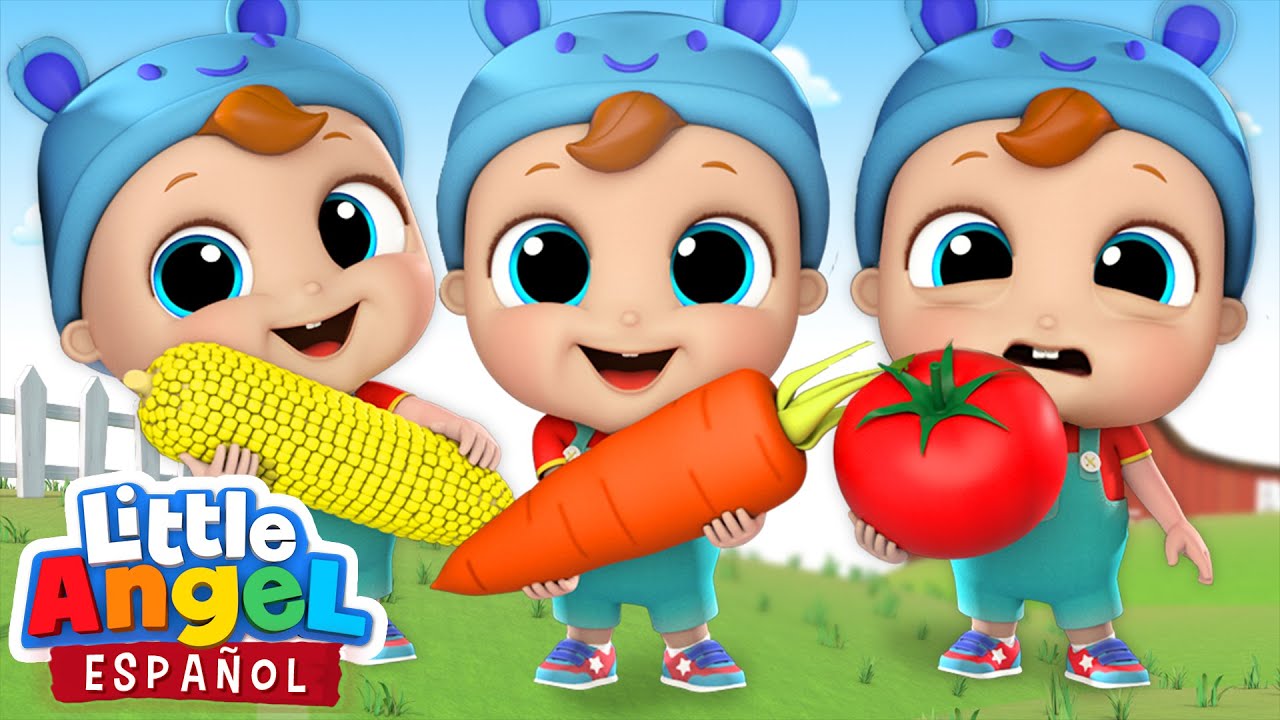
La Canción de los Vegetales para niños es una excelente idea cuando los pequeñitos no quieren comerse sus verduras ???? ¡Las verduras saben y te hacen bien! Mira cómo Bebé Juan y sus hermanitos las disfrutan, aunque al principio no querían. ¿Cuál es tu verdura favorita? ¡Aprende y disfruta con todas nuestras divertidas canciones para niños en 3D! #littleangel #littleangelespañol #bebejuan
(?️) Subscríbete a Little Angel Español para ver videos nuevos en cuanto salgan ?►► http://bit.ly/suscribete_LittleAngel_Esp
Letra: Come Más Verduras
-----------------------------------------------------
Las verduras hacen bien
Hacen bien, hacen bien
Cómelas todos los días
Un gran alimento son
El maíz es delicioso
Cómelo, cómelo
El maíz es delicioso
Y es bueno para ti
Los tomates frescos son
Frescos son, frescos son
A lavarlos y a comerlos
¡Tienes que probarlos!
Los tomates sabrosos son
Sabrosos son, sabrosos son
Nutritivos y jugosos
Los voy a probar
Bajo tierra crecieron ya
Crecieron ya, crecieron ya
Bajo tierra crecieron ya
Las voy a saborear
Son crujientes y muy dulces
Y muy dulces, y muy dulces
Son crujientes y muy dulces
Las vamos a probar
El brócoli parece un árbol
Parece un árbol, parece un árbol
El brócoli parece un árbol
Me encanta el brócoli
El brócoli es muy sabroso
Muy sabroso, muy sabroso
El brócoli es muy sabroso
Me encanta el brócoli
Las legumbres son mis favoritas
Favoritas, favoritas
Las legumbres son mis favoritas
Son tan sabrositas
Es divertido probar verduras
Probar verduras, probar verduras
Las comemos a toda hora
Son una delicia
-----------------------------------------------------
¡Ve a tu canción favorita eligiendo en el título debajo!
00:04 Las Verduras Te Hacen Bien??
03:17 Vamos al Zoológico con Bebé Juan ????: https://youtu.be/16K7L-MYqVo
07:39 Es Hora de Dormir Bebé ? : https://youtu.be/jtBrrK3oYmc
Nuestras canciones para niños enseñan habilidades básicas y mejoran su habilidad para comprender y seguir instrucciones. Las canciones infantiles aceleran las capacidades fonéticas y mejoran la comprensión oral, de lectura y escritura.
No olvides darnos un LIKE (?) si disfrutaste este video.
Descubre el universo Little Angel en www.littleangel.com
Síguenos en redes sociales para nuestras últimas novedades:
★ Facebook: https://www.facebook.com/littleangelespanol/
★ Instagram: https://www.instagram.com/littleangel_esp/
★ Twitter: https://twitter.com/Little_angel_es?lang=es
Música infantil, canciones para niños, nursery rhymes in Spanish.
Animaciones por: Valnet Inc.
Copyright 2019 Valnet
Suscríbete ► http://bit.ly/SuscribeteElReinoInfantil
Síguenos/Follow us:
Facebook ► https://www.facebook.com/ElReinoInfantil
Instagram► https://www.instagram.com/reino_infantil/
Twitter ► https://twitter.com/Reino_Infantil
¡Encuentra todos nuestros productos exclusivos aquí!
►http://bit.ly/ElReinoInfantilWEB
El Baile del Cocodrilo - Las Canciones del Zoo 2 | El Reino Infantil


No te pierdas este divertido vídeo llamado La Vaca Sonriente. Disfrútalo!
Encuentra más vídeos de mis pequeñines aquí: https://goo.gl/SdgBVe
#MisPequeñines
Visítanos en las redes sociales:
Facebook: https://www.facebook.com/CanticuentosInfantil
YouTube: https://www.youtube.com/CanticuentosInfantil
Google+: http://goo.gl/rUpVRH
Letra:
Yo soy una vaca, la vaca sonriente
Siempre estoy feliz mostrando mis dientes
Me alimento bien, como mucho pasto
Cuando quieren leche, siempre doy abasto
Yo soy una vaca, la vaca sonriente
Siempre estoy feliz mostrando mis dientes
Cuando me acarician siento alegría
Y produzco abono con mucha energía
Yo soy una vaca, la vaca sonriente
Siempre estoy feliz mostrando mis dientes
Me encanta los niños me hacen mugir
Y cuando sonrió los hago reír
Yo soy una vaca, la vaca sonriente
Siempre estoy feliz mostrando mis dientes
Bebo agua fresca y como melaza
Me siento contenta cuando tú me abrazas
Yo soy una vaca, la vaca sonriente
Siempre estoy feliz mostrando mis dientes

Te invitamos a que viajes en "El Tren De Los Números" y aprendas junto a nosotros a contar los números del 0 al 10. Sera súper divertido!!
Encuentra Más Vídeos Aquí:
#Canticuentos
Visítanos en las redes sociales:
Facebook: https://www.facebook.com/Canticuentos...
Instagram: http://instagram.com/canticuentosinfa...
YouTube: https://www.youtube.com/CanticuentosI...
Google+: http://goo.gl/rUpVRH
Letra:
Escucha con atención ahí viene el tren chu chu
y con el los números vas a aprender chu chu
ahí viene el tren, ahí viene el tren
los números vamos a aprender
ahí viene el tren, ahí viene el tren
los números vamos a aprender
ha llegado nuestro tren
cada vagón tiene un número
0,1,2,3,4,5,6,7,8,9,10
muy bien!
descubramos que hay en cada vagón
abramos el 0, oh!
no hay nada, 0
abramos el 1
1 balón, 1
abramos el 2, manzanas! 1, 2
2 manzanas
abramos el 3, carritos de juguete
1, 2, 3
3 carritos de juguete
abramos el 4, trompetas
1,2,3,4
4 trompetas
abramos el 5, bananas
1,2,3,4,5
5 bananas
abramos el 6, helados
1,2,3,4,5,6
6 helados
abramos el 7, sombreros
1,2,3,4,5,6,7
7 sombreros
abramos el 8, naranjas
1,2,3,4,5,6,7,8
8 naranjas
abramos el 9, muñecas
1,2,3,4,5,6,7,8,9
9 muñecas
abramos el 10, tambores
1,2,3,4,5,6,7,8,9,10
10 tambores
0,1,2,3,4,5,6,7,8,9,10
niños, el tren nos ha traído muchos regalos
gracias tren!
adiós tren!
ya se va el tren
ya se va el tren
aprendimos del 0 hasta el 10
ya se va el tren
ya se va el tren
aprendimos del 0 hasta el 10